
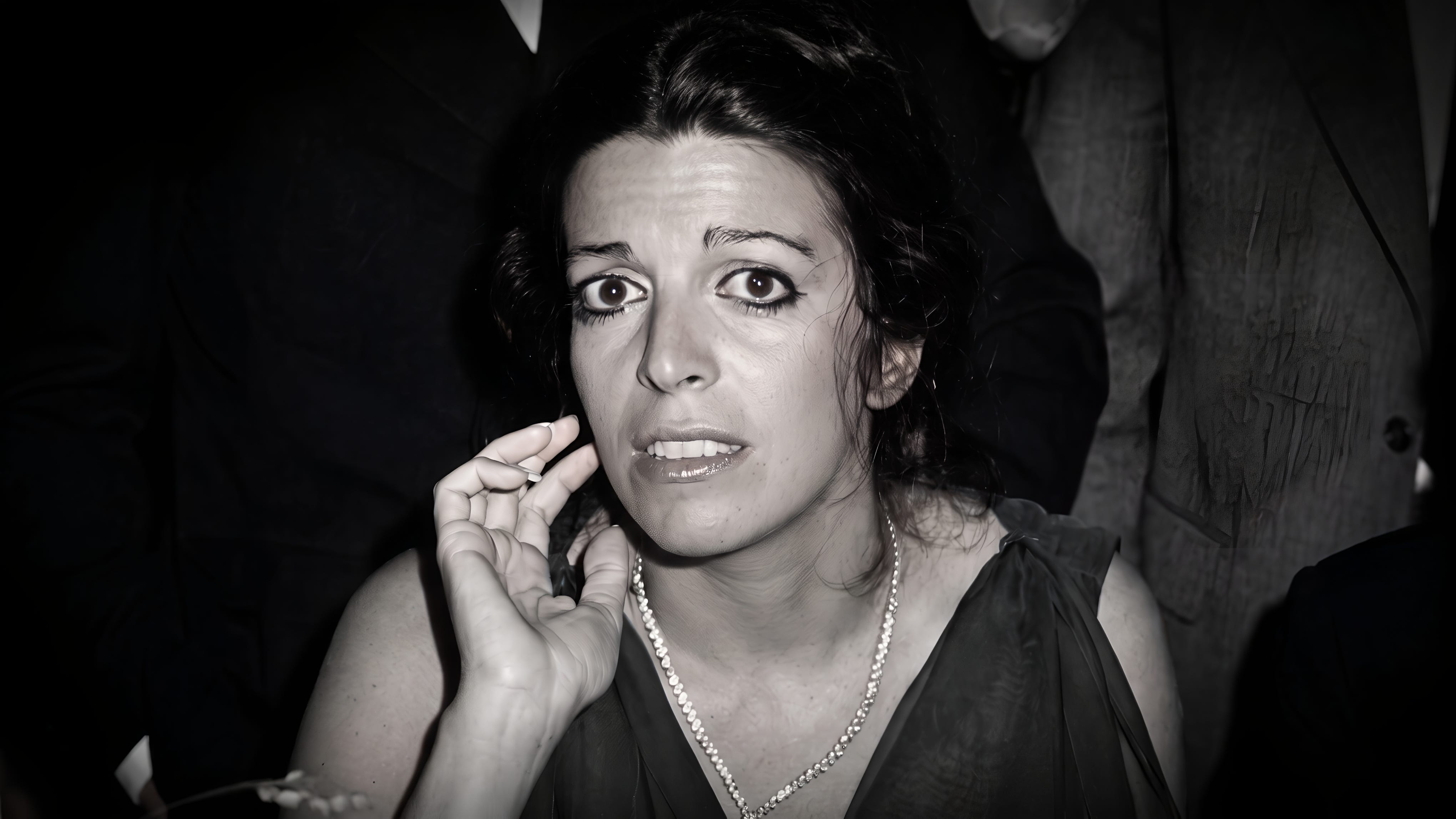
Argentine investigators spent the weeks after the death of Christina Onassis cataloguing what she left behind in a Buenos Aires bathroom, including 41 separate medications pulled from her room and sent for analysis.
A federal judge told a wire service he could not rule out excessive ingestion of barbiturates. Police sources maintained at the time that the initial autopsy showed no suicide and no foul play.
Three weeks on, a different court confirmed traces of optalidon, a barbiturate-based sedative, in her system. The amount stayed undetermined.
It was a familiar kind of inventory. Her whole life had been logged this way by other people… a diagnosis written up by Swiss doctors, a will drafted by her father’s lawyers, a settlement contract auctioned decades later to a private collector.
She was 37.
The last document with her name on it was a lab report, and it wouldn't be the strangest thing anyone ever filed about her.
The Girl Who Stopped Talking
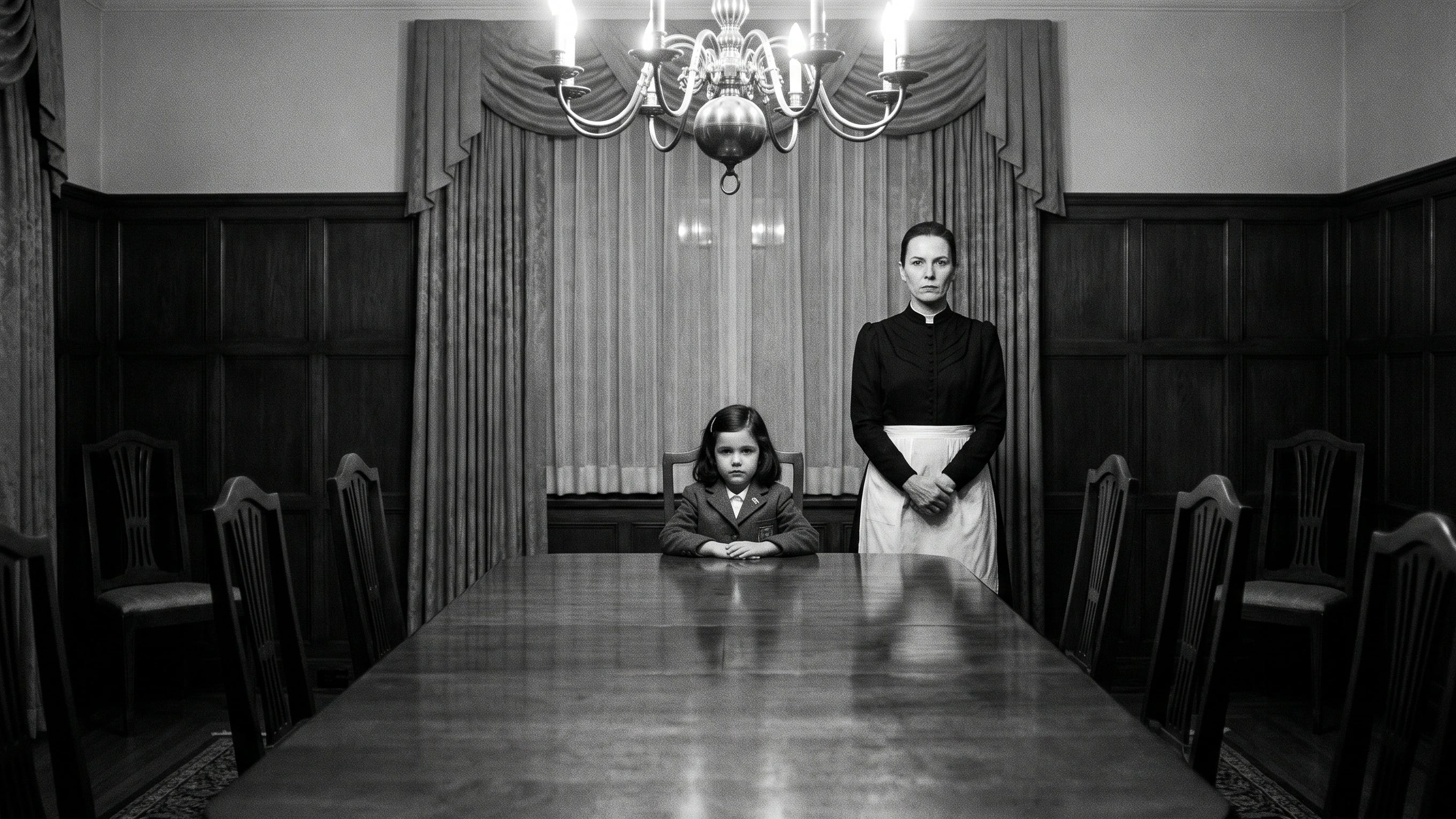
Christina Onassis was born December 11, 1950, to the Greek shipping magnate Aristotle Onassis and his first wife, Athina “Tina” Livanos, herself the daughter of a rival shipping dynasty.
Her older brother Alexander had arrived two years before her, and by every account he was the son their father had built his ambitions around.
At age five, according to William Wright’s 1991 biography as summarized in contemporaneous book reviews, Christina simply stopped talking.
Her parents responded the way the household responded to most problems, by hiring specialists and flying her to Zurich. Doctors there produced a diagnosis, and eventually she began speaking again. This detail rests on Wright’s biography as filtered through newspaper reviewers who read the manuscript. It hasn’t been independently corroborated by a medical record, and is presented here as biographer-sourced.
The reviewer covering that book for one major paper noted dryly that nobody on the payroll seemed willing to suggest the muteness was simply a child’s plea for attention and hands-on love.
Money, in that reviewer’s telling, kept arriving faster than anyone could work out what the girl actually needed.
A specialist got called in on a five-year-old instead of a conversation. It would set the pattern for how the family handled every crisis that followed.
Her parents divorced in 1960, after Aristotle’s affair with the opera singer Maria Callas became public, closing out a marriage that had already absorbed a decade of his infidelities.
According to a 1989 Vanity Fair profile by Anthony Haden-Guest, built on interviews with people in her circle, Christina grew up understanding that her father found her plain and was embarrassed by her, an impression that shaped her for the rest of her life.
He still named his 325-foot yacht after her and dressed her as an infant in gowns from the House of Dior, a contradiction her biographers have never resolved.
That same Vanity Fair profile later described what the contradiction cost her: Christina, by that account, spent her adolescence understanding she would never be wanted the way she wanted to be wanted, and conducted herself for years as if daring the world to prove her father wrong.
Two more files were about to open, and this time they would be for people rather than symptoms.
29 Months
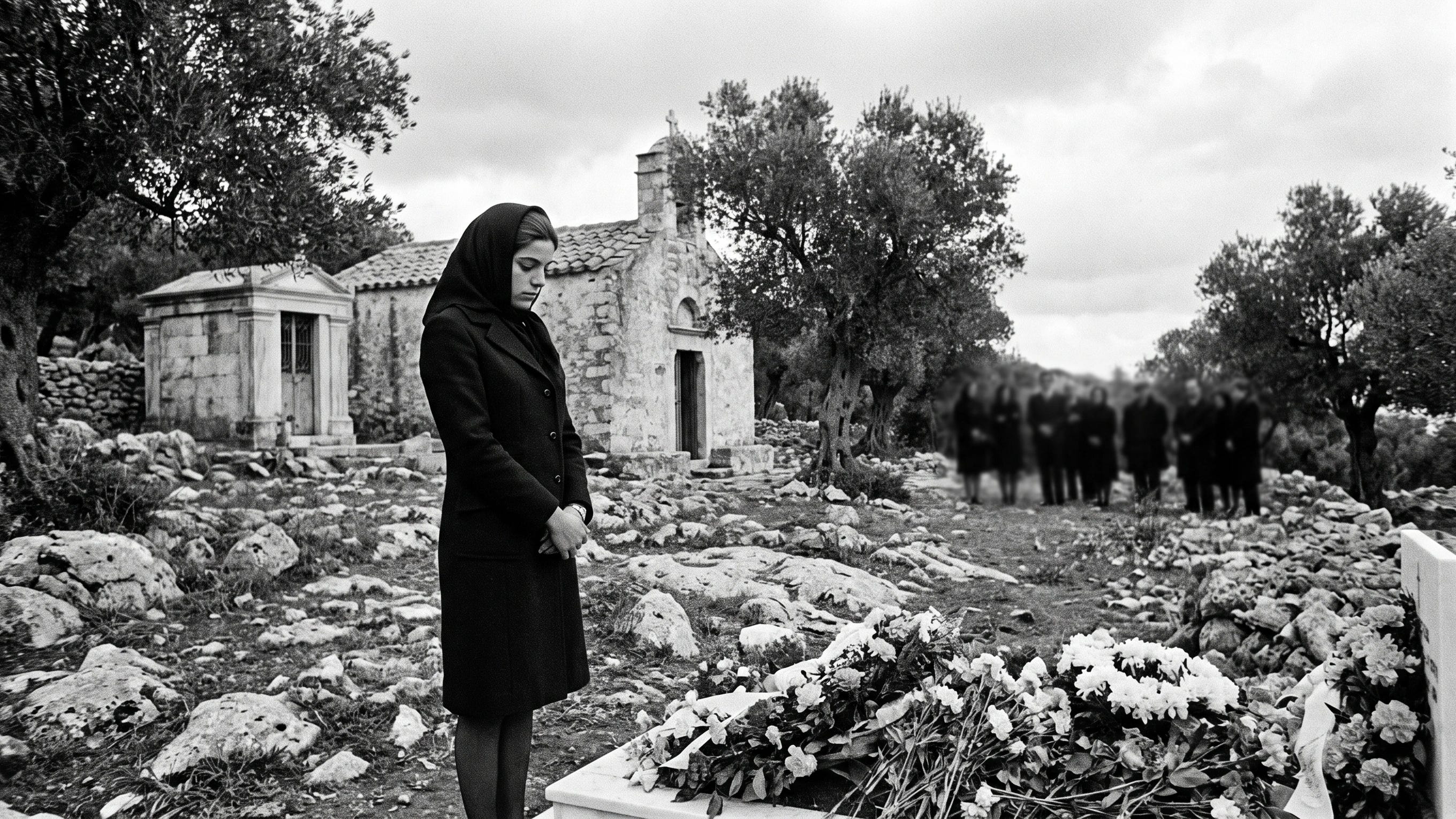
Between January 1973 and March 1975, Christina lost every member of her immediate family.
Her brother Alexander, 24, died when a seaplane he was piloting crashed on takeoff from Athens airport. Aristotle had already been pushing Christina toward marriage with a fellow shipping heir, Peter Goulandris, and associates later said the pair reportedly pledged themselves at Alexander’s deathbed, a plan that never came to pass.
Twenty months later, in October 1974, her mother Tina died in Paris. It was reported publicly as a heart attack, though later biographical accounts describe it as a barbiturate overdose.
Five months after that, on March 15, 1975, Aristotle himself died near Paris of complications from myasthenia gravis, a disease that had left him increasingly frail through his final year. A family of four had become, in a little over two years, one 24-year-old woman.
Aristotle had spent that same period consumed with a different problem, who would run his companies now that his son was gone. Death answered the question for him.
Contemporaneous press estimates valued his estate anywhere from $500 million to a $1 billion: a bank, more than 50 tankers, Olympic Airways, half of a still-unfinished tower on Manhattan’s Fifth Avenue.
His lawyers were, by the same reporting, still unraveling the knots of the will months after his death, even as they kept paying his widow’s allowance in the meantime.
The will handed the bulk of the estate to Christina and to a foundation named for Alexander, and left his widow, Jacqueline Kennedy Onassis, a fixed annual sum.
Christina was suddenly among the richest women alive, running an empire she had never trained to inherit.
The day after the funeral, she told the crew of the yacht bearing her own name that their jobs were safe.
Her father, in life, had pushed her toward Peter Goulandris in part because he worried aloud to associates about who would mind his affairs once he and Alexander were both gone.
She minded them herself instead, starting with the crew payroll and ending, 18 months later, with a $20.5 million check to the one relative she had never wanted at the table.
A new negotiation was already forming, and this one had her stepmother’s name on it.
The Stepmother Tax
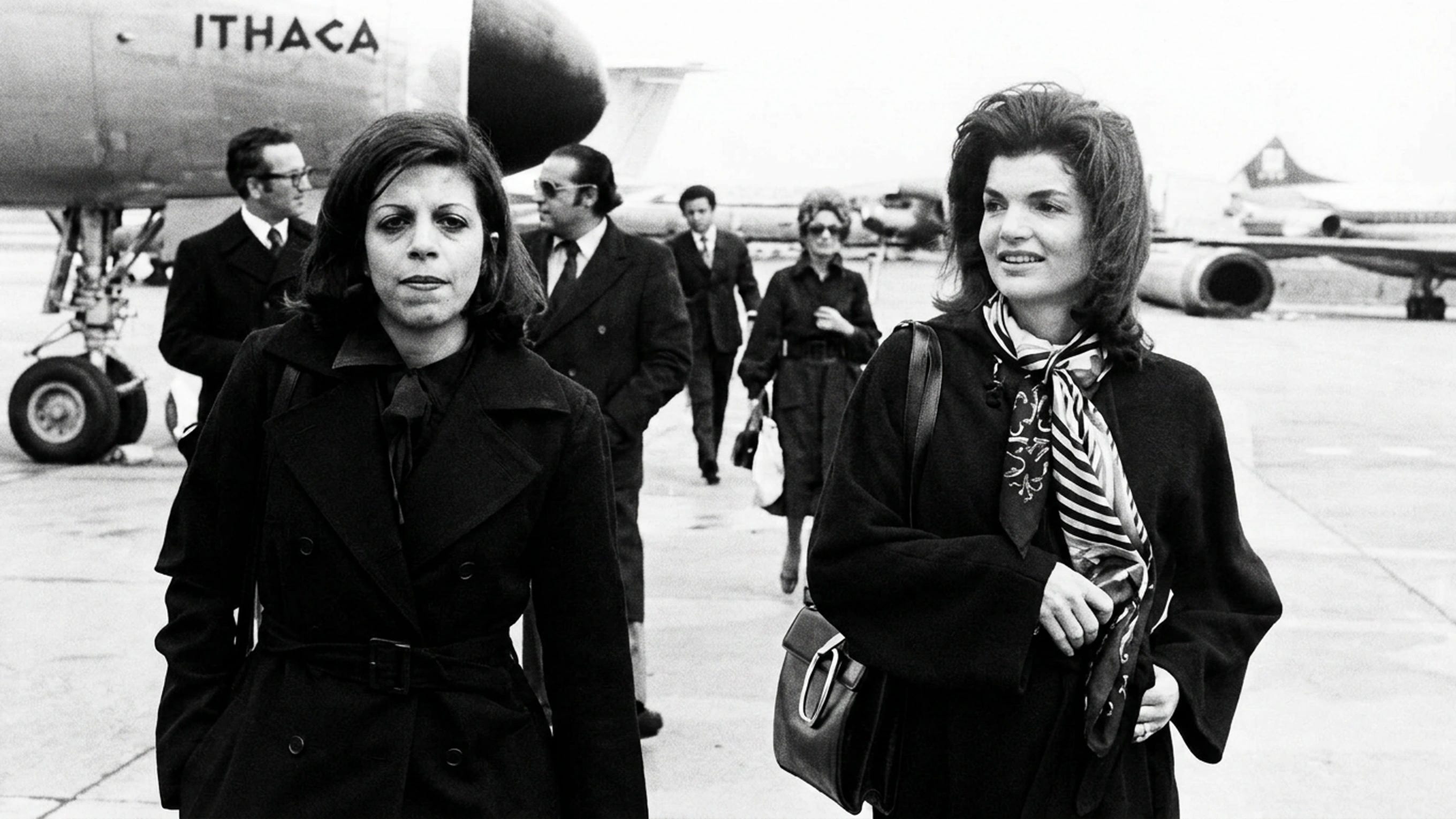
Christina had never accepted her father’s second wife.
At his funeral on Skorpios, she and Jackie rode together from the church in a public show of unity. That display lasted only until Christina got out partway and switched to another car, a break reporters covering the burial noticed immediately.
Under the will, Jackie was entitled to $250,000 a year, with part of that earmarked for her two children. One contemporary estimate figured this might total roughly $10 million if she lived into her eighties.
Her lawyers argued this fell far short of what Greek inheritance law entitled a widow to claim, with her brother-in-law Senator Edward Kennedy pressing the case behind the scenes. Negotiations dragged on for 18 months.
Christina’s attorney, Stelios Papadimitriou, who had represented the Onassis family since 1954, later told reporters his client agreed to a large settlement mainly to sever ties with her stepmother and sidestep a Greek court fight her own lawyers believed Jackie could win outright. Although she was raised in America, he said, Christina was exceedingly Greek: strong-willed, emotional, and impulsive.
The will itself carried its own warning attached to Jackie’s name.
Aristotle had written into it that if his wife pressed any inheritance claims beyond the notarized resignation she had already signed in the United States, she would forfeit her annuity entirely. It was a clause built to be litigated, and for 18 months it was.
The two sides signed a contract on May 7, 1975, later sold at auction to a private collector. Christina paid Jackie a lump sum of $20.5 million in exchange for renouncing any further claim on the estate, more than double what the will alone would have guaranteed her.
Decades on, the writer Peter Evans, who had known the family, remembered it more bluntly. Christina couldn’t stand her, he said, to the tune of $26 million, rounding a separate annuity into the same figure most retellings still use instead of the contract’s actual number.
Christina had bought her way out of one family obligation. Four more were waiting, and this time they came bound in wedding certificates instead of settlement papers.
Marriage As Paperwork
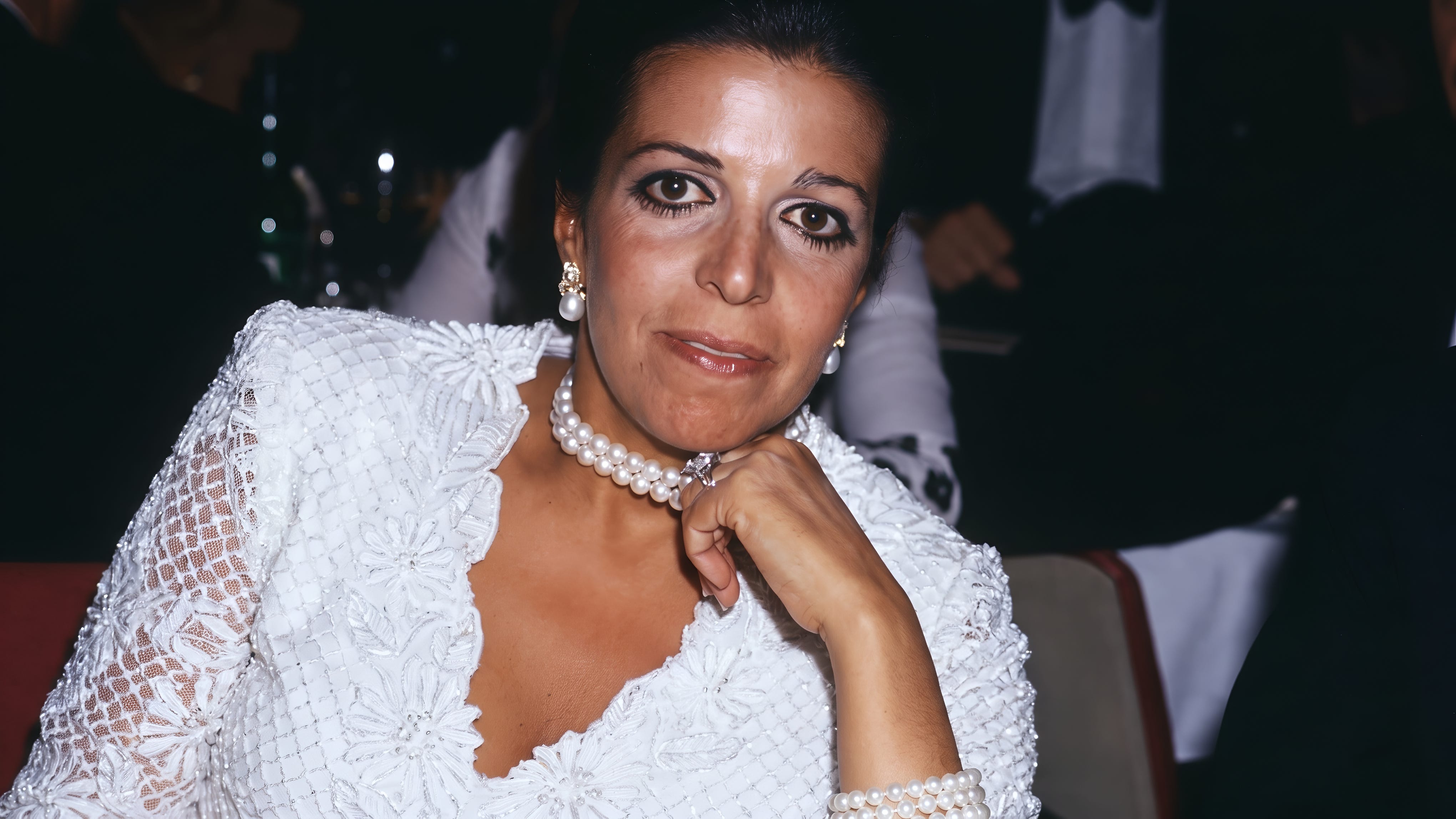
She married four times in 13 years. Family friends quoted at the time described each one less as romance than as an arrangement she needed on paper.
The first, in July 1971, was to Joseph Bolker, a Los Angeles real estate developer nearly three decades her senior. Her father strongly opposed the match.
Family members later told wire services that Christina had attempted suicide during that marriage, a claim reported after her death but never independently confirmed by a medical record. It lasted roughly a year.
Four months after her father’s death, in July 1975, she married Alexander Andreadis, a Greek shipping and banking heir, in a match widely read as dynastic bookkeeping rather than affection. Fourteen months later, it too was over.
The third marriage, in August 1978, startled even her own circle.
Sergei Kauzov was a Soviet shipping official she wed in a Moscow civil ceremony, and for a stretch she lived in his mother’s small apartment, a jarring change from a childhood on private islands and yachts.
Cold War commentary at the time treated the match as strategically loaded rather than romantic, given the value of a Soviet official marrying into a Western shipping fortune. No formal charge or documented finding ever established that Soviet intelligence had directed it. It ended in divorce around 1980.
Her fourth marriage, to the French pharmaceutical heir Thierry Roussel in March 1984, produced her only child, Athina, born the following January. Roussel kept up a parallel relationship throughout the marriage, and by her thirties Christina had reportedly agreed to pay him for the nights he spent with her rather than his mistress.
Anthony Haden-Guest’s 1989 Vanity Fair profile sources that detail to gleefully wagging tongues in her circle rather than to anyone directly involved. They divorced in 1987 but stayed entangled over custody of Athina until her death.
William Wright’s biography frames the whole run of marriages as rebellion against a father who never let anyone in his house want something he hadn’t already approved. That reading comes from reviewers rather than settled fact. The pattern itself, four marriages, four divorces, isn’t in dispute.
What came next didn’t need a ceremony to get filed away.
The Ledger of Her Body
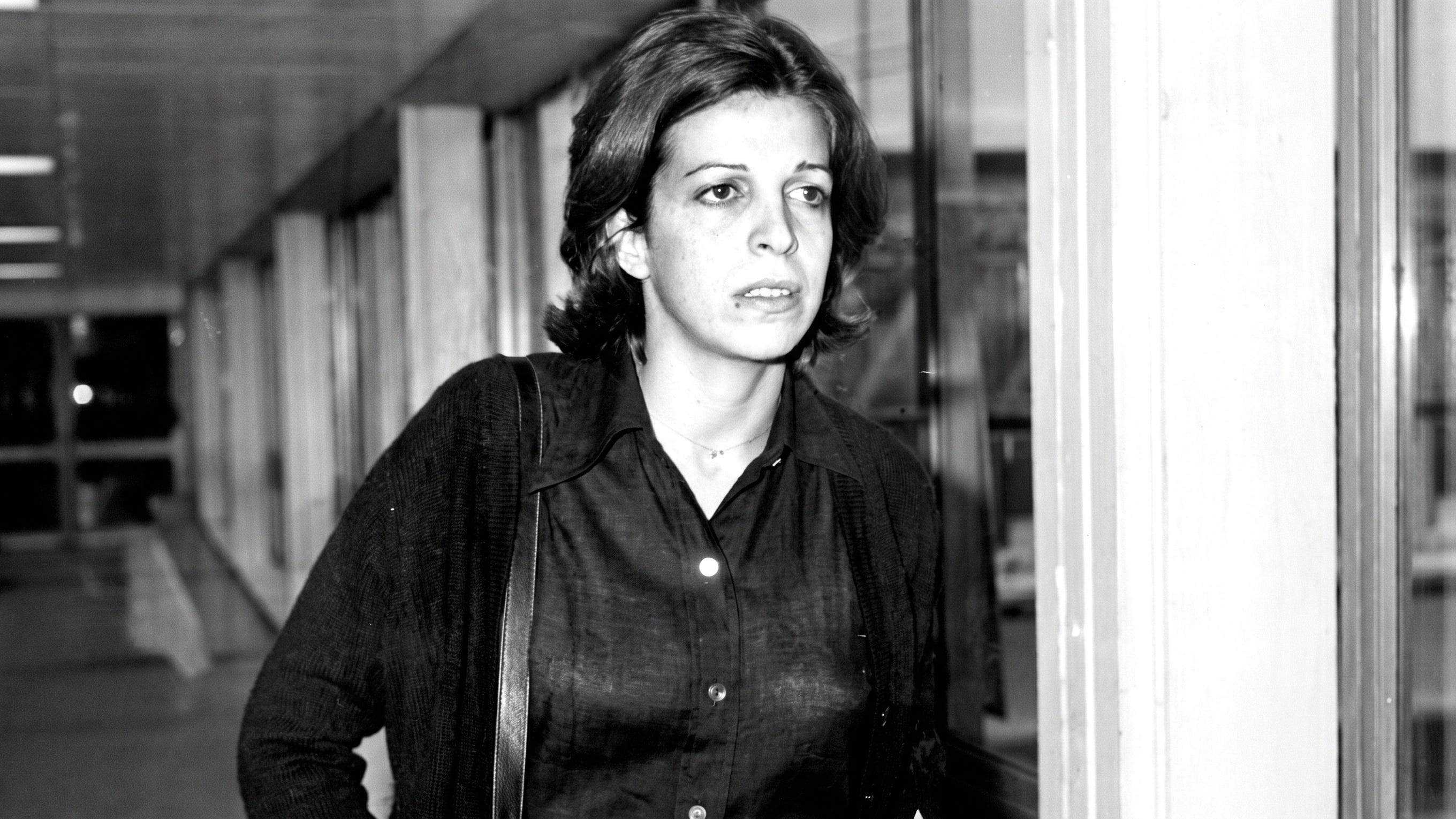
By her thirties, Christina’s weight had become its own running record in the press.
Contemporaneous coverage tracked her swinging from crash-diet lows to more than 200 pounds during hard stretches, and she had spent weeks at a Swiss weight-loss clinic in the months before her final trip to Buenos Aires.
Friends told reporters after her death that she had no health problems and had attended a country club party the night before, appearing well.
Her aunt, Mary Onassis, insisted publicly that she died of a heart attack and would never have taken her own life. Officials of the Alexander Onassis Foundation took the same position.
The 1989 Vanity Fair profile painted her final years starker still, reporting that by then the only people she trusted were people she was paying. Her one steady comfort, by that account, was her young daughter.
William Wright’s biography, reviewed at length by the New York Times, recounts an episode on Skorpios where she paid a companion, the polo player Luis Basualdo, a reported $30,000 a month.
Basualdo later faced legal action for allegedly trying to embezzle $1.2 million from her, charges she eventually withdrew. The same review describes an evening when she picked up a stranger on a beach in Corfu and installed him at Skorpios. Within days she grew bored and dropped a plan to fund his family’s move to Paris.
The reviewer who covered the book concluded that for all its anecdotes, it never assembled a coherent psychological portrait. What it produced instead was a record of a woman swinging between generosity and cruelty toward whoever stood nearest.
On the day she died, by family accounts, she called her nine-year-old daughter about buying a ranch so the girl could have a pony and a summer outdoors.
Argentine investigators found nothing in the initial autopsy pointing anywhere but natural causes, though the presiding judge kept the file open over the medication found near the body.
Weeks later came confirmation of optalidon in her system, the quantity still unresolved when that report was filed. Whether the fluid that killed her started in her heart or in the medicine cabinet is a question that particular file leaves open.
The Final Document
Christina Onassis spent her whole life being processed by other people’s paperwork.
A Zurich diagnosis, her father’s will, a stepmother’s settlement contract, four marriage licenses, a monthly retainer for a polo player who nearly cost her more than his company was worth.
Each document tried to settle something that kept refusing to stay settled. The inheritance fight ended in a signature and started a new argument over what that signature was really worth. With Roussel, the marriage closed on paper and reopened in custody disputes over Athina that outlasted the divorce itself.
The last document was a Buenos Aires evidence log, 41 medications deep, and it’s the only record on her that anyone still argues about. Judges disagreed with each other inside the same investigation about what it proved.
She was buried outside the chapel on Skorpios where her father had married Jacqueline Kennedy 20 years earlier, in the white marble mausoleum beside Aristotle and Alexander, her silver-lined mahogany casket carried out in a procession that ended at the family’s main house on the island.
No lawyer drafted that, and no court had to sign off on it.
A great summary of a truly tragic tale.
Another tale of rich people totally ignoring the human being at the center of it all. Loads of material wealth but lacking love, kindness and compassion. I was always saddened to read about Cristina's life and was shocked at how young she was when she died.