
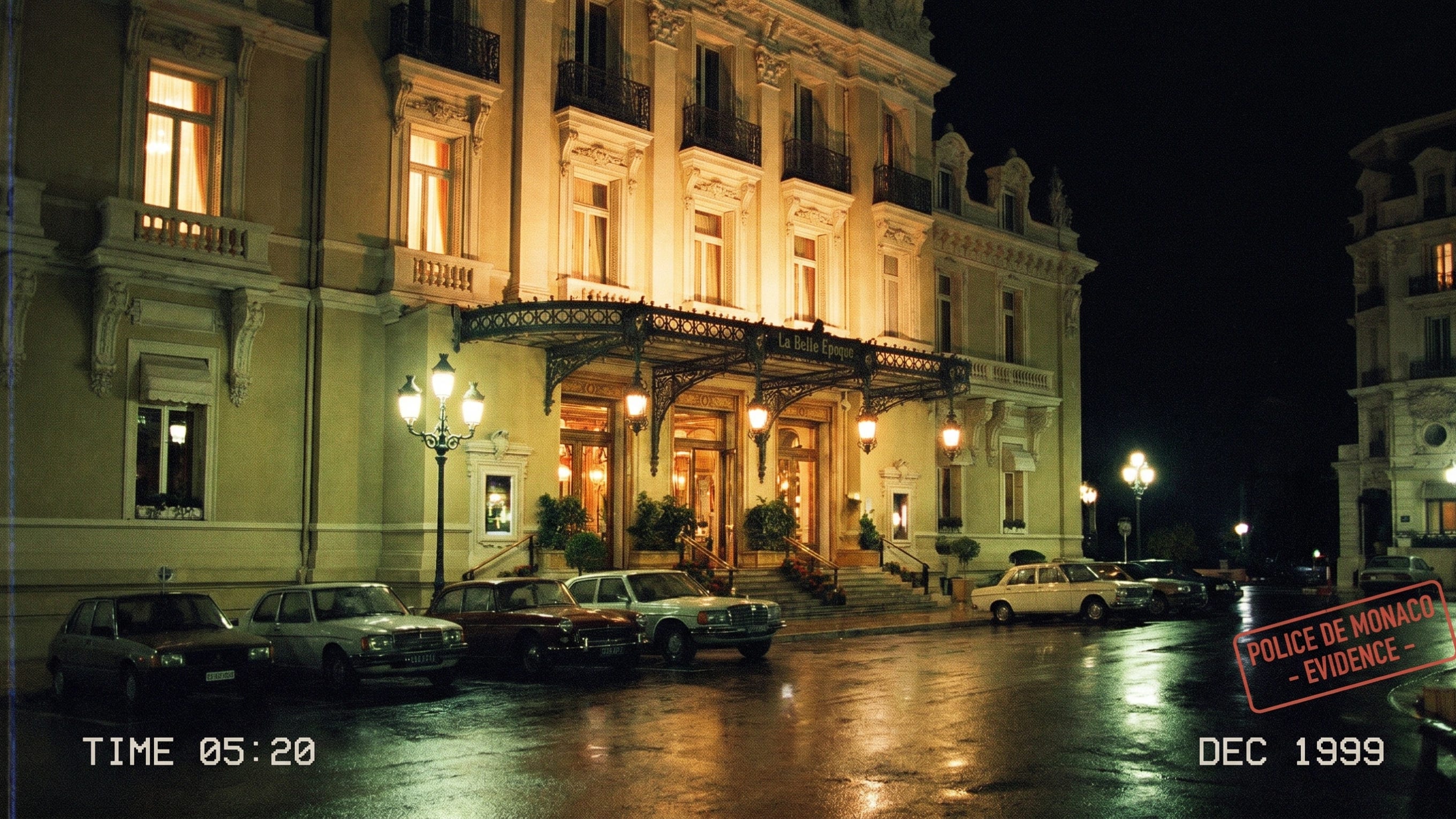
The penthouse on Avenue d’Ostende in Monte Carlo was, by any measurable standard, the most heavily fortified private residence on the Riviera.
Bulletproof glass. Steel shutters. A bathroom rebuilt around a reinforced door, engineered to hold against a professional assault long enough for response. An Israeli-trained protective detail.
Three private banks operated on the lower floors of the building.
And, in the predawn hours of December 3, 1999, the man inside that penthouse asphyxiated in his own safe room while firefighters stood in the corridor outside, calling through the steel.
He was worth, by Forbes’s last estimate, $2.5 billion.
He had signed the paperwork to sell his banking empire to HSBC for $10.3 billion in May, with the wire scheduled to clear on December 31.
He would not be alive to see it land.
This is the story of how the most paranoid private banker of the 20th century built a fortress against every external threat his family had faced in 200 years of moving money, and was killed by the one threat the fortress was never designed to detect.
Aleppo to Monaco: A Banking Tradition Built on Walls
There are families that understand, across centuries, that the only sovereign worth trusting is your own ledger.
The Safras were Sephardi Jews from Aleppo who had financed silk routes, then gold, then bonds, across generations of regimes that periodically decided Jewish property was a public asset. The family banking model assumed, from the start, that the state would eventually come for the capital.
The wall was the answer.
