

Most people assume old money is about “the stuff”, which is exactly why most people can’t spot it.
See, a tech founder worth $500 million can buy the estate, the art, the wardrobe, and have it all delivered by Thursday.
What they can’t buy are the instincts that only emerge after wealth has been in a family long enough to become invisible, the behaviors that take three or four generations to calcify into habit.
And the strange thing about these tells is that they often look like the opposite of wealth.
Which is, of course, the point.
With that said, let’s go through 5 accurate signals that the person you’re talking to is “old money,” and not an imposter.
1. They have hobbies that take years
Old money gravitates toward pursuits that money alone can’t accelerate: fly fishing, sailing, foxhunting, contract bridge. The kind of thing where you’re still learning twenty years in and the knowledge passes quietly between generations like furniture nobody mentions but everybody uses.

The pretender joins a yacht club and buys a boat, maybe takes a few lessons, posts about it.
Old money learned to sail at seven from a parent who learned from theirs, and they can read weather and tide the way you read a menu, without really thinking about it.
The Guinness brewing dynasty understood this instinctively.
When Sir Arthur Ernest Guinness circumnavigated the globe by sail in 1923-24, it capped decades of accumulated maritime knowledge that no weekend seminar could replicate. The family had been involved with Ireland’s Clontarf Yacht & Boat Club since 1875, with Arthur serving as chairman for 36 years. That kind of sustained engagement creates expertise that functions as its own social filter.
Contract bridge worked the same way for Philadelphia’s Victorian upper class, demanding partnership communication and strategic thinking developed over hundreds of hands. Newcomers couldn’t bluff their way through because the intricate bidding systems exposed inexperience within minutes.
New wealth chases things that signal success now. Old money pursues things that only reveal themselves across decades, and that patience is itself a kind of wealth.
The hobbies are just the first filter, though. The second one you can spot in the first five minutes of conversation.
2. They’re comfortable with silence
Pay attention to what happens when conversation lulls at a dinner party.
Pretenders rush to fill the gap with another topic or a joke or a question because silence feels like failure to them, like the social contract is breaking down and someone needs to repair it.
Old money just lets it sit there, comfortable as anything, because they’ve never experienced a quiet room as a problem requiring their solution.
The Lowell family, one of Boston’s most prominent Brahmin dynasties, embodied this kind of restraint for generations.
Abbott Lawrence Lowell served as Harvard president with a communication style defined by measured pauses and deliberate speech. He could let silence hang in the air because he had absolutely nothing to prove to anyone in the room.
This was actually taught, believe it or not.
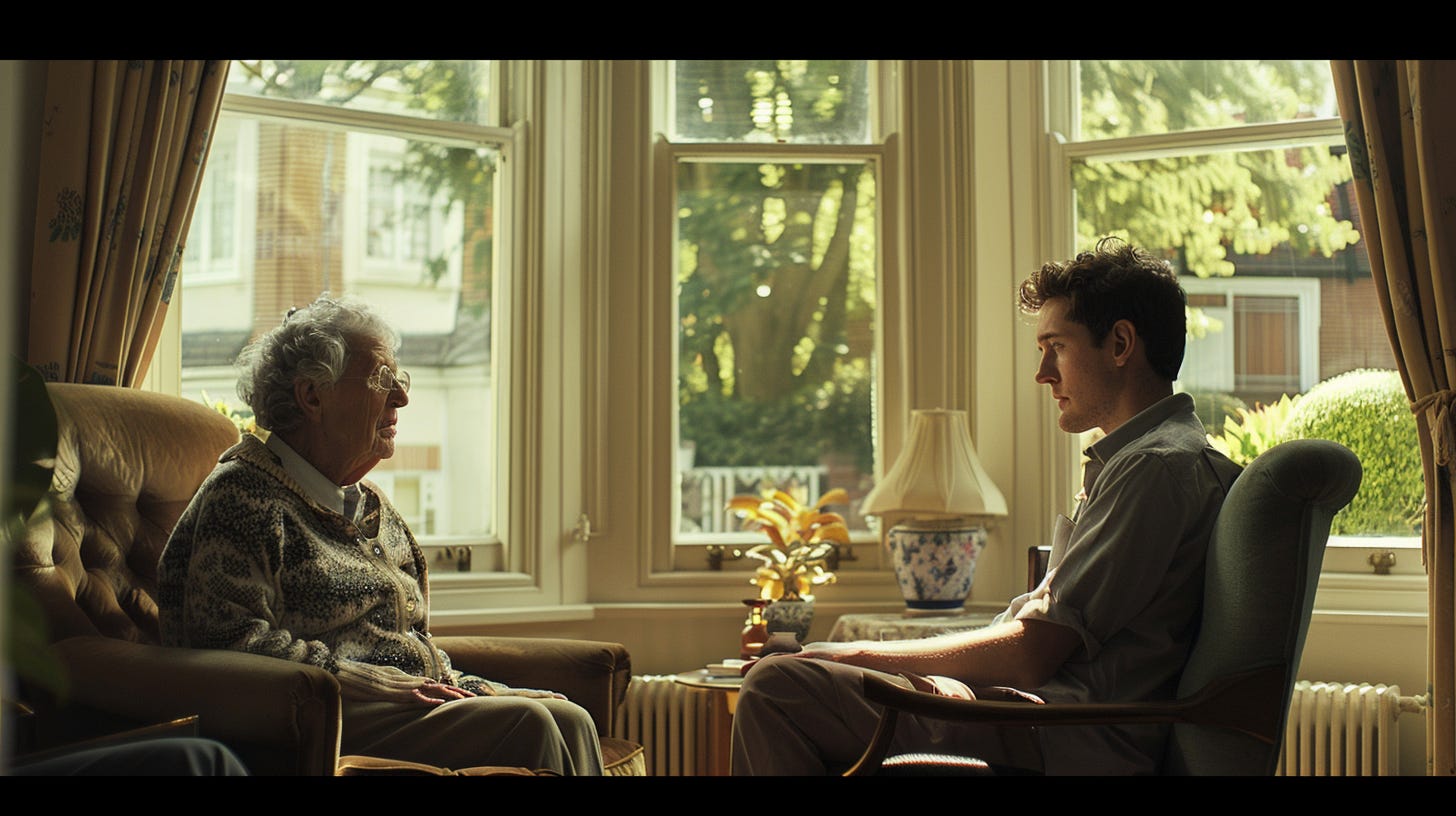
Regency-era household manuals instructed servants never to initiate conversation unless directly addressed, which meant these families grew up in homes where comfortable silence was simply the default setting. Queen Elizabeth II built an entire mystique around strategic silence and measured responses, and the effect read as authority rather than awkwardness.
In old money circles, filling conversational pauses comes across as anxious, as if you need constant validation or your social standing requires active maintenance. The silence itself signals security.
Pretenders are still auditioning. Old money got the part generations ago.
Yet, the third marker actually costs money, which makes it even stranger to observe.
3. They’re cheap about strange things
Old money’s relationship with spending is genuinely counterintuitive, and it’s where a lot of pretenders accidentally expose themselves by doing the opposite.
These families will reuse tea bags, complain about postage costs, fly economy on short-haul flights, and drive cars that should have been replaced a decade ago. And then you’ll find out they own a 40-room estate and haven’t thought about money in any urgent way since 1987.
Sam Walton, founder of Walmart and once the richest man in America, drove a 1979 Ford pickup truck well into the 1990s despite having more money than most countries. He flew economy, shared hotel rooms with employees on business trips, and insisted that staff collect notepads and pens from hotels to save on office supplies.
Growing up during the Depression had taught him “the value of a dollar,” and billions of subsequent dollars never managed to unteach it.
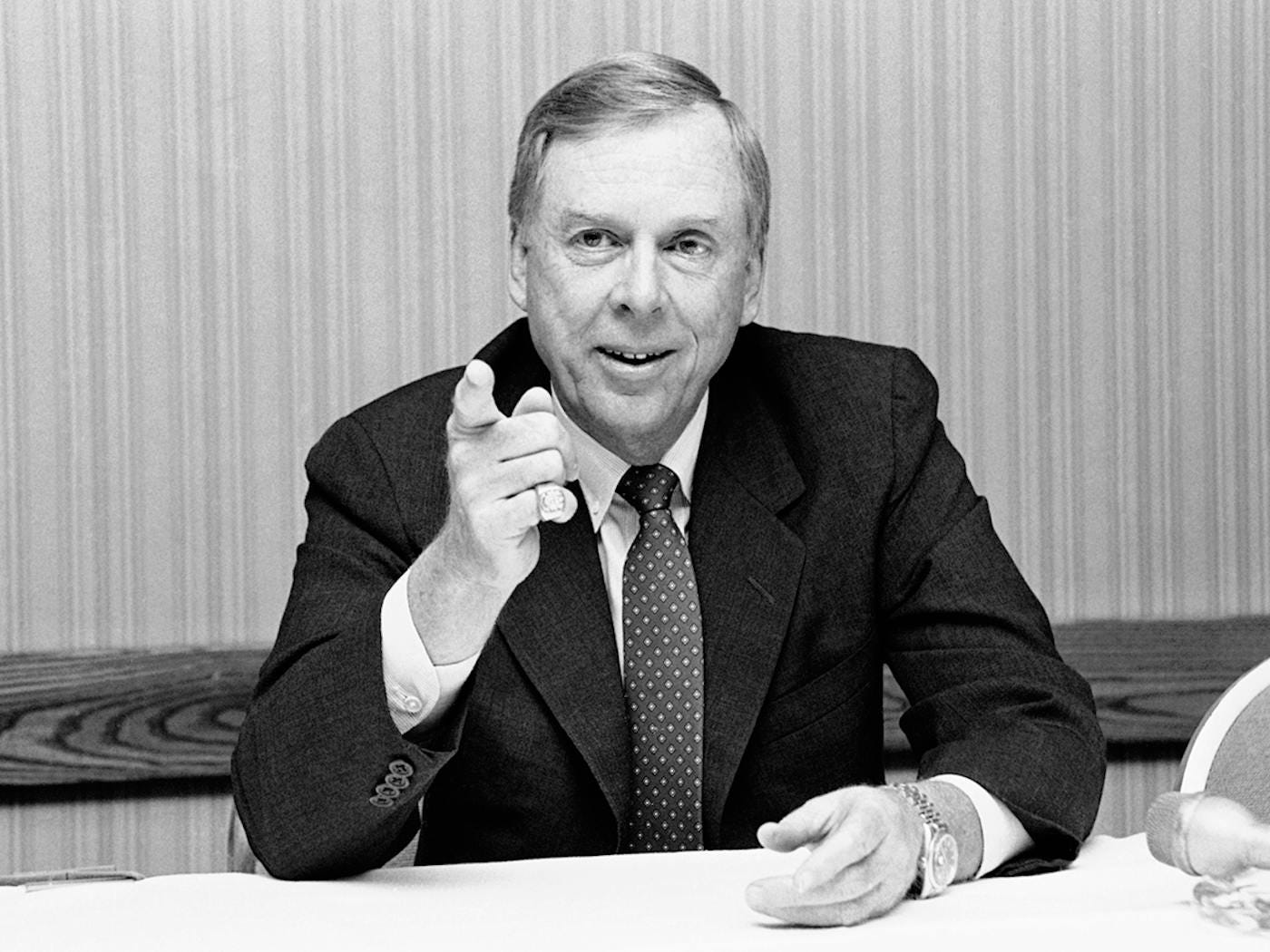
Oil magnate T. Boone Pickens learned frugality from his grandmother, who told him if he left lights on when leaving a room, he could pay the electricity bill himself. He only purchased new clothes every five years despite his billion-dollar fortune.
The logic, once you understand it, is internally consistent: waste is vulgar regardless of scale, and spending money simply because you have it signals a lack of discipline. The amount genuinely doesn’t matter. The principle does.
Old money draws a sharp line between expenditure and waste. Maintaining the estate is expenditure. Buying a new car when the old one still runs is waste.
Pretenders spend to demonstrate they can. Which is precisely backward.
Frugality can be hidden, though, kept private within the family. The fourth marker requires sustained effort that shapes how the family interacts with the entire outside world.
4. They have unlisted everything
The old money approach to privacy predates the internet by centuries, which is why they found the transition to the digital age so easy: they were already unlisted.
Phone numbers, addresses, minimal public records. This isn’t paranoia or eccentricity. It’s the default setting for families who learned generations ago that visibility creates vulnerability and every piece of public information becomes a potential access point for people who want something from you.
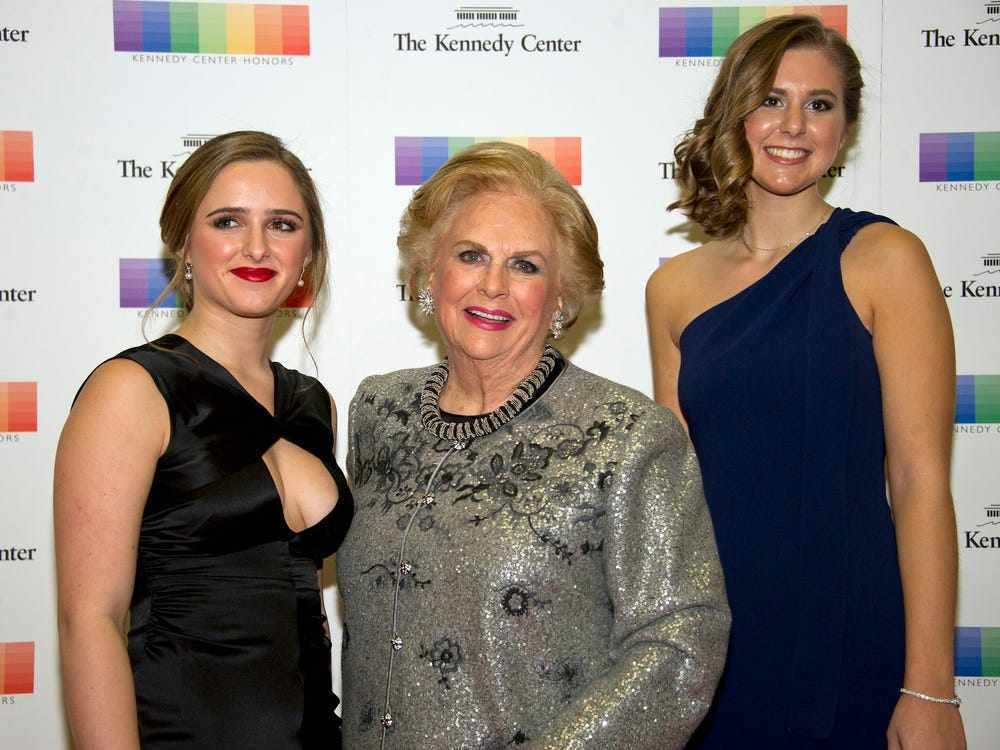
The Mars family has elevated this to an art form.
They control a $146 billion candy empire with fourteen billionaires spread across the family, and yet most people couldn’t name a single one of them despite eating M&Ms and Snickers their entire lives.
The family developed what insiders call “the protocol,” elaborate procedures governing every public interaction, absorbed through osmosis from childhood rather than formal training. Their spokesperson, Amy Weiss, put it plainly: “The Mars family values the right to privacy and have never courted personal publicity. They believe that mostly it is the business and its brands that should do the talking.”
Their philanthropy happens through what one source called “multiple veils,” intermediary organizations that allow charitable giving without revealing who’s behind it.
Anne Cox Chambers, worth an estimated $13.4 billion at her death, was described as “famously private and media shy” despite her family owning the Atlanta Journal-Constitution.
When someone asked about her low profile, she seemed genuinely puzzled by the question: “I guess it’s my personality. Well, really! I don’t know what other profile I would have had.”
You won’t find these families on social media, and their homes never appear in design magazines. The family office website, if it exists at all, looks like it was built in 2003 and tells you almost nothing.
Pretenders optimize for searchability because visibility validates their wealth. Old money sees it the other way around entirely. Being difficult to find is a feature.
If the right people need to reach them, the right people already know how.
Privacy is passive, though, something you maintain by not doing things. The fifth marker shows up actively, every time they open their mouths.
5. They don’t soften requests
“Bring the car around.”
Not “would you mind bringing the car around when you get a chance?” Just the instruction, clear and direct.
If you’re not used to it, it can sound like rudeness. It’s not. It’s clarity, and it comes from generations of household management where ambiguity created errors and softening language served no one.
Regency-era household manuals documented this communication style explicitly, instructing employers to give direct orders without cushioning. Servants expected it and actually found over-polite instructions confusing.
The butler directed footmen with nods and glances during dinner service, and when the master required wine, he responded “At once, sir” and moved. No elaborate acknowledgment needed, no performance of gratitude, just the efficient operation of a household where everyone understood their role.
Modern accounts describe old money families as “completely at ease with domestic staff,” discussing personal matters openly in front of them without the awkward tiptoeing that new money can’t seem to shake. They treat staff as functional parts of the household rather than guests requiring accommodation, which actually comes across as more respectful once you understand it.
The directness assumes competence rather than demanding reassurance.
Pretenders over-soften because they’re uncomfortable with the power dynamic and want to be seen as nice, as approachable, as not like those rich people.
Old money made peace with that dynamic generations ago. The driver knows their job. The request is clear. Everyone can proceed without performing.
What These Tells Have in Common
Every one of these behaviors takes time to develop. Real time. The kind of time that money can’t compress.
Hobbies that take years can’t be fast-tracked no matter how many instructors you hire. Comfort with silence can’t be faked because the anxiety leaks through. Selective frugality contradicts every instinct new wealth has about demonstrating success. Privacy requires opting out of systems that pretenders rely on for validation. Direct speech requires the kind of security that takes generations to build into a family’s bones.
You can buy the clothes, the house, the club membership, and have it all by next month.
But behaviors forged across three or four generations don’t transfer at closing.
Spot on! I live in a very wealthy area, and many are chasing those they perceive to be rich. The pretenders have all the bling and the remoras follow accordingly. The real one sits quietly at the end of the bar, wearing a tidy but worn ensemble — simple shirt and jeans — shoes are a seasonal mix of flip flops, old loafers or cowboy boots. He drove there in a (not old enough to be cool, yet vintage) basic car. Sips a drink or two max, while enjoying his burger or bowl of chili, never the steak.
I lived in New Castle County DE, as do a large number of DuPont heirs. (Not the same zip code, but I did drive through theirs on occasion.) New money lives in big houses very visible from the road. Old money lives in big houses hidden behind tall hedges and stone walls. One of exception is Granogue, the residence of the family head, always named Irenee, and referred to as “The Irenee,” a stone castle high on a hill.
But it was built right after the duPonts earned a ginormous fortune (and the nickname “Merchants of Death”) by selling gunpowder to both sides in WWI.