
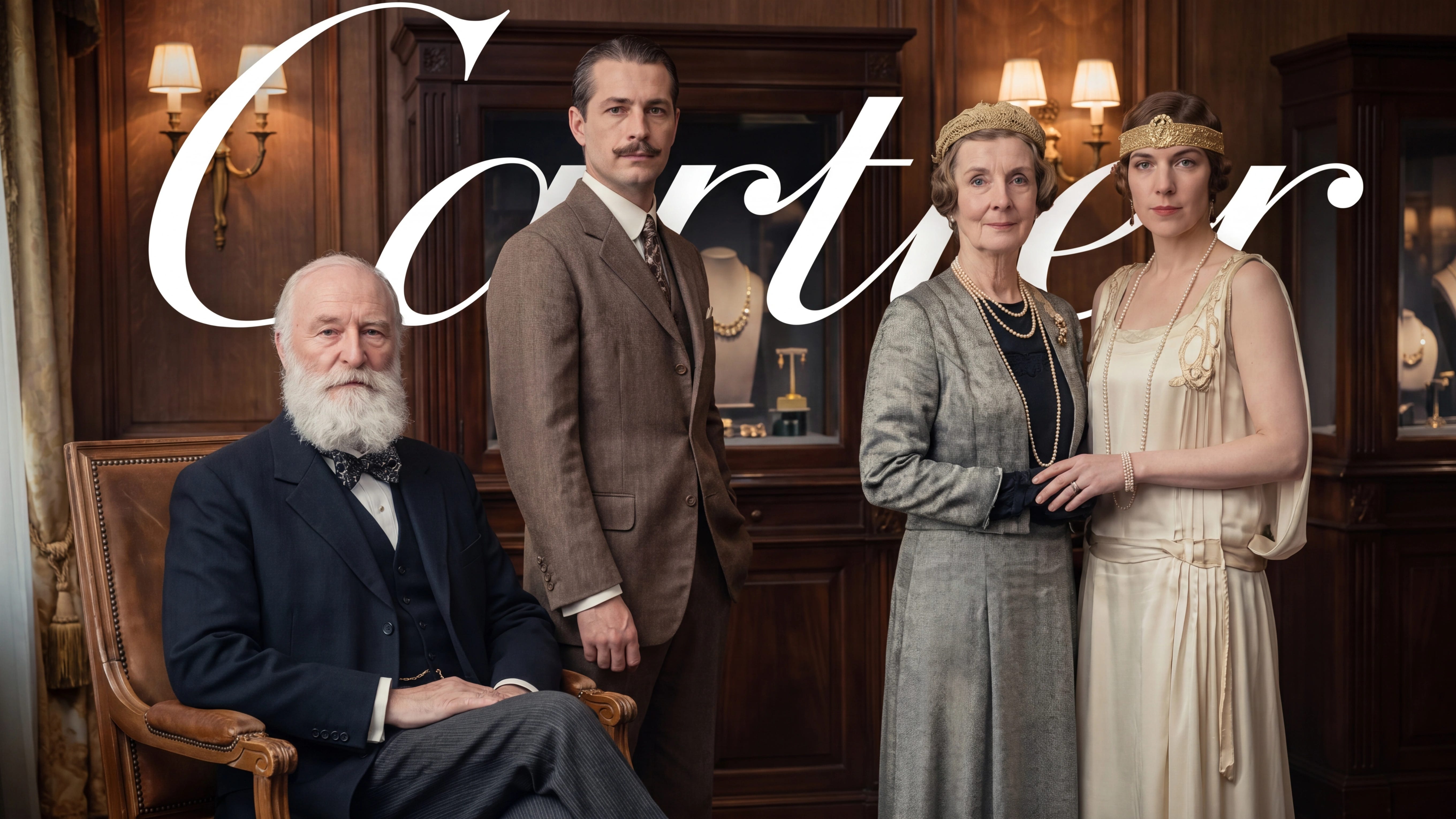
In the drawing rooms of European palaces and the new penthouses of Manhattan, one name carried more weight than most royal titles.
Edward VII gave the house the line that stuck to it forever, calling Cartier the jeweler of kings and the king of jewelers, and the phrase opened every palace door from London to St. Petersburg.
And the client list read like a census of the century’s power. Princess Mathilde wore their sapphires and Empress Eugénie collected their platinum. Grace Kelly wore their diamonds through Monaco, Elizabeth Taylor met her match in their workrooms, and the Duke of Windsor trusted them with the pieces that mattered most to him.
Some commissions ran right to the edge of plausibility. The Maharaja of Patiala ordered a necklace set with thousands of diamonds, among the most extravagant objects the house ever made. For Edward VII’s coronation in 1902, the London workshop turned out twenty-seven tiaras, each one finished by hand against an impossible deadline.
And the techniques bordered on sorcery. Louis Cartier pushed the trade onto platinum while everyone else still worked in heavier metal, and his Tank watch became the one timepiece every powerful man decided he needed.
His mystery setting made stones appear to float with no visible support. The mystery clocks went further, telling the hour with no mechanism a rival could ever locate.
What the clients believed they were buying was something close to immortality, objects that would outlast them and their great-grandchildren. The family had built a business larger than any one of them, and steadier, it seemed, than the empires it served.
Underneath all of it, quietly, something had already begun to go wrong.
