
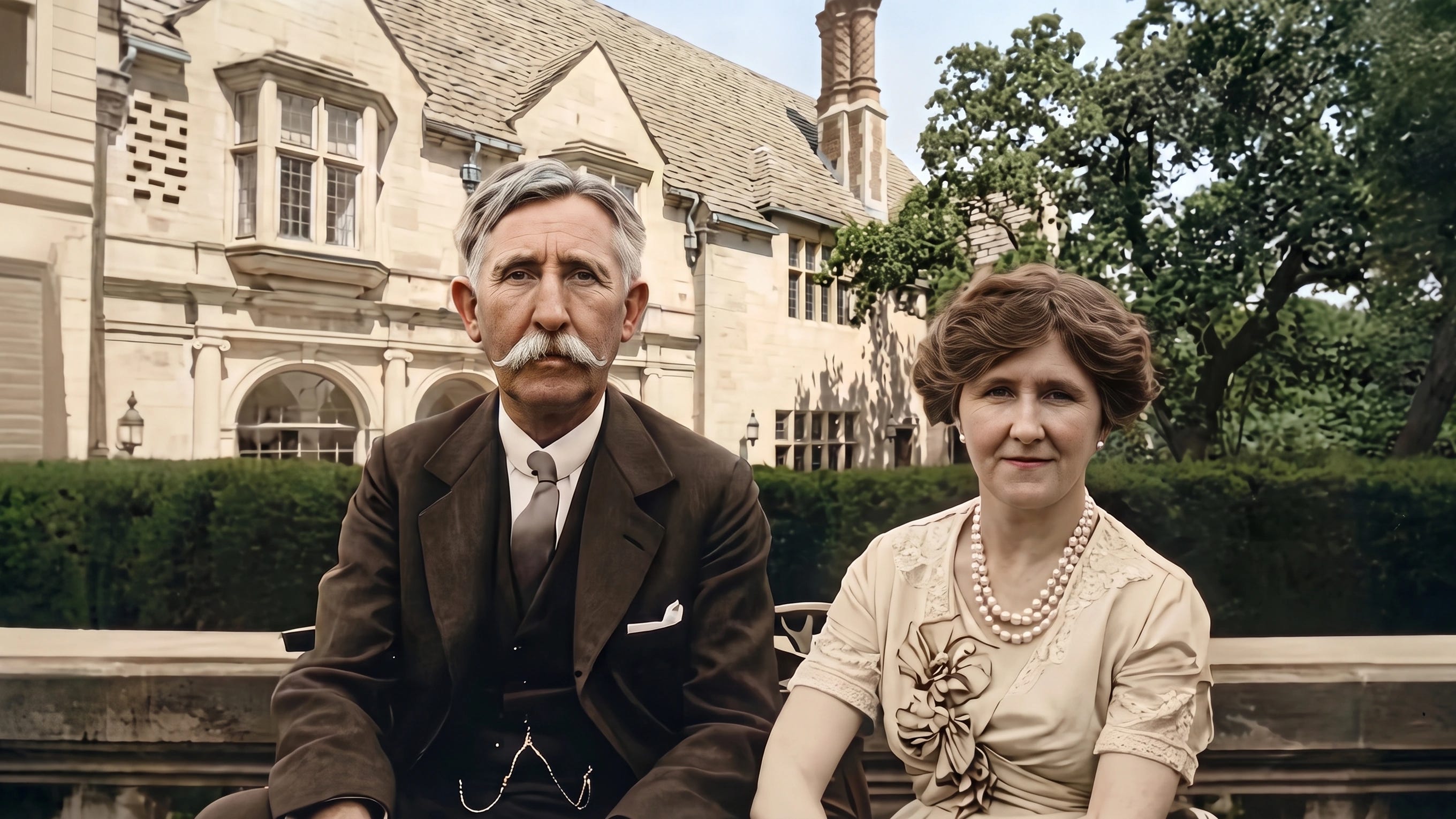
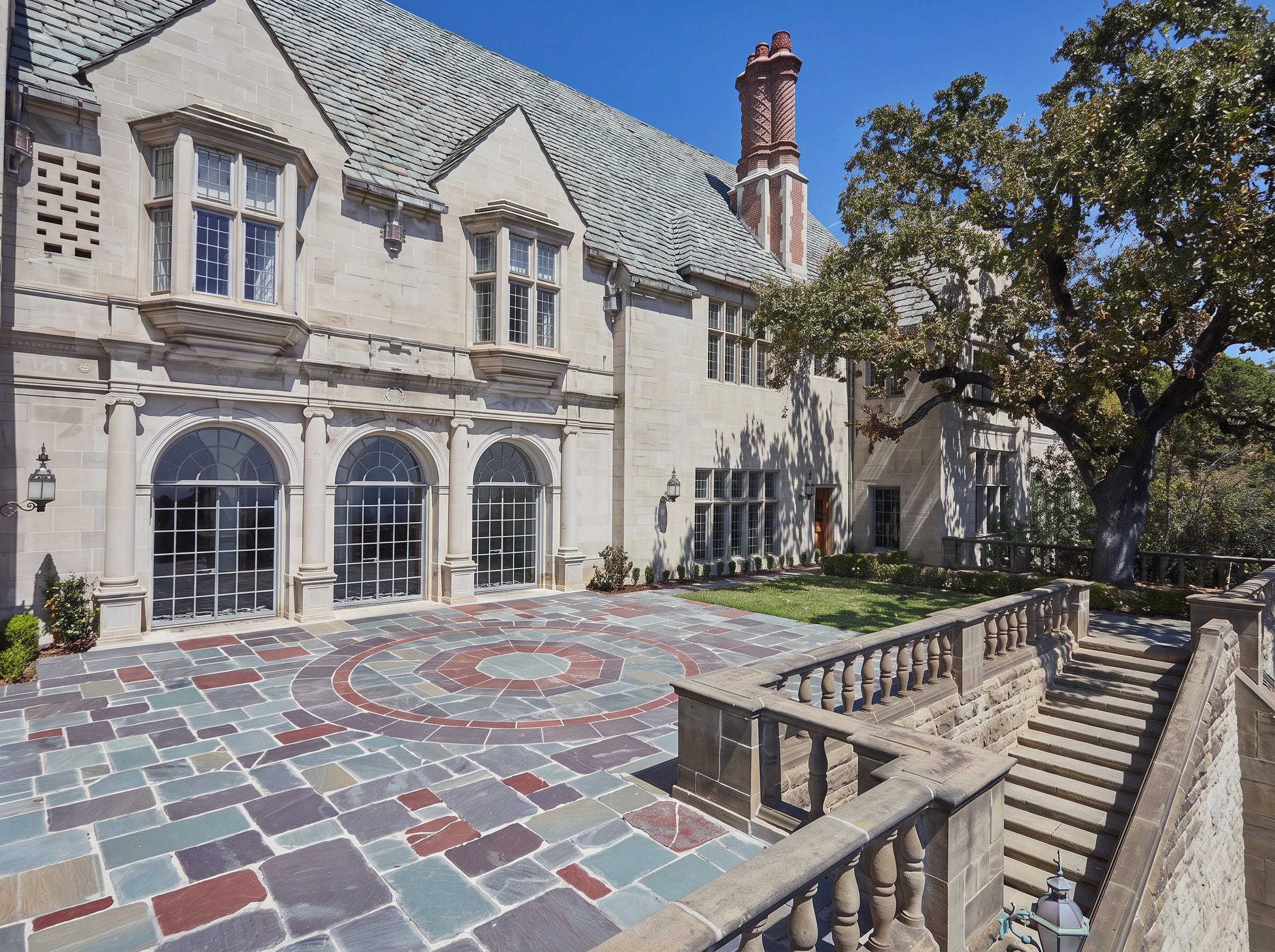
A few minutes north of Rodeo Drive, a hillside road leaves the manicured flats of Beverly Hills and climbs toward a house that looks as if someone shipped an English manor across the Atlantic, one gray stone at a time.
The grounds of Greystone Mansion are open to the public most days, free of charge. On a clear afternoon, visitors drift across its terraces with the whole of Los Angeles spread out below them.
Although you may not realize it, you’ve seen this massive home before.
Hollywood has borrowed it for Rush Hour, The Bodyguard, The Big Lebowski, The Social Network and There Will Be Blood. It played Chilton Academy, the prep school in Gilmore Girls… and it even served as Kermit’s mansion in The Muppets.
Fewer people know that the gardens, the view and the rooms behind those walls were a father’s present to his only son.
That father’s last name is printed on the street signs down the hill, on Doheny Drive and Doheny Road, and the canyons rising behind the house were once his family’s private ranch.
Generations of Southern Californians have spent summer afternoons at Doheny State Beach in Dana Point or studied inside USC’s Doheny Memorial Library, but few of them ever stop to ask who Doheny was.
Edward L. Doheny had arrived in Los Angeles nearly broke, and by 1925 his fortune was estimated at $100 million, equal to $2 billion today.
It was a sum some put above John D. Rockefeller’s, and he made it the hard way, first with a shovel in a vacant city lot and then with gushers in the Mexican jungle.
Then, he spent it like a man who expected his name to outlive him.
The Family on the Hill
In the autumn of 1928, Edward “Ned” Doheny Jr., the only son of one of the richest oilmen in America, moved his wife Lucy and their five children into the most expensive house in California.
Greystone had fifty-five rooms, a live-in staff of fifteen, and terraces that looked down on an entire city the way a castle surveys a village. The young couple had everything a dynasty could want: the name, the money, the mansion on a hill.
What they didn’t have was time.
The city below them owed its existence to a gamble that failed. In 1900, a syndicate of oilmen had pooled their money to buy a lima bean ranch west of Los Angeles, convinced there was crude underneath. They drilled, found mostly water, and did what any sensible gambler does when the cards go cold: they changed the game, carving the land into house lots and calling the place Beverly Hills.
One of those investors was Charles Canfield, the man who had helped Edward L/ Doheny, Sr. bring in the first gusher Los Angeles had ever seen.
The Dohenys owned the hills above the town. Edward had bought a sprawling ranch there in 1912, and the hilltop he carved out of it for his son sat over Beverly Hills the way a crown sits on a brow.
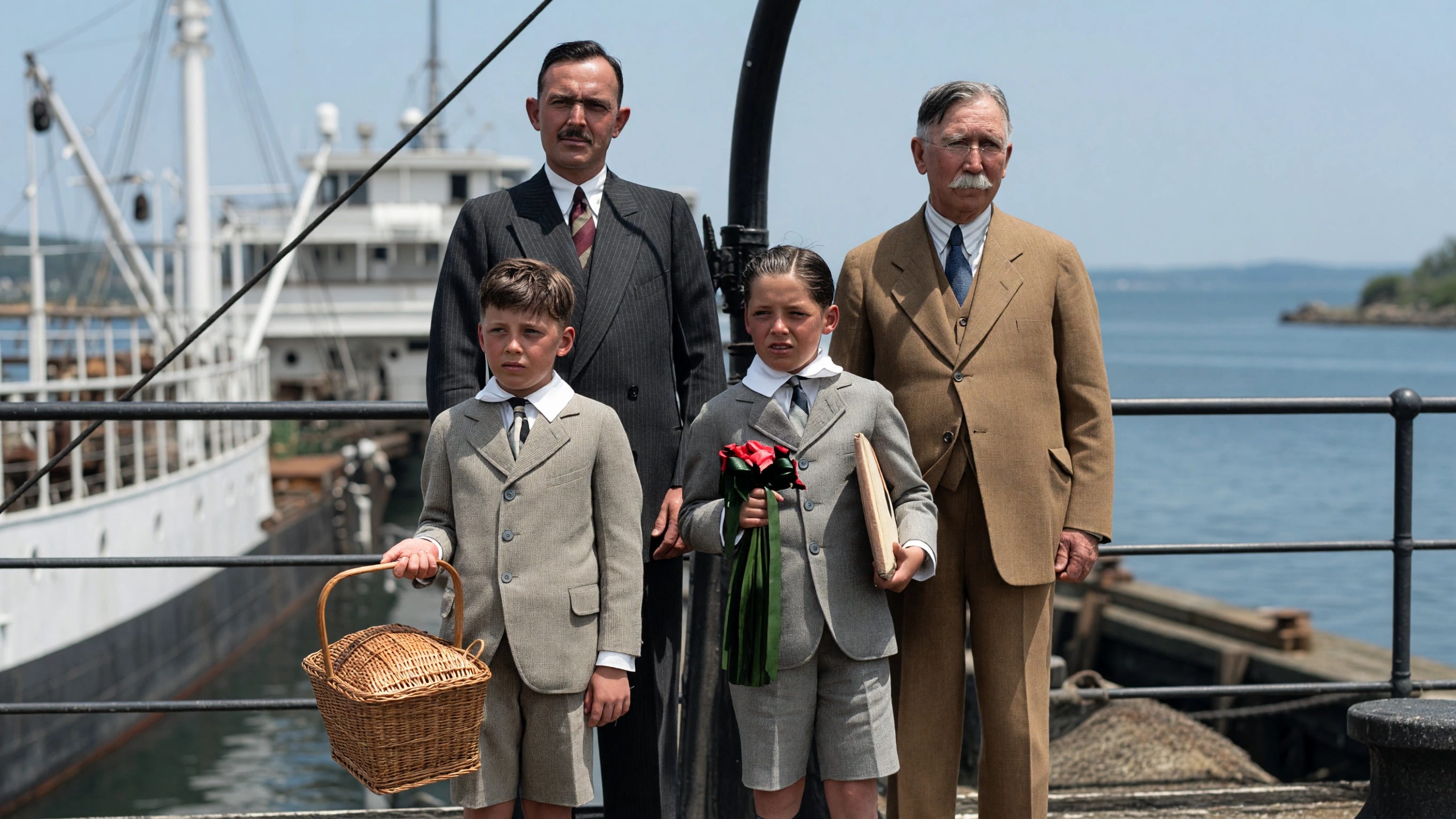
Next, Edward himself held court across town. At 8 Chester Place, a gated enclave near downtown, he and his second wife, Estelle, presided over a row of mansions he had bought one by one until he owned nearly the whole street, sidewalks included.
Doheny’s oil fields made him one of the richest men in America, and his friendships reached all the way into the president’s cabinet.
All of it was meant to pass to only son Ned. He was in his mid-thirties, a USC graduate and a Navy veteran of the war, and he had come home to a vice presidency in the family companies and the quiet understanding that he would one day run them.
His boyhood best friend, Hugh Plunkett, still worked at his side as his personal secretary, and Estelle, who had no children of her own, had raised him as her son from the time he was six years old. On the surface, the Doheny succession looked settled.
But the one shadow over the hill had followed the family home from Washington, and the man who had paid for all of it had started out as a Wisconsin boy who spent twenty years going broke before anything went right.
The Painter in the Prescott Census
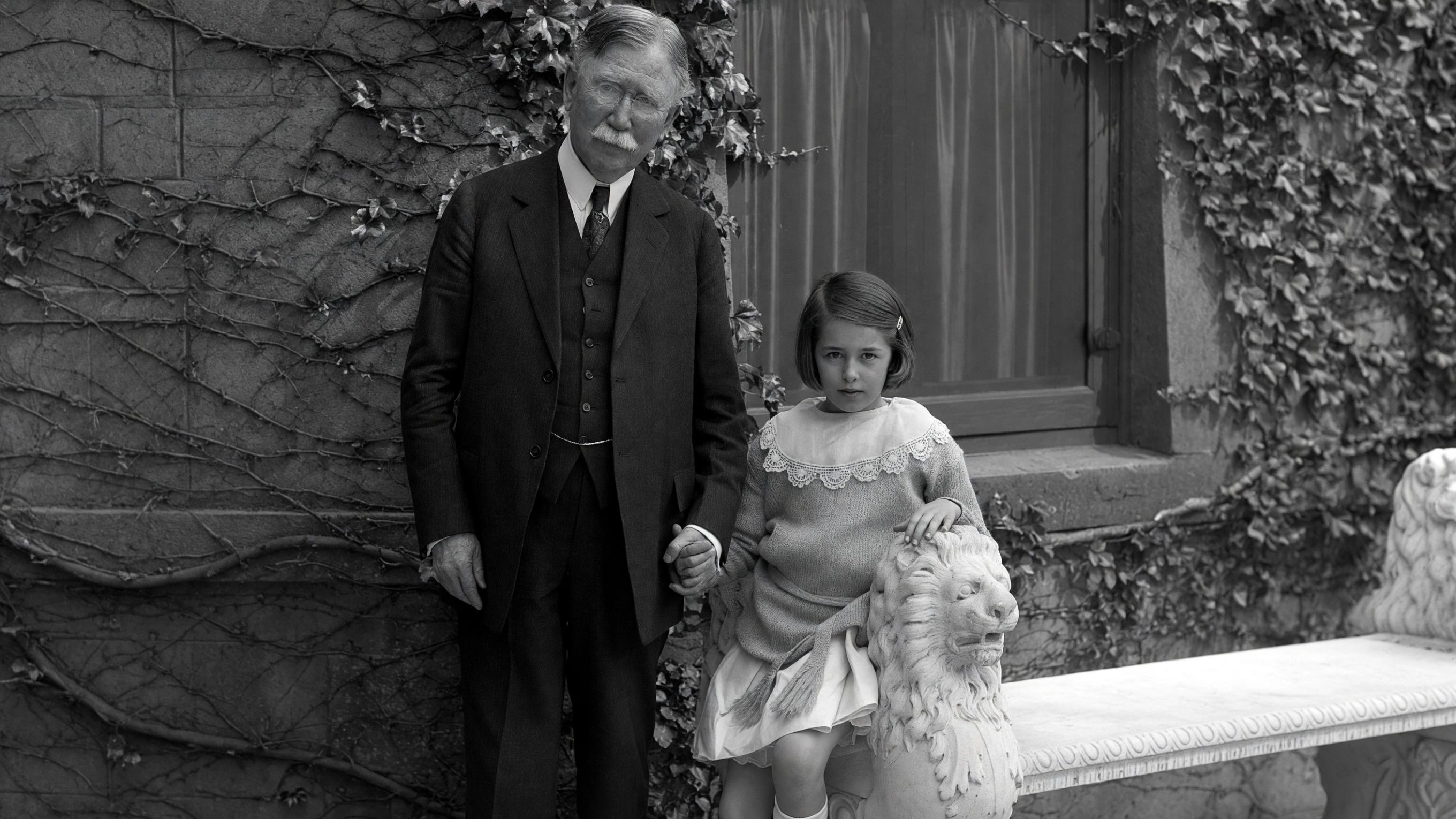
The man who would once help create Beverly Hills came from the kind of hardship that leaves no room for nostalgia.
Edward L. Doheny was born in Fond du Lac, Wisconsin, in 1856, the son of an Irishman named Patrick who had fled County Tipperary during the Great Famine and tried whaling off the coast of Labrador before settling for a laborer’s wages in the cold middle of America.
His mother, Ellen Quigley, was a schoolteacher from Newfoundland, and whatever bookishness the boy inherited came from her: he finished high school at fifteen as class valedictorian.
Patrick was sixty-four, his body ground down by decades of construction work and garden labor, and he did not live to see what his valedictorian son would do with the education. Within months of Edward’s graduation, he was dead.
Edward, sixteen and restless in a way that grief only sharpened, left his mother behind in Wisconsin as he signed on with a government survey crew bound for Kansas. There, he made his start by driving mules across the plains while his classmates were still memorizing Latin.
For the next twenty years he lived the kind of life that sounds romantic only in retrospect, chasing gold through the “Wild West” while fortune kept stepping just out of reach.
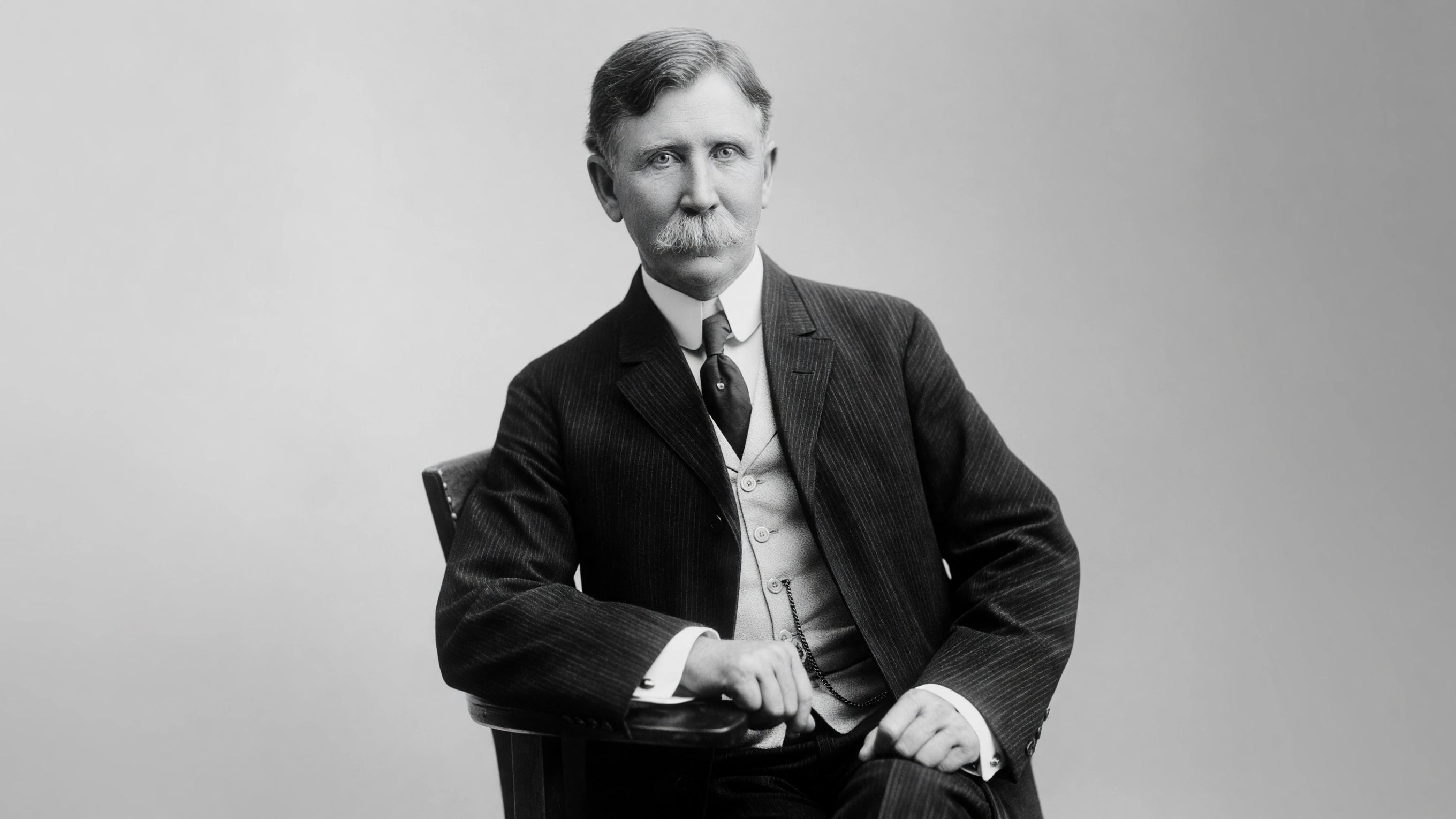
By the end of 1880, he drifted into Kingston, a rough silver camp in New Mexico’s Black Range where men worked the mines by day and traded claims by night as if the whole town were a poker game.
Kingston gave him the two men who would shape the rest of his life.
Canfield was a veteran prospector from New York, nearly a decade older, who had been reading rocks across Colorado and the Southwest long enough to know which claims were worth buying and which were bluster.
Fall was younger, a self-taught Kentuckian who had worked as a schoolteacher and a drugstore clerk on his way west and was still years away from passing the bar.
Canfield became Doheny’s business partner. Fall became a friend whose ambitions would eventually carry him all the way to a president’s cabinet, and then to a prison cell.
It also gave him a wife. He married Carrie Louella Wilkins there in 1883, and two years later their daughter, Eileen, was born.
The family had no money, but it had hope, which in mining country amounts to the same thing. But that hope kept failing them.
Doheny and Canfield poured everything into the Mount Chief Mine and got little back, and when Canfield finally struck it rich at a mine nearby, Doheny had already turned down a share.
It was the kind of mistake a proud man makes once and remembers forever.
Canfield took his winnings to Los Angeles, made a second fortune in real estate, and in 1891 talked his old partner into following him west. A year later, Doheny could not make the rent on a boarding-house room.
But his rescue soon came rolling down the street in the back of a stranger’s wagon.
A Wagon Full of Brea
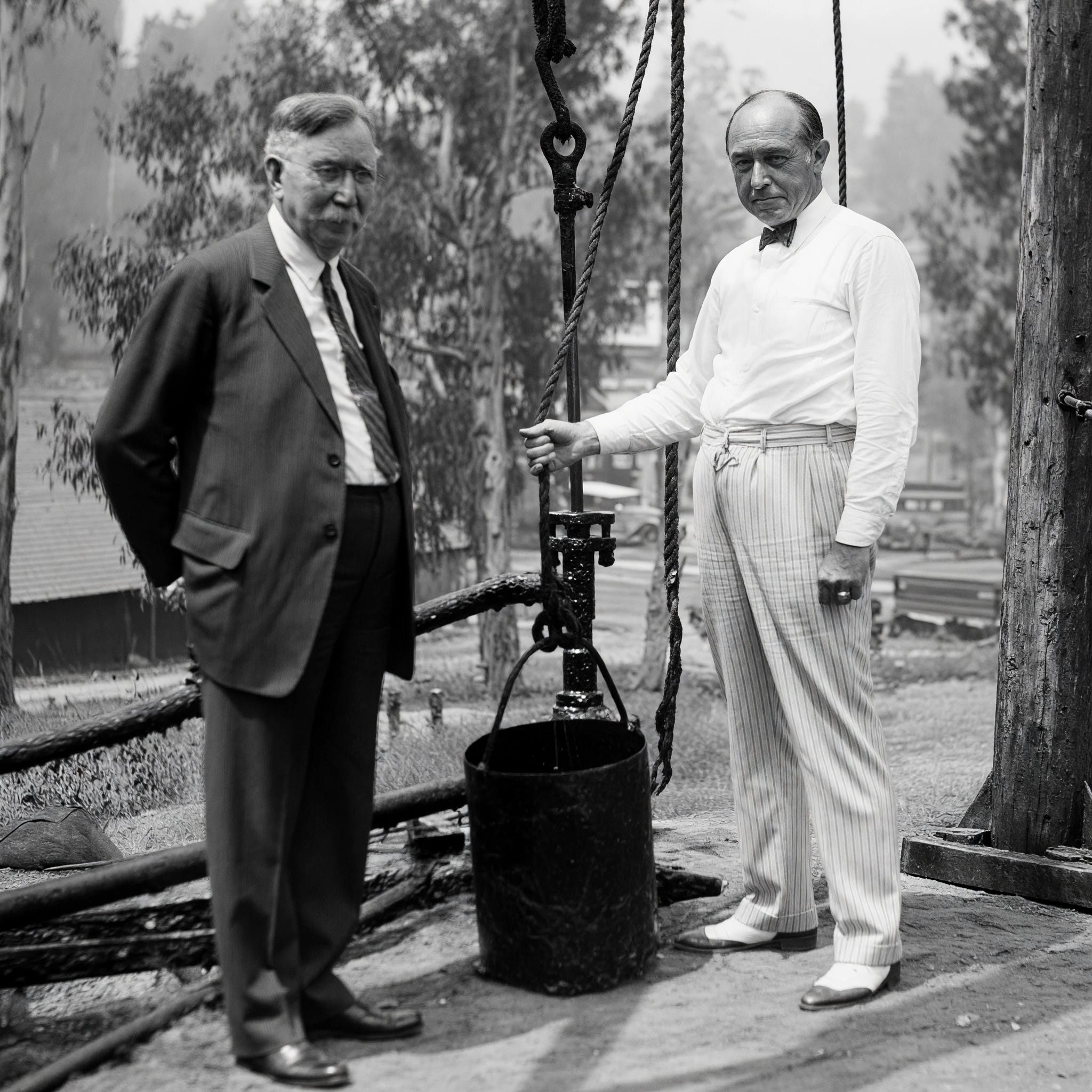
The wagon was piled with something black and sticky, and Doheny (who’d spent two decades reading dirt the way other men read newspapers) flagged down the driver to ask what it was.
Brea, the man told him. Spanish for “pitch”.
Doheny traced it to its source, found oil bubbling up from the earth, and knew there was more underneath. With a few hundred dollars from Canfield, he leased a vacant lot near what is now Dodger Stadium and started digging a well by hand.
Soon, everything he’d spent twenty years failing to find came gushing out of the California dirt. But triumph and grief arrived together, the way they always would in the Doheny story.
Before the well was even finished, his daughter Eileen died of heart disease brought on by rheumatic fever at just seven years old.
A son, Ned, was born almost a year after his sister’s death. But the marriage could not hold the weight of any of it.
When Doheny and Carrie divorced in 1899, he kept custody of six-year-old Ned, and the following year Carrie ended her own life.
At forty-four, Doheny was a widower with a small fortune, a young son, and no one to share either with.
He married Carrie Estelle Betzold in 1900, a former telephone operator from Philadelphia who would never have children of her own. She raised Ned as her son, and whatever tenderness the boy knew growing up came largely from her.
From there, the money arrived faster than anyone could have imagined.
