
There is a house in Lancaster County, Pennsylvania that has stood, in one form or another, since around 1720.
It looks across the Susquehanna River from a small rise inside the Locust Grove Estate, and even a preservation society maintains it.
It’s called “The Haldeman Mansion,” and the family that built it arrived in America the same decade William Penn’s sons were finishing the colony, and they came from a Swiss farming valley called the Emmental, the one famous for the cheese with the holes.
At this point, you’re probably thinking: so what, how does this relate to the multibillion dollar rocket man and his family?
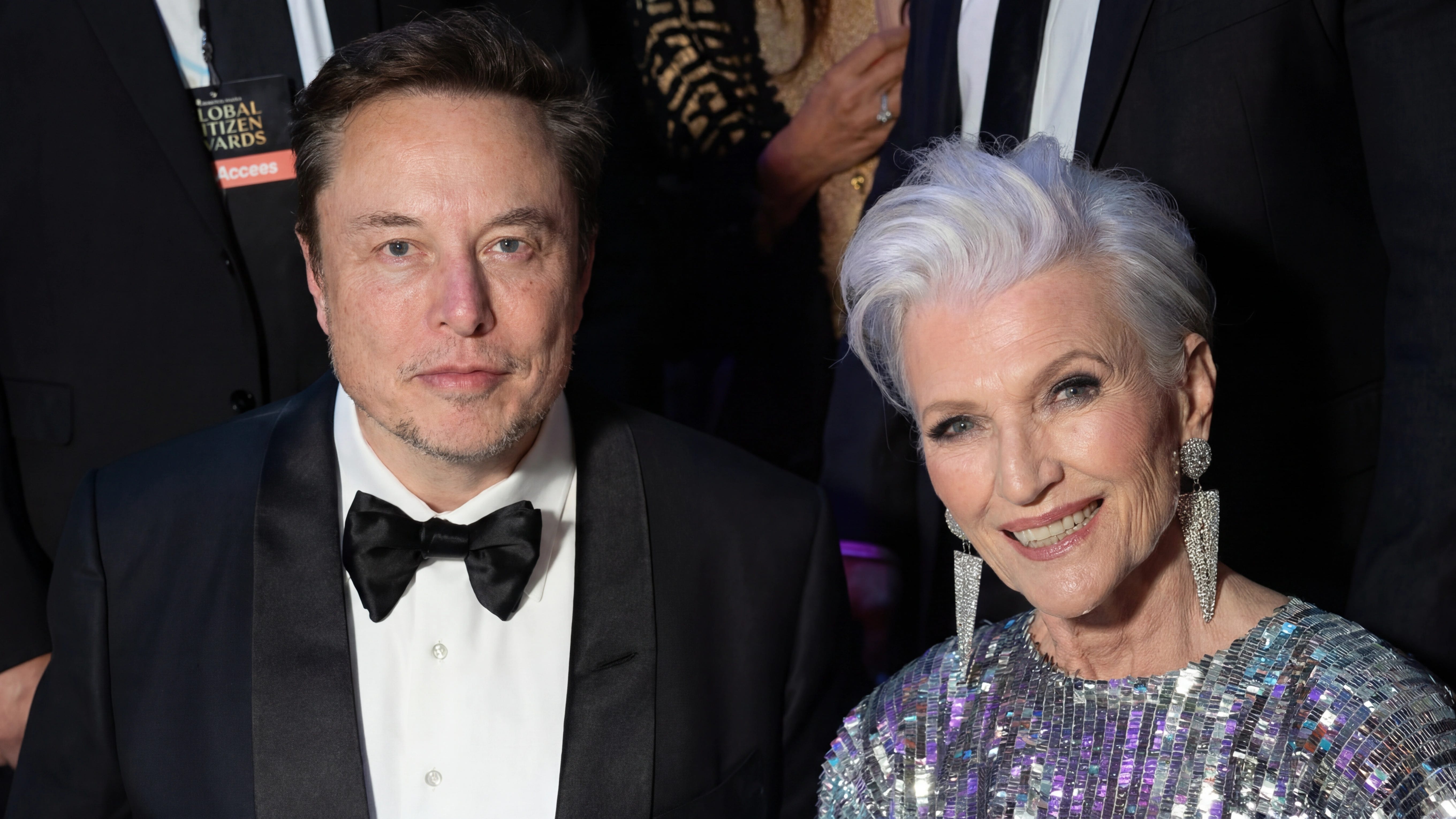
Well, if you trace the Haldeman line forward 250 years, through Pennsylvania, through Canada, through South Africa, you arrive at a woman named…
Maye Haldeman Musk. Her son is the richest person on Earth.
Every traditional marker says the family he was born into should be “old money”. Today we ask if that’s true.
Case 1: The Surname and the Pennsylvania Estate
The Musk surname most likely arrived in England with the Normans in 1066.
The leading scholarly theory traces it to the Old French mesche, meaning “man,” carried over by William the Conqueror’s retinue.
And a Norman surname is one of the oldest possible British status markers; the Grosvenors, the Percys, the families that have held English land for almost a thousand years all carry Norman names.
The Musks, on paper, belong to that company. The English branch of the family, however, lived nothing like it.
A man named John Musk married Marian Edwards in 1791 in the village of Tannington, Suffolk. Their son Harry worked as a farm laborer. That’s the whole record. A Norman name attached to a Suffolk cottage and a lifetime of manual work.
The American side does better.
Around 1719 the Swiss Haldemans left the Emmental for Pennsylvania, anglicized their name, and built the estate that still bears it.
Maye Musk references the migration in her own autobiography. Pennsylvania in the early 18th century was where colonial money settled when it wanted to look permanent, and a family that arrived, bought land, and built a mansion that survived three centuries is the textbook definition of old American stock. That estate alone is worth more than most of the other markers combined.
Case 2: The Chiropractor and the Adventurer
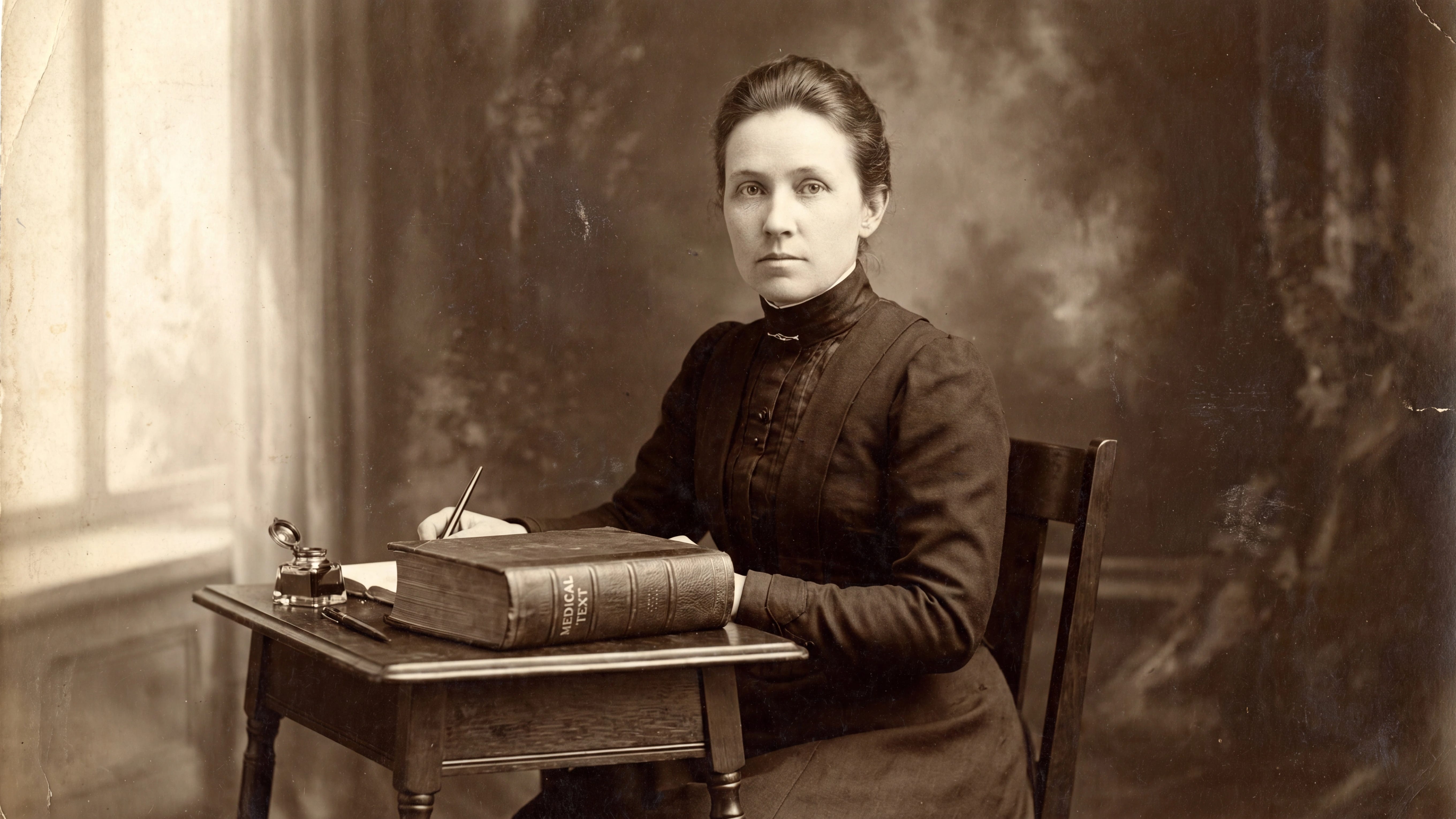
In 1904, a Canadian woman named Almeda Haldeman watched her husband get diagnosed with diabetes.
She enrolled in a chiropractic college, finished her degree in 1905, moved to Saskatchewan, and became the first chiropractor in Canada. She was one of the earliest women in the world to practice the field. Her son carried it forward.
A first-in-country professional credential, earned by a woman in 1905, in a discipline that didn’t yet exist in most of North America, is a markedly “old money” signal. It implies access to education, capital to fund the training, and a household willing to underwrite a wife’s professional ambition at the absolute high-water mark of Victorian gender norms. The story is also, on its own, the kind of thing “old money” families like to tell at dinner parties.
Her son, Joshua Elon Haldeman, was Elon Musk’s grandfather and namesake.
He practiced in Regina for 15 years, helped pass Saskatchewan’s 1943 Chiropractic Act, co-founded the Canadian Chiropractic Association, and helped establish the Canadian Memorial Chiropractic College. He also chaired the Social Credit Party of Canada, ran for federal Parliament in 1950, and lost. The same year, he moved his family to South Africa.
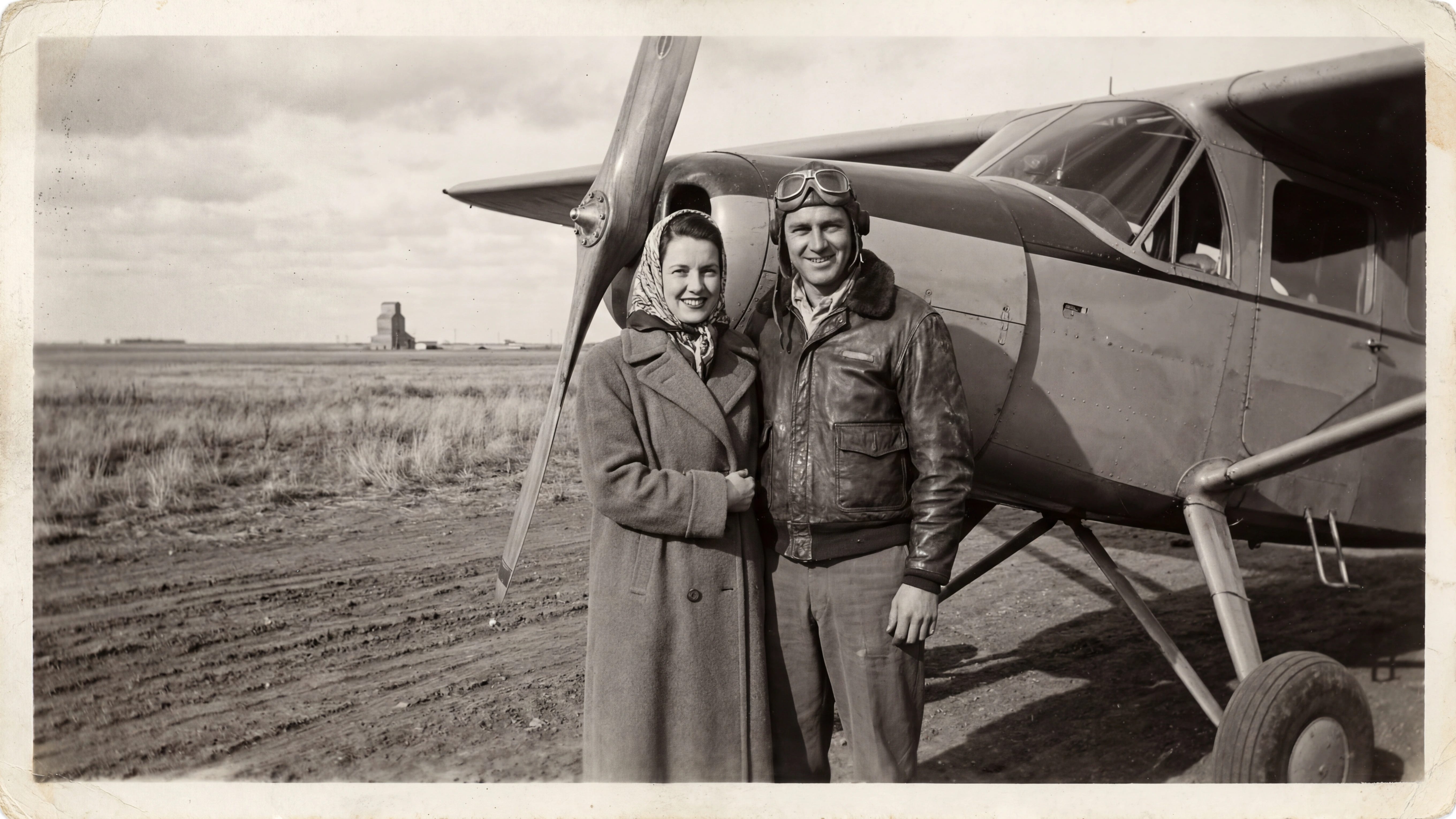
He spent the rest of his life as an adventurer. He flew a single-engine plane 30,000 miles down the African coast and into Asia. He spent nearly a decade looking for the mythical Lost City of the Kalahari.
He died in a plane crash in 1974. He also held openly antisemitic views, supported apartheid, wrote for pro-apartheid newspapers, and self-published a book about global conspiracies.
The biography is genuinely split. The professional accomplishments and the adventuring lifestyle are “old money” signatures. The politics are the kind of thing the Vanderbilts paid publicists to bury.
Through three generations, the score stays positive:
Norman surname. Pennsylvania estate. Country-first medical credential. Doctor-politician-adventurer grandfather. Four clean markers, no real offsets.
Then Elon’s parents enter the story.
Case 3: The Modeling Career and the Engineer Who Ran Out of Money
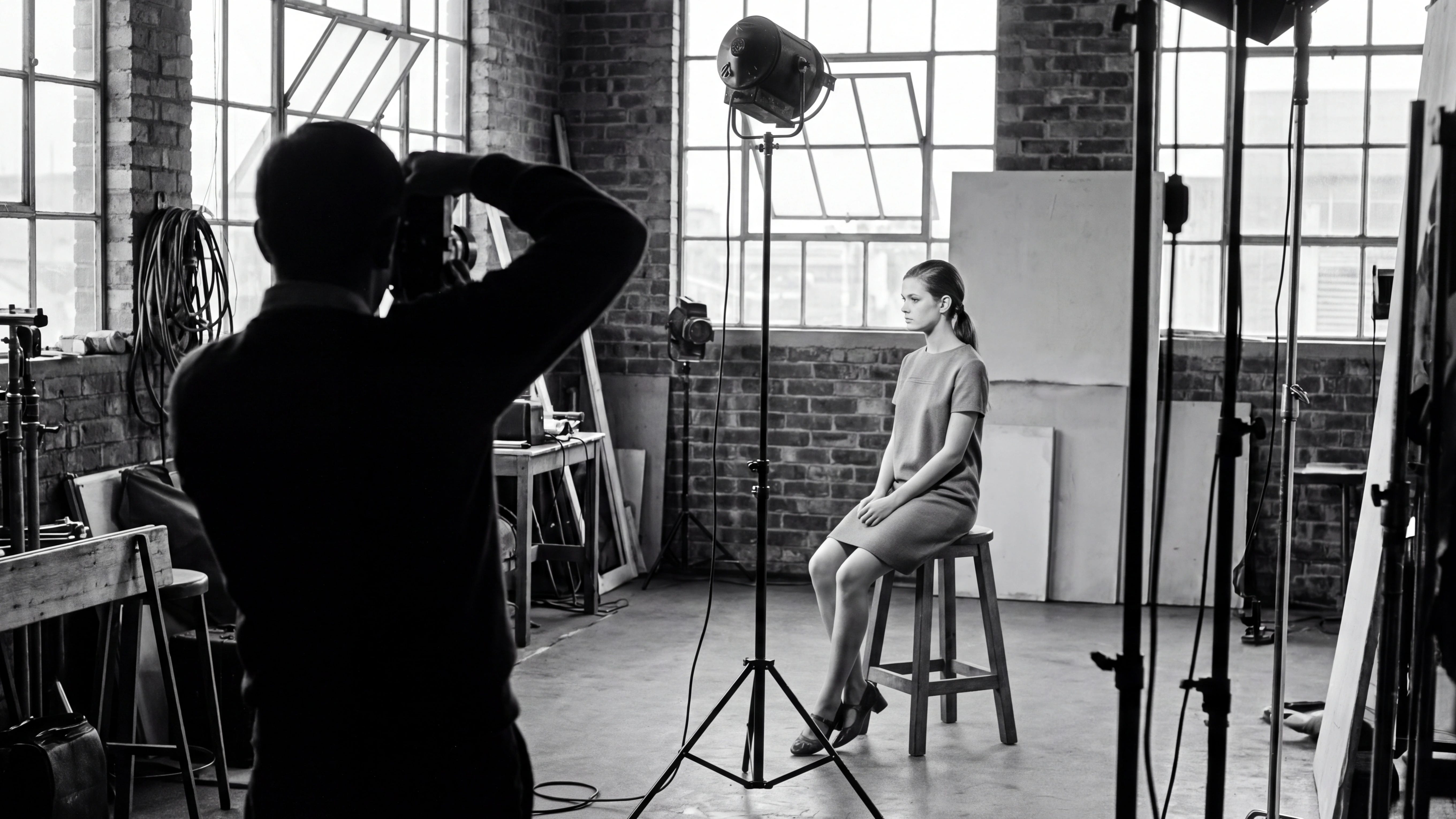
Maye Musk was born May Haldeman in Regina in 1948, one of five children, including a twin sister.
The family moved to Pretoria in 1950, then she started modeling at 15. The career ran for more than five decades, into her seventies.
She also earned two master’s degrees in dietetics, ran her own nutrition practice, and worked in the health sector from the 1980s onward.
The dual track of credential plus business carries forward the family’s “old money” signifying medical heritage. The modeling, no matter how empowering, doesn’t. In the mid-20th century, fashion modeling was the kind of profession “old money” families specifically forbade their daughters from entering. It read as exposure, not refinement.
Her husband, Errol Musk, made his money differently. He trained as an electromechanical engineer, built a portfolio of office buildings, retail complexes, and residential subdivisions across South Africa, and reached millionaire status before he turned 30. That’s a “new money” biography in its purest form. Self-made, technical, fast.
The trouble came in the 1990s. Errol’s businesses collapsed, and Elon and his brother Kimbal eventually agreed to support their father and his extended household, on the condition that Errol stop doing what Elon later described publicly as “bad things.” According to Elon, Errol didn’t keep the condition. An “old money” family doesn’t run out of money. Errol did.
The emerald mine story, the one that follows Errol around the internet, mostly isn’t true. He never owned a mine. He cut and imported raw emeralds in Johannesburg for a few years in the 1980s, and the venture failed. Elon has consistently denied the family ever owned a mine and has talked at length about graduating from Penn with significant student debt.
The piece of Errol’s biography that does the real damage is the family structure. He had seven children across multiple relationships. He met a woman named Heide Bezuidenhout when her daughter Jana was 4 years old, married Heide, stayed married for 18 years, and then later had two children with Jana, his own stepdaughter.
The result is that Elon has two half-sisters who are also his stepsisters. There is no version of that arrangement that reads as “old money”. “Old money” families pay enormous sums in lawyers, trusts, and Swiss schools specifically to make sure stories like this never become stories.
When Elon graduates from high school, the family scoreboard has collapsed from four-zero to roughly even.
Case 4: The Grandson Who Refused the Inheritance

Elon Musk attended Pretoria Boys High School, one of the most prestigious English-medium schools in South Africa, founded over a century ago and shaped explicitly on the British public school model. That’s an “old money” credential.
His parents divorced in 1980. He chose to live with his father. The household became financially unstable, and May worked five jobs to support the three children. That’s not.
He read constantly as a boy, mostly science fiction, technical manuals, and philosophy. He became fascinated with computers in the mid-1980s, when computing wasn’t yet a prestige career path. He went to the University of Pennsylvania, finished a double degree in economics and physics, and graduated with student debt.
The Ivy League slot is “old money,” but the rest doesn’t fit neatly into that category.
What he did next is the part of the story that decides everything. In 1995 he founded Zip2 with his brother Kimbal and a friend, an early online business directory that licensed to newspapers. Compaq bought it in 1999 for nearly $300 million. Elon’s 7% share paid him $22 million. He was 27. He had founded a company instead of joining one.
In 2000 he co-founded x.com, which became PayPal. eBay acquired it in 2002. At age 30, his share was reportedly over $165 million. He’d taken the PayPal money and put it into a rocket company.
SpaceX launched in 2002, with the explicit goal of making space travel cheaper. He joined Tesla as an investor in 2004 and engineered his way into the chairmanship, transforming a small electric car startup into one of the most valuable car companies on Earth.
Neuralink followed and The Boring Company followed. In 2022 he bought Twitter for $44 billion, took it private, fired most of the staff, reinstated Donald Trump’s account, and spent the next two years personally amplifying political content that no traditional “old money” figure would touch with a ten-foot pole.
The personal life followed the same arc.
'He married the writer Justine Wilson in 2000, lost their first son to SIDS, divorced in 2008, and shared custody of their five children. He married the actress Talulah Riley twice, and divorced her twice. He publicly intermittent relationship with Amber Heard, who was allegedly still married to Johnny Depp at the time. He had a son with the musician Grimes in 2020 and they named the child X Æ A-12.
Multiple marriages, public divorces, an actress on the side, an experimentally-named child with a Canadian art-pop musician. None of it is what “old money” does. In fact, all of it is what “old money” is specifically trying to avoid being seen doing.
What the Haldemans Built and the Musks Spen
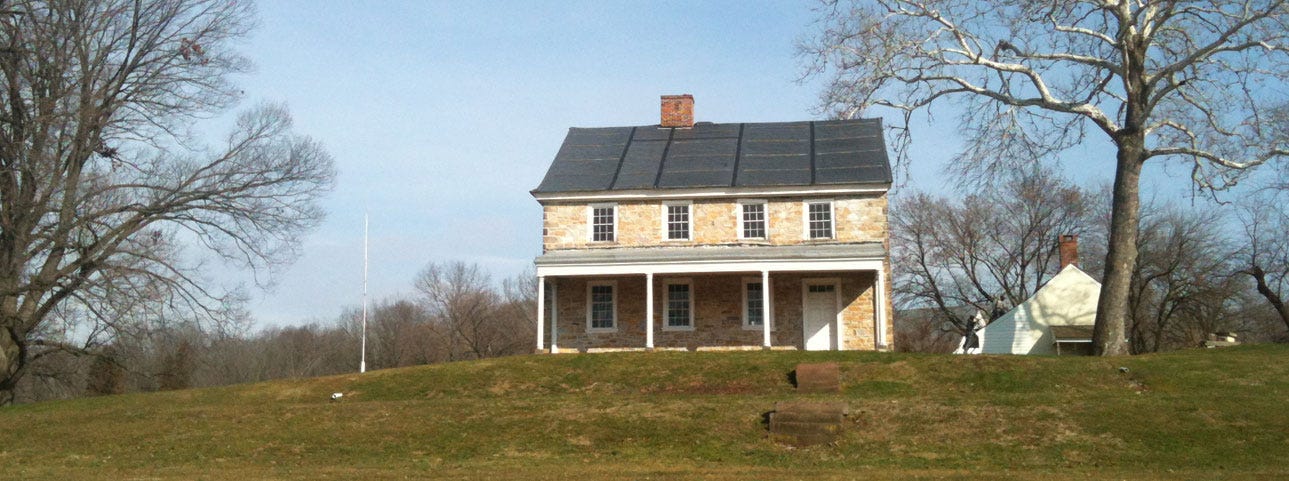
The Haldemans of Pennsylvania spent 300 years building the kind of family ledger that, in any other generation, would qualify the great-great-great-grandchildren as old American stock. A Swiss farming village. A 1720 estate. A first-in-country medical credential. A grandfather who flew planes across continents and a granddaughter with two master’s degrees. The credentials are real.
Elon Musk inherited that ledger and chose to ignore every single line item on it… and it lead him to becoming the wealthiest man in the world… and, by some metrics, the wealthiest man in recorded history.
He didn’t join a family practice. He didn’t preserve the estate. He didn’t marry into another lineage. He didn’t avoid the press.
He went into computers when computers weren’t yet prestige, took the money to space, bought a media company instead of joining a board, fathered children in public, and named one of them after a fighter jet.
The pattern the Musk family demonstrates that “old money” status isn’t just a static stock of credentials. It’s a continuous decision, every generation, to keep performing the same restraint, the same marriages, the same professions, the same silence around the family name.
The Musk family did something else next. The final score, by any honest count, is against them being “old money”. But it’s on you to decide of that’s a good thing or a bad thing.
A fun read!
Corrupt money