
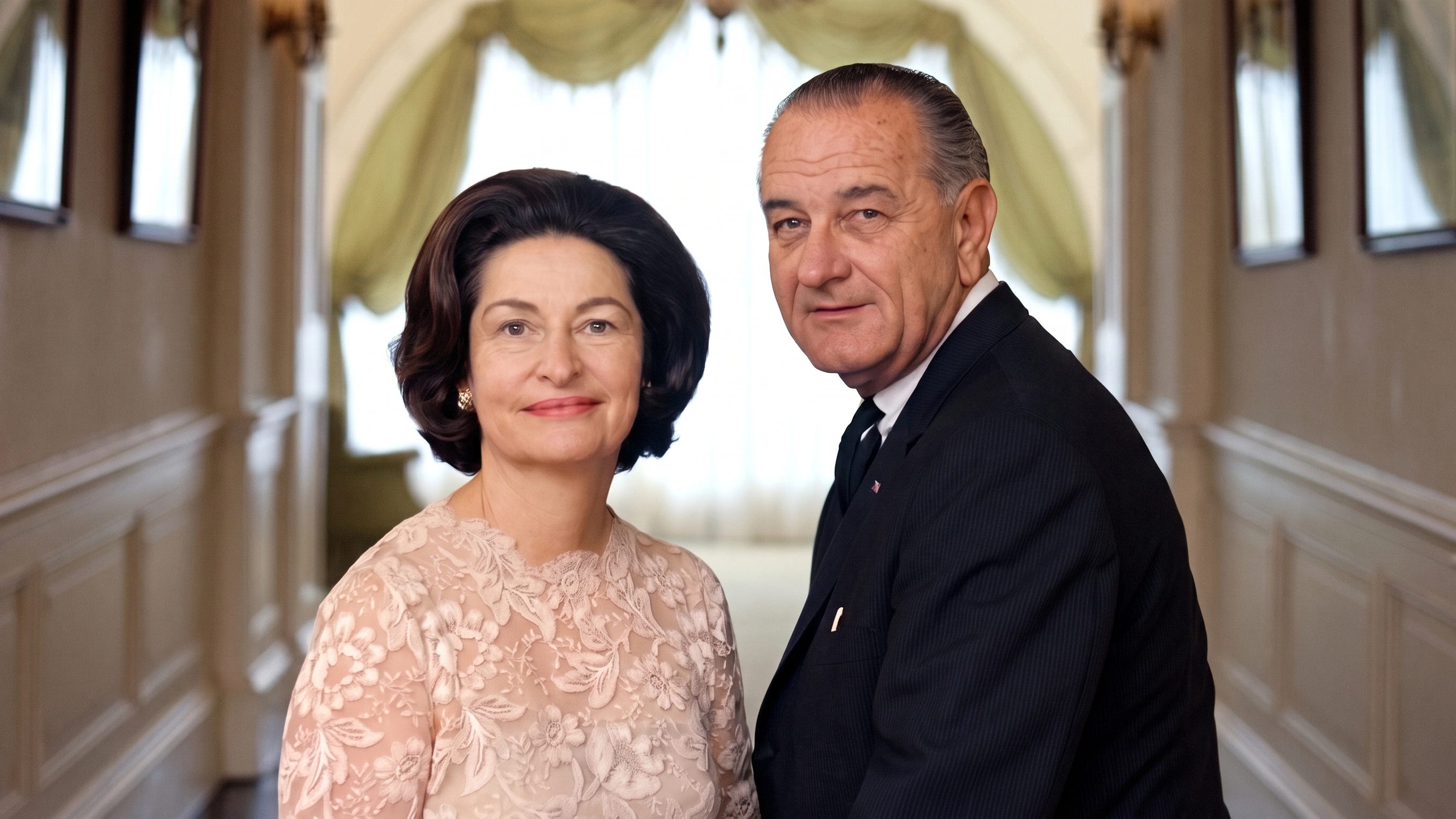
On October 6, 1964, the first lady of the United States boarded a campaign train and headed south through eight states where her husband’s most consequential legislation had turned the party’s old stronghold into hostile ground.
Her name was Claudia Alta Taylor, though by then the whole country knew her as Lady Bird Johnson, and over four days she spoke from the back of a train called the Lady Bird Special to crowds that didn’t want to hear what she’d come to say, facing hecklers, a reported bomb threat and audiences with their arms folded.
Behind her was a broadcasting fortune that started with a failing Austin radio station she bought in her own name two decades earlier, and a political career she launched with $10,000 borrowed against her dead mother’s inheritance.
She cleaned the station herself and turned it profitable inside a year.
And, by the time Lyndon reached the White House, the station was a family broadcasting company worth millions, though published estimates never agreed on how many.
The witnesses at Longlea believed she knew about the other woman.
The other woman was Alice Glass, the companion of Lyndon’s political patron Charles Marsh, and Alice’s sister, Mary Louise Glass, told Robert A. Caro:
When the two couples were together, Lady Bird “never said a word” and “showed nothing, nothing at all.”
Years later Lady Bird raised Alice’s name herself, unprompted, calling her “very tall, and elegant, really beautiful, in a sort of Amazonian way.” Precisely what she knew, and when, she never confirmed on the record.
The money, the silence, the crowds with their arms folded: all of it traced back to a single inheritance in East Texas, and to the daughter who took it and bet everything on a man the witnesses say she already knew was lying.
Karnack
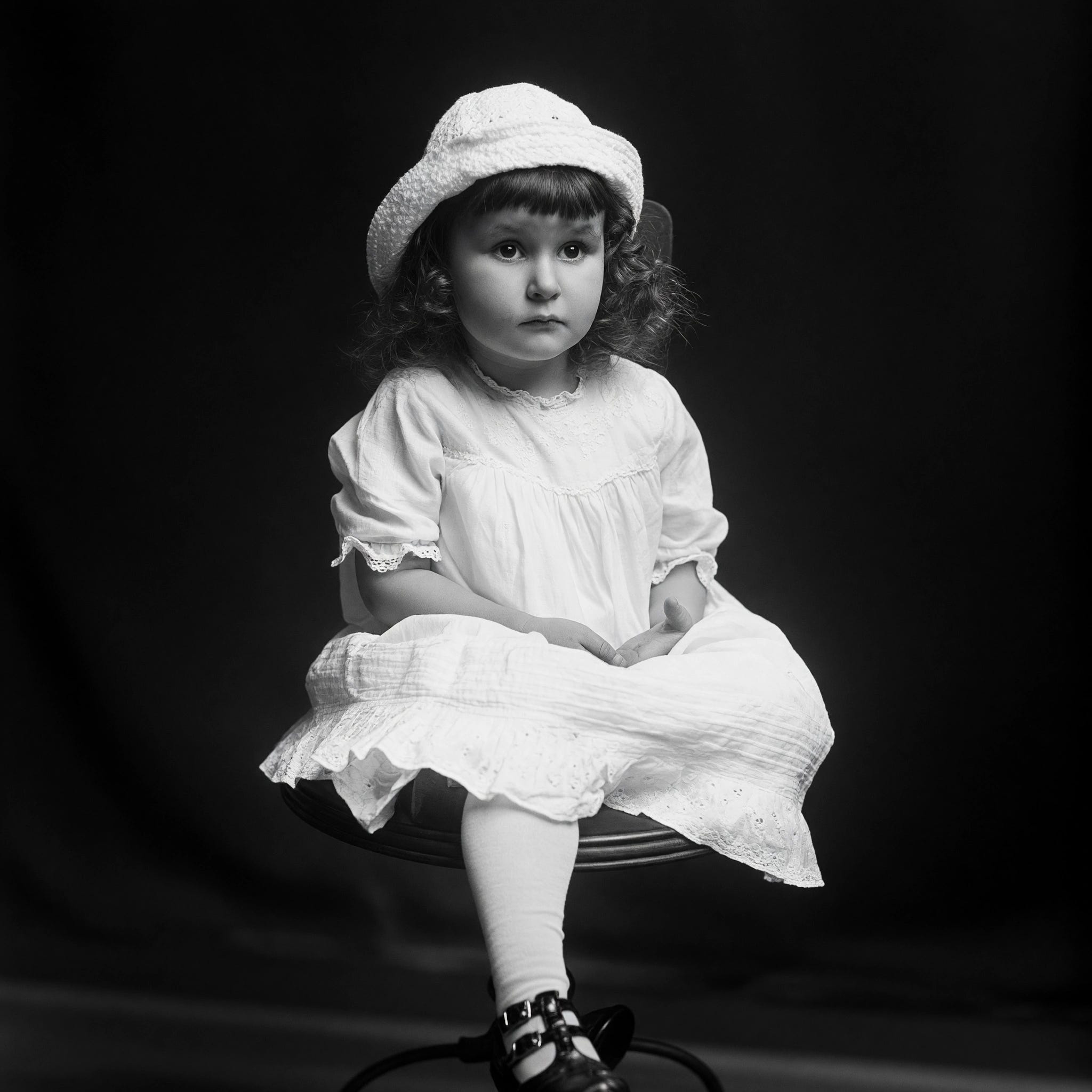
The story that put her on that train started thirty years earlier in Karnack, Texas, a crossroads town so small that her father’s general store was the center of it.
Claudia Alta Taylor was five when her mother, Minnie, died, and the inheritance she left would fund the start of everything that followed.
But published accounts of the inheritance never agreed. Time described $67,000 alongside Alabama land. Texas Monthly counted a smaller sum spent between the first House campaign and the start of the war, and a broadcasting trade report identified a separate fund it called family inheritance, without specifying which years the money came from. The sources don’t reconcile, and no settled probate total has appeared in the public record.
A separate inheritance, anticipated from her Uncle Claude Patillo’s estate in 1942, was distinct from her mother’s.
She told biographers she “desperately wanted a nest.” She married Lyndon Baines Johnson in November 1934.
When Representative James P. Buchanan died in February 1937, a special election opened the seat.
His first campaign ran on $10,000 she borrowed against her mother’s estate, and he won in 42 days.
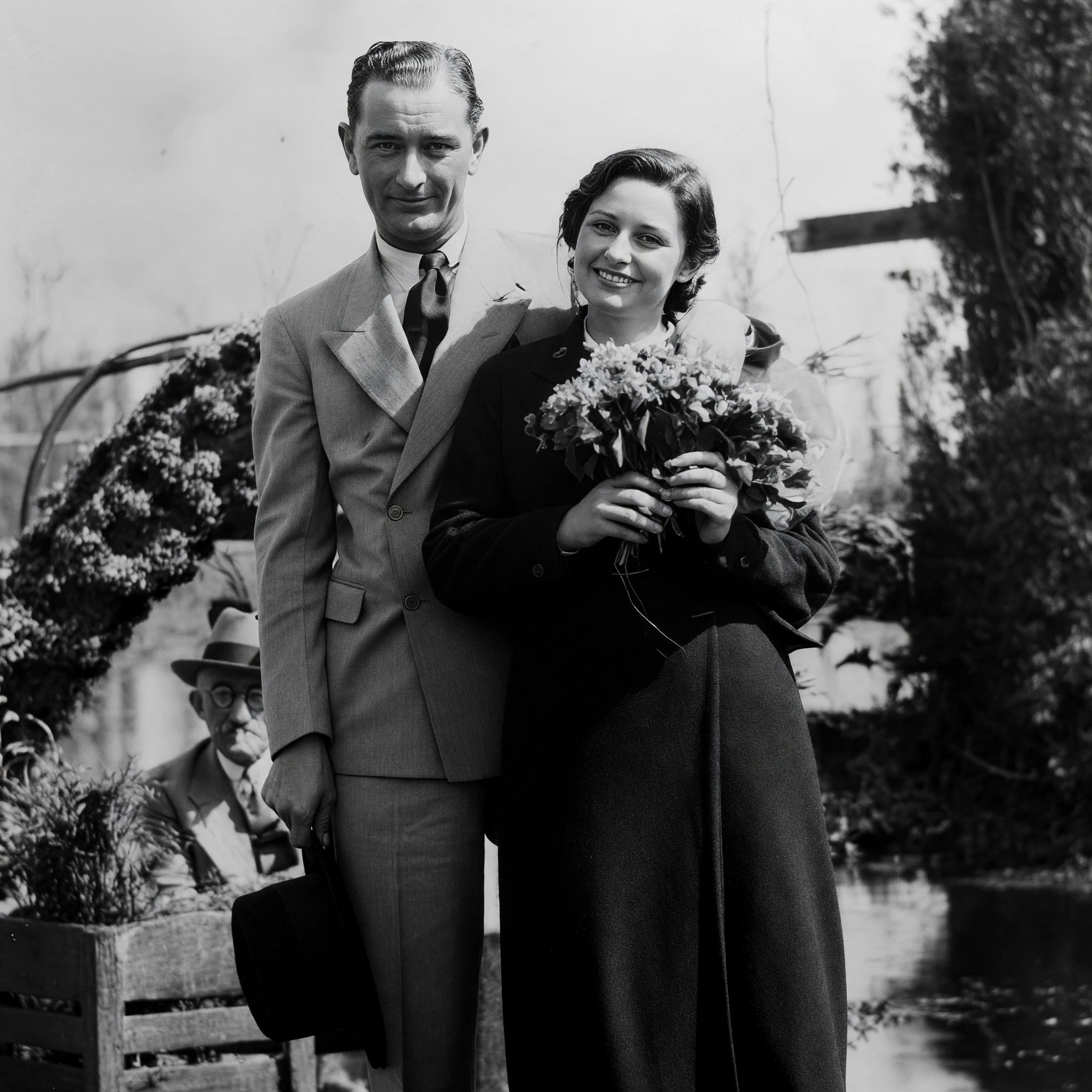
She’d traveled with him and passed him notes that read “That’s enough,” a verdict she recalled to Time on how long a congressman ought to talk.
Her father’s money funded the campaign, and from that first race the two careers ran on a single track.
In the years between that election and the war, Lyndon made himself useful to the Roosevelt White House, pushed through a federal loan that brought electric power to the rural Hill Country for the first time, and built a network of patrons and allies that stretched well beyond Texas.
The most important of them was Charles Marsh, a newspaper publisher who co-owned the Austin American-Statesman and kept an estate in Virginia’s hunt country where politics happened over long weekends.
He shared the estate with a woman who would quietly complicate the Johnsons’ marriage for years.
For now, though, the arrangement worked: Marsh opened doors, Lyndon walked through them, and Lady Bird kept the books.
When Lyndon left for the Navy in 1941, Lady Bird ran his congressional office on her own.
She later described the experience as a turning point.
By the time he came back, Lyndon was a regular at that Virginia estate, and so was the woman who would become the longest-running secret of his marriage.
