
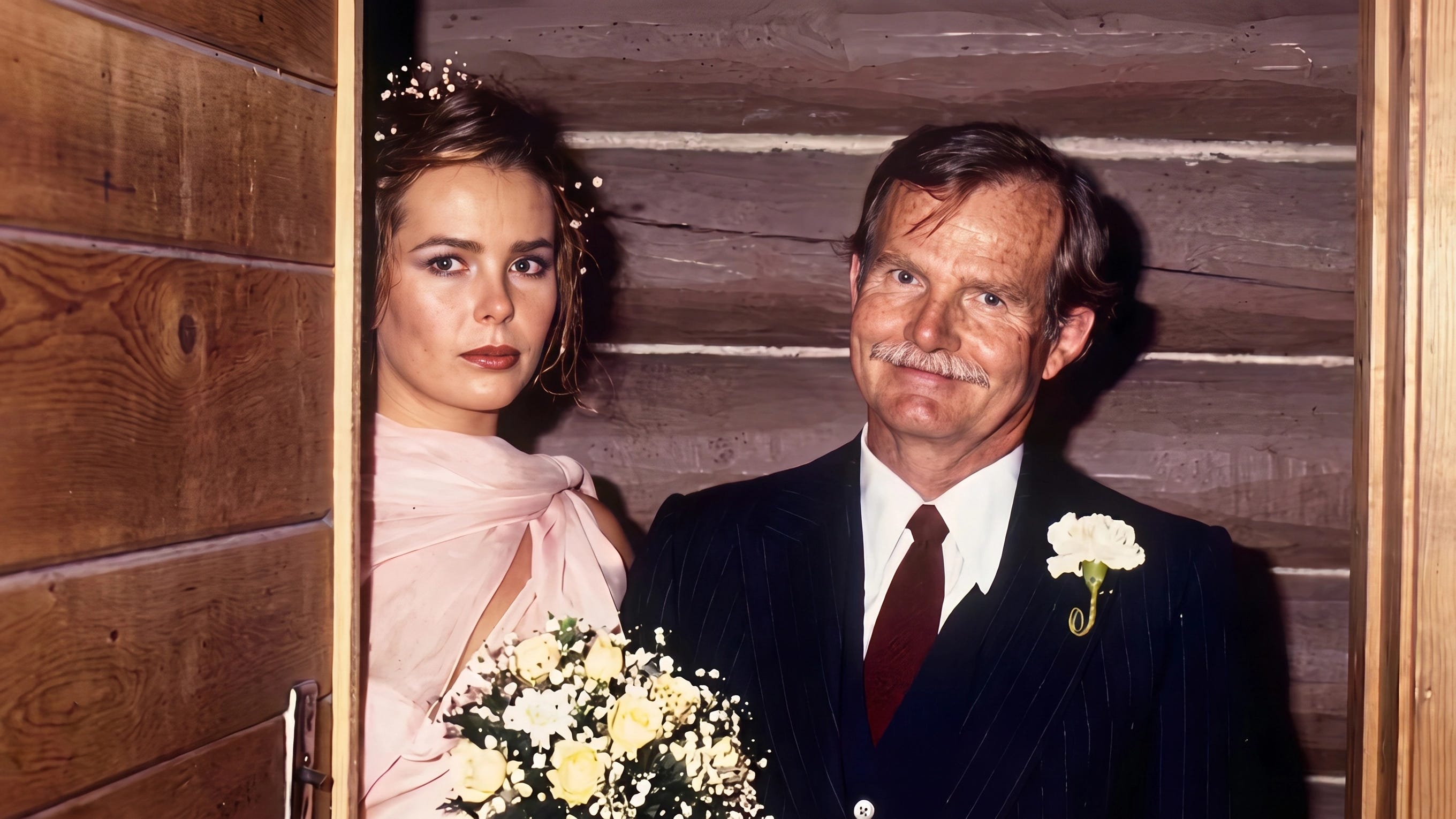
In the summer of 1975, the most photographed face in America belonged to a six-foot-tall girl from Portland, Oregon, who’d been named after a bottle of French wine.
Fabergé handed her a million dollars to sell a perfume called Babe, a sum no fashion model had ever been paid, and the industry decided within a single season that she represented a new kind of beauty entirely.
Time put her on its cover that June. Vogue followed in September with the phrase “New York’s new supermodel.”
The résumé left out the epileptic seizures that had started at eight, the dyslexia, and the three family members who'd already taken their own lives.
She was a child when her grandfather died at his house in Ketchum, Idaho, on a July morning in 1961.
Thirty-five years later, friends who’d gone a long weekend without hearing from her drove to her studio apartment near the beach in Santa Monica.
The Bottle of Château Margaux
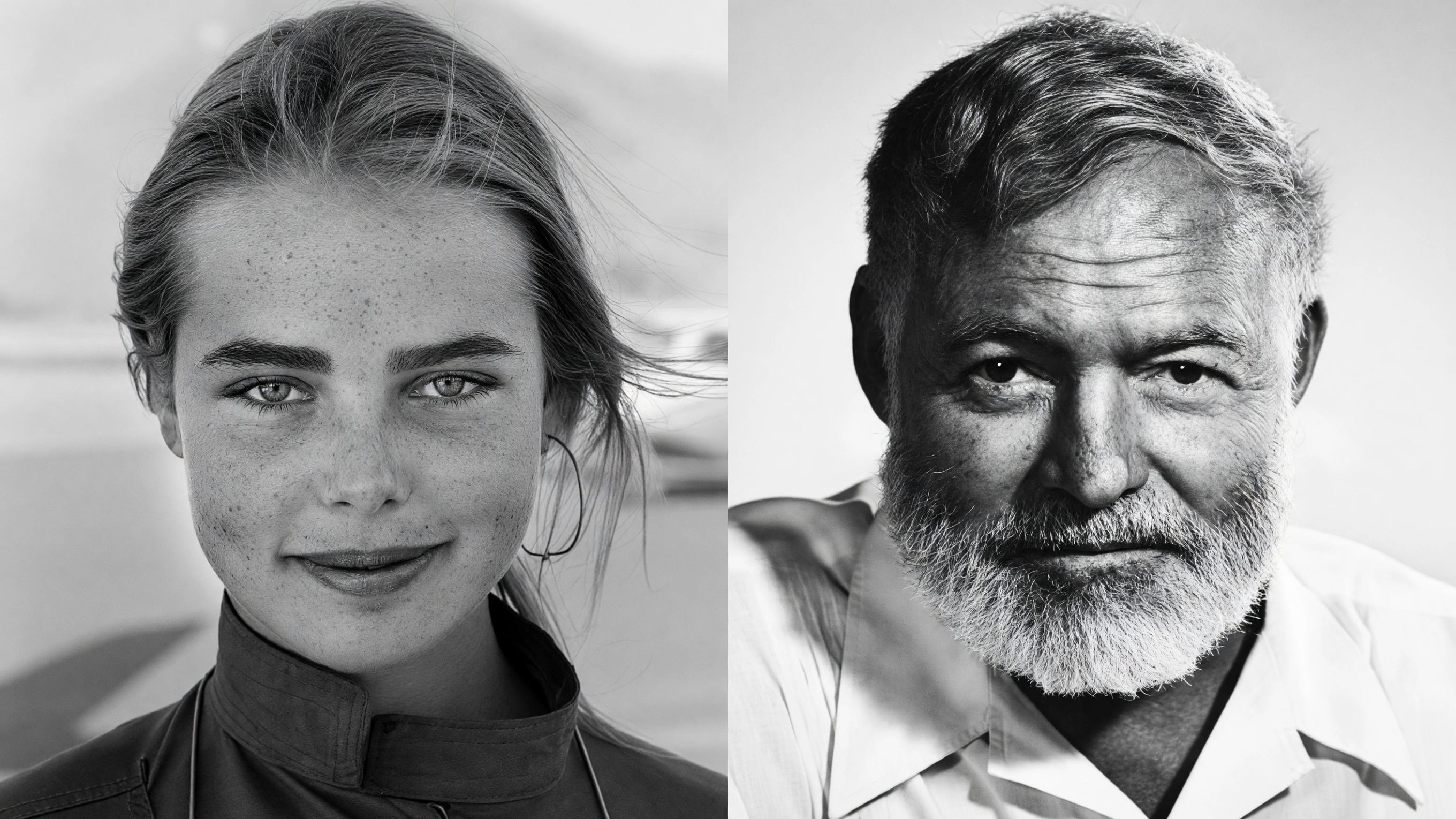
She was born Margot Louise Hemingway in February 1954 in Portland, Oregon, the second of three daughters of Jack Hemingway and Byra Louise Whittlesey, universally called Puck.
Her grandfather was Ernest Hemingway, who'd collected a Nobel Prize in Literature and spent decades converting an appetite for bullfights, bourbon, and big-game rifles into a last name that still got his granddaughters past the rope line.
Her father Jack, Ernest's eldest son by Hadley Richardson, had fought in the Second World War, been taken prisoner, and afterward arranged his adult life around fly fishing in Idaho rather than literature in Havana.
Now, the household in Portland and later in Ketchum was comfortable without approaching the scale that the last name suggested to strangers.
The three daughters, Joan (whom everyone called Muffet), then Margaux, then Mariel, grew up inside a family that was rich in reputation and thin on cash, a dynasty mostly in the sense that strangers assumed one.
The parents drank a bottle of Château Margaux on the night she was conceived, a detail they cheerfully passed on to their daughter, who responded in her teens by respelling her own first name to match the label.
At eight, she had her first epileptic seizure, a diagnosis that in the early 1960s carried a stigma close to shame and a treatment regime built on sedatives.
She was also dyslexic, thus she carried the last name of the most celebrated prose stylist in the English language while struggling to read a page of it aloud.
Those two facts rubbed against each other for 30 years and explain a great deal about why she chose a profession that required no reading at all.
Much of her adolescence was spent in Ketchum, which happened to be where her grandfather had died and where he lay buried, giving her childhood geography an unusual density. A short drive separated the house from the grave.
She was drinking by her teens, and she’d worked out that the last name functioned as a passport into rooms far from Idaho.
By 19, she'd gone east with no training, no portfolio worth the name, and an introduction that amounted to little more than five syllables and a handshake.
The fashion industry had grown bored of small, pretty, symmetrical faces, and New York's photographers recognized something different the moment she walked in.
Soon, a million-dollar check would arrive before anyone thought to ask about her family's medical history.
Weather on Film
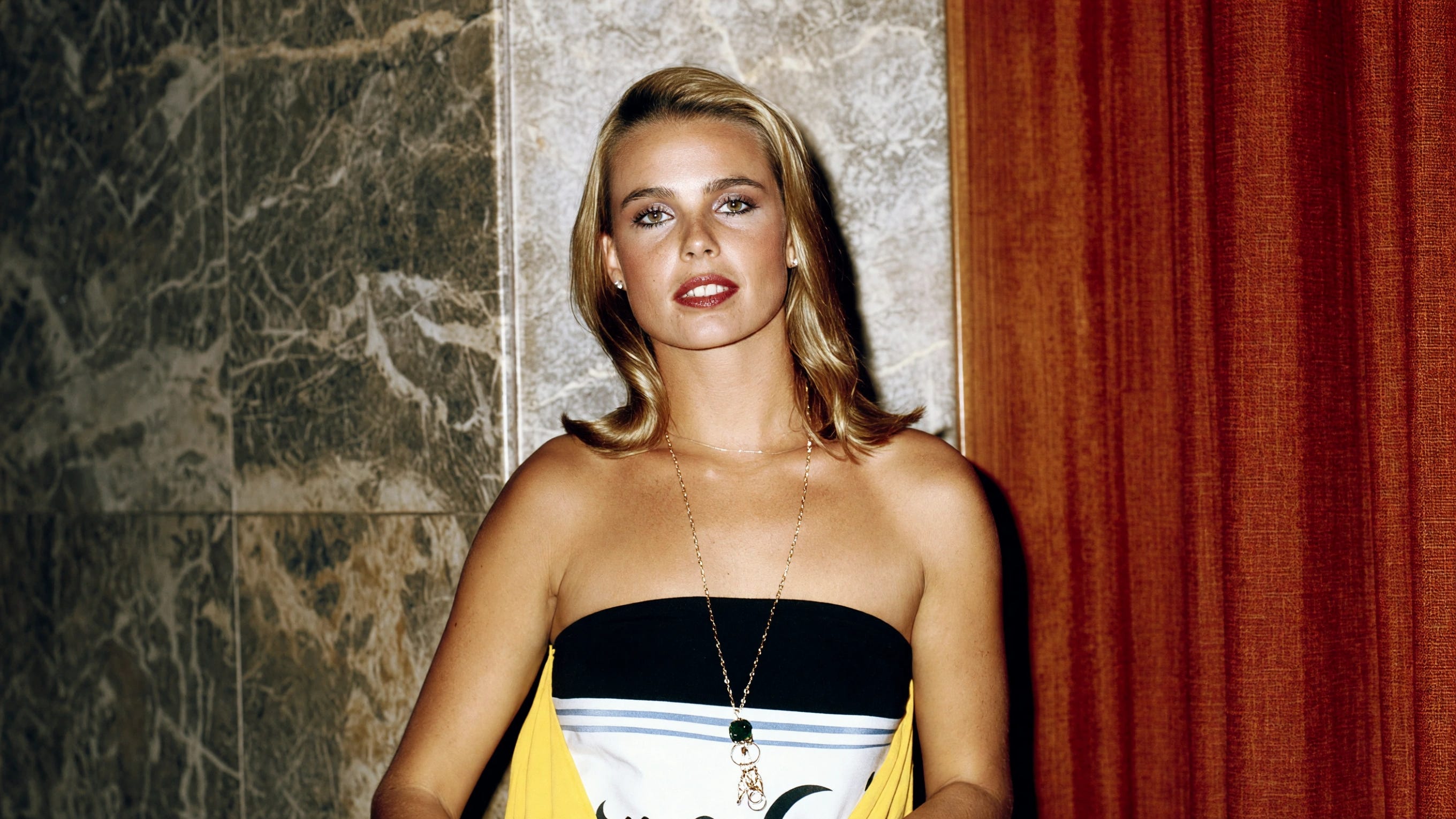
Fashion in 1973 was still run by a handful of photographers, editors, and agency owners who could manufacture a career over one lunch and end another over coffee.
Margaux entered that system sideways, through social introductions rather than open calls. Physically, she had the height, the wide-set eyes, the jaw, and the eyebrows she refused to thin. Commercially, she had the last name, which handed a magazine its headline and let an art director sell a booking in one sentence.
Timing helped.
A decade of waifs had left the country hungry for an athletic, outdoor, American beauty, and she’d been raised on trout streams.
Photographers who worked with her described a subject who improved a room, and in a trade built on long hours and short tempers, that quality carried real commercial value. Editors booked her because she photographed like weather: changeable and faintly dangerous. Clients booked her because simply printing “Hemingway” shifted copies.
Bookings became covers, and covers became the status that the trade press had only lately started calling supermodeling.
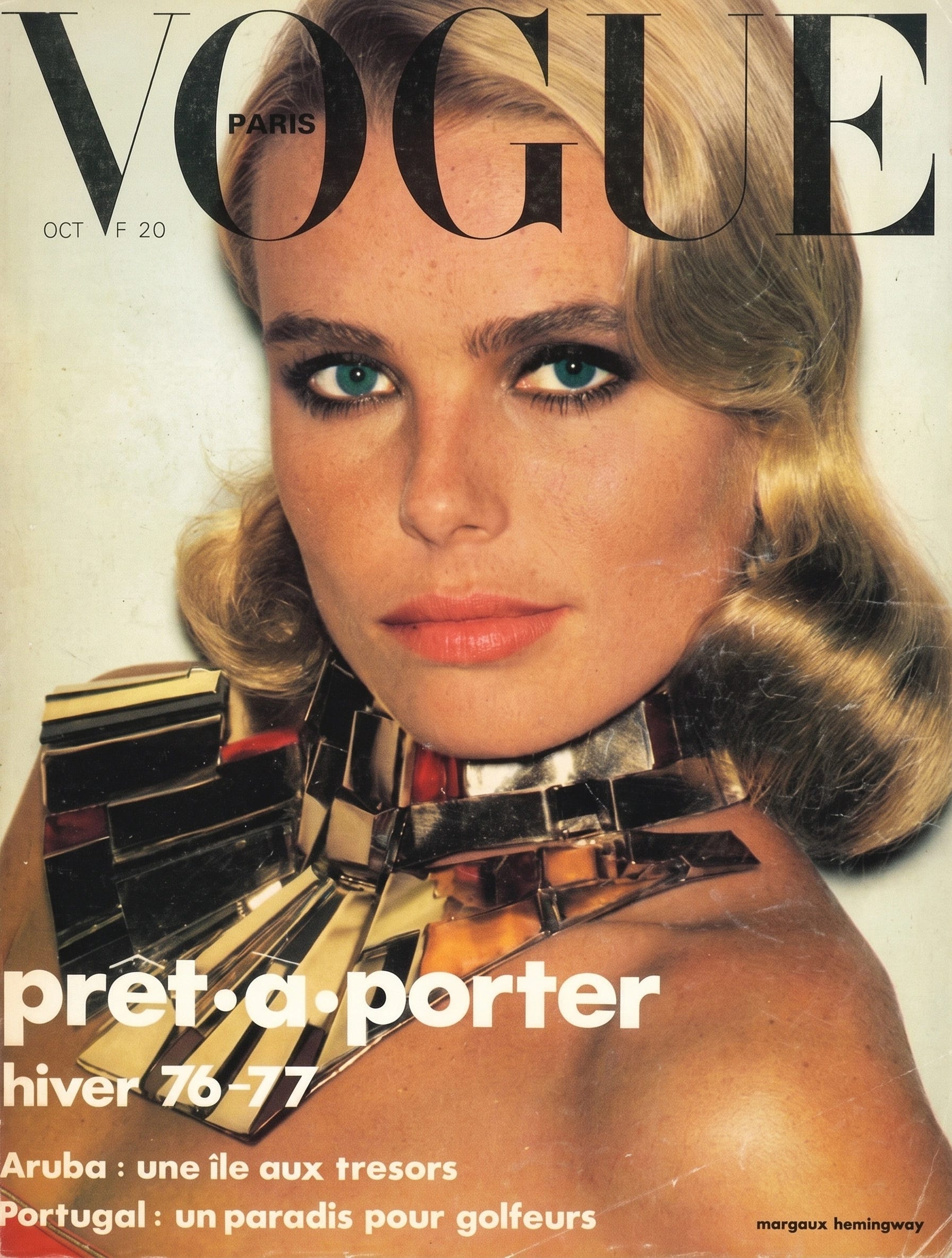
Cosmopolitan placed her in front of the largest women’s readership in the country, and Elle and Harper’s Bazaar followed with their own versions of the same face.
At 20, she was earning serious money and spending it in a city engineered to make that effortless. She kept an apartment in Manhattan, traveled constantly, and began appearing in the gossip columns as a fixture of a nightlife scene that would shortly center itself at Studio 54.
But absent from all of this was any professional apparatus to protect a young woman with epilepsy, dyslexia, and a family history of depression. Her seizure disorder made the arithmetic worse, since the medication that controlled it and the alcohol that soothed her had no business sharing a bloodstream.
She was, in the most literal commercial sense, an unaccompanied minor asset in a business that had no reason to slow her down. Within a year, Fabergé would make her the most expensive face in the history of the profession.
At that moment, it seemed impossible to believe that Margaux's lifeless body would be found, one day short of the anniversary of her grandfather's death, having ended her life the same way.
