
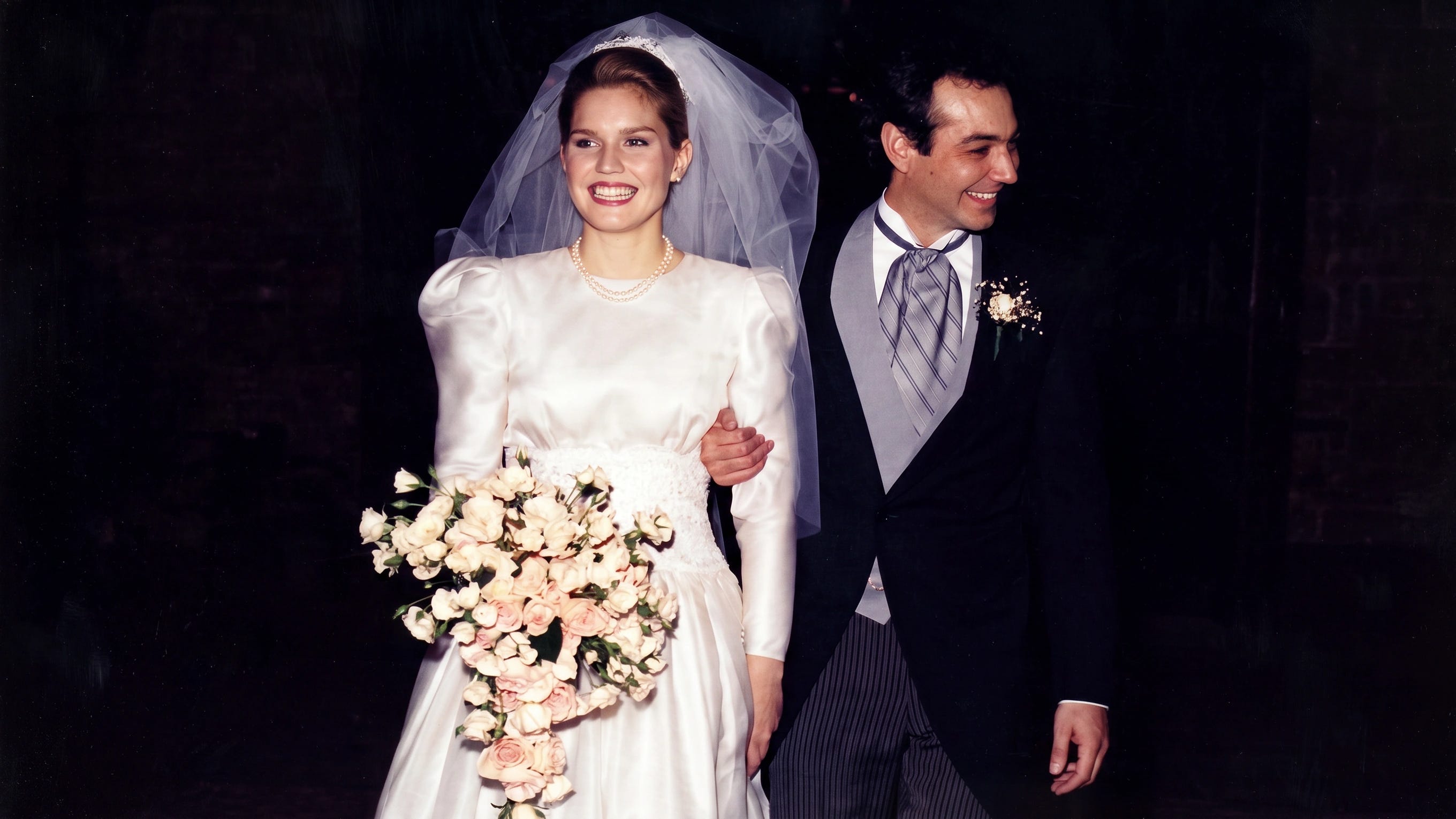
For most of his life, George D. O’Neill Jr. was almost entirely unknown outside a small circle of family, artists, and Central Florida neighbors.
He painted landscapes and ran a small publishing house that lost money. He lived behind the gates of Mountain Lake, an exclusive community near Lake Wales, Florida, roughly 60 miles from Orlando and about as far from Wall Street as a man could get without leaving the country.
He was also a great-great-grandson of John D. Rockefeller.
That second fact remained largely irrelevant to the public until 1997, when his marriage to Amy Whittlesey O’Neill collapsed.
The divorce dragged the family’s most jealously protected secret into an Orlando courtroom: the actual structure and value of private trusts that had been quietly compounding since 1934, three generations before George was born.
What followed was nearly three years of litigation, more than 200 hours of testimony, and a Vanity Fair cover story titled “Irreconcilable Rockefellers” that came closer than any legal proceeding in decades to forcing a full public accounting of how the Rockefeller fortune actually works.
The Lonely Lineage
To understand where George O’Neill Jr. fits inside the Rockefeller family tree, we have to trace the one branch the family never talked about.
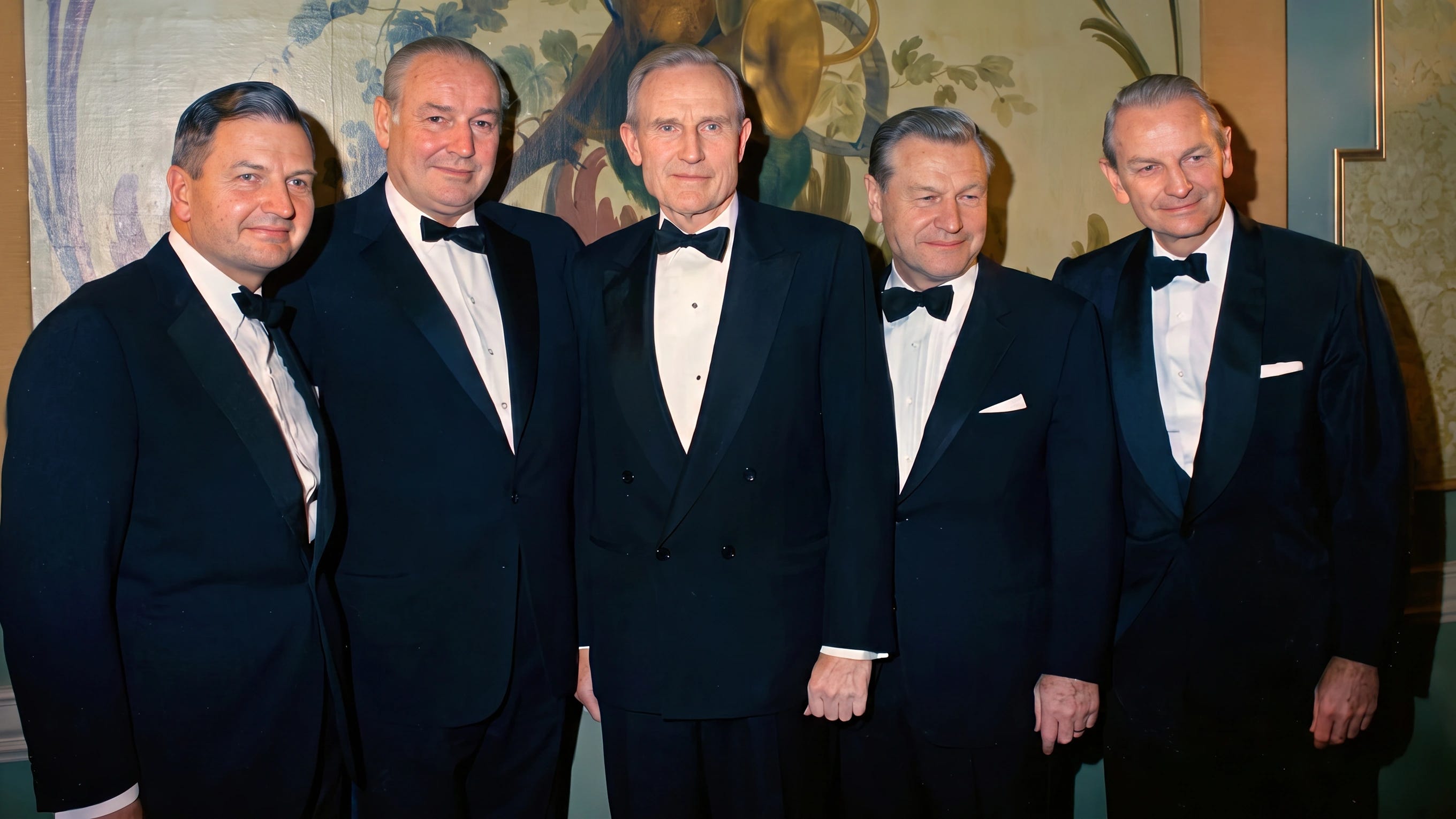
John D. Rockefeller Jr. and Abby Aldrich Rockefeller had six children between 1903 and 1915. The five sons went on to define the family’s public legacy for the rest of the century.
John D. III built Lincoln Center. Nelson became governor of New York and vice president under Gerald Ford. Laurance pioneered conservation and venture capital. Winthrop became governor of Arkansas. David ran Chase Manhattan Bank and lived to 101.
Then there was Babs.
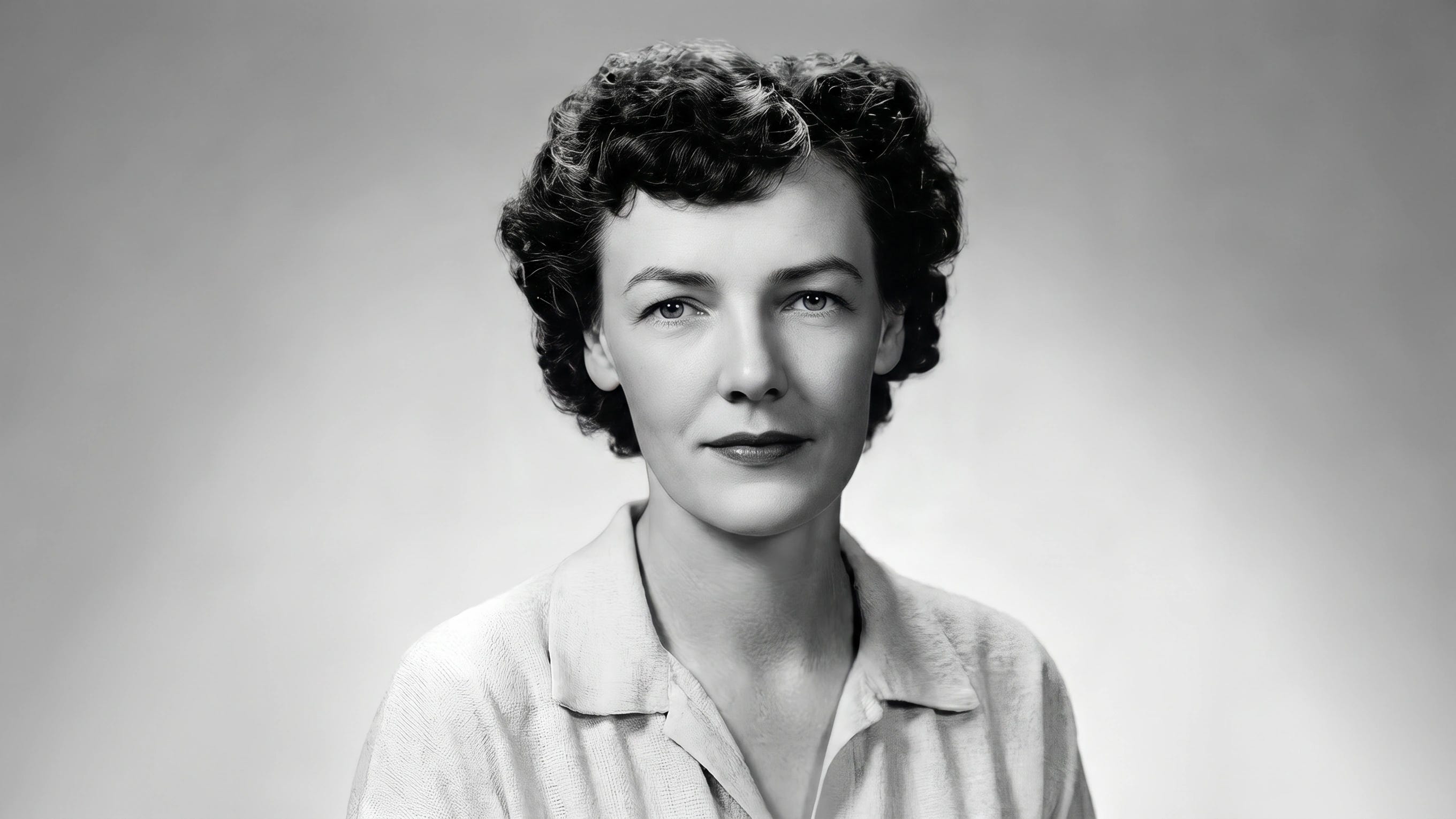
Abby “Babs” Rockefeller, born November 9, 1903, was the firstborn of the six children and the only daughter.
She never took on a public institutional role bearing the family name. While her five younger brothers carved out political, financial, and philanthropic empires visible enough to fill textbooks, Babs followed a path so private that even dedicated Rockefeller historians tend to cover her in a paragraph or two before moving on to Nelson’s gubernatorial campaigns.
Her brother John D. III once explained the imbalance with characteristic bluntness: “It was five to one, and this was before women’s lib.”
Babs married three times, none of them to men whose surnames would echo through boardrooms or Senate chambers.
Her first husband, David Meriwether Milton, was a Harvard-educated lawyer and investment banker who moved through the clubby postwar world of New York banking without ever achieving the kind of visibility his brothers-in-law were building in Albany and Washington. They had two daughters before divorcing in 1943, while the war was still on and the family’s attention was elsewhere.
Her second husband, a prominent neurologist, died after three years. Her third, Jean Mauzé, a French-born banker at United States Trust Company, gave her the name she kept until she died in 1976 at One Beekman Place, a limestone tower on the East River where the doormen knew not to mention the Rockefeller connection.
And Babs’s relative obscurity mattered because it meant that her descendants, including her future grandson George, would grow up in the one branch of the Rockefeller family that the public and the press almost never watched.
While Nelson was campaigning for governor and David was hosting foreign heads of state at Chase Manhattan, Babs’s line was raising children on Long Island and attending charity luncheons that never made the papers.
Her elder daughter, Abigail Rockefeller Milton, known within the family as Abby O’Neill, married George Dorr O’Neill, a quiet civic figure rooted in Oyster Bay on Long Island’s North Shore, the same stretch of Gold Coast villages where old money had been retreating from Manhattan’s noise since the Gilded Age. He served as a village trustee, co-founded a local charitable fund, and died in 2019.
Together they raised six children in a world of clam bakes and committee meetings and the particular North Shore discretion that treats inherited wealth as something you acknowledge with a nod rather than a press release.
Their eldest was George D. O’Neill Jr., the man whose divorce would one day threaten to crack open the family vault.
The Hidden Heir
George Jr. grew up at Meriwether, a 17-room estate his parents purchased on the North Shore in 1950 and kept for nearly 70 years.
His father, George Sr., had graduated from St. Mark’s School in Massachusetts and Harvard, served as a midshipman in the Merchant Marine Cadet Corps during the final year of World War II, and begun his career at Chase Manhattan Bank, the institution his wife’s uncle David Rockefeller would later run. He spent 13 years at the investment firm Train & Cabot before founding his own private firm, Meriwether Capital, in 1977, a name that evoked both the family estate and his former father-in-law David Milton’s middle name. He was indeed a man who treated institutional stewardship as a vocation and public visibility as something to be avoided.
George Jr. attended the same St. Mark’s School his father had, but what he did afterward set him apart from virtually every Rockefeller descendant of his generation.
He skipped college entirely.
It was the first of many decisions that moved him further from the family’s institutional center rather than closer to it.
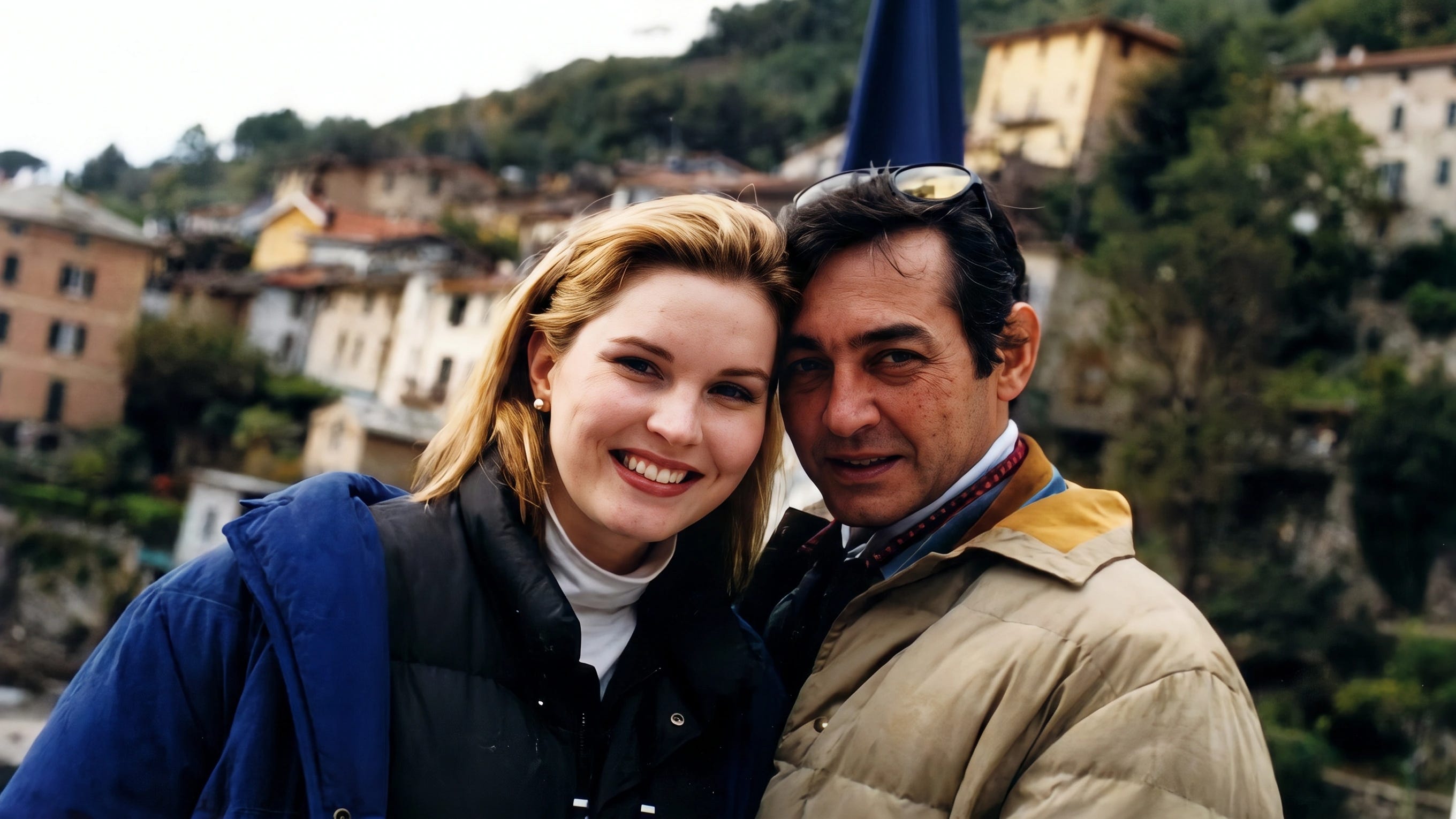
In 1988, at 39, he invited Faith Whittlesey, the outgoing U.S. Ambassador to Switzerland, to an Election Night party at his loft near Madison Square Garden to watch George H.W. Bush win the presidency. Whittlesey brought her 21-year-old daughter Amy.
Two months later, at a dinner preceding one of the inaugural balls, Amy was seated beside George, and by Vanity Fair’s account, “sparks apparently flew, although scarcely anyone noticed.”
Faith learned of the romance secondhand, while vacationing in Antigua, and panicked.
George was 17 years older and, in her estimation, “too much of a ladies’ man” for her only daughter.
He called her directly: “Oh, no, I’m not trying to seduce your daughter. I want to marry her.” Eight months later, on September 23, 1989, they married at St. James Episcopal Church on the Upper East Side with 350 guests. Amy had turned 22 four days earlier.
Over the following decades he drifted steadily away from the family’s institutional center, painting landscapes, running a small press that lost money, and writing conservative political commentary for outlets that had no connection to the Rockefeller philanthropic mainstream.
By the time he settled in Florida, he’d put about as much distance between himself and the family brand as geography and temperament would allow.
His mother went the other direction entirely. While George was setting up an easel in central Florida, Abby Milton O’Neill was chairing the family office, running the Rockefeller Brothers Fund, and serving on institutional boards with the steady, decades-long commitment the family expected of its stewards. She sat on the board of International House New York for 59 consecutive years. She died in May 2017 at 89, less than two months after her first cousin David Rockefeller died at 101.
She was also, as an Orlando courtroom would eventually learn, receiving approximately $1 million per month from the family trusts her grandfather had created in 1934.
Her eldest son George was next in line for those same trusts.
Yet he’d built a life so far from the Rockefeller name that not a single journalist, genealogist, or society columnist had any reason to track him.
A painter who’d skipped college, chosen Florida over Manhattan, and traded the family’s institutional machinery for an easel and a small press that lost money.
Then his marriage collapsed in 1997, and his wife’s attorney walked into an Orlando courthouse with a simple question: how much are the trusts actually worth?
The answer, when it finally surfaced, started at $354 million and kept climbing.
