
Staying rich for a century is a different sport from becoming rich in one, which is why the Waltons, Kochs, and Pritzkers are not here, and why Jeff Bezos, Bill Gates, and Elon Musk are absent despite having enough money to make the omission feel personally insulting.
A fortune needs three generations to show its character, since the first builds it, the second makes it respectable, and the third finds out whether the paperwork was stronger than the appetite for yachts.
Now, Forbes counted a record 54 multigenerational American clans worth at least $10 billion in its 2026 ranking, holding $1.9 trillion between them, and every one arrives with cousins, divorces, holding companies, and a family historian trained to say complicated period and change the subject.
Therefore, what follows are the five richest families whose money predates the life of basically everyone reading this article (yes, you too), has crossed three generations, and has lasted long enough to acquire both good silver and lawyers with very quiet offices.
5. The du Ponts: $22 billion

We begin on the Brandywine River near Wilmington, Delaware, where a French chemist examined American gunpowder and pronounced it inferior and overpriced.
Éleuthère Irénée du Pont built his black powder mill beside the creek in 1802, choosing the site for water rather than scenery, since a creek turns machinery, a river carries product, and gunpowder is best made a polite distance from anybody important.
The War of 1812 made his powder indispensable, and the enterprise expanded into dynamite, then chemicals, then the almost alarming variety of materials that made American industry behave as though it had discovered alchemy.
Nine generations and $22 billion later they remain the oldest family here and the most thoroughly scattered.
The pleasure of the du Ponts is that you may stroll about inside the fortune on a Sunday afternoon. Hagley occupies the original 235 acres of powder-mill ground, Winterthur swelled from a 12-room manor into a 175-room mansion before becoming a museum in 1951, and Nemours began in 1909 as a 30,000-acre estate, now some 300 acres while keeping its French chateau and a frankly regal attitude toward lawn maintenance.
Longwood Gardens, bought by Pierre S. du Pont in 1906, adds more than 1,100 acres of flowers.
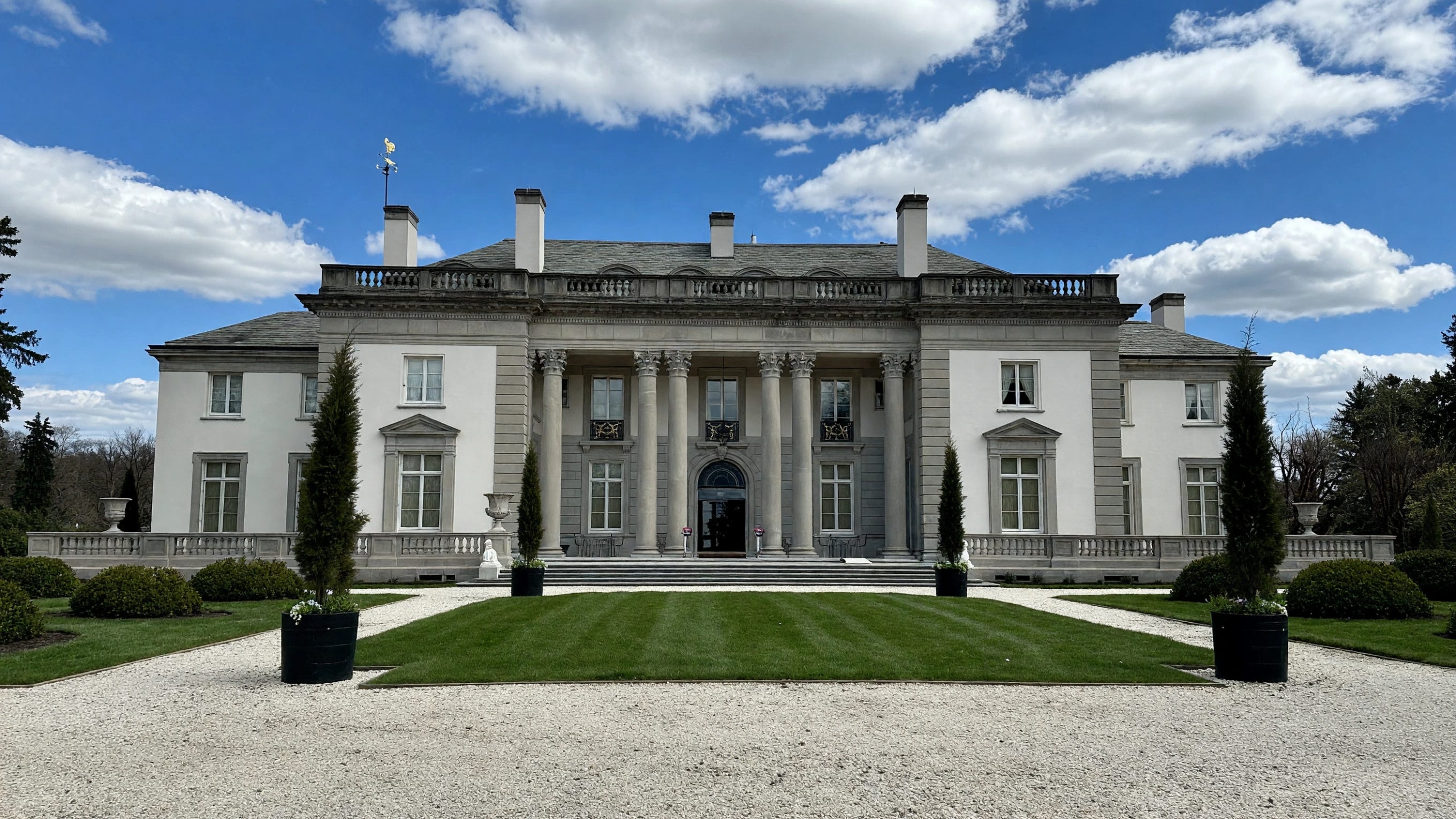
Those estates are the most visible thing the family still owns, the company having slipped its collar some time ago. Dow and DuPont merged in 2017, separated in 2019 into Dow, DuPont, and the agricultural business Corteva, and DuPont then spun off its electronics division as Qnity on November 1, 2025. A historic last name that no longer commands its flagship while the flagship keeps dividing like a well-funded amoeba is modern old money in its purest state.
The name still collects the bills. Chemours, DuPont, and Corteva agreed in 2023 to a $1.1 billion PFAS settlement with American water systems, DuPont’s portion around $400 million, and the descendants who run none of these companies inherit the headlines regardless. Such is the burden of a last name on every label and every lawsuit.
The darkest of those headlines carries a first name. In 1996 John du Pont shot and killed the Olympic wrestler Dave Schultz at Foxcatcher Farm, was convicted of third-degree murder, and died in prison in 2010 with no motive established.
One branch, sensibly, walled an institution off legally. Alfred I. du Pont’s testamentary trust, created in 1935 with the Nemours Foundation as sole beneficiary, held roughly $8.2 billion as of 2023, the du Pont habit in miniature: let the surname survive through buildings and beneficiaries once ownership scatters.
Forbes counts more than 3,500 living du Pont descendants, the largest heir count of any family on its list.
But the next fortune was built on a product Americans encountered much more often than gunpowder: beer.
4. The Buschs: $24.4 billion
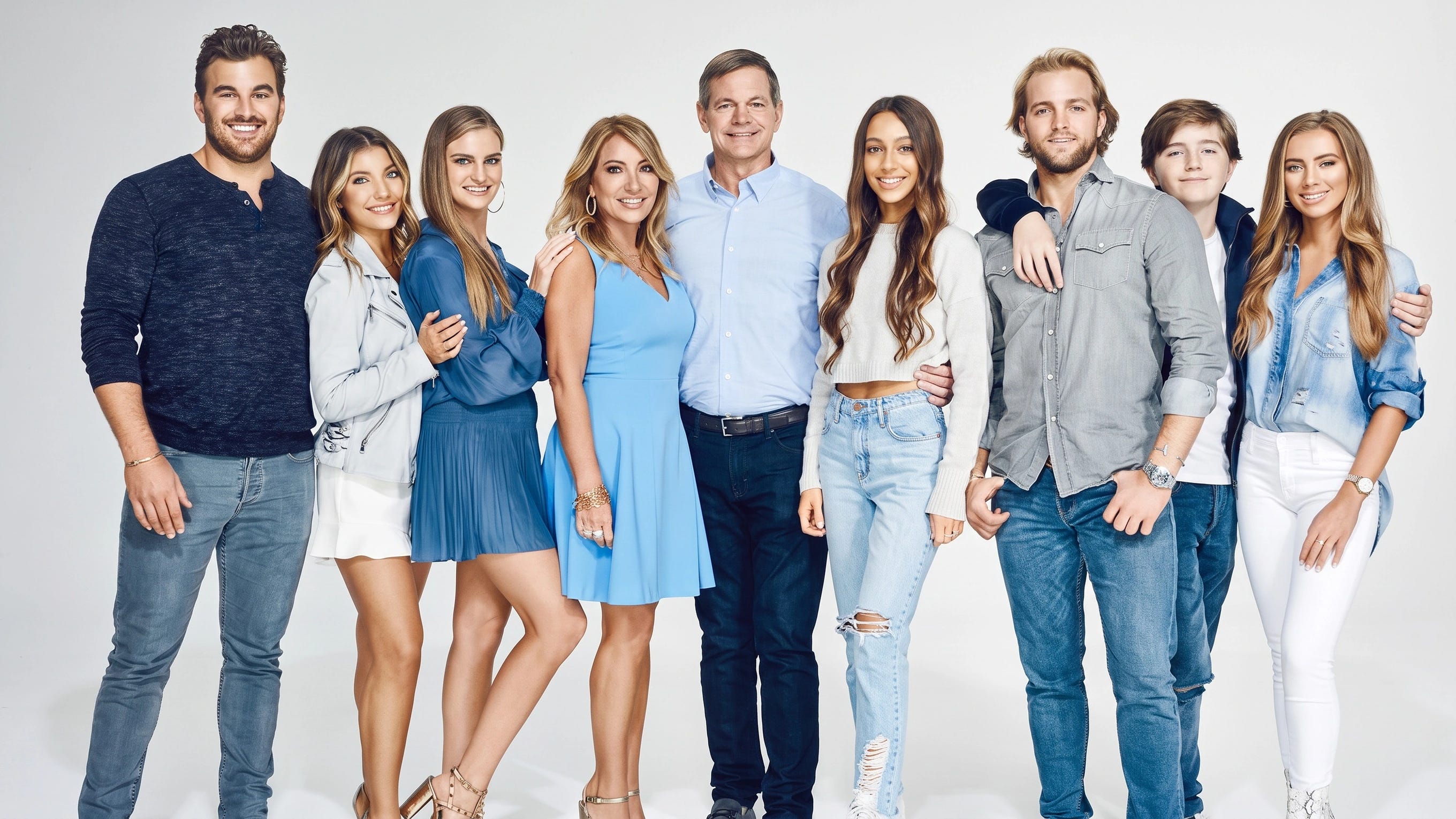
Beer can make a man seem immortal, right up until somebody else buys the brewery.
The Busch name still adorns a ballpark in St. Louis, a theme park in Tampa, and America’s most famous lager, and the family owns none of the three. They lost the crown jewels, kept the treasure, and proved a cash-out can be both funeral and inheritance.
It began, as these things occasionally do, with a soap and candle maker. Eberhard Anheuser was a creditor to a failing Bavarian brewery in St. Louis, and in 1860 he bought out his fellow creditors and put his own name on the door.
Adolphus Busch, a German immigrant, arrived via a supply business and then via the most efficient merger instrument ever devised, marriage, wedding Lilly Anheuser in 1861 and inheriting the presidency when Eberhard died in 1880.
His genius was not the recipe but the road. In 1876 he and the importer Carl Conrad introduced Budweiser, a lighter lager named for the brewing town of Budweis, and Adolphus pasteurised it so it survived beyond the brewery gate, then sent it out in refrigerated rail cars while rivals still treated a local radius as destiny.
By the time he died in 1913 the family had its most useful lesson, which was that the product might be beer while the business was punctuality.'
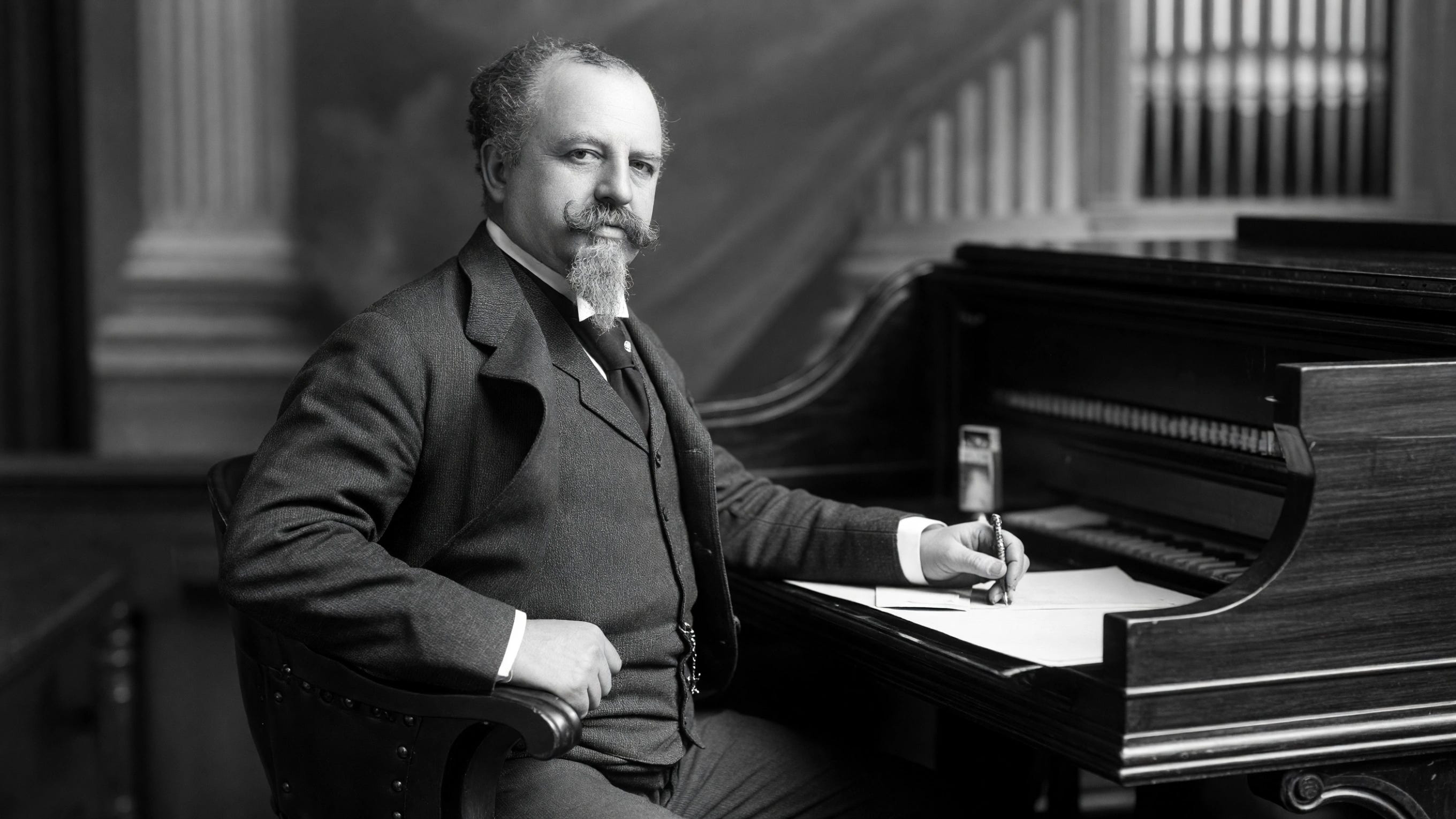
Prohibition arrived in 1920 like a bureaucrat at a wedding reception, and his son August A. Busch Sr. answered with Bevo, a near beer shifting more than 5 million cases a year at its peak. He promised the plant would stay open even if it had to make shoelaces, and when repeal came in 1933 the beer was moving within a day.
Then came Gussie, otherwise August A. Busch Jr., who turned the Clydesdales into rolling cathedral windows for Budweiser, bought the St. Louis Cardinals in 1953 for $3,750,000 to keep the team in town, and tried to name the ballpark Budweiser Stadium.
Baseball’s commissioner objected to that flourish, so it became Busch Stadium, which advertised the beer with all the subtlety of a brass band in a library. Busch Gardens Tampa opened in 1959 as a bird garden attached to a beer garden.
The family drama then played out on a rather public stage. In 1975, after the death of Gussie’s young daughter Christina in a car crash, August Busch III engineered his father’s removal with the board’s blessing and took the chair himself.
He drove the company toward roughly half the American beer market while the family’s own stake thinned through trusts, estates, and ordinary trading to around 4 percent, and August IV became chief executive in 2006 holding a surname whose leverage had evaporated.
InBev offered $65 a share in June 2008 and was rebuffed by a unanimous board.
A month later the courtship concluded at $70, roughly $52 billion in cash.
August IV took a board seat with no operating role, leaving it in 2011 and ending the family’s formal command. His private life, meanwhile, drew precisely the attention family offices exist to prevent.
The heirs, between the low 20s and about 30 people, now share sale proceeds and investments rather than a brewery.
Billy Busch, Adolphus’s great-grandson, keeps a 10-barrel operation on the family’s Missouri farm, where visitors are received with Clydesdales and a complimentary sample, the old commercial ritual preserved as village pageantry.
They lost the company that made them famous, then became richer than most families who still own theirs.
Yet the next dynasty solved the problem differently. Instead of selling the family company, they simply never took it public.
3. The Cargill-MacMillans: $67.9 billion
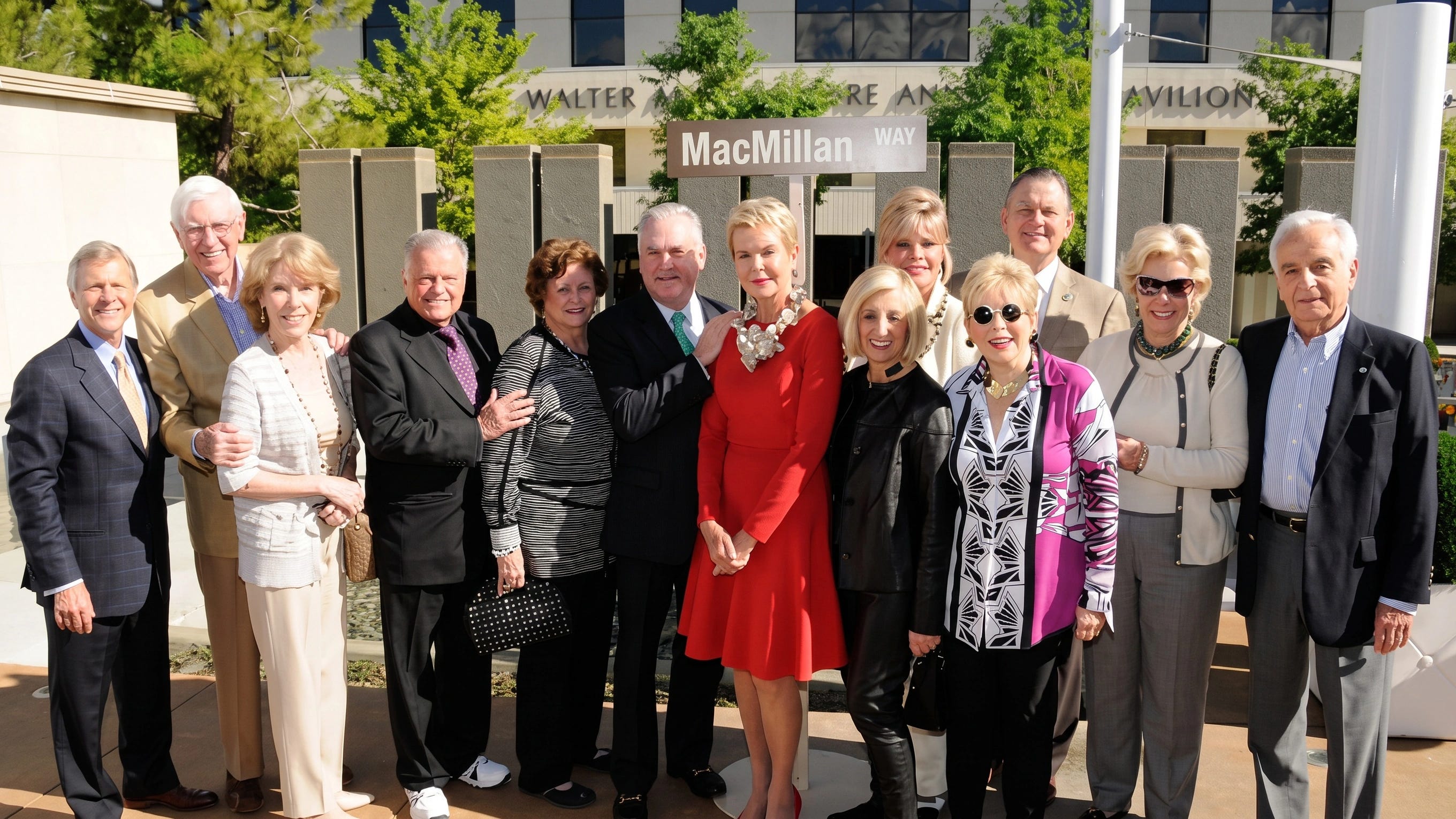
A grain warehouse beside an Iowa railway is the least theatrical birthplace for a fortune imaginable, which is precisely why it worked.
William Wallace Cargill, son of a Scottish sea captain, bought that warehouse at Conover, Iowa, in 1865, a terminus with no glamour and a useful flow of farmers wanting somewhere to put the harvest.
That shed was the original arbitrage, since a farmer needing cash after harvest had to sell while a trader with storage could afford to wait, and the weather supplied the suspense.
Everything the family later built began as the difference between what a crop was worth in October and what it fetched in April, a duller sentence than oil or diamonds and one that has outlasted both.
When Cargill died in 1909 the fortune acquired its second surname through his daughter Edna’s marriage to John H. MacMillan Sr., who had run operations since 1899 and took the reins formally on his father-in-law’s death. Cargill moved into flour milling, animal feed, commodity trading, and transportation, profiting from the harvest and from the uncertainty over it.
The company today is private on a scale that feels almost eccentric, with no ticker inviting strangers into the drama and no quarterly call full of analysts pretending a slightly different margin would alter civilisation.
Forbes says at least 100 family members own an estimated 88 percent of the largest private company in America by revenue.
However, the balance sits mostly with employees. Yet, at 100 co-owners, Sunday lunch begins to resemble a shareholders’ meeting with better potatoes and no published minutes.
That headcount explains how a one-warehouse fortune crossed six generations without being carved into commemorative dust. The owners have historically kept around 80 percent of earnings inside the business and paid out the remainder, a policy dull in exactly the way compounding prefers, since the machine grows while the heirs receive enough cash to remain patient.
Six of the 17 board seats are reserved for family, though Whitney MacMillan, who stepped down in 1995, was the last relative to serve as chairman and chief executive, and Brian Sikes is only the tenth person to run the place.
They kept the ownership and handed daily command to professionals, sparing themselves the traditional ritual of promoting the cousin who treats a board meeting as a birthday party.
The recent chapter has been less serene.
After the pandemic-era boom, Cargill’s revenue slipped from about $177 billion in 2023 to $154 billion by 2025, while profits fell sharply from their earlier peak.
Management responded by simplifying the business and cutting roughly 8,000 jobs, about 5 percent of the workforce.
The family’s fortunes moved in the other direction. By 2026, Forbes counted 21 billionaires among the Cargill-MacMillan descendants, with Pauline MacMillan Keinath, the largest individual shareholder, worth roughly $9.3 billion.
That contrast captures the durability of the dynasty. The company can shrink, reorganize, and shed thousands of jobs while the family above it continues to grow richer through ownership.
From there, the list moves from grain and industry into something far less tangible: making a fortune from managing other people’s money.
2. The Johnsons: $69.5 billion
In Boston, old money traditionally wore a dark suit, joined the correct club, and ensured the family name never had to explain itself.
The Johnsons took that inheritance and placed it inside a mutual fund. Forbes values them at $69.5 billion in 2026, and at four generations they are the youngest dynasty here, an observation that ought to make every nineteenth-century industrialist check the return on his railway shares.
Edward C. Johnson II was a Boston lawyer who grasped the charm of a business in which other people supply the capital and time performs the labour. The Fidelity Fund began in 1930, and in 1943 Johnson assumed its ownership and management when it held roughly $4 million in assets.
Three years later he created Fidelity Management and Research to advise it, a company born of a legal mind and the distinctly Bostonian conviction that panic is a poor substitute for paperwork.
He handed his son a name already trusted in the New England manner, which is to say quietly and after several generations of acquaintance. Edward Crosby Johnson III, known as Ned, joined as a research analyst in 1957, which in a family firm means a desk with a pleasant view of one’s inheritance.
Ned took over in the 1970s and ran the company for more than four decades, through the years when technology made it possible to place an order without first inviting a man in a tie to lunch.
Under him, Fidelity’s managed money climbed from billions to trillions, a figure so large it loses meaning in the mouth, which is why the firm prefers assets under administration to the less soothing other people’s financial lives.
Ned died in March 2022 at 91, leaving a succession unusually tidy by dynasty standards. His daughter Abigail Johnson had been chief executive since 2014 and chair since 2016.

Fidelity reported $7.8 trillion in managed assets in the second quarter of 2026 and $19.9 trillion under administration, and Forbes put Abigail’s fortune at $41.6 billion in early August 2026, a figure other trackers dispute, private ownership having a way of turning personal wealth into assumptions in a respectable hat.
The clever constitutional settlement sits at the centre. The Johnson family owns 49 percent of Fidelity and employees own the other 51, so family control enjoys a formidable ally in the people running the firm while no public market ever gets to mount an activist campaign against the furniture.
Around that centre orbits a private constellation: Abigail’s brother Edward runs Pembroke Real Estate and its patiently dull urban property, Colt Group supplies telecommunications, and Eight Roads backs technology and healthcare with the family’s own capital.
Then there is the twenty-first-century hinge.
The Fidelity Wise Origin Bitcoin Fund launched in January 2024, held $17.6 billion at the end of 2025, fell to $12.8 billion by March 2026 as prices and redemptions moved against it, and by mid-August held about 172,000 bitcoin.
A family that began by advising a Depression-era fund now serves as custodian to an asset invented by an anonymous figure on the internet, which may be the most Boston development conceivable. Tradition, wearing a new tie.
The newest money here has spent 80 years letting patience, compounding, and other people’s assets do most of the work.
At number one, however, the fortune comes from something much easier to unwrap.
1. The Mars family: $129 billion
The richest old money family in America began with buttercream candy made in a domestic kitchen, which is either an inspiring lesson in enterprise or an argument for regulating pantries.
Forbes places the Mars family at $129 billion in 2026, first among American inherited fortunes, six generations from a modest confectionery operation in Tacoma, Washington.
Frank C. Mars founded the Mars Candy Factory in 1911 with his second wife Ethel and moved it to Minneapolis in 1920, though the great acceleration came courtesy of his son.
Forrest Mars Sr. suggested putting malted milk inside a candy bar, and the Milky Way appeared in 1923. In 1932 his father handed him $50,000 and the foreign rights to it, and Forrest took both across the Atlantic to Slough, England. M&M’s followed in 1941, small shells built for a world in which chocolate could be carried, shared, and eventually discovered at the bottom of a handbag.
The stranger wager came in 1935, when Forrest Sr. bought Britain’s Chappel Brothers, maker of Chappie canned dog food, and began steering the world’s largest candy company toward pet food with a zeal that made the chocolate bar look like a loss leader.
On his death in 1999, his children Forrest Jr., John, and Jacqueline inherited the company, and professional managers have run it since 2001, with family rotating through the board rather than the corner office.
The silence is the family signature. For example, the Virginia headquarters is nicknamed “The Kremlin”.
Additionally, employees have been described as operating without internal memos and on first names, and the family has treated interviews as though they might spread by contact.
Which is why the Kellanova affair mattered rather more than its price. Mars announced the roughly $36 billion acquisition in August 2024, bringing Pringles, Cheez-It, and Pop-Tarts into a cupboard already holding Snickers, Twix, and Skittles, and closed it in December 2025 after the European Commission approved.
The bonds financing it forced that $65 billion disclosure, and for a family that would rather not confirm the colour of its own carpet, this counted as radical candour.
The larger secret sits in plain sight on the supermarket shelf. Mars owns Pedigree, Whiskas, Royal Canin, VCA Animal Hospitals, Banfield, and more than 3,000 veterinary hospitals, and pet care has accounted for roughly 59 percent of revenue, comfortably more than candy and snacking.
The company that entered American folklore through chocolate now earns most of its money from creatures whose owners treat them as small, uninsured aristocrats.
The ownership map is equally disciplined. Forbes estimates John and Jacqueline each hold about a third of the company, the remaining third passing through the branch of their late brother, and valued the siblings at $49.1 billion apiece in March 2026.
John accepted an honorary knighthood in 2015, a rare public flourish from a family that treats visibility as a manufacturing defect.
Forrest Jr. died in 2016 at 84, leaving his stake to four daughters, Victoria, Valerie, Pamela, and Marijke, reportedly around 8 percent each.
Victoria and Pamela have each chaired the board and Valerie led corporate development for over 20 years before retiring in 2024, which must make Christmas conversation more accomplished than most, while Marijke keeps the lower profile Mars custom appears to reward.
The Pattern
The du Ponts and the Busches are rich because they once owned something splendid and were paid handsomely to release it.
Their names survive on museums, ballparks, and labels while their heirs draw from trusts and sale proceeds and strangers mind the shop. Both sit in the top five regardless, which says something faintly awkward about how well a graceful exit pays.
Cargill, Fidelity, and Mars are rich because they deThe families on this list reached the same destination by very different routes.
The du Ponts and the Busches eventually gave up control of the businesses that made them famous. Their fortunes survived through trusts, investments and the enormous value created before the sale.
Cargill, Fidelity and Mars chose another path. They kept control concentrated, stayed private and placed professional managers between the family and the daily operation of the business. The descendants still influence the direction of the company without having to run it themselves.
That arrangement has proved remarkably durable.
It protects the company from the weaknesses that often arrive with inherited wealth: too many heirs, too many opinions, and too much temptation to turn the business into a source of cash for whatever comes next.
The result is visible across the ranking:
Families that sold remained extremely rich.
Families that kept control and resisted the urge to interfere often became richer still.
And the age of the dynasty tells surprisingly little. The oldest fortune here, spread across nine generations, is also the smallest. One of the youngest sits near the top.
What mattered most was whether the family kept hold of the machine that created the fortune in the first place.
Abby was five levels above me.
The genuine respect for her and Ned was palpable through the entire estate;
It began with their character and radiated through the teams.
That education alone was more priceless than rubies.