
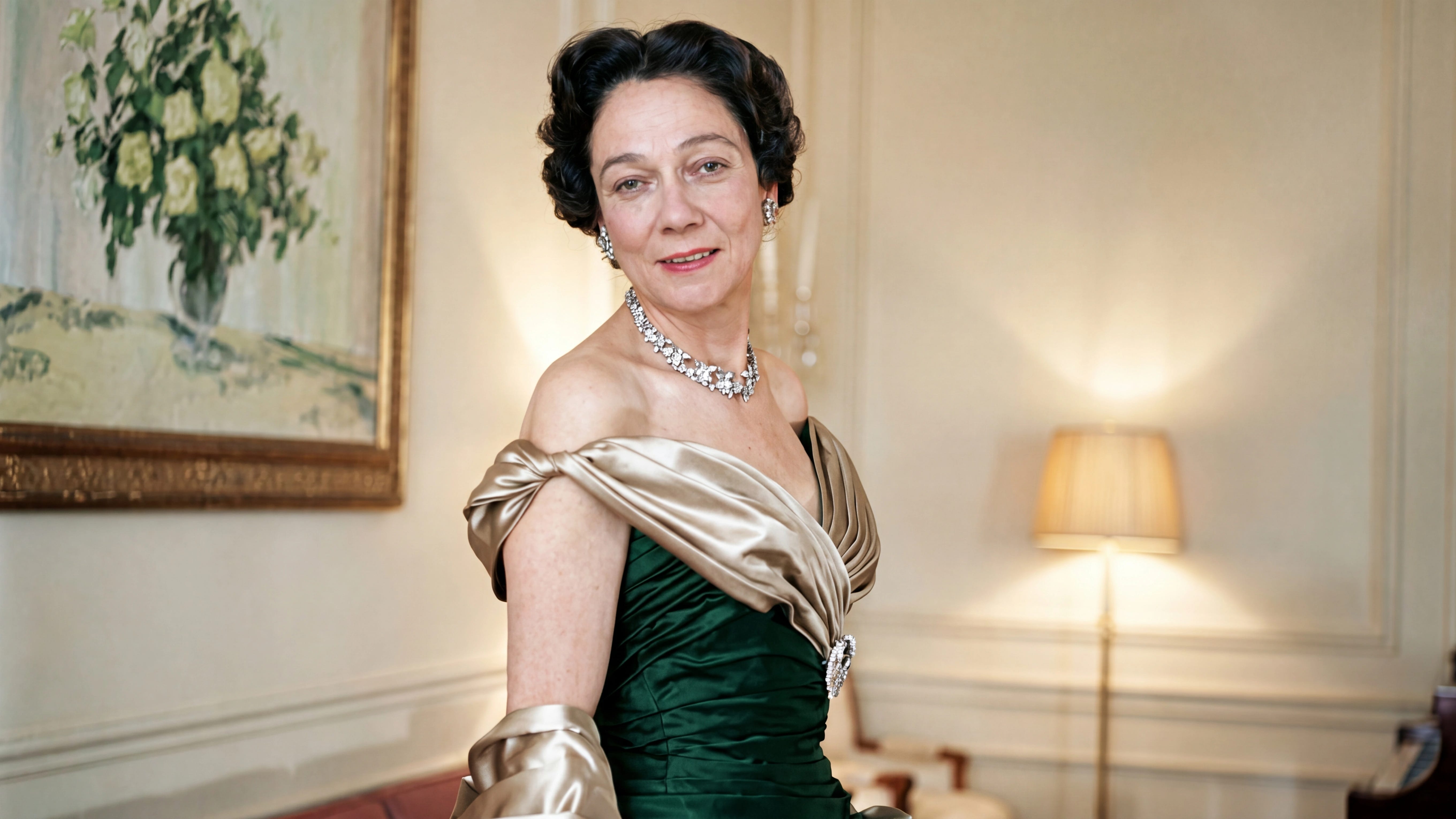
For half a century the name Brooke Astor meant a particular kind of New York generosity.
Not the brass plaque, not the wing of a museum named for a donor nobody had ever met, but the woman herself, in a Chanel suit and white gloves, walking into a Harlem literacy program at 94 to see the room she'd just paid to renovate.
She was the city’s unofficial first lady from the day she took over the Vincent Astor Foundation in 1959 until she signed its final $5 million grant in 1997. She gave away roughly $195 million across those 38 years, the equivalent today of about $1.6 billion, the way her generation did almost nothing else: in person, with manners, in a hat.
President Clinton hung the Medal of Freedom around her neck in 1998.
The citation called her “America’s guardian angel.”
The angel was, at that moment, beginning her sixth year inside a quiet domestic horror.
She’d spend the last years of her life in a Park Avenue apartment with a Hassam over the fireplace and a Bonnard in the bedroom, sleeping on a couch that reeked of dog urine, in nightgowns so torn the nurses had to turn them inside out, on a diet of pureed peas.
When the nurses asked the man who controlled her finances for $5 to buy her non-skid socks so she’d stop falling, he refused. They bought the socks themselves.
The man was her only son. He’d been waiting since he was eight years old.
The Woman Who Gave New York Away
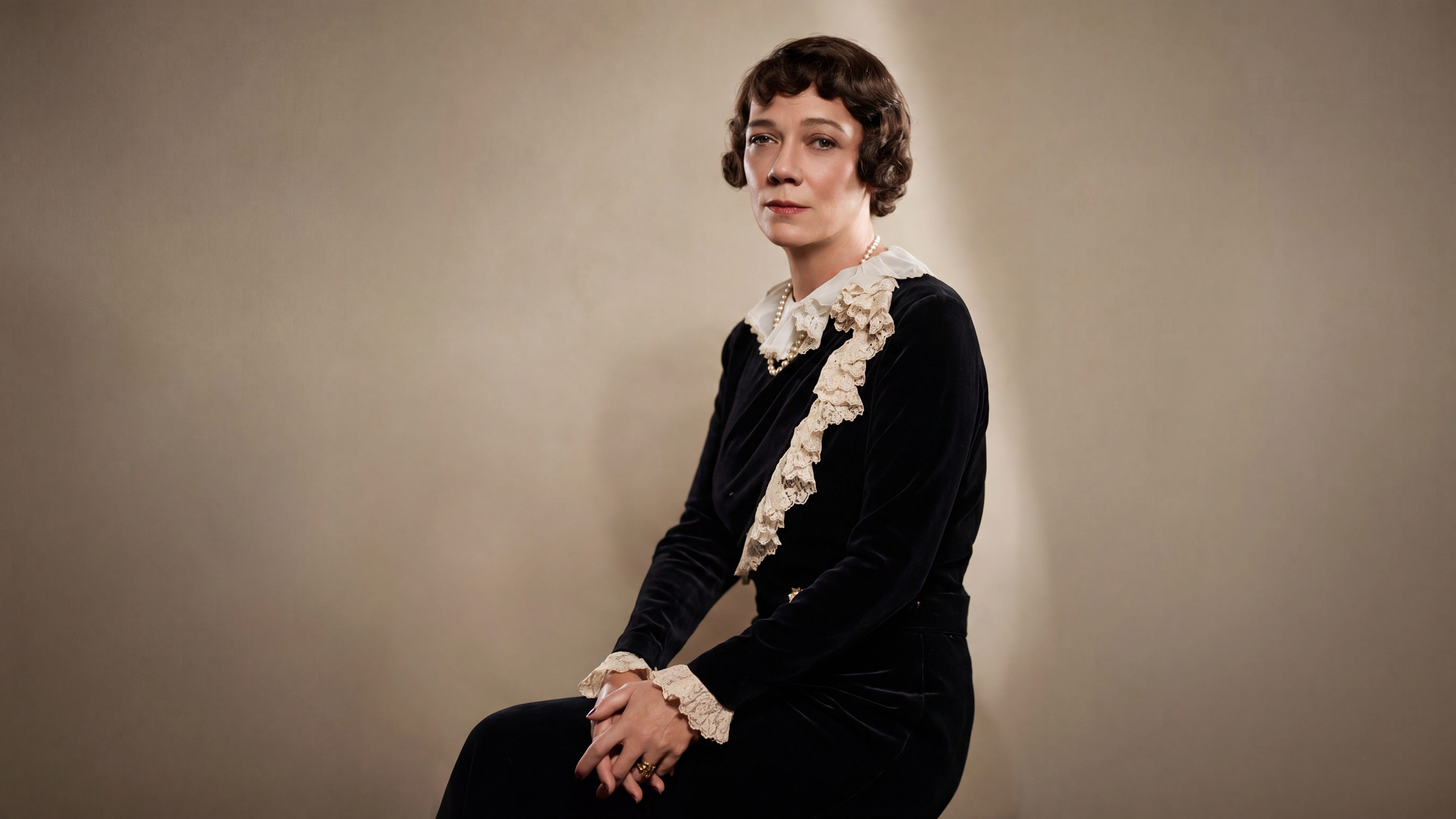
Roberta Brooke Russell never inherited a dollar. She earned every cent of the Astor fortune the slowest possible way, by outliving the men who held it before her.
Her father was a Marine officer who became the 16th Commandant of the Marine Corps, and her childhood unfolded on his postings in Hawaii, China, the Dominican Republic, Haiti.
Worldly and sheltered at the same time, she came home at 17 and made the disastrous decision available to a girl that age in 1919. She married John Dryden Kuser, a New Jersey businessman’s son, and discovered within months that her promising husband came with a drinking problem, a roving eye, and fists.
He beat her for 11 years. One blow, during her sixth month of pregnancy, broke her jaw. The child, born that summer of 1924, was Anthony Dryden Kuser. She divorced his father in Reno in 1930 and left with the boy.
Two years later she married Charles “Buddy” Marshall, a Wall Street broker whose tenderness she’d describe, decades later, as the first she’d ever known. They had 20 years together.
Then, in 1952, Buddy collapsed of a heart attack in front of her. She was 48 and widowed for the second time.
Less than a year later, she married Vincent Astor.
The marriage was an arrangement in the older sense of the word. Vincent’s second wife Minnie refused to grant him a divorce until she’d personally vetted a replacement, and the dinner party where Minnie introduced Brooke across the table was, in effect, the handoff of an unhappy husband to someone she trusted to manage him. Vincent’s father had gone down with the Titanic in 1912, and the fortune Vincent inherited came packaged with what Brooke called his “profound sadness.” She addressed him as “Captain.”
She said later that she’d loved Buddy far more.
The marriage lasted five and a half years before Vincent died in 1959, and his will rewrote her life in an afternoon. He left her $2 million outright, the income from a $60 million trust, and control of the Vincent Astor Foundation, chartered for “the alleviation of human misery.”
The board assumed she’d be ceremonial. They had misread her completely.
What followed was the most cheerful philanthropic rampage New York had ever seen.
She walked into shelters, literacy programs, settlement houses, public library branches in neighborhoods Park Avenue had never heard of, dressed for an opening.
“Money is like manure,” she liked to say, lifting the line from Thornton Wilder. “It isn’t worth a thing unless it’s spread around.”
The New York Public Library got $10 million. The Metropolitan Museum got $6 million for the Astor Court, the Ming-dynasty Chinese garden that has no business existing in midtown and exists because of her.
Carnegie Hall, the Bronx Zoo, Central Park, the Museum of Natural History, Rockefeller University, the homeless shelters nobody else wanted to fund. Former Mayor Abraham Beame said she’d done more for New York than any other single person.
On her 100th birthday in 2002, her dinner table sat Kissinger, David Rockefeller, Annette de la Renta, Barbara Walters, and Nancy Reagan. The city had given her every honor it had to give. The wound she’d been carrying since 1924, the one she’d given birth to during her first marriage, was about to detonate inside her own apartment.
The Son She Never Loved, the Wife Who Saw Her Chance
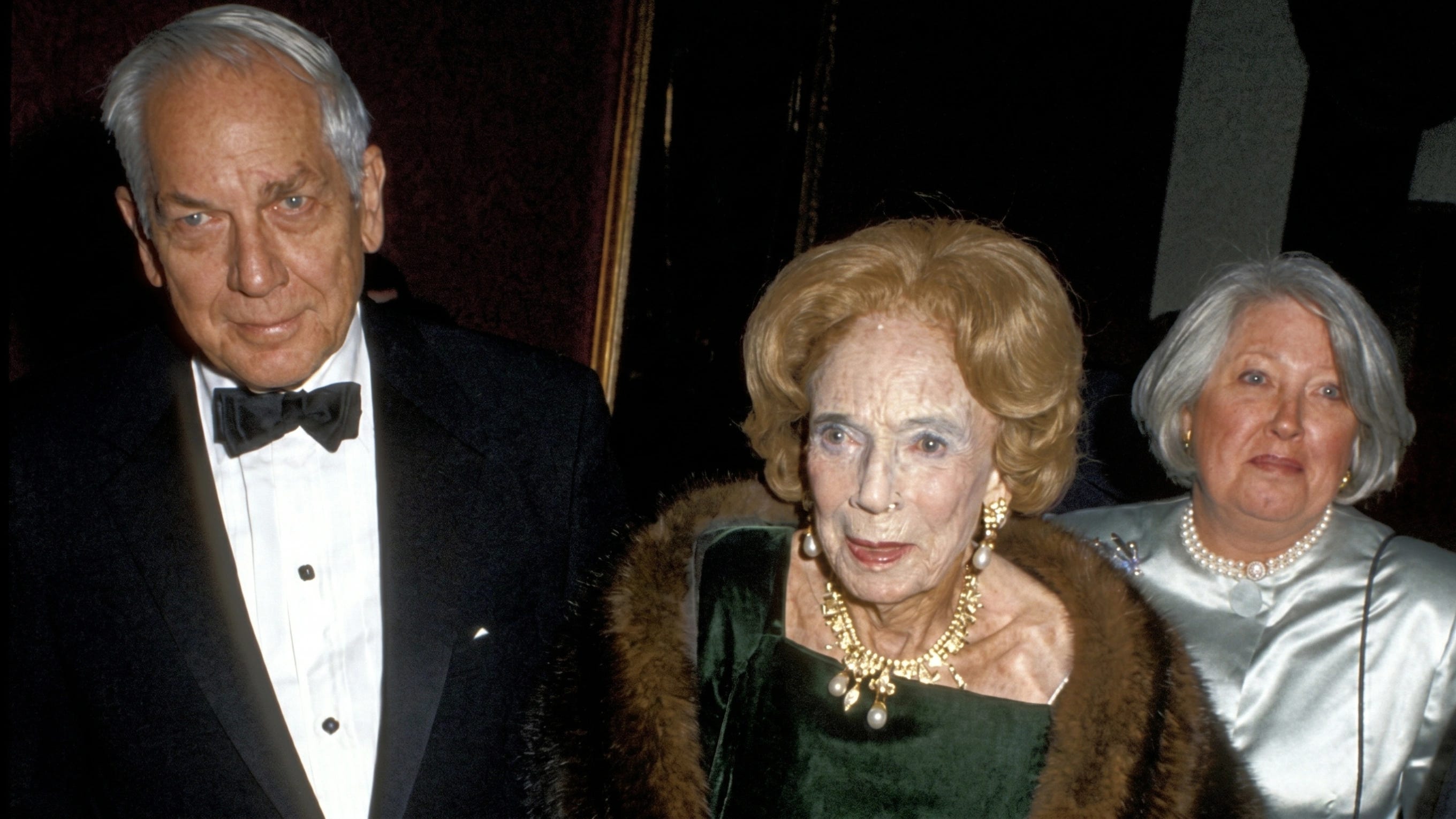
Anthony Marshall was conceived, by his mother’s own implication in her autobiography, during one of John Kuser’s violent episodes. The man who’d broken her jaw was the man who’d made the boy. She never recovered from that mathematics, and she never bonded with the result.
When she married Buddy Marshall, eight-year-old Tony was sent away to boarding school. Buddy never adopted him.
Vincent Astor openly disliked the boy, and Brooke complied. “He never accomplished anything,” she told friends about her only child, a sentence she repeated in different forms for the next 50 years.
The strange part is that he did accomplish things.
Purple Heart at Iwo Jima leading a Marine platoon at 19. CIA after the war, on the U-2 program. Ambassador to Madagascar and to Trinidad and Tobago under Nixon. A Tony Award as a Broadway producer. In any other family, that resume would have been a victory lap.
In Brooke’s eyes, he was Brooke Astor’s son, and that identity was the only one she ever let him have.
Two of his three marriages ended in divorce. The third, in 1992 when he was 68 and his mother was 90, was the one that turned out to matter.
Charlene Gilbert was the wife of the Episcopal minister at Brooke’s church in Northeast Harbor, Maine. In the late 1980s she started arriving at Cove End, Brooke’s Maine estate, at seven in the morning to take walks with Tony.
By 1989 she’d left her minister husband for him. Brooke called her “that woman.” The staff called her Miss Piggy.
Witnesses at the criminal trial would all say the same thing: Charlene wore the pants, and Tony made no decision without her.
Read warmly, this is a man finally finding the partner who valued him. Read coldly, it is something else entirely.
The lifelong second-rate son who’d spent six decades watching his mother give hundreds of millions of dollars to strangers while paying him a salary was now married to a woman who could see exactly what was sitting in the apartment upstairs and exactly who had the legal authority to reach it.
That authority had a name. Back in the 1970s, Brooke signed her General Durable Power of Attorney over to her son.
What old New York learned generations before the Astors arrived, and what the rest of the country tends to learn one family at a time, is that the will isn’t what decides your last years. The will gets read at the funeral.
The instrument that decides whether the lights stay on, the dogs stay out of the pantry, and the bed has rails after you’ve started falling is the power of attorney you sign while you’re still competent and trusting. Tony Marshall held it for nearly 30 years before he used it.
He used it the year his mother received an Alzheimer’s diagnosis. The year was 2000. He hid the diagnosis from everyone who could have intervened.
The Painting, the Codicil, and the Grandson Who Walked Into Court
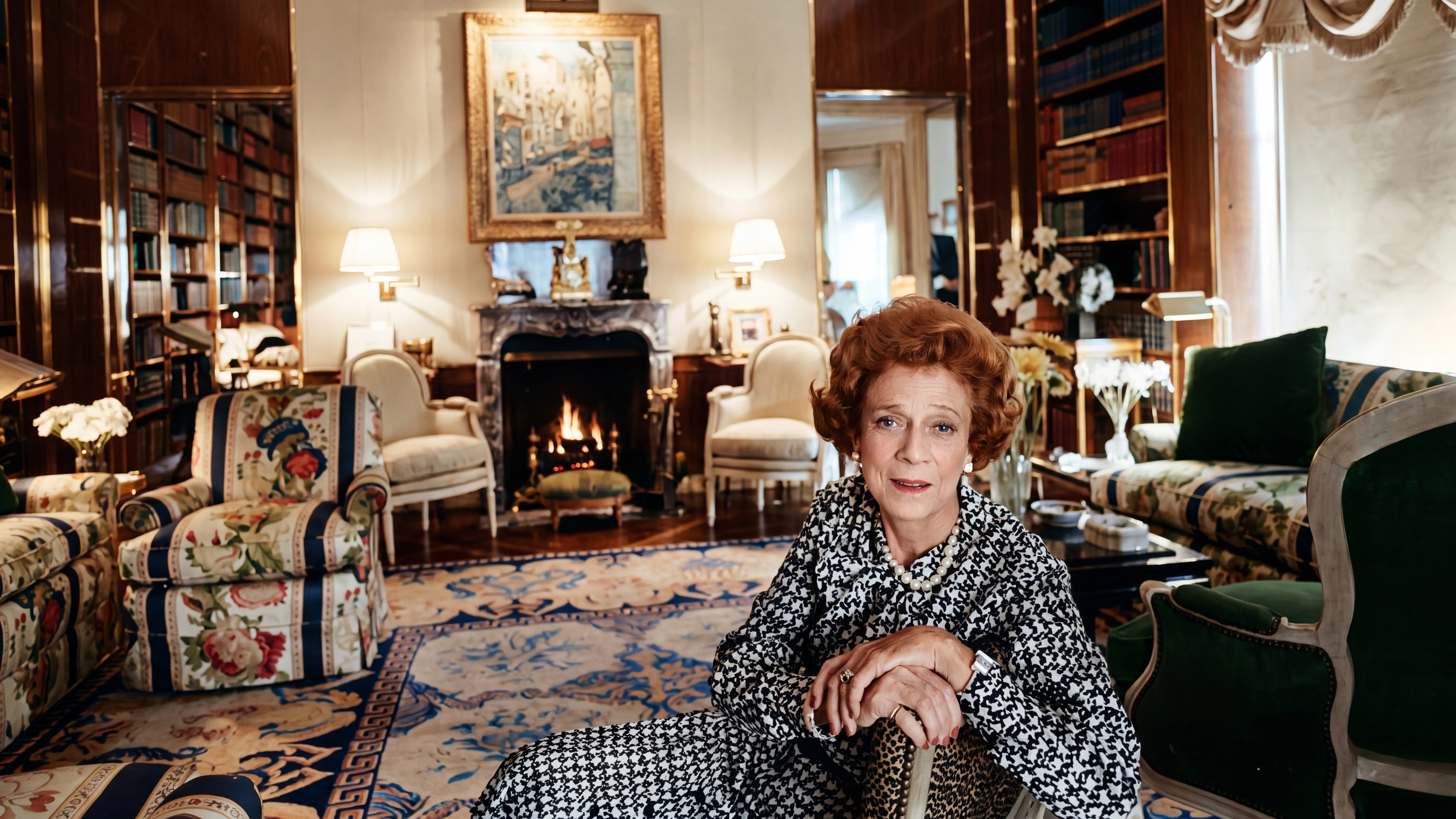
The painting went first.
In February 2002, two years into Brooke’s Alzheimer’s, Tony convinced his mother to sell the Childe Hassam she’d hung above her library fireplace for 32 years. He told her she couldn’t afford new dresses unless she sold it.
The line was an obscenity. She still had a Park Avenue duplex full of art and trust income most American households would consider a fortune. But her diagnosis had taken the part of her that could catch a lie, and she trusted her son.
The painting went to a Santa Fe dealer for $10 million. Tony took a commission in the millions, and the dealer resold the canvas shortly afterward for more than twice what he’d paid. Brooke never saw a dollar of any of it.
Then he turned to the apartment itself.
The French chef she’d kept for years was fired, and the food became pureed peas and oatmeal served from a tray. Boysie and Girlsie, the two dachshunds Brooke had thrown birthday parties for, were locked in the pantry. The staff were instructed never to take her to an emergency room or call 911 without phoning Tony first.
In January 2005 he shut down Holly Hill, the Westchester estate where she’d told friends for decades she wanted to die. He fired the loyal butler the moment the man complained about the conditions, and he plowed under the gardens, telling friends the flowers reminded him too painfully of his mother in her prime. The people who knew them both heard that sentence for exactly what it was.
While the apartment grew colder and dimmer, Tony helped himself with both hands.
He wrote himself a raise from her accounts, the kind of raise no son in good standing has ever needed to write. He bought a yacht and used her money to pay the captain. And between December 2003 and March 2004, he had three codicils added to Brooke’s will, each one quietly redirecting millions away from the charities she’d named and toward himself.
The third codicil was forged outright by his lawyer, Francis X. Morrissey Jr. A handwriting expert would later walk a jury through 240 of Brooke’s signatures from across her adult life. The signature on that codicil moved too smoothly for a woman with advanced Alzheimer’s, and under magnification, you could see where someone had traced.
What Tony hadn’t accounted for was his own son.
Philip Marshall, a professor of historic preservation in Rhode Island, had been visiting his grandmother throughout the decline. In March 2004 he found her so disoriented she didn’t recognize him until he sat beside her, took her hand, and reassured her they were family. The visit haunted him for two years.
When he finally walked into a New York court in the summer of 2006, the guardianship petition he filed contained, in flat administrative language, every detail of his father’s pattern, down to the urine-soaked couch and the dogs in the pantry. He told a reporter afterward he didn’t care if filing cost him his inheritance. It did. He never asked for it back.
The judge granted the emergency petition within days. Annette de la Renta was made Brooke’s temporary guardian, the bank was put in charge of the money, and Tony lost authority over his mother almost overnight. By every credible witness, it was the only thing in his life that ever genuinely surprised him.
Holly Hill was reopened and re-staffed. Brooke spent her final year there, in a warm clean room with the people who loved her allowed back in, and she died of pneumonia on August 13, 2007, at 105.
The criminal trial ran five months in 2009, and the witnesses who testified against Tony were the people who had shared his mother’s dinner table: Kissinger, Walters, de la Renta, David Rockefeller. The jury deliberated twelve days and convicted both men. Tony, 85 by then, was sentenced to one to three years, served eight weeks before a medical release, and died five years later without ever publicly expressing remorse.
The 2012 estate settlement threw out all three codicils and honored the will Brooke had signed before her son’s lawyer got hold of her. After fines, taxes, and legal fees, Tony’s actual inheritance came to less than what he’d spent in a single year of looting her.
The rest went exactly where she’d always intended. To the Metropolitan Museum, the New York Public Library, and a fund in her name that has since put millions into literacy programs across the city’s poorest elementary schools, the kind of schools she used to walk into wearing a Chanel suit and white gloves to see what her money had built.
The “Old Money” Rule To Be Learned
She is buried next to Vincent Astor at Sleepy Hollow, in the same Westchester ground where the Rockefellers and the Carnegies lie.
The inscription on her gravestone is the line she chose for it herself, before any of this had happened, when she still believed her son was the man she’d raised him to be.
I had a wonderful life.
Read sentimentally, the line is heartbreaking. Read structurally, it is the most useful sentence in this entire story.
The families who actually managed to protect what they’d built didn’t trust the will, or the foundation, or the medal, or the gravestone.
They trusted the document that decided who held the keys while they were still breathing.
Brooke Astor, the most generous private citizen New York had in the 20th century, signed hers to the wrong person, and the wrong person held it for 30 years before he turned it on her.
If she punished her own son for the sins of his father what did she expect would happen? How many times do we read of these tragedies that could have been avoided had people not been cold to their children - it’s a story I have personally seen played out in quite a few families.
I'll take the other side of this trade.
My sympathies tend more towards Tony. He pulled some shitty stunts but so did Brooke Astor.
There was one telling sentence that mentioned she only saw him as her son, never as his own man. The implication is she was hugely narcissistic and more than likely, at least in his eyes, a sociopath. Disregard all the philanthropy as none of that largesse was ever directed to her son.
Near as I can tell from the article, she gave him nothing ( not just money) and so he owed her nothing. I'd describe them both as sociopaths. Tony in his own way was more honest about it. Few would see it this way, but few have had a mother who despised them as Brooke Astor so clearly did.