

On a weeknight in the late 1990s, dinner for Jane Beasley Welch could mean a table at Jean Georges, the restaurant downstairs from her 47th-floor apartment above Central Park, with the bill sent to General Electric.
At the time, General Electric touched nearly every American’s life. It built the engines on their airliners, the bulbs in their lamps and, through NBC, the shows on their televisions.
Helming this colossus was Jack Welch, Jane’s husband, and GE’s chairman since 1981.
A short, balding railroad conductor’s son with a boyhood stammer, Jack found that his sentences came slowly and his decisions came fast. He fired the weakest tenth of his managers every year without apology, a ruthlessness that would lead Fortune magazine to name him its manager of the century in 1999.
Jane, by contrast, was a red-haired Alabama native with a soft Southern accent and a lawyer’s instinct for asking difficult questions.
Together, they appeared the perfect corporate power couple: the hard-charging executive and his poised, genteel wife, enjoying privileges that would one day become the subject of a very public fight.
But for now, it was the late ‘90s, the stock market was booming, and everyone holding General Electric shares was getting richer, Jack among them.
Her husband’s stake in GE ran to hundreds of millions of dollars, yet the company still paid for the indulgent way he and Jane lived.
When the Welches flew, they traveled aboard GE’s own Boeing 737, a corporate jet whose use Jane’s divorce filings would later value at hundreds of thousands of dollars a month. Their Knicks tickets and U.S. Open seats went on the corporate account as well.
On weekends, the couple left Manhattan for Windswept, a Georgian-style estate in Fairfield, Connecticut, with indoor basketball and squash courts, or for Jack’s summer house on Nantucket, the island off the Massachusetts coast.
Still, much of the lifestyle Jane enjoyed came with her husband’s position at GE.
The apartment above Central Park belonged to the company, and the bills for its wine, flowers and laundry went there too.
Thus, when their marriage collapsed in 2002, Jane’s claim on hundreds of millions of dollars depended on a clock she set herself before the wedding.
Playing with Properties
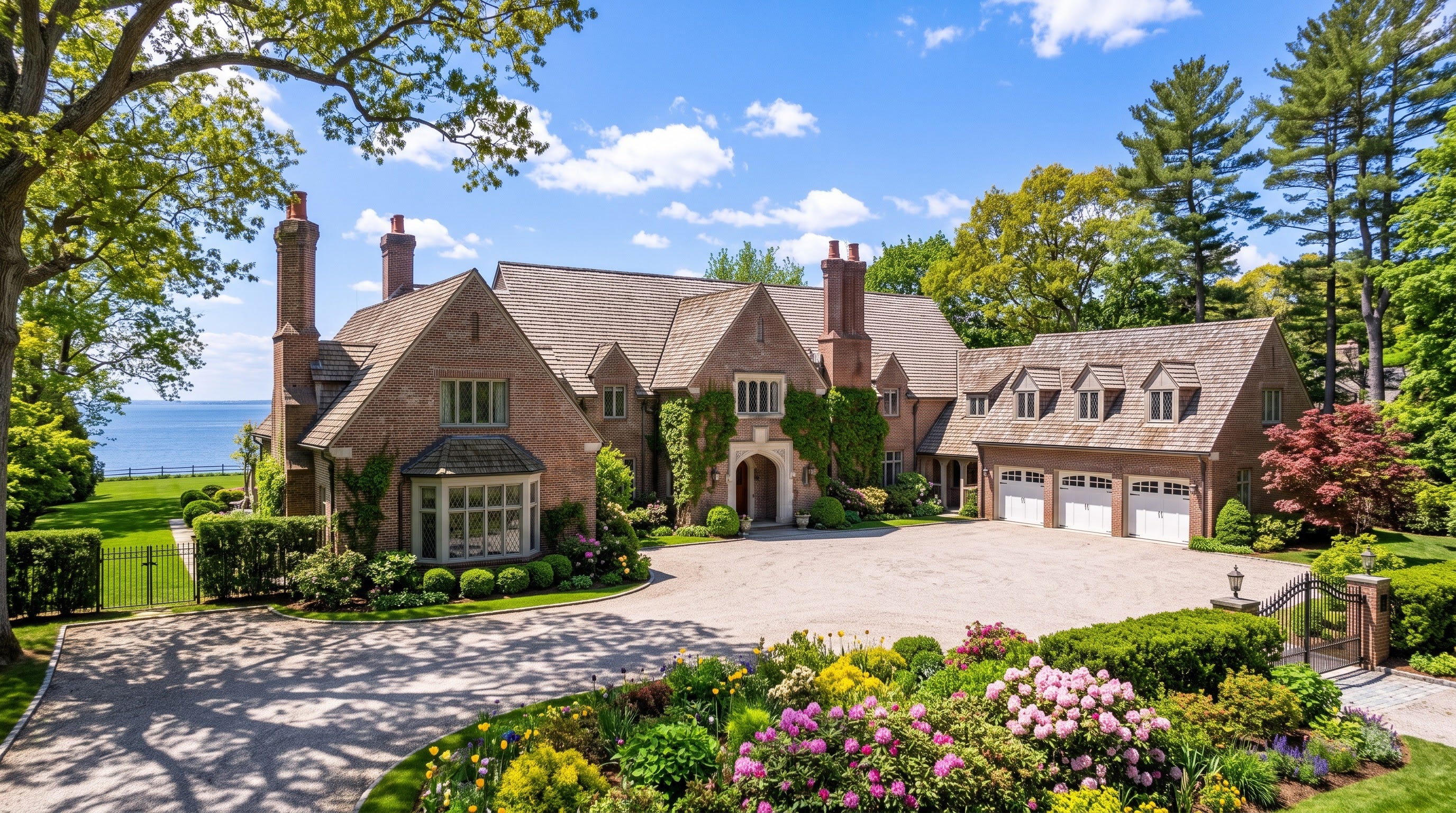
In the early 1990s, with that clock still running, Jack and Jane Welch built their life around palatial properties.
The couple had no children together, and much of their money and attention went into deeds, furniture and acreage.
Jack and Jane Welch spent $32.5 million on homes and furnishings.
Jane’s lawyers tallied the bill years later, in court papers filed during their divorce. There were houses in Connecticut and Florida, a summer home on Nantucket, and another in Lenox, Massachusetts.
At Windswept in Fairfield, furniture filled the bedrooms and fires burned in the hearths. Jack bought two adjacent acres, bringing the grounds to six.
Jane had given up her career as a corporate lawyer, but friends remembered how much she enjoyed matching wits with her outspoken husband at dinner parties. Away from the dinner table, she pursued philanthropic interests and developed a reputation of her own within New York’s corporate social circles.
GE helped finance the lifestyle, too. According to the same court papers, the company contributed more than $7.5 million toward the couple’s real estate and furnishings.
Meanwhile, Jack was still running GE from its nearby Connecticut headquarters, working six days a week and reserving much of his free time for golf. On Nantucket, the game became a competition between husband and wife. Jane won the club championship at Sankaty Head four years in a row. Jack managed it twice.
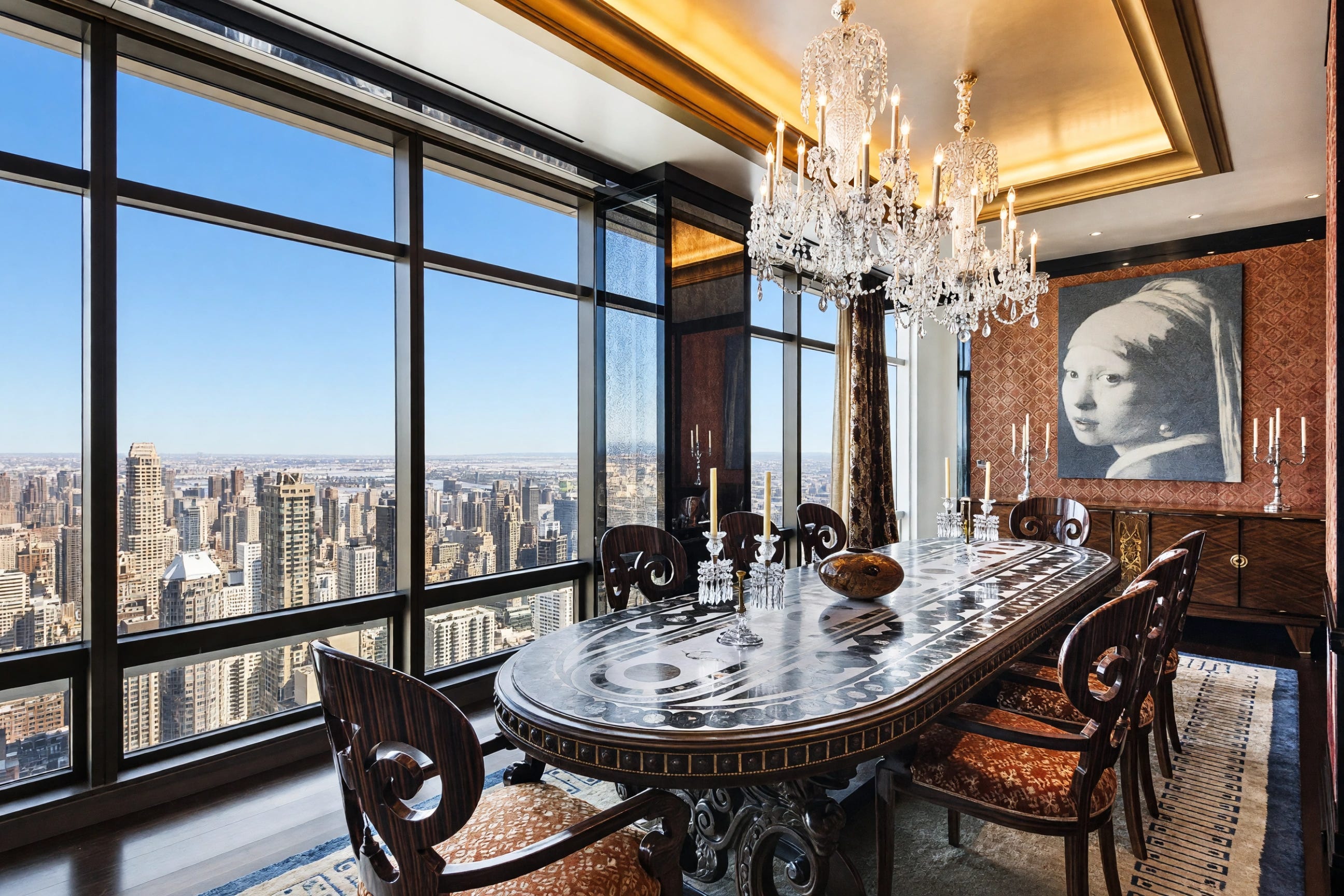
GE paid $8.5 million in 1997 for the Welches’ 47th-floor Manhattan apartment.
The deed to the apartment above Central Park stayed in General Electric’s name, and the keys went to Jack and Jane.
For Jane, the apartment offered another address from which to entertain. According to Jane’s later court filings, GE covered the food, wine, flowers, cooks and waiters, allowing the couple to receive guests overlooking Central Park without personally paying many of the household bills.
But Jane understood the importance of protecting her own interests. A former corporate lawyer, she’d negotiated a prenuptial agreement before their 1989 wedding that would expire after ten years.
In 1999, the ten-year clock on the couple’s prenuptial agreement ran out, and the marriage carried on as before.
That same year, Jack paid $2.4 million for land on a peninsula in Southport, Connecticut, near Mill River and Southport Harbor, where the couple planned yet another house.
But Jack had already been through one divorce. His first marriage, to Carolyn, had lasted 28 years before ending in 1987, the very year he met Jane.
Perhaps Jane should have taken that as a warning.
