
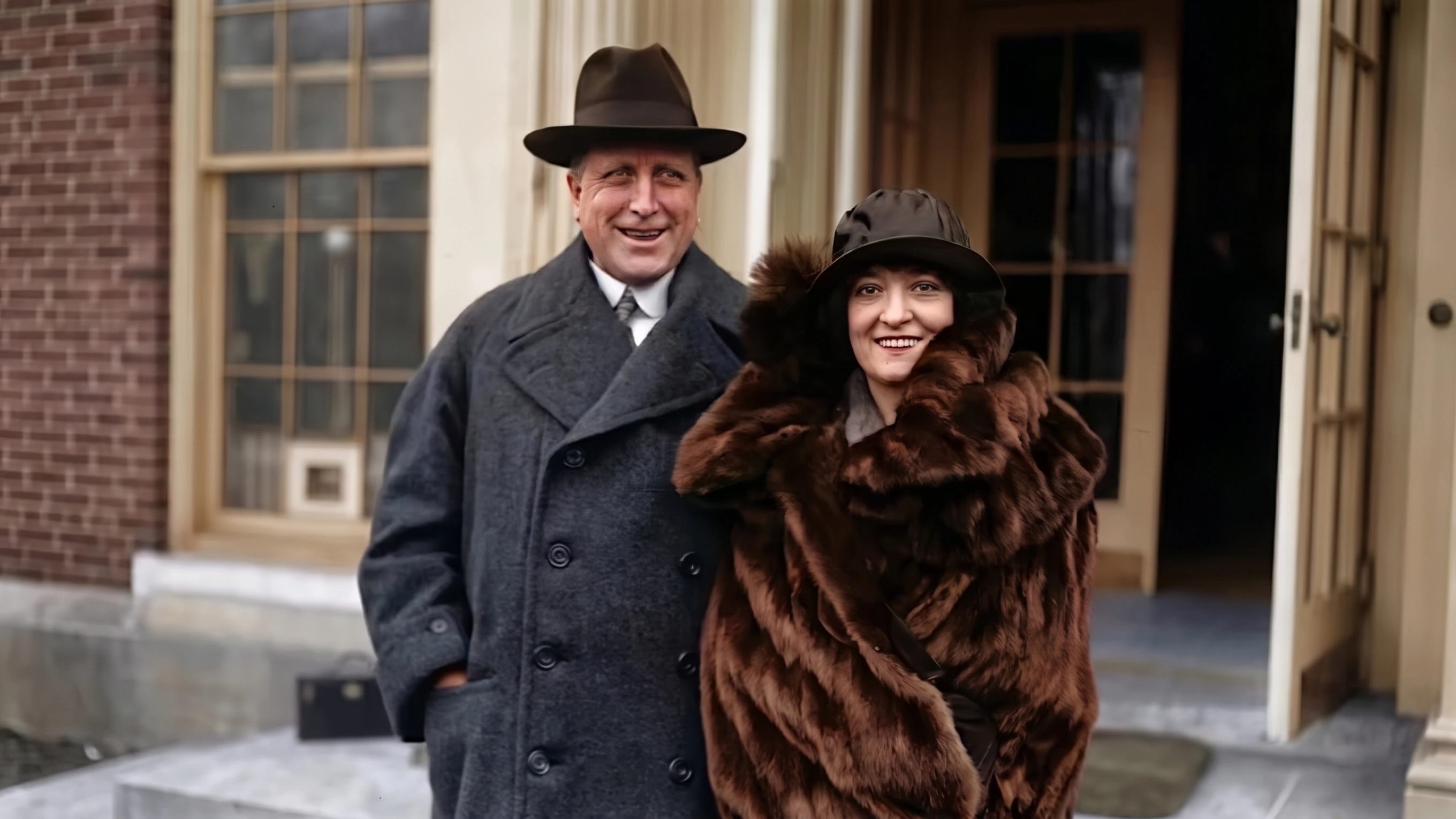
Sometime in 1937, William Randolph Hearst, America’s most powerful publisher, sat across from his wife’s attorneys and asked for a divorce.
He’d spent four decades bending the country to his will. His papers were widely blamed for dragging the country into the Spanish-American War, his magazines shaped what American women wore and cooked, and his life was so outsized that Orson Welles would soon make Citizen Kane about it.
He’d even bought himself a seat in Congress.
On a hilltop above the Pacific, his castle filled every Saturday night with Chaplin, Einstein, and Churchill, seated beside an orchestra playing beneath medieval tapestries.
Greeting them at the door was Marion Davies, a 19-year-old chorus girl he’d spotted from the front row on Broadway and made into one of Hollywood’s brightest comedic stars. Her devotion ran so deep that she’d one day sell her jewelry to keep his empire alive.
But the money was running out. His companies owed $126 million, and his creditors had handed control of his empire to a seven-member committee. At 74, he wanted to make Marion his wife.
His actual wife had other ideas.
Millicent, the Broadway bicycle girl he’d married when she was 20, asked for one thing out of everything he owned: Cosmopolitan, the magazine that traced back to their honeymoon.
Hearst refused. He wanted one last chance to marry the mistress who’d stood beside him for 20 years. She said no.
She kept saying no for the rest of his life, and then she outlived him by 23 years.
The Showgirl
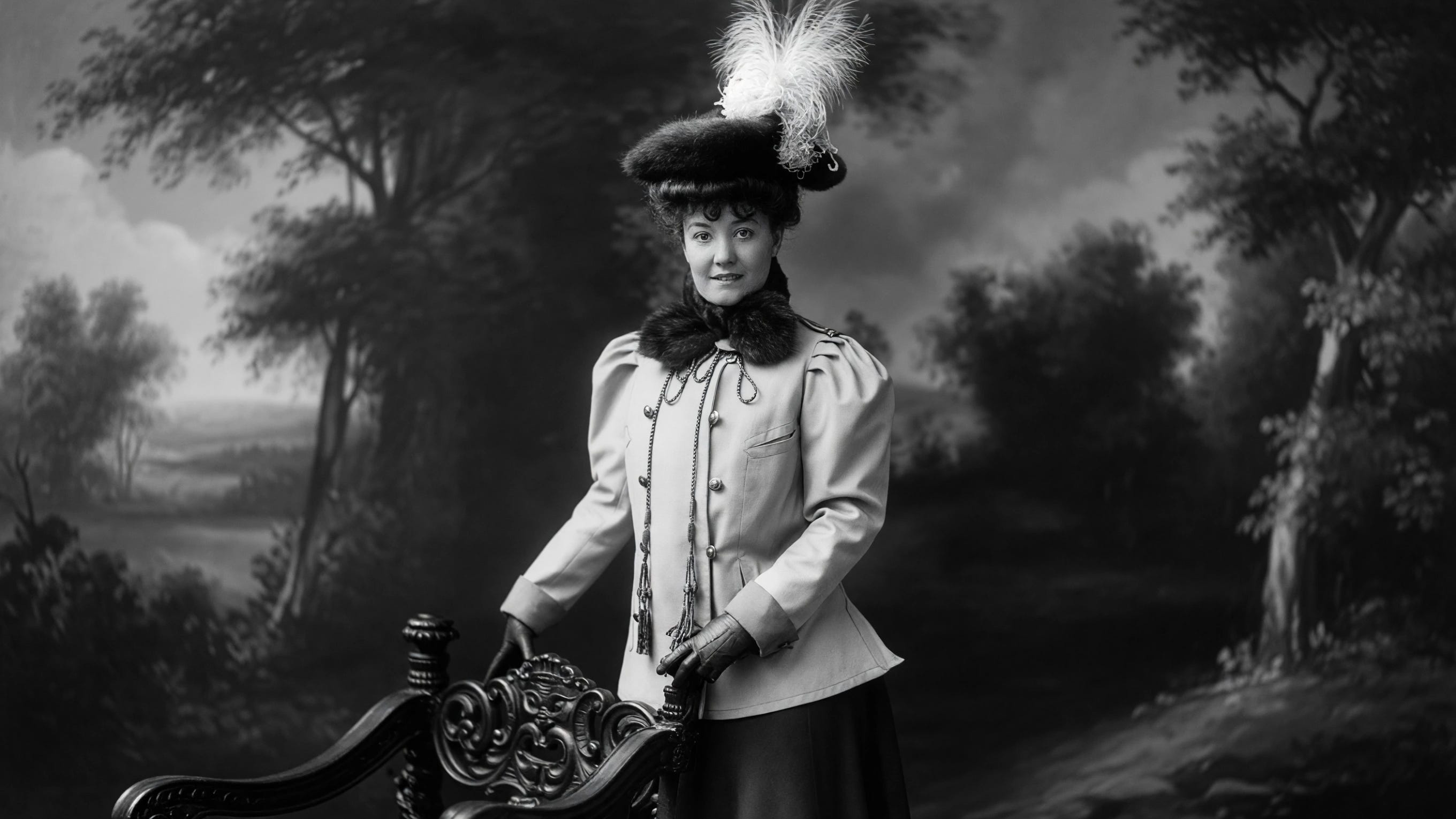
The future Mrs. William Randolph Hearst grew up in dressing rooms and theater wings, surrounded by greasepaint and the noise of the popular stage.
Millicent Veronica Wilson was born in Manhattan on July 16, 1882, the daughter of a vaudeville performer named George Wilson.
The family was neither destitute nor comfortable by Gilded Age standards. There were no ancestral mansions on Fifth Avenue and no social debut at Delmonico’s. But George worked steadily on the vaudeville circuits, and his daughters grew up in a world of footlights and touring schedules, where a good act could keep a family fed even if the stage never promised security.
In 1897, Millicent and her older sister Anita made their Broadway debut at the Herald Square Theater in Edward Rice’s The Girl from Paris. They were bicycle girls, pedaling across the stage in elaborate costumes as part of the ensemble, a humble role that left no trace in theatrical history.
Millicent was 16, and that small part put her directly in the eyeline of one of the most dangerous men in New York.
William Randolph Hearst was more than twice her age at 34, the only son of a California mining fortune. He’d taken over the New York Morning Journal and turned it into the most sensational paper in the country.
By then, the money and fame gave him access to anything New York could offer.
He was also a familiar face backstage. Broadway called men like him “Stage Door Johnnies”: wealthy admirers who waited outside dressing rooms with flowers and jewelry for the young women performing inside.
When Hearst saw Millicent at the Herald Square Theater, he was transfixed, and he started coming back night after night.
Her family let the courtship happen, but only on their terms.
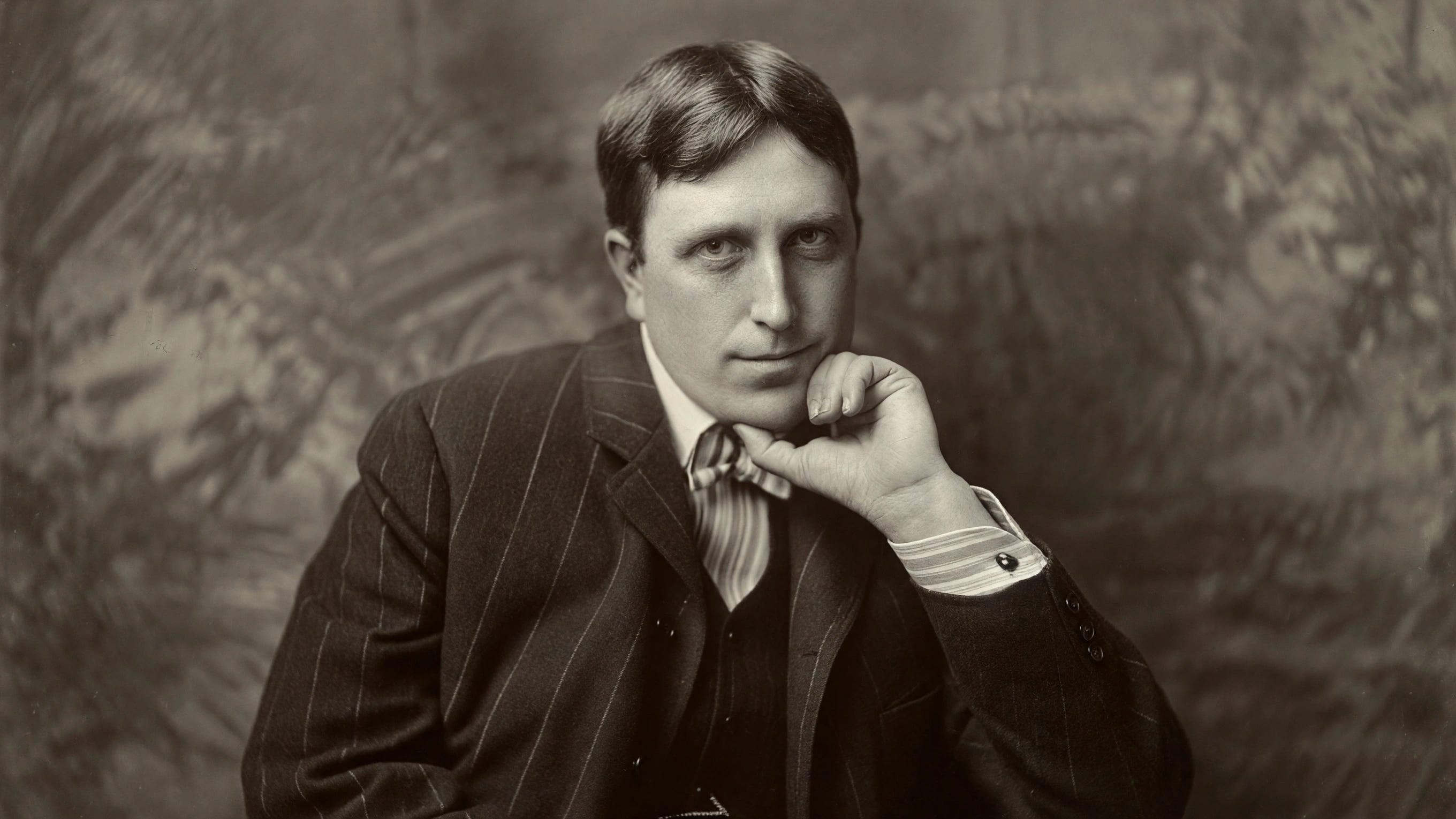
George Wilson understood where a rich older man’s interest in a teenage showgirl usually led. Millicent could see Hearst, but never alone.
Anita came along on their early dates as the family’s insurance policy, and for a man of Hearst’s ego and impatience, agreeing to a chaperone signaled that he was serious.
The courtship dragged on for six years. Hearst’s political ambitions pulled his attention in every direction, and at home in California, his mother refused to give her blessing.
Phoebe Apperson Hearst had started life as a Missouri schoolteacher’s daughter. Through her husband’s mining fortune, she’d remade herself into one of the Golded State’s great philanthropists and the first female regent of the University of California.
His mother hadn’t climbed that far to watch her only son marry a girl from the vaudeville stage.
In the end, it was politics that settled the matter. For years Hearst had used his front pages to shape other men’s campaigns, and now he wanted a seat in Congress for himself. A candidate couldn’t keep escorting a showgirl to theater boxes and expect voters to look the other way.
Time magazine put it bluntly: Hearst married Millicent because he needed to be more “respectable.” She also happened to be beautiful and poised, and her social instincts could be polished into everything a politician’s hostess required.
He’d spent six years slipping inside her dressing room. In the spring of 1903, he gave himself a single week to turn her into a congressman’s wife.
The Congressman’s Wife
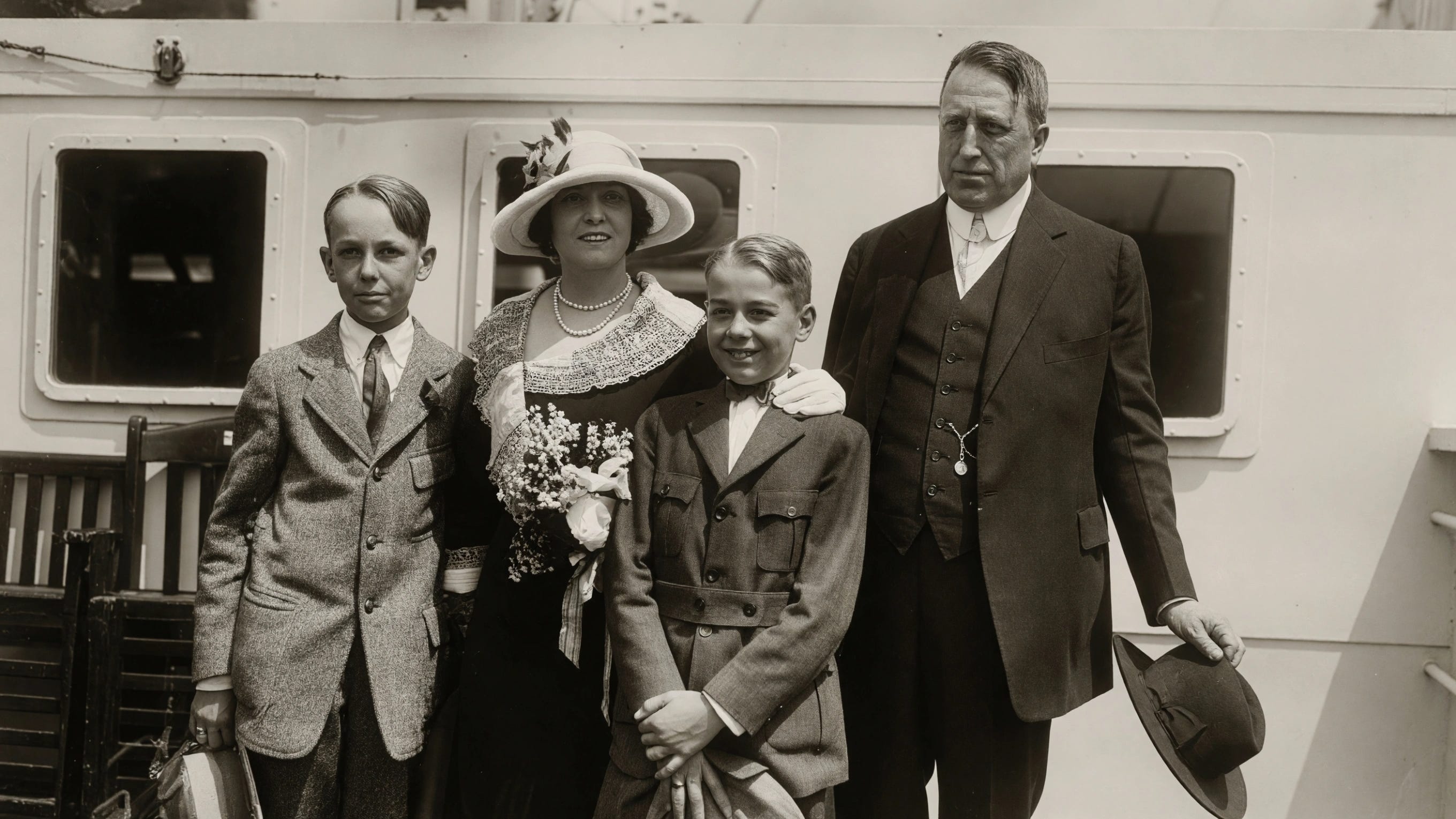
The bride was 20, and the groom was one day short of his 40th birthday.
On April 28, 1903, Hearst married Millicent at Grace Protestant Episcopal Church in New York City. Phoebe was too ill to make the trip, but she sent the bride a pearl necklace. Anita, the chaperone from those early dates, stood beside her sister as maid of honor.
After a celebratory breakfast at the Waldorf-Astoria, the newlyweds boarded the luxury liner Kaiser Wilhelm II and sailed for Europe.
Six days after the wedding, Hearst was sworn into the House of Representatives for New York’s 11th Congressional District.
In a single week, Millicent had gone from showgirl to political wife.
A honeymoon road trip gave birth to the Hearst magazine empire. The couple drove across Europe when automobiles were still a novelty on the continent’s roads, and Hearst loved them so much that he launched a magazine called Motor as soon as they got home.
Motor became the foundation of the Hearst magazine division, which would grow to include Good Housekeeping, Harper’s Bazaar, Town and Country, and Cosmopolitan.
For Millicent, the trip marked the start of a new job. Barely a week into life as a congressman’s wife, she would spend the next two decades running the social machinery her husband’s ambitions required.
By 1907, Hearst was renting the top three floors of the Clarendon, an 11-story building at Riverside Drive and West 86th Street. Within a few years he’d bought the whole building, spreading the apartment across five floors and creating the largest home of its kind in New York City.
Its centerpiece was the Gothic Hall, a banquet room that rose three stories to a vaulted stone ceiling with stained glass and gargoyles. Suits of armor lined the walls, and the library’s 1597 fireplace, carved with Julius Caesar and Augustus, came out of a Welsh castle.
Millicent raised five sons in that house between 1904 and 1915: George, William Jr., John, and the twins, Randolph and David.
Phoebe finally warmed to her daughter-in-law once the grandchildren arrived. Meanwhile, Millicent filled the dinner table with the senators, admirals, and governors her husband’s ambitions required.
She also helped dream up the family’s future on the other coast. From 1906, the Hearsts camped on their ranch at San Simeon, and when Hearst hired architect Julia Morgan to build a castle there, Millicent sent design suggestions that he passed along to Morgan.
She helped imagine the castle, but another woman would end up living in it.
