
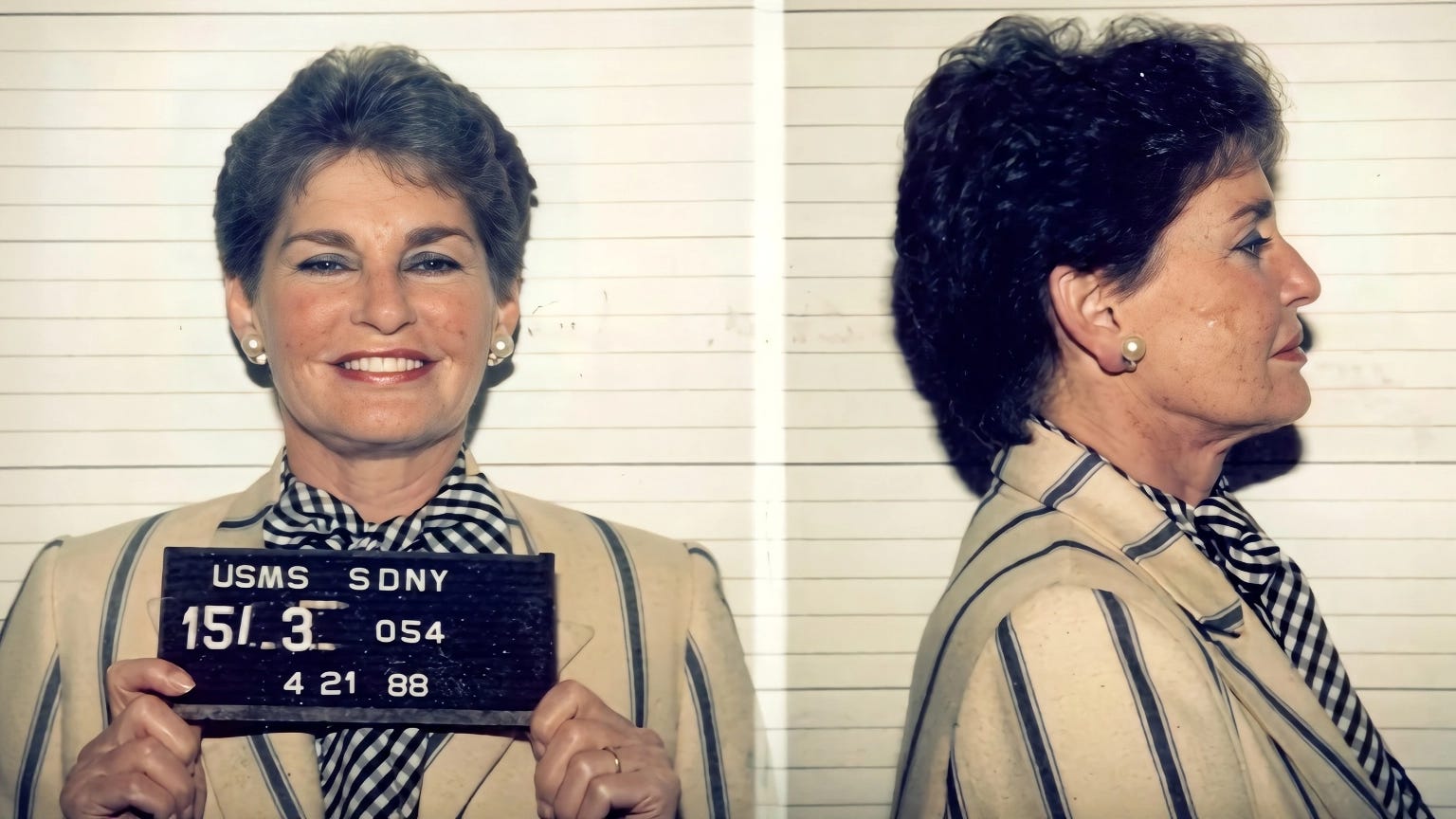
On April 15, 1992, tax day, Leona Helmsley arrived at the Federal Medical Center in Lexington, Kentucky, at 4:15 in the morning. The woman who had made her name telling hotel employees how to receive a guest was reporting to federal prison.
She was 71, an age at which most Americans are collecting Social Security. In the advertisements, she had appeared in evening gowns and a tiara, keeping watch over a world in which every pillowcase, light bulb, and member of staff was expected to meet her standards.
Here, someone else would decide what was acceptable.
Her husband, Harry Helmsley, had been charged alongside her, then found unfit to stand trial. The man whose fortune had made her authority possible could no longer protect her from its consequences.
Long before she acquired the Helmsley name, she had learned how to make people want her approval.
The Hatmaker’s Daughter
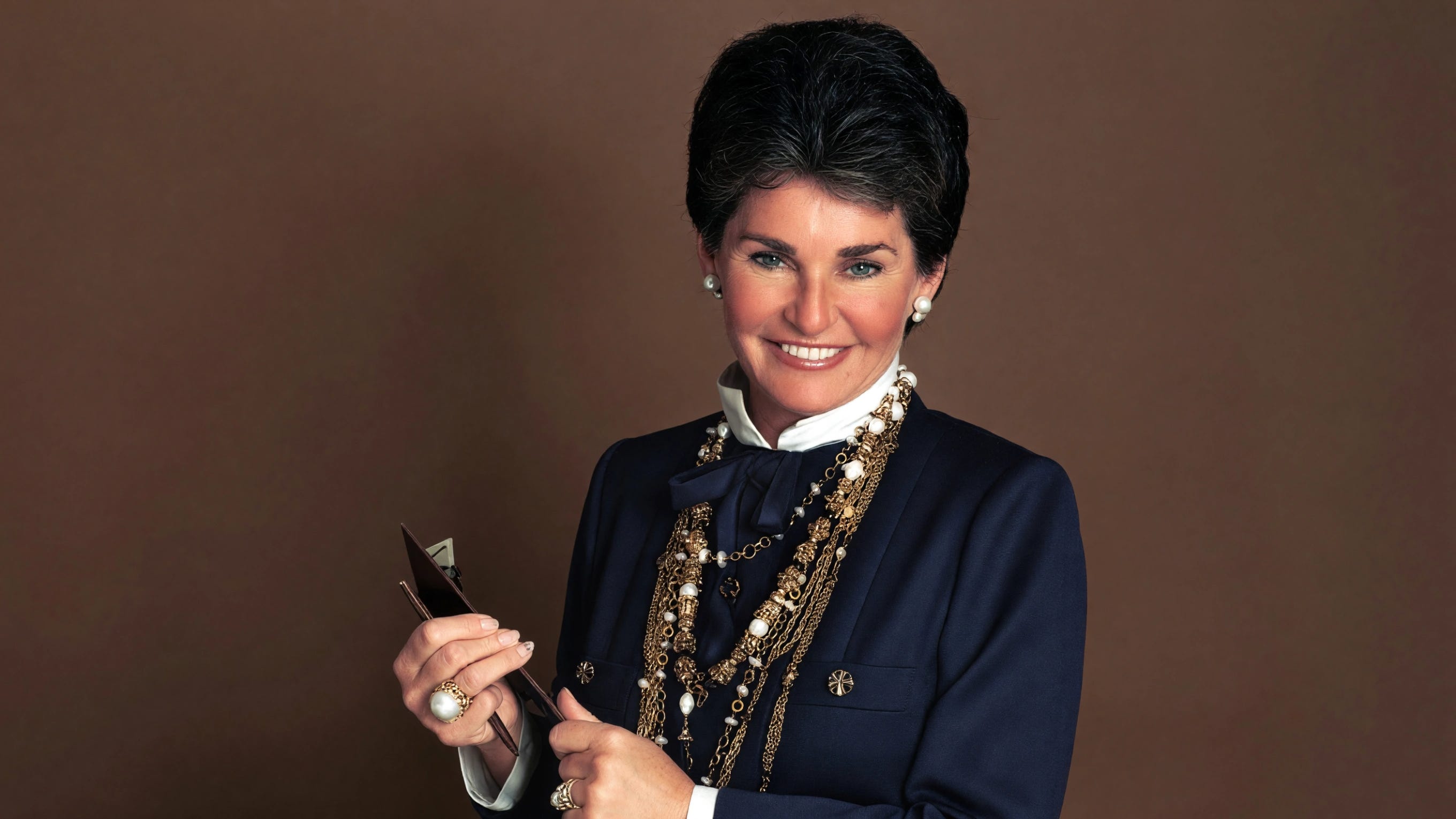
Lena Mindy Rosenthal was born on July 4, 1920, in Marbletown, New York, to Polish Jewish immigrant parents.
Her father made hats. The family moved down to Brooklyn, and the girl who would one day pose in a tiara grew up watching a man measure other people’s heads for a living.
She lasted two years studying English at Hunter College before the modeling agencies found a better use for her. She posed for cigarette advertisements under a borrowed name, and somewhere between the camera and the copywriter she absorbed the lesson that would carry her for the rest of her life:
A woman who could be looked at could also be believed.
The husbands arrived with a speed that would have unsettled a quieter family.
There was lawyer Leo Panzirer, and a son, Jay Robert Panzirer. There was garment executive Joseph Lubin. There were ambitions that neither marriage could underwrite.
In 1962, calling herself Leona Roberts, she took the receptionist’s desk at Pease & Elliman, the brokerage that sold the Upper East Side to people who needed to be told they belonged there. On the surface, she spent her days answering the telephone/ However, beneath that ebullient exterior, she was watching who got the good apartments and who got the excuses.
Within a few years she was the one doing the selling.
Cooperative conversions were the gold rush of the era, whole buildings of tenants being turned, floor by floor, into owners, and a broker who could work a hallway of nervous renters could do very well indeed.
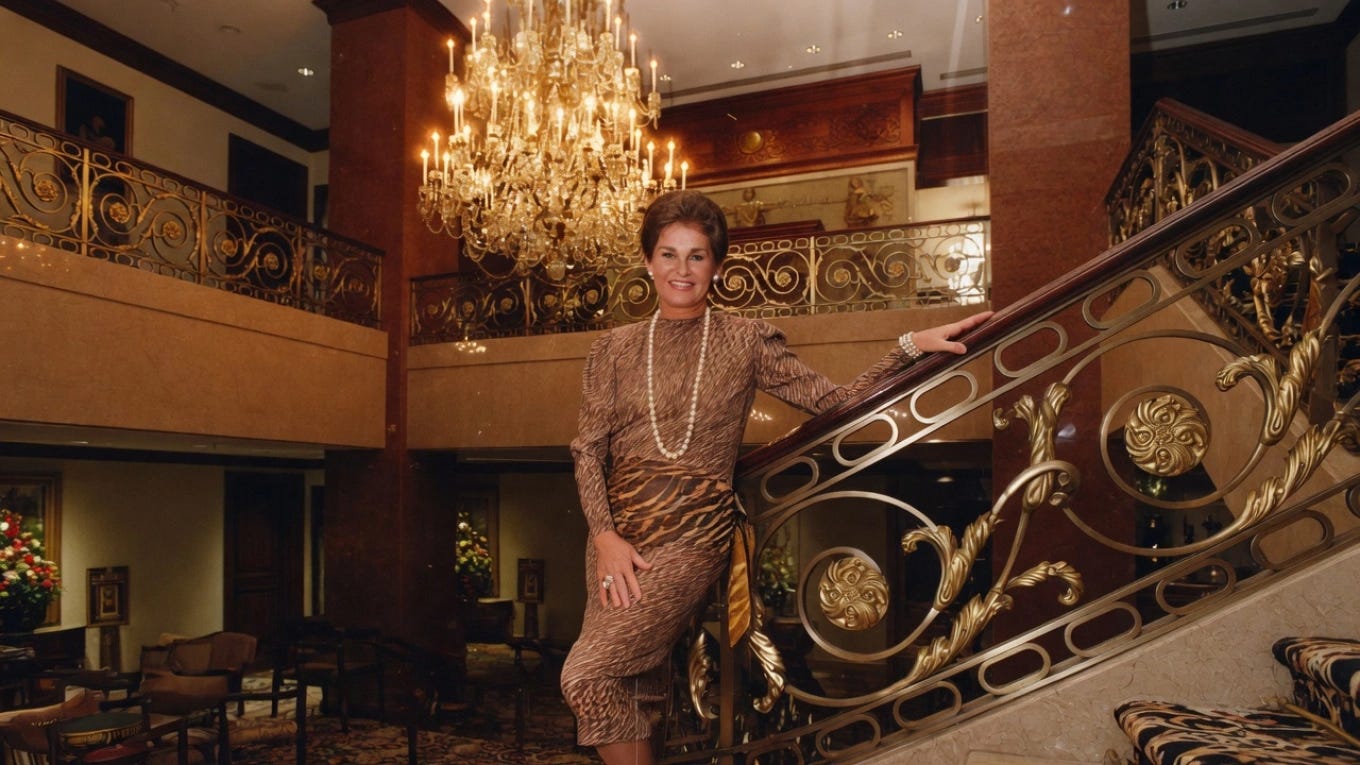
Leona could work a hallway.
She rose to senior vice president on a persistence that colleagues found admirable in the abstract and exhausting across a desk.
The money mattered, but the education mattered more. Selling expensive apartments meant sitting in the living rooms of the people who could afford them, learning which silences meant yes, and learning that the very rich are never so completely themselves as when they are deciding whether to trust you.
This is the chapter the tiara tends to erase. Before she was a magnate’s wife she was a closer, and a good one, and she had studied from the wrong side of the mahogany how the owners of New York conducted themselves.
In 1970, a man named Harry Helmsley hired her as a senior vice president of his own organization.
He controlled pieces of the most famous skyline on earth, and he had noticed a woman from the co-op market who sold as though the building would fall down if the client said no.
There was one complication, and the gossips would savor it for the rest of the decade:
Harry already had a wife.
The King of New York
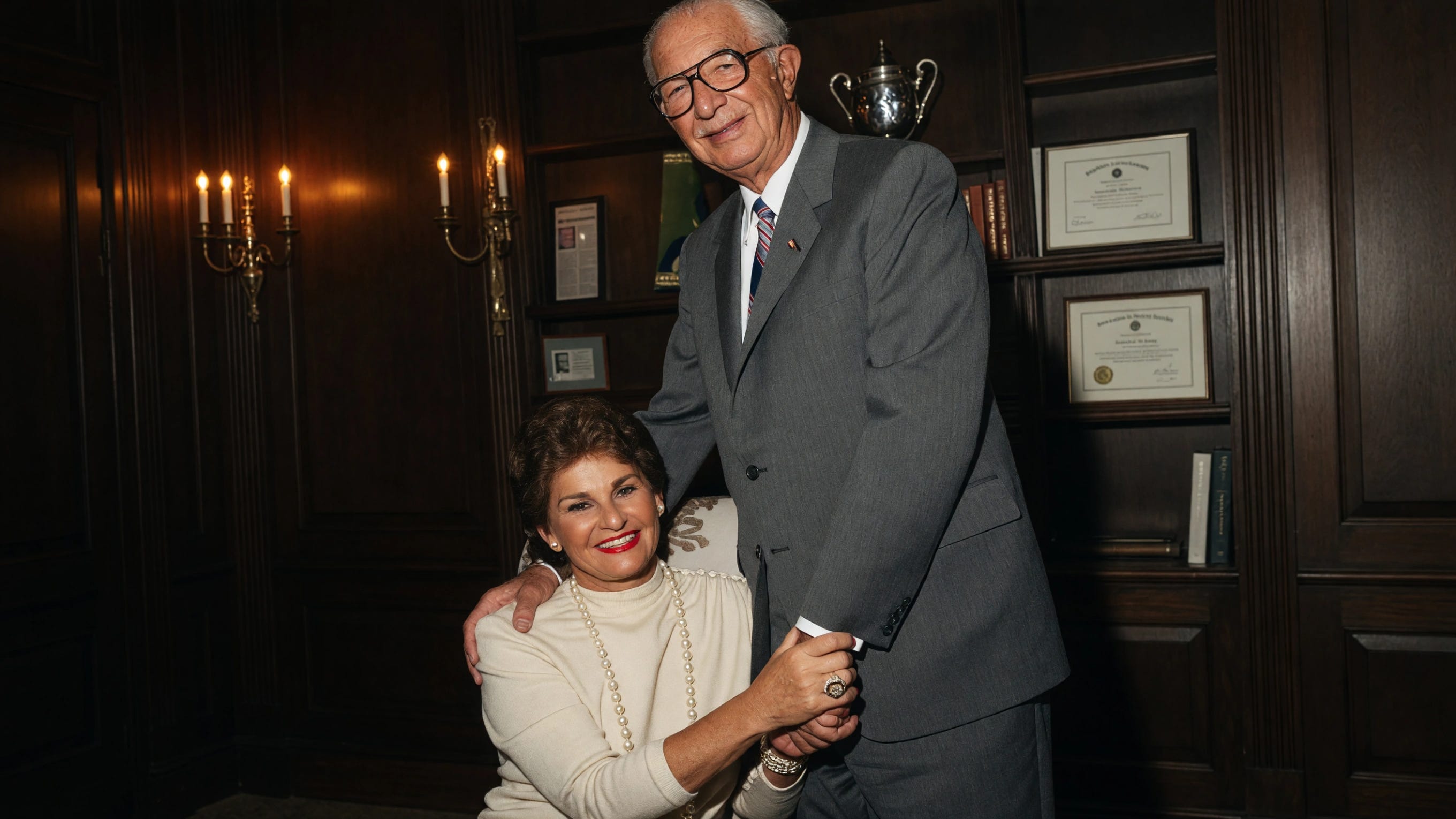
Harry Brakmann Helmsley had started in 1925 as a $12-a-week office boy, collecting rents in Hell’s Kitchen, and had spent the decades since acquiring Manhattan the way other men acquire cufflinks.
The Empire State Building, the Flatiron, and the Helmsley Building straddling Park Avenue with his name across the front were the kind of holdings that made a man feel like part of the zoning code. Leona had spent those same years learning to hold a smile through a closing.
His wife, Eve, had been at his side for more than 3 decades, and had stayed (as wives of her generation generally did) out of the story.
Then the marriage ended, and in 1972 Harry married Leona, and the new Mrs. Helmsley walked into the drawing rooms of New York trailing the only story anyone wanted to hear.
Consider the ingredients: a first wife set aside after a lifetime of service, a broker from the co-op trenches who had made herself indispensable, and a husband with enough money to make every detail delicious.
The city’s talkers barely had to lift a fork.
And yet the marriage refused to behave like the transaction everyone had diagnosed.
People who saw the Helmsleys together described something close to devotion. Leona spoke of Harry with a softness that no waiter, chambermaid, or bookkeeper would ever hear aimed at them.
She loved to repeat his joke that the best thing about their board meetings was that ‘they ended when the two of them got out of bed’. It got a laugh at dinner. It was also the most honest organizational chart the company ever produced.
For her entire working life, her success had depended on getting someone else to say yes. Marriage rewrote the terms. Harry trusted her eye, admired her nerve, and owned the buildings on which both could be exercised without anyone else’s permission.
In 1980 he handed her the hotels, and a payroll of doormen, maids, and managers discovered that they now worked for Mrs. Helmsley.
The Palace
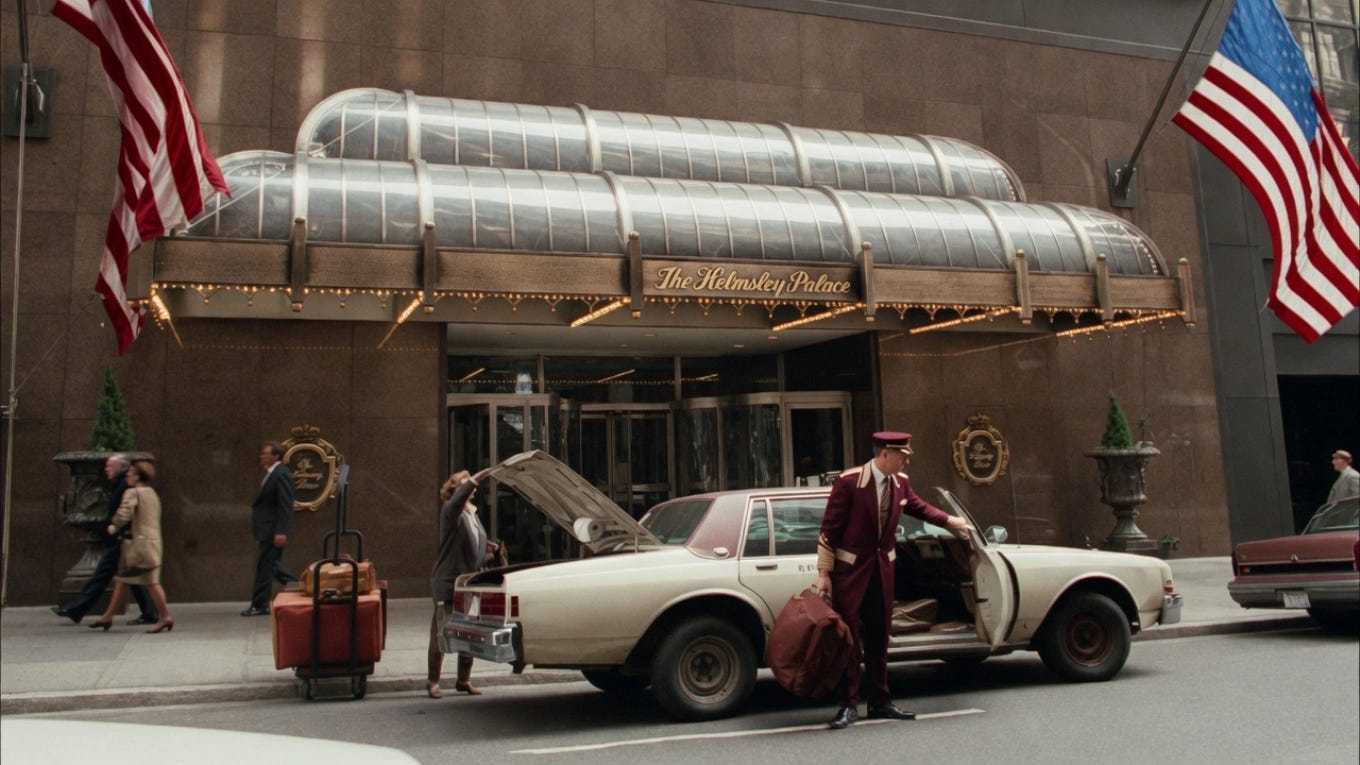
The Helmsley Palace rose behind the Villard Houses on Madison Avenue, a modern tower bolted onto a row of Gilded Age mansions, which is as neat a description of the marriage as architecture has ever provided.
The advertisements put Leona in a designer gown and, on the better days, a tiara. “The only palace in the world where the queen stands guard,” one of them announced, and the striking thing is how many people took her up on the offer.
For the guest the fantasy was irresistible. Somewhere behind the polished lobby stood a woman more exacting than you were, prowling the corridors on your behalf, finding the smudge before it could find you. For the staff the fantasy was a shift schedule.
Leona read the complaint cards and walked the floors.
She once boasted to an interviewer that she knew about a burned-out light bulb or a torn pillowcase before the manager did, and the people who worked for her had no reason to doubt it.
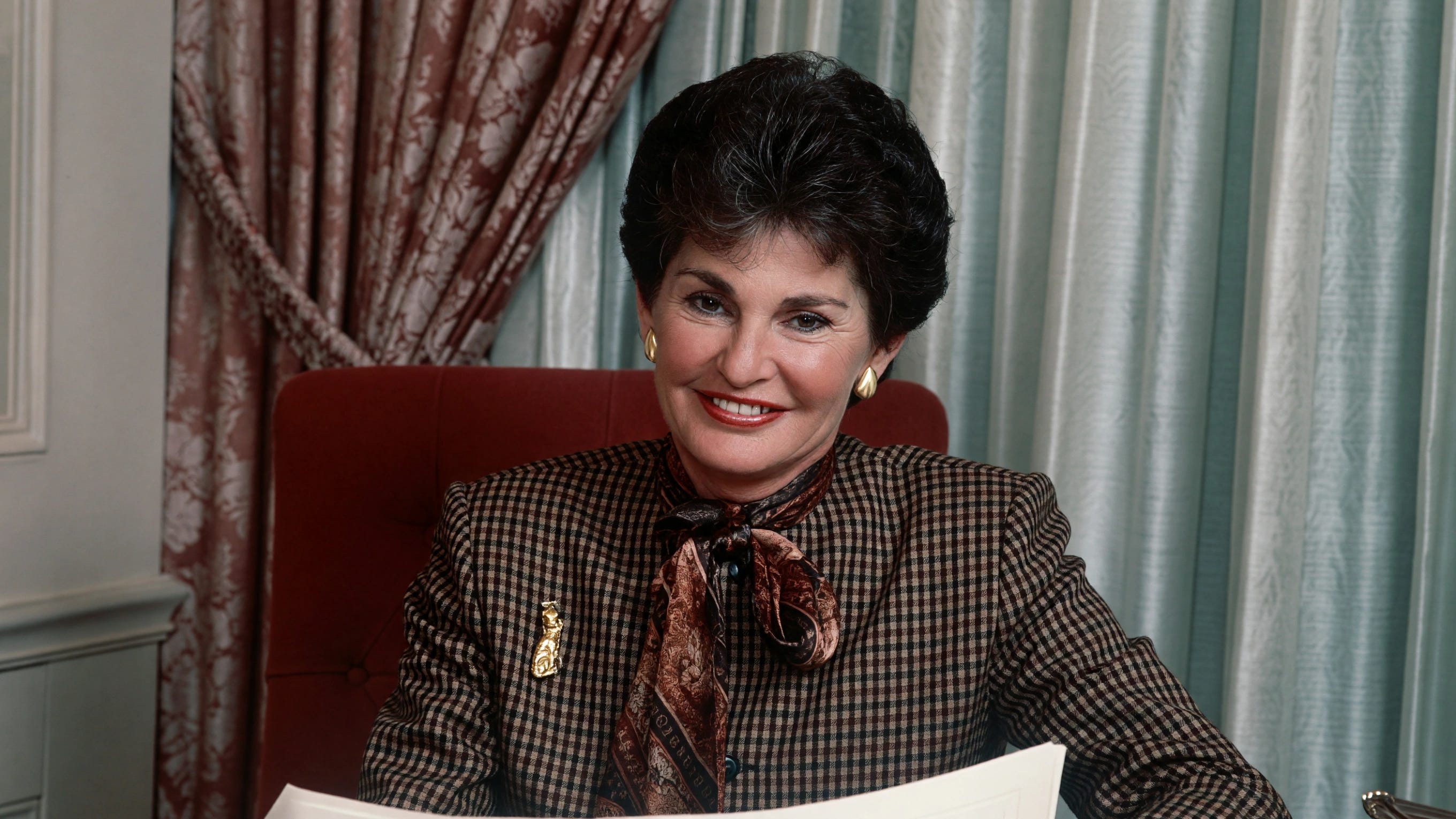
Soon, the stories that came out of the hotels had a crushing sameness to them: the public dressing-down, the dismissal without notice, the employees who had learned to dread the smallest error in her presence.
At her trial, witnesses swore to servants fired over dirty fingernails, over a hand that trembled while pouring, over the way food had been arranged on a plate.
The same behavior could be sold to a guest as standards and lived by a waiter as a daily audition for his own job. Leona never appeared to notice that a second description was available.
The Palace ads rested on a single, seductive promise:
Nothing in her world escaped her attention.
She made the promise so often, and so publicly, that it stopped being advertising and became testimony.
At Dunnellen Hall, the estate the Helmsleys kept in Connecticut, there was a stack of invoices prepared to take her at her word.
The Dance Floor
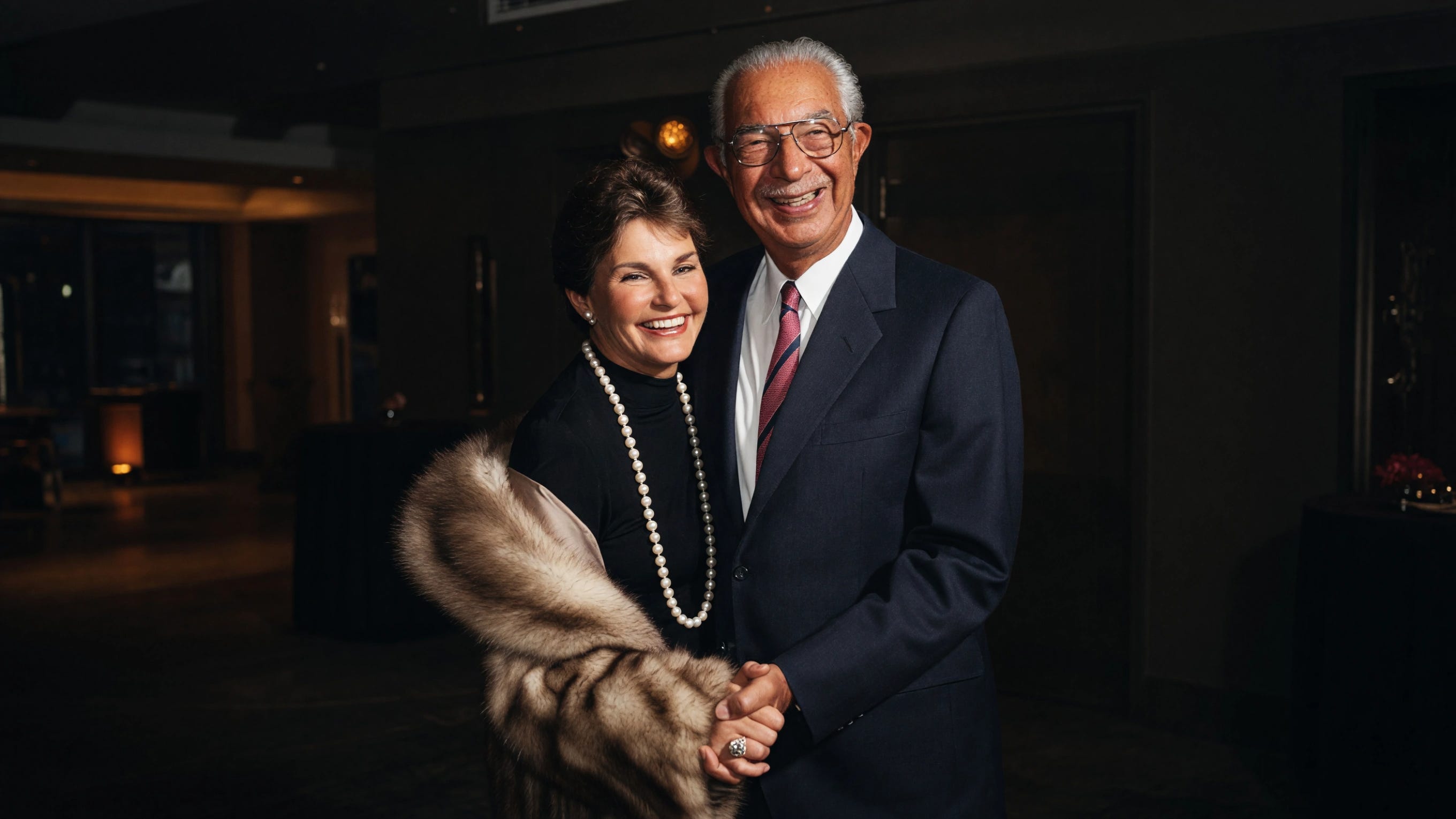
Dunnellen Hall got a swimming pool under glass, and over the pool a marble dance floor, so that guests could waltz on stone with water moving beneath their feet.
There were jade pieces and serious furniture and a $130,000 sound system modeled on one Leona had admired at Disney World, which tells you something about where the queen went for inspiration.
But none of this was a crime. The Helmsleys could have paid for all of it many times over and never felt the draft.
The crime was the mailing address.
Bills for the private estate went to Helmsley businesses. Invoices were rewritten so that a marble floor in Connecticut appeared on paper as work on a hotel or an office building in Manhattan, and a family’s indulgences slid quietly into the company’s deductible expenses.
Then Leona did the one thing a person running such an arrangement should never do: she fought with the contractors.
She disputed their charges, froze their payments, and sent the men who had built her dance floor away without their money.
An employee can be frightened into silence. An unpaid contractor has a lawyer and a filing cabinet, and both are curious about why the paperwork for a swimming pool describes a hotel.
The federal case, when it came, concerned $1.2 million in evaded income taxes.
Against the Helmsley fortune the figure was almost quaint, which is precisely what made it so hard for anyone to understand why she had bothered.
Schemes like this run on people; somebody types the invoice then somebody approves the check. Then, eventually, somebody has to explain why a Greenwich estate keeps turning up in a Manhattan ledger.
When the investigators started asking, those somebodies turned out to have excellent memories.
One of them was a housekeeper, and what she remembered was a single sentence.
The Little People
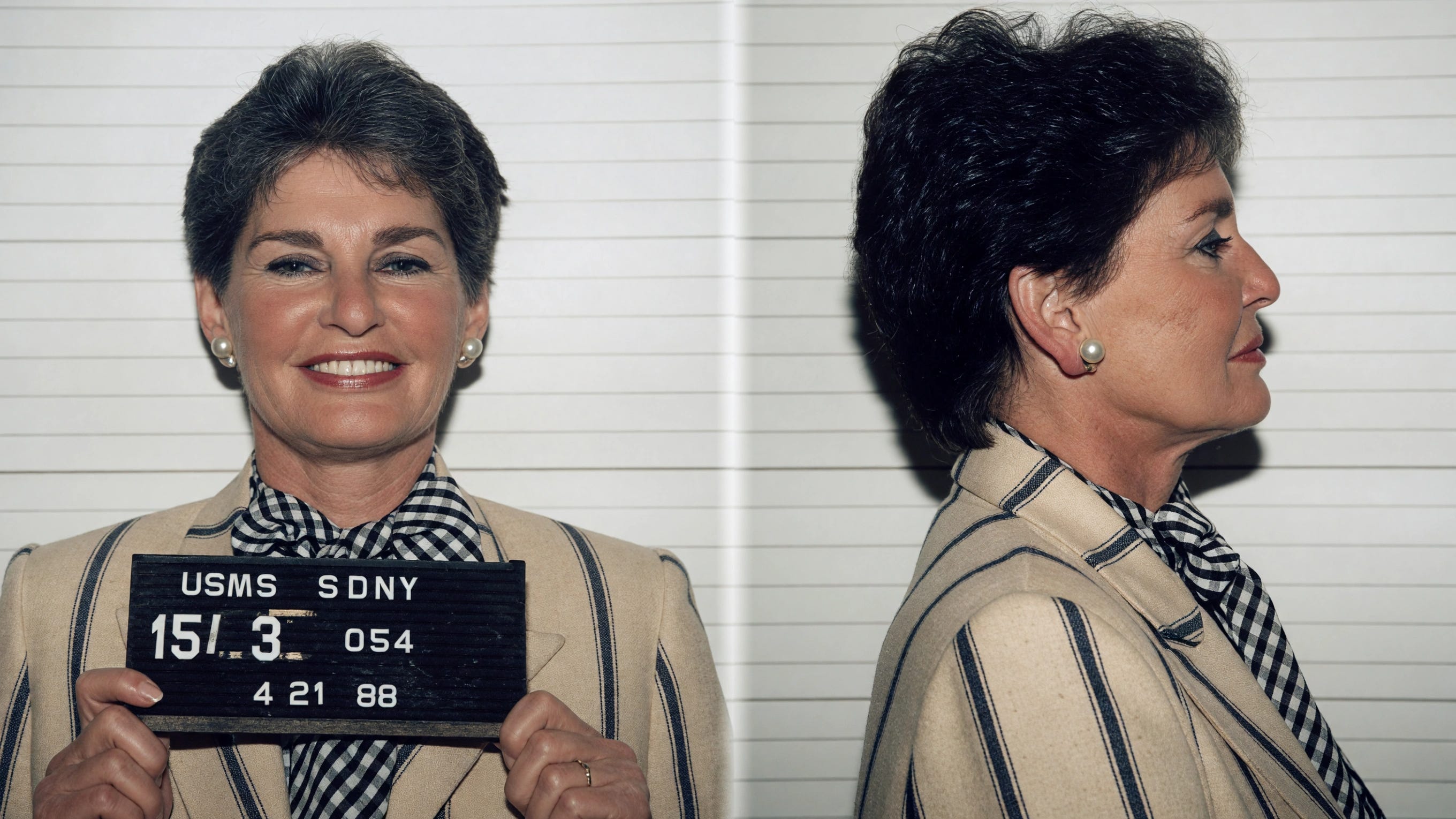
By the time the case reached trial in 1989, Harry had been ruled unfit to stand beside her.
His memory was failing. The union that had concentrated so much power in one bedroom could offer her nothing at the defense table.
Elizabeth Baum, a former housekeeper at Dunnellen Hall, took the stand and recounted a conversation about taxes. Leona, she testified, had said:
“We don’t pay taxes; the little people pay taxes.”
Leona denied it. The distinction is worth preserving: this was one woman’s recollection of an unrecorded conversation, and the defense said so.
It made no difference. The sentence fit the tiara so perfectly that the city adopted it as her epitaph before the verdict came in. Everything people had suspected about the woman in the gown now had a caption.
The prosecutors, meanwhile, did the unglamorous work. Witness after witness described the doctored invoices and the pressure to approve them, laying the plumbing beneath the quotation that would run in every headline.
That August the jury convicted her on 33 felony counts, among them tax evasion, false returns, and mail fraud.
The sentence was 4 years in prison and a $7.1 million fine.
Her lawyers kept her out for nearly 3 years on appeal. The last one failed the day before she was due to surrender, and the government, with a sense of theater she might have admired in other circumstances, had chosen the day the rest of the country mailed its tax returns.
Her lawyers objected to the symbolism, but nobody listened.
She served less than 2 years. Harry lived long enough to see her come home and died in 1997, leaving her the fortune, the buildings, and the silence where the one person whose opinion she valued used to be.
Prison had interrupted her authority without touching her money, and money, as she was about to demonstrate one last time, is how a Helmsley gets the final word.
The Trust
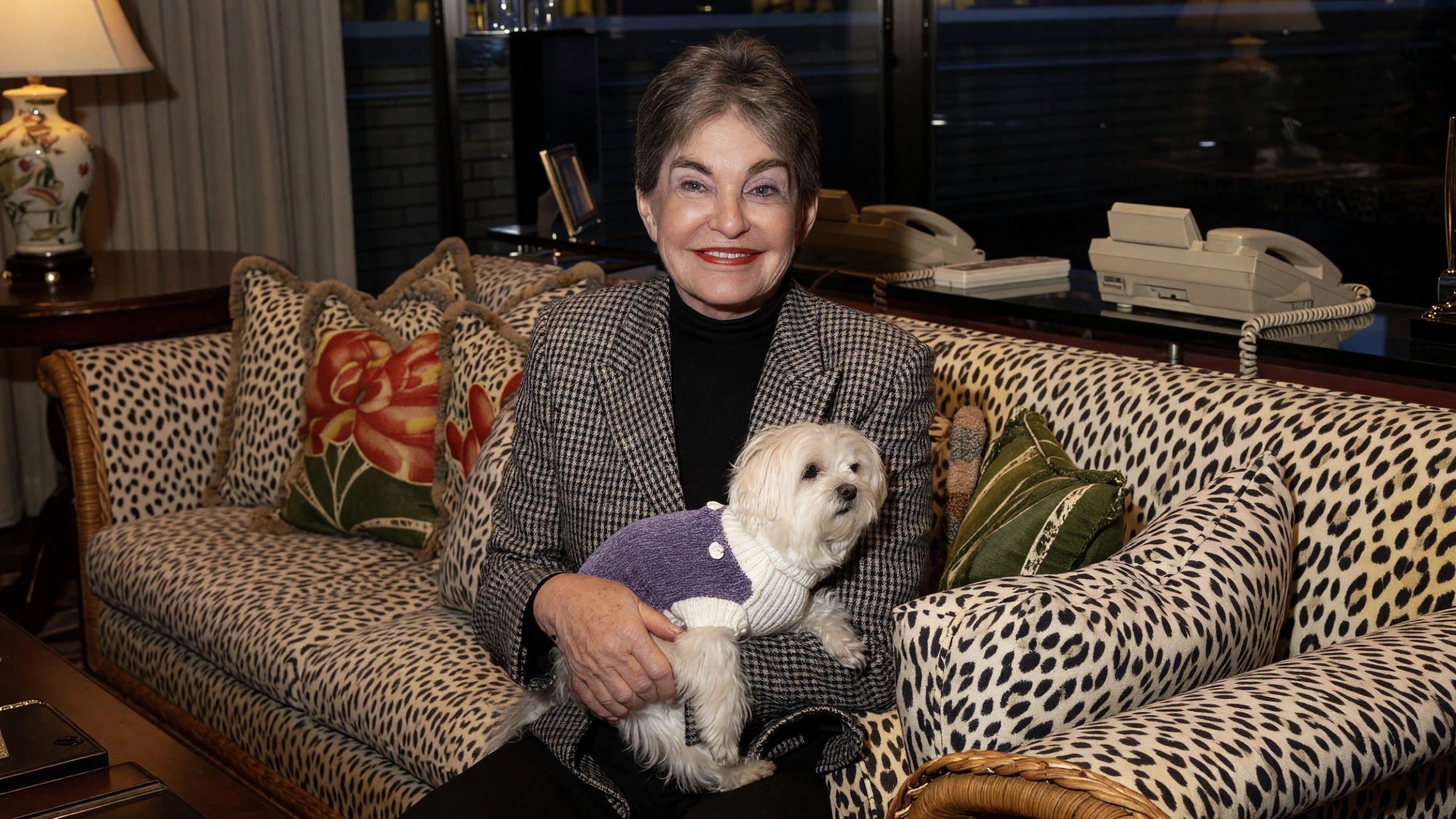
Leona died in 2007 at Dunnellen Hall in Greenwich, aged 87, and her will gave the tabloids the one thing they had never managed to get from her alive: a co-star.
A provision of her trust set aside $12 million for the care of Trouble, her white Maltese.
Of her 4 grandchildren, 2 received substantial bequests.
The other 2, Craig Panzirer and Meegan Panzirer Wesolko, were expressly left out of the will.
Leona supplied only this explanation: “for reasons which are known to them.”
So, on paper, $12 million had been set aside for the dog while two of her grandchildren received nothing.
The arrangement would not survive intact. Craig and Meegan later challenged the estate and received $3 million each in a settlement, while the amount reserved for Trouble was reduced to $2 million.
But as a final statement of Leona’s intentions, the original will was hard to improve upon: lavish, punitive, and arranged so that everyone knew exactly who had been favored and who had not.
But Trouble was really only the final expression of something Leona had been doing for decades. She used money to arrange the world around herself: contractors would accept her price, employees would absorb her temper, relatives would learn the terms of her affection, and eventually even the distribution of her fortune would carry instructions about who had pleased her and who had not.
For most of her life, this worked.
The mistake was believing that wealth made the arrangement permanent.
The contractors eventually sued. Employees testified. A jury convicted her. Even the famous advertisements came back differently once prosecutors arrived. The queen knows everything was superb copy when the subject was a pillowcase. It was considerably less useful when the subject was an invoice.
And then there was the fortune itself.
After her death, enormous sums of Helmsley money went to causes that unquestionably did real good. That fact belongs in the story. It just cannot perform the moral labor people sometimes ask philanthropy to perform.
A hospital grant cannot retroactively improve the life of an employee who dreaded entering her dining room. The money could do good without changing what Leona had been.
She could decide where the fortune went. She couldn’t decide what people remembered.
She was the Queen of NY, followed by Ivana Trump.
Interesting story, much of which was covered at that times press. However, for those that did not know it offers insight into a more sensitive era. This is a story that could make a good mini series. I would have enjoyed a tie into today, where it seems anything goes as long as you have political power. Had her impropriety been made today, she may indeed have walked free by paying a small fine. Or even purchased a get out of jail free card.