
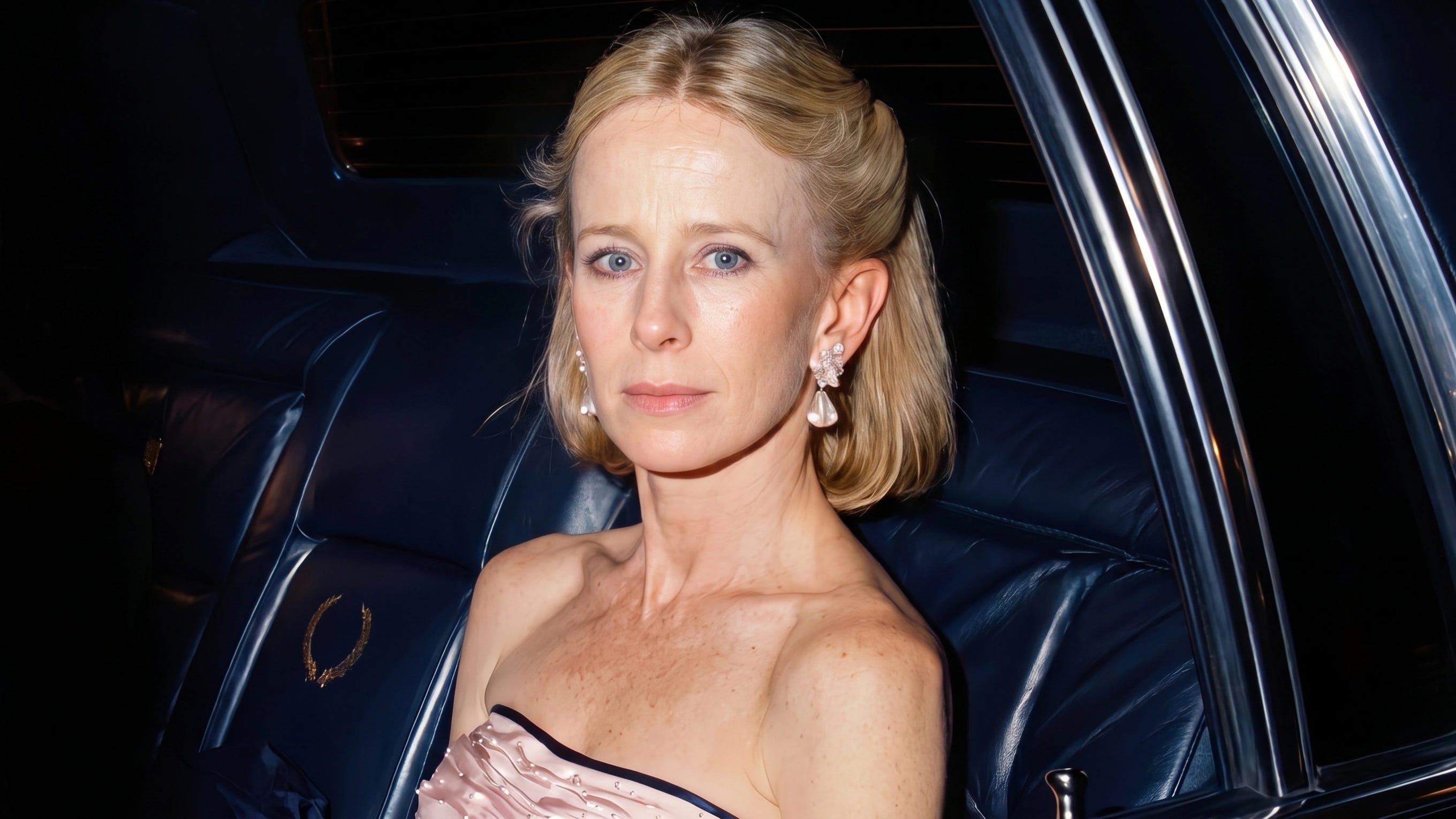
It’s June 1986, and your name is Anne Hendricks Bass.
You’re 44 years old and married to one of the wealthiest men in America, whom you met when you were nine years old.
At this present moment, you’re seated at a lunch in East Hampton surrounded by the kind of people whose last names show up in the same society columns as your own (“the right people”).
You’ve spent 22 years helping your husband Sid build two cultural empires, one in Fort Worth and one in Manhattan. You sit on the board of the New York City Ballet. Texas Monthly has called you the “Empress of Fort Worth”. Your art collection includes a Rothko, a Monet, and an original Degas bronze.
At some point during the lunch, a woman named Mercedes Kellogg throws a dinner roll across the room to get your husband’s attention.
She’s 41, Iranian-born, and married to a former U.S. ambassador. The gesture is conspicuous, flirtatious, and aimed directly at your husband, sitting right beside you.
Nine weeks later, Mercedes calls her husband from a hotel suite in Paris and ends her marriage.
Fourteen months later, Sid files for divorce from you in Texas. Park Avenue’s most visible golden couple is finished.
The settlement will be estimated at $200 million, the largest divorce settlement in Texas history.
You’ll keep the houses, the art, and more than a million shares of Disney stock.
What you lose is the partnership.
But what you build afterward, entirely on your own, will prove more interesting than anything the marriage produced.
The Birthday Party
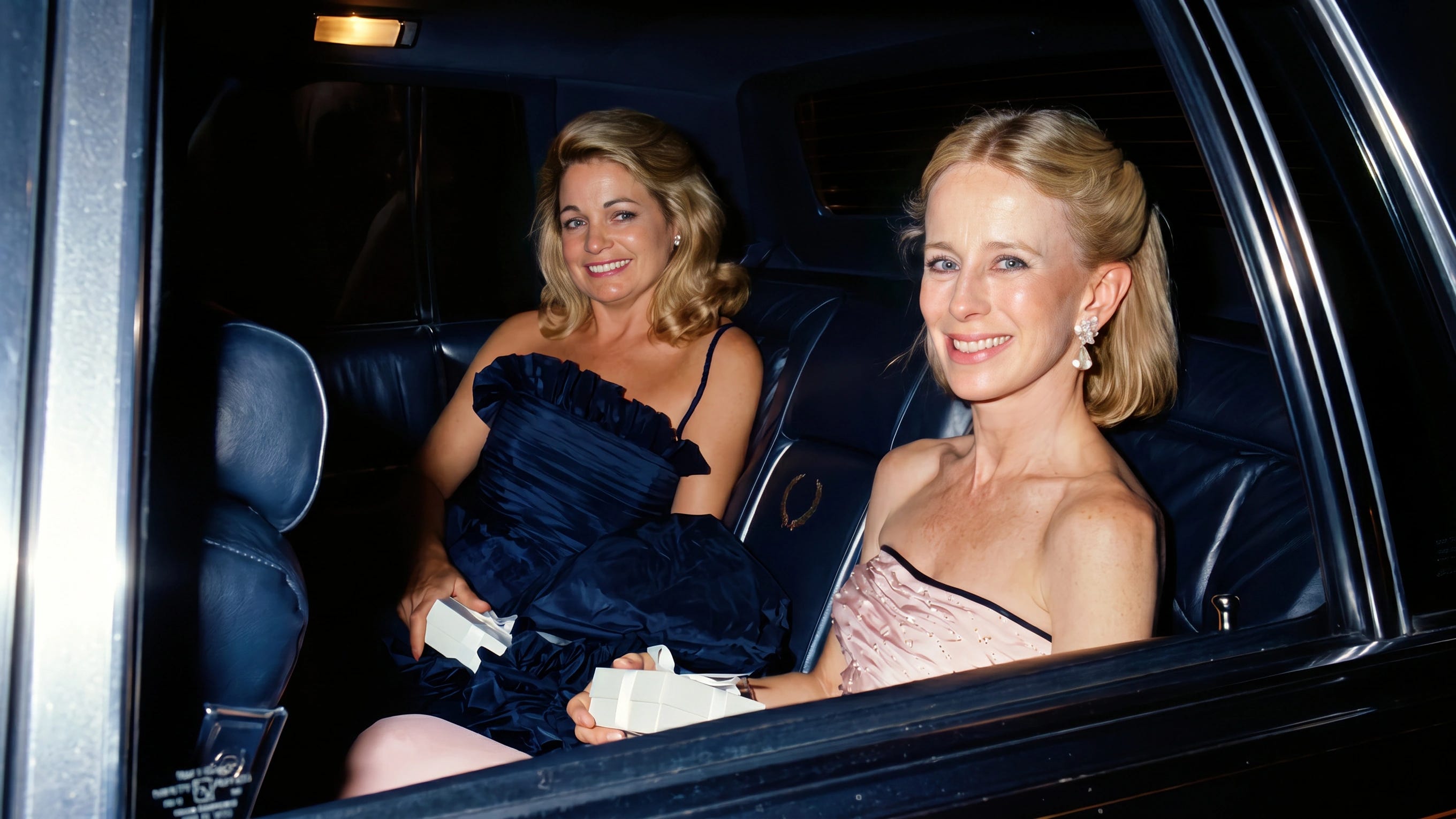
Long before the $200 million divorce, Anne Hyatt Hendricks was a nine-year-old girl from Indianapolis who’d already met the man she would one day marry.
Born on October 19, 1941 as the eldest of four children in a comfortable Midwestern family, Anne’s father was a respected surgeon and urologist, while her mother, Jean, was a Vassar graduate and champion amateur golfer whose trophies lined the family’s shelves.
Indeed, it was a household defined by professional respectability rather than dynastic wealth, and nothing in Anne’s origins hinted at the two glittering worlds she’d come to command.
She attended Tudor Hall School in Indianapolis, then followed her mother to Vassar, where she majored in Italian literature and graduated in 1963.
It was a conventional, cultured education for a woman of her era, the kind that produced accomplished hostesses rather than career women.
But the wild saga of Anne Hendricks’s fortune had already been quietly set in motion years earlier.
According to numerous accounts, Anne first met Sid Richardson Bass at a birthday party while visiting cousins in Fort Worth. She was nine. He was roughly ten.
Sid was the eldest son of Perry Richardson Bass, a Yale-trained geologist who’d built an immense oil fortune in partnership with his uncle, the legendary Texas wildcatter Sid W. Richardson.
Richardson, a lifelong bachelor, died in 1959 leaving an estate estimated at up to $800 million (equal to a whopping $9 billion today), the bulk of which passed to Perry, who in turn ensured his four sons, Sid, Edward, Robert, and Lee, each received roughly $2.8 million in direct inheritance (currently equivalent to around $32 million).
That was the seed capital of what would become the Bass Brothers investment empire. Working with investor Richard Rainwater starting in 1970, the four brothers transformed their combined $11 million inheritance into a diversified multibillion-dollar fortune.
Their most celebrated move was building a roughly 24% stake in Walt Disney Company in the early 1980s, an investment that would generate billions in returns over two decades as Disney entered its iconic 1990s run.
They also built a nearly 10% stake in Texaco that the company repurchased in 1984 for approximately $1.3 billion.
Subsequently, the childhood acquaintance between Anne and Sid blossomed during their college years, Anne at Vassar, Sid at Yale.
On June 26, 1965, they married at 23 and 24 years old, stepping into extraordinary privilege years before Sid would become one of the most storied dealmakers in modern American finance.
Anne had briefly worked as an executive trainee at Bonwit Teller on Fifth Avenue and as a contributing editor at Vogue, jobs that gave her a foothold in New York’s fashion and media establishment even before the full weight of Bass family wealth arrived.
Before Sid made his name as a dealmaker, the couple built something unforgettable together that had nothing to do with Wall Street.
The Empress
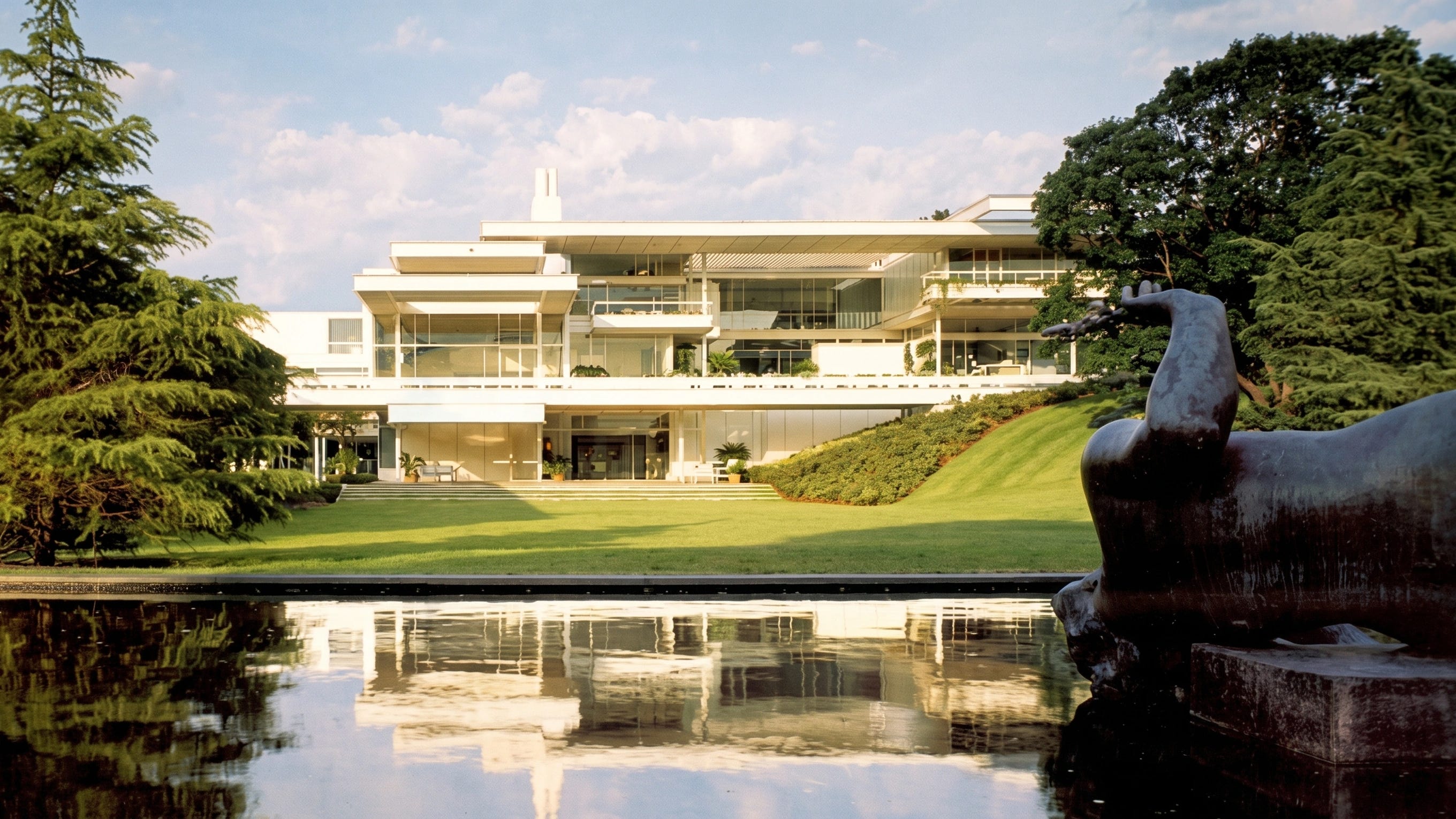
In 1970, five years into their marriage and still in their twenties, Anne and Sid commissioned architect Paul Rudolph to design one of the most important private architectural commissions of the postwar era.
The resulting house at 1801 Deepdale Drive in Fort Worth’s Westover Hills spanned over 16,000 square feet across four main floors broken into 12 levels with 14 different ceiling heights, built from white enameled structural steel and porcelain-enameled aluminum panels.
Immediately seen as one of the most celebrated works of American residential modernism, Rudolph designed it to project outward in four directions, each supported by a 40-foot cantilever, creating an almost floating quality.
Constructed at the beginning of their adult life together, the house became the clearest expression of the world Anne and Sid were creating.
It was private, ambitious, and intended to last. The same assumption was being made about the marriage.
However, at the time, Anne took a hands-on role in the landscaping, collaborating with designers Robert Zion and Russell Page, while a specially designed greenhouse was built for Sid, an avid orchid grower.
And the house became the backdrop for a museum-caliber art collection: Rothko, Ellsworth Kelly, Calder, and others, displayed against the soaring white interiors.
Christie’s would later call it “the ideal setting for the couple’s world-class collection of contemporary painting and sculpture.”
The house itself became a kind of manifesto: two people in their twenties declaring, through architecture, that Fort Worth deserved a cultural landmark to rival anything in New York or Los Angeles.
By the mid-1970s, Texas Monthly had dubbed Anne “The Empress of Fort Worth.”
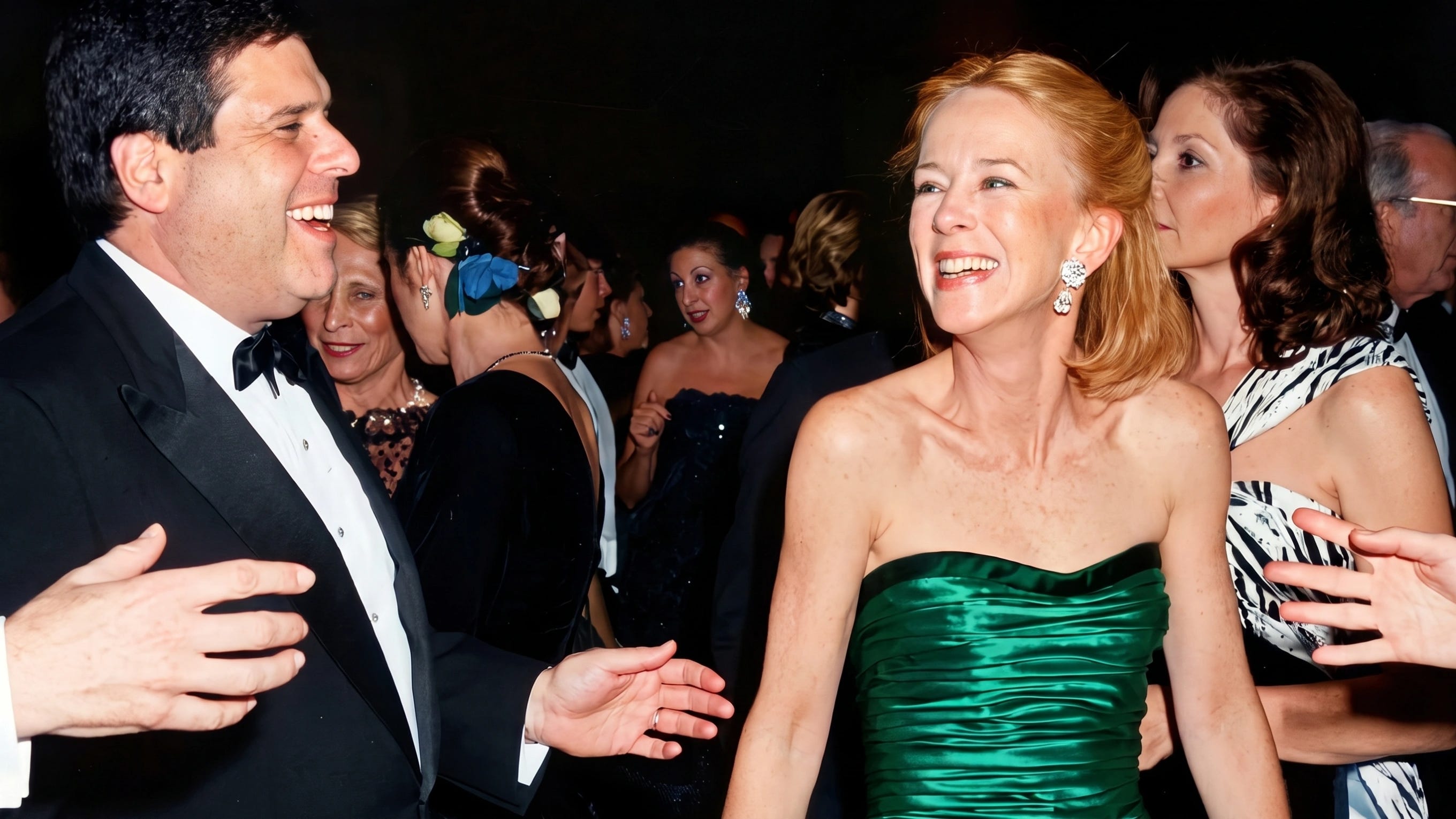
She lent her name and fundraising energy to the Van Cliburn Foundation, the Fort Worth Symphony Orchestra, and the Modern Art Museum of Fort Worth, driving the cultural elevation of a city still overshadowed by Dallas.
The Texas Monthly profile captured her dual identity precisely: a woman who was “a well-known socialite” and simultaneously “relentlessly private,” stipulating to the journalist profiling her that no personal questions be asked.
Yet she had far less control over the marriage she was protecting from them.
She was simultaneously building a parallel empire in Manhattan.
In 1980 she joined the board of the New York City Ballet, a position she’d hold for 25 years. She chaired the School of American Ballet’s 50th-anniversary fund drive in 1984, raising $10 million.
She supported the Jerome Robbins Dance Division of the New York Public Library, the largest dance history archive in the world, and sat on boards at MoMA and the New York Botanical Garden.
The New York Times would later note that unlike “the ostentatious Texans with their extravagant estates” or “status-driven New Yorkers seeking acknowledgment through donor plaques,” Anne Bass was known for a reserved, almost distant demeanor. Slender, with striking blue eyes, she cultivated what the Times described as “a facade of indifference to life’s less pleasant realities.”
Furthermore, she belonged to what Women’s Wear Daily publisher John Fairchild dubbed “Nouvelle Society,” the glamorous cohort of extraordinarily wealthy, photogenic women who dominated New York social pages throughout the 1970s and 1980s. Town and Country would later call her “a great New Yorker” for the cultural force she exerted across MoMA, the Ballet, and “among countless others.”
In the photographs from that era, she looks like a woman who has decided exactly how much of herself the camera is allowed to see, and the answer is: the surface, and nothing underneath it.
By 1986, that carefully ordered life was about to come apart in a way Anne could neither control nor keep private.
And the divorce itself was only the most public part of the scandal that followed.
