
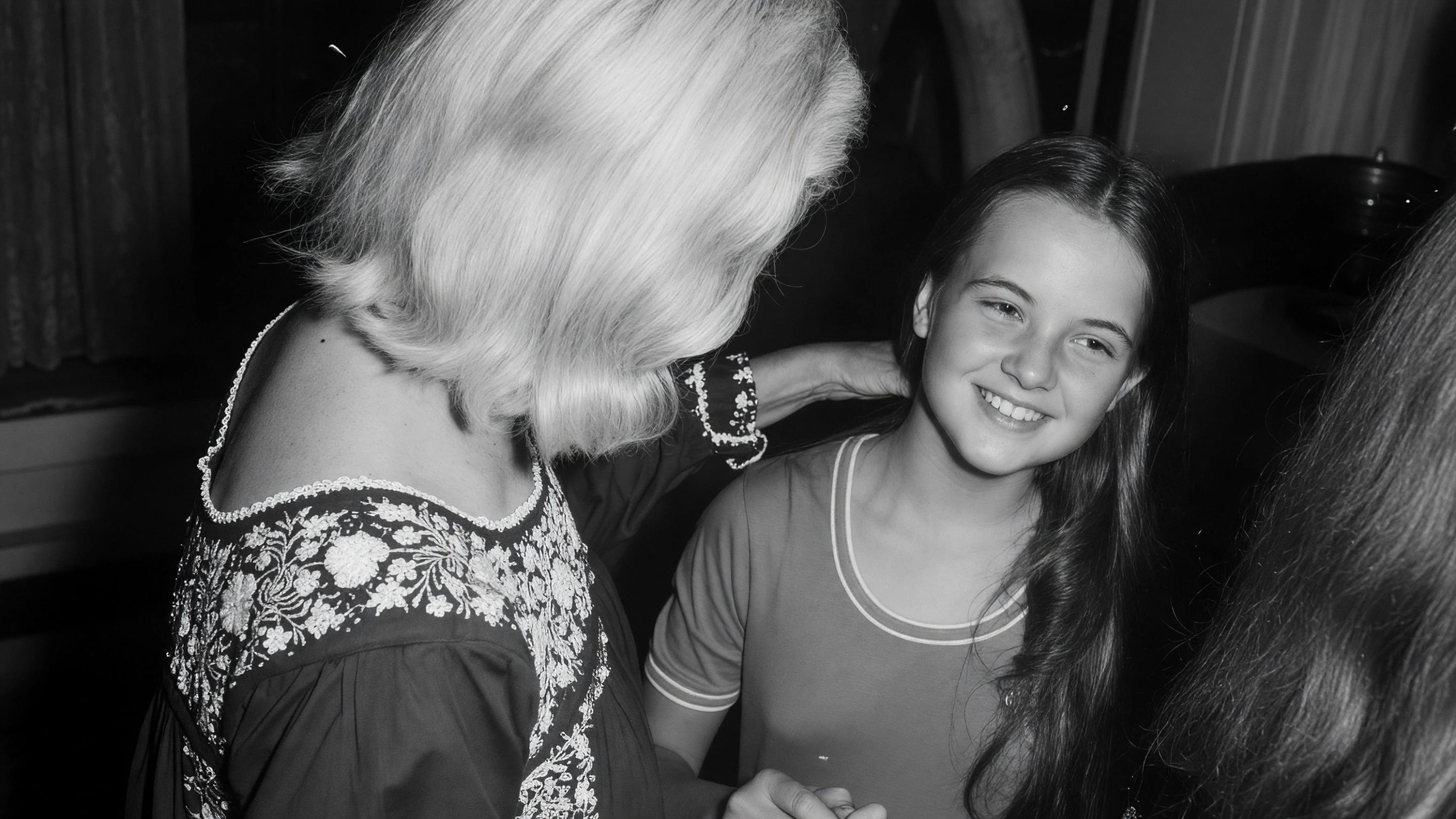
In early 1964, in a Long Island drawing room, the man who’d surrendered the British crown leaned over an infant in a christening gown.
The Duke of Windsor and his wife, Wallis Simpson, had agreed to serve as godparents. The baby was Cornelia Guest.
“He was lovely,” she said, decades later. “She was very scary to me.”
Cornelia was born on Thanksgiving Day 1963, six days after the Kennedy assassination, into the kind of American family that could ask a former king to stand as godfather and have him say yes.
The fortune traced to Andrew Carnegie’s business partner. The polo trophies, the Long Island estate, the Diego Rivera nude her mother had posed for before the wedding: all of it was waiting when she arrived.
In 1982, a fashion columnist called her the debutante of the year. The title came from a newspaper column, and because nobody had officially awarded it, nobody could ever officially take it away.
Decades later she’d be living on a ranch outside Dallas, running a vegan catering company and tending to rescued donkeys.
How she got there, and more importantly why she wanted to, is a story it took half a lifetime to understand.
Carnegie Steel and a Duchess at the Christening
The Guest name arrived in America through money and marriage, and the money came first.
Cornelia’s ancestor Henry Phipps Jr. grew up on the same Pittsburgh street as Andrew Carnegie, co-founded Carnegie Steel, and became its second-largest shareholder.
When the company sold to United States Steel in 1901, his share came to $48 million, the equivalent of roughly $1.9 billion today. He set up the Bessemer Trust Company to manage it for his children, turning a single industrial payout into a family inheritance.
Then the money married into history. Phipps’s daughter Amy married Frederick Guest, whose mother was Lady Cornelia Spencer-Churchill, a daughter of the Duke of Marlborough.
For our American protagonist, Cornelia Guest, that makes both Sir Winston Churchill and Princess Diana her cousins.
Amy and Frederick’s son Winston grew into a 10-goal international polo champion, served as a Marine captain in World War II, and carried his grandmother’s first name forward to his own daughter.
Winston married Lucy Douglas Cochrane, a Boston Brahmin and investment banker’s daughter, known to society as C.Z. Guest.
Truman Capote made her one of his “Swans,” and when his unfinished novel Answered Prayers scandalized the rest into cutting him off, she was the one who stayed.
Before the wedding she’d posed nude for Diego Rivera, and the reclining portrait hung on the wall of a hotel bar in Mexico City until the in-laws bought it. Ernest Hemingway served as best man when they married in Havana in 1947 and stayed a friend of the family.
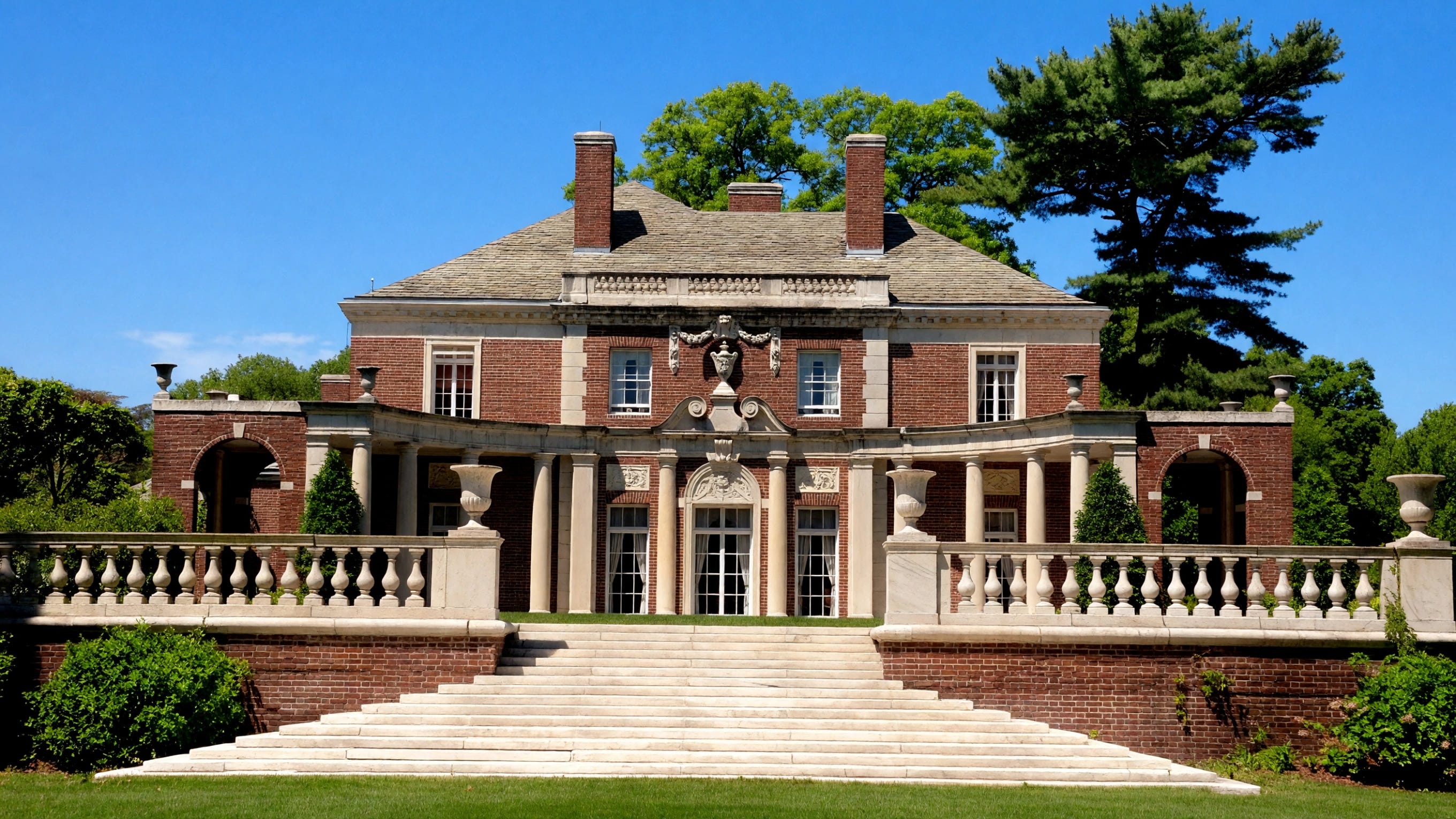
Home was Templeton, the Guest estate at Old Westbury, Long Island, and for the youngest Guest, home mostly meant the barn. “My mother was not strict, but she was a big person for discipline, so I was up at the barn every morning at 5:30 a.m., taking care of my dogs, taking care of my horses, mucking out stalls,” she told the Observer.
The barn would always have her mornings, but Manhattan was about to make a bid for her nights, and it had some very famous people doing the asking.
Deb of the Year
Studio 54 opened on West 54th Street in the spring of 1977, when Cornelia was thirteen and still spending her mornings mucking stalls before breakfast.
Within a few years, that same teenager would be slipping past the velvet rope as one of the club’s recognized faces.
The road there ran through horse country. Her parents sent her to Foxcroft, a girls’ boarding school surrounded by Virginian hunting grounds, and at fifteen she left to spend more of her days in the saddle, finishing high school through a correspondence course. She’d inherited her father’s horsemanship and rode competitively, and for a while the ring mattered more to her than any classroom.
Manhattan, though, had been courting her since she was small.
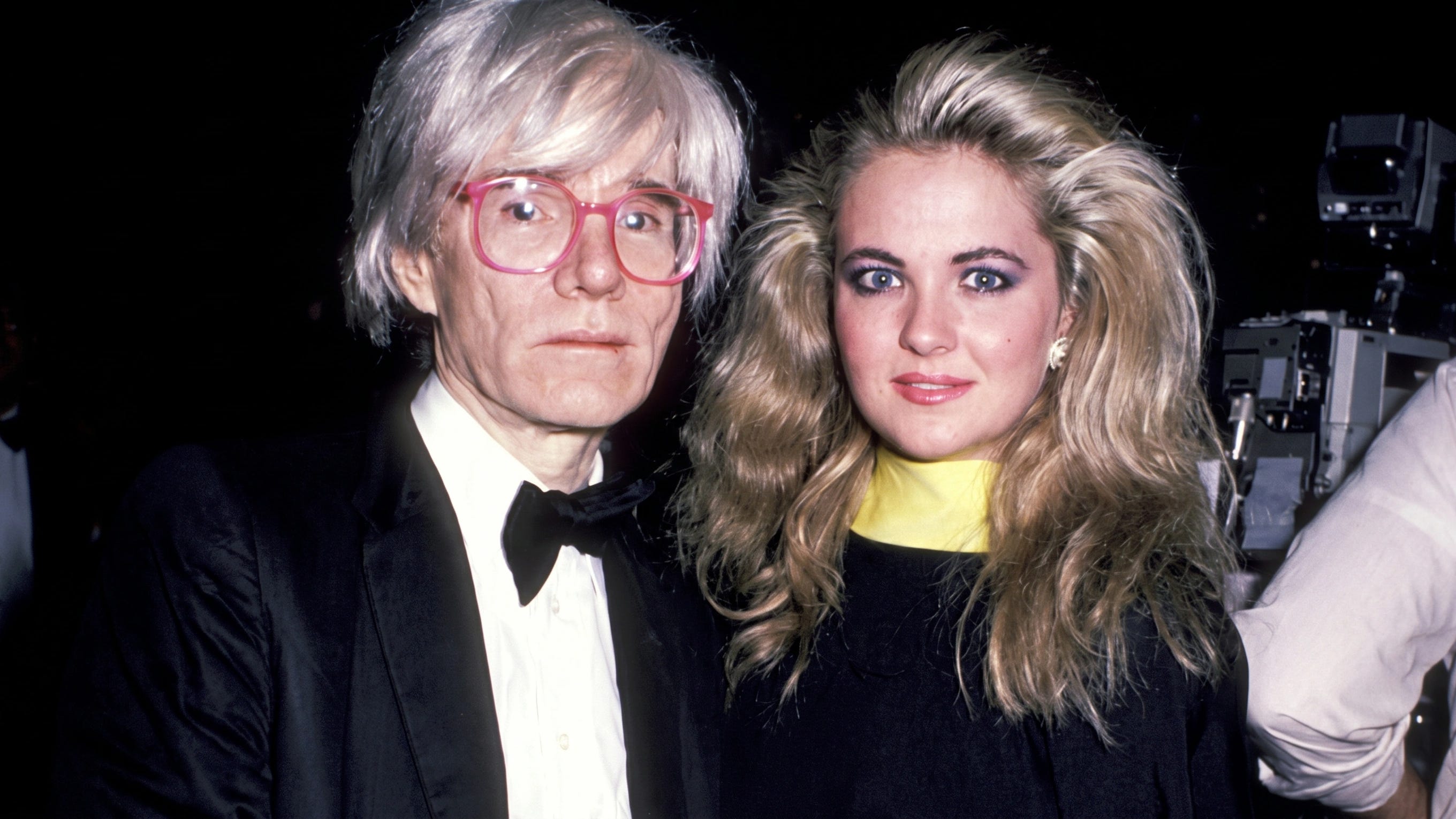
Andy Warhol was a friend of the family, and when Cornelia was a little girl he’d come up to her room and sit coloring with her. To C.Z., bringing her daughter along to the Factory seemed perfectly natural, and by her mid-teens the artist and the polo champion’s daughter had become real friends.
The friendship traveled. She’d later tell the story of a yacht caught in a storm at Newport with Warhol aboard, a passenger who couldn’t swim. He made it back to shore, and eventually he painted her portrait.
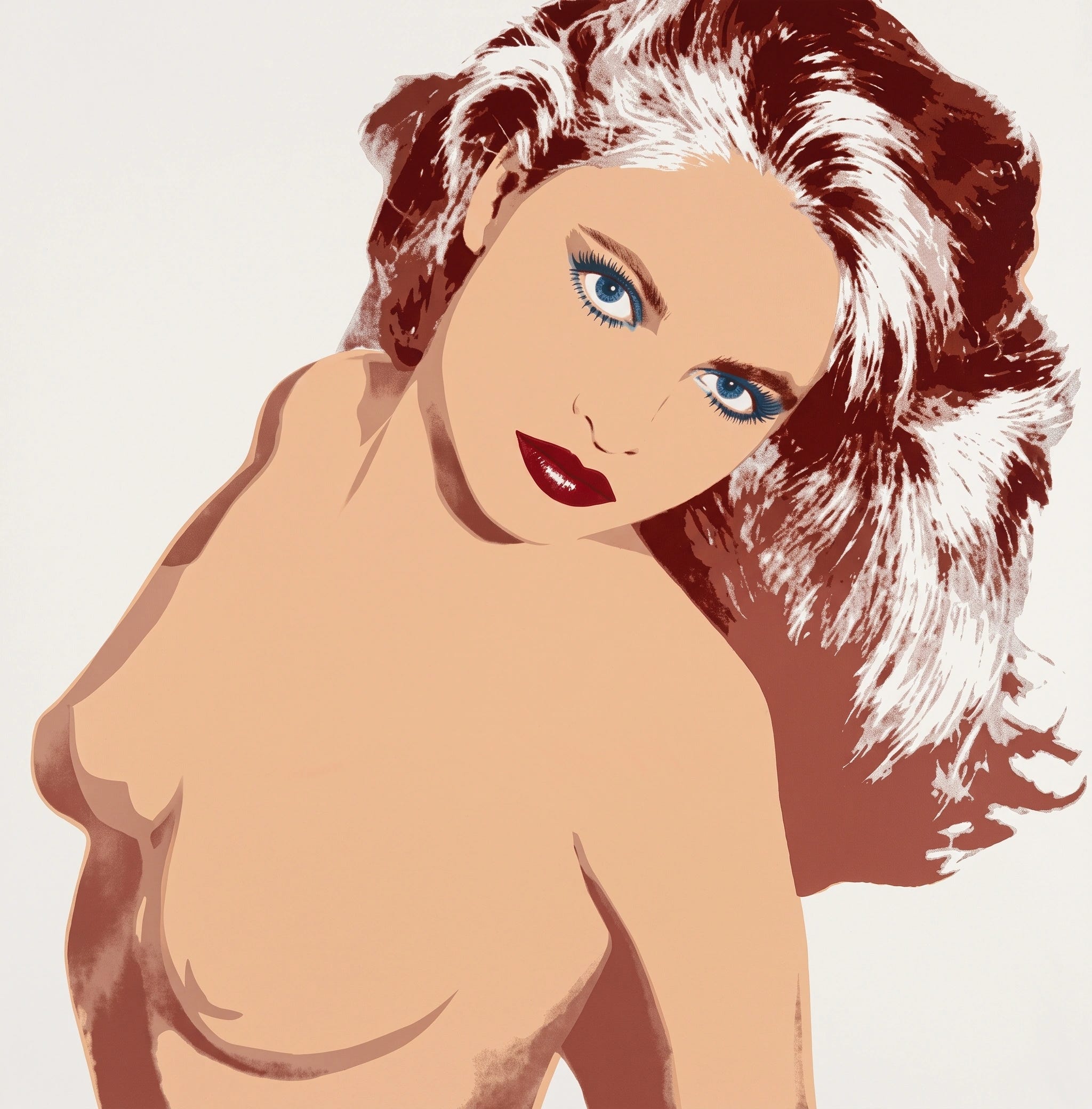
Halston came into her life at the end of a leash.
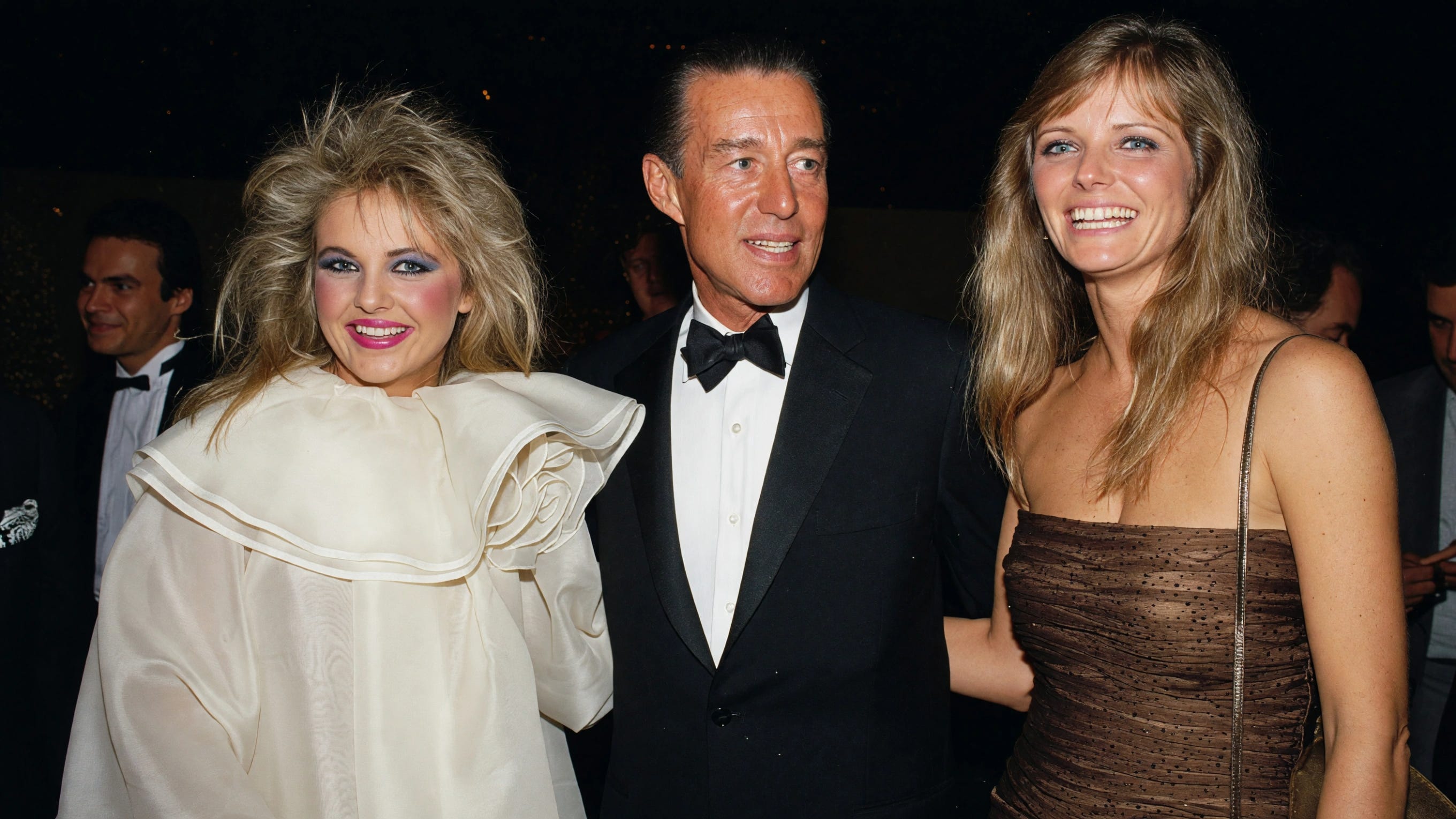
She was walking her mastiff when they met, and the designer who held court at Studio 54 “really became like a big brother or an uncle,” coaching her in his studio on the right way to walk in a dress.
She went to his parties at Olympic Tower, where the city’s most famous names drank late into the night, yet Halston drew the line at her living arrangements. C.Z. stayed out on Long Island and let her teenage daughter live in the city alone, and the man who presided over Manhattan’s wildest nights thought that was a terrible idea.
In the winter of 1981, she made her formal debut at the Waldorf-Astoria’s International Debutante Ball. Back at Templeton, the family raised a tent across the lawn for about 250 guests, and Cornelia wore a white-and-silver Carolina Herrera gown. Warhol came, as did the designer Fabrice and the heavyweight Gerry Cooney, who turned up in a satin jogging suit.
Her eighteenth birthday drew Prince Egon von Fürstenberg, the model Cheryl Tiegs, the heiress Doris Duke, and Truman Capote. When People wondered how a teenager could command a guest list like that, Capote, a friend of the family, answered with a ranking of American dynasties:
“Cornelia has a No. 1 name. The Guests are from real patrician stock, unlike the Vanderbilts and Rockefellers, who are descended from crooks.”
In two sentences he’d placed the Guests above two of the richest families in American history, which was exactly the kind of line that kept a debutante’s name in print.
Her mother had walked this path first. C.Z. had been presented as a debutante in 1937 and had performed in the Ziegfeld Follies, and she put it more simply: “She is a star, and she wants to be a superstar.”
A season after C.Z.’s own debut, Brenda Frazier had been crowned 1938’s “Debutante of the Year” and landed on the cover of Life. “Brenda Frazier was my parents’ friend,” Cornelia said.
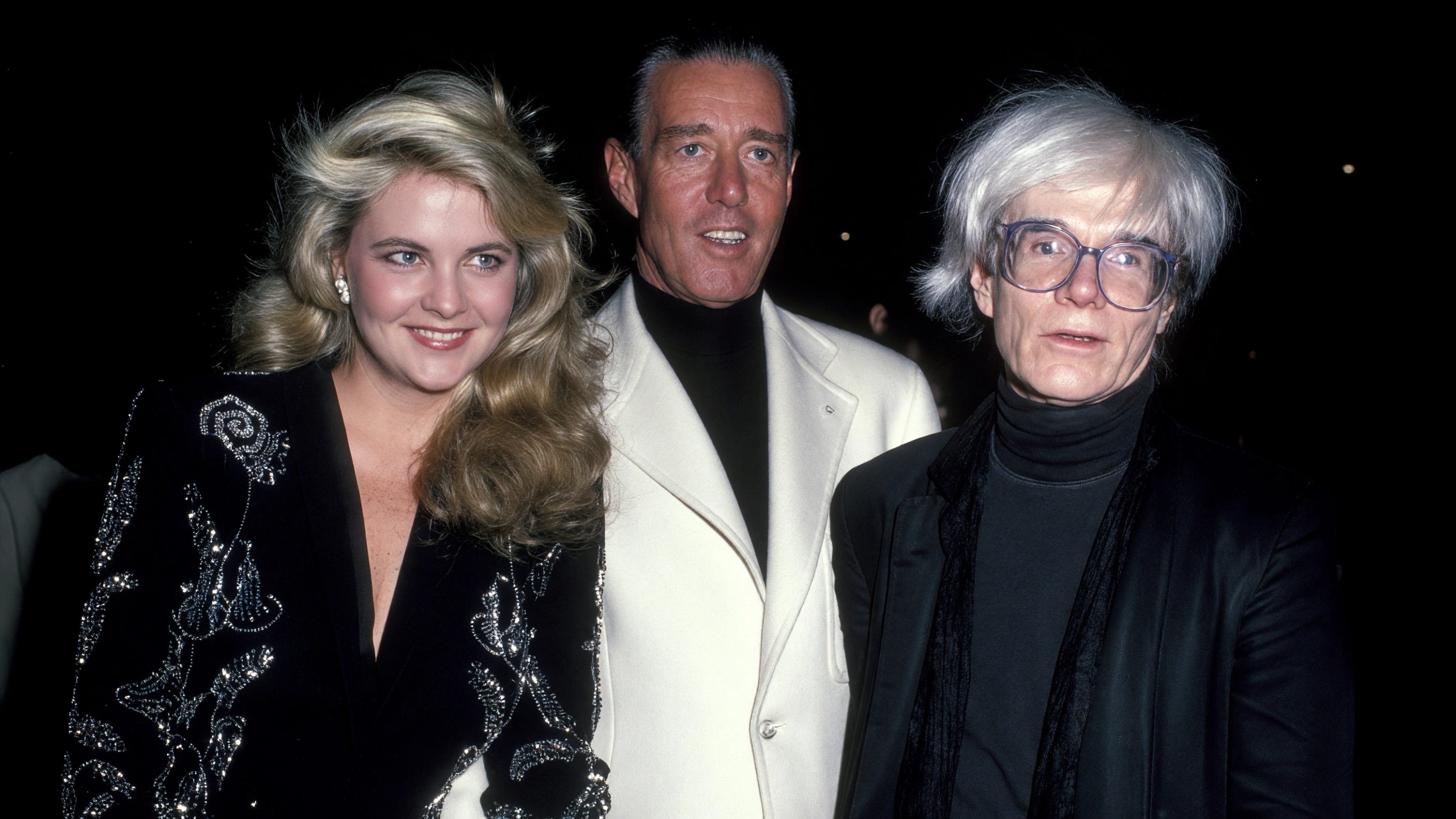
Before long she was a regular at Studio 54 and Regine’s, the clubs where the city’s most famous names went to be seen after dark, and by her own count she attended about 300 parties in her debutante year.
Years later, The New York Times would call her the original “celebutante,” its word for a debutante who’d become a celebrity in her own right.
Then, in the middle of the coronation, her father died. Winston Guest, the polo champion whose love of horses she’d carried since childhood, died on October 25, 1982, a month before her nineteenth birthday. “I was more influenced by my father,” she’d say, and the man who’d shaped her most was gone before her famous year had even ended.
For most of that year, the coverage around her read like a coronation, and she gave the columnists plenty of material to work with.
Coronations, though, invite a question about who paid for the crown. The lavish debutante balls of the early Reagan years were coming back into fashion, and so was the resentment of them.
Cornelia, flamboyant and plainly delighted to be photographed, became the easiest possible symbol of both.
By the following Christmas, the same columnists who’d crowned her were keeping an ever-growing list of every wrong moment.
