
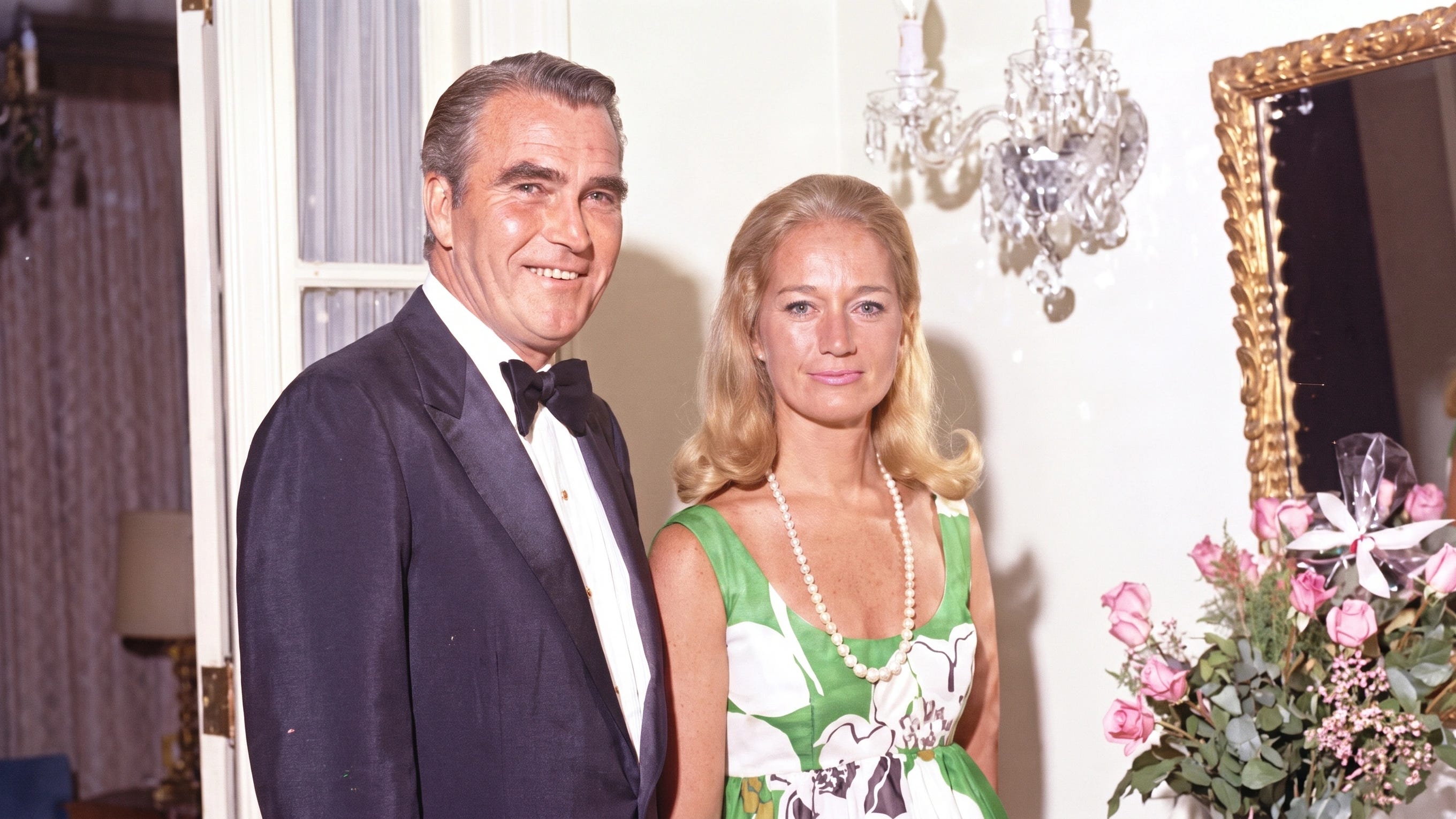
In the mid-1980s, one of the most powerful women in American advertising started disappearing from her own office.
Her name was Mary Wells Lawrence, and she founded a high-flying advertising agency on Madison Avenue, the storied New York street synonymous with the ad business.
In a show of pure nerve, she named it Wells Rich Greene, putting her own name first as a declaration of who was running the show.
Her agency gave New York State its “I Love New York” campaign.
According to the New York Stock Exchange, no woman before her ran a company listed there.
Then she began to vanish.
Nobody in the industry could say where she went, and when she came back, she offered no explanation. The trade press even gave her a nickname: Garbo, after the Hollywood star famous for hiding from the public.
She guarded the truth for years, and she had good reason to. She believed it could destroy everything she built.
Matriarch of Millions
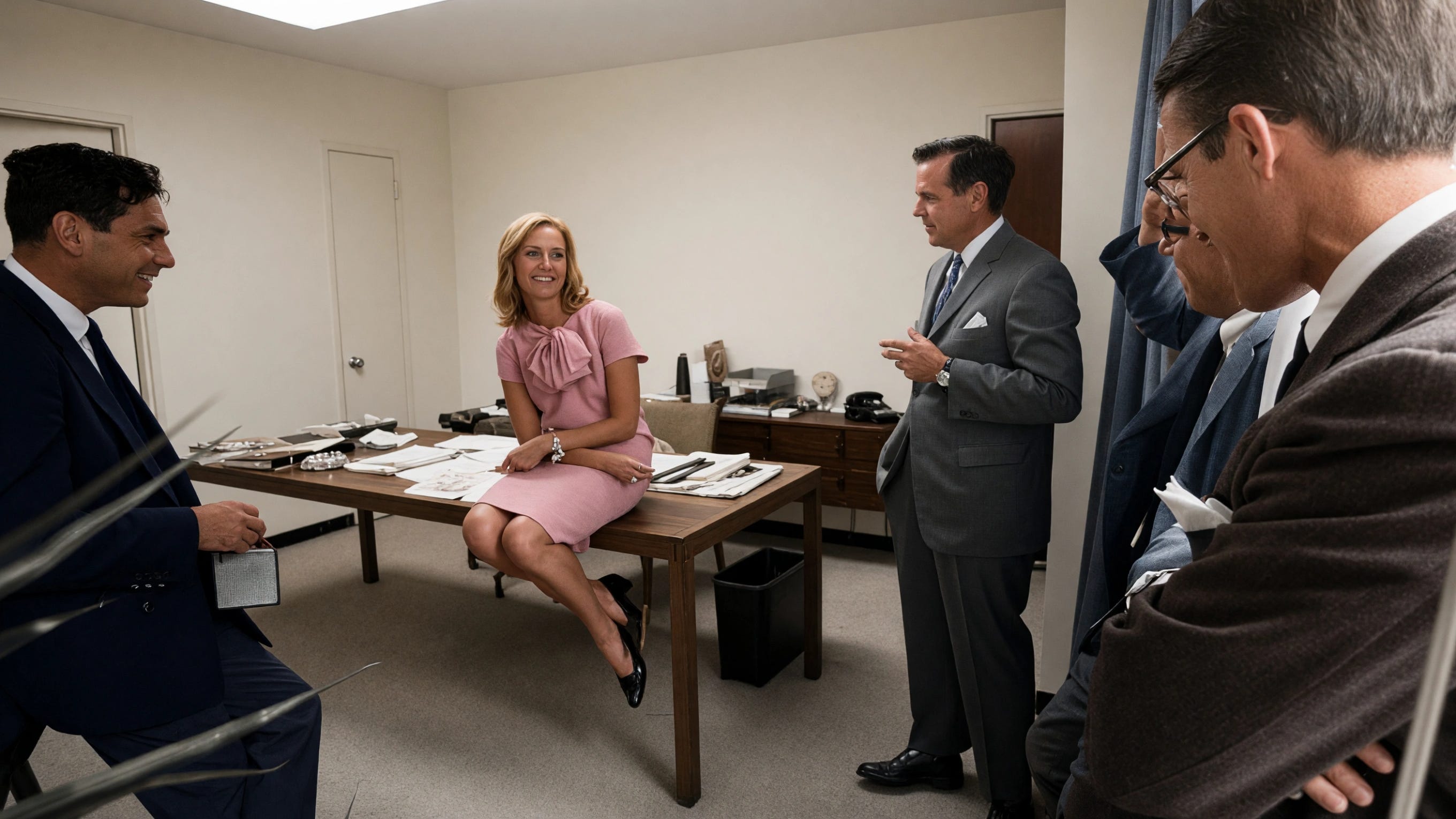
In the early 1970s, Mary Wells Lawrence ran the most visible agency on Madison Avenue, and Wall Street owned a piece of it.
Her reported salary topped $300,000 a year, worth well over $1 million a year today, a figure big enough to make the news on its own.
And she got there with one walkout. In 1966, she left a senior partnership at Jack Tinker & Partners, an agency inside the advertising giant Interpublic, and opened a shop of her own with two colleagues and a handful of clients.
She’d spent the previous decade inside other people’s firms, writing campaigns that turned ordinary products into theater. The most famous of them painted an airline’s whole fleet in bright solid colors, a different shade for each jet.
Now she wanted the title and the ownership that came with it, and she got both faster than anyone on Madison Avenue expected.
Wells Rich Greene sold its first shares to the public in 1968, just two years after it opened its doors. In 1971, its stock moved to the New York Stock Exchange, the biggest marketplace for shares in the country.
A $30,100 stake made Mary Wells Lawrence a multimillionaire.
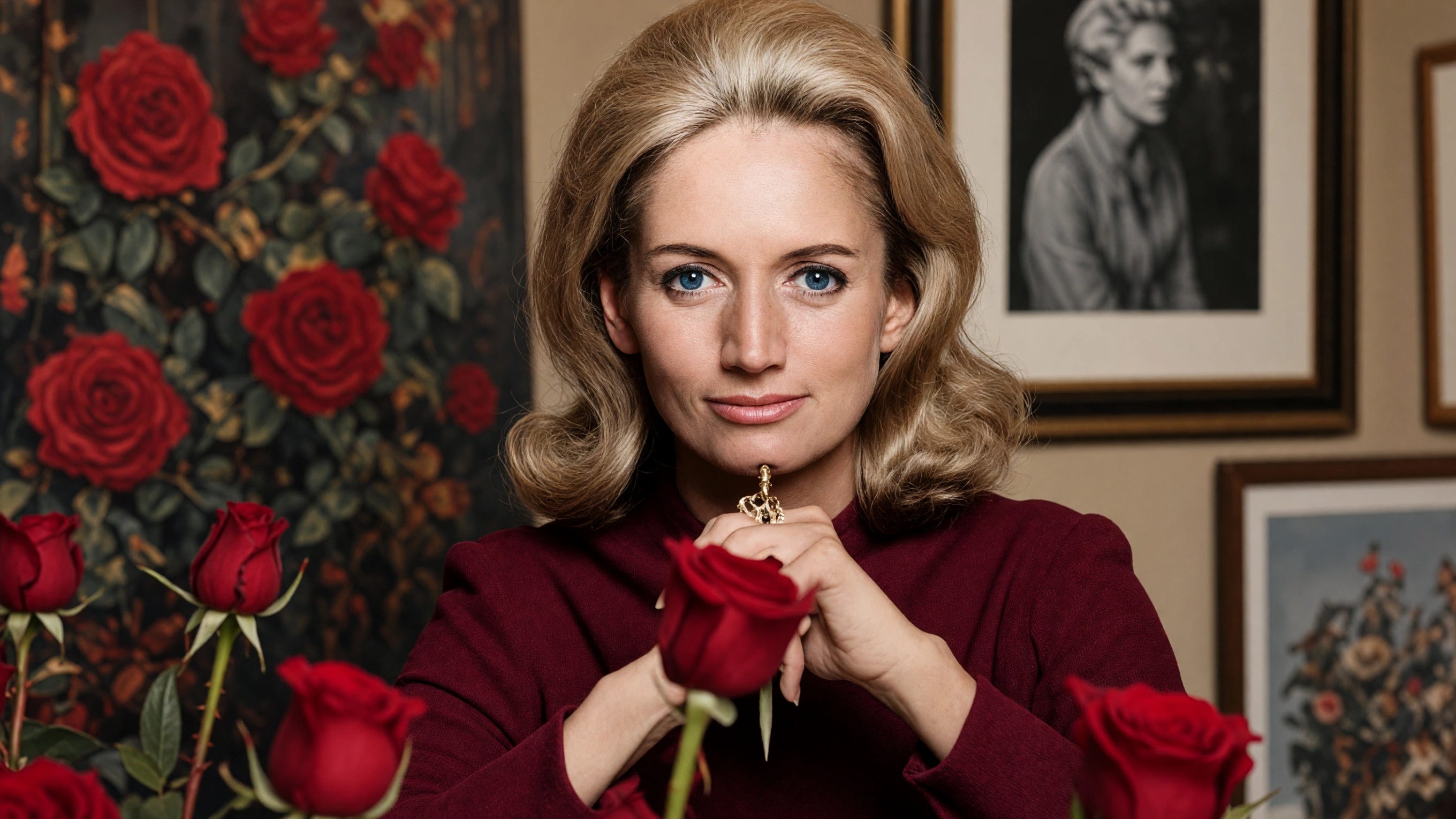
Going public let the founders sell part of their holdings to outside investors, and Lawrence cashed in both times, once in 1968 and again in 1971. A federal court decision from 1974 later tallied what she collected after costs: more than $3.5 million, around $30 million in today’s money.
A shy former child performer from Ohio now sat at the head of the table, with her name on a stock certificate and outside investors betting on her ideas.
But Mary Wells Lawrence was the brand her clients were really buying.
She loved an audience, and her clients were the audience that mattered most. Their confidence in the agency rested on her personally, visible and in command, and she knew it.
Years later, that dependence on being seen would drive her into hiding.
Her gift for performing came from her mother, and her gift for hiding, as it turned out, came from her father.
Out of Ohio
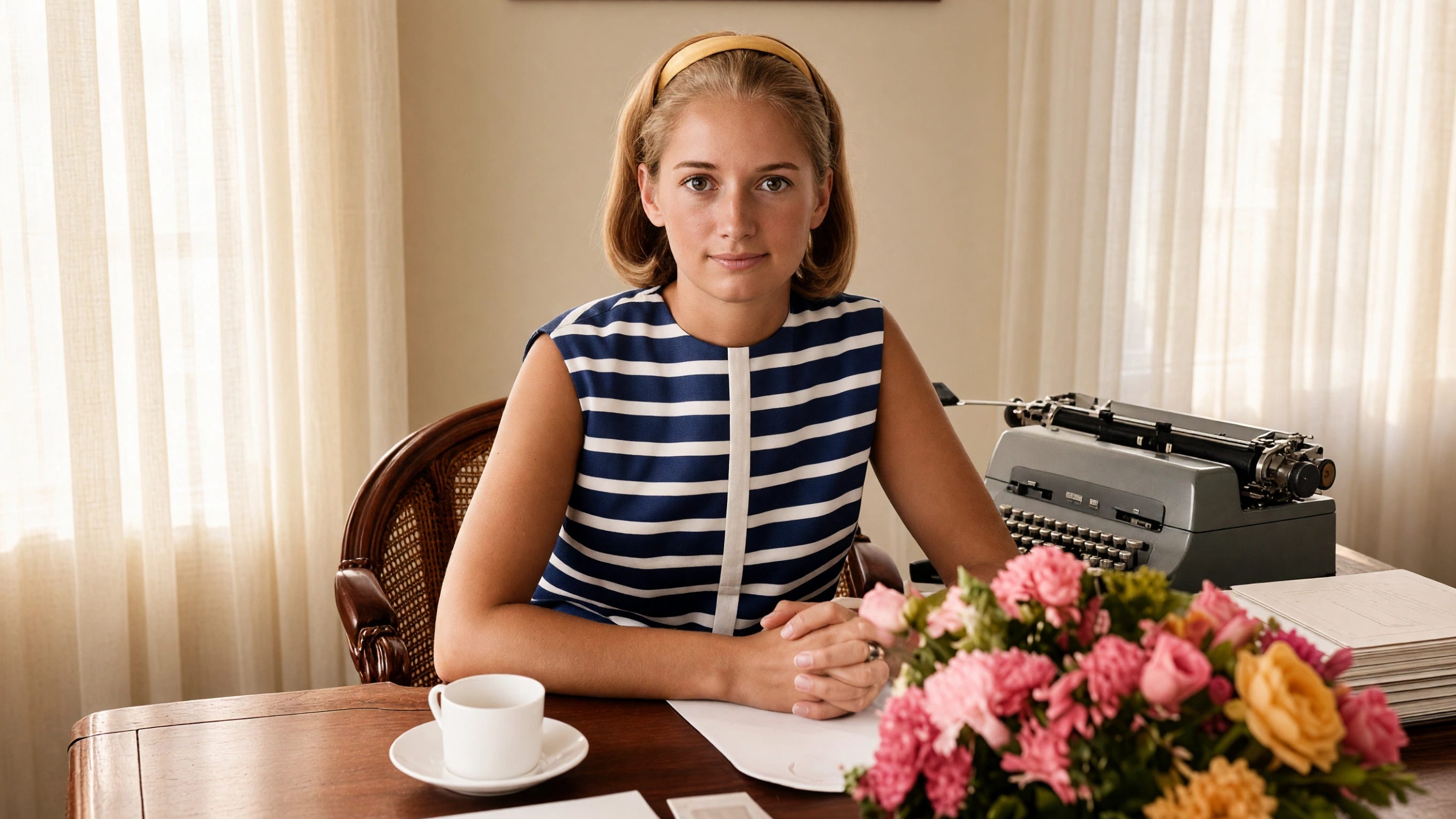
Mary Wells Lawrence’s story begins far from Madison Avenue, in a furniture salesman’s house in Youngstown, Ohio.
She was born Mary Georgene Berg on May 25, 1928, the only child of Waldemar and Violet Berg, and from the start, her parents pulled her in opposite directions.
Waldemar sold furniture, but his daughter remembered a different side of him. He drove an ambulance in the First World War, and the work marked him for good.
Mary grew up watching her father disappear.
“When he was not working,” she said later, “he was hiding.” Decades later, his daughter would pick up the same habit, for reasons of her own.
Violet pushed her toward the spotlight. Discouraged from pursuing an education of her own, she poured her unspent ambition into her daughter.
At five, Mary was already performing at the Youngstown Playhouse, and Violet filled her days with lessons in acting, dancing and music.
She was a shy child, but under the stage lights, the shyness never showed.
The stage eventually carried her out of Youngstown. When she was 17, Mary left Ohio for New York’s Neighborhood Playhouse, a school for actors, and later moved on to the Carnegie Institute of Technology in Pittsburgh.
There she met an industrial-design student named Bert Wells, and in December 1949, she married him. His last name became the one Madison Avenue would know, and she kept it long after the marriage ended.
The couple couldn’t stay together, and they couldn’t stay apart either: they divorced, remarried and then divorced a second time. Along the way, Mary had two daughters, Pamela and Katy, and they became part of what drove her to work.
She didn’t dress up her motives, either. Her memoir lists them plainly: little black dresses for herself, smocked dresses from Saks for the girls and an apartment she could barely afford.
Ambition like that needed an outlet, and advertising gave her one. It would make her rich, famous and powerful.
Yet, at the height of it all, she would disappear to protect a secret she kept from every client she had.
