
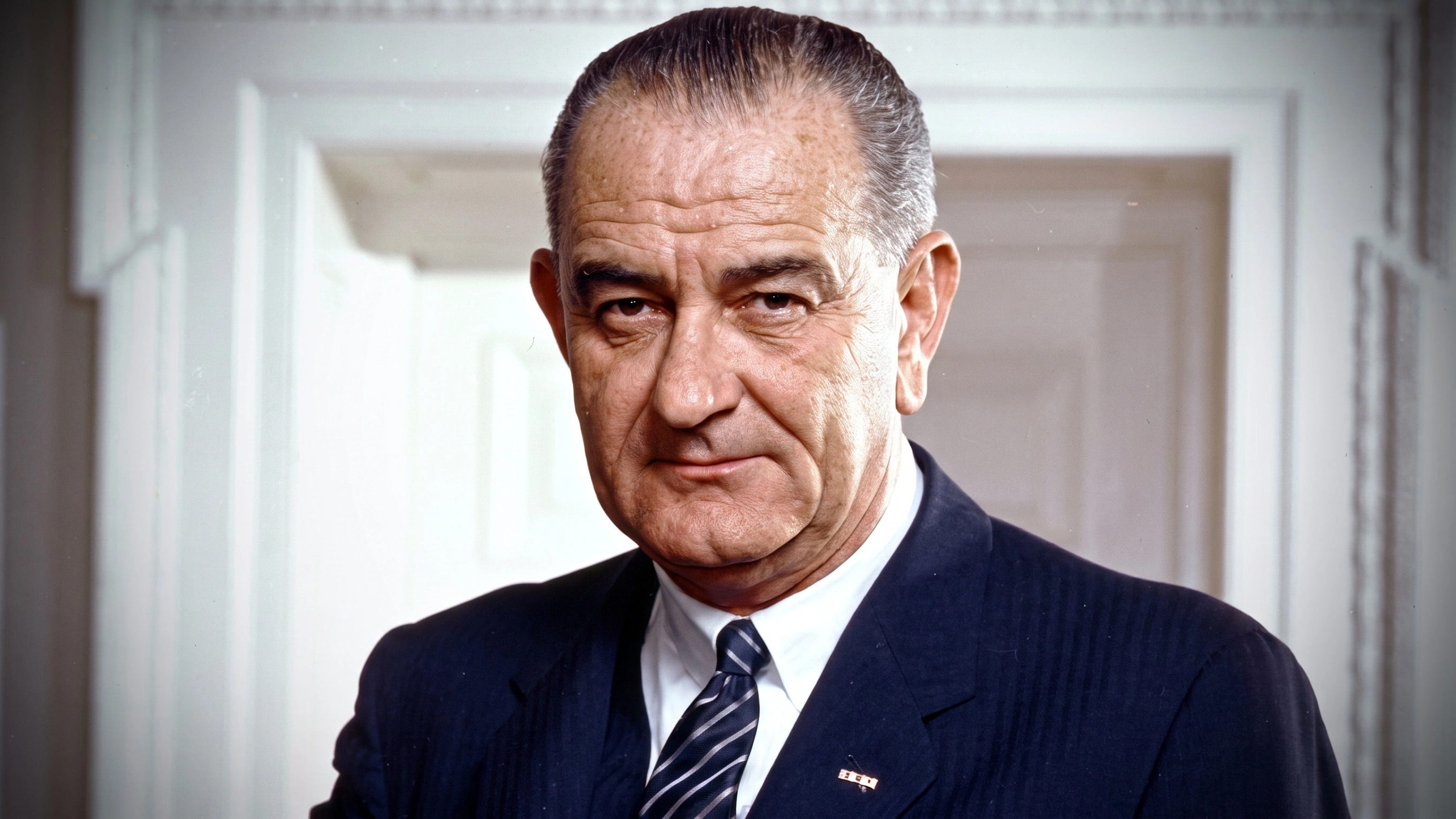
In 1951, on a golf course in Austin, Texas, a man called Mac Wallace shot John Douglas Kinser dead in broad daylight.
Mac was an “associate,” in the polite Texas sense of the word, of an ambitious senator named Lyndon Baines Johnson.
The killing was personal.
Both Wallace and Kinser had been involved with Johnson’s troubled sister, Josefa, and Kinser had allegedly used her to ask the senator for a loan.
Johnson, aware of how much his sister knew about him, reportedly took the request as blackmail.
Now, the murder trial that followed should have ended Wallace’s life. The jury found him guilty, and eleven of the twelve jurors voted for execution.
But take one look at who was helping Wallace, and the outcome makes more sense. Two of Johnson's financial supporters had paid his bail, and the lawyer sitting beside him in court was Johnson's personal attorney.
The judge suspended the sentence, and Wallace walked out of the courthouse a free man the same afternoon.
Twelve years later, Johnson was President of the United States.
The mysterious deaths around him kept coming, on his way up and long after.
In 1961 a federal investigator who refused to drop a case against one of Johnson's business associates was found with five bullets in his chest. It was ruled self-inflicted, and his truck was washed and waxed the very next day.
Six months later Josefa, the sister at the center of the golf-course killing, was dead too, buried on Christmas Day without the autopsy the law required.
Alleged murders can be explained away with legal sleight of hand, but a money trail is much harder to hide.
“LBJ” never earned more than $100,000 a year in public life, but he died worth $20 million, more than $120 million today.
And the road to that level of wealth leads to a man who claimed to belong to Johnson's murder ring offering to testify against him.
Hard, Scrabbling Poor
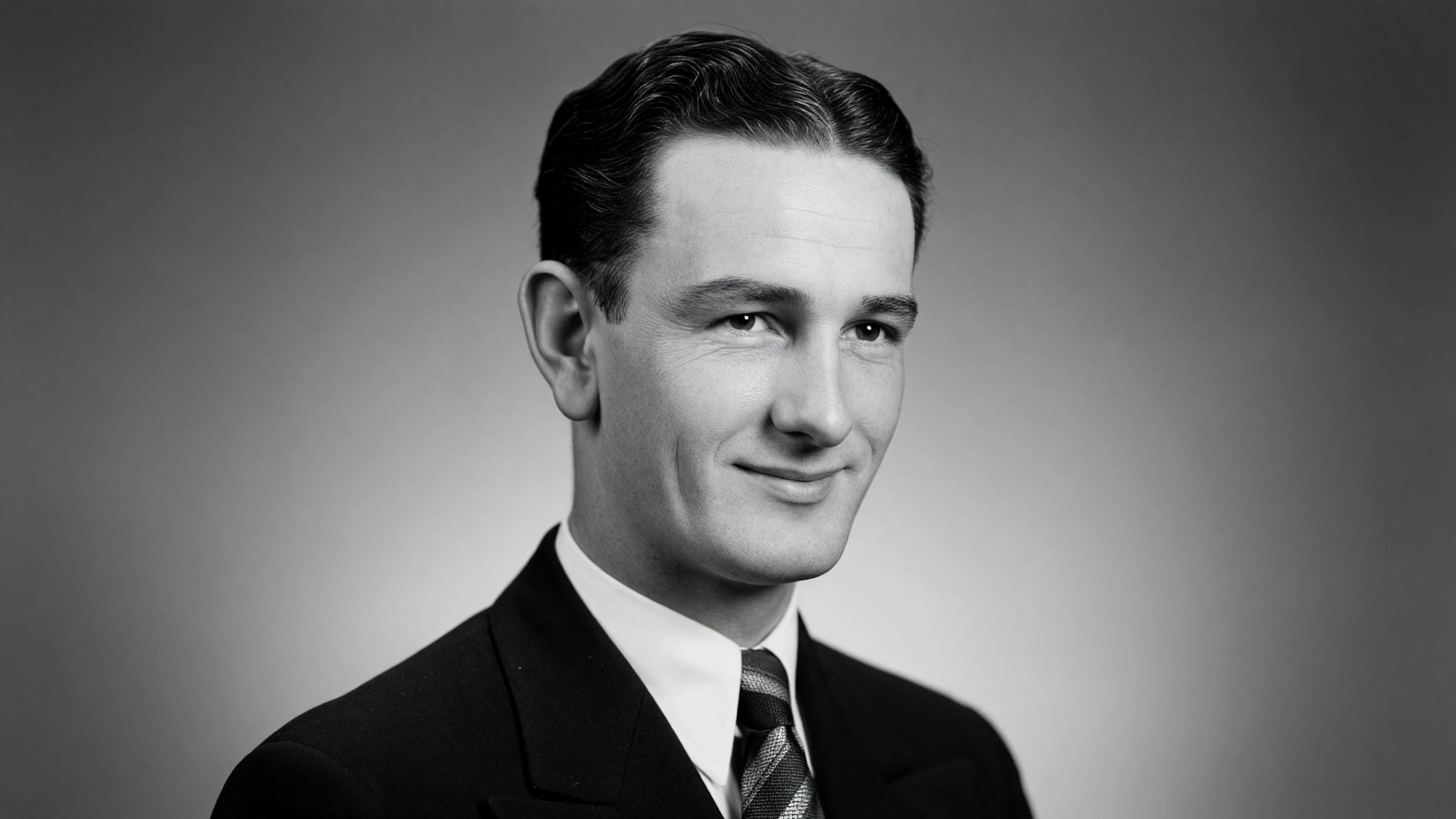
Long before anyone had to explain Johnson's money, there was none to explain.
Lyndon Baines Johnson was born on August 27, 1908, in a three-room farmhouse near the Pedernales River in Stonewall, Texas, in a corner of the Hill Country where drought and poverty decided more lives than ambition ever did.
He later called his childhood “hard, scrabbling poor,” and the description was accurate.
His father, Samuel Ealy Johnson Jr., had served in the Texas legislature before losing most of his money in cotton speculation, and the family slid from modest comfort to scraping by on whatever work he could find. Lyndon watched his mother, Rebecca Baines Johnson, a college-educated woman, hold on to her dignity in a house that could no longer match it.
The boy who watched his family lose its money would spend his life making sure he never lost his, no matter who got hurt.
At Southwest Texas State Teachers College he paid his way as a janitor, an office helper, and an assistant to the college president, and the last of those jobs says the most about him.
Even as a student, Lyndon had worked out that the quickest way up was to stand as close as possible to the man at the top.
Along the way, he taught Mexican-American children at the segregated Welhausen School in Cotulla, a small South Texas town, where the hardship made his own childhood look comfortable. He left the border country knowing exactly what he was running from, and a short spell at Sam Houston High School showed him the classroom was too small for what he had in mind.
By 1931, he’d maneuvered his way to Washington as secretary to Congressman Richard Kleberg, and he treated the job like an apprenticeship in power. He studied the machinery of influence with a scholar's dedication and grasped early that in Washington, connections could be converted into currency.
What he still needed was capital, and in 1934 he met a woman who had some.
Mr. Boss’s Daughter
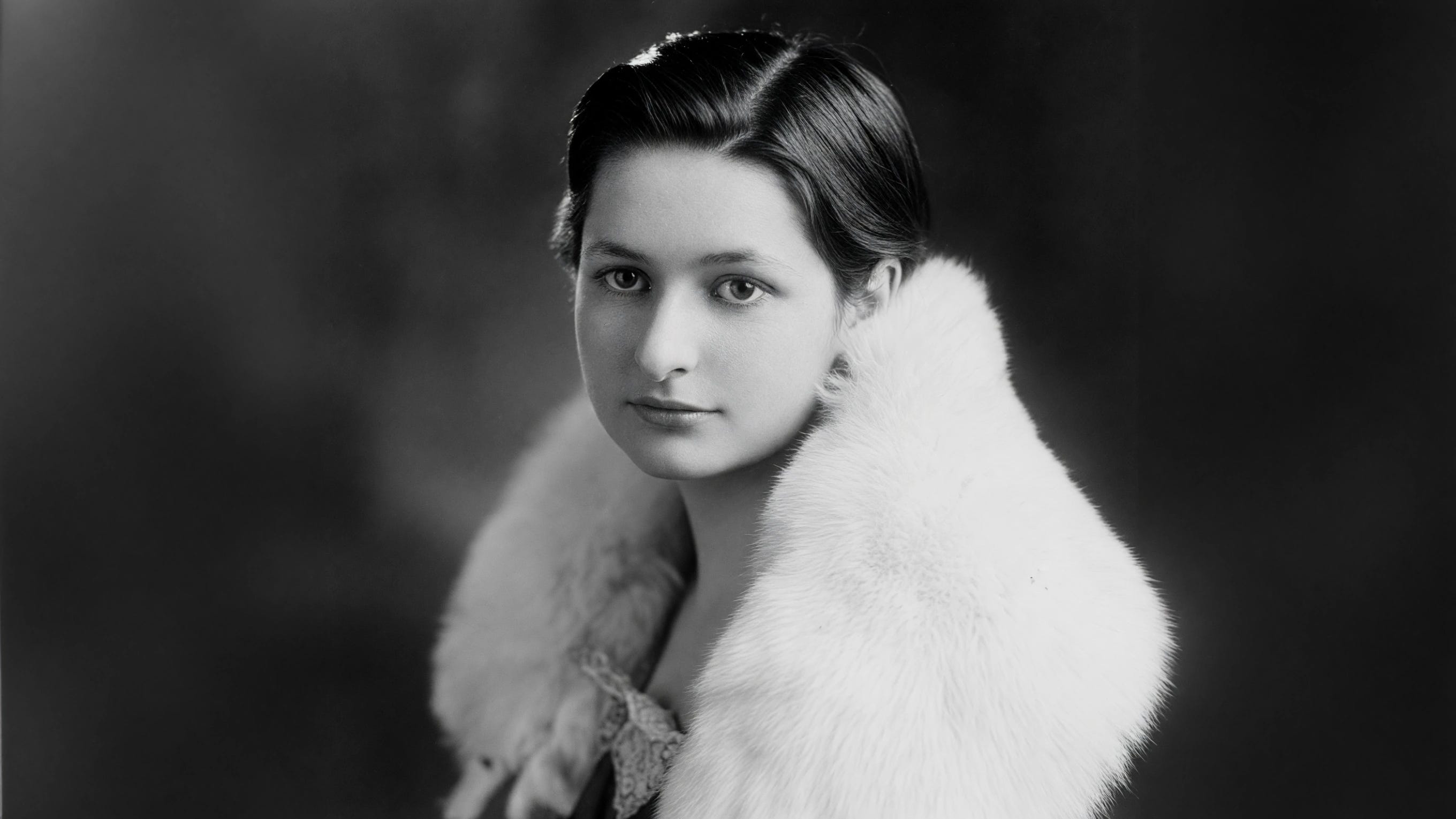
Claudia Alta Taylor, known to everybody as Lady Bird, came from money that had been made fast and held hard.
Her father, Thomas Jefferson Taylor, had risen from the son of a sharecropper to one of the most prosperous men in East Texas, with about 15,000 acres of cotton land, cotton gins, a commercial fishing operation, and two general stores trading under the sign “T.J. Taylor, Dealer in Everything.”
His methods were aggressive. He advanced money to struggling farmers at 10 percent interest and speculated heavily in land, and his business associates called him Captain Taylor while the Black sharecroppers who worked his fields called him Mr. Boss.
Lady Bird’s mother died in 1918 from complications of a miscarriage after a fall down the stairs, leaving her daughter about $67,000 and 2,900 acres of Alabama cotton and timberland.
It was roughly $1 million in today’s money and, as it turned out, the seed capital for a presidential fortune.
Now, the contrast with the Johnson household could hardly have been sharper. Where Lyndon’s father had failed in business, Lady Bird’s had succeeded spectacularly, and Taylor represented exactly what Lyndon meant to become, a self-made man who commanded respect through sheer financial force.
Lyndon proposed on their first date and married her seven weeks later, a whirlwind that reflected his urgent need to secure both emotional and financial stability at a single stroke.
But she brought more than money to the arrangement. She brought a willingness to invest in her husband’s ambitions, which for a man with a congressional aide’s salary was the rarer asset.
The marriage proved to be as much a financial partnership as a romance, uniting his political instincts with her inheritance and a business sense she had clearly inherited from her father, and together they built a formidable machine for making money.
Its first moving part was a radio station almost nobody else wanted.
A $17,500 Radio Station
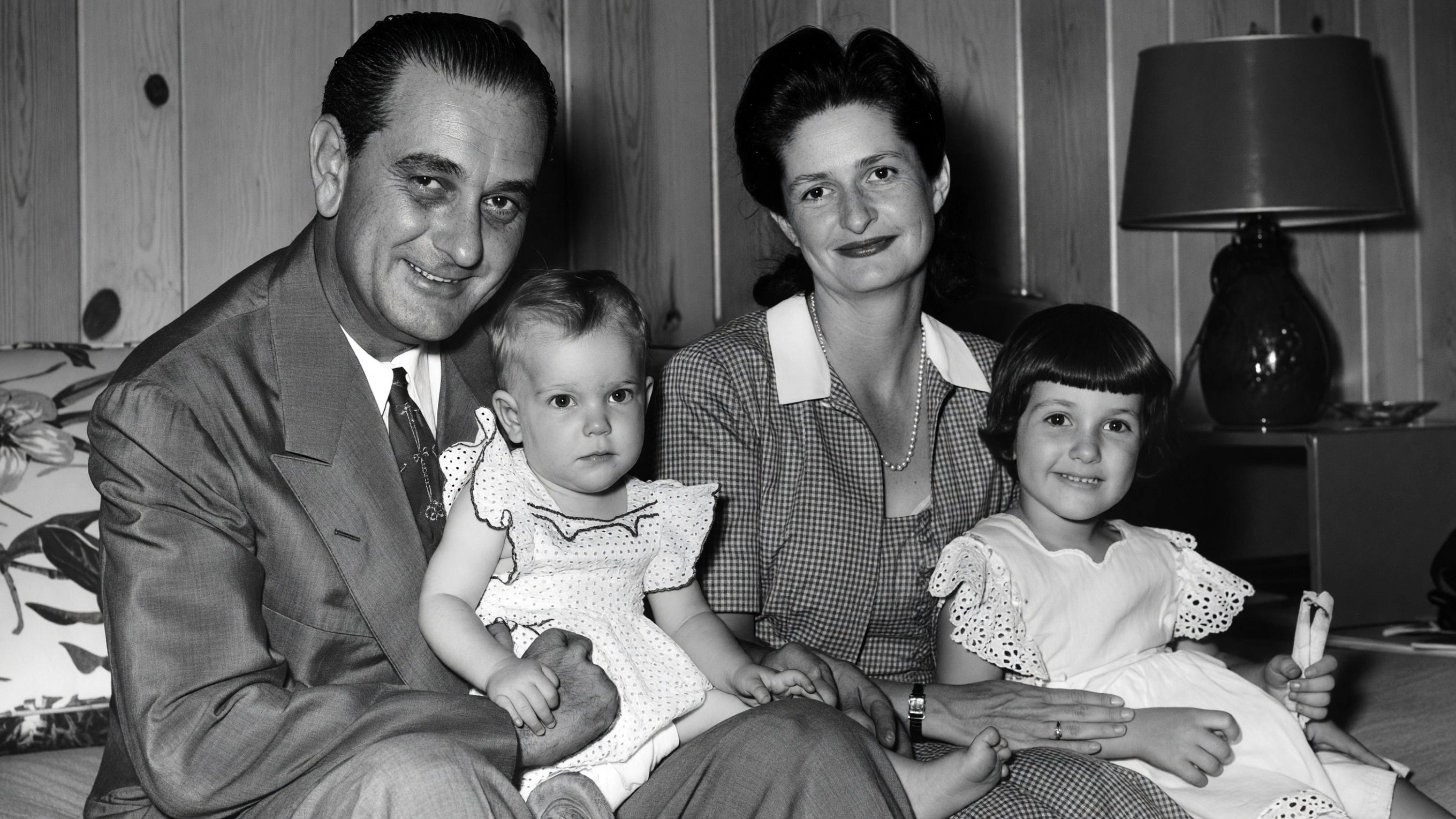
Instead, within months, federal regulators mysteriously began granting the Johnson-owned station favors no ordinary business could have hoped for, letting it reach more listeners, stay on the air longer, and operate without a single competitor in Austin.
Of course, the reason for those cushy deals was sitting in Congress. Former officials at the Federal Communications Commission later admitted they understood perfectly well that treating Lady Bird’s applications kindly would benefit her powerful husband.
And because everything was held in Lady Bird’s name, Lyndon could maintain the useful fiction that he had no involvement in the business and therefore no conflict of interest to declare.
A later Life magazine investigation in the 1960s put the family’s Texas Broadcasting Corporation stock alone at more than $2 million, and the full media empire would eventually be valued at over $150 million, all of it grown from that first $17,500.
Indeed, the station became a money machine, generating millions in revenue while its silent partner climbed the political ladder higher and higher. As Senate Majority Leader in the 1950s, Johnson’s reach over federal agencies peaked, and the station stayed protected. Its profits bought the LBJ Ranch and bank stocks and built the fortune that would mystify investigators.
But his pay packet explains none of it. As a congressman in the 1940s Johnson earned about $12,500 a year, and even the presidency paid him only $100,000 plus an expense account.
By 1960, when he joined John F. Kennedy’s ticket, the broadcasting business had made the Johnsons millionaires many times over. His critics would argue that protecting it required more than a friendly word at the FCC, and that it involved men who worked in the darker corners of Texas politics.
The most notorious of them was already a convicted murderer.
The Golf Course Verdict
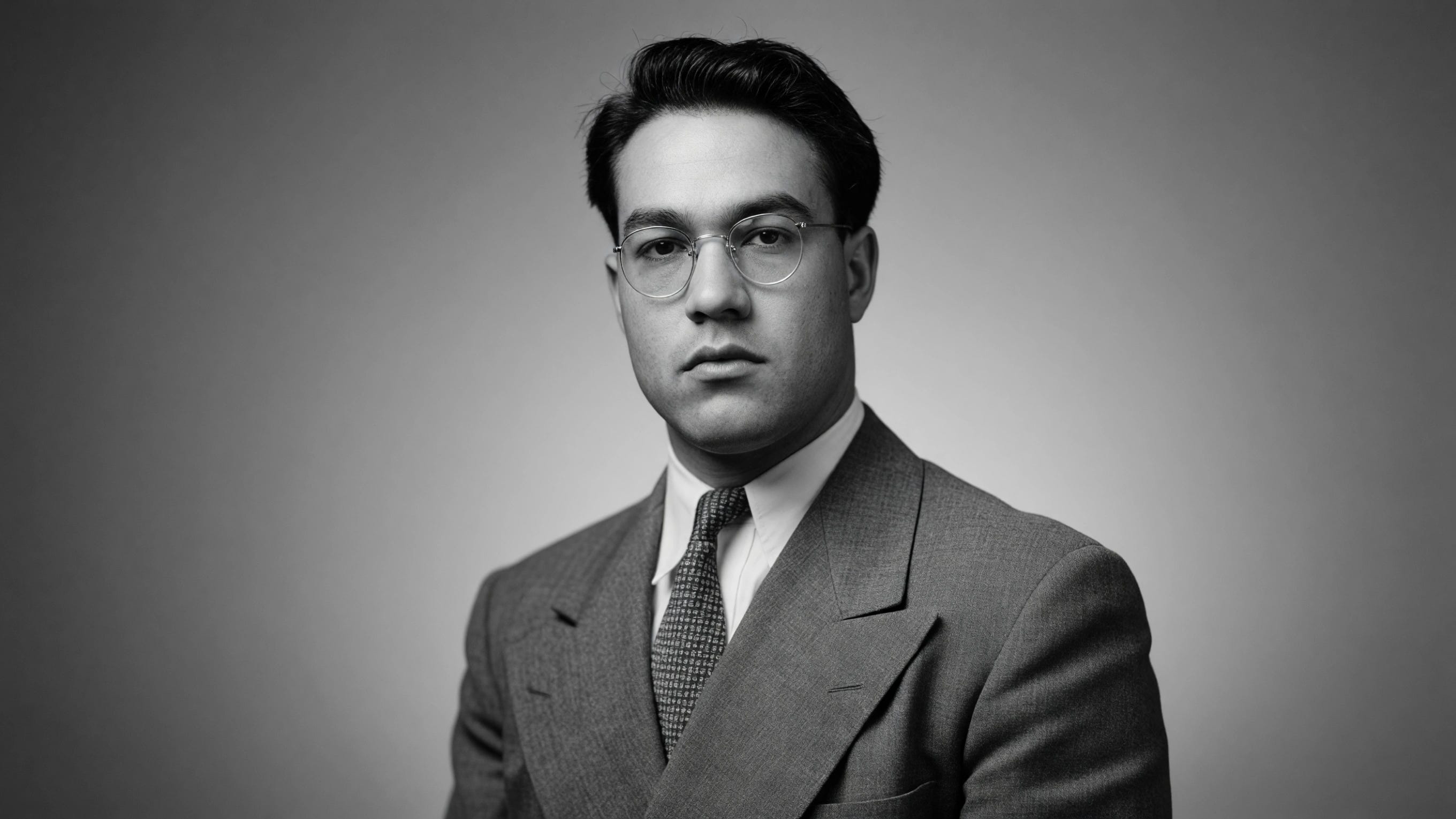
By the fall of 1951, Mac Wallace was a 30-year-old economist at the U.S. Department of Agriculture in Washington, and his marriage was falling apart.
The man he would kill, John Douglas Kinser, was a 33-year-old University of Texas student who ran a little pitch-and-putt golf course in Austin.
Kinser had reportedly been sleeping with Wallace’s wife, which gave Wallace the kind of motive any jury could understand.
The other rumor was the one that pulled in Lyndon Baines Johnson. His sister Josefa was said to be seeing both men, and she had allegedly told Kinser about some of her brother’s shadier dealings, which is what turned that loan request into something far more threatening.
Consequently, on the afternoon of October 22, 1951, Wallace, home in Texas on vacation, walked into the clubhouse of Kinser’s golf course and shot him. A golfer outside saw a man with a revolver, another wrote down the license plate of the getaway car, and highway patrolmen soon stopped Wallace on the road out of Austin, his shirt torn and bloodied. He refused to tell detectives why he’d done it.
The case against him was about as strong as a murder case gets, and his own lawyer made no attempt to dispute it.
When the trial opened in early 1952, Wallace never took the stand, and his attorney simply admitted the killing and told the jury it was revenge for the affair with Wallace’s wife.
The real story of that jury only came out later. According to the Texas Observer, several jurors telephoned Kinser’s parents to apologize, explaining that their own families had been threatened.
Wallace’s wife was the motive the jury heard. Johnson’s sister was the one his accusers would point to decades later.
The triangle ended with one man dead and the other free, and ten years later Wallace’s name would surface beside another body.
Five Bullets and a Washed Truck
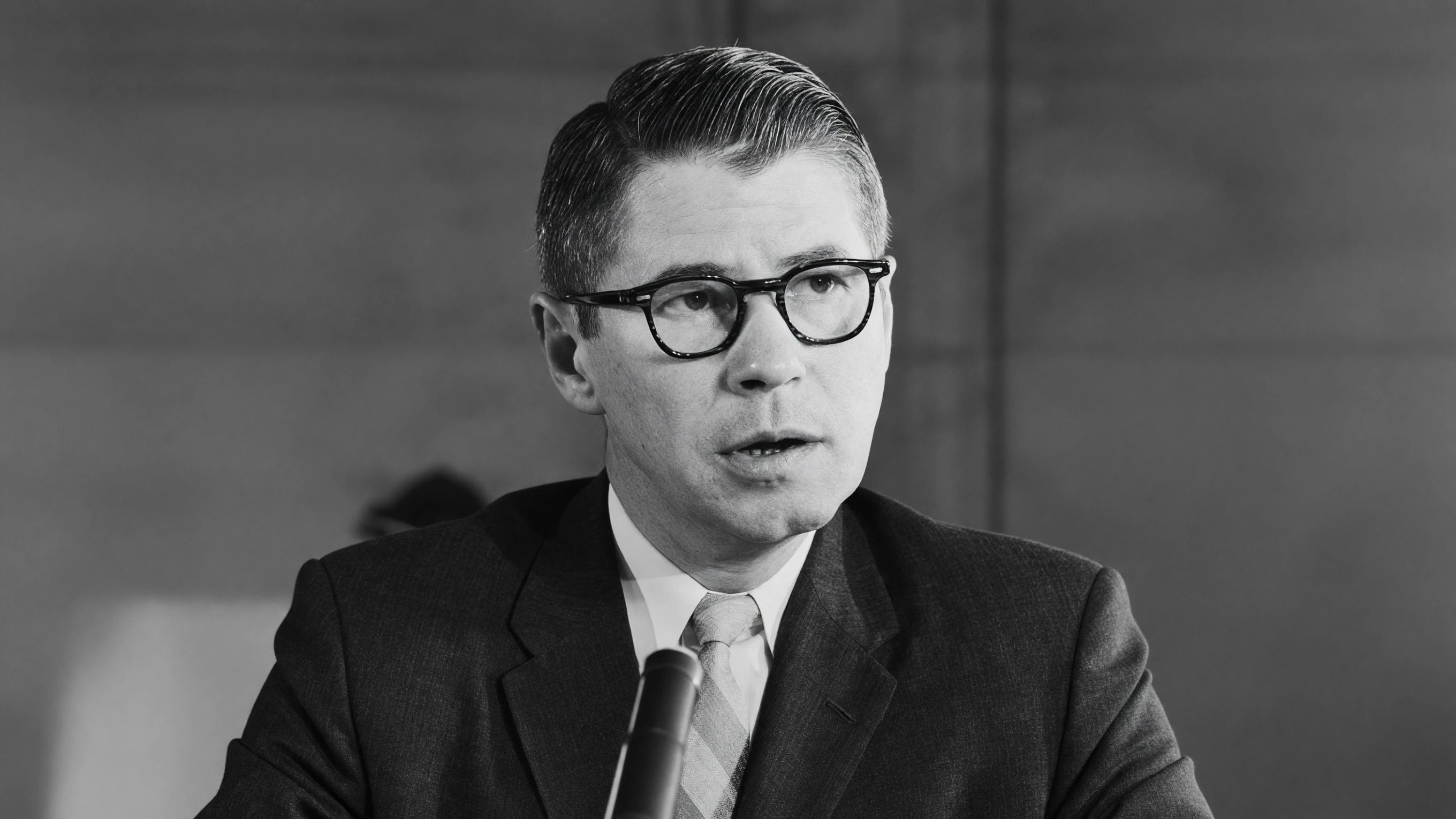
Henry Marshall was a dedicated official at the US Department of Agriculture, and in 1961 he was investigating Johnson’s associate Billy Sol Estes.
Estes had built an empire on phantom cotton allotments and fertilizer tanks that did not exist, collecting a reported $21 million a year from the government for cotton that lived only on paper, while kicking money back to political protectors.
But Marshall’s investigation threatened far more than Estes. It pointed toward the network of corruption that reached into Johnson’s inner circle, and when Marshall turned down a promotion to Washington that would have ended his work, his critics say his fate was settled.
On June 3, 1961, Marshall was found dead on his ranch with five bullet wounds to his chest and abdomen.
Local authorities, whom Johnson’s critics describe as answering to his network, then performed an astonishing feat of logic and ruled that a man had shot himself five times.
The investigation was a mockery of procedure.
Nobody took photographs, collected blood samples, or lifted fingerprints from the rifle, and Marshall’s truck was washed and waxed the next day, erasing whatever it might have shown.
Years later the body was exhumed, and a team of pathologists led by Dr. Joseph A. Jachimczyk concluded:
“From the reasonable medical probabilities, it was homicide.”
Marshall had been struck on the head hard enough to knock him unconscious and had bruises on his face before he was shot.
By then Wallace, whom Estes would later name in connection with the killing, was beyond the reach of any court.
Johnson, meanwhile, was on his way to the White House and a war that would make his friends a great deal of money.
The War Ledger
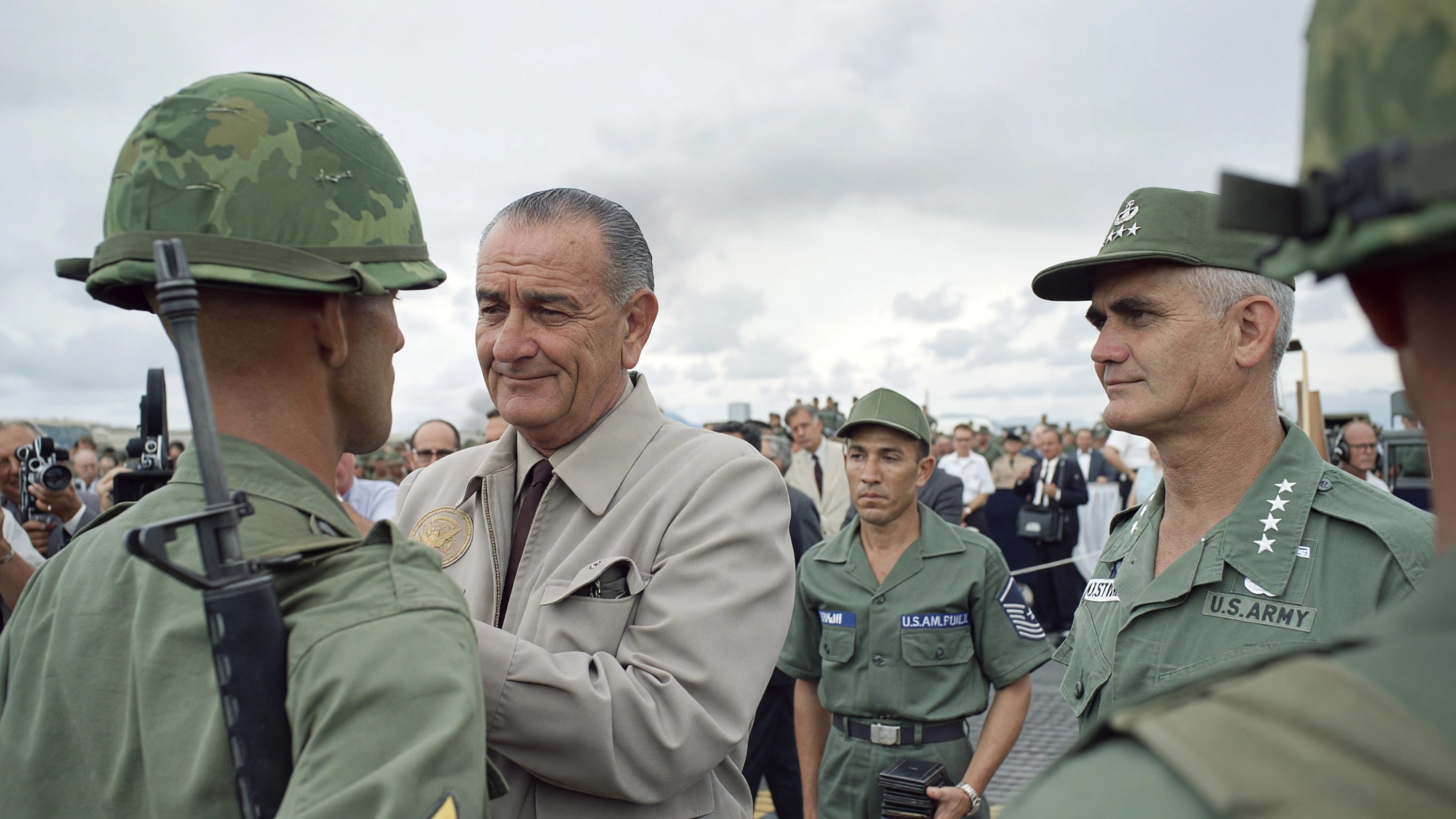
When Johnson escalated the war in Vietnam in 1965, the conflict turned into an enormous government shopping list, and private companies lined up to fill it.
More than 58,000 Americans would die in Southeast Asia, while contractors close to the administration made fortunes that shocked even Washington insiders.
For years, a rumor held that Lady Bird owned stock in Bell Helicopter, the company behind the Huey that became a symbol of the war. No proof of that holding has ever surfaced, but there is a more concrete through-line between wartime wealth and the Johnsons.
That connection came through Brown and Root, a Texas construction company with deep ties to Lyndon Johnson that later became part of Halliburton (yes, that Halliburton).
It’d backed Johnson’s campaigns since the 1930s and even helped with the radio station purchase. Johnson, in turn, had already rewarded that loyalty.
During the World War 2, he helped the company win Navy contracts to build warships, even though it had never built so much as a canoe.
Decades later, in Vietnam, Brown and Root became part of a consortium called Vietnam Builders, which received nearly $2 billion in military construction contracts.
Much of that work was done on what were called cost-plus contracts. In plain terms, the government paid whatever a company said it spent.
Thus, the more a job “cost”, the more the contractor made, and the biggest contracts kept going to the same small circle of well-connected firms.
But questions about where government business ended and political influence began were already familiar territory around Johnson.
In 1963, Bobby Baker, a Senate aide who had worked alongside Johnson for years, was caught arranging bribes and government contracts, and the Senate investigation into Baker was quietly dropped once Kennedy’s assassination put Johnson in the White House.
In the 1960s, politicians did not have to publish the kind of financial disclosures they file today, so many possible conflicts were never recorded at all.
What nobody could dispute was that Johnson left the presidency far richer than any government salary could explain, and several people who might have explained it were already gone.
The Bedroom Floor
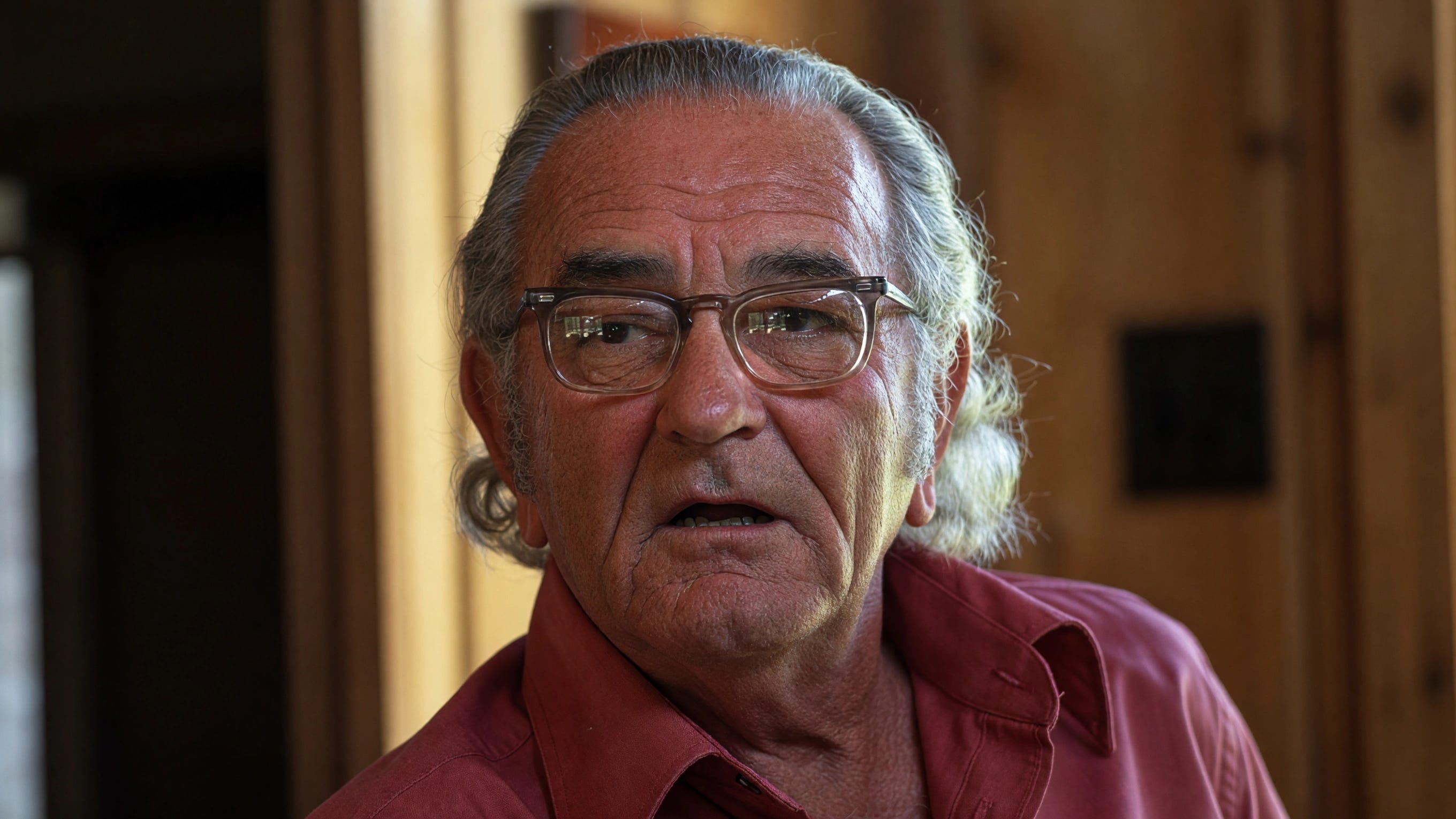
One of them was his own sister, Josefa, whose death in 1961 had never been properly examined. Another was Mac Wallace, the golf-course killer from 1951, who died in a car accident in 1971 without ever testifying about what he knew.
On January 22, 1973, Lyndon Johnson collapsed at his ranch with a heart attack, clutching his chest as he fell to the bedroom floor.
He was 64 and had survived four earlier heart attacks, but this time he was alone.
Lady Bird was in Austin, and the Secret Service agents who reached him found him already dead.
He’d come a long way from the small Texas farmhouse where he was born.
He died one of the richest presidents in American history, surrounded by wealth he’d spent a lifetime insisting belonged to his wife.
The ranch stretched across thousands of acres of prime Texas land, with its own landing strips and prize cattle, and the broadcasting business was still making money, protected by influence he had cultivated for four decades.
In Lady Bird’s careful hands, the fortune he left would grow larger still. She lived another 34 years and became one of the most respected philanthropists in Texas, and in time the ranch went to the National Park Service and much of the money went to charity.
The questions about how he made his fortune outlived him, just as they had outlived several of the people who might have answered them.
Eleven years after the funeral, one of the men at the center of those questions finally tried to answer them himself.
The Letter of 1984
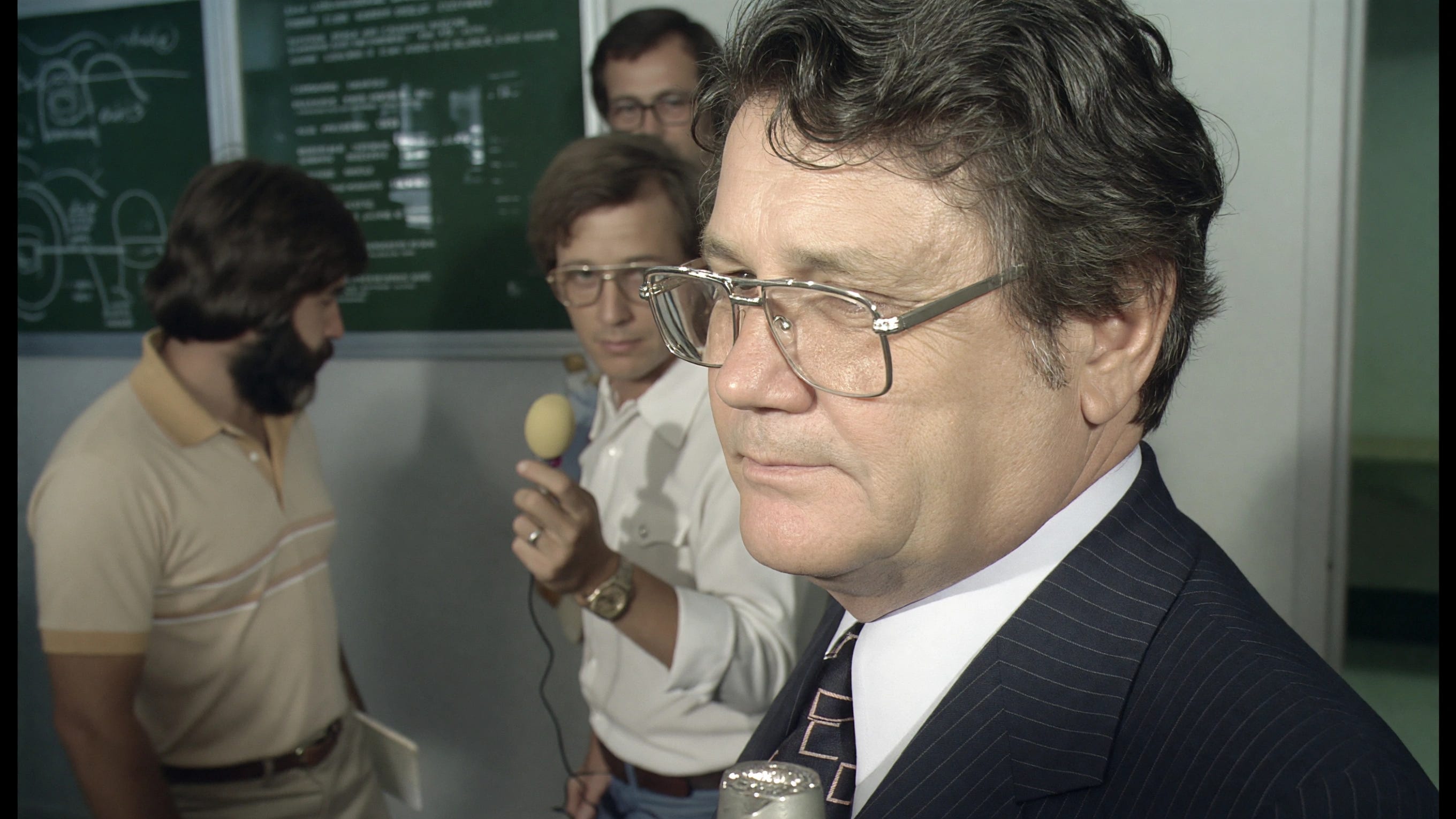
The man stepping forward was Billy Sol Estes, the Texas businessman whose fraud Henry Marshall had been investigating before Marshall was found dead.
Estes had since served time in prison, and in 1984 his lawyer, Douglas Caddy, wrote to the U.S. Department of Justice with an offer.
According to the letter, Estes was ready to testify that Johnson had ordered a string of murders.
The orders, he said, passed through Cliff Carter, a longtime Johnson political aide, to Mac Wallace, who carried them out.
The victims Estes named included Henry Marshall, Josefa Johnson, and John Kinser, and he also claimed the group had played a part in the assassination of President Kennedy. He described a four-man ring made up of Johnson, Carter, Wallace, and Estes himself.
Estes said that after his release from prison in 1971, he met Carter and the two talked over the crimes they had shared. Carter had supposedly kept a list of 17 murders the group had committed, including some victims Estes had never heard of, and a man named Kyle Brown was said to have been present at that meeting.
Caddy’s letter also pointed to Clint Peoples, a former Texas Ranger and U.S. Marshal, who claimed to have evidence tying LBJ’s man Mac Wallace to the Kennedy assassination. Peoples died in a one-car accident in 1992 before he could produce it.
Six years later, in 1998, forensic experts claimed that a fingerprint found at the Texas School Book Depository, the building Lee Harvey Oswald fired from, matched Wallace’s.
None of it was ever tested in court, and every claim depended on witnesses with motives of their own, above all Estes, a convicted fraudster with every reason to bargain.
The one man who could have answered for all of it was long dead, and what he left behind was the fortune itself.
Most wealth in America begins with something a family makes, digs, or owns. The Johnson fortune began with a government license, the right to broadcast in a city where nobody else was allowed to, and a fortune built on permission has to be guarded by power.
Whatever Mac Wallace, Henry Marshall, and Josefa Johnson knew about how that guarding was done, it was buried with them.
I always thought LBJ made his money the old fashioned way. By marrying it.
I appreciate this. Thank you. I remember hearing all of those names on the news, but didn't understand what happened at the time.