
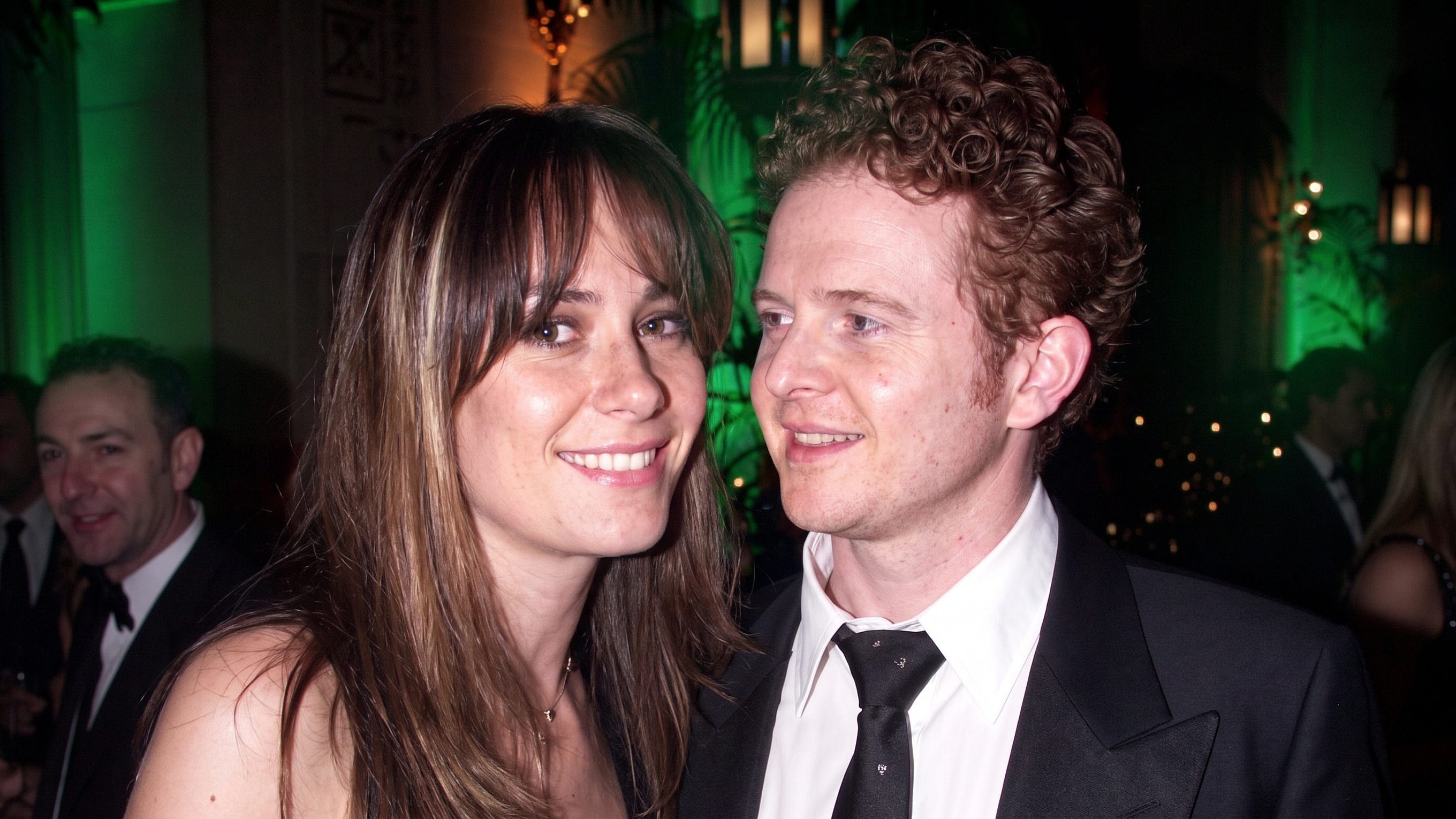
On a February afternoon in 2017, a cleaner let herself into a flat on Bramham Gardens in South Kensington and found 1990s London’s “It Girl” Tara Palmer-Tomkinson dead inside.
She was 45, and police called the death unexplained, though nothing about the scene looked suspicious.
Twenty years earlier, her face sold sunglasses, sports cars, designer gowns, and even fried chicken… all because of a single photograph taken on a Swiss ski slope.
She grew up on a 1,200-acre estate in Hampshire, skied every winter beside the heir to the throne, and had a trust fund that should have guaranteed her a lifetime of luxury.
Instead, she spent the late ‘90s fronting a famous newspaper column that someone else secretly wrote while feeding a drug habit the papers priced at £400 a day.
Yet her real story is stranger than the headlines.
It runs through an avalanche that nearly killed her mother on a royal ski trip, a nose rebuilt with cartilage from her own ear, and a will written for children who never arrived.
The Kiss at Klosters
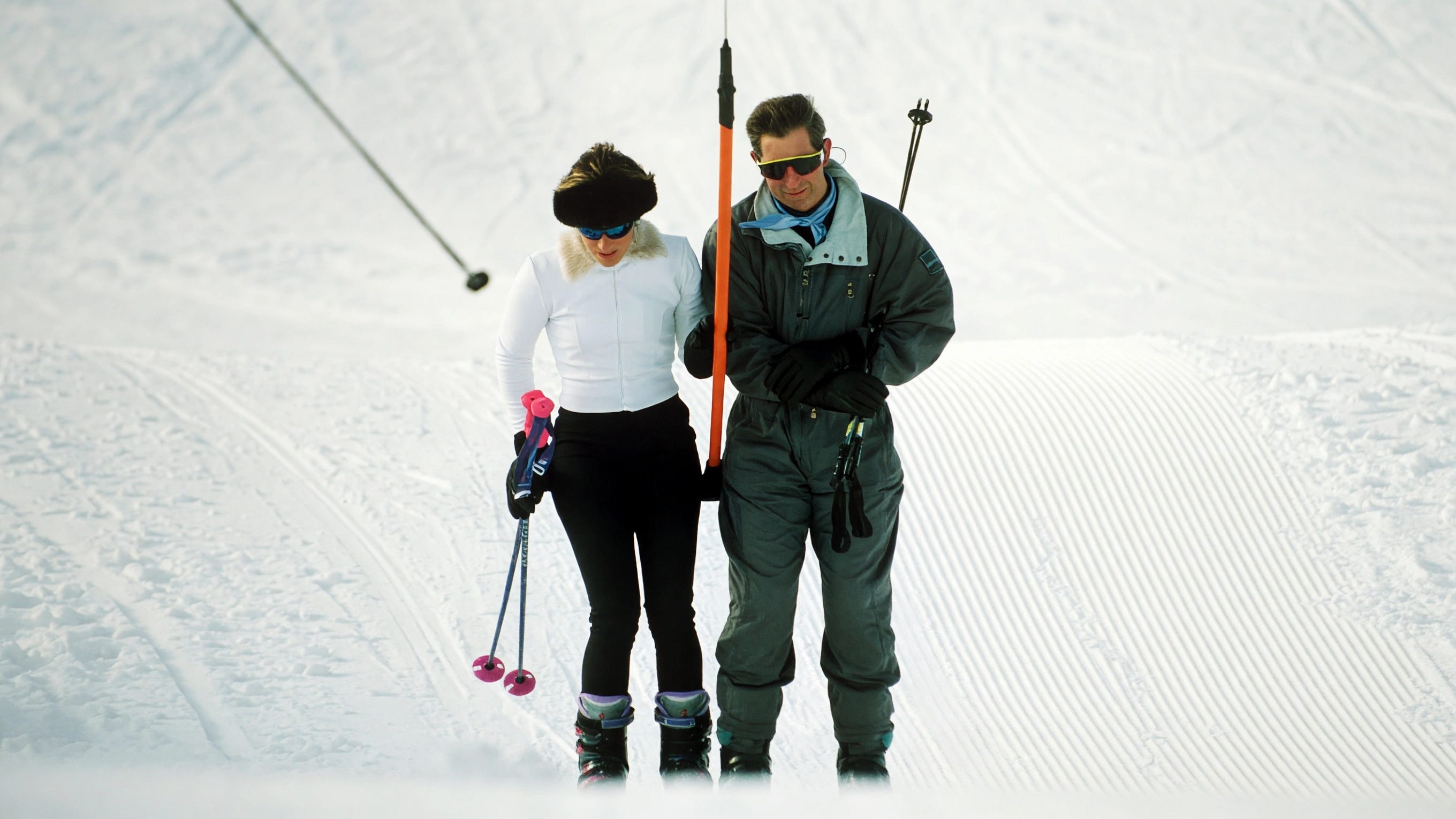
Every winter, the royal skiing party arrived in Klosters with the paparazzi close behind, and every winter the palace tried the same bargain.
Let the photographers get their pictures, and perhaps they’d leave Prince Charles in peace.
In the mid-1990s, the bargain backfired.
Charles, then living through the long wreckage of his marriage to Diana, was skiing with family friends, and among them was a young woman in a skintight ski suit, blonde, long-legged, and completely unknown to the public.
When the future king greeted her with a friendly kiss on the cheek, the British press went into a feeding frenzy.
Within a week, the whole country knew her name, and Tatler christened her an “It girl,” reviving a label first pinned on Clara Bow, the silent film star of the 1920s.
Tara would spend the next 20 years trying to collect on the compliment while outrunning the insult.
The attention was dizzying, and for a girl earning a pittance as a fashion assistant, it was also worth a fortune. And the brands understood her value before she did.
Ray-Ban phoned and asked her to wear its sunglasses on her next trip to Klosters. Mazda handed her a sleek black sports car in exchange for being seen behind the wheel, and Prada, Chanel, Versace, and Dolce & Gabbana lined up to dress her.
At one stage, her face was even selling Kentucky Fried Chicken and a range of celebration crisps.
She later boasted that she’d kissed Prince Charles every day since she was four.

The line was untrue, yet it was the most honest advertisement she ever gave, because the royal friendship was the asset behind everything else.
The press also adored the contrast between Tara’s pedigree and her behavior.
Tara came from the most buttoned-up corner of the English countryside and behaved as if nobody had ever told her the rules, always good for a photo and a quote.
That combination gave her power, and it also set a trap.
The public that loves a girl for being outrageous rarely forgives her when the outrage turns into illness.
Today, the man who kissed her that morning wears the crown as King Charles III, while the girl he kissed has been gone for nearly a decade.
Yet the same mountain that made Tara famous had nearly taken her mother years earlier, when an avalanche swept through a royal ski party and the prince himself clawed through the snow to save her.
The Avalanche
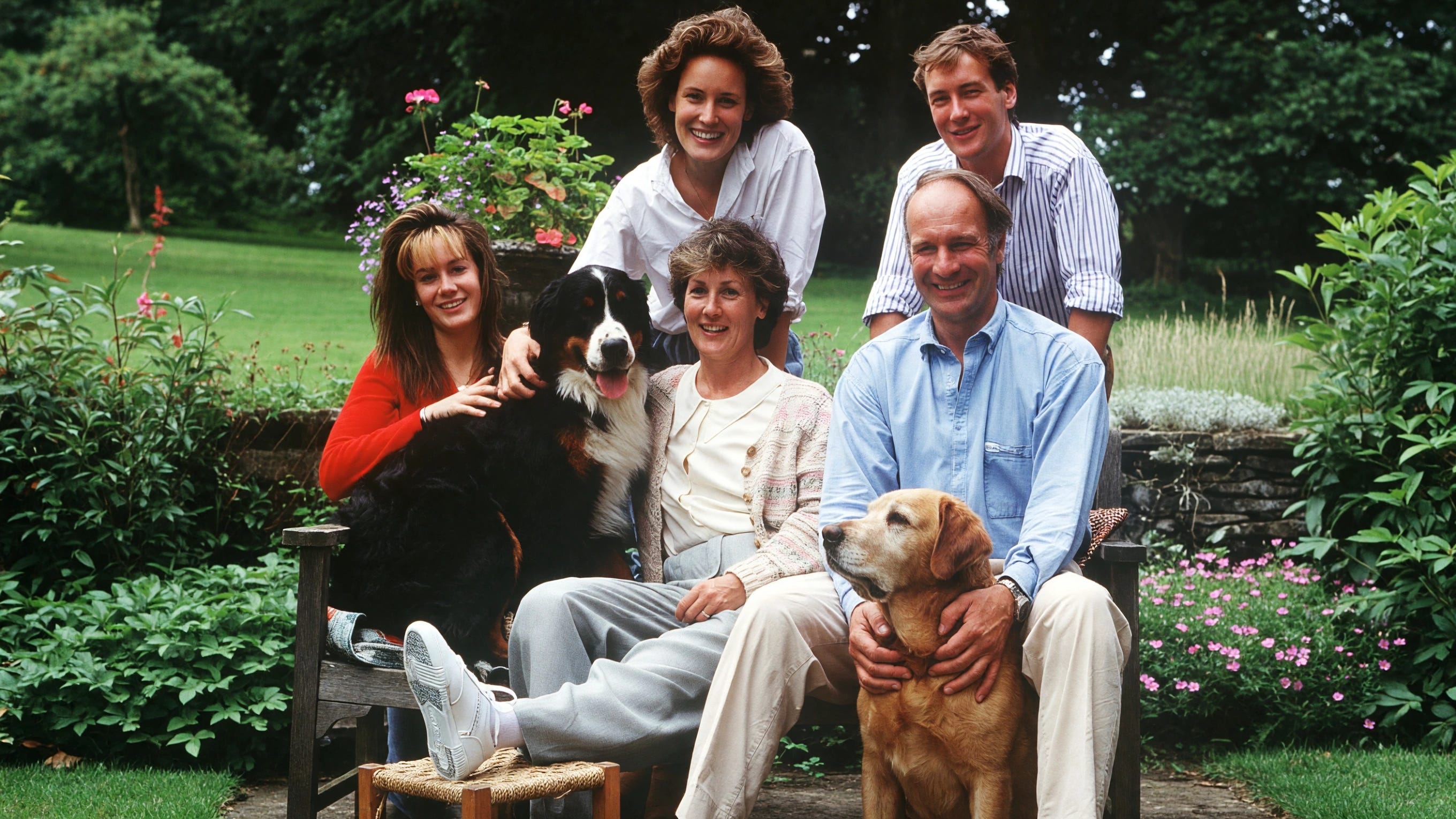
Tara Palmer-Tomkinson was born in Basingstoke on December 23, 1971, the youngest of three children in a family whose money came from land and whose prestige came from snow.
Home was Dummer Grange, a Hampshire estate where childhood meant ponies, riding competitions, and long weekends of shooting parties.
Her father, Charles, skied for Great Britain at the 1964 Winter Olympics, and in the 1970s he taught the young Prince of Wales to ski, beginning a friendship that would carry the family onto royal holidays for half a century.
Her mother, Patti, a former model, met him while working as a chalet girl in Switzerland, so even the family romance began on a mountain.
Tara and her siblings grew up on royal holidays at Klosters, Balmoral, and Sandringham, alongside the young Princes William and Harry.
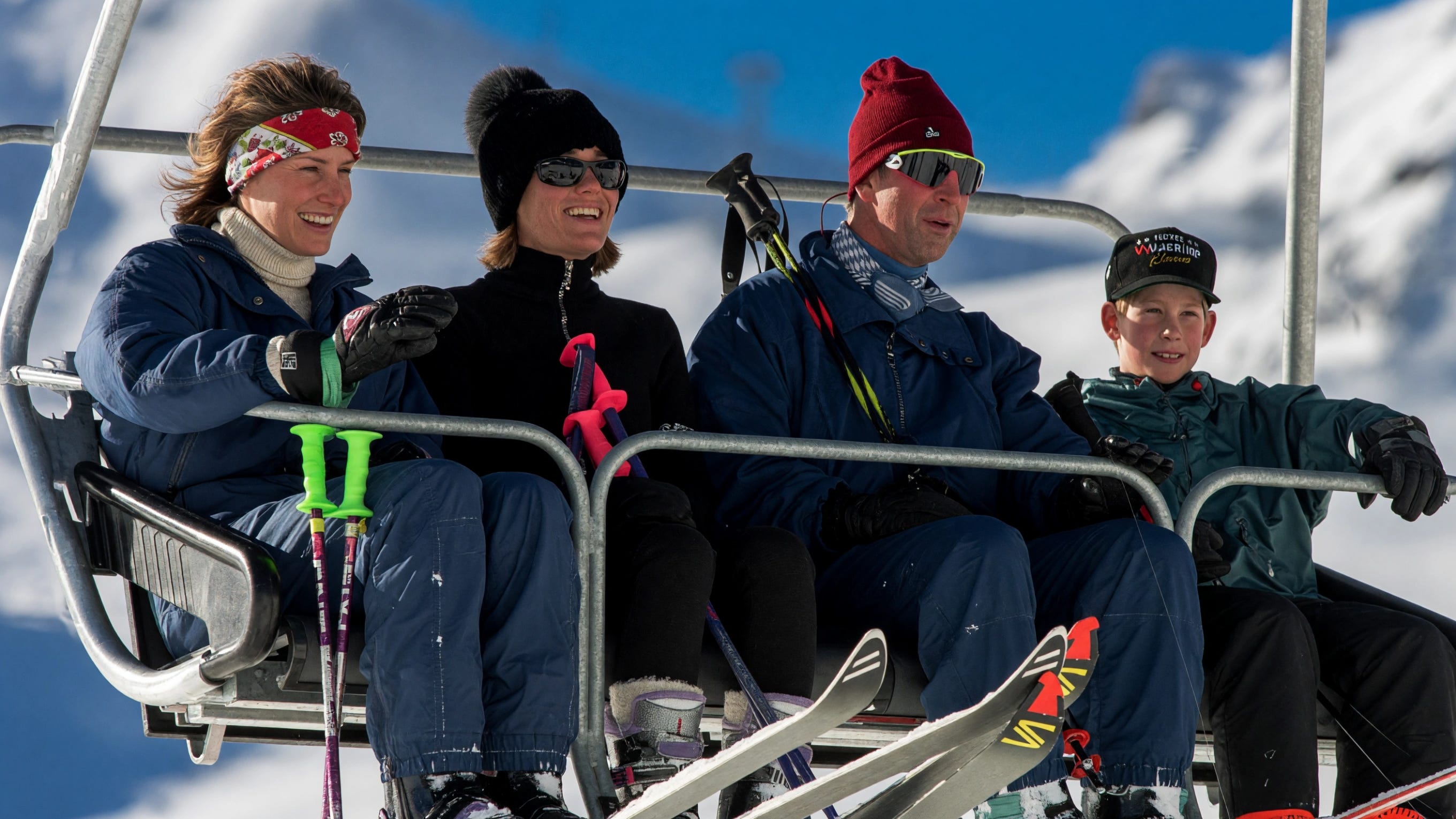
As a schoolgirl, she dreamed of becoming a concert pianist, and she had real talent, yet she never reached the top grade. “I couldn’t be bothered with all the boring technicalities of scales and arpeggios,” she explained years later.
In March 1988, an avalanche nearly killed Tara Palmer-Tomkinson’s mother.
On March 10, 1988, Prince Charles led a small party off the marked runs on the Gotschnagrat, a notorious slope, on a day when the Swiss warned of avalanche danger.
Skiing with him were Charles and Patti Palmer-Tomkinson, a former royal equerry named Major Hugh Lindsay, and a mountain guide named Bruno Sprecher.
The group stopped on the slope when a wall of snow broke loose above them. Most of the party threw themselves clear, but Lindsay and Patti were swept away, Lindsay carried roughly 400 meters down the mountain and Patti buried somewhere below.
Sprecher reacted first. He called for a helicopter, found Patti with a search device, and began mouth-to-mouth, then handed the prince a shovel and went to look for Lindsay.
Charles dug, and when he feared the blade might cut into her, he threw the shovel aside and kept digging with his bare hands. Patti survived with two broken legs, but Hugh Lindsay was declared dead on arrival at the hospital in Davos, leaving behind a wife who was six months pregnant.
Tara was 16, old enough to understand that her mother nearly died on a royal holiday.
Yet the friendship with the prince only deepened, and the Palmer-Tomkinsons kept returning to Klosters every winter.
When the cameras finally found her at that same resort, Tara was already living in London, and she had no intention of ever going back to the farm.
Yah

After school, Tara skipped university for a dance and drama course in London, a choice that showed how badly she wanted a stage of any kind.
Then came a job assisting a stylist at Tatler for a wage only a girl with a family estate behind her could afford to accept.
By the mid-1990s, she was moving through London’s nightclubs on the arms of rich, handsome boyfriends, including Duran Duran’s Nick Rhodes.
She was also the rare society girl who liked the press.
She chatted with photographers outside clubs, treated journalists as co-conspirators, and was always ready with a quote for the next morning’s paper.
When the Klosters pictures hit the front pages, that anonymous fashion assistant became a public figure overnight. She was paid less in cash than in dresses, cars, and holidays, each one arriving with a polite request to be seen and photographed.
Tara was the original “influencer” of 1990s London, and she did it all without a phone in her hand.
Then The Sunday Times came calling. Its editors interviewed her for the style pages, liked what they saw, and realized she’d be worth far more writing about the parties than being written about at them.
Tara Palmer-Tomkinson’s famous newspaper column was written by someone else.
The section’s editor, Jeremy Langmead, offered her a column of her own, but there was a catch. Tara could talk for hours and make almost anyone laugh, yet sitting at a desk to produce polished prose was another matter.
So every week, she picked up the phone and described her parties, premieres, and catwalk shows to the author Wendy Holden, who shaped the stories into finished copy.
The column ran under Tara’s name, eventually under the title “Yah,” and Langmead was untroubled. “What is important,” he said, “is that Tara lives the column.”

She lived it at a pace that alarmed the people around her, sometimes hitting three cocktail parties in a single night.
“A lot of people think I am the person I write about,” she said. “They don’t realize that half the time I’m putting myself down.”
Soon, the press mocked Tara Palmer-Tomkinson for a column she didn’t write.
In April 1997, a reader sent the paper a letter that outlived most of the columns: “I note Tara Palmer-Tomkinson is on holiday. This is as opposed to what exactly?”
Yet a year later, society journalists gave her a writer of the year award, even as rumors spread that she didn’t write a word. Her byline spread to The Spectator, GQ, and Tatler, until one affronted Spectator insider complained, “We have created Piltdown bimbo,” comparing her to the most famous hoax in British science.
Tara absorbed the mockery with a smile in public, and in private she began reaching for something that made the smile easier to hold.
Emotionally Bankrupt

By the spring of 1999, Tara had attended some 2,000 parties in three years, yet the daughter of a man who owned 1,200 acres of Hampshire was often short of cash.
Much of the family money sat in a trust fund she couldn’t touch until 30, and the column advances that filled the gap vanished so fast that her credit cards were eventually taken away.
Underneath the act was a classically trained pianist with a quick mind who felt, in her own words, that she’d never earned any of it.
That insecurity followed her into every party, and 1990s London offered an expensive cure. “C*caine comes round with the canapés at a lot of the parties in London,” she said.
Tara Palmer-Tomkinson’s cocaine habit nearly killed her.
She blamed the first line on love: “I couldn’t say no to the man I was in love with.”
Over six years, the habit grew to an estimated £400 a day, and she hid it by telling hosts she needed to go move her car.
The worst night came alone in her flat, after a binge so heavy she believed her heart would stop. “I remember timing my heart because I knew it was going to stop,” she said, describing how she crawled across the floor to reach a telephone, then woke up in a hospital bed.
At her lowest, she lay in the flat for three days, unable to move.
The drug left her so numb that she put cigarettes out on her own hand because she couldn’t reach the ashtray, and she blistered herself in hot baths without feeling the heat.
Makeup was smeared across the kitchen, and stagnant water sat inside the dishwasher. Every Sunday, meanwhile, her name still ran above a cheerful column about champagne.
Her parents agreed to pay for a month at a clinic in Arizona, but Tara had one more booking first, on a BBC chat show.
One evening in April 1999, she sat down beside the comedian Frank Skinner, in no condition to follow a conversation. She slurred her words, forgot her host’s name, and shouted, “I want a car. Who’s going to give me one?”
Moments later she told him, “My brain cell has just packed up again,” and Skinner replied, “I know. I could see it sparkle.”
Within days, Tara Palmer-Tomkinson’s addiction was national news.
“The press in this country is only happy if you are successful for a day,” she said bitterly. “Then they tear you down.”
Before leaving for Arizona, she met an American writer for lunch at the Oxford and Cambridge Club on Pall Mall and ordered another glass of white wine.
“I’m emotionally bankrupt,” she admitted, then softened it with a joke: “Then again, who wouldn’t be with my schedule?”
That night, she faltered for a moment in front of the photographers outside a party on the King’s Road, then flashed a gallant smile and strode inside. Days later, she checked into the Meadows, a treatment center in the Arizona desert.
For the first time in years, the woman who lived the column had nothing to report.
The Jungle
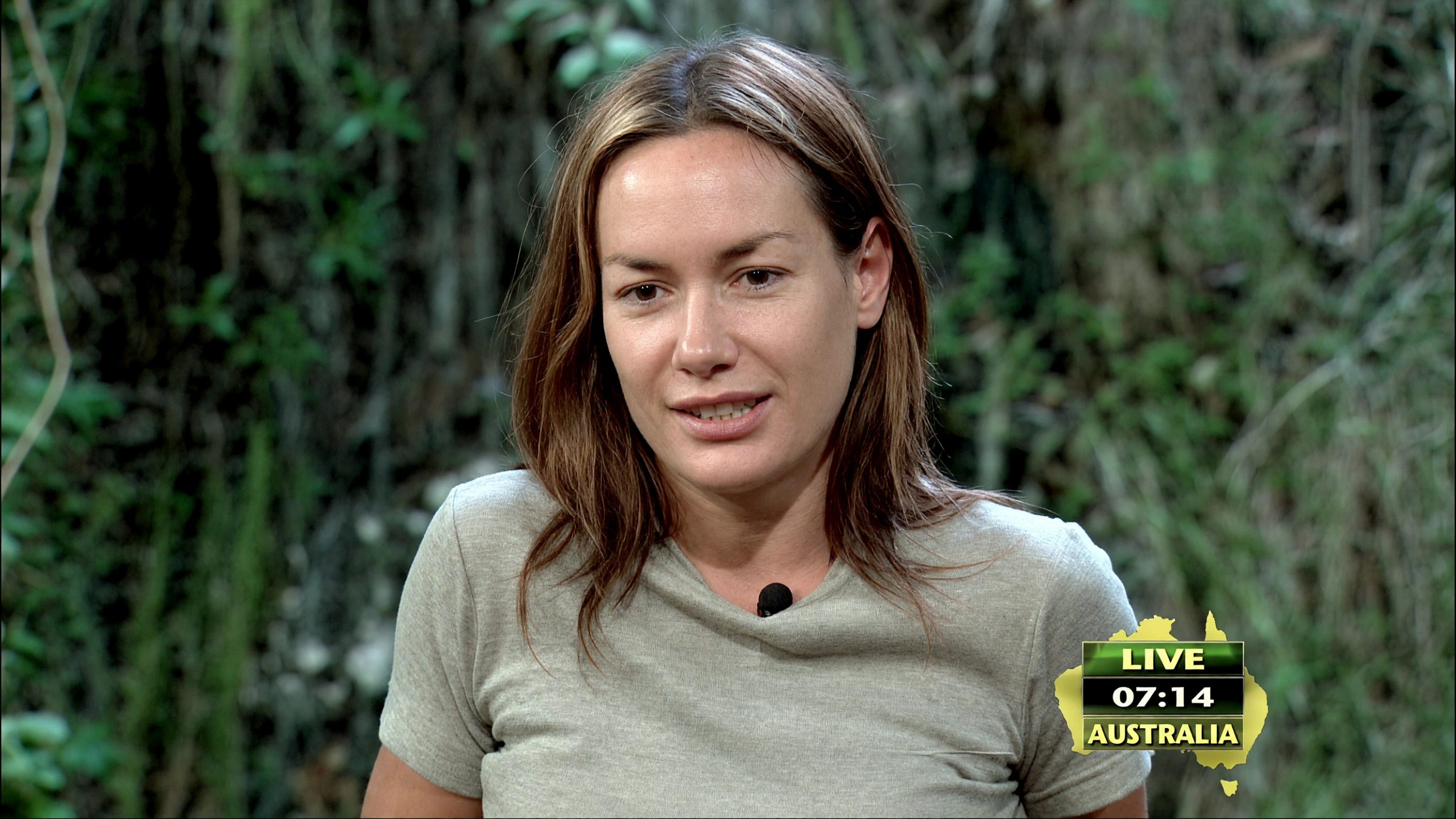
The Tara who came home from Arizona worked hard to look like a different person, and for a while she succeeded.
She lectured at the Royal Academy on the women in Rembrandt’s paintings and performed a Mozart piano piece in Belfast, and in December 2001, she turned 30 and the trust fund finally became hers.
The following summer, she accepted an offer that would have baffled her parents’ upper-class circle: a place on a new ITV reality show filmed in the Queensland rainforest.
Nobody knew whether audiences would tune in to I’m a Celebrity, Get Me Out of Here! to watch eight famous people sleep on the ground and eat insects.
The jungle showed Britain a different Tara Palmer-Tomkinson.
She was the first celebrity sent into a challenge, flirted openly with the singer Darren Day, and at one point tried to escape the camp altogether. Viewers who knew her only as an addiction headline saw a funny, anxious, self-deprecating woman, far kinder than her reputation.
The series drew more than 7.5 million viewers a night, and in September 2002, Tara finished runner-up to the veteran DJ Tony Blackburn, hugging him warmly as the result was read.
Fifteen days on camera, without a script, a stylist, or a ghostwriter, did more for her reputation than a decade of parties. Television embraced her for the next five years, from Top Gear to Would I Lie to You?
In April 2005, she was among the guests at Windsor when Prince Charles married Camilla Parker Bowles.
And Tara’s generosity became legend.
When the presenter Holly Willoughby admired a diamond ring at their first meeting, Tara pulled it off, called it “just a bit of tat from Chanel,” dropped it into Holly’s champagne glass, and threatened to throw it across the restaurant if she refused to keep it.
Another time, a boyfriend gave her £1,000 for her birthday, and Tara drove past a homeless man outside an old video shop in South Kensington. She was already heading for the motorway when she turned the car around, drove back, and handed him all of it.
In 2007, she won the BBC’s Comic Relief Does Fame Academy, giving her free tickets to the police officer who once found her stolen car.
She also befriended a young woman named Kate Middleton, and when Kate and Prince William briefly split, Tara told her, “He’ll be back. Don’t worry.”
She was right, and an invitation to their wedding arrived at her flat, though by then the cost of the 1990s was written across her face.
A Bernese Mountain Dog
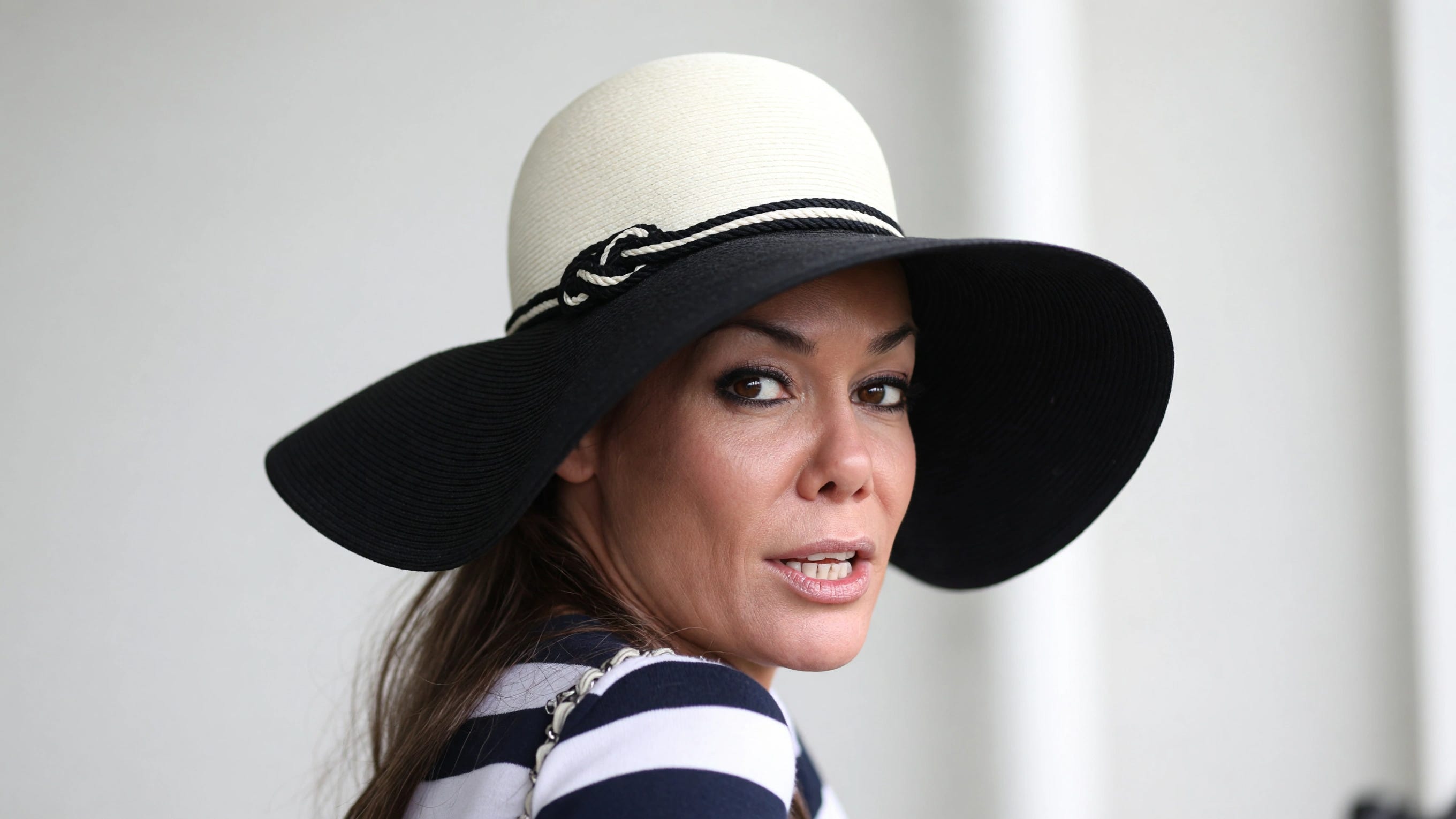
But tears of c*caine wore away the thin wall of cartilage that divides the nose, until Tara’s collapsed.
In 2006, photographs of her altered face ran in tabloids across Britain, and surgeons rebuilt it with cartilage taken from her right ear.
“Every time I come out of a loo cubicle, people ask what she’s been doing in there,” she said, insisting she hadn’t touched drugs in a decade.
The press that made Tara Palmer-Tomkinson famous became the thing she feared most.
In 2012, she went back into rehab with no drug involved at all, saying she was having a nervous breakdown brought on by photographers who went through her trash.
Two years later, on the day before her 43rd birthday, she was refused entry to a first-class lounge at Heathrow, and eight armed police officers handcuffed her after a scene she blamed on a panic attack.
She was cautioned and released. Then, in January 2016, her doctor gave her news no amount of determination could fix: “As I suspected, you have a brain tumor.”
It was benign and treatable, but tests also revealed a rare autoimmune disease that left her exhausted and anemic. “I’m not the person I was,” she said that November. “I’m much calmer. The party world scares me.”
Two weeks before the end, she was asked how she’d like her funeral to look. She wanted a simple service and a positive eulogy, and hoped to be remembered like a Bernese mountain dog: cheerful, beautiful, and loved by all.
Tara Palmer-Tomkinson died in her sleep at 45.
Early coverage blamed the tumor, and some hinted at something darker, until Santa revealed the coroner’s finding: natural causes, a perforated ulcer. “She did not have a brain tumor,” Santa wrote.
At the private funeral in Dummer, the village where she grew up, Santa spoke directly to her sister. “I hope the angels wrap their wings around you,” she said, “because although you shrank from embraces in life, you need to be hugged.”
Santa’s husband, the historian Simon Sebag Montefiore, said that losing Tara was “like the vanishing of some extraordinary castle on a hill that’s always been there.”
That December, her will became public. Tara signed it in 2004, leaving her estate of about £2.3 million to her children once they turned 25, and because she never had any, the fortune passed to Santa and her brother, James.
In August 2026, King Charles spoke publicly about the avalanche while hosting a mountain rescue team at the Castle of Mey, remembering how he dug Patti Palmer-Tomkinson out of the snow nearly four decades earlier.
The resort where he saved the mother was the same one where, years later, he made the daughter famous, and the friendship that launched her has now outlived her by almost ten years.
Excellent start to my day. I knew nothing about her. So sad and interesting.
Judging from your posts, being rich and famous is dangerous business.