
Every generation thinks its wealth will last forever.
The Vanderbilts once thought so too.
In 1877, Cornelius “Commodore” Vanderbilt left behind $100 million — nearly $2.9 billion in today’s money — and an empire of railroads that seemed unshakable.
His children lived in palaces, his grandchildren built castles that rivaled Versailles, and his family became America’s first dynasty.
Within four generations, the money was gone. The mansions were sold or demolished.
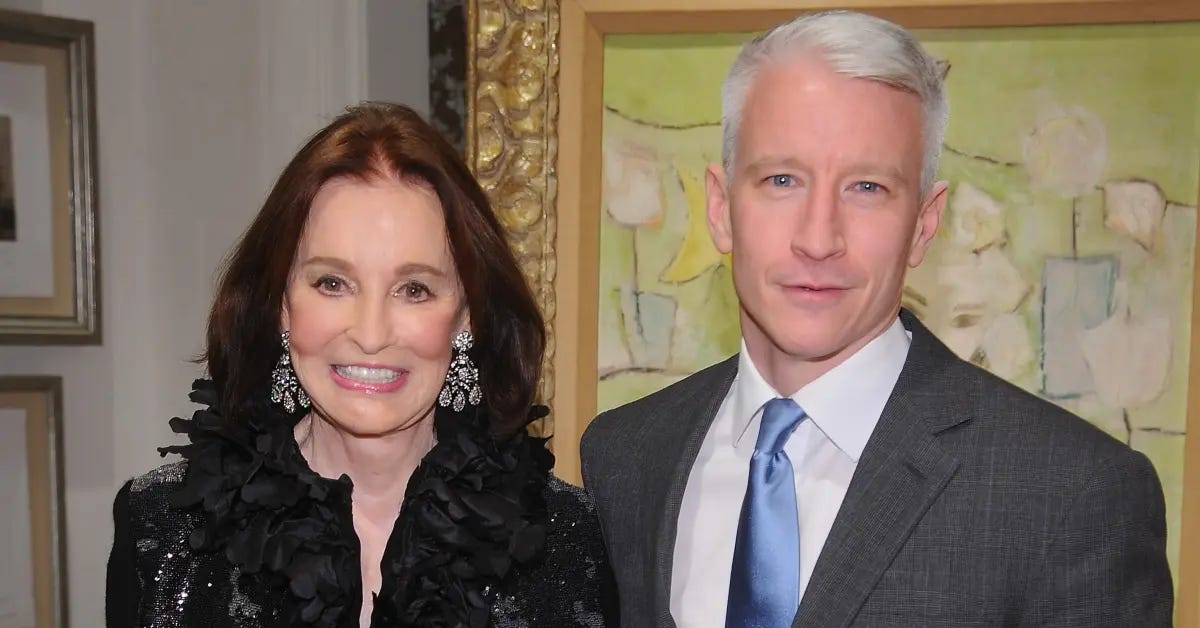
Today, the most famous living descendant, Anderson Cooper, has said flatly: “There’s no trust fund.”
Why should we care in 2025?
Because they called the late 19th century the Gilded Age, and they call today the “Second Gilded Age.”
Tech moguls, hedge fund founders, and crypto billionaires are repeating the same patterns — consolidation of wealth, splintering heirs, spectacular spending, and risky dependence on single industries.
The Vanderbilts are not just history; they are a warning of what comes next.
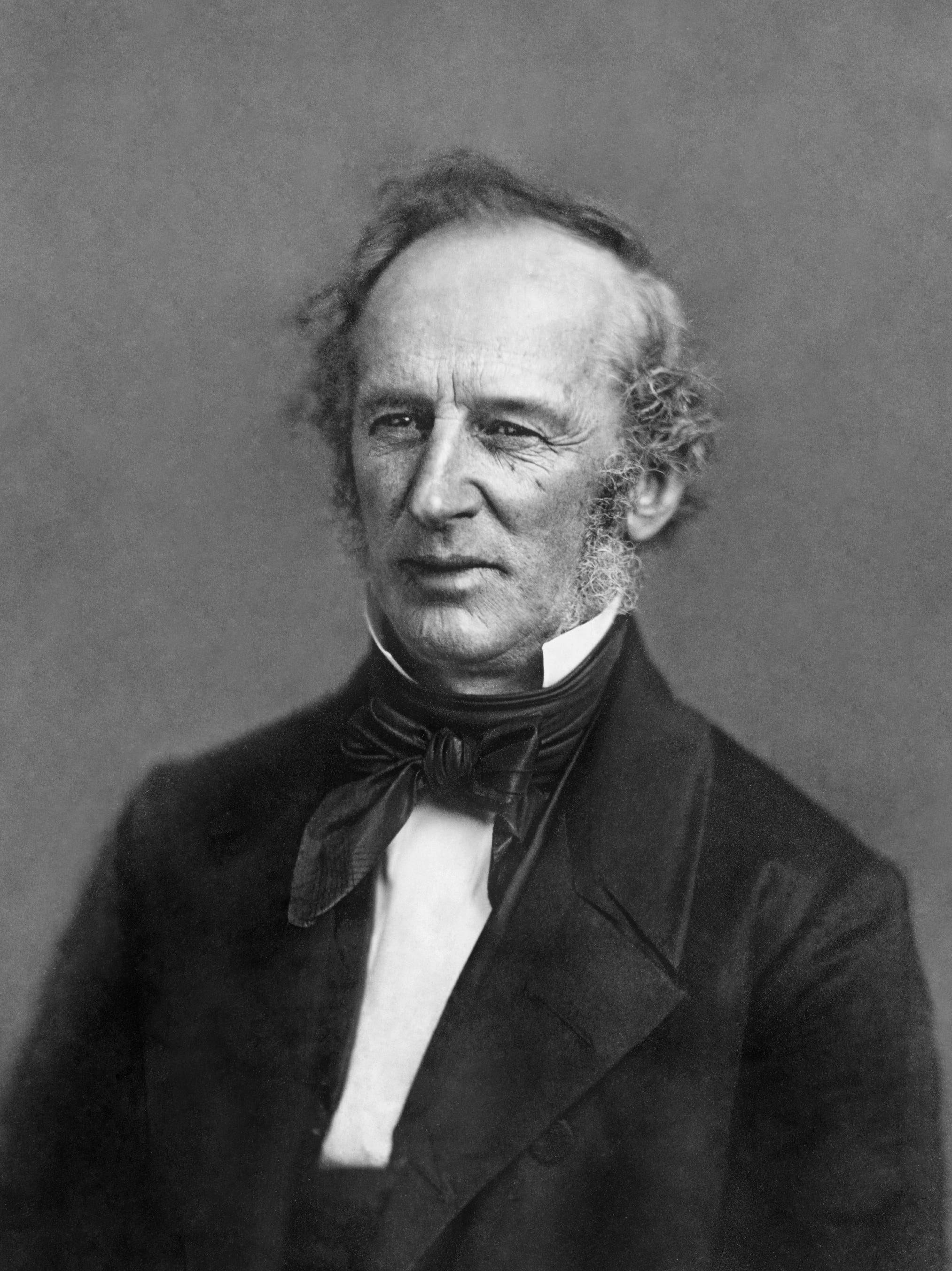
The Commodore: Monopoly Builder
Cornelius Vanderbilt began with ferries, mastered steamships, and conquered railroads.
He consolidated smaller lines into powerful arteries of commerce and forced rivals to sell. His ruthless focus created the largest fortune of his era.
Lesson for today: The same concentration that built railroads now builds tech platforms. But just like railroads, today’s monopolies — search engines, social media platforms, AI giants — may not look invincible to the next generation.
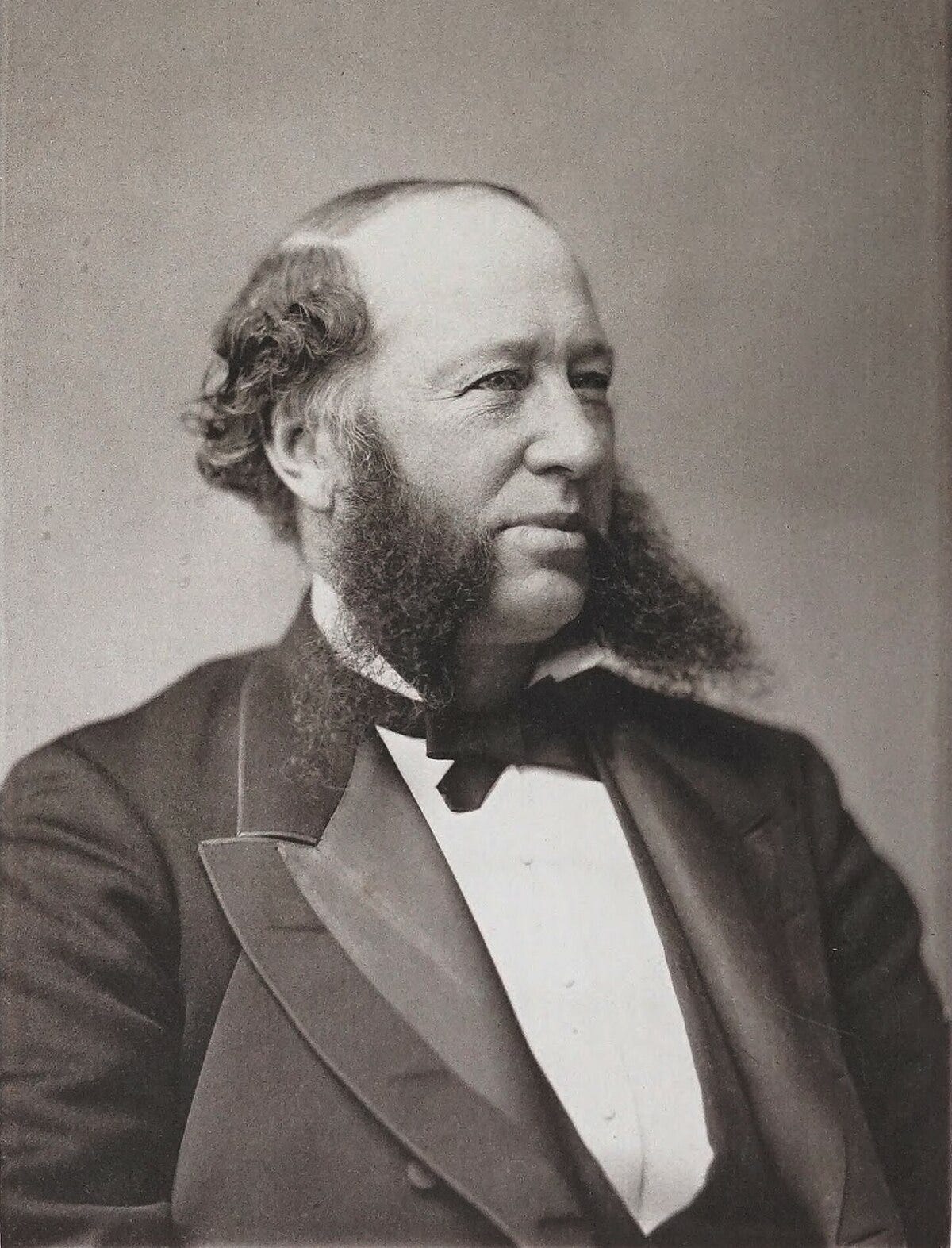
William Henry Vanderbilt: The Prudent Heir
The Commodore’s son doubled the fortune, proving that discipline could extend a dynasty.
Yet his children inherited not the hunger of entrepreneurs, but the habits of aristocrats.
They turned wealth into theater: gilded ballrooms on Fifth Avenue, Newport “cottages” that rivaled Versailles, and George Vanderbilt’s Biltmore Estate, still the largest private home in America.
Lesson for today: Great fortunes can withstand one disciplined heir. But when heirs lose the founder’s hunger, wealth becomes spectacle. Are Silicon Valley’s billionaires raising heirs ready to steward their empires — or just future curators of marble museums?
Fragmentation: A Structural Weakness
The Commodore concentrated his fortune in one son. William Henry divided it among eight. What was once the strength of centralization became the weakness of division. The fortune fractured into smaller fortunes. Capital that could have been reinvested was instead siphoned into parties, estates, and marriages.
Lesson for today: Tech founders and hedge fund managers face the same math. Ten heirs dividing one fortune is not ten dynasties — it is dilution without structure. Without governance, trusts, or disciplined family offices, today’s fortunes will splinter just as quickly.
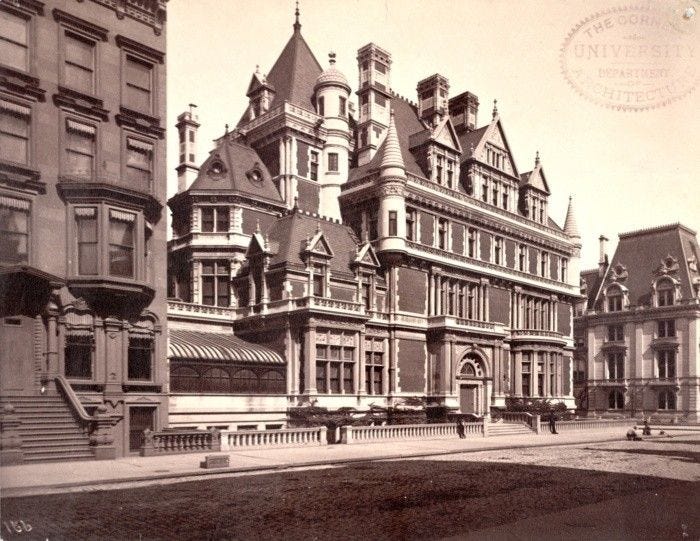
Decline of the Palaces
By the 1920s, the Vanderbilt mansions were more burden than asset. Fifth Avenue palaces drained money but created no return. Many were demolished. Newport’s grand estates became tourist attractions. Biltmore survived only by transforming into a business.
Lesson for today: Luxury assets without yield are liabilities. The Gilded Age had palaces; the Second Gilded Age has superyachts, private islands, and space projects. Without cash flow, they are monuments to decay.
The Final Heirs
By the mid-20th century, the Vanderbilts were no longer among America’s richest families. Anderson Cooper has said there is nothing left to inherit. The dynasty that once defined American wealth has become a cautionary tale.
Lesson for today: A famous name does not guarantee financial power. Many of today’s tech heirs may find their surnames outlasting their fortunes.
The Vanderbilts and the Second Gilded Age
The fall of the Vanderbilts offers a clear framework for today’s fortunes:
Concentration creates wealth, but without governance, division destroys it.
Spectacle erodes capital; reinvestment sustains it.
No industry is permanent. Railroads once seemed immortal, just as AI and crypto do today.
Without institutions to manage wealth across generations, even the largest fortunes collapse.
We are living through a Second Gilded Age. The Vanderbilts were its first cautionary tale. Today’s billionaires may yet be its sequel.
📩 Old Money Luxury investigates the rise and fall of dynasties, the strategies they used to build power, and the lessons they leave behind.