
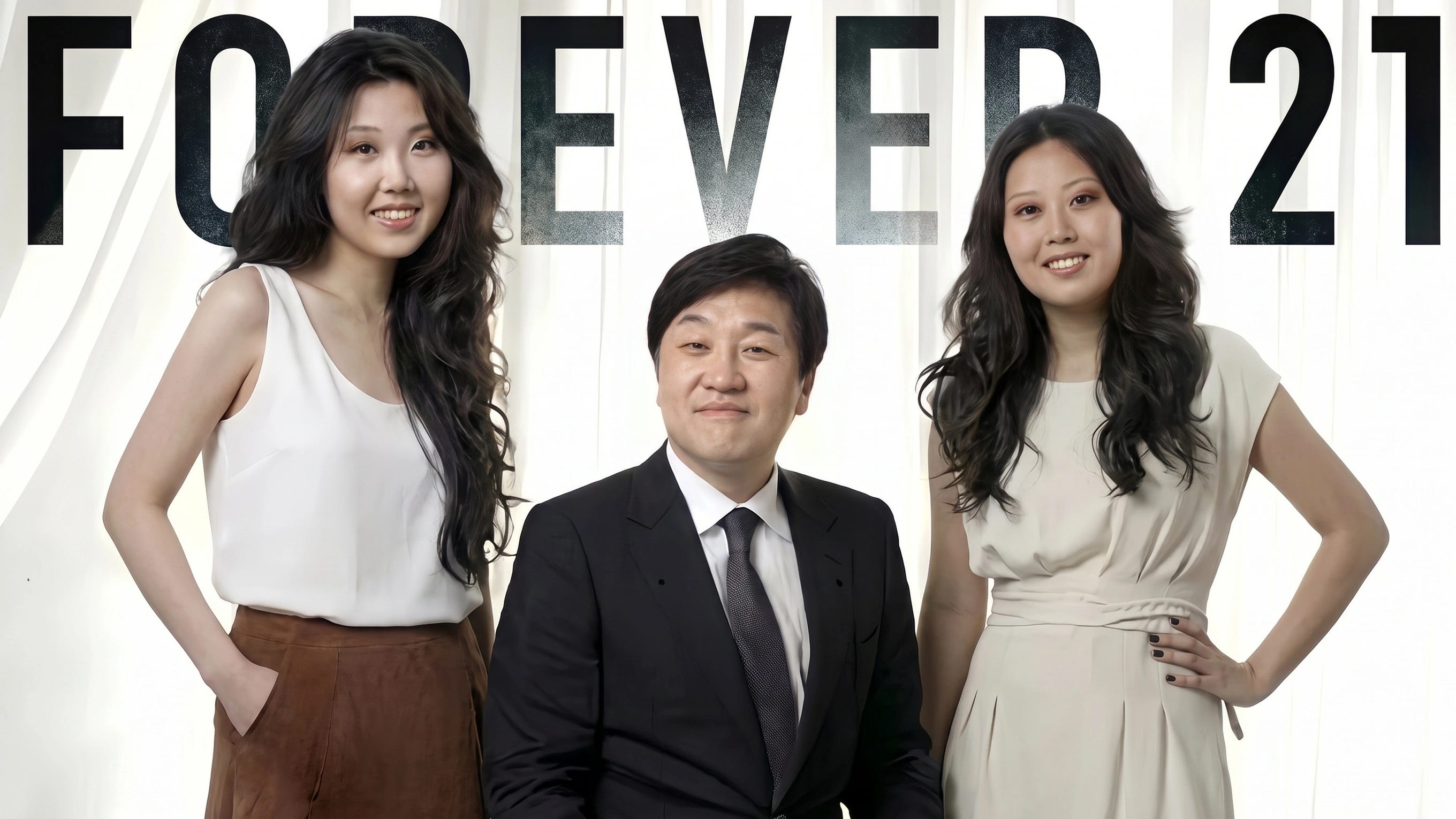
If you were a teenager in the early 2010s, you remember the yellow bags.
Right now, in your mind, you can probably see your local Forever 21 taking over tens of thousands of square feet in your favorite mall, perhaps across multiple floors. Inside were crop tops, bodycon dresses and five-dollar jewelry packed into seemingly every available corner.
This was fast fashion becoming a full sensory experience. The fitting-room lines curled around the racks. The music was loud, the merchandise changed constantly, and everything about the place encouraged you to buy before you had time to think too hard.
Even the shopping bags carried a signature detail. Printed discreetly along the bottom was John 3:16, a Bible verse tied to the Christian faith of the family behind the company.
Yet, for all its scale, Forever 21 remained almost entirely a family company.
The founders held 99 percent of the equity, and their fortune was eventually estimated at $6 billion.
The business had grown into a retail behemoth with 794 stores across 48 countries, 43,000 employees and roughly $4.4 billion in annual revenue.
Then the collapse came quickly.
By April 2025, every Forever 21 store in the United States had closed, with the final liquidation completed in just 106 days.
The easy explanation is that the internet killed it.
For nearly thirty years, two founders made enough brilliant calls on fashion, pricing and teenage shoppers to become billionaires. The problem came when success stopped feeling like evidence of good judgment and started feeling like proof that they could not be wrong.
The Man Who Watched the Cars
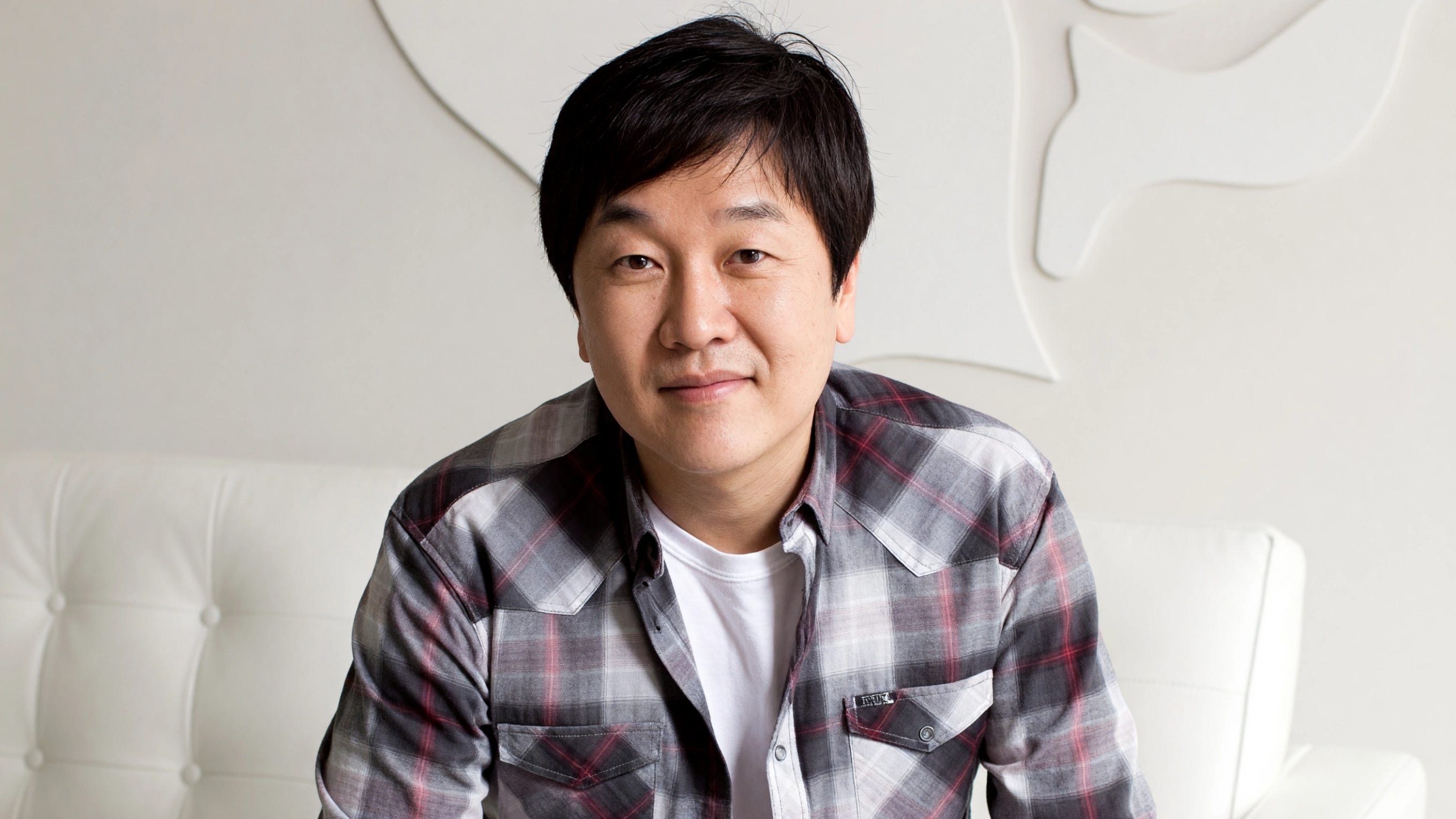
The certainty that would eventually become Forever 21’s weakness began as one of its greatest strengths.
In the beginning, the husband-and-wife team who would found the company had little besides their own instincts, and those instincts kept paying off.
The future patriarch, Do Won Chang, was born in South Korea on March 20, 1954, months after the fighting in the Korean War ended and the peninsula was divided into North and South.
The South Korea of his childhood was far removed from the country most of us picture now. There was no K-pop or Squid Game. It was a poor nation rebuilding from a devastating war, where many families were still trying to secure the basics before they could think about getting ahead.
Chang grew up in those circumstances. He ran a coffee delivery business as a child in Seoul’s Myeongdong district to help support his family and never attended college.
His future partner in both marriage and business, Jin Sook Chang, came from similarly modest circumstances and worked as a hairdresser, developing the eye for style that would later become central to the company they built together.
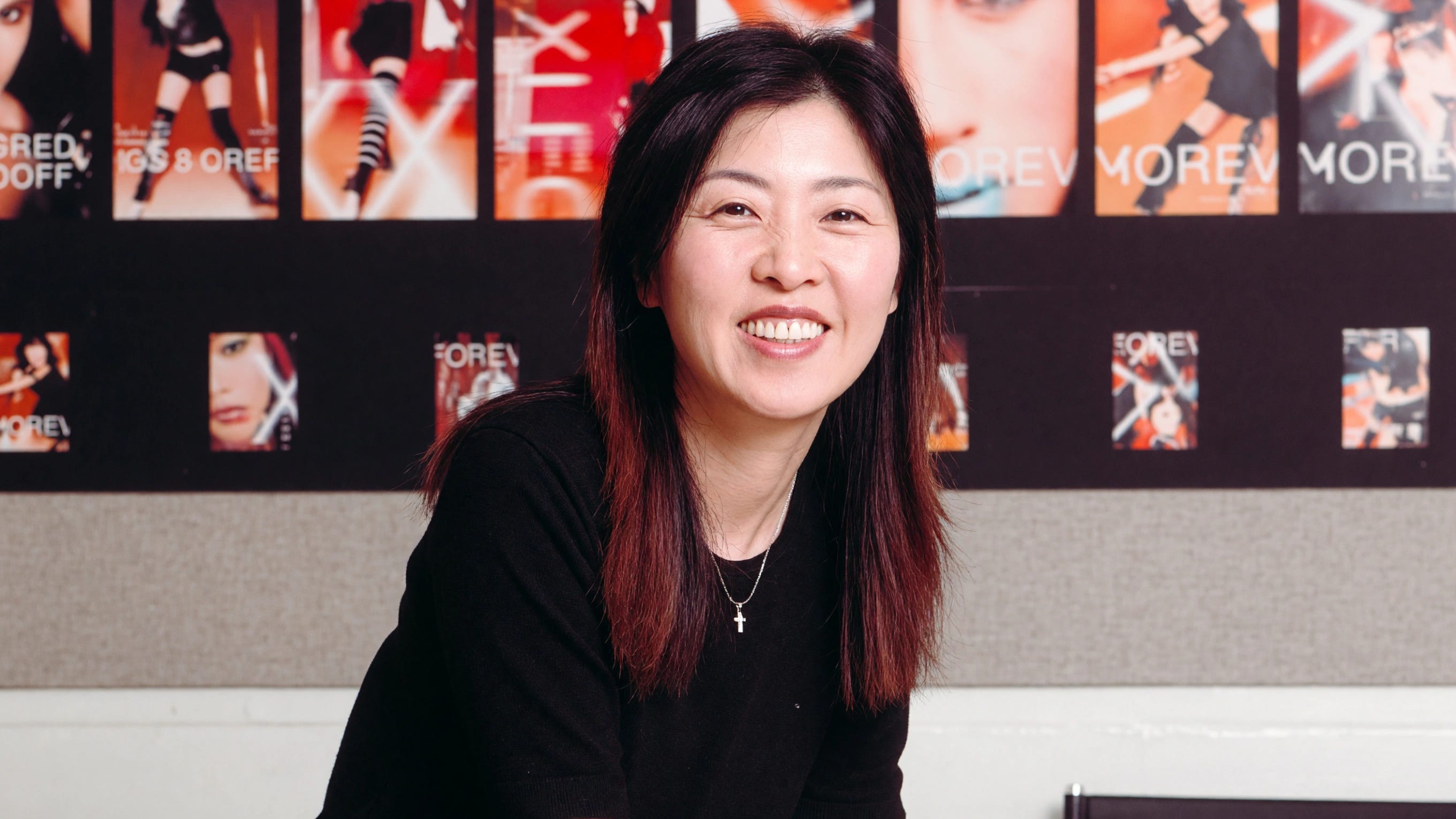
They married young and watched South Korea transform from postwar poverty into an industrial power, even as its politics remained turbulent. When the country’s military-backed president, Park Chung-hee, was assassinated in 1979 and martial law followed, the couple began looking abroad.
They subsequently landed at LAX in 1981 with green cards secured through a brief layover in Hawaii.
He at 27 and she at 25, and between them they had limited English and no degrees.
What they did have was a talent for work that bordered on the pathological.
Do Won took three jobs at once, often 19 hours a day at $3 an hour. Mornings before dawn he washed dishes and prepped food at a cafe. Afternoons were eight-hour shifts at a petrol station. Nights ended near midnight cleaning offices for a small janitorial venture he ran himself.
“At that time, people in South Korea were not living well,” he said in a rare 2016 interview with Forbes, speaking Korean. “The opportunities were quite limited.”
The insight that made him rich arrived at the pump.
The nicest cars all belonged to men in the garment trade, Korean immigrants pulling up in Mercedes-Benzes and BMWs, and Chang had the nerve to ask the drivers what they did for a living.
Those answers took him to a job in a clothing store, where his work ethic made an immediate impression. “I treated it as if it were my own business, and the owner appreciated my dedication,” he remembered.
Los Angeles in the early 1980s was one of the beating hearts of American garment manufacturing.
Tens of thousands of people worked in and around the fashion district, including a growing Korean immigrant community that had built its own web of suppliers, wholesalers, and retailers. Chang learned the business from inside that ecosystem, watching how quickly trends moved and how much money could be made by getting the right clothes onto a rack at the right price.
After three years of saving, the couple had $11,000. They risked all of it on a 900-square-foot shop.
900 Square Feet on North Figueroa
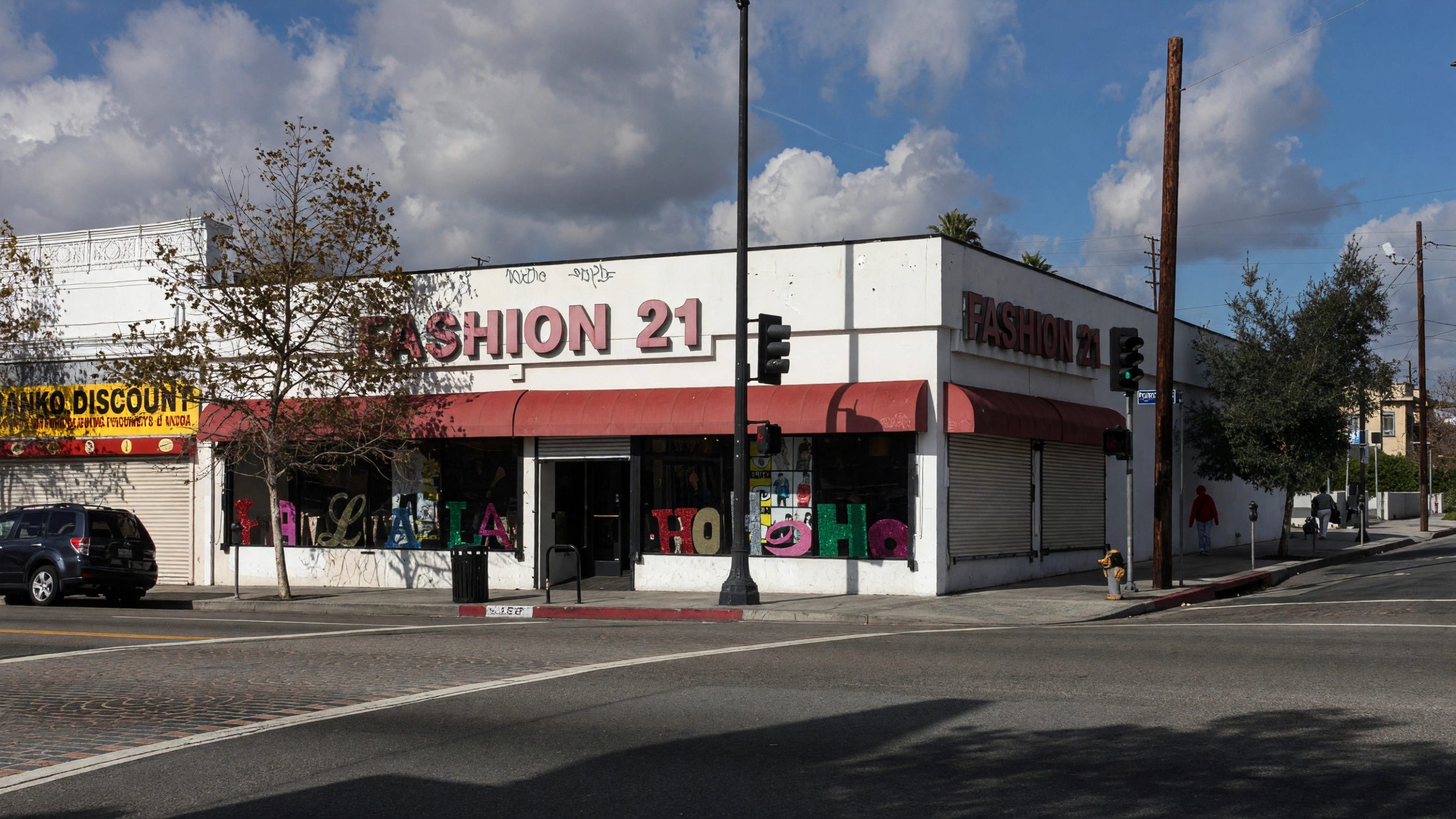
Fashion 21 opened on April 16, 1984 at 5637 North Figueroa Street in Highland Park, Los Angeles. The previous tenant had managed $30,000 in annual sales from that address.
The Changs chose Highland Park for its large Korean-American community, whose taste they understood without needing research. They bought through wholesale closeouts and direct from manufacturers, sourcing designs that resembled what was selling in South Korea at a fraction of the price, and worked 16-hour days behind their own counter, learning inventory and customer preference the slow way.
First-year revenue came in at $700,000, roughly $2.25 million today, roughly 23 times what the shop had produced the year before they touched it.
And their faith was part of the operation from the beginning. They attended early morning prayers at a local church nearly every day, a habit they kept at the height of the empire, and the verse that ended up on hundreds of millions of shopping bags was never a marketing exercise.
The rebrand in 1987 was the move that changed the ceiling.
Do Won explained the logic simply:
Old people want to be 21 again, and young people want to be 21 forever.
Fashion 21 became Forever 21, and a Korean-American neighbourhood shop acquired a name that could sell to anybody with a mirror.
The first mall location opened in Panorama City, California in 1989, nearly six times the size of the original store, arriving exactly as American mall culture reached full throat.
Through the 1990s the Changs added a store every six months, every one funded by reinvested profit, which meant no outside capital, no partners, and no dilution of the thing they cared about most.
They were building the business and the trap at the same time, using identical materials.
For years, owning 99% of the company meant nobody could stop the Changs when they were right. Soon, it would mean nobody could stop them when they were catastrophically wrong.
