The 4 Ways Founding Families Destroy What They Built
Every beloved American brand has a tragic family behind it. Here are the patterns.

After researching dozens of founding families for our documentaries, a pattern has emerged that we can no longer ignore.
The brands you love most, the ones that feel like they belong to you, the ones tied to your childhood, your region, your identity, almost always have a founding family story defined by tragedy, betrayal, or self-destruction.
Whataburger. H-E-B. Coca-Cola. Vans. Costco. Popeyes.
Indeed, these have grown much farther than the simple moniker of “company,” they’re now legitimate emotional anchors for millions of Americans.
They are the logos you associate with road trips, Saturday grocery runs, summer cookouts, and the specific feeling of being home. And behind every single one of them is a family that paid a price most customers never see.
A price that was never printed on the label, never mentioned in the annual report, and never discussed at the shareholder meeting. A price paid in marriages, in mental health, in estranged children, and in legacies that looked magnificent from the outside while rotting from within.
After mapping the patterns across all of these dynasties, we found four distinct modes of destruction that commonly emergy. Every founding family we have studied fits into at least one. Some fit into several. None have escaped entirely.
1. The Founder Dies and the Widow Has to Fight
This is the Whataburger pattern.
Harmon Dobson founded Whataburger in 1950 with burgers big enough to require two hands. He was a visionary, an obsessive, the kind of founder who believed his product was a calling rather than a business.
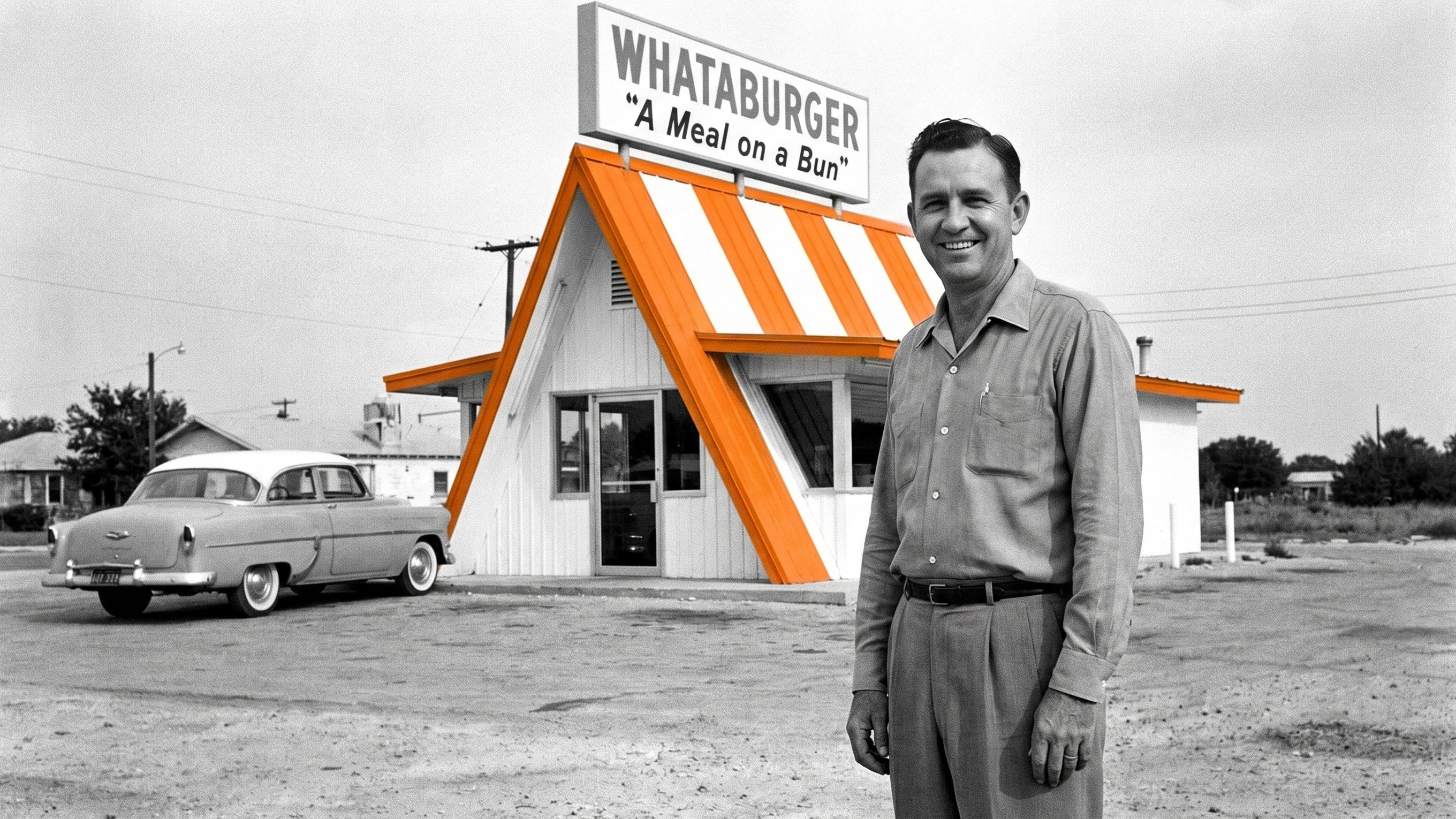
He opened the first location in Corpus Christi and built it into a regional institution that Texans treated less like a restaurant chain and more like a birthright. In 1967, he died in a plane crash.
His widow, Grace, inherited not just a company but a siege. Bankers demanded she sell.
Business partners questioned whether a woman could run a fast-food chain. Competitors assumed the brand would fold within the year.
The entire machinery of mid-century corporate America, which had very specific ideas about what widows were supposed to do with their dead husbands’ businesses, turned its attention toward Grace Dobson and waited for her to do the sensible thing.
She did not do the sensible thing.
Grace refused everything and everyone, holding the company for 69 years through sheer stubbornness and a refusal to let her husband’s name become a footnote in someone else’s portfolio. She ran it with the kind of territorial ferocity that only a widow protecting her husband’s legacy can produce.
The Dobson family finally sold majority control to a Chicago private equity firm in 2019. For loyal Texans who considered the orange-and-white stripes a cultural institution, it felt like a betrayal.
Entire comment sections erupted. Local news covered it like a death in the family. People who had never once thought about who owned Whataburger suddenly cared very deeply about who owned Whataburger.
But the real story is not the sale. It is the five decades of a widow fighting to keep something her husband built, against people who assumed her grief made her weak.
Grace Dobson proved them wrong for nearly seven decades. The fact that the family eventually sold anyway is the part nobody wants to sit with.
2. The Heir Gets Kidnapped or Destroyed
The Butt family built H-E-B into a grocery empire with near-religious devotion in Texas. The stores are everywhere. The loyalty is ferocious.
In certain parts of the state, suggesting that another grocery chain might be comparable is treated as a social offense. But the dynasty’s defining moment was not a business decision. It was a kidnapping.
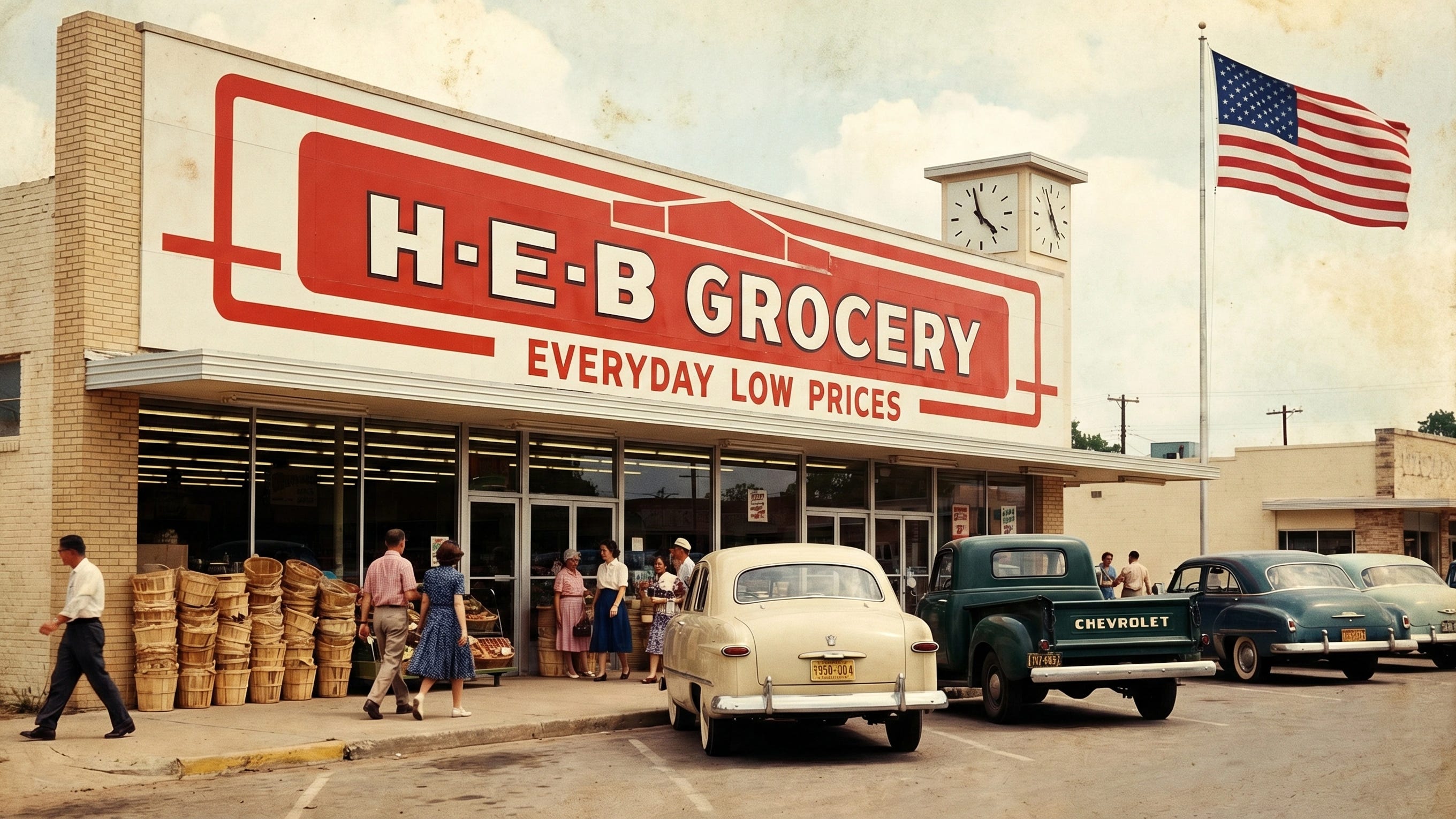
The ransom details, the negotiations, the psychological aftermath. These shaped the family’s entire approach to privacy and public life for generations.
The Butts became one of the most publicity-averse wealthy families in America, not because they were naturally reclusive, but because trauma taught them that visibility is a vulnerability. The lesson was absorbed completely, passed down through the family like an inheritance more binding than any trust document.
Every H-E-B customer in Texas knows the brand. Almost none of them know the family’s actual story. That is by design.
The Butts learned, in the most violent way possible, that fame and fortune together are an invitation for the worst kind of attention. So they kept the fortune and eliminated the fame.
They built one of the most beloved grocery chains in America while making themselves nearly invisible within it. The stores bear the family initials, and that is essentially the last trace of the Butts that most customers will ever encounter.
3. The Family Self-Destructs from the Inside
Everyone knows Coca-Cola. Almost nobody knows the Candler family that built it.
And the Candlers prefer it that way, because the family’s history includes addiction, institutional commitments, and a pattern of self-destruction that the brand’s wholesome image could never survive.
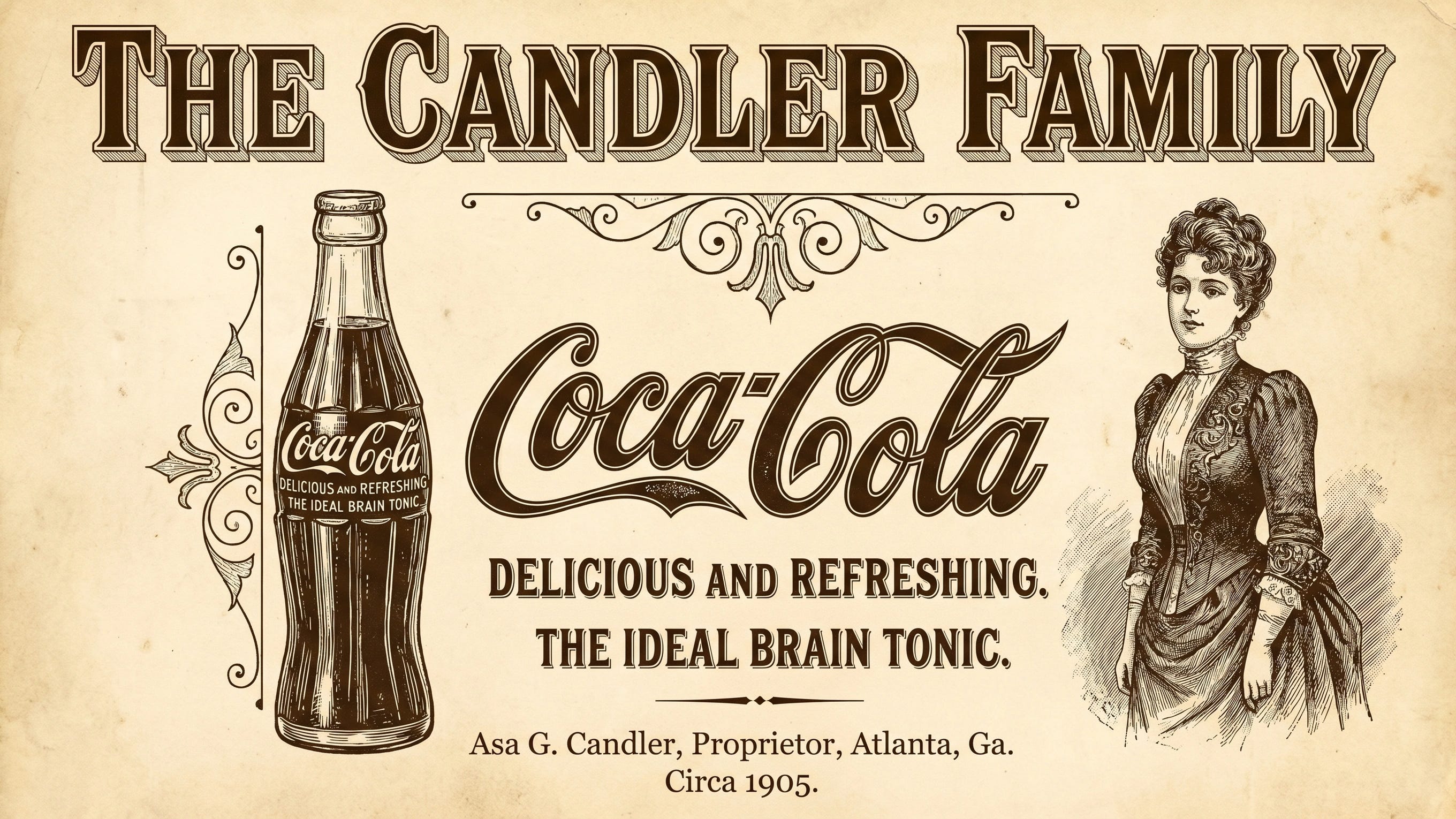
The Candlers did not lose Coca-Cola to a hostile takeover or a market shift. They lost it to themselves.
The fortune that was supposed to sustain generations instead accelerated every dysfunction the family carried. Money, in sufficient quantities, does not solve problems. It removes the consequences that would have forced a family to confront them.
Without consequences, dysfunction does not correct itself. It compounds.
This is the pattern that repeats most often among food and beverage dynasties. The product creates joy. The family absorbs the opposite.
The customer associates the brand with happiness, comfort, nostalgia. The family associates it with the slow unraveling of everything the founder hoped the money would protect.
There is a particular cruelty to building something that makes millions of strangers happy while your own household falls apart. The Candlers lived inside that cruelty for generations.
4. The Family Sells and the Identity Dies
The Van Doren family built Vans into a $2 billion brand. Then they lost it all.
Not through tragedy or kidnapping, but through the quieter destruction of selling too early, losing control incrementally, and watching someone else’s name replace yours on the thing you created.
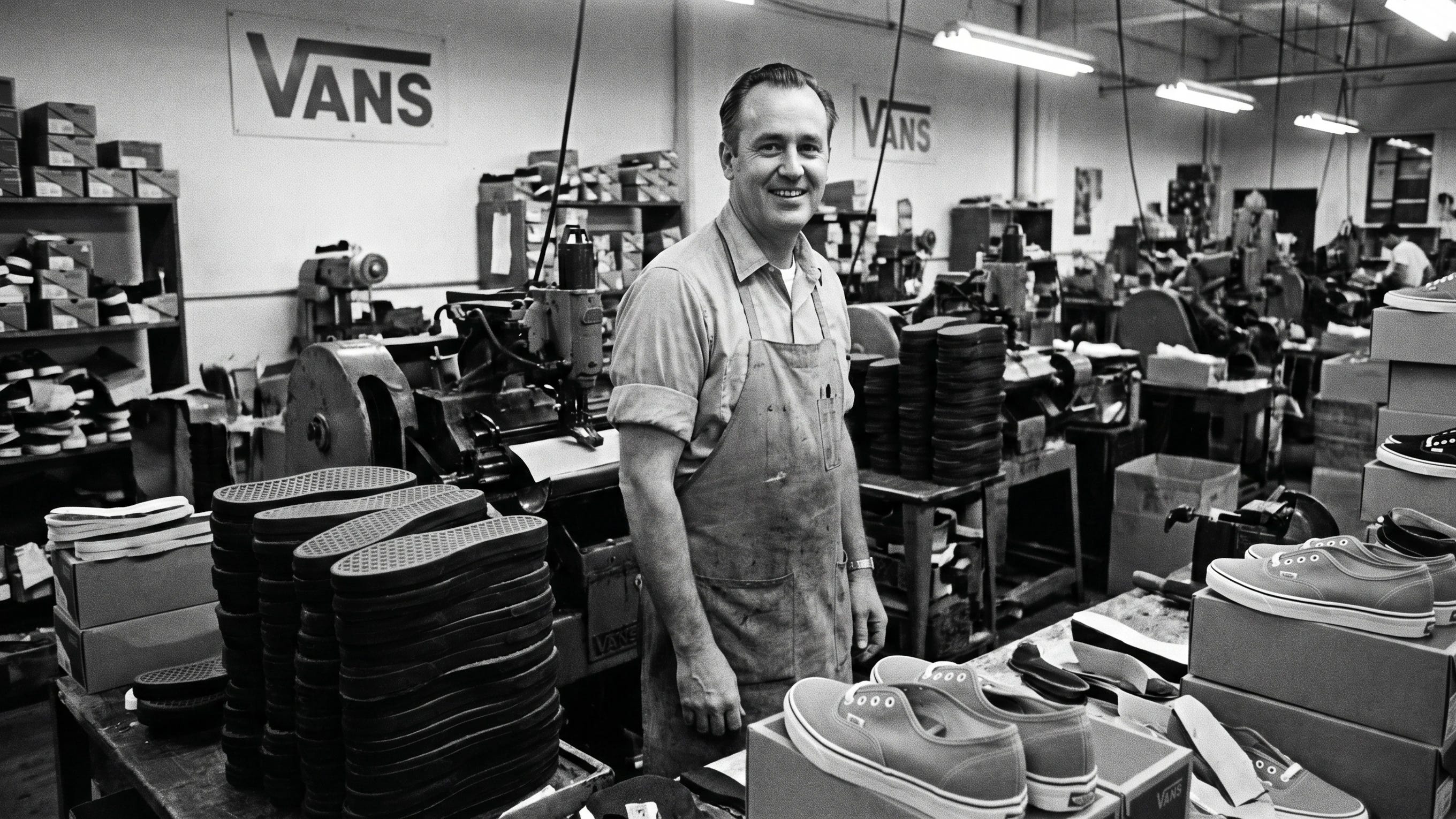
This pattern is less dramatic but arguably more painful. There is no single event to point to. No plane crash, no kidnapping, no scandal.
Just a slow fade from founder to footnote. The kind of loss that does not make headlines because it happens one board meeting, one equity dilution, one contract renegotiation at a time. By the time you realize what has happened, the paperwork is already signed and the new owners are already redecorating.
The Van Dorens are still alive. The brand is bigger than ever. But the family and the company no longer have anything to do with each other.
Walk into any Vans store in America and you will find no mention of the family that started it. The skateboard kids wearing the shoes have no idea who Paul Van Doren was.
The brand erased its own origin story, and nobody noticed because the shoes were still cool. That is perhaps the most painful version of this pattern: not that the family was pushed out violently, but that they were forgotten so completely that their absence created no disturbance whatsoever.
The Deeper Pattern
What connects all four modes of destruction is the same underlying truth: the bigger the brand becomes, the smaller the family becomes within it.
Whataburger outgrew the Dobsons. H-E-B outgrew the Butts’ ability to stay private. Coca-Cola outgrew the Candlers’ ability to hold it together. Vans outgrew the Van Dorens entirely.
The brands survive. The families do not. At least not as the families they were when they started.
The name on the building stays the same. The people behind it become strangers to the thing they built. The fortune moves into trusts and holding companies and investment vehicles, and the original story, the one about a person with an idea and the family that surrounded them, gets buried under quarterly earnings reports and corporate press releases.
This is the hidden cost of building something beloved. The thing you create eventually becomes bigger than you. And when it does, it either consumes your family or leaves your family behind.
There is almost never a third option. We have looked for one across every dynasty we have studied. We have not found it yet.