
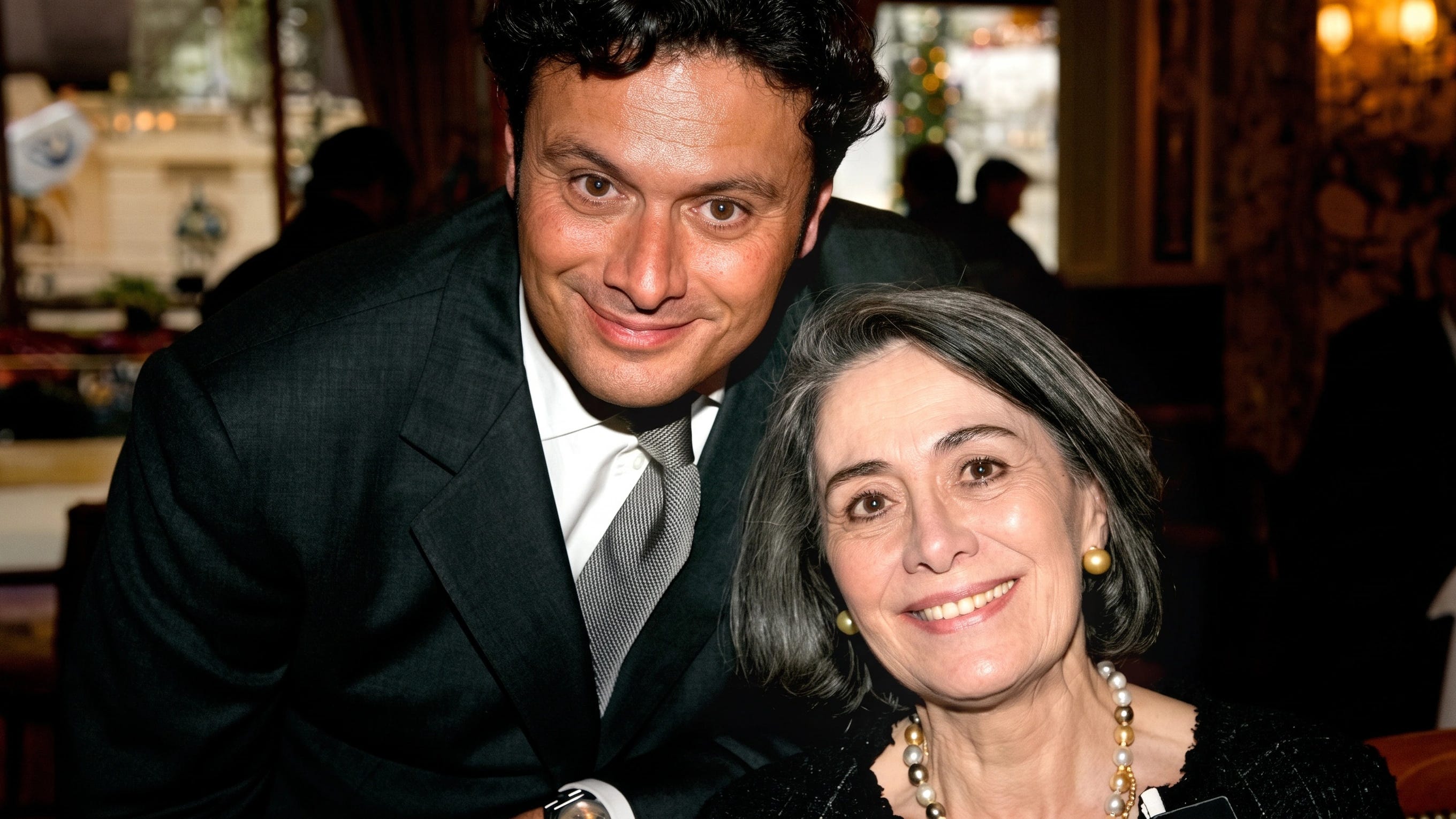
On May 6, 2014, a man with a sawed-off shotgun sprinted across the parking lot of L'Archet Hospital in Nice and fired twice into the passenger window of a black Lancia minivan.
The woman inside owned a third of Monaco. She was 77, she'd just kissed her son goodnight in his hospital bed, and her chauffeur of 20 years was bleeding beside her.
Hired for €30,000, the gunman had fled by taxi, left his DNA in a hotel bathroom, and paid €500 for the cab home, a fare so cartoonishly large that it flagged itself.
But the investigators didn’t need to be brilliant. The killers had done everything wrong.
And for 28 years, the man who'd paid for all of it had done everything right, sitting at the family dinner table, raising a child with the victim's daughter, and quietly draining millions from accounts no one thought to audit.
His name was Wojciech Janowski. When his wife was diagnosed with cancer, the arithmetic changed:
If Hélène outlived her daughter, the €12 billion fortune he'd been circling for three decades would move beyond his reach.
Monaco’s Other Royal Family
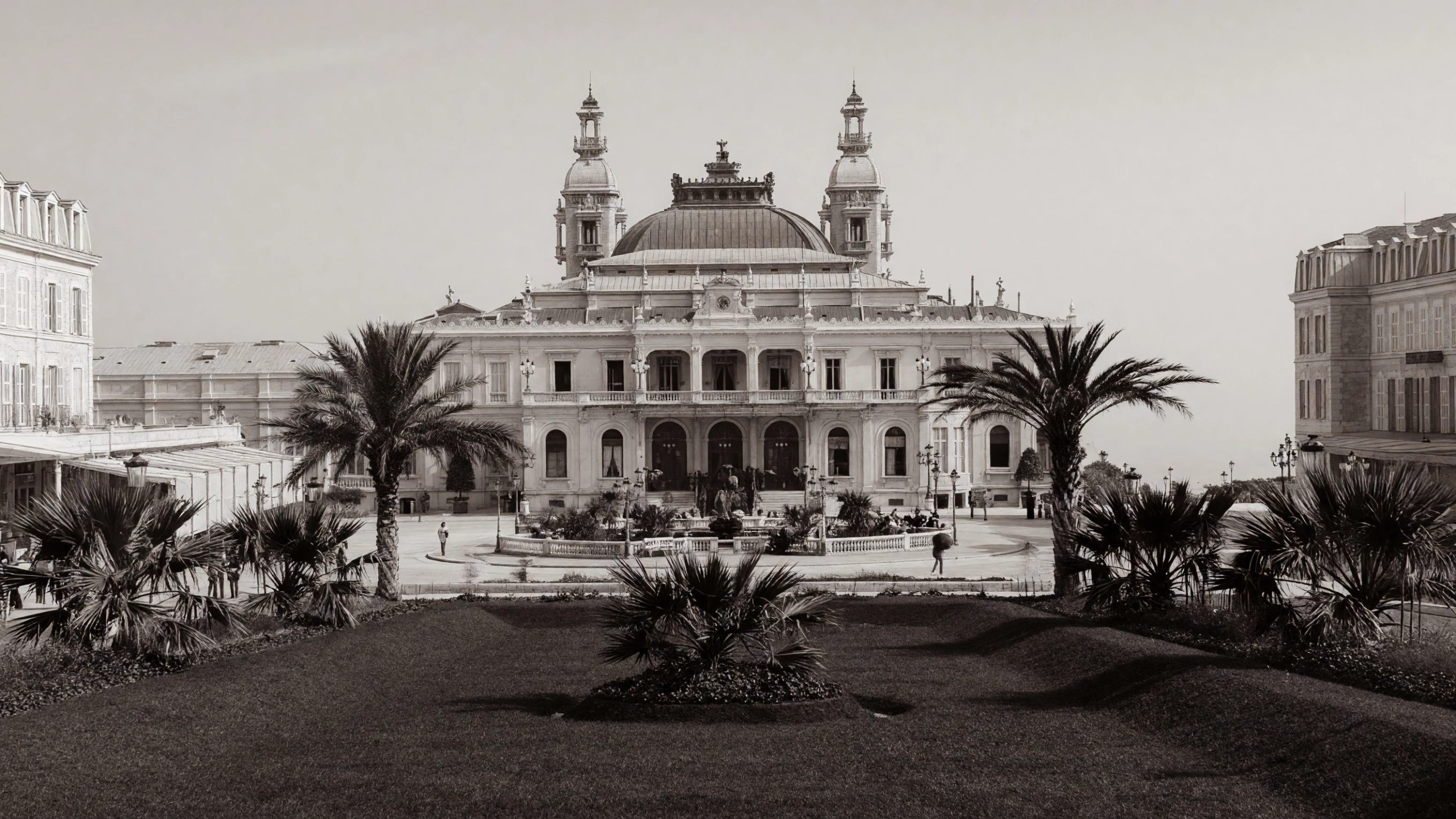
Long before anyone put a price on Hélène Pastor’s life, her grandfather arrived in Monaco with nothing to sell but himself.
Giovanni Battista Pastor walked into the principality in 1880, a penniless Italian stonemason, an orphan whose hands were wrecked by the mines he’d worked since he was 13.
Monaco was barely a country then, a thumb-sized sliver of rock between the French hills and the sea. The Casino at Monte Carlo had opened less than two decades earlier, and most of the coastline was still empty scrub and fishermen’s paths.
Monaco needed men to build its church, so he took the French name Jean-Baptiste, laid stone for pay that barely stretched to bread and saved nearly every franc anyway.
Year after year he studied the principality’s geography like a general surveying a battlefield, with the patience a long campaign requires.
By the 1920s Jean-Baptiste ran a firm called JB Pastor et Fils, and in 1936 Prince Louis II handed him the contract that changed the family’s station: Monaco’s first football stadium.
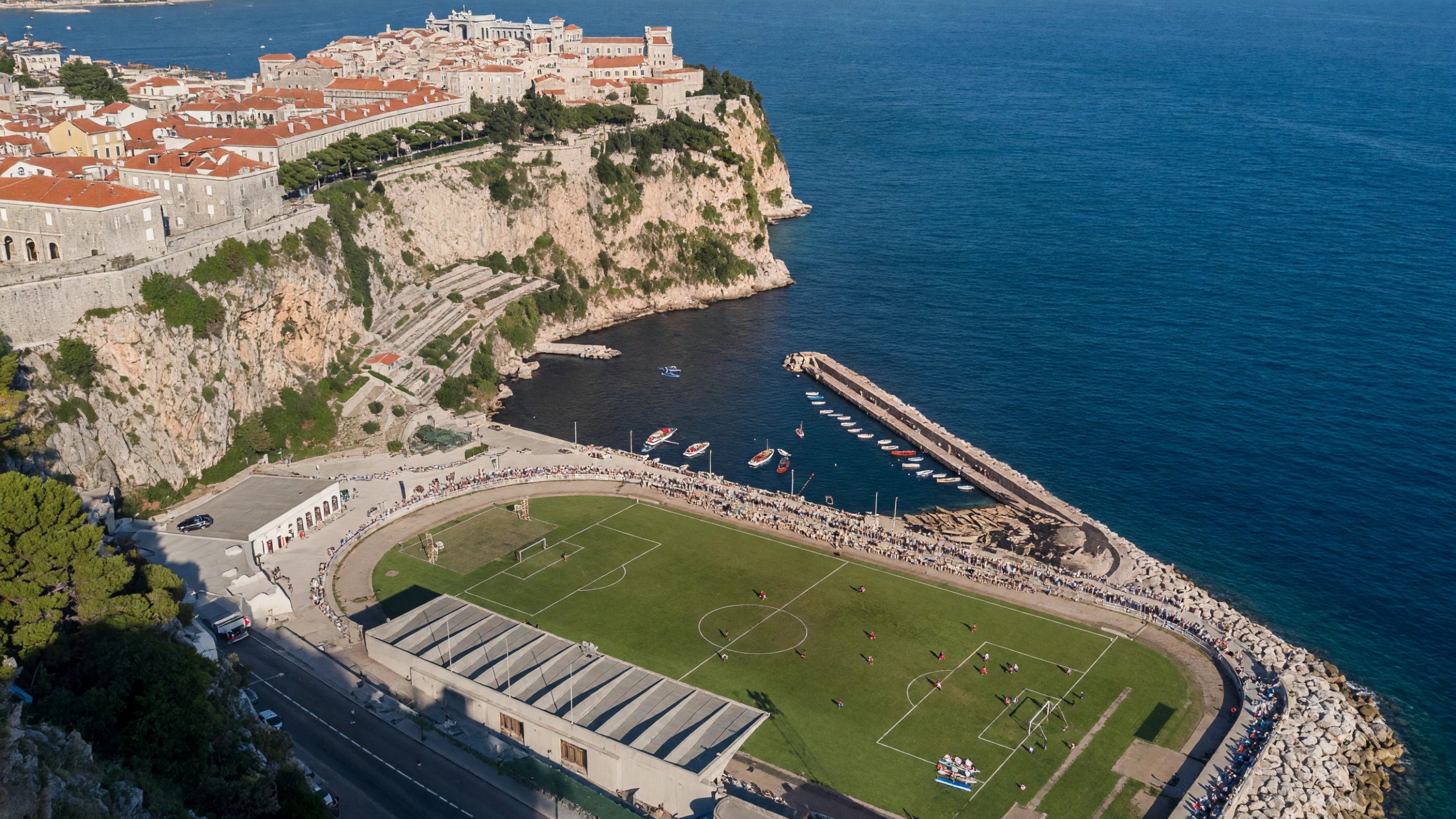
Its outline became the company emblem and has marked every Pastor building since, a builder’s signature and a souvenir of the day a prince chose a former mine orphan from across the Italian border. The woman who would inherit everything he built hadn’t been born yet.
After the Second World War, Jean-Baptiste turned to the barren seafront east of the Monte Carlo Casino, in the Larvotto district, where there was nothing at all.
He bought beachfront parcels for next to nothing, wagering that the world’s millionaires would one day pay anything to wake up facing the Mediterranean. Monaco charged no income tax, and the postwar flight of European wealth toward lower-tax jurisdictions was already picking up speed. Each purchase pushed his holdings further along what became Monaco’s most coveted coastline.
Jean-Baptiste had built the foundation. His son would build the skyline.
“The Vice Princess”
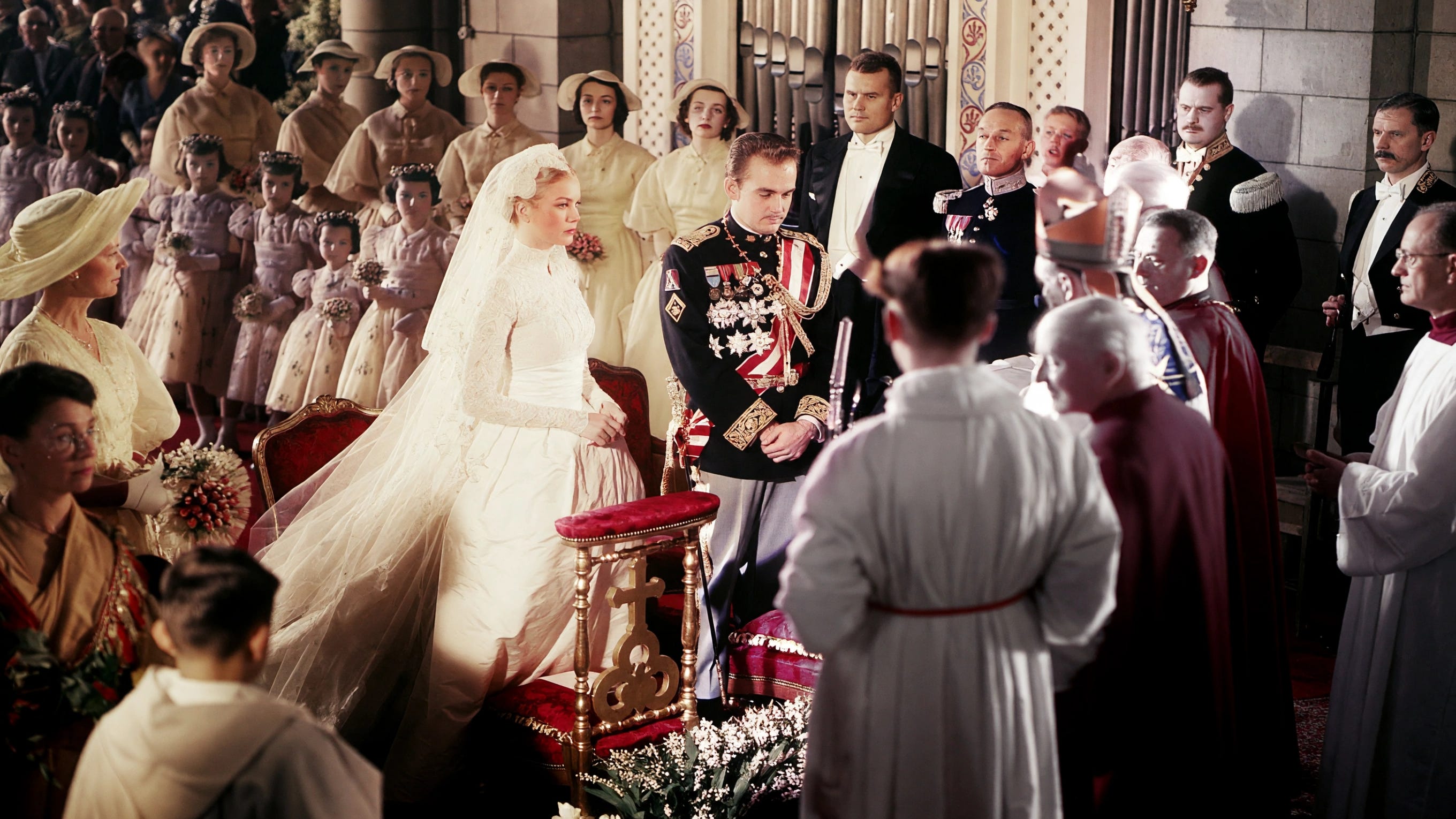
Gildo Pastor inherited the business and his father’s instinct for what Monaco was about to become.
Grace Kelly’s marriage to Prince Rainier III in 1956 had turned a quiet tax haven into the most glamorous address in Europe, and by the early 1960s the wealthy weren’t just visiting anymore. They wanted to live there permanently, and Monaco had almost no room to put them.
In 1966 Rainier authorized Gildo to build high-rise apartments along the coast. That permission slip let a principality hemmed in by the sea and the French border grow upward, and the Pastors were already standing on the ground floor.
They settled on a creed as plain as a lease: build luxury towers, sell nothing, and collect the rent forever while rising values and compound interest did the rest.
Over the decades the cheques came from Formula 1 champions, arms dealers and oligarchs, a tenant roll no Monte Carlo hostess would dare seat at one table, all kept paying by Monaco’s tiny footprint and bottomless demand.
In time the family owned roughly a third of the country’s real estate.
Gildo died in 1990, and the premium assets passed to his daughter Hélène, born in 1937 and the third generation of Pastors to hold the keys.
Among them were the Trocadéro, the Continental and the Gildo Pastor Center, a personal empire worth $3.7 billion, and Monaco took to calling her La Vice-Princesse, a title no Grimaldi ever conferred and every doorman understood.
For a woman who owned so much of the skyline, she moved through it with curious modesty, riding around Monte Carlo in a boxy London taxi instead of a chauffeured Bentley.
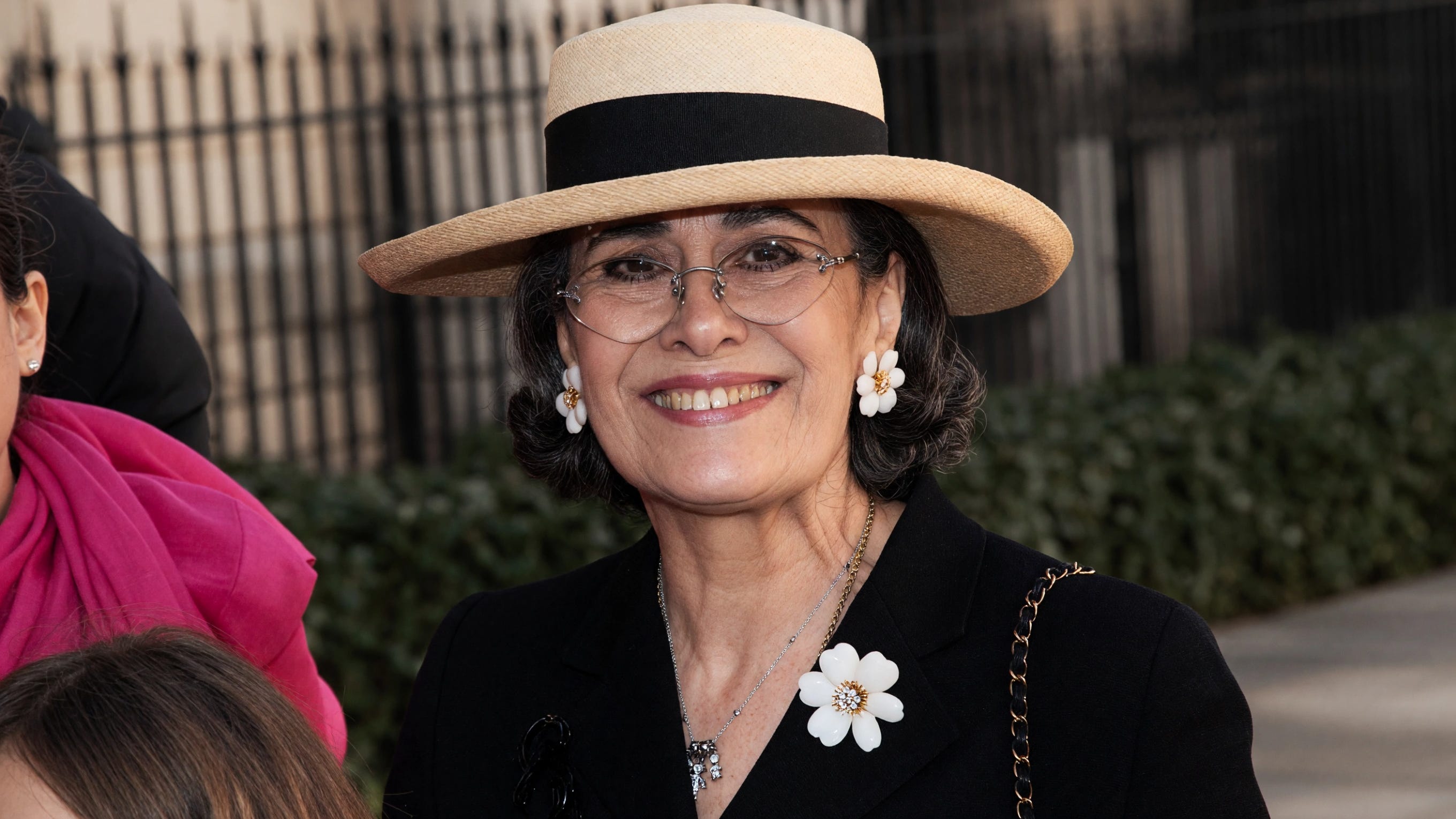
But Hélène’s own romantic life had been anything but careful.
At about 18 she married Alfred Ratkowski, a Polish man with no fortune and, by some accounts, a barman, without her father’s blessing. When the family took offense, she fled Monaco with their baby daughter, Sylvia, born in 1961. The Pastors brought her home, and the marriage was over soon after.
Claude Pallanca came next, a Monegasque considered respectable in every regard, whose dental studies in Boston Hélène paid for, a detail that would rhyme a generation later. Their son, Gildo Pallanca Pastor, was born in 1967, and that marriage came apart as well.
Consequently, both children grew up entirely inside the Pastor world, receiving €500,000 a month.
It was enough to buy almost anything except independence. Whatever they attempted, Hélène funded. Whatever went wrong, she covered.
Thus, without meaning to, Hélène had turned her continued existence into the load-bearing pillar of her children’s financial lives.
To anyone with an eye for leverage, the entire multibillion euro family economy ran through the goodwill of one woman, and an arrangement like that stays safe only as long as everyone inside it is who they claim to be.
In 1986, at a charity ball in Monaco, Sylvia met a man whose first great success was convincing the Pastor family that he belonged at their table.
