
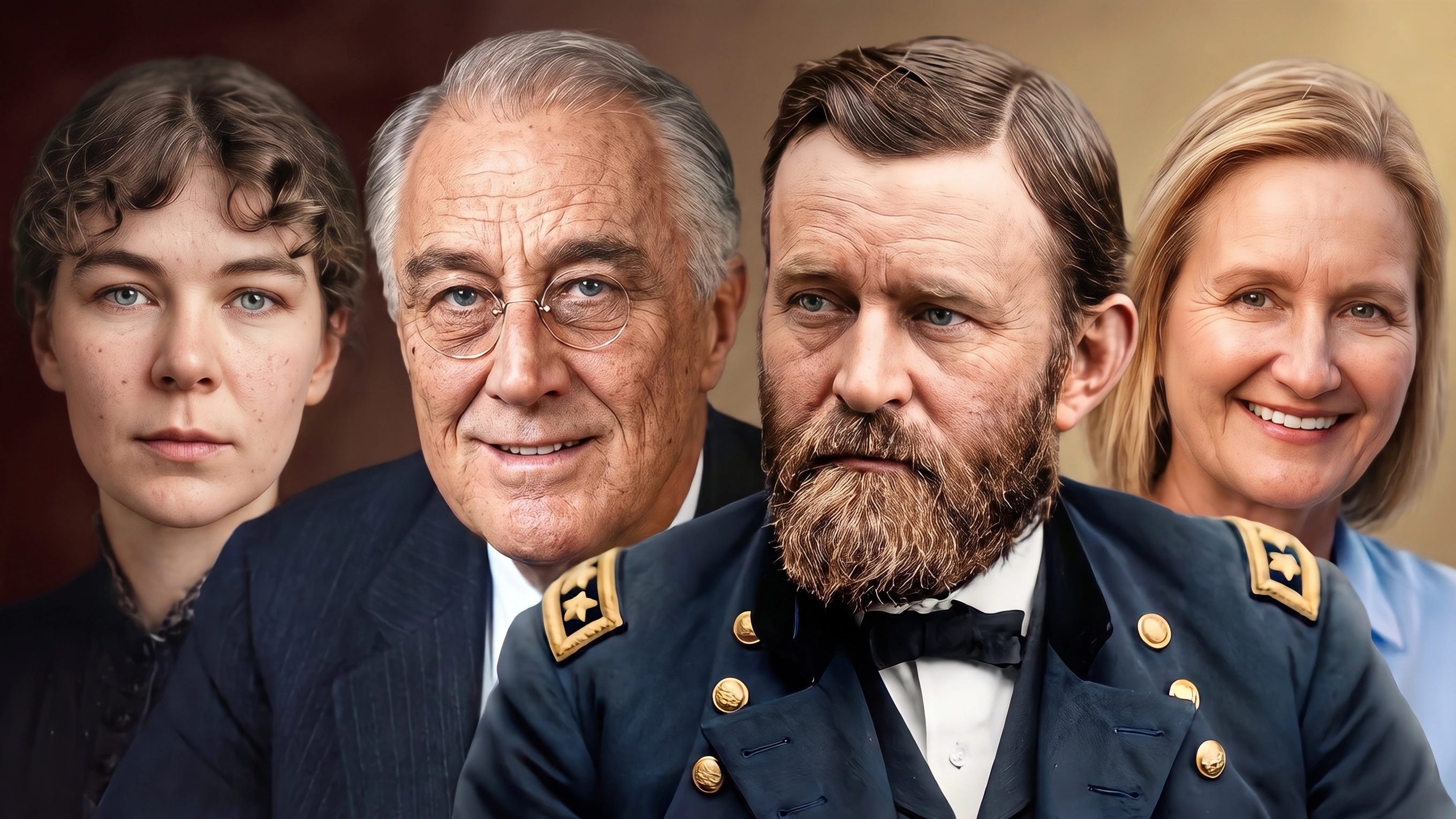
Ask most Americans to name the country’s most iconic dynasties and they’ll reach for the obvious ones.
The Rockefellers produced the richest man in the world, then a vice president, and then one of America’s longest-serving senators.
The Bushes and the Kennedys used family money and political connections to put their sons in the Oval Office.
Yet one family with roots in the Mayflower era towered over them all.
Its bloodline produced three presidents, more than any other family in American history.
Its descendants guided the country through the Civil War, the Roaring Twenties, and World War II.
Its influence left the planet, quite literally. One descendant became the first American in space, and a decade later he walked on the Moon.
Another, born in a log cabin on the frontier, became one of the most celebrated women writers in American history, turning her pioneer childhood into some of the country’s most beloved children’s books.
A few operated in darker corners. One built his fortune smuggling opium into China while the drug ravaged a nation, and another steered the controversial Federal Reserve through its first years.
They were the Delanos, the old money dynasty that, arguably more than any other family, built modern America.
And yet almost nobody knows their name today. Why?
The Delano Century
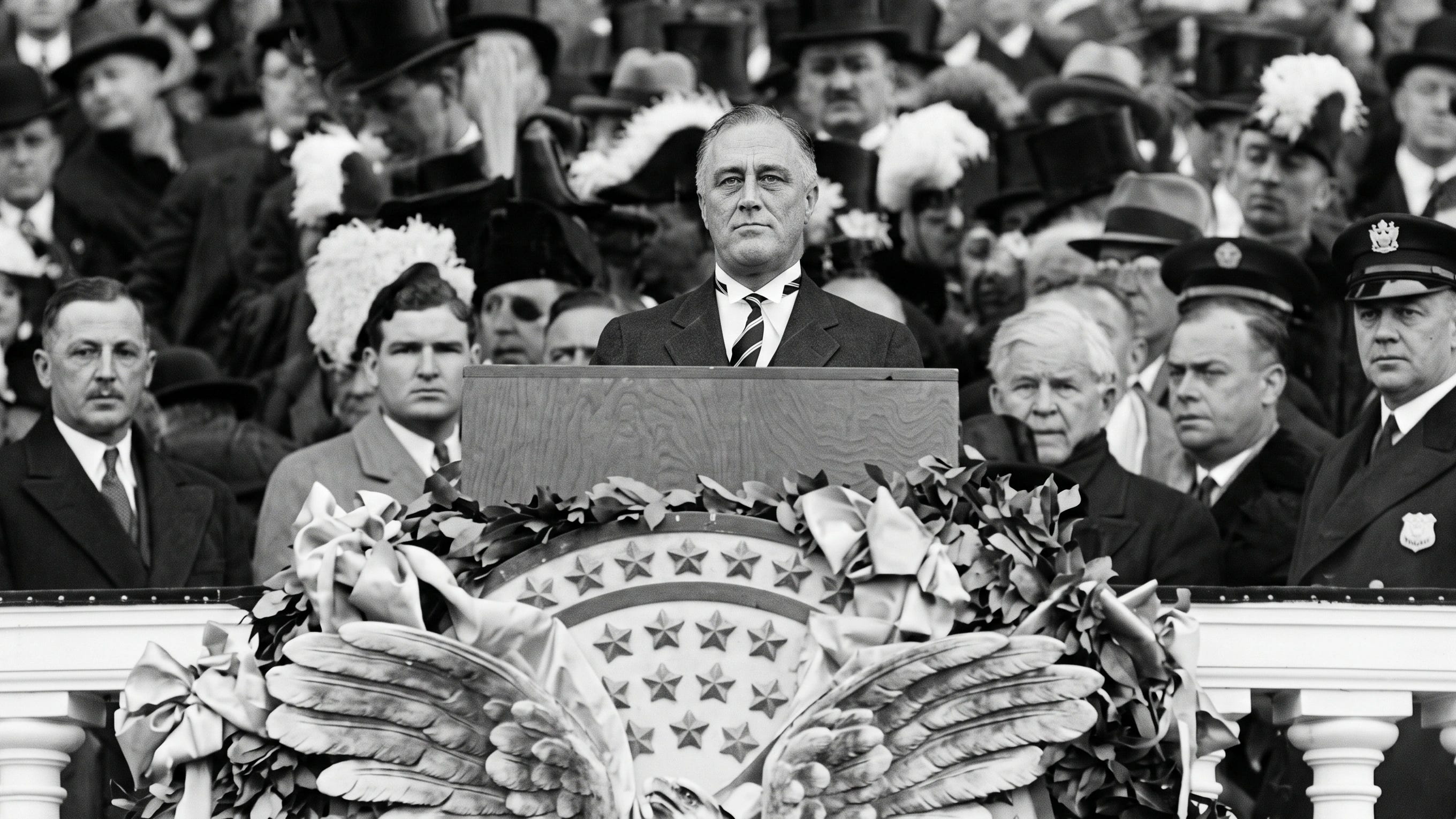
On March 4, 1933, Franklin Delano Roosevelt stood before the Capitol and told a frightened nation that “the only thing we have to fear is fear itself.”
Millions of Americans heard the words on their radios, and few gave a second thought to the name in the middle.
It belonged to his mother’s family, and by then it carried more than a century of money and power. Indeed, as Roosevelt settled into the White House, his relatives were already scattered across Washington’s most important offices.
His uncle Frederic, a former railroad president and one of the Federal Reserve’s first leaders, chaired the commission that planned the capital’s parks and monuments.
Five years later, his cousin Preston would take charge of the nation’s nationally chartered banks as Comptroller of the Currency, and another relative, the architect William Adams Delano, was designing federal buildings along Pennsylvania Avenue.
In fact, FDR was the third family member to reach the White House.
Two distant cousins got there first. Ulysses S. Grant led the Union to victory in the Civil War before winning the presidency, while Calvin Coolidge steered the country through the Roaring Twenties. Both men traced their roots to the same Pilgrim-era settler as Roosevelt, a man named Philip Delano.

Grant and Coolidge carried other last names, so the connection rarely made headlines.
But the Delanos’ reach into American money ran just as deep. In 1844, Roosevelt’s great-uncle Franklin Hughes Delano married Laura Astor, granddaughter of John Jacob Astor, the fur trader turned Manhattan landlord who became America’s first multimillionaire.
The match tied the Delanos to the richest family in New York, and the couple built a Hudson River estate called Steen Valetje in the heart of the state’s old-money mansion country. Decades later, Sara Delano named her only son after that same uncle: Franklin.
But part of the family’s fortune had a darker source. FDR’s grandfather, Warren Delano Jr., made much of his money trading opium in China, and in 1875 another Delano resigned from Grant’s cabinet amid a corruption scandal.
The Delanos’ American story began more than three centuries before that inauguration, with a teenager stepping off a ship most Americans have never heard of.
From Plymouth to Appomattox
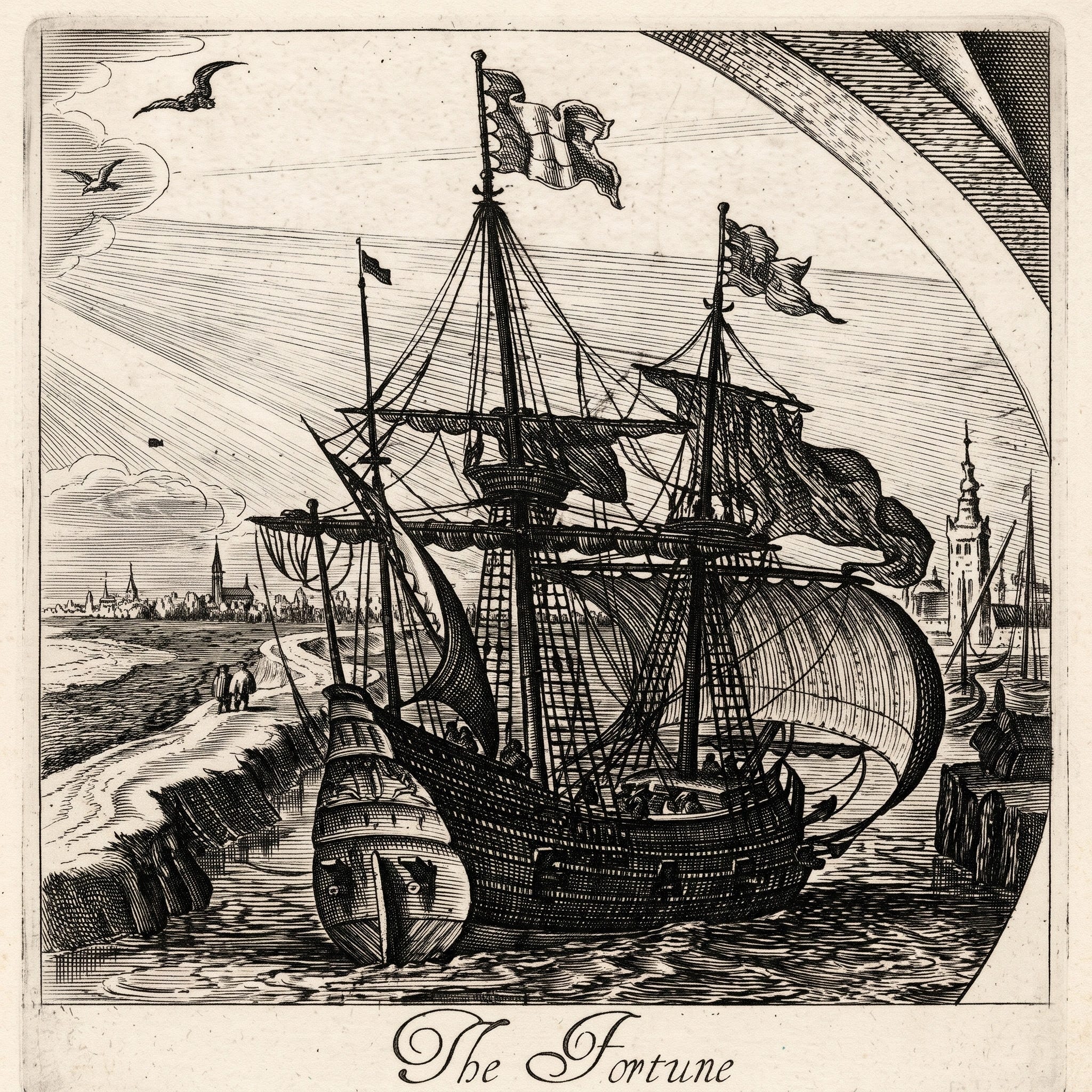
Most Americans know the name of The Mayflower.
Far fewer know The Fortune, the small ship that sailed into Plymouth harbor a full year later, in November 1621, carrying a young man from Holland named Philip de Lannoy.
Philip grew up in Leiden, the Dutch city where the Pilgrims lived in exile before sailing for America. When his cousin John Cooke left aboard the Mayflower in 1620, Philip resolved to follow.
Upon arrival to The New World, de Lannoy soon became the English-sounding Delano, a name that would outlast the colony itself.
One marriage tied the Delanos to the Mayflower’s founding families.
Philip’s son Jonathan survived King Philip’s War, which burned much of his hometown of Dartmouth in 1675. Three years later, he married Mercy Warren, whose grandfather Richard Warren crossed on the Mayflower and signed its famous Compact.
Thus, the original patriarch Philip lived just long enough to see his son marry into Mayflower royalty.
Over the next century, the Delanos climbed into New England’s elite. In 1746, Jonathan’s granddaughter Susannah Delano married a man named Noah Grant, and with that wedding, the family’s bloodline began its long march toward the presidency.
On April 27, 1822, in a small house overlooking the Ohio River at Point Pleasant, Ohio, a tanner named Jesse Grant welcomed his first son. Through his father’s side of the family, the baby was Susannah Delano’s great-grandson.
His parents named him Hiram Ulysses, and he grew up among the hides and vats of his father’s tannery, a trade he came to loathe. For a boy of modest means and no appetite for leather, the Army offered the surest path to an education.
In 1839, his father secured him a place at West Point, where a clerical error recorded him as Ulysses S. Grant, a name the shy Ohio cadet never bothered to correct.
He proved himself in the Mexican-American War, yet peacetime nearly broke him. Posted to a lonely fort on the California coast, far from his wife, Julia, Grant resigned from the Army in 1854 amid rumors of heavy drinking.
By 1857, the Delanos’ future president was selling firewood on the streets of St. Louis.
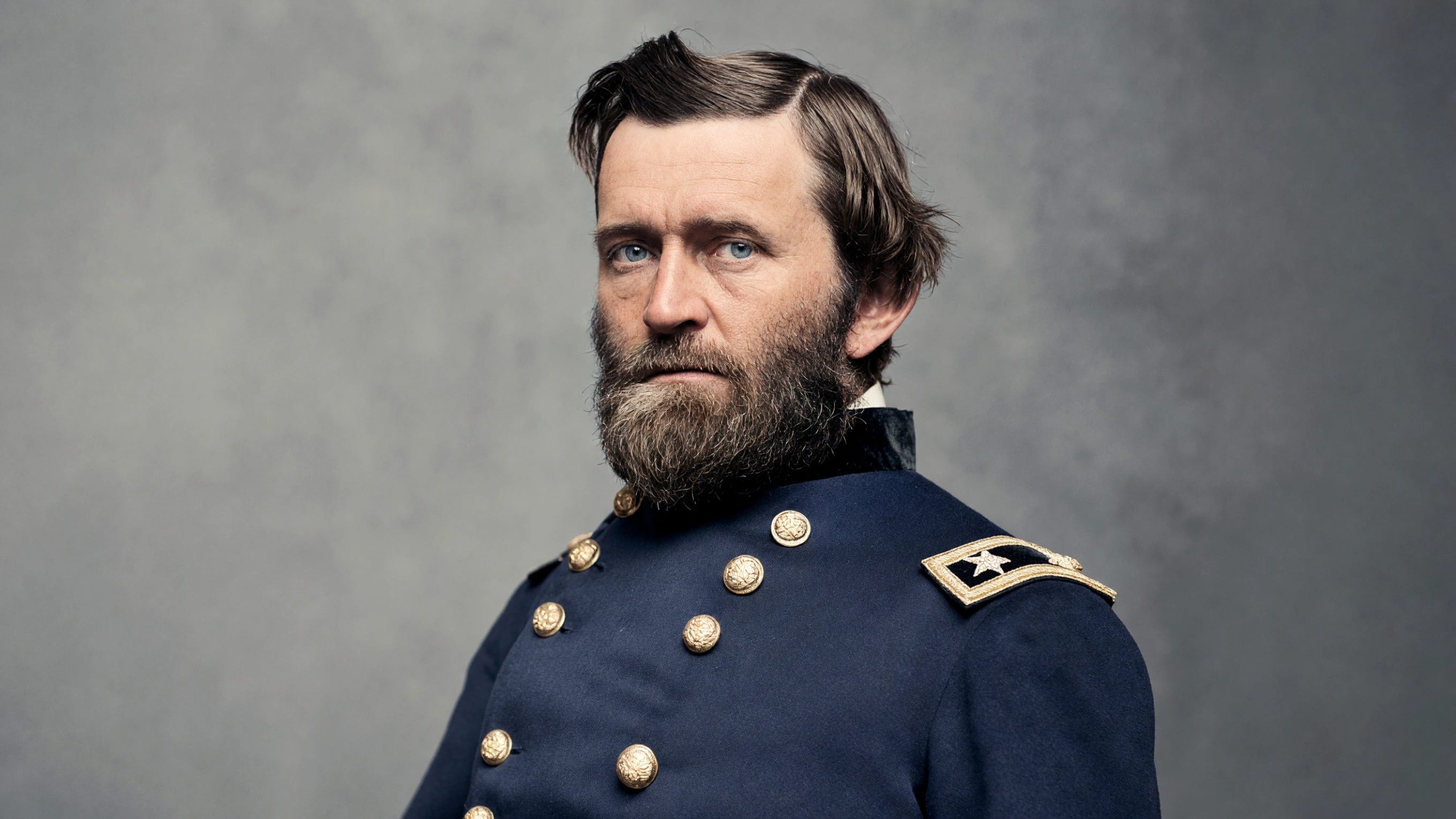
Undoubtedly, nothing about Grant’s life in those years hinted at a Mayflower bloodline, let alone a future in the White House. His farm outside St. Louis, which he called Hardscrabble, failed, and just before Christmas he pawned his gold watch for $22.
By 1860, he was clerking in his father’s leather store in Galena, Illinois, working for his younger brothers.
Then the Civil War came, and the failed farmer turned out to be the general the Union desperately needed. In February 1862, when a Confederate commander asked for terms, Grant replied, “No terms except an unconditional and immediate surrender can be accepted.”
Thousands of Confederate troops laid down their arms, and the North had a new hero, “Unconditional Surrender” Grant.
Three years later, Robert E. Lee surrendered to him at Appomattox Court House, and four years of civil war were effectively over.
Four years later, Delano blood reached the White House for the first time.
But Grant’s road there ran through Washington’s fiercest political fight. In 1867, he agreed to serve as interim Secretary of War, landing in the middle of a bitter power struggle between Congress and President Andrew Johnson, and when he sided with congressional Republicans, they rewarded him with the 1868 presidential nomination.
His two terms rarely appear on lists of great presidencies, yet they came at a fragile moment, and Grant used federal power to protect formerly enslaved Americans from the terror that followed the war.
While Grant fought his way across the South, FDR’s grandfather, Warren Delano Jr., was halfway around the world in Hong Kong, rebuilding the family fortune on opium.
The Opium Fortune
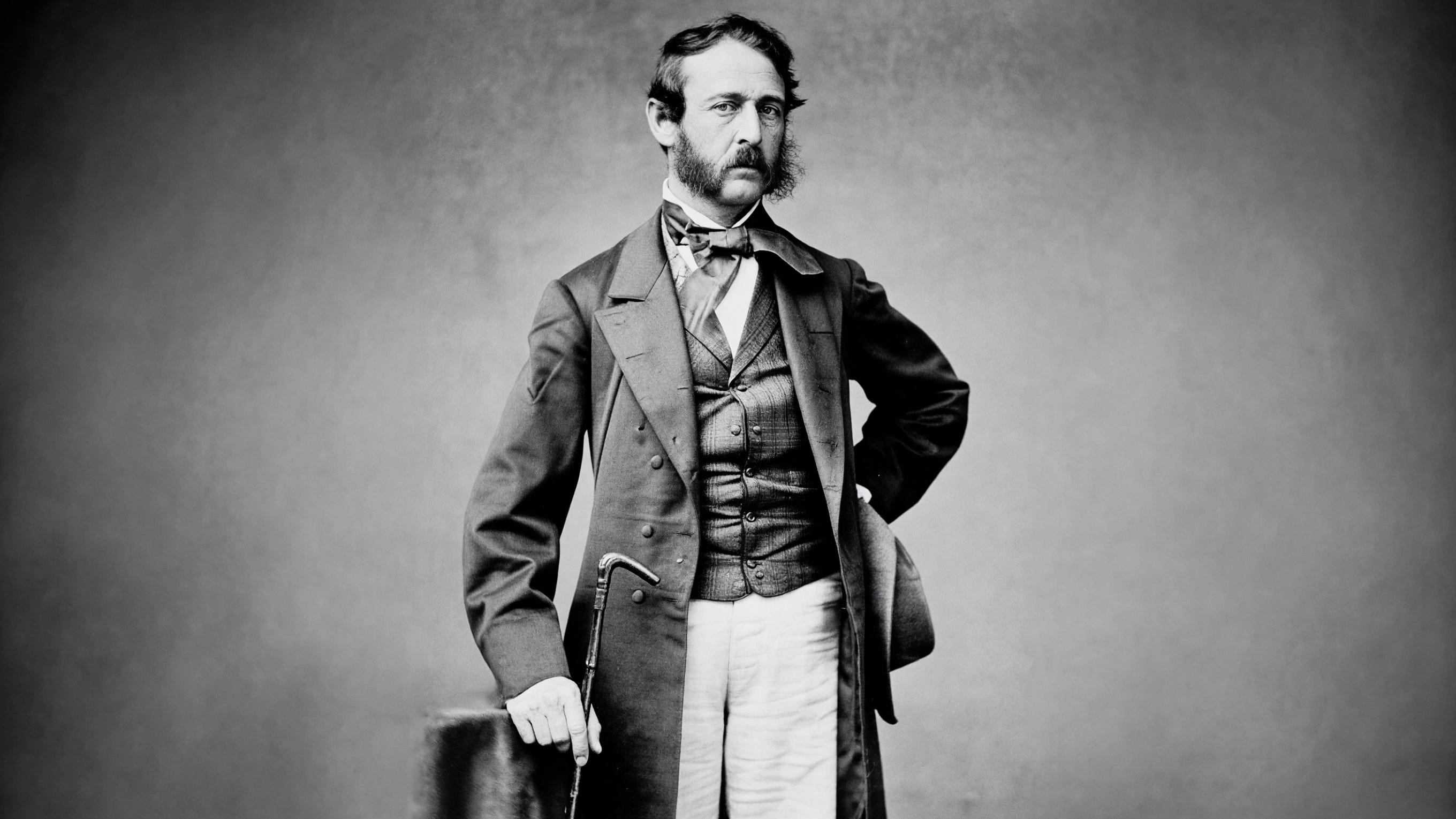
In 1862, a seven-year-old girl named Sara Delano boarded the clipper ship Surprise in New York for a four-month voyage to Hong Kong.
Her father, Warren Delano Jr., was waiting on the other side of the world, determined to win back a fortune he lost in the Panic of 1857.
And he knew the fastest way to do it. Warren built his career at Russell & Company, the leading American trading house in China, and a large share of the firm’s money came from shipping opium into a country that banned it.
Warren Delano Jr. built the family’s greatest fortune on a drug that was ravaging China.
Opium addiction reached into millions of Chinese homes in the 1800s, and Beijing’s efforts to stop the trade helped ignite the First Opium War in 1839. Western merchants kept shipping it anyway, and Warren defended the business as “fair, honorable and legitimate.”
Warren came home from Hong Kong in the mid-1860s a rich man once more. He filled Algonac, his estate above the Hudson, with porcelain and silk from the country his cargoes helped poison, and his daughter Sara grew up among those treasures.
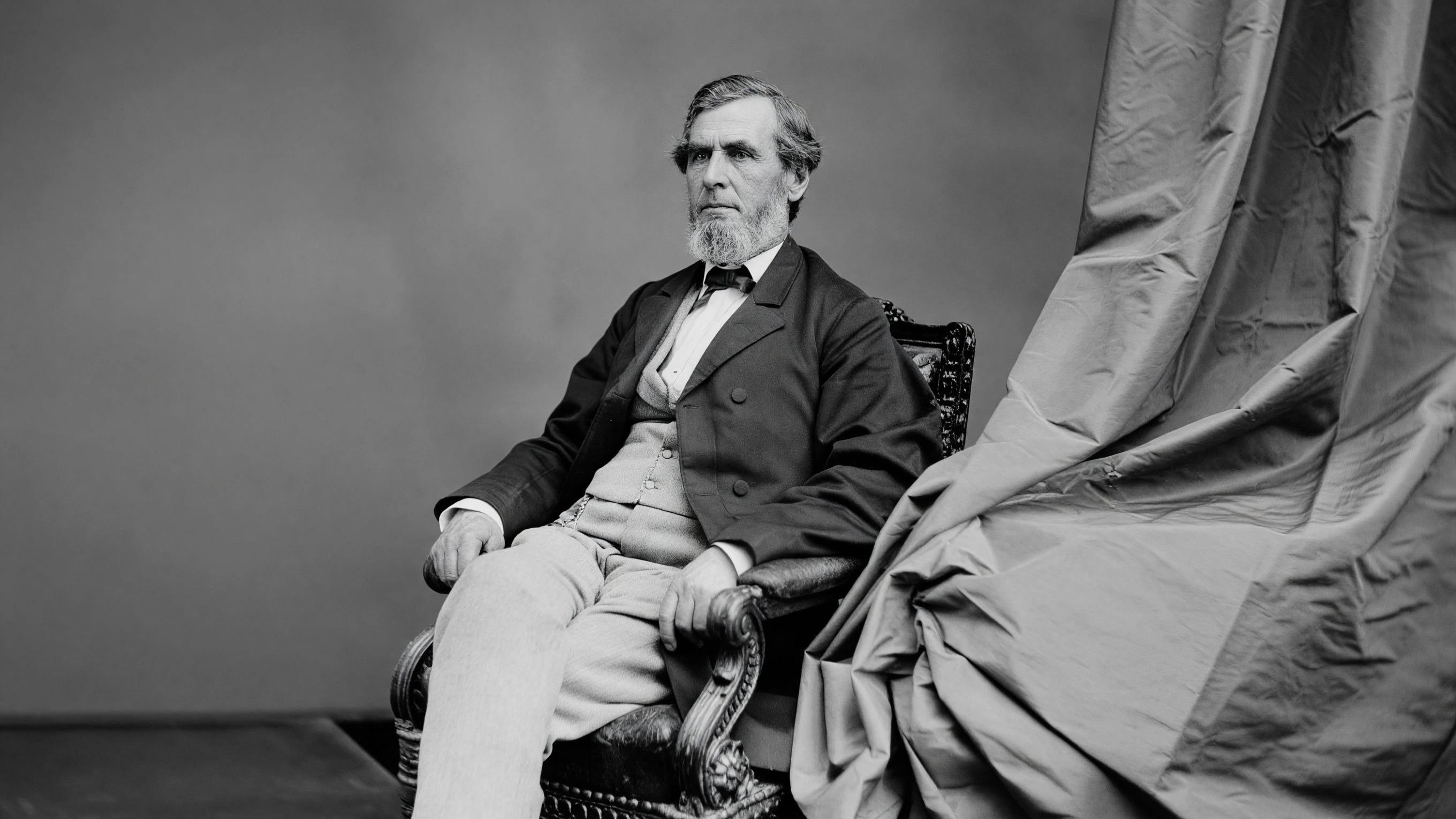
Another branch of the family was building power in Washington. Columbus Delano, an Ohio lawyer who’d served in Congress, joined Grant’s administration and in 1870 became Secretary of the Interior, overseeing the nation’s public lands and its policies toward Native nations.
Columbus Delano presided over the birth of Yellowstone, the world’s first national park, only to leave his relative Grant’s cabinet in disgrace.
Yet Columbus also welcomed the slaughter of the buffalo herds the Plains tribes depended on, seeing their disappearance as a way to force Native nations onto reservations.
By 1875, corruption inside his department grew so serious that he resigned. He spent his final years as president of the National Wool Growers Association, a quiet coda to a career that once reached across the American West.
Half a century later, Delano blood returned to the White House through a Vermont farm boy who took the presidential oath by the light of a kerosene lamp.
Silent Cal
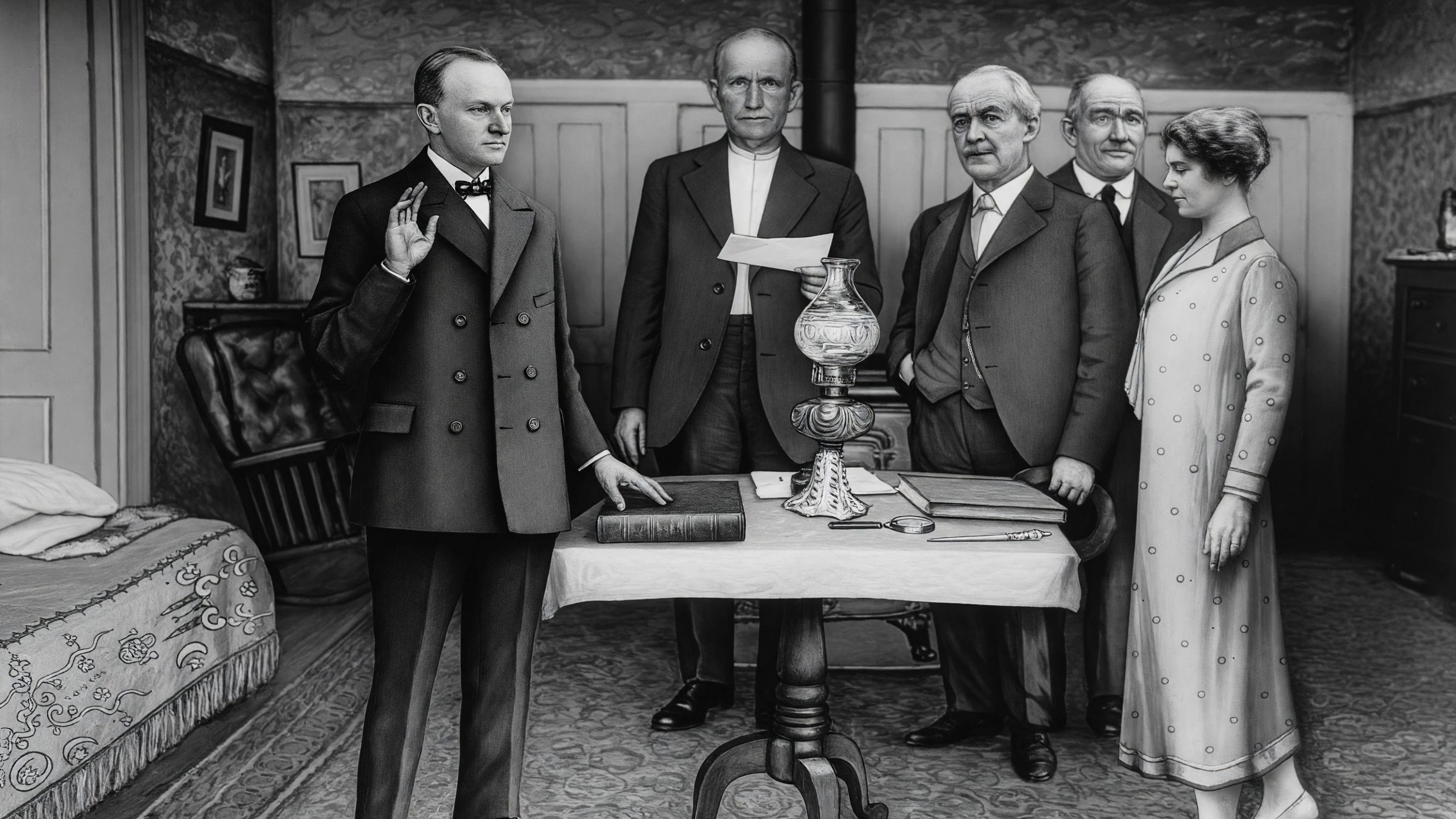
In the early hours of August 3, 1923, news reached a farmhouse in Plymouth Notch, Vermont, that President Warren G. Harding was dead.
Upstairs, Vice President Calvin Coolidge knelt and prayed, then came downstairs, where his father, a justice of the peace, swore him in as president by the light of a kerosene lamp.
Coolidge carried Delano blood as well.
His family tree ran back to the aforemention Jonathan Delano and Mercy Warren, through generations of New England families who long ago traded the Delano name for others.
Born on July 4, 1872, the only president born on Independence Day, Coolidge grew up in the same Vermont village where he would be sworn in. His father was a prosperous farmer and storekeeper who served in both houses of the Vermont legislature, and the family could afford to send Calvin to Amherst College, where he graduated with honors in 1895.
He started small, winning a seat on the Northampton, Massachusetts, city council while still in his twenties, and climbed steadily through state politics.
Calvin Coolidge became a national figure by breaking a police strike.
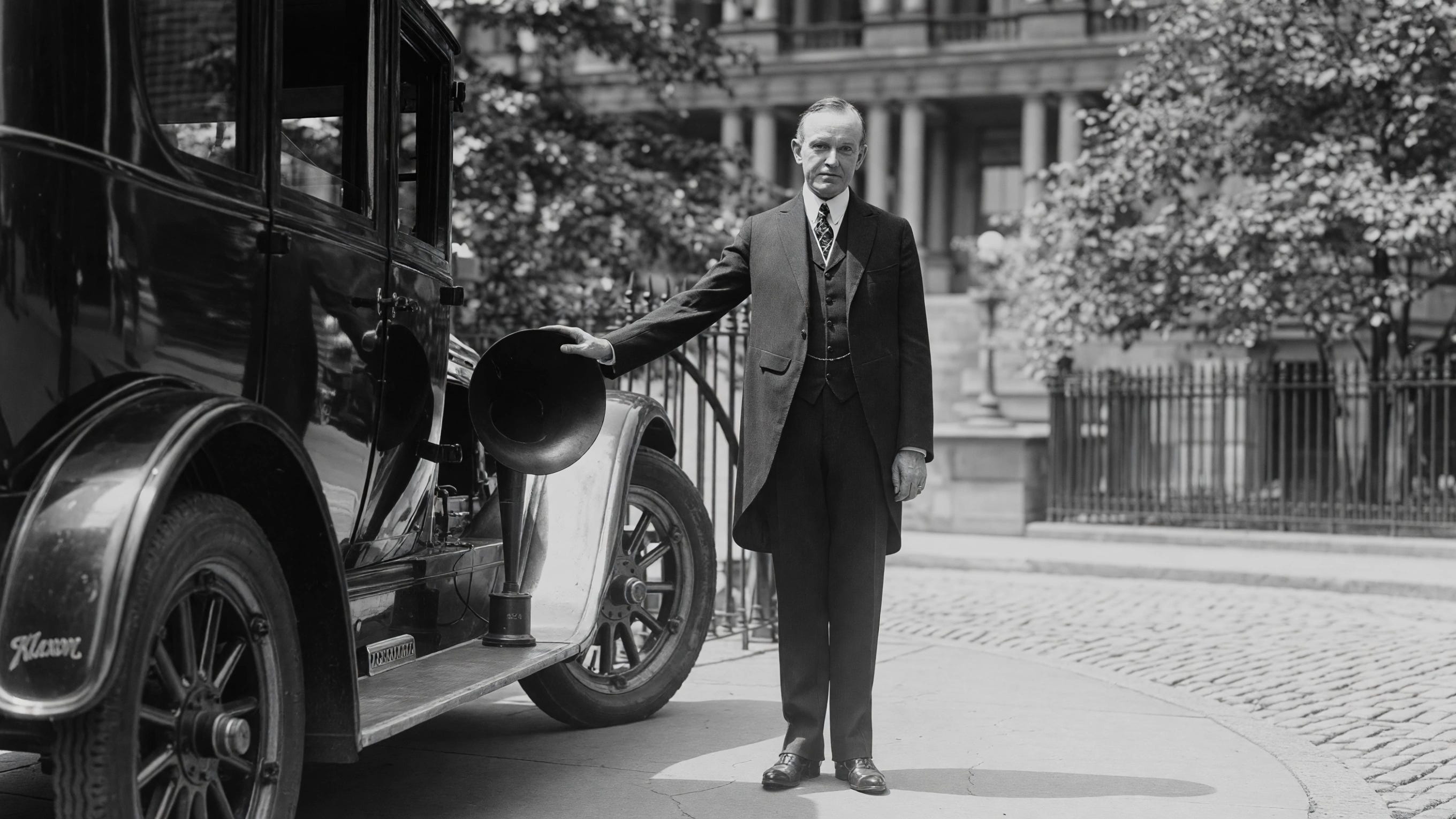
In 1919, as governor of Massachusetts, he faced a city in chaos when Boston’s police walked off the job. Coolidge sent in the State Guard, backed the firing of the strikers, and told labor leader Samuel Gompers, “There is no right to strike against the public safety by anybody, anywhere, any time.”
The line made him famous across the country. At the 1920 Republican convention, delegates rebelled against the party bosses and nominated Coolidge as Harding’s running mate.
Calvin Coolidge gave the Delano bloodline its second president.
As scandals from Harding’s administration came to light, Coolidge’s reputation for plain honesty helped restore public confidence in the White House. Reporters nicknamed him “Silent Cal,” and he presided over the booming Roaring Twenties until March 1929, leaving Washington months before the stock market crash.
Grant made his name by winning a war, and FDR would make his by remaking the federal government, but Coolidge built his reputation on keeping Washington out of Americans’ way.
“The chief business of the American people is business,” he told the nation’s newspaper editors in 1925.
In 1932, three years after Coolidge left office, a 65-year-old farm wife in the Missouri Ozarks published her first novel, and her family tree ran back to the same Jonathan Delano who rebuilt Dartmouth.
The Prairie Cousin
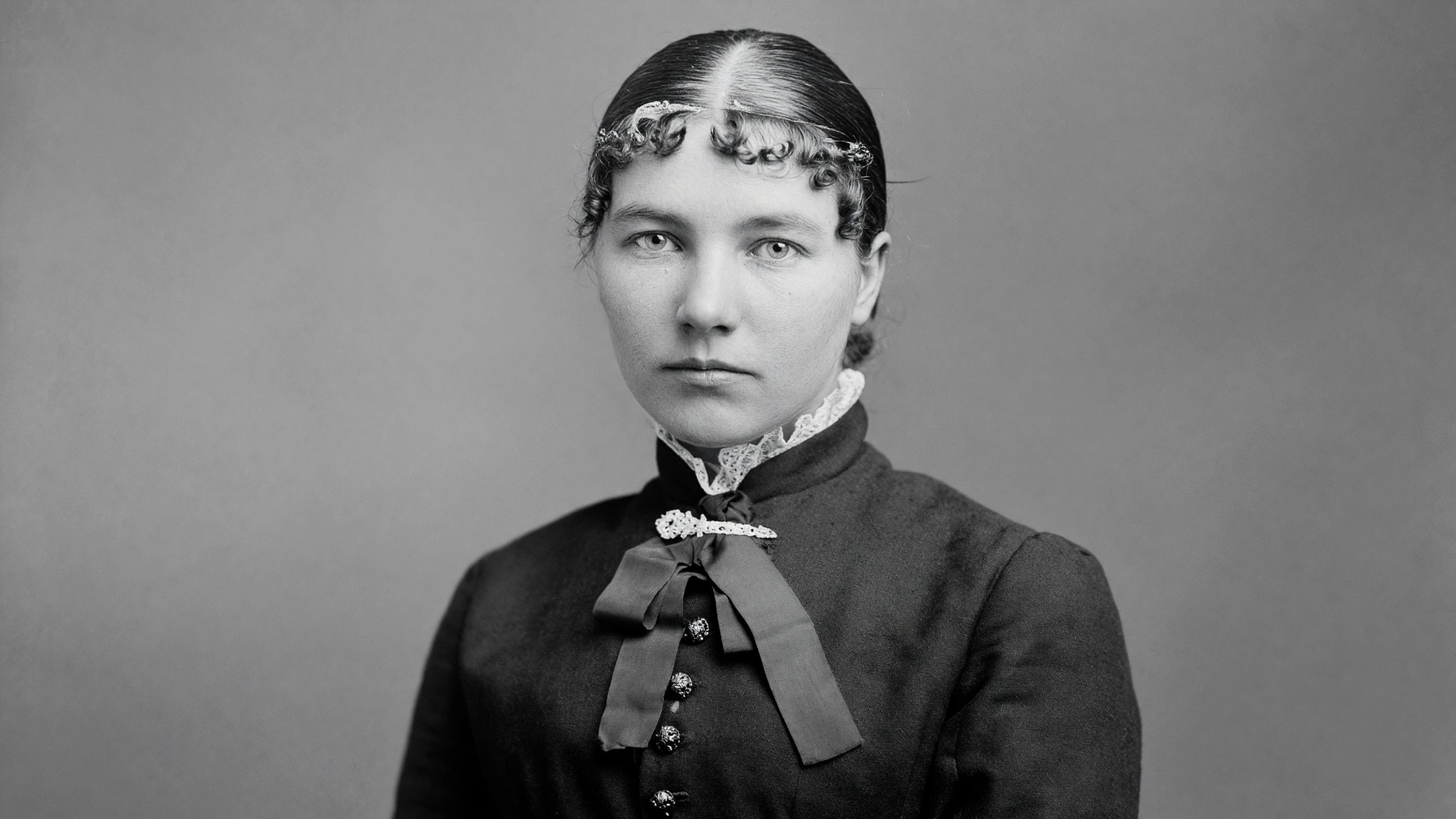
Laura Ingalls Wilder was born in 1867 in a log cabin in the Big Woods of Wisconsin, another descendant of Jonathan Delano and a distant cousin of Franklin D. Roosevelt.
Her childhood unfolded in covered wagons and claim shanties as her family moved across Kansas, Minnesota, Iowa, and the Dakota Territory, chasing land and outrunning failure.
At 15, she took her first job teaching school near De Smet, in what’s now South Dakota, and in 1885 she married a homesteader named Almanzo Wilder.
Their first years together brought one prairie disaster after another: hail and drought destroyed their wheat, diphtheria left Almanzo partially paralyzed, their infant son died, and their house burned down.
In 1894, the couple packed a wagon and moved to Rocky Ridge Farm outside Mansfield, Missouri, where Laura farmed for the rest of her life and later wrote columns for the Missouri Ruralist.
She was in her sixties when she began writing her childhood memories down.
Working with her daughter, the journalist Rose Wilder Lane, she published Little House in the Big Woods in 1932, and over the next decade the series grew into eight books that made her one of the most beloved authors in America.
For readers living through hard times, the books offered an escape into a harder but more hopeful age, when families survived blizzards, locusts, and failed harvests on their own grit. Five of them won Newbery Honors, and in 1954 the American Library Association created an award in her name, with Wilder as its first recipient.
Wilder was a lifelong Democrat, yet the Depression years turned her against her own party. She resented the government agents who came to farms like hers to question farmers about how many acres they planted.
Meanwhile, Rose, who polished her mother’s manuscripts, was becoming one of the earliest thinkers of what would grow into the libertarian movement.
The newly minted conservative Laura Ingalls Wilder despised the New Deal her cousin was building.
Beneath the wagon wheels and prairie storms, the books carried the two women’s shared faith in limited government.
Her cousin in the White House, meanwhile, was building the most powerful federal government the country had ever seen.
The Last Delano President

Sara Delano grew up at Algonac surrounded by her father’s China treasures, in a household that expected its children to join the adults’ conversations at the dinner table.
She was educated mostly at home, spent part of her childhood in Hong Kong, and later studied briefly at a girls’ school in Dresden, Germany. By her twenties, she was a wealthy debutante with no shortage of suitors.
The one she chose was James Roosevelt, a widower twice her age whom she met at a party celebrating his distant cousin Theodore Roosevelt’s graduation from Harvard.
James was a Harvard-trained lawyer turned businessman who made his money in coal and railroads, serving as vice president of the Delaware and Hudson Railway. His first wife died in 1876, and he lived on Springwood, his estate overlooking the Hudson at Hyde Park.
They married in 1880, and their only child arrived on January 30, 1882. Sara planned to name him Warren, after the Delano tradition for first sons, but instead named him Franklin, after her uncle, and gave him her family’s name in the middle.
She poured her devotion to the sprawling Delano clan into her only son, reading to him, bathing him, and directing his days herself. Decades later, she bought adjoining townhouses on Manhattan’s East 65th Street for herself and Franklin’s family, with doors connecting them on several floors.
Franklin entered politics young. He served as Assistant Secretary of the Navy under Woodrow Wilson, a fitting post for a man who’d loved ships since boyhood, and in 1920 he ran for vice president on a ticket that lost in a landslide.
Franklin Delano Roosevelt reached the presidency only after disease took his ability to walk.
In 1921, at 39, Roosevelt contracted polio and never walked unaided again. Seven years later, he won the governorship of New York, and in 1932 he won the White House, inheriting a country where roughly a quarter of the workforce had no job.
His answer was the New Deal, a sweeping program of public works, banking reform, and Social Security that redrew the relationship between Americans and their government. Through his fireside chats, he spoke to ordinary families in their living rooms, and they elected him four times, more than any other president.
After Japan attacked Pearl Harbor on December 7, 1941, “a date which will live in infamy,” Roosevelt led the country into World War II. He turned American factories into what he called “the arsenal of democracy” and met with Winston Churchill and Joseph Stalin at Yalta in early 1945 to shape the postwar world.
FDR’s death in 1945 ended the Delano century.
Roosevelt died at Warm Springs, Georgia, on April 12, 1945, less than a month before Germany surrendered. Within a generation, the bloodline behind three presidents had all but vanished from American public life.
The Vanishing Name
One by one, Roosevelt’s Delano relatives left the stage.
William Adams Delano’s last famous commission was a balcony he added to the White House for Harry Truman in 1948, and in 1953 Frederic died, the same year Preston left the Comptroller’s office.
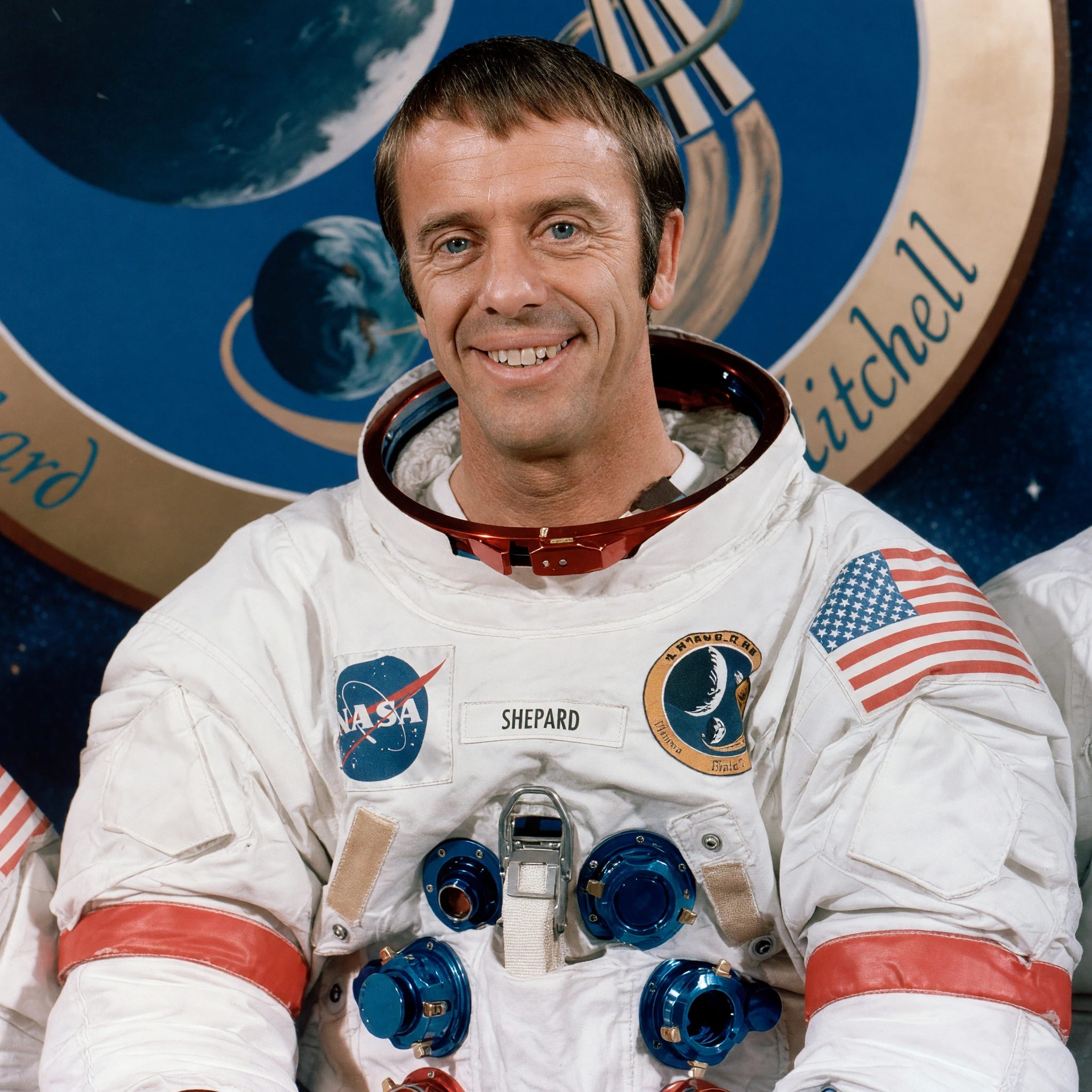
The bloodline kept producing extraordinary Americans, though almost nobody connected them to the family. In 1961, Alan Shepard, a Navy test pilot from New Hampshire with distant Delano roots, became the first American in space, and a decade later he walked on the Moon.
The name itself drifted into new hands. By the late 1960s, most Americans who heard “Delano” thought of a farm town in California’s Central Valley, named for Columbus Delano and made famous by the 1965 grape strike that turned Cesar Chavez into a national figure.
Few of them could have guessed that the name once belonged to a family with three presidents, a Civil War hero, and a moonwalker.
The true answer to the Delano mystery was hiding in the family tree all along. The family’s power flowed through its daughters.
Susannah Delano became a Grant, Elizabeth Delano’s descendants became Coolidges, and Sara Delano became a Roosevelt, each marriage carrying the bloodline forward under someone else’s name.
The Rockefellers, Vanderbilts, and Astors stamped their names on skyscrapers, foundations, and street signs. The Delanos scattered theirs across other people’s family trees, until the dynasty that arguably built modern America was hiding in plain sight.
But the most famous of them all kept the name where anyone could see it, tucked between Franklin and Roosevelt.
Wow.
What an engrossing story.
The history of the USA in one family.
Our national story is complex & filled with dark corners & lighted rooms.
Thank-you
My mother + father married in the final year of WW2, in Capodichino, Naples. My father in RAF uniform, my mother in one of the white wedding dresses Mrs Roosevelt loaned allied brides.