
So your family has finally booked that bucket list New York trip you’ve been dreaming about for years.
If we may be so bold, let us here at Old Money Luxury map out your first couple of days.
First, check in to the Waldorf Astoria, named for two feuding Astor cousins. In the 1890s, William Waldorf Astor put up the Waldorf on the site of his father’s Fifth Avenue mansion, right beside his aunt’s house. Her son built the Astoria next door, and the rival hotels eventually merged into one famous address.
In 1931, the hotel moved into a gleaming Art Deco tower on Park Avenue that opened as the tallest hotel in the world. For decades after, nearly every sitting president stayed there on visits to Manhattan.
Once a good night’s sleep shakes off the jet lag, carry your morning coffee up the steps of the New York Public Library’s main branch, past its two stone lions. Just inside, cool white marble lines Astor Hall, named for the Astor-funded library that became one of three collections merged in 1895 to create the institution you’re standing in.
To end the day, save your appetite for dinner on Astor Place in Lower Manhattan, named for the family patriarch. Around the corner on Lafayette Street, the red-brick building his will paid for once held that very library, and today it’s home to the Public Theater.
Walk all three stops and you’ll find the Astors’ mark all over town, with hardly a trace of the people who left it.
For most of the 19th and 20th centuries, the Astor name worked like a passport to the upper reaches of American society, backed by a fortune that began in fur and real estate and outlasted wars and panics.
Then, like any self-respecting American dynasty, the family married into the British aristocracy.
Today, two branches of the family survive on opposite sides of the Atlantic, but the distance between them is more than geographic.
In Britain, the Astors hold a seat in the House of Lords and sit at the same table as the royal family. In America, one descendant grew up eating TV dinners inside a crumbling family estate.
How each side got there comes down to one choice, made by one heir, who split the Astor family in two.
The First Multi-Millionaire
Before one heir could split the Astor fortune, someone had to build it.
In 1783, John Jacob Astor left his native Germany for the United States, where a craze on the other side of the ocean soon showed him how to make his living.
His business opening came from the heads of Europe’s best-dressed men. Hatmakers there turned beaver skins into fashionable felt, and that appetite made the animal worth a small fortune in the young republic, where beavers still crowded the rivers and forests.
The beaver trade became John Jacob’s education in how American commerce worked, and it paid him well for every lesson. Then he moved that fur money into something far more valuable than any pelt: New York real estate.
Astor’s bet was simple. As Manhattan’s population pushed north up the island, the open fields in its path would climb in value with every new arrival.
Thus he bought property and held it, decade after decade, until he owned enormous stretches of Manhattan.
And the returns dwarfed anything the fur business ever produced. When he died in 1848, he was recognized as America’s first multi-millionaire, and the fortune he left behind was already a dynasty in the making.
Mrs. Astor drew the line between old money and new money that many Americans still use today.
His son, William Backhouse Astor Sr., took to the New York property market with the same appetite and expanded the family’s holdings further.
The Astors were rich, and their women made sure the right people knew it. The most powerful of them, Caroline Schermerhorn Astor, known simply as “The Mrs. Astor,” ruled New York high society from her Fifth Avenue ballroom. Old Dutch families from the city’s colonial days got invitations, while fresh railroad fortunes like The Vanderbilts stayed outside.
But the family’s ambitions reached well past the American coastline. During the Gilded Age, wealthy American heiresses began crossing the Atlantic to marry cash-strapped British aristocrats with impressive titles, a phenomenon the press called the “dollar princesses.”
Consuelo Vanderbilt, for example, became the Duchess of Marlborough in 1895, her dowry propping up the sagging fortunes of Blenheim Palace. Winston Churchill, her husband’s first cousin, was born in that palace in 1874.
The Astors would follow the same route across the ocean, and one heir aimed higher than a wedding ring.
William Waldorf Astor left America in 1890 and became the first Viscount Astor.
William Waldorf was John Jacob’s great-grandson, and in 1890 he inherited the largest share of the fortune built by the original fur trader and once served as the American minister to Italy.
He wrote novels, filled his homes with Roman antiquities, and reportedly declared America is no fit place for a gentleman to live.
He therefore soon traded New York for London, took a title, and the Astor family formally split into two branches, one on each side of the ocean.
Both branches thrived in their own corners of the world, and neither showed signs of slowing down.
Then, in April 1912, the American branch lost its patriarch in the most famous
A Profound Social Conscience
The Astor family patriarch who would perish on “a night to remember” was Mrs. Astor’s only son, a restless Manhattan builder who patented inventions and even published a science fiction novel.
His name was John Jacob Astor IV, and we’ve already met his handiwork in our intro.
He was the cousin who answered cousin William Waldorf‘s hotel with a taller one next door in 1897, and the rival buildings soon joined as the iconic Waldorf Astoria.
In April 1912, he was sailing home from Europe with his young second wife, Madeleine, who was pregnant with their child. The ship carrying them was called the Titanic, and he died when the liner sank in the North Atlantic.
The tragedy sharpened the divide between the two branches for good.
In New York, Vincent Astor, John Jacob IV’s eldest child, inherited the estate and found himself one of the wealthiest young men in America overnight.
After serving in the First World War, he threw himself into philanthropy. Family biographer Derek Wilson called him “a unique figure in America, a wealthy Astor with a profound social conscience.”
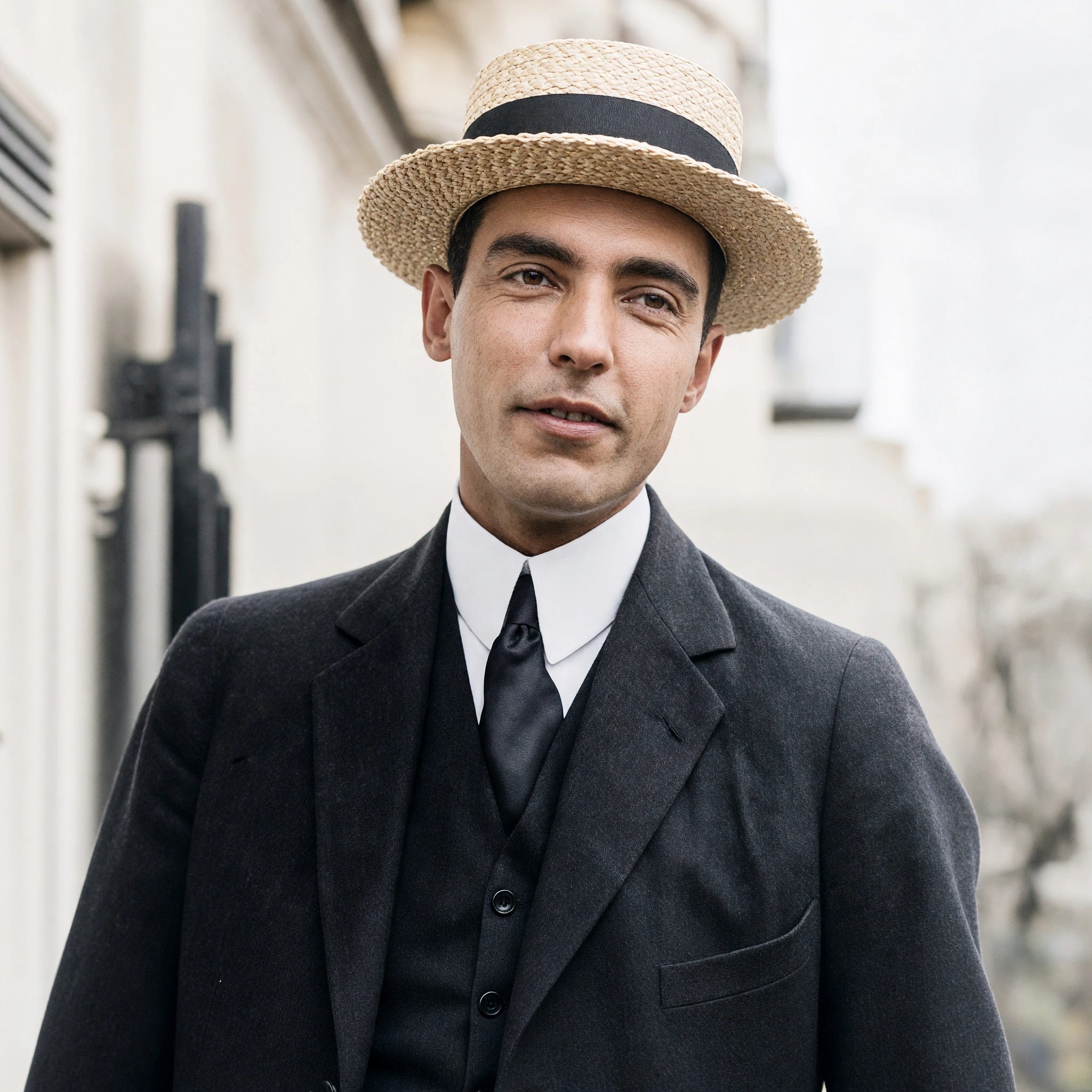
At 20, after coming into his fortune, Vincent left Harvard and set about remaking the family’s reputation, moving the Astors from aloof landlords to serious benefactors. His mark on New York’s skyline and civic life grew with every passing decade.
Vincent Astor became chairman and principal owner of Newsweek magazine in 1937.
The magazine operated from a building his father built. Vincent kept control until his death in 1959, and two years later, the Washington Post Company acquired a controlling stake from the Vincent Astor Foundation for $8 million.
But his death dimmed the Astor name in America. The philanthropic engine he ran slowed, the public presence faded, and the family’s position in the United States drifted quietly toward memory.
Across the Atlantic, the Astor story looked nothing like a decline.
The British Astors, anchored by the peerage William Waldorf earned in 1890, married strategically through the 20th century, generation after generation tying themselves deeper into the aristocracy.
When the 21st century arrived, the London branch was doing something far more ambitious.
One of them was the stepfather of a British prime minister’s wife.
Entering Their Prime
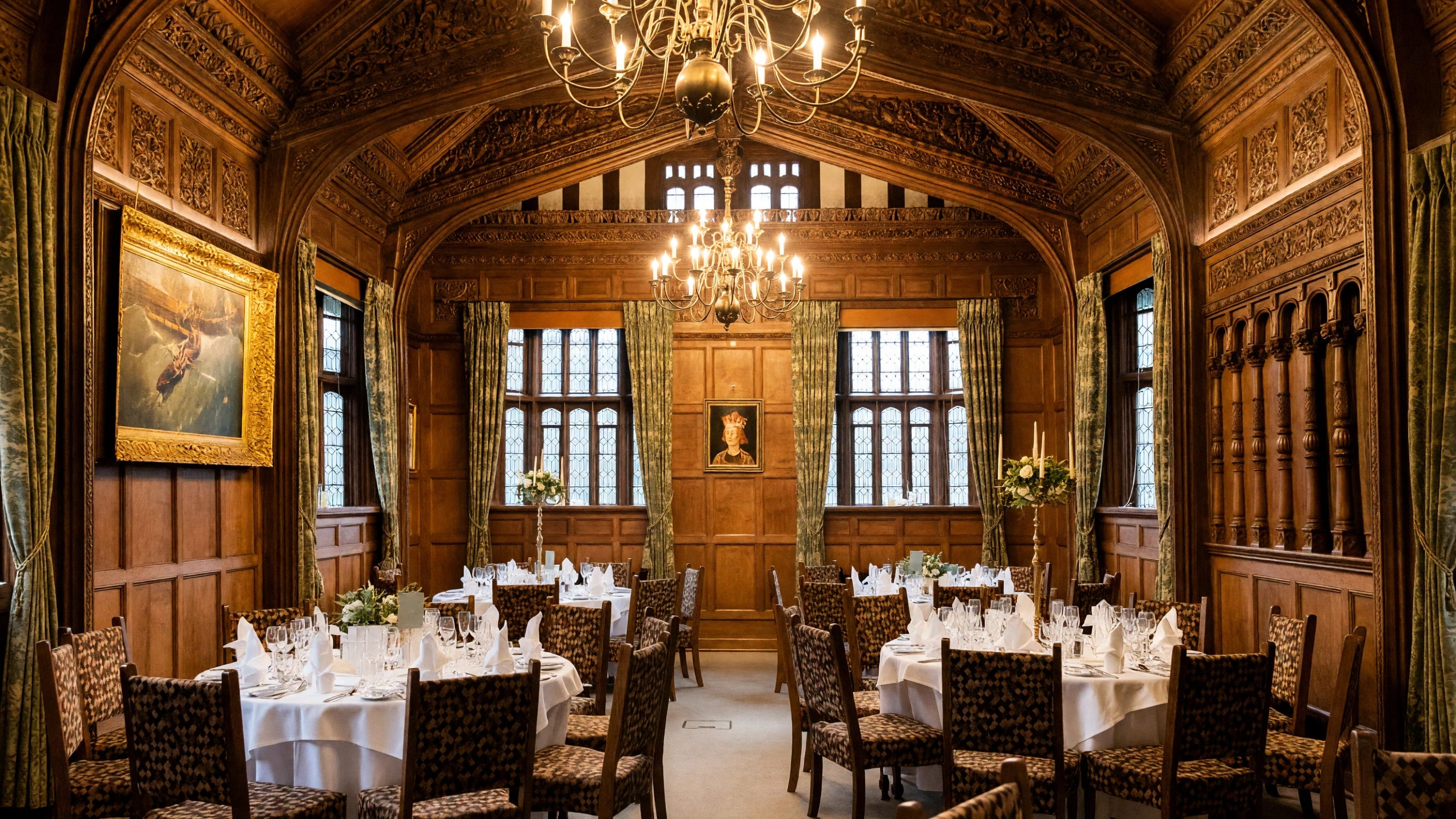
In the 21st century, the London branch’s reach into British power starts with one man: William Astor, the fourth Viscount Astor.
Born in 1951, he inherited the title at 14, when his father, the third Viscount, died in 1966. The boy held a seat in Parliament years before he was old enough to take it.
He took that seat as a young man, and half a century later, he’s still in it.
He sits in the House of Lords, Britain’s unelected upper chamber of Parliament, as a Conservative hereditary peer.
His political and business career has earned respect in Westminster. Whispers of antiquated privilege trail close behind. King Charles III’s efforts to modernize the peerage system now raise fresh questions about whether old hereditary titles will survive.
The next person to step into the Viscount’s story arrived through his marriage.
In 1976, he married Annabel Lucy Veronica Jones, the former wife of a baronet. She brought her young daughter, Samantha, into the marriage, and the girl moved into the Astor household as his stepdaughter. Samantha grew up under his roof while keeping the baronet’s last name she was born with.
When David Cameron became prime minister, his wife Samantha’s stepfather was an Astor.
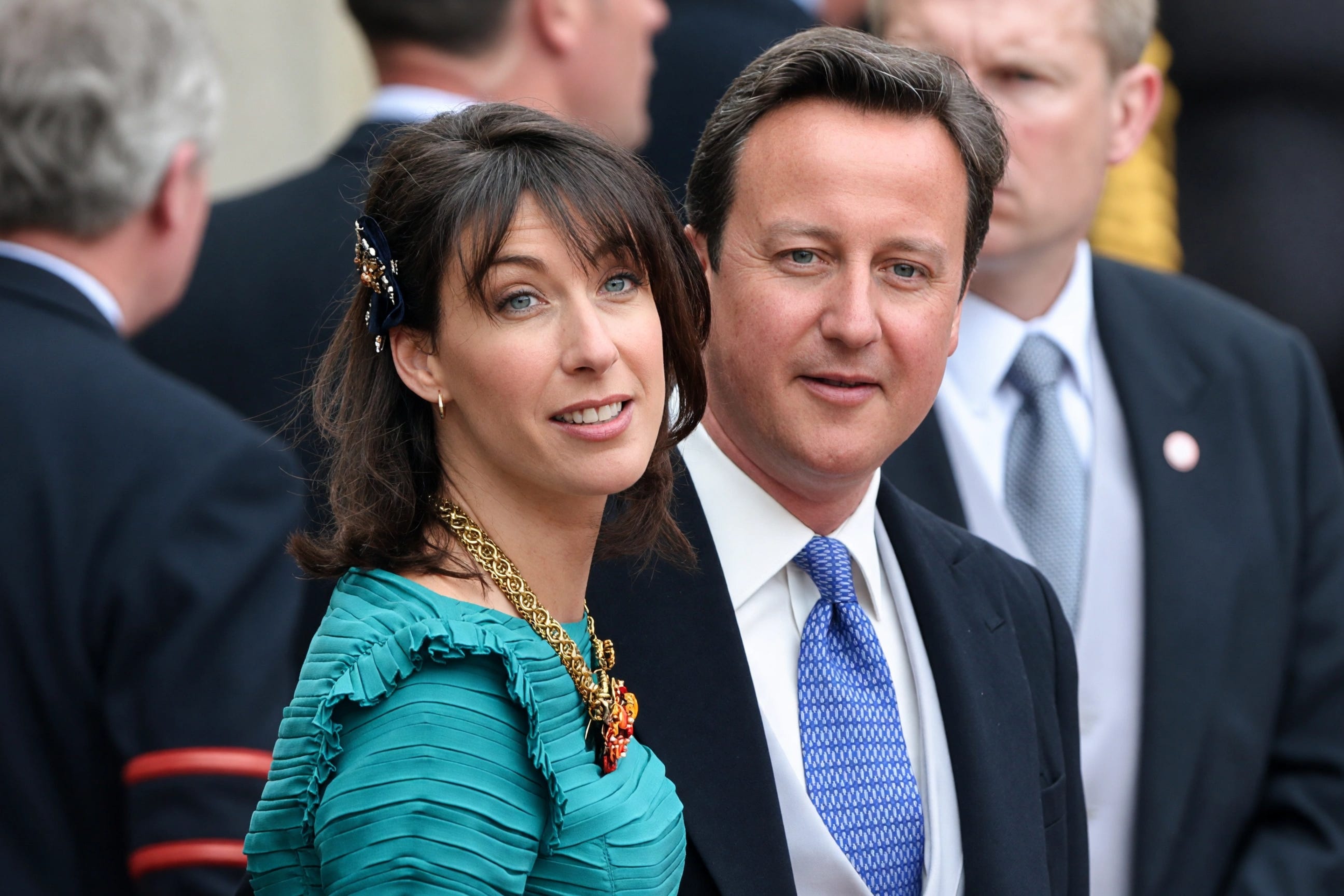
The marriage placed the Astor name within arm’s reach of 10 Downing Street. Their children, Flora Catherine, William Waldorf IV and James Jacob (known as Jake), each carry the name into the millennial generation.
Flora keeps a low profile, William is navigating the weight of inheritance, and Jake is carving out a path of his own.
The second great Astor patriarch in Britain sits at Hever Castle in Kent. John Jacob Astor, known as Johnny, the third Baron Astor of Hever, was born in 1946.
Johnny’s schooling came at Eton, the boarding school where Britain’s ruling families send their sons. From there he rode with the Life Guards, the mounted regiment that escorts the monarch on state occasions, with postings in London, Malaysia and Hong Kong.
Where the fourth Viscount’s influence runs through marriage, Johnny’s runs through service.
His political career gained real prominence after the House of Lords Act of 1999 reduced the number of hereditary peers but allowed him to keep his seat. From 2010 to 2015, he served as Parliamentary Under-Secretary of State at the Ministry of Defence, a post well beyond the ceremonial.
The third Baron Astor’s son married a Belgian princess at Hever Castle in 2017.
His heir, Charles Gavin John Astor, married Princess Eléonore Marie Ghislaine de Mérode of Belgium in June 2017, in a ceremony at the family’s castle.
Princess Eléonore, daughter of Prince Léonel, introduced continental European royalty into the Astor bloodline. Their children, Astrid Henriette Elizabeth, born in 2020, and Lily Rose, born in 2023, carry both the Astor name and Belgian aristocratic lineage.
The political connections were impressive enough. The royal ones ran even deeper.
The Grumpy Bridesmaid
Charlie Astor, born in 1982, is a great-great-grandson of William Waldorf and represents a lighter side of the modern family.
His time in the tabloids came mostly from a past romance with Pippa Middleton, the Princess of Wales’s sister. Away from the gossip columns, he co-runs Sharky and George, a children’s entertainment company with high-profile clients, and he holds a Guinness World Record for a pantomime horse race.
Rose Nancy Langhorn Astor, daughter of David Astor of Jupiter Asset Management and Classic FM, strengthened the family’s position in the British establishment through her marriage to Hugh van Cutsem.
The van Cutsem family sits deep in the royal circle. Hugh’s father, Hugh Bernard Edward van Cutsem, was a close friend of King Charles III, a friendship that started during their days together at Cambridge and carried through decades of royal life into the next generation.
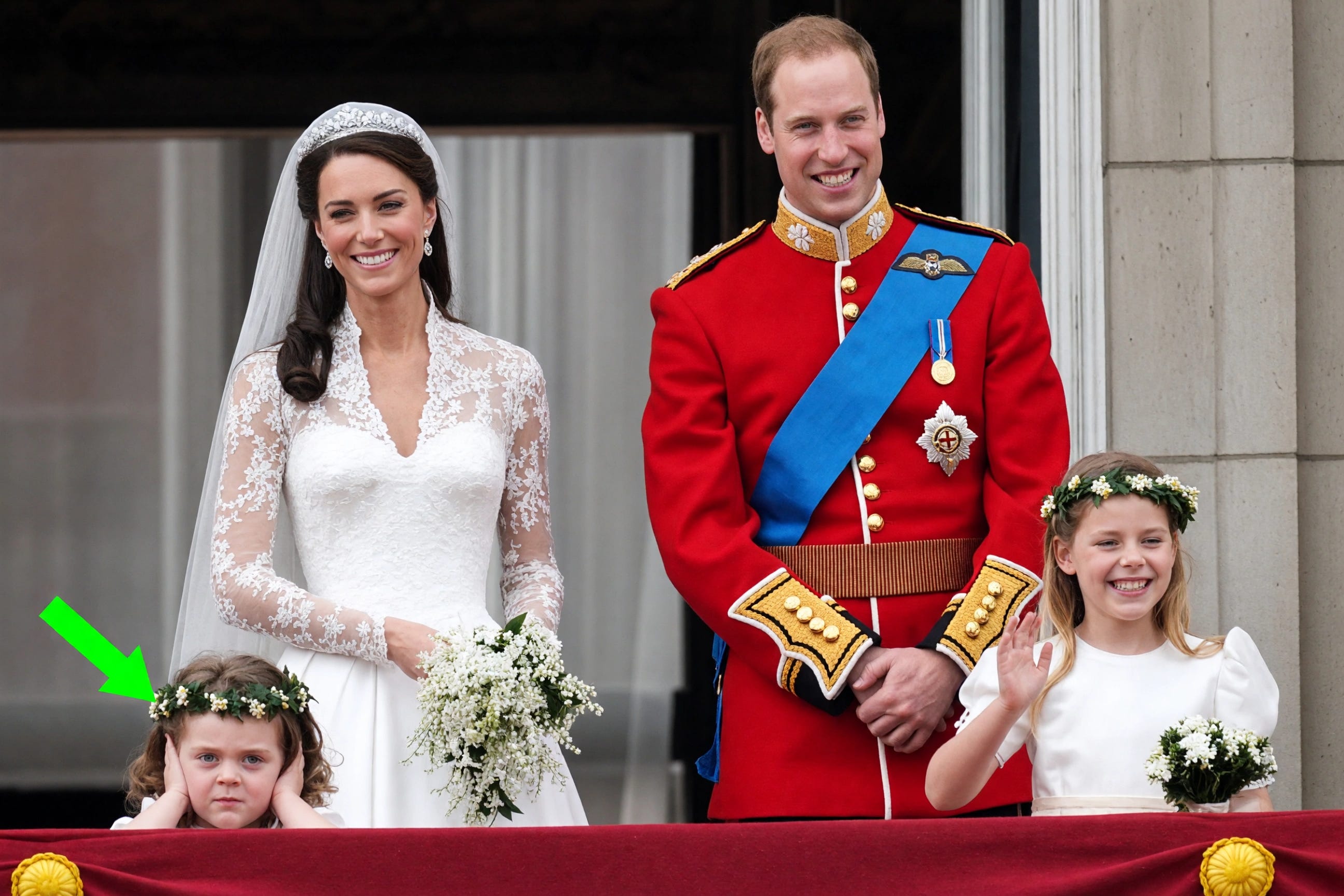
Grace van Cutsem, Prince William’s goddaughter and an Astor descendant, became the “grumpy bridesmaid” at the 2011 royal wedding.
Rose and Hugh’s daughter Grace Emily Claire van Cutsem walked in the bridal party when the prince married Catherine Middleton.
Her moment came afterward, on the Buckingham Palace balcony. While the newlyweds kissed, her small, forlorn face stole the picture, and the global press instantly dubbed her “the grumpy bridesmaid.”
But the family’s ties to the crown went further still.
Harry Marcus George Lopes, born into the Astor and Lopes families, married Laura Rose Parker Bowles, the daughter of Andrew Parker Bowles and Queen Camilla.
Harry Lopes’s marriage to Queen Camilla’s daughter tied the Astor bloodline directly to the British throne.
Yes, the British Astors have been interweaving their bloodline with the very peak of national influence, one marriage at a time. They’ve connected themselves to prime ministers, princesses, and even the royal family itself.
But back across the Atlantic, the American branch tells a very different story, and the woman at its center married into the name at 51.
The Presidential Medal
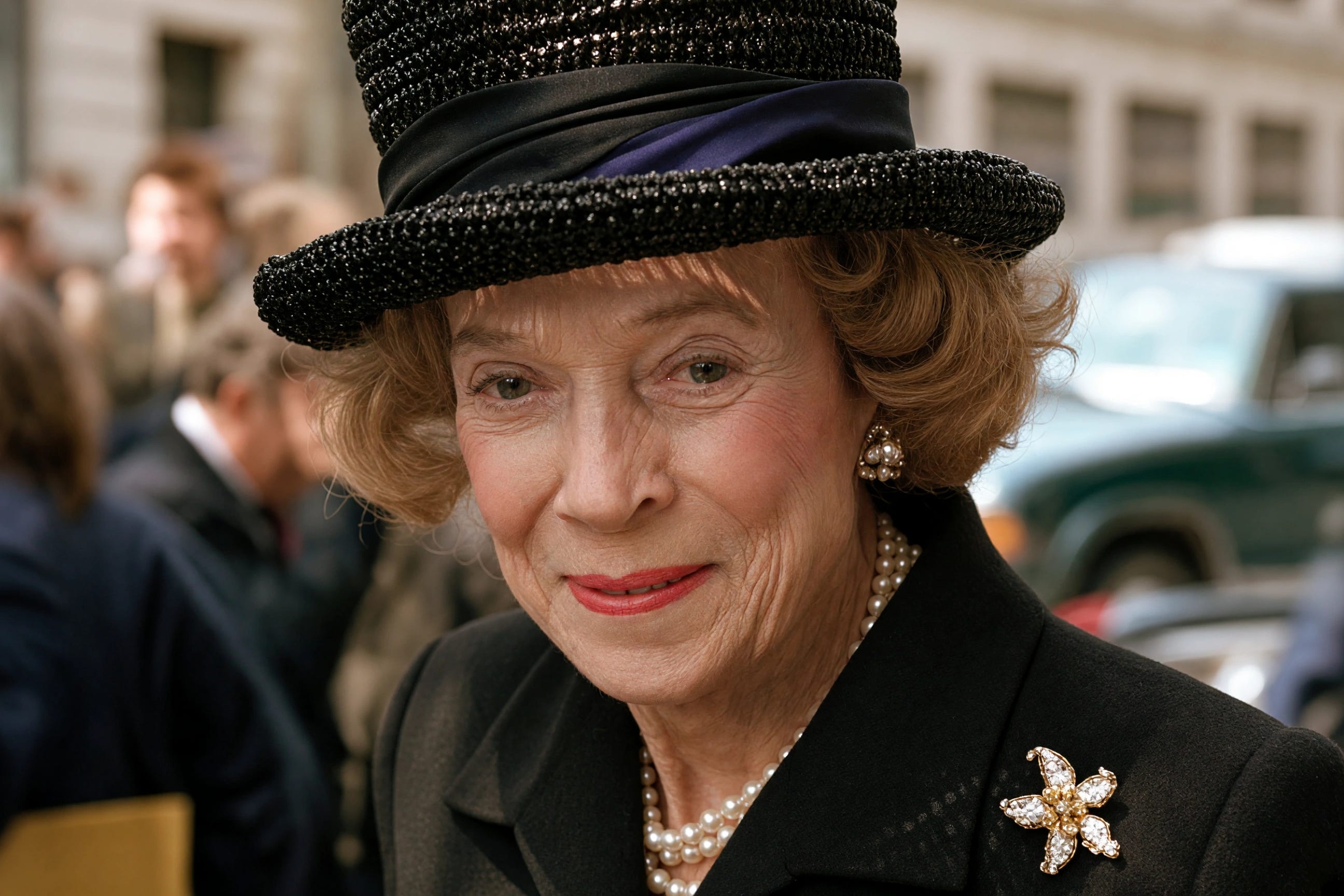
On the American side of the Atlantic, the Astor fortune belonged to Vincent Astor.
He was the eldest son of the aforementioned John Jacob Astor IV, whose death on the Titanic in 1912 left the American branch without a leading patriarch.
Vincent filled that empty seat for the next four decades, and in the end, his choice of wife shaped the family’s American legacy more than anything he did with the money.
In October 1953, Vincent married Roberta Brooke Russell, a twice-married woman born on March 30, 1902.
Brooke’s early life, shaped by her father’s military career, gave her a love for art and literature, and she entered society’s upper tier through her first marriage to J. Dryden Kuser at the age of 16. That marriage ended in 1930, and she moved to New York, where she built a reputation in both philanthropy and writing.
Her second marriage, to Charles Marshall in 1932, expanded her travels and her literary work.
Yet it was her third marriage, to Vincent Astor, that turned her into one of America’s most prominent philanthropists. She led the Vincent Astor Foundation and directed roughly $195 million to charitable causes over her lifetime.
Brooke Astor earned both the Presidential Medal of Freedom and the National Medal of Arts.
Brooke came into the name through marriage, yet she carried it further into the public’s imagination than any blood Astor alive.
She wrote novels and autobiographies reflecting the life she built, and for decades, she was the face the country associated with the Astor legacy.
But her later years brought scandal.
Her son, Anthony Dryden Marshall, born in 1924, was her only child from the Kuser marriage. His career touched a surprising number of corners: Marine Corps officer, U.S. Consul, Ambassador, CIA officer, Broadway producer.
Yet the sharpest challenge to that polished résumé came from his own blood.
His son Philip accused him of mistreating and exploiting Brooke, and the trial that followed ended in Marshall’s conviction for grand larceny and conspiracy.
Brooke Astor’s own grandson accused her son of exploiting her in her final years.
The case peeled back the curtain on a family that once stood for noblesse oblige at its finest, and it left the American Astor name tied to a courtroom drama that felt nothing like philanthropy.
Marshall married three times, and all three marriages were troubled.
For all his careers and marriages, the Astor name in America nevertheless still belonged to his mother.
Brooke stands as the most consequential Astor in 20th-century America, yet her story ended with her son on trial.
Yet running alongside the Brooke Astor saga is a bloodline most Americans never knew existed, one that stretches all the way to Tsarist Russia.
Land Rich, Cash Poor
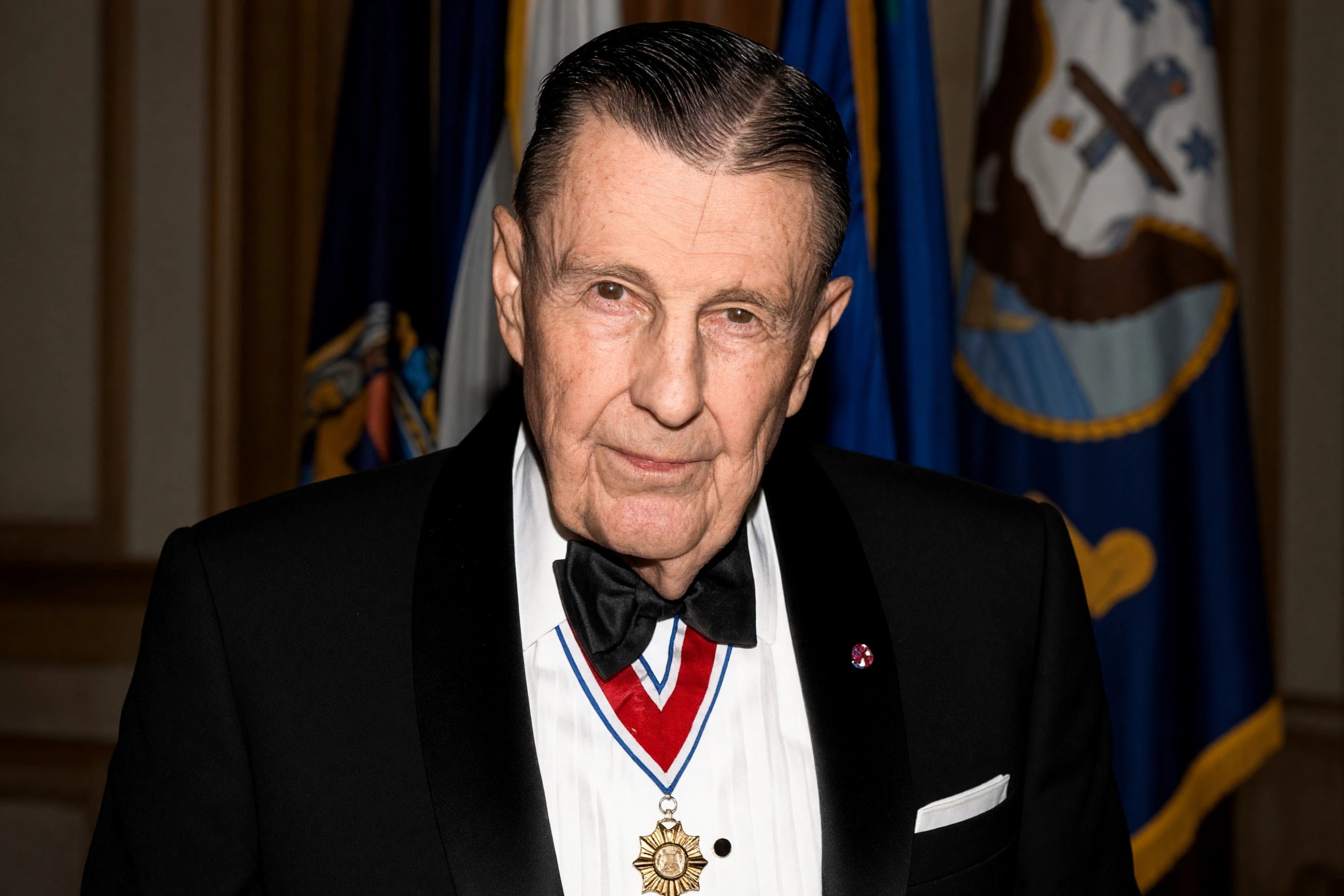
To find the Astors’ Russian bloodline, we have to step back to London in May 1925, when Ivan Obolensky was born.
His grandfather was John Jacob Astor IV, the Titanic victim we’ve already met, and his family tree ran through a world far removed from Manhattan real estate.
His father, Prince Serge Obolensky, was born in 1890 into Tsarist Russia’s ruling class.
The Obolensky family traced its lineage to the Rurikid rulers of Kievan Rus, a dynasty that predated the Romanov emperors.
As a young man, the prince enjoyed every privilege his ancestry promised, and that life looked secure.
Serge attended Oxford, played polo and joined the exclusive Bullingdon Club.
Then the Russian Revolution upended everything. He fought the Bolsheviks as a cavalry officer, lost, and fled the country.
After fleeing the Russian Revolution, Serge settled in London, where he worked as a stockbroker and moved in aristocratic circles.
At a London costume ball, he met Alice Muriel Astor, the daughter of John Jacob Astor IV. Serge was dressed as a Cossack, while Alice wore a Chinese dress and a necklace said to have come from Tutankhamun’s tomb.
The two fell in love, despite objections from Alice’s mother , who disapproved of her daughter marrying an impoverished Russian prince.
In July 1924, they married in London, uniting Russian aristocracy with one of America’s greatest fortunes.
He later became vice chairman of Hilton Hotels and served as a lieutenant colonel with the U.S. paratroopers in World War II, working alongside the Office of Strategic Services, the precursor to the CIA.
An Astor grandson with a Russian prince’s name launched a Pulitzer Prize-winning novel.
Serge’s son Ivan put the Obolensky name to work in books. He co-founded McDowell, Obolensky Inc., a publishing house that released the Pulitzer Prize-winning novel A Death in the Family by the famed journalist and film critic James Agee.
Yet for all his success in print, Ivan found his home life much harder to hold together.
He married Clare Elizabeth McGinness in 1949, and they had three children before divorcing in 1956. His second marriage, to Mary Elizabeth Morris in 1959, produced another son.
Each of those children carries the Astor bloodline.
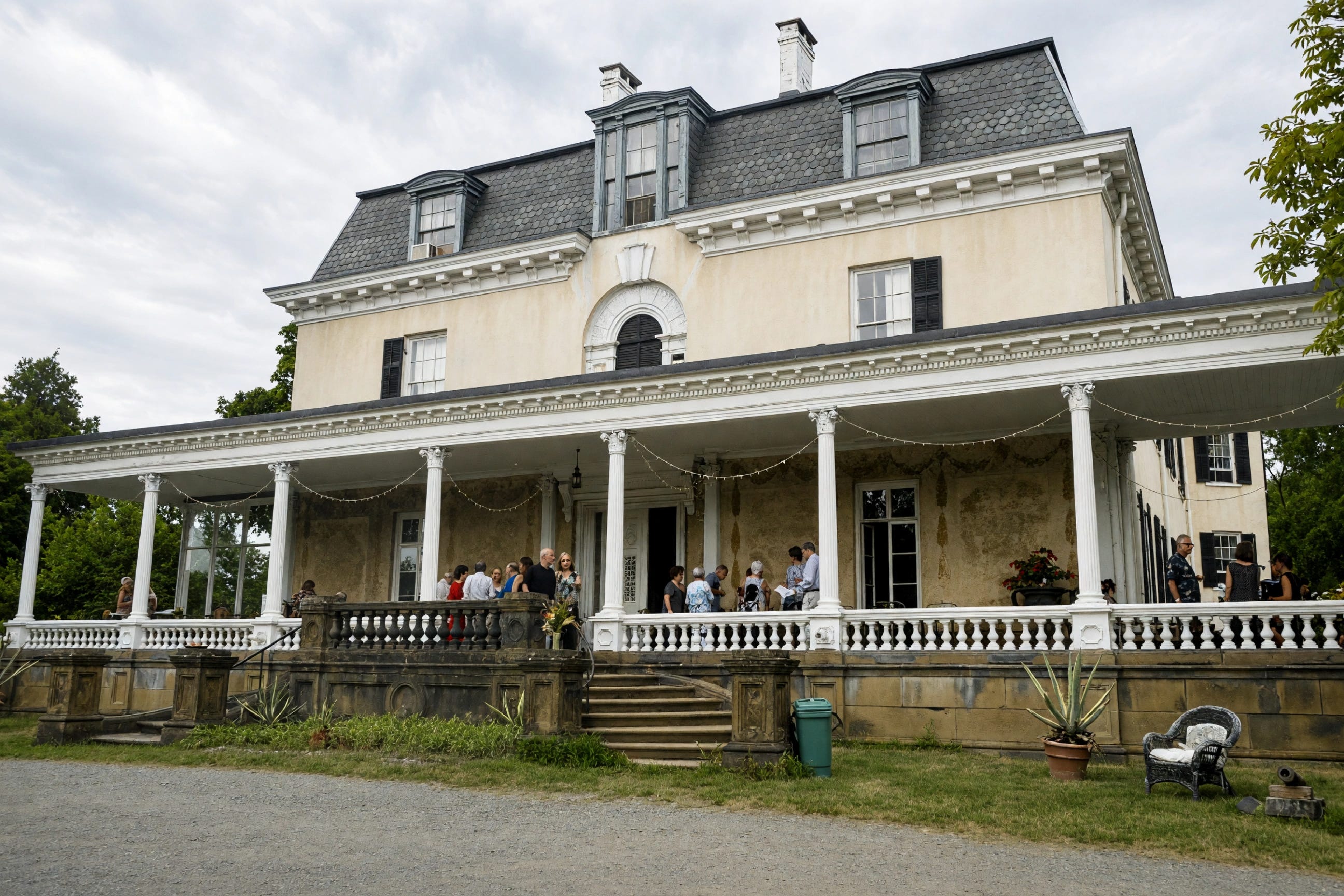
But the most striking story of the American Astors belongs to Alexandra Aldrich, the fifth great-granddaughter of John Jacob Astor himself.
Alexandra grew up in the 1980s at Rokeby, the family’s 43-room estate in Barrytown, New York.
Rokeby came to the Astors through a marriage in the early 1800s, and it passed from one generation of heirs to the next ever since.
The property sprawled across 420 acres, complete with woods and outbuildings, and its 40-foot hallways were lined with heirlooms and opulent furnishings.
From the outside, it looked like wealth. From the inside, it smelled like decay.
“Everyone in my neighborhood assumed that we were aristocrats and wealthy,” Alexandra said.
Yet this Astor descendant knew how her family really lived. “I was raised in a mansion, [yet] I really grew up extremely poor.”
Inside Rokeby’s walls, the proof arrived at mealtime.
Alexandra Aldrich’s family ate discarded pie-factory TV dinners inside a 420-acre Astor estate. The adults around her offered little shelter.
Her father, Ricky, held a Harvard degree, yet he spent his days as Rokeby’s unpaid handyman, patching a house that paid him nothing.
Her grandmother, meanwhile, struggled with alcoholism.
For a young Alexandra, that left the house both a playground and a prison.
In 2013, she put that childhood into The Astor Orphan. The memoir follows a 10-year-old navigating familial chaos in a mansion that was falling apart around her, a life of “land rich, cash poor” dysfunction.
So the next time you think about your last name, remember that one ancestor’s choice may be all that stands between your family and a royal wedding in England, or a TV dinner in a decrepit estate.
fabulous article, thank you
Enjoyed the article and the branches of the family over the years up to today. Most had achieved their ambitions one way or another. Even The Orphan wrote a book!