
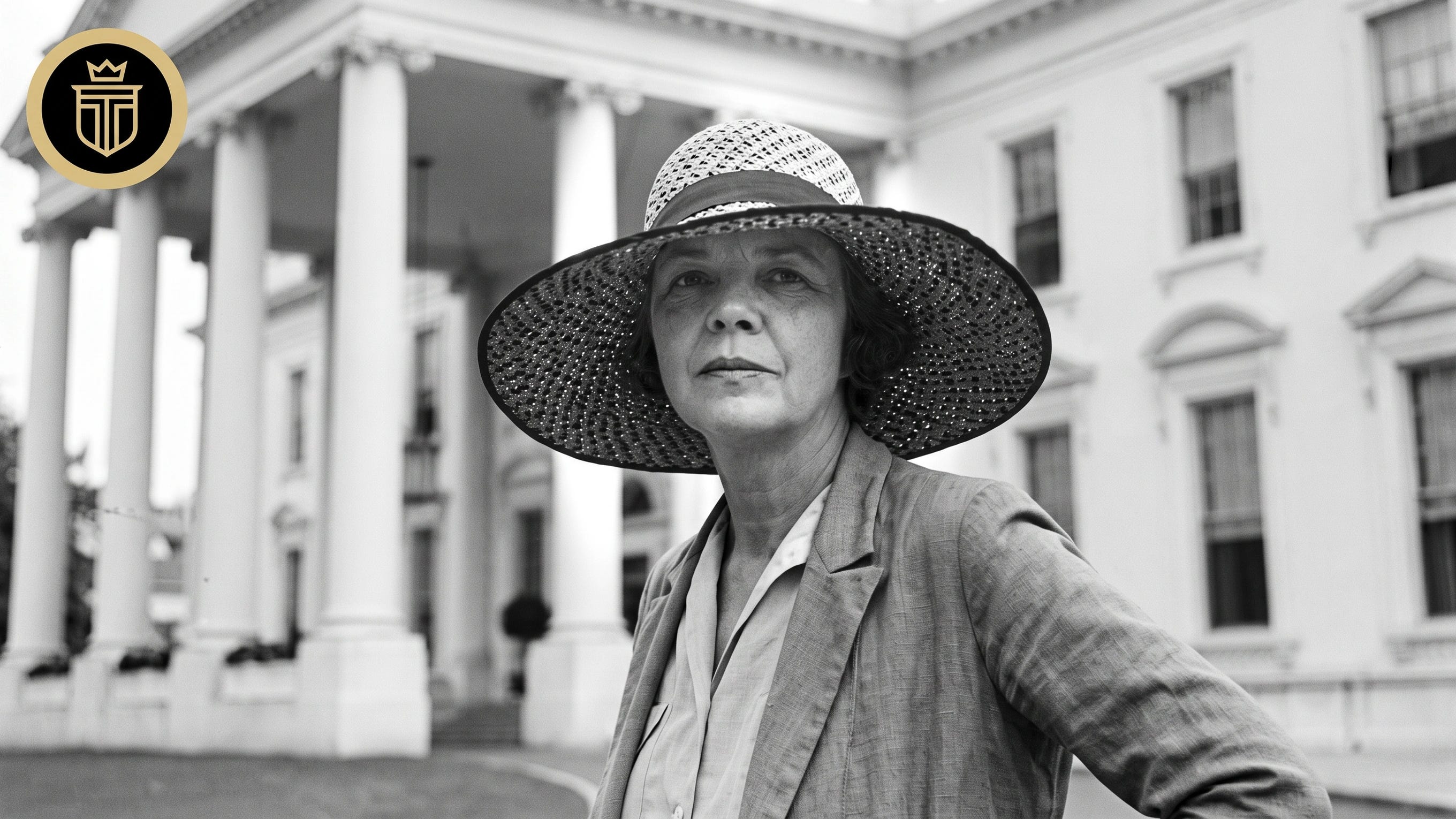
The pistol beside the bed was loaded.
Another one sat in her handbag, another in the glove box of the car outside, and Cissy Patterson had spent her last summer telling everyone from her lawyer to her hairdresser that someone inside her own house wanted her dead.
When her stepdaughter walked into the bedroom at Dower House on the morning of July 24, 1948, Cissy was sprawled across the mattress with her head hanging off the edge and her hair over her face, and none of the pistols had been fired.
The coroner ruled heart attack, aggravated by decades of alcoholism, and Prince George’s County closed the file inside a day. She was 66, and she’d been scheduled to meet her lawyer that morning to change her will for the eighth time in twenty-four years.
By the time she was buried in Chicago beside her grandfather, the woman on the bed had run a newspaper feared by presidents, printed the top-secret American war plan three days before Pearl Harbor, and owned three of the most storied properties in the country.
Within six years the paper she used as a weapon was gone, and within twenty-five its name had been scraped off the masthead that swallowed it.
The Granddaughter Of A Kingmaker
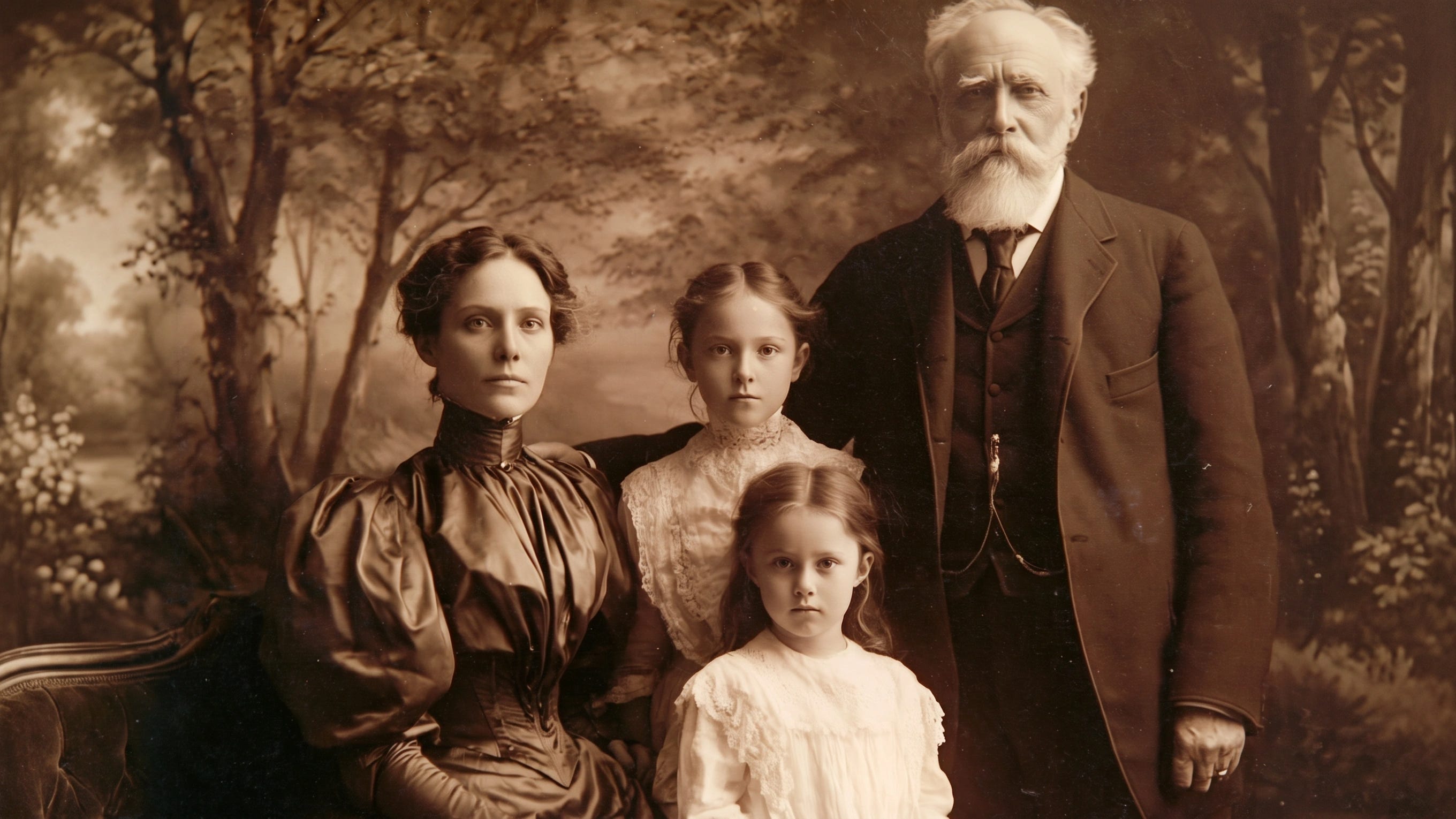
Before Cissy Patterson ever wrote a headline, one had already been written for her.
She was born into a family that treated the newspaper as a weapon rather than a business, and by the time she was old enough to understand what that meant, three generations of her own bloodline, the Medills who founded the dynasty and the McCormicks and Pattersons who inherited it, had already used it to make and unmake presidents.
Her grandfather Joseph Medill was the firebrand editor of the Chicago Tribune and one of the men who delivered the Ohio delegation to Abraham Lincoln at the 1860 Republican Convention.
He’d bought into the paper five years earlier for the express purpose of building a political weapon, a purpose his granddaughter would inherit almost exactly, right down to the instinct that a newspaper existed to be aimed rather than simply read.
By the time he brokered Lincoln’s nomination, Medill had spent a decade proving that a newspaper could manufacture a president just as easily as it could report on one.
“We made Abe (Lincoln),” her grandfather told a friend afterward, “and by God we can unmake him.”
That was the family voice, and Cissy grew up inside it.
The philosophy became a kind of inheritance law, passed down alongside the money. Medill’s dying words were reportedly “What’s the news?”, and the paper he built outlived him as a dynasty rather than a company, split among grandchildren who absorbed the conviction that owning a newspaper meant owning a lever on the country itself.
Two of his daughters carried that conviction into the next generation: one married into the McCormick family and produced Robert McCormick, who would inherit the Chicago Tribune outright, and the other, Cissy’s own mother, married into the Patterson family and passed the same instinct down to both of her children.
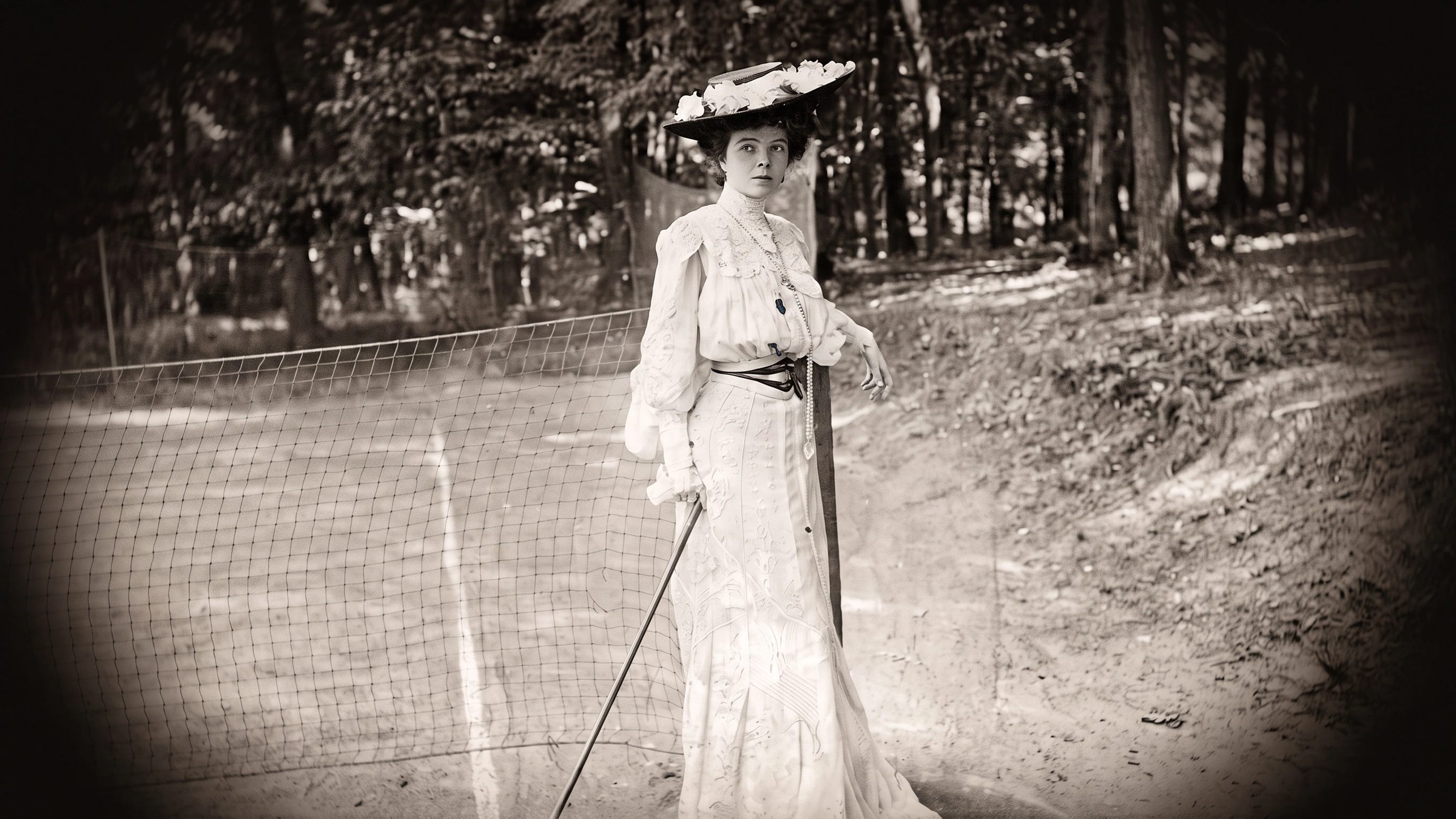
She was born in Chicago on November 7, 1881. Her brother Joseph would later found the New York Daily News, her cousin Robert McCormick would inherit the Chicago Tribune, and Franklin D. Roosevelt eventually named the three of them the “McCormick-Patterson axis.” Henry Luce called them “the three furies of isolationism.”
And the label stuck because it described something real. By the late 1930s, Cissy and her two cousins, three newspapers controlled by three people raised on the same grandfather’s newsroom instincts, were shaping isolationist opinion in Chicago, New York, and Washington at the same time, an alignment of blood and editorial policy that no rival publishing family in the country could match.
Roosevelt’s irritation with the “axis” phrase revealed just how much influence three related mastheads could exert on a single administration, and it was Washington, the city where Roosevelt felt that influence most directly, that had shaped Cissy long before she owned a paper there.
Cissy was polished at Miss Porter’s in Farmington, the same finishing school that would later smooth Jackie Bouvier’s edges, and by twenty she was grouped with Alice Roosevelt and the ambassador’s daughter Marguerite Cassini as one of “the three graces” of the Washington press.
She later joked that her first words as a child were “circulation” and “advertising,” a line that worked as comedy only because it was also true: newspaper economics were the language spoken at her family’s dinner table.
Then she did what so many American heiresses of her era did, and married a European aristocrat whose title turned out to be worth far more than his character.
Marrying Into The Aristocracy
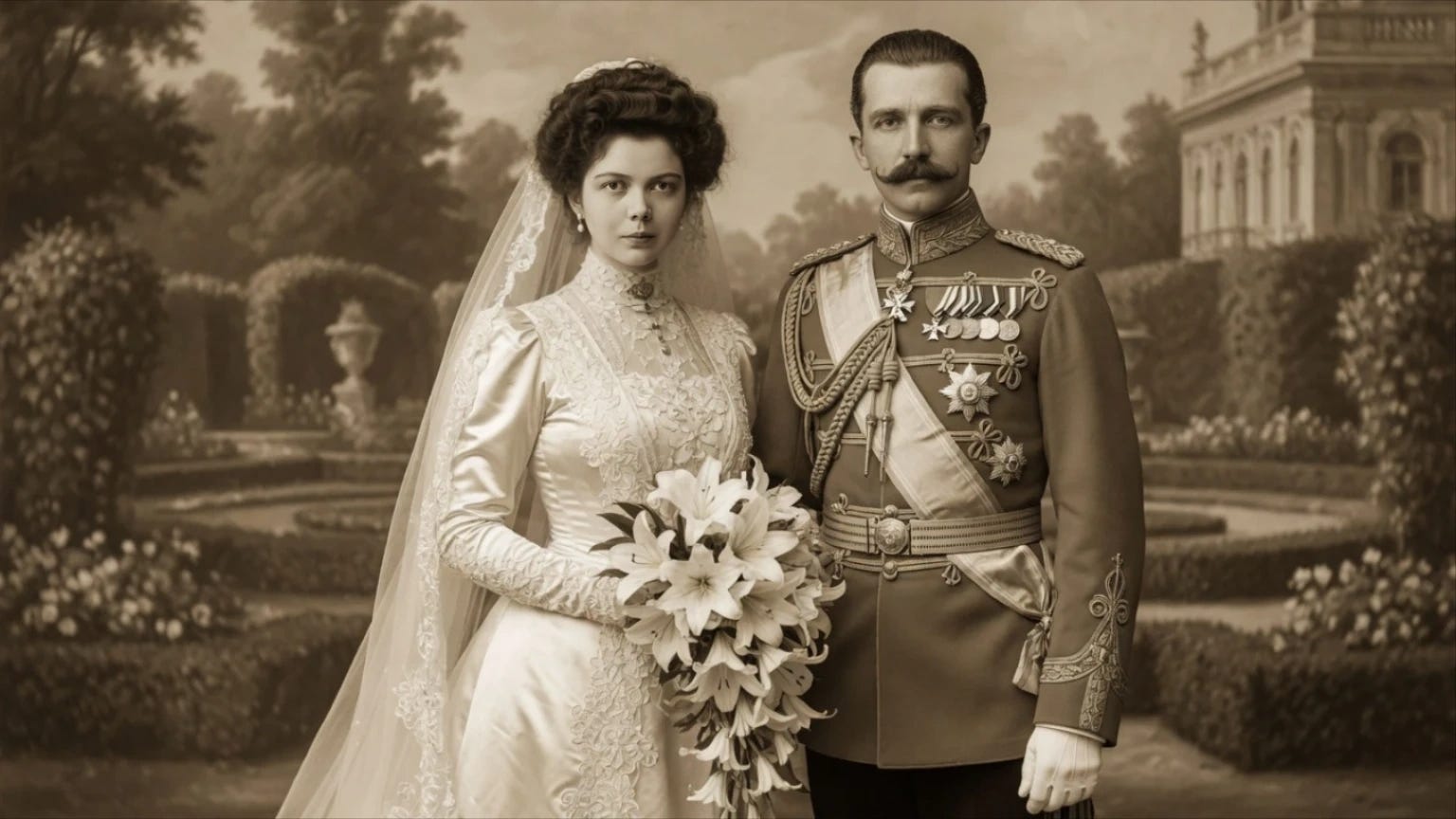
Cissy met her future (almost temporary) husband Count Josef Gizycki in 1901 while traveling in Vienna with her aunt and uncle, Robert S. McCormick, then serving as United States ambassador to Austria-Hungary.
Gizycki belonged to an old Polish noble family whose estates sat in Russian-controlled Poland, but the title carried far more prestige than money behind it: he was a gambler by habit, a womanizer by reputation, and deeply in debt by the time he set his sights on an American heiress with comparatively eye-watering wealth.
He pursued her by letter for three years after she returned to the United States, proposed more than once, and finally crossed the Atlantic himself in 1904 to press his case in person.
The eccentric aristocrat then proceeded to turn up at his first Washington party throwing loose bills at the musicians and watching the orchestra brawl on the floor for the cash.
Cissy married him anyway on April 14, 1904, in her mother’s marble mansion at 15 Dupont Circle. She was 22.
