
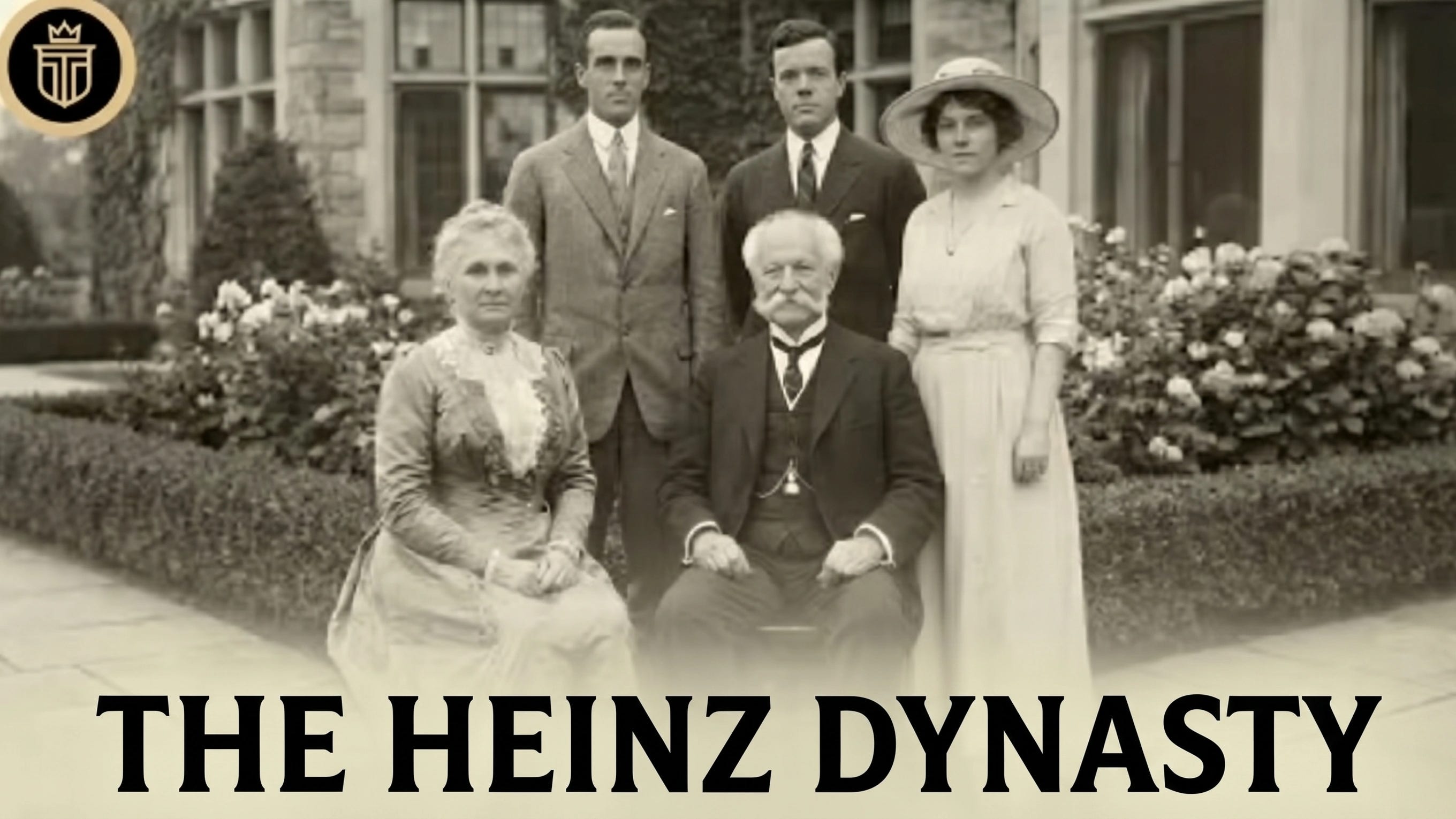
Our recent documentary on the Heinz dynasty has now been watched over 230,000 times. It covered the broad arc of the family, from Henry Heinz's clean-label revolution to the eventual fracture of his fortune across generations.
But there were stories we had to leave out.
Stories that required more space, more detail, and more willingness to sit with the uncomfortable parts of a family legacy that Pittsburgh still treats as sacred.
The Transparency Paradox
Henry John Heinz was born in 1844 in Birmingham, Pennsylvania, the first son of German immigrants. From the age of eight, he was selling vegetables from his mother’s garden. By sixteen, he had four acres under cultivation and three women working for him.
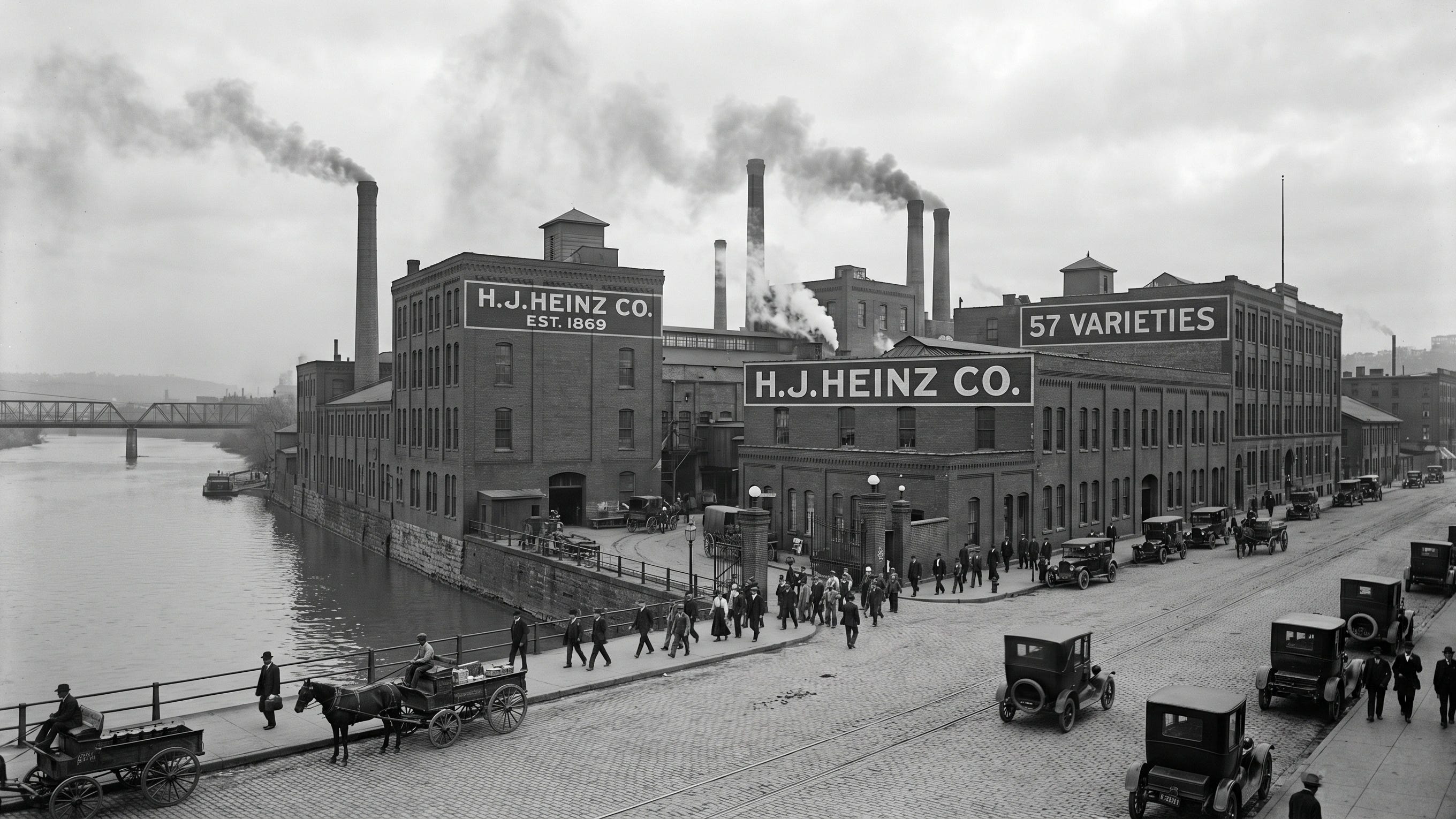
His defining innovation was deceptively simple: he put his condiments in clear glass bottles. While every competitor used dark glass to conceal whatever fillers their products contained, Heinz went transparent.
The clear bottle was not just a packaging decision. It was a commercial bet that honesty would prove more profitable than deception.
It worked. By the time he registered his “57 Varieties” trademark in 1896, the company had grown from a bankrupt horseradish operation into one of America’s most recognized food brands.
His annual sales crossed $1.2 million by 1889. He lobbied personally for the Pure Food and Drug Act of 1906, forcing the entire food industry to adopt the transparency standards he had already made his identity.
Henry Heinz died on May 14, 1919, leaving an empire built on the promise that you could see exactly what you were getting.
What he could not have anticipated was how thoroughly the family he left behind would invert that founding principle, generation by generation.
