
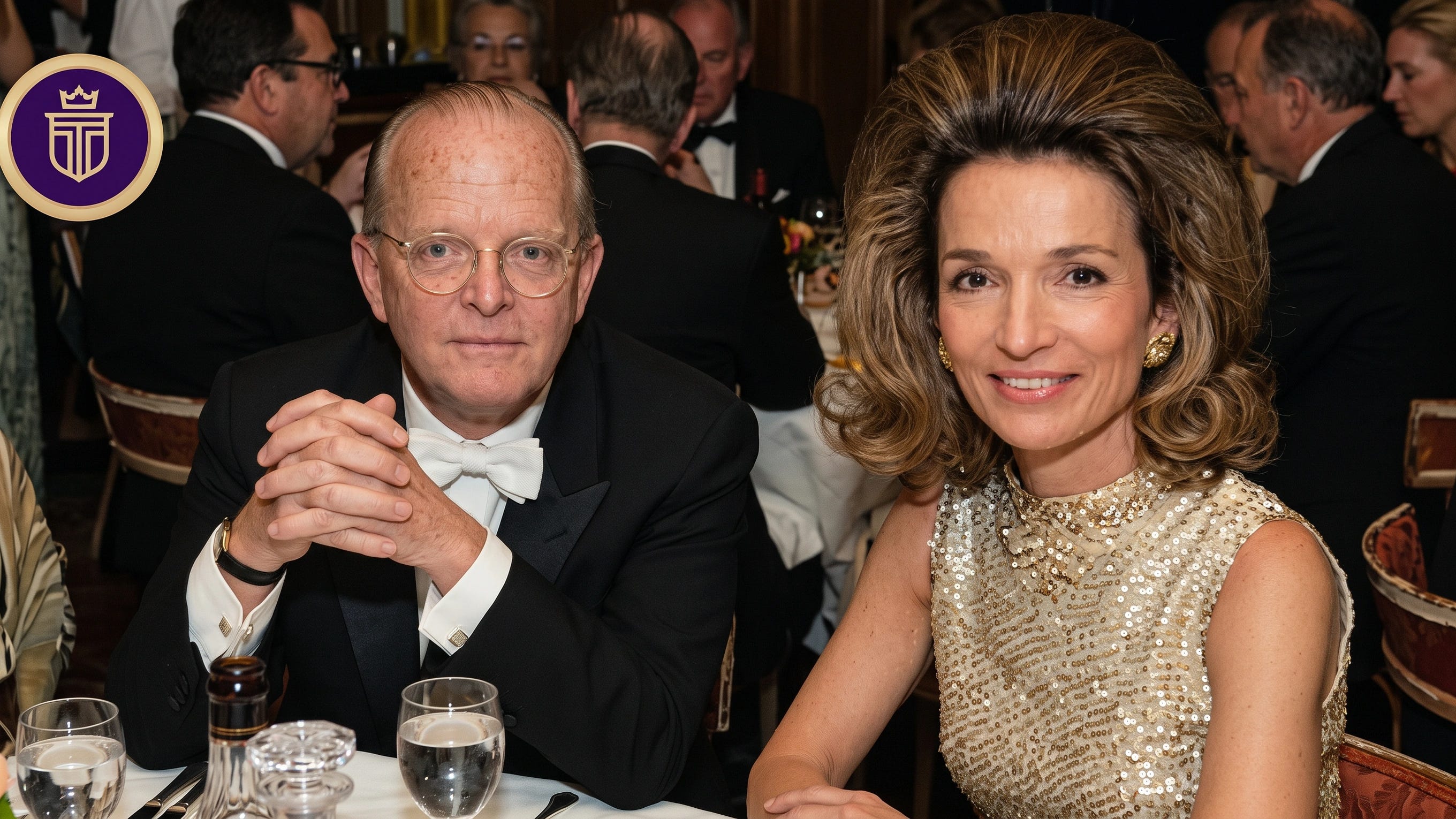
For four months, America’s most famous writer carried a cheap black-and-white composition notebook everywhere he went.
It cost ten cents, the sort of notebook schoolchildren used. Inside, he was assembling the guest list for, what he believed, would be the ‘party of the century’.
So he worked on his guest list.
He worked on it beside Eleanor Friede’s pool in Bridgehampton. He worked on it aboard Gianni Agnelli’s yacht off the coast of Yugoslavia. When he filled the right-hand pages, he turned the notebook upside down and continued from the back, crossing names out, restoring them, arguing with himself in ink.
By early October, there were 480 names. By the night of the party, there were 540.
On Monday, November 28, 1966, those names gathered in the Grand Ballroom of the Plaza Hotel.
Their host was forty-two years old, five foot three, and spoke in a soft Southern drawl that made every conversation feel confidential. He’d been famous since he was twenty-three, and, at the moment, he stood at the absolute height of his power.
His name was Truman Capote.
He believed he was throwing the best party ever. What he couldn’t know was that it would mark the beginning of his end.
The Boy From Monroeville
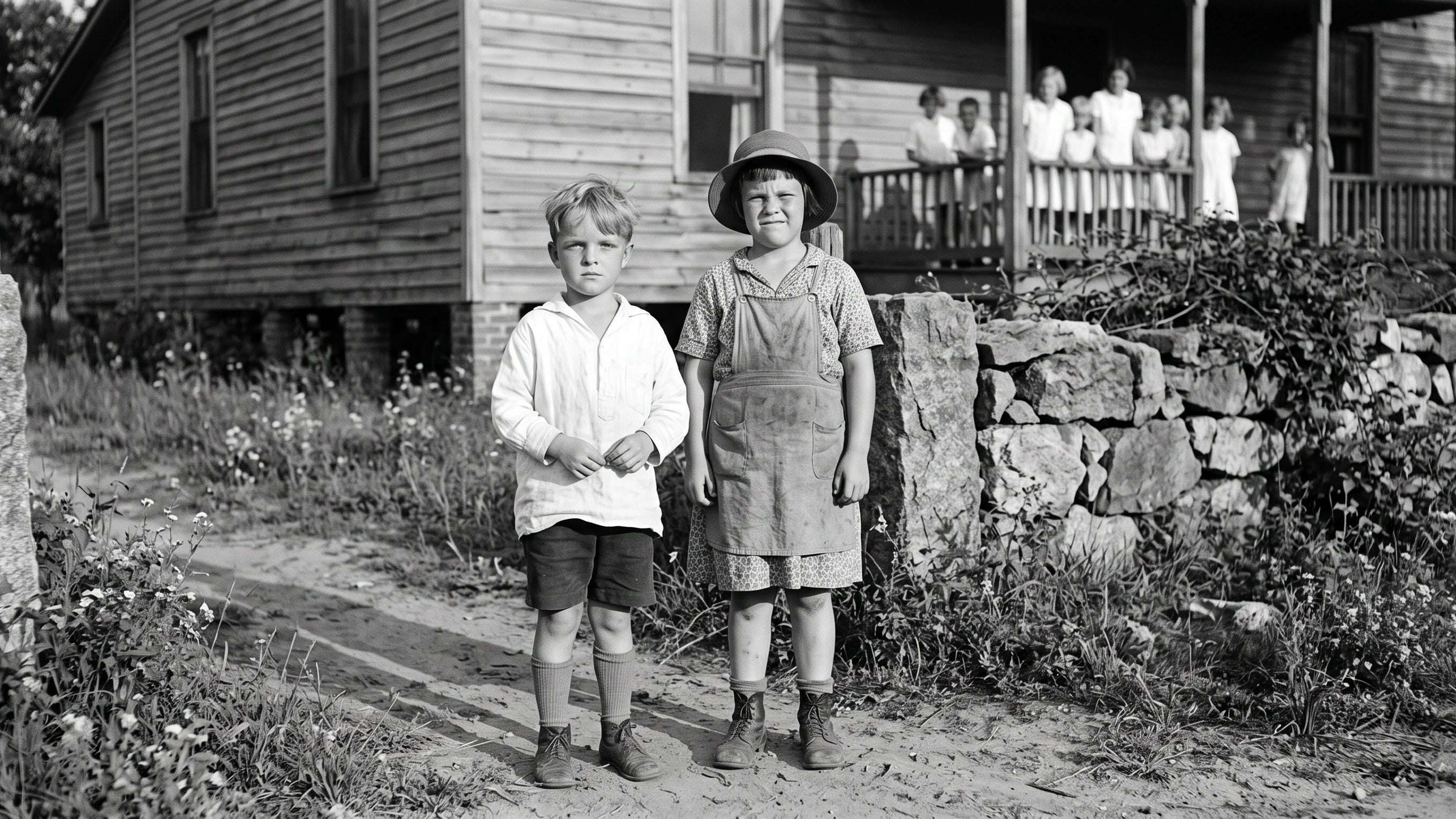
He was born Truman Streckfus Persons in New Orleans on September 30, 1924.
His father was 19 and chased schemes that came to nothing. His mother was 17 and decided almost immediately that motherhood wasn’t for her.
At four he was dropped in Monroeville, Alabama, with a house full of elderly female cousins he’d spend the rest of his childhood calling his aunts.
The house was large and enclosed by a high stone fence. The women in it smelled of talcum powder and old wood, and they were kind in a distracted way, and they left the peculiar blond boy largely to himself. He read whatever he could find, taught himself to type on a machine somebody had abandoned in a back bedroom, and decided, by his own account, that he was the best-looking child he had ever seen.
The confidence was real, and it served him for decades.
His nearest neighbor was a girl two years younger, built like a boy, capable of instant violence on behalf of anyone she’d chosen as her friend. Nell Harper Lee became his protector in the way only children who recognize each other’s strangeness can protect one another.
His mother remarried a Cuban businessman named Joe Capote when Truman was in his early teens, and he took the name.
He never went to college.
He got a mailroom job at The New Yorker and talked to everyone who would listen, which was everyone.
By 23 he had published Other Voices, Other Rooms, and the dust-jacket photograph, of a young Truman reclining on a chaise with an expression somewhere between innocence and knowledge, generated nearly as much correspondence as the novel itself.
He was openly, conspicuously homosexual in an era with no vocabulary for it beyond disgrace, and he wore the fact like couture only he could afford.
New York decided he was a phenomenon, and the phenomenon had an instinct that would eventually destroy it.
The Instinct That Destroyed Him

Breakfast at Tiffany’s, in 1958, confirmed the phenomenon had staying power.
Holly Golightly was immediately understood to be a version of someone real, and everyone argued about who, which was exactly what he wanted. He’d refined an instinct throughout his Monroeville childhood, among women who talked and whispered and watched from behind their porch screens, for the precise amount of truth that makes fiction magnetic.
He would use the instinct one last time and it would end him.
The material for the last time arrived in November 1959, in a small item in The New York Times about a family of four murdered in their farmhouse in Holcomb, Kansas. He read it several times, called his editor, and said he was going to Kansas. Harper Lee went with him.
In Holcomb, Truman in his tailored coat and affected voice was an apparition from a world so foreign that the townspeople had no framework for him. Harper Lee, large and plain and practical, produced 150 pages of notes and created most of the access he needed. He would spend six years on the story, would fall in some undefined way in love with one of the killers, a small dark damaged man named Perry Smith, and would be present in the state penitentiary in April 1965 when Kansas hanged both men.
In Cold Blood was published in January 1966 and sold at a scale no serious literary work had sold in living memory. He was famous now the way only a handful of writers ever become famous, not as a writer but as a person.
He decided to throw a party.
The Swans
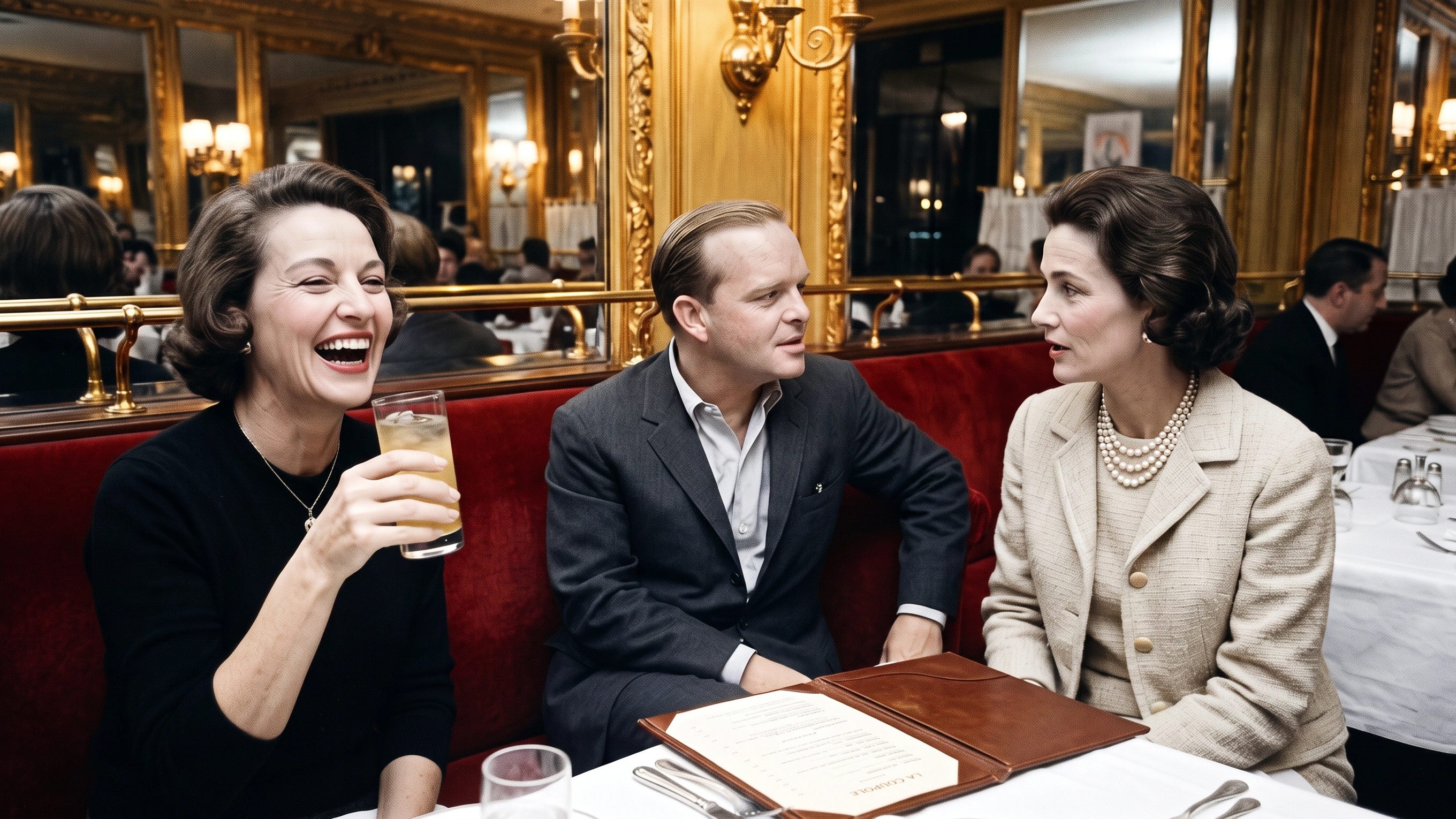
They’d been accumulating around him for years.
He called them his swans, and the nickname was accurate the way only nicknames given by people who see clearly are accurate.
Babe Paley, the first and most important, born Barbara Cushing to a Boston neurosurgeon who raised his daughters with the seriousness other families reserve for religion, married since 1947 to William S. Paley of CBS.
Slim Keith, born Nancy Gross in California, having survived Howard Hawks and Leland Hayward and eventually a British banker named Kenneth Keith.
Gloria Guinness, born in Mexico to a family with nothing, married to Loel Guinness who had a great deal of it.
Marella Agnelli, Italian, married to the man who ran Fiat.
Lee Radziwill, Jackie Kennedy’s younger sister, married to a Polish prince. C.Z. Guest, who gardened.
And Pamela Churchill Harriman, formerly married to Winston Churchill’s son, later married to Averell Harriman, the most politically wired of the group.
What bound them together beyond the money and the position was more specific. Each had arrived at a point where almost everyone in her life wanted something from her and almost no one was interested in who she actually was.
Truman was interested. He asked questions and waited for answers and remembered everything and asked follow-up questions weeks later, which is the most flattering thing you can do to a woman accustomed to being admired and rarely actually seen. They opened themselves to him accordingly.
It was a catastrophic error of judgment, and an entirely understandable one.
The Ball
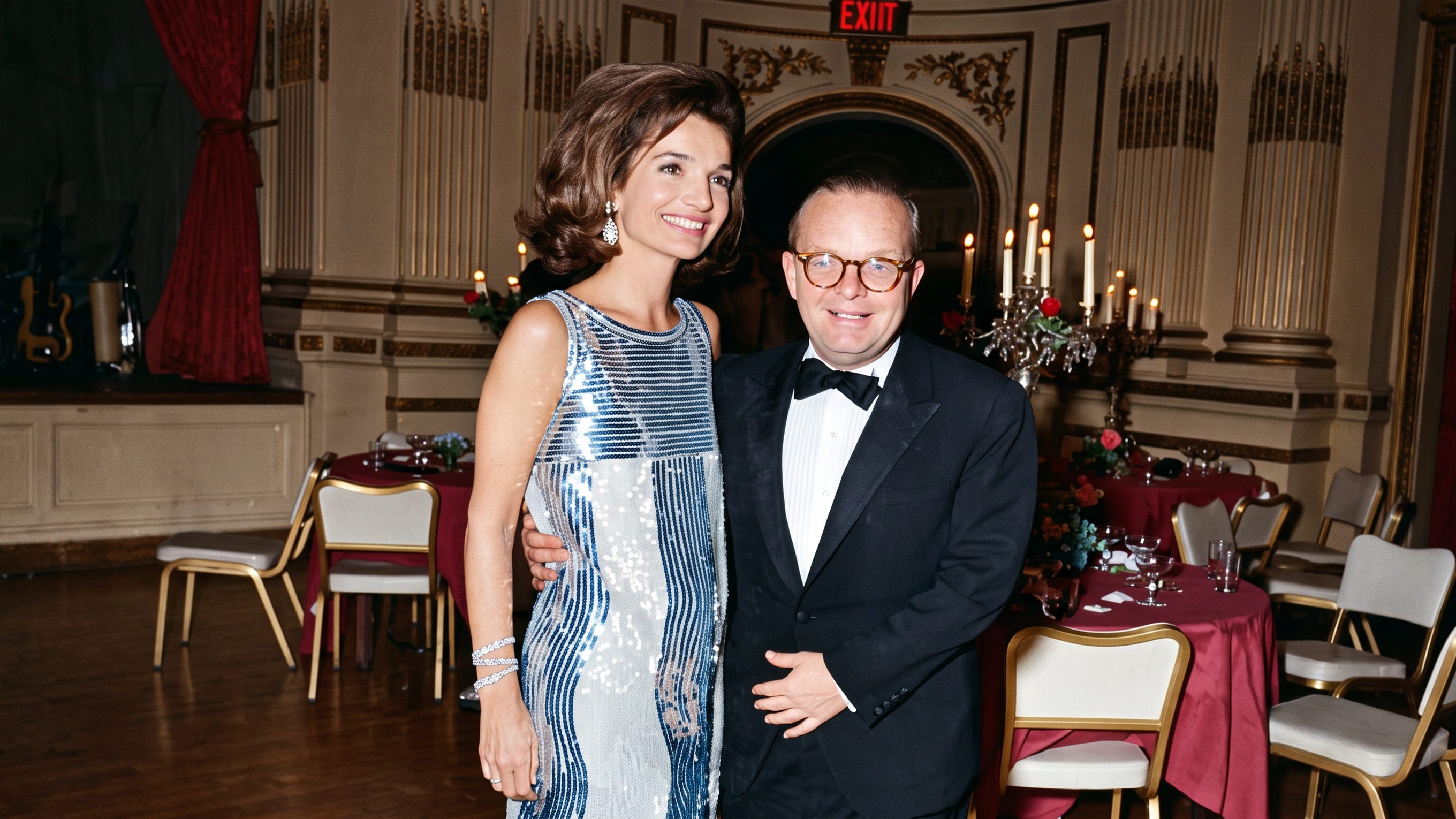
The idea arrived fully formed at Katharine Graham’s poolside in July 1966, and the guest list occupied the next four months.
The evening was ostensibly in honor of Graham, publisher of The Washington Post, whose husband had recently taken his own life. The evening was actually in honor of Truman.
The rules were absolute.
Black tie for men, black or white gowns for women, masks on until midnight. Adolfo and Halston both designed custom masks at several hundred dollars apiece. Truman’s own cost 39 cents at a drugstore, paper and rhinestones. The Grand Ballroom was dressed in red tablecloths and gold candelabra threaded with smilax vine and white tapers, no flowers, because the florist he’d first engaged had suggested something too elaborate and been fired for it.
The masks did what he judged they would do. Behind a mask a senator and a doorman occupied the same social position, and the equality was theatrical and brief, but even brief theatricality changes the temperature of a room.
He moved through the crowd with the precision of a head of state receiving tribute at a ceremony he’d waited a very long time to organize. He danced with Katharine Graham, and with Babe Paley, and with Mia Farrow, and with people who would spend the rest of their lives describing the moment.
At midnight the masks came off. By four in the morning, when the last guests left, an understanding had settled over New York. There was no one more socially powerful in the city than the small man with the composition notebook.
It was the last perfect thing he would do.
What Babe Told Him
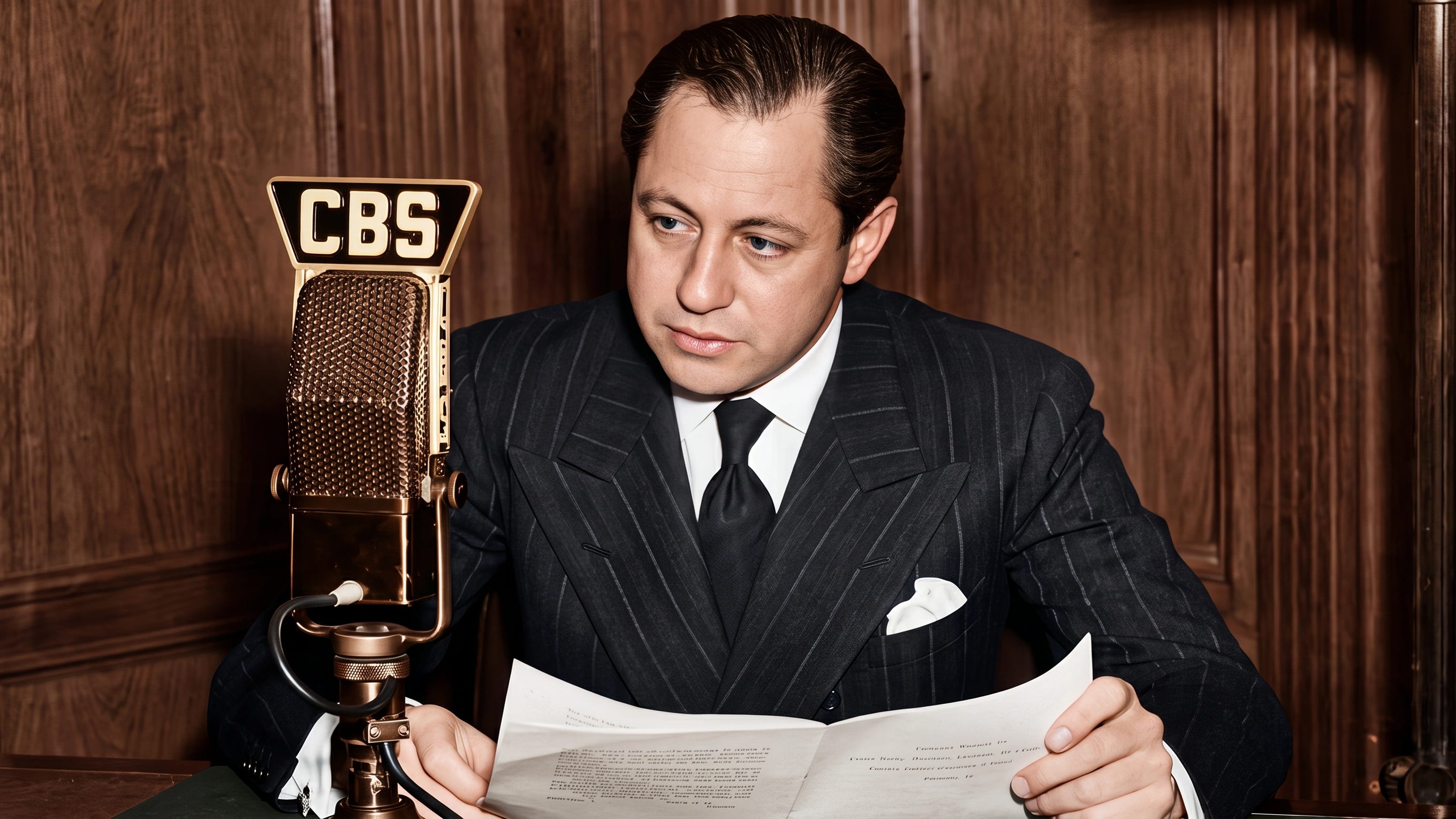
William Paley was a man of considerable accomplishment and considerable appetite. He had built CBS from a Philadelphia radio station into a national empire, and throughout his marriage to Babe he conducted affairs with a frequency and carelessness that suggested he didn’t expect anyone to notice or particularly care if they did.
Babe noticed. She told Truman.
The specific information she passed to him over 15 years of friendship was extensive. Her husband’s behavior with other women. The particular humiliation of being married to a man the world considered a catch. The gap between the life she appeared to lead in the society pages and the life she actually lived in the houses she shared with a man who had very little interest in her feelings.
Truman listened, and always remembered.
She gave him respectability and access. He gave her the experience of being truly known by someone who found her interesting rather than admirable. She had spent her life being admired, and it wasn’t the same thing.
Her mistake, the mistake all of them made, was in not understanding that for Truman, nothing was ever fully confidential when there was a better story to be told.
The Chapter
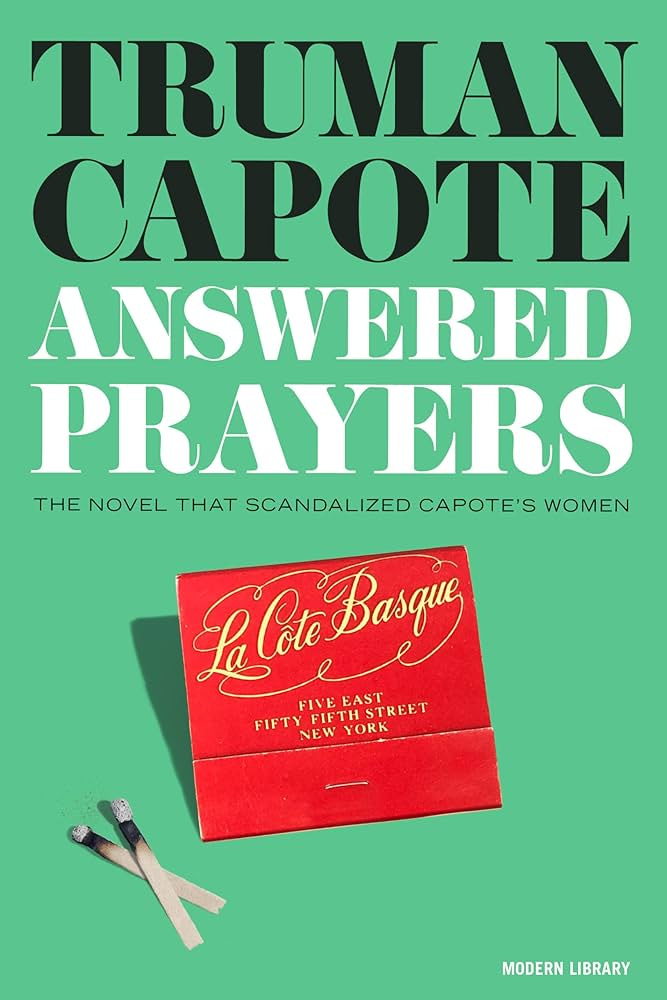
Esquire published the first excerpt from Answered Prayers in its November 1975 issue, under the title “La Cote Basque, 1965,” named for the restaurant on East 55th Street where Truman had spent many lunches listening.
The narrator was a character called P.B. Jones, immediately understood to be Truman. At a table nearby sat a Lady Ina Coolbirth, immediately understood to be Slim Keith. Over lunch, a character called Ann Hopkins told the story of shooting her husband in a darkened hallway, believing him to be a prowler. This was immediately understood to be Ann Woodward, the ex-showgirl who had shot her banking-heir husband William Woodward Jr. in their Oyster Bay bedroom on October 30, 1955, in circumstances the grand jury had accepted as accidental and society had never accepted at all.
A character named Sidney Dillon, married to a woman named Cleo, appeared in a scene involving a sexual encounter with the wife of a state governor, conducted in circumstances of some squalor. Sidney was William Paley. Cleo was Babe. The story of the governor’s wife was one of Paley’s actual affairs, told to Truman in confidence by Babe, transcribed with a thinness of disguise that amounted to a dare.
New York received the chapter the way cities receive catastrophic weather. First disbelief, then damage assessment, then a long reckoning.
Ann Woodward, living in Paris, obtained a copy before the issue reached the newsstands.
On October 9, 1975, she swallowed a cyanide capsule in her Manhattan apartment. Elsie Woodward, her mother-in-law, 90 years old, is reported to have said when the news arrived:
“She shot my son, and Truman just murdered her.”
The sentence names precisely and permanently what he had done, and every woman whose secrets he had transcribed heard it the same week.
The Doors That Closed
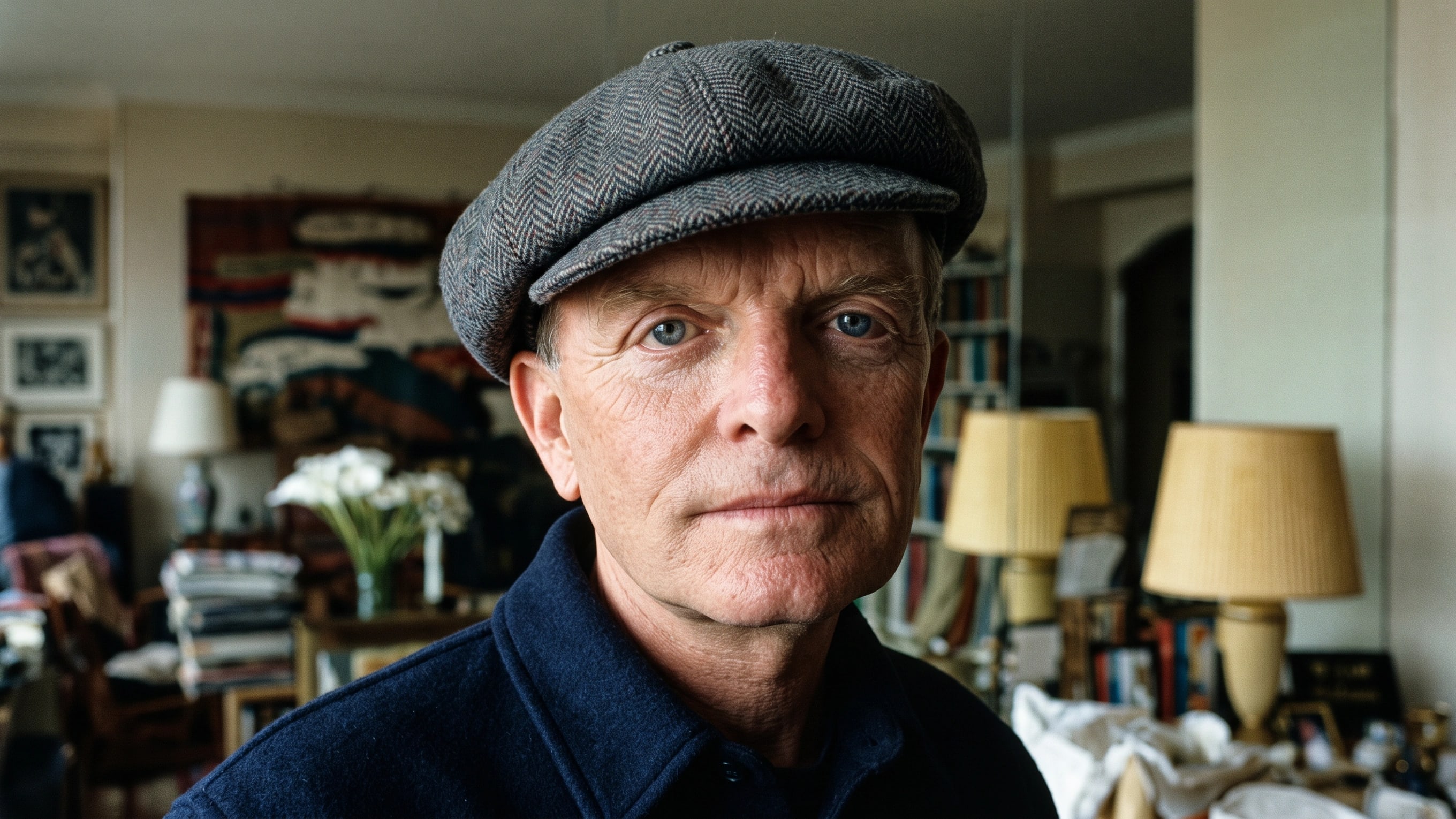
Babe Paley never spoke to him again. Slim Keith consulted a libel lawyer, decided against it, and stopped answering when the telephone was him. Gloria Guinness withdrew with the completeness of a woman who had been waiting for the excuse. Marella Agnelli, the most restrained, simply became unavailable in all the ways a woman with several houses and a full calendar can become unavailable without saying anything definite. C.Z. Guest and Lee Radziwill retreated more slowly and eventually no less thoroughly.
Truman told Dick Cavett on television that he hadn’t expected anyone to be annoyed unless they’d been left out.
To friends who warned him about the reactions of the swans in advance, he’d said, “They are too dumb. They won’t know who they are.” They knew exactly who they were.
In 1977 Babe was diagnosed with lung cancer. Truman wrote letters that were returned unopened, made calls that went unanswered, worked intermediaries who developed sudden schedule problems whenever his name came up. She died on July 6, 1978, 63 years old, and he wasn’t among the mourners.
Random House had contracted Answered Prayers for delivery by January 1968. He missed that deadline, and every deadline that came after it, and by the time his advances totaled a million dollars he had produced fragments of chapters and an extraordinary quantity of explanation for why the remaining chapters weren’t yet finished.
He appeared on The Tonight Show in states his friends called performances and his enemies called collapse, and in the accumulating record the distinction became less clear than it had seemed at first.
He died on August 25, 1984, at Joanne Carson’s house in Bel Air, aged 59, of liver disease with multiple drugs in his system, in a bed that wasn’t his in a city that wasn’t really his.
Amanda Burden, Babe’s daughter, put it best decades later: her mother had loved Truman, and the love had been real, and the betrayal had also been real, and the two things existed simultaneously in a way that couldn’t be resolved.
Joanne Carson said later that Truman had told her the finished manuscript of Answered Prayers was in a safe-deposit box at a California bank, and had given her the key but not the location.
His lawyer, his biographer, and his Random House editor tore apart every home he’d lived in. 42 years later, nobody has found it.
Whether the book he burned his whole life to write actually exists is now the last question left about him, and there is nobody alive who can answer it.
Capote repeated the downfall of Ward Macallister. His book Society As I Have Found It written about NYC’s 400 in 1890 destroyed him the same way. They had lots in common.
This was a good read, thank you.