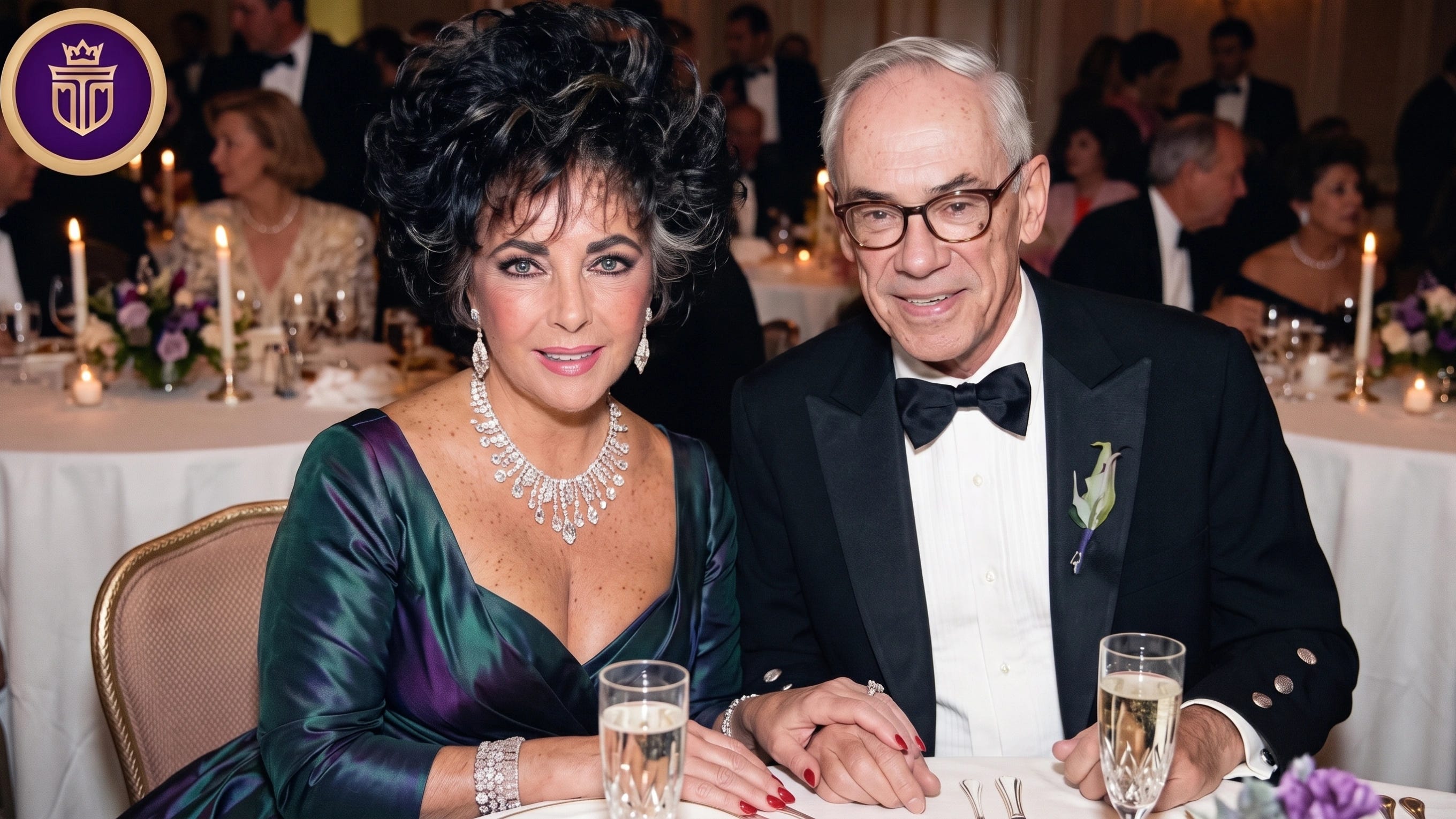
Three chartered aircraft crossed the Atlantic that Friday morning out of New York’s JFK international airport.
There was, naturally, a Boeing 747 leading the pack, followed by a Douglas DC-8, and, moving third in line but twice the speed of sound… Concorde.
The combined charter cost, before a single guest had eaten a single olive, was approximately $1 million.
When the planes descended over the Strait of Gibraltar toward Tangier’s Ibn Battuta airport, 300 Berber horsemen in full traditional dress were already standing on the tarmac.
They’d been waiting since dawn, and their rifles were loaded with ceremonial gunpowder. Behind them, a line of kilted Scottish bagpipers tuned their instruments in the North African heat.
But nobody asked whether any of this made cultural sense, because that wasn’t the point. The point was that Malcolm Forbes was turning 70, and the party he was throwing to celebrate that fact would enter the historical record as the physical manifestation of an ideology.
Forbes died six months after his party, and the Berlin Wall fell 5 months later.
Thus, the world he was celebrating ended almost immediately after he finished celebrating it, and this is the story of why neither the man nor the moment could have existed at any other point in American history.
The Publisher Who Became The List
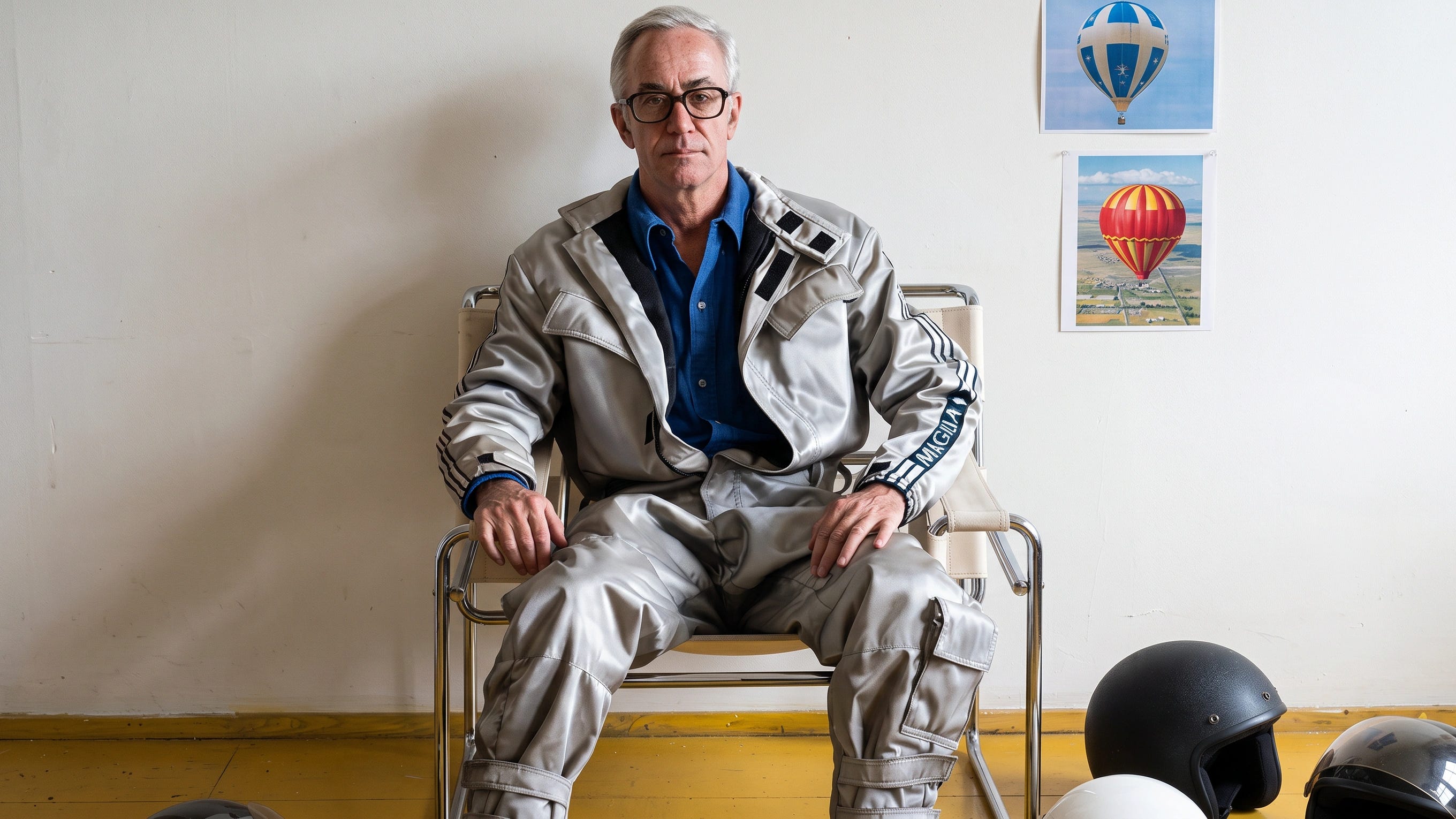
The future birthday boy was born Malcolm Stevenson Forbes on August 19, 1919, in Englewood, New Jersey, the son of a Scottish immigrant who had built a business-journalism empire from nothing.
His father, B.C. Forbes, had founded the namesake Forbes magazine in 1917 on the premise that finance deserved serious reporting.
The son would inherit the premise and turn it into something his father wouldn’t have recognized.
Educated at Princeton, Malcolm served as a machine gunner with the 84th Infantry Division during World War II, earning both a Bronze Star and a Purple Heart after being wounded in the thigh during combat.
When he returned home, he was ambitious, impatient, and convinced his future lay in politics.
He ran for governor of New Jersey. He lost. He ran again. He lost again. The defeats closed one door but quietly opened another. In 1957, Malcolm took over as publisher of Forbes magazine, while his younger brother Bruce managed the business side of the company. It was a partnership that worked until Bruce’s sudden death in 1964 left Malcolm alone at the helm. Only then did he begin reshaping Forbes into something far bigger than a business publication.
Under Malcolm, Forbes became part of American culture.
He understood that people were often less interested in balance sheets than in the people behind them. In 1982, the magazine introduced the Forbes 400, its annual ranking of the wealthiest Americans.
The list became an instant phenomenon. Before then, estimates of private fortunes had been scattered, guarded, and often little more than educated guesses. Wealthy families rarely discussed the true scale of their holdings. Forbes changed the conversation by putting names, numbers, and rankings into the public record, transforming wealth itself into something Americans could compare, debate, and follow year after year.
His reporters spent months making calls, examining public records, reviewing SEC filings, and estimating private holdings. The resulting list wasn’t entirely accurate, and its subjects knew it. What they couldn’t afford was to be left off it. Being omitted implied your wealth hadn’t reached the threshold. Being ranked lower than your peers implied a defeat.
The Forbes 400 turned American wealth into a competitive sport with a published leaderboard, and in doing so made the magazine indispensable to the people it covered.
By the late 1980s, it was generating $150 million in annual advertising revenue. Forbes wrote approvingly about the wealthy. The wealthy advertised in Forbes. The wealthy read Forbes to see what it said about them. It was a closed loop of flattery, and Malcolm rode it to a personal fortune estimated in the several hundreds of millions by the end of the decade.
By the end of the decade, Malcolm’s personal fortune was estimated in the several hundreds of millions. He belonged to the rare class of publisher wealthy enough to appear on the list he’d invented, a distinction he mentioned with obvious pleasure
But a place on the Forbes 400 could reveal only a number, and Malcolm wanted the world to see what that number could buy.
“The Capitalist Tool”
But fortune was only useful if Malcolm could put it into motion.
Money sitting quietly in an account offered him little pleasure and even less publicity, so he converted it into machines, collections, houses, journeys, and stories that carried his name.
His Boeing 727 was christened “The Capitalist Tool”.
The name sounded like a private joke, but it also expressed his worldview with unusual precision: capitalism was the system that built the aircraft, paid for it, and allowed one man to turn international travel into part of his personal mythology.
The Highlander, his 50-meter yacht, became one of Manhattan’s most coveted private invitations during the 1980s. Politicians, executives, artists, socialites, and journalists boarded beneath the Forbes name, drank Malcolm’s champagne, and looked back at the city from what amounted to a floating editorial salon.
His Fabergé collection grew into one of the world’s most important private holdings of Imperial Russian objects. Treasures created for the Romanovs now belonged to an American publisher who devoted his magazine to the system that supplanted their world, an irony Malcolm seemed equipped to enjoy rather than examine.
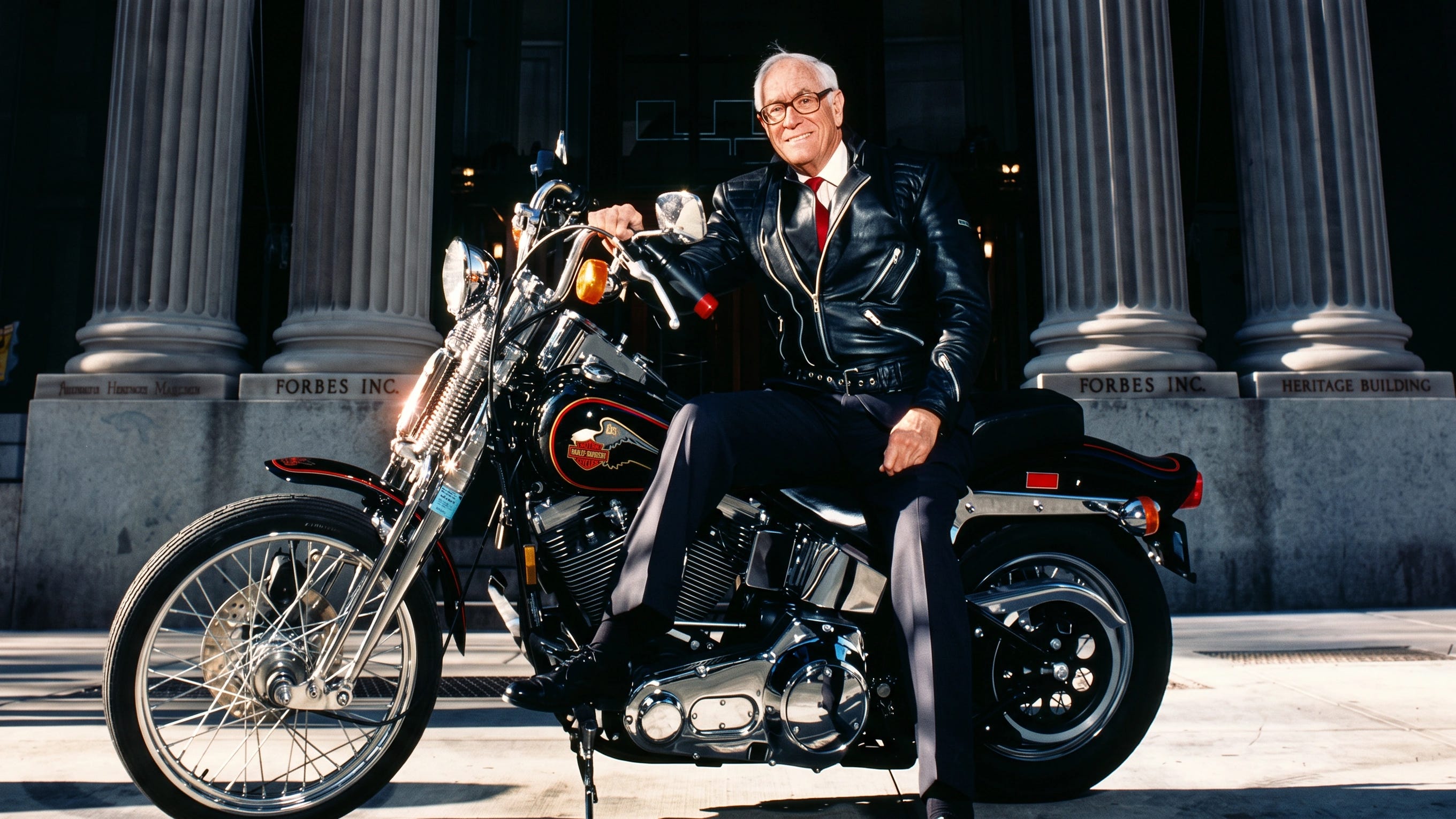
Other enthusiasms required more movement. He owned hundreds of motorcycles, founded the Capitalist Tools Motorcycle Club, and continued riding well into his sixties. He amassed military memorabilia by the thousands and pursued hot-air ballooning with the same instinct for organization, publicity, and scale.
At the Château de Balleroy, the 17th-century Normandy estate he bought in 1970, Malcolm staged annual balloon festivals above the French countryside. That same year, he acquired the Mendoub Palace in Tangier, a former diplomatic residence overlooking the Strait of Gibraltar.
Any one of these interests could pass as the hobby of a rich man who feared boredom. Together, they created a highly controlled public image built from speed, machinery, physical risk, military history, imperial treasure, masculine companionship, and the company of famous women.
But Malcolm rarely remained a passive collector. Motorcycles produced a club, balloons produced festivals, the yacht produced dinners, and the airplane acquired a name that reporters could place in every profile. Each possession entered circulation as part of the Forbes story.
The leather jackets mattered because photographers saw them. So did the group rides, lobbying campaigns, balloon launches, passenger lists, and parties aboard the Highlander.
Malcolm understood that wealth became culturally powerful when other people could describe it.
In 1946, he married Roberta Remsen Laidlaw, a New York socialite. They raised five children, including Steve Forbes, who would eventually take control of the magazine, and remained married until 1985.
For nearly four decades, the family completed the picture Malcolm presented to the world. His public identity appeared settled, coherent, and reinforced by every visible part of his life.
Then he chose a palace in Tangier as the setting for the largest performance of them all.
The Party
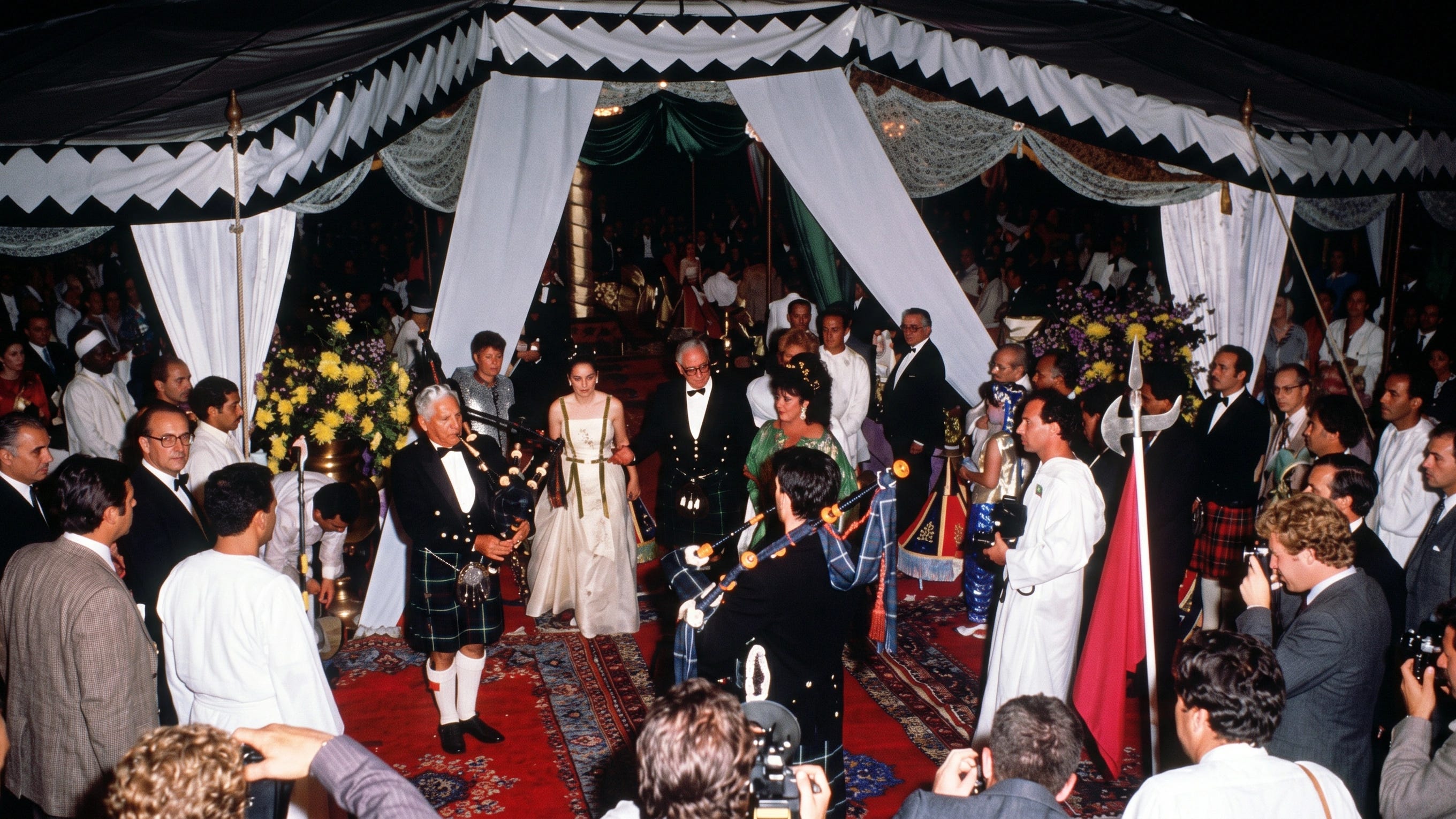
The Mendoub Palace occupied 15 acres of gardens on a promontory above the Strait of Gibraltar. On clear days, Spain appeared across the water, close enough to make the property feel suspended between two continents.
On Friday, August 18, 1989, Malcolm’s guests assembled at Kennedy Airport for a champagne breakfast before boarding their chartered aircraft. Musicians played tambourines at the gate as drinks circulated through a departure area temporarily transformed into the first room of the party.
By the time the aircraft left New York, the guests were already inside Malcolm’s production. The Atlantic crossing created distance from ordinary life while making the invitation feel more valuable with every mile.
Tangier supplied the next scene. Moroccan horsemen and Scottish bagpipers greeted the arrivals, a combination chosen for its visual force rather than its cultural logic. Malcolm favored juxtapositions that gave reporters an image they could describe in a sentence.
The Mendoub Palace gardens contained seven Arabian tents overlooking the Mediterranean. Guests drew their assignments from a brass bowl, introducing an element of apparent chance into a gathering of people accustomed to arranging the world around their preferences.
The lottery contained one carefully chosen exception.
Elizabeth Taylor received a place in the largest tent beside Malcolm, where two sons of King Hassan II of Morocco also sat.
The catering operation required 100 sheep, 600 chickens, and 1,500 eggs. Pastilla, mechoui, and chicken tagine with preserved lemons and olives appeared across the tables while dancers, musicians, and acrobats circulated through the grounds.
Entertainment surrounded the guests rather than waiting for them on a conventional stage. A person walking away from one performance encountered another, making the entire property feel animated by Malcolm’s spending.
The most forceful display came from hundreds of Berber horsemen performing the tbourida. Riders charged across the grounds at full gallop before firing their muskets in synchronized volleys, adapting a tradition rooted in North African cavalry displays for an audience of American executives and international celebrities.
The moment revealed Malcolm’s approach to collecting on its largest scale. A Fabergé egg could leave imperial Russia for his display cabinet, just as a French château, Moroccan palace, Scottish band, and cavalry exhibition could be assembled inside one weekend devoted to his life.
Estimates placed the cost between $2 million and $2.5 million, with the chartered aircraft accounting for much of the expense.
Malcolm could have offered lavish hospitality in Manhattan for far less, but convenience would have weakened the story.
The journey served as part of the gift and part of the test. Anyone could accept dinner in New York; Malcolm’s guests surrendered an entire weekend and crossed an ocean to attend his birthday.
Once they arrived, the distance worked in his favor. The palace, tents, horses, music, food, and Mediterranean setting belonged to an experience difficult to reproduce and almost impossible to decline without knowing what one had missed.
Malcolm was spending millions for a weekend, but what he purchased was a permanent place in the memories of everyone powerful enough to validate him.
The Guest List
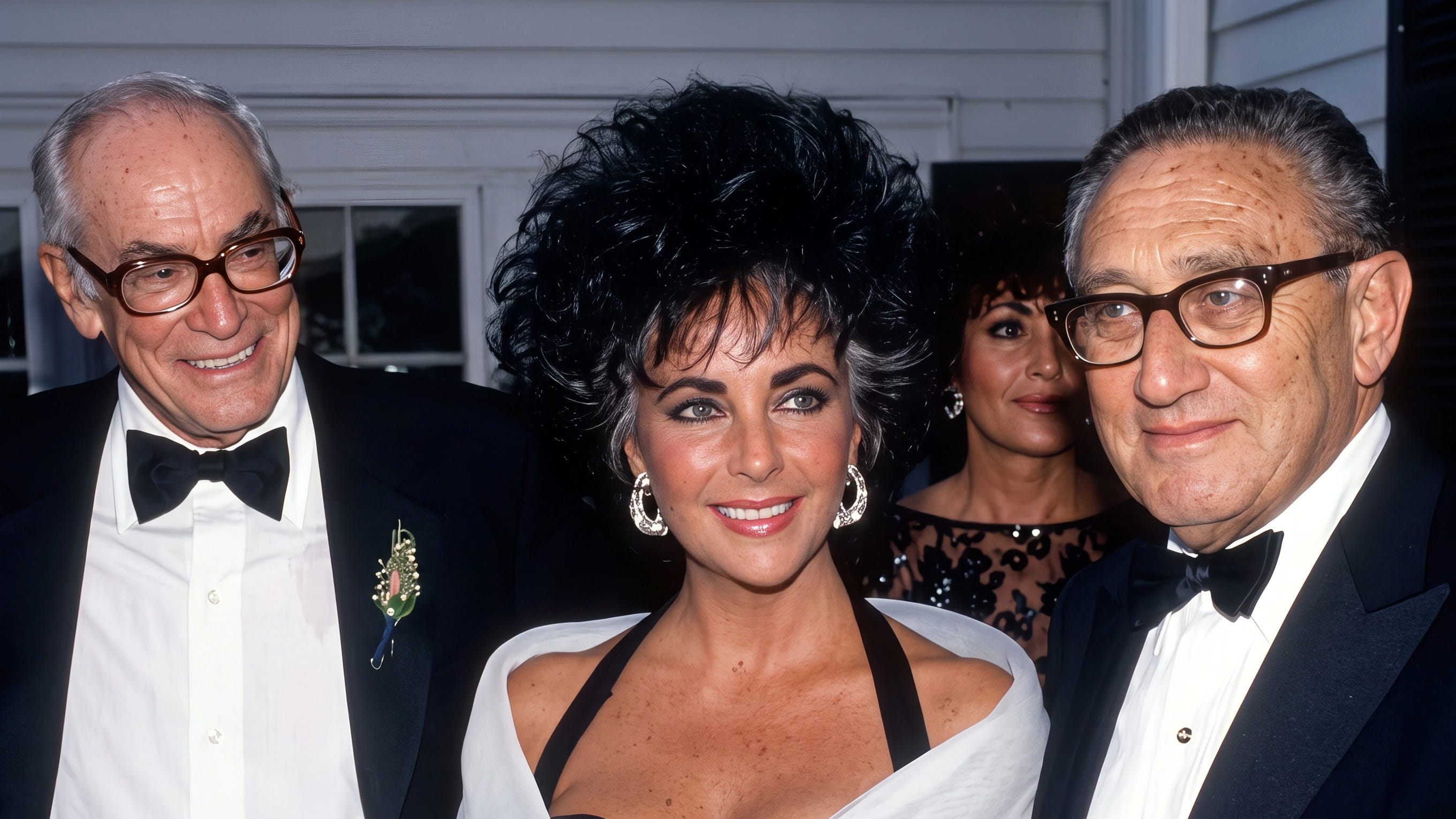
The estimated combined wealth of the guests reached into the billions (in the 1980s), though the value of the gathering extended beyond money.
Malcolm assembled representatives from nearly every institution that shaped American status: government, finance, publishing, fashion, entertainment, inherited wealth, and European royalty.
Former President Jimmy Carter attended, as did Henry Kissinger, a veteran of formal occasions across the world.
Henry Kravis arrived less than a year after the RJR Nabisco takeover made him one of the defining financiers of the decade.
Rupert Murdoch came during an aggressive phase of his media expansion, while Katharine Graham carried the authority of both corporate ownership and the American establishment press. Gianni Agnelli flew in from Europe, and none other than Donald Trump attended while still known primarily as a New York real estate developer.
Three Rockefellers joined Walter Cronkite, Calvin Klein, Beverly Sills, and Oscar de la Renta. Each name contributed a separate kind of prestige, giving the guest list the quality of an index whose entries had stepped off the page.
Fran Lebowitz appeared in her familiar white Oxford shirt and jeans, surrounded by palace tents, formalwear, and Moroccan performers.
Her presence introduced a note of deliberate detachment into a weekend where nearly everyone else seemed dressed for the photograph Malcolm intended to produce.
Former monarchs Constantine of Greece and Simeon of Bulgaria represented an older system of privilege. They once belonged to ruling families whose power came through bloodline and throne, placing them among Americans whose authority rose from corporations, transactions, and magazine rankings.
The contrast suited Malcolm.
Forbes measured the new aristocracy, while Tangier allowed him to place its members beside remnants of the old one.
Near midnight, Beverly Sills stepped to the microphone and began singing “Happy Birthday.” Hundreds of guests joined her as fireworks opened above the palace and spread over the water in time with the music.
For a few minutes, Malcolm stood at the center of everything he valued. The famous had crossed an ocean at his invitation, the wealthy filled his gardens, and the night sky above his palace became another surface on which his fortune could write.
Reporters inevitably returned to the cost. Asked how he defended the spectacle, Malcolm admitted that doing so was difficult, then gave the answer that captured his attitude toward wealth more clearly than any Forbes editorial.
“I don’t feel guilty about it,” he said. “I feel grateful that we can do it.”
In a sentence, Malcolm recognized guilt as the emotion critics expected, considered their demand, and chose gratitude instead. To him, the scale of the weekend demonstrated what his life’s work made possible.
And his guests strengthened that argument simply by attending. Presidents, publishers, financiers, designers, performers, and aristocrats had accepted the invitation, turning private extravagance into a gathering important enough to be reported around the world.
The guest with the greatest symbolic value stood closest to him, and she knew how much protection a convincing public image could provide.
The Woman Beside Him
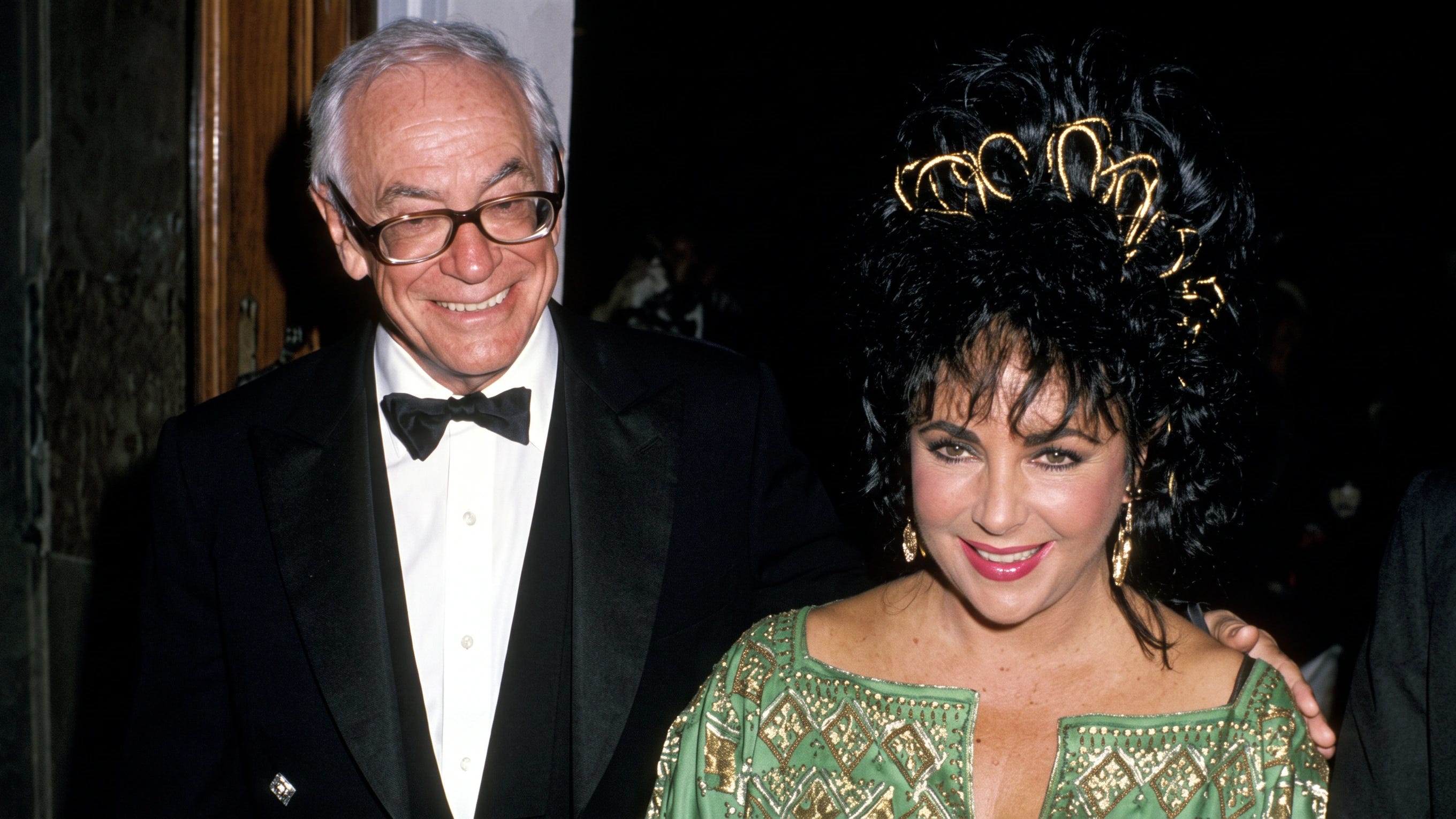
By 1989, Elizabeth Taylor’s celebrity no longer depended on the arrival of another film.
Two Academy Awards, eight marriages to seven husbands, and two turbulent unions with Richard Burton had made her private life part of international popular culture.
Her public role was also changing. As AIDS devastated communities that political and cultural institutions preferred to ignore, Taylor placed her fame behind research, fundraising, and public advocacy.
She co-founded the American Foundation for AIDS Research and appeared before Congress, using the attention surrounding her to force the epidemic into rooms where silence remained the safer choice. At a point when association with AIDS could still carry a professional and social cost, Taylor made that association central to her work.
Her friendships within the gay community gave her an understanding many of Malcolm’s contemporaries lacked. She’d also been close to Montgomery Clift and watched the pressure surrounding his private life, fame, and sexuality from a position few outsiders shared.
Taylor understood the difference between the person and the version of that person the public believed it owned. Her own life brought relentless observation, rehearsed narratives, and endless attempts by strangers to convert complicated relationships into simple roles.
By all available accounts, she felt genuine affection for Malcolm.
Their public appearances encouraged speculation about romance and marriage, yet their friendship seems to have rested on humor, intelligence, and the ease of a relationship free from the pursuit Taylor encountered from other wealthy men.
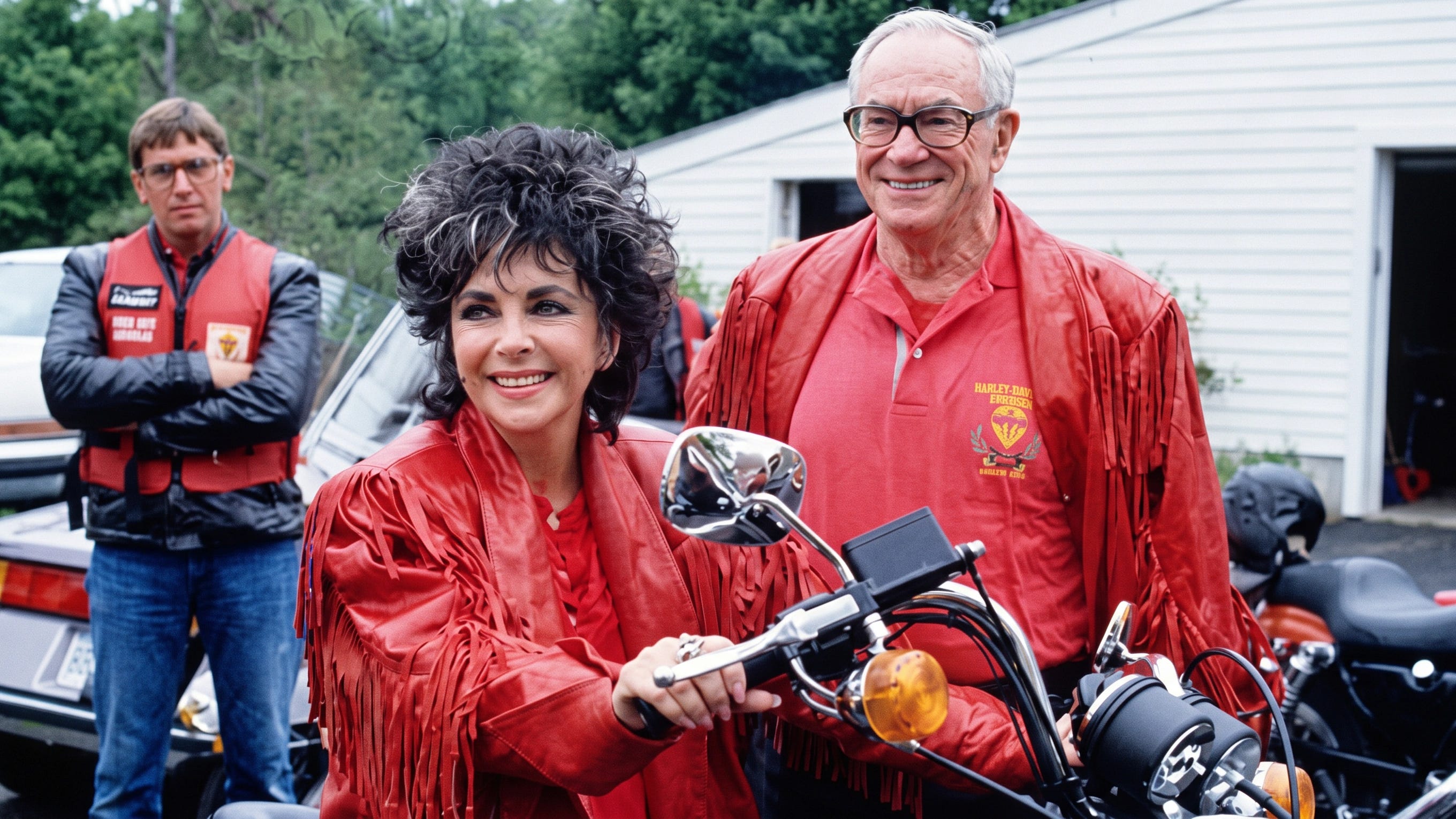
Malcolm enjoyed the speculation without giving it a conventional ending. He told reporters that they valued each other’s company too much to risk formalizing it, leaving society writers with an intimate friendship they could see but couldn’t neatly classify.
For Malcolm, Taylor offered something none of his possessions could supply. The most famous romantic heroine of her generation stood beside him voluntarily, bringing warmth and glamour to a public image otherwise constructed from machines, money, and masculine adventure.
For Taylor, the friendship offered companionship without the familiar negotiations of seduction, marriage, jealousy, or ownership. Both could perform for the cameras while preserving a quieter understanding beneath the photographs.
That distinction matters because calling Taylor a prop reduces her agency and flattens the relationship. She served a public function in Malcolm’s life, but that function could coexist with loyalty, trust, and real affection.
In Tangier, Malcolm placed her beside him at the most visible moment his money could create.
The photographs showed a publisher celebrating his fortune with one of the world’s most famous women, while the deeper terms of their friendship remained known only to the two people inside it.
For six more months, the pictures said exactly what Malcolm needed them to say.
What Came Out Afterward
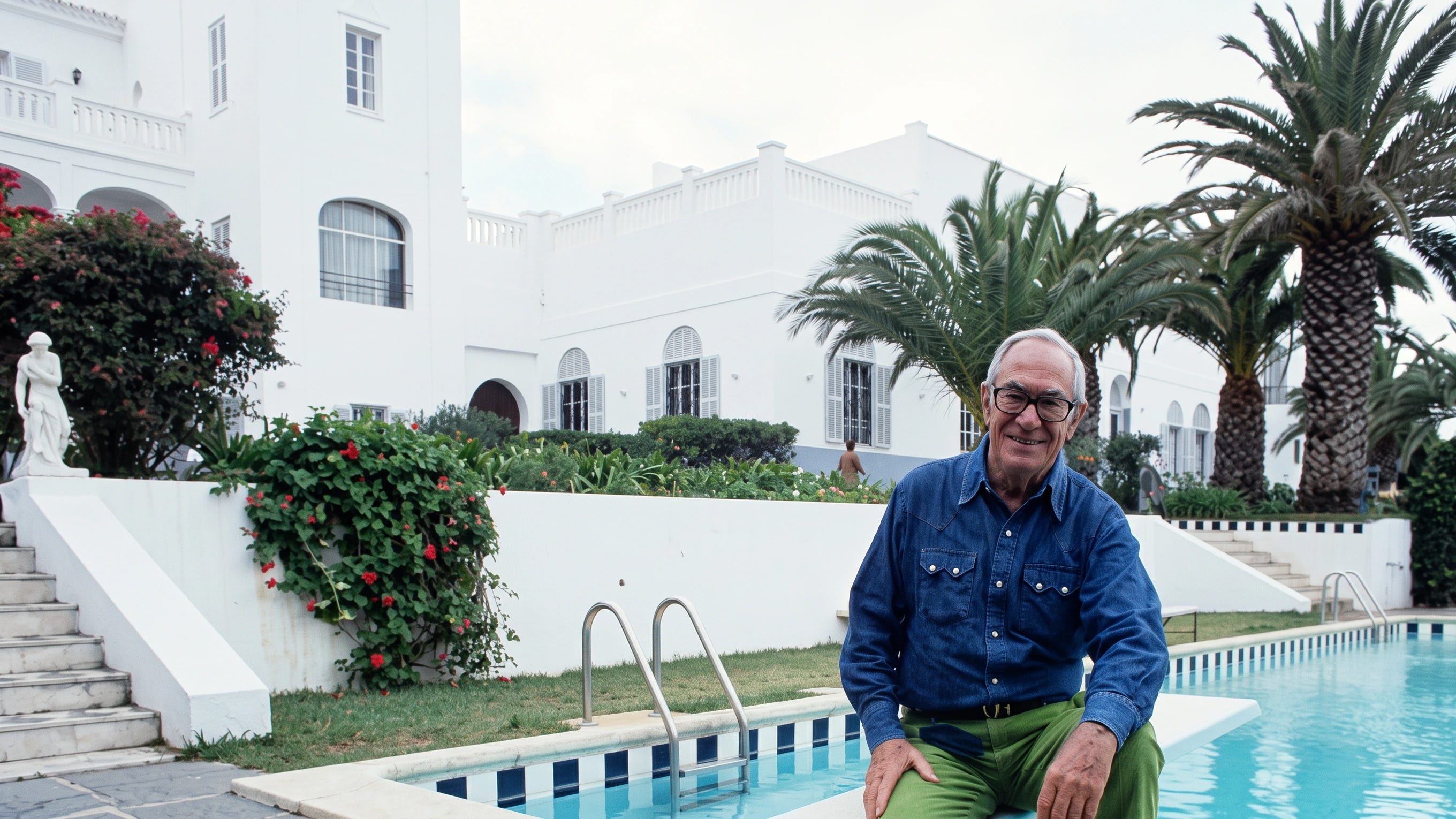
Malcolm Forbes died of a heart attack at his New Jersey estate on February 24, 1990. The Tangier celebration remained recent enough that many obituaries treated it as the natural climax of his life.
Then another account began to emerge: the gay press reported that Malcolm lived privately as a gay man.
Indeed, Michelangelo Signorile placed him at the center of a larger argument about powerful closeted figures and the media institutions that protected them.
Christopher Winans’s subsequent biography described relationships with men and contrasted Forbes’s flamboyant public persona with a more isolated private life. The disclosures added information that mainstream profiles and society coverage had excluded.
They also changed the way readers interpreted the familiar photographs.
The motorcycles, military collections, ballooning expeditions, leather jackets, glamorous companions, and gatherings aboard the Highlander remained genuine interests.
Yet the intensity with which Malcolm displayed these stereotypically “masculine” accoutrements now invited another reading, one in which his pleasures also helped maintain a socially legible version of masculinity.
Certainly, Malcolm came of age when disclosure could threaten family relationships, social standing, corporate authority, and control of a major publication. By the time American attitudes began changing, he’d spent decades maintaining a public identity connected to nearly every part of his business and family life.
The structure was too extensive to alter without consequences. Wife, children, magazine, clubs, possessions, photographs, and celebrity friendships all belonged to a story that thousands of pages of coverage had already accepted.
Tangier placed that story before its largest audience. Hundreds of witnesses flew across the Atlantic to celebrate 70 years of the public Malcolm, with Elizabeth Taylor beside him and fireworks above a palace filled with people whose approval mattered.
Seen in that context, the party becomes more interesting rather than less sincere. Malcolm could take pleasure in the spectacle while also depending on what the spectacle communicated about him.
His statement about guilt changes as well. The expense attracted the reporter’s question, but money may have represented the simplest cost Malcolm carried. It could be counted, defended, and replenished through the enterprise that made the party possible.
The private cost resisted that treatment. It accumulated through decades of caution, divided relationships, managed appearances, and the knowledge that a single published sentence could rearrange the meaning of an entire life.
Malcolm’s fortune gave him unusual freedom over geography, possessions, travel, and company. The same fortune raised the stakes of disclosure by tying his private identity to a family business, public reputation, and cultural position that depended upon control.
He could cross the Atlantic in his own aircraft, yet one part of his life remained governed by where he could safely land.
The Hinge
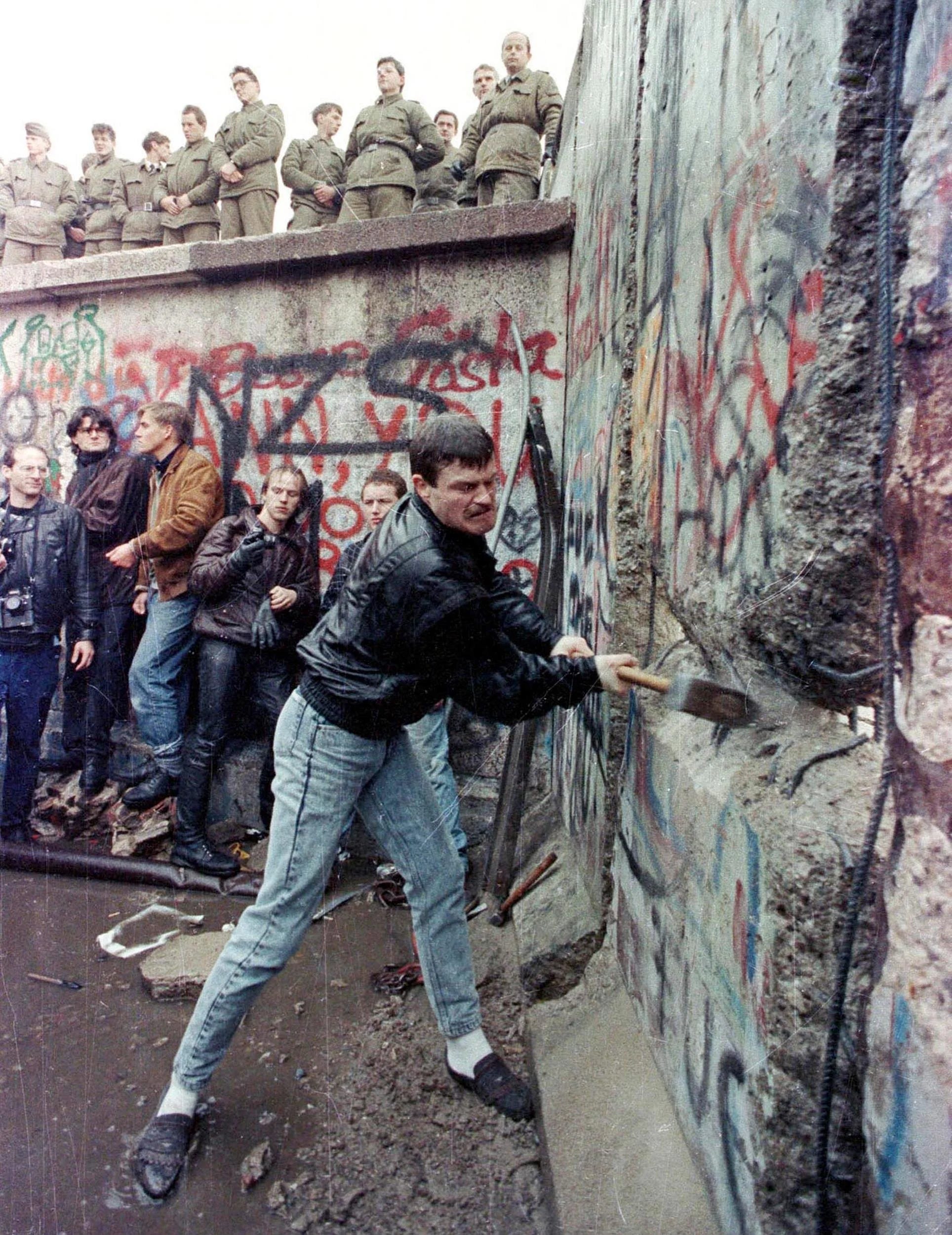
Furthermore, the timing gave Malcolm’s party a meaning no planner could have arranged.
Sixty-six days earlier, the Chinese government sent tanks into Tiananmen Square; when the guests reached Tangier, the Berlin Wall still divided Germany and the Soviet Union remained intact.
American capitalism hadn’t yet settled into the confidence of victory. It occupied the more theatrical position of appearing to win, which gave visible wealth an ideological purpose beyond personal pleasure.
During the Reagan era, spending could be presented as evidence that the system worked. Aircraft, yachts, corporate acquisitions, art collections, and international parties demonstrated a freedom and abundance unavailable under Soviet austerity.
Malcolm turned that argument into a lifestyle more convincingly than any editorial could. His magazine identified capitalism’s winners, his columns defended the system that produced them, and his private life displayed the prizes waiting at the top.
He rode capitalism, sailed it, flew it, and invited journalists aboard. Even the Capitalist Tool carried the ideology in its name, allowing every flight to double as a slogan.
The Tangier party gathered those ideas into one weekend. An American publisher used private wealth to move hundreds of influential people across an ocean, place them inside a Moroccan palace, and surround them with a level of hospitality possible only through the fortune under celebration.
Eleven weeks later, on November 9, the Berlin Wall fell. The Soviet Union survived for another two years, but the central image of Cold War division disappeared almost overnight.
Capitalist excess lost its most useful contrast. Once the rival system began collapsing, luxury no longer needed to prove that the West could provide what communism withheld; it faced the less flattering task of explaining its own scale.
Therefore, the Tangier party stood on the border between those two moods. The party belonged to the period when abundance still looked like ideological evidence, while its afterlife belonged to a period increasingly prepared to see the same abundance as vanity, inequality, or waste.
Malcolm couldn’t predict that shift. He was celebrating a birthday and the world that made his life possible, unaware that history was about to turn the evening into a farewell.
The party therefore survives as more than an exhibit of 1980s excess. It captures a man and an ideology at their most confident, seconds before history began revising both.
Eight hundred guests sang beneath the fireworks while the future closed in from two directions, one moving through Berlin and the other already waiting outside Malcolm’s door.
Former Forbes reporter here! AMA.
When I was in college in the 1970s I was an avid reader of Forbes and a big fan of the man. I wrote him and he invited me to come by his office in NYC. I was not yet out to myself, much less to anyone else. I wore a coat and tie to go visit him, and he invited me into his private office and closed the door. We had a pleasant chat about my college and my sport (swimming), and he gave me a Capitalist Tool tie and I left. Absolutely nothing happened, but I do remember thinking he was looking at me rather oddly. It wasn’t until years later that I pieced together what was going on. I always wonder what might’ve happened if I had been picking up on what he was putting down. I still have the tie.