
When you think of Italy, you likely imagine the Colosseum rising over Rome, gondolas gliding through the canals of Venice and Michelangelo’s David standing in Florence.
Yet every one of those landmarks is older than Italy itself.
The country around them came much later, and it came wearing one family’s crown.
Until 1861, Italy was a peninsula, a patchwork of rival kingdoms and duchies, along with a broad band of territory the pope governed like a king.
Every state had its own army, made its own money, and even taxed goods at its own borders.
Italy, as one nation, is younger than the United States, and a single family built it.
The Savoy family came down from the Alps, heirs to a dynasty that first won its land by backing a medieval emperor. Over the next centuries, they married into the Habsburgs, the house that ruled Austria. Then they went to war against their in-laws.
In 1861, they put their crown on Italy and wore it for the next 85 years.
They ruled as though the throne belonged to them forever.
Yet their reign would barely outlast World War II. In 1946, Italy abolished the monarchy and banished the royal family.
Today, the Savoys still have living heirs, and the family’s diamonds and pearls still sit in a vault at the Bank of Italy, held for the Republic that exiled them.
And those jewels are only the part of the Savoy fortune small enough to fit inside a vault.
A Crown’s Fortune
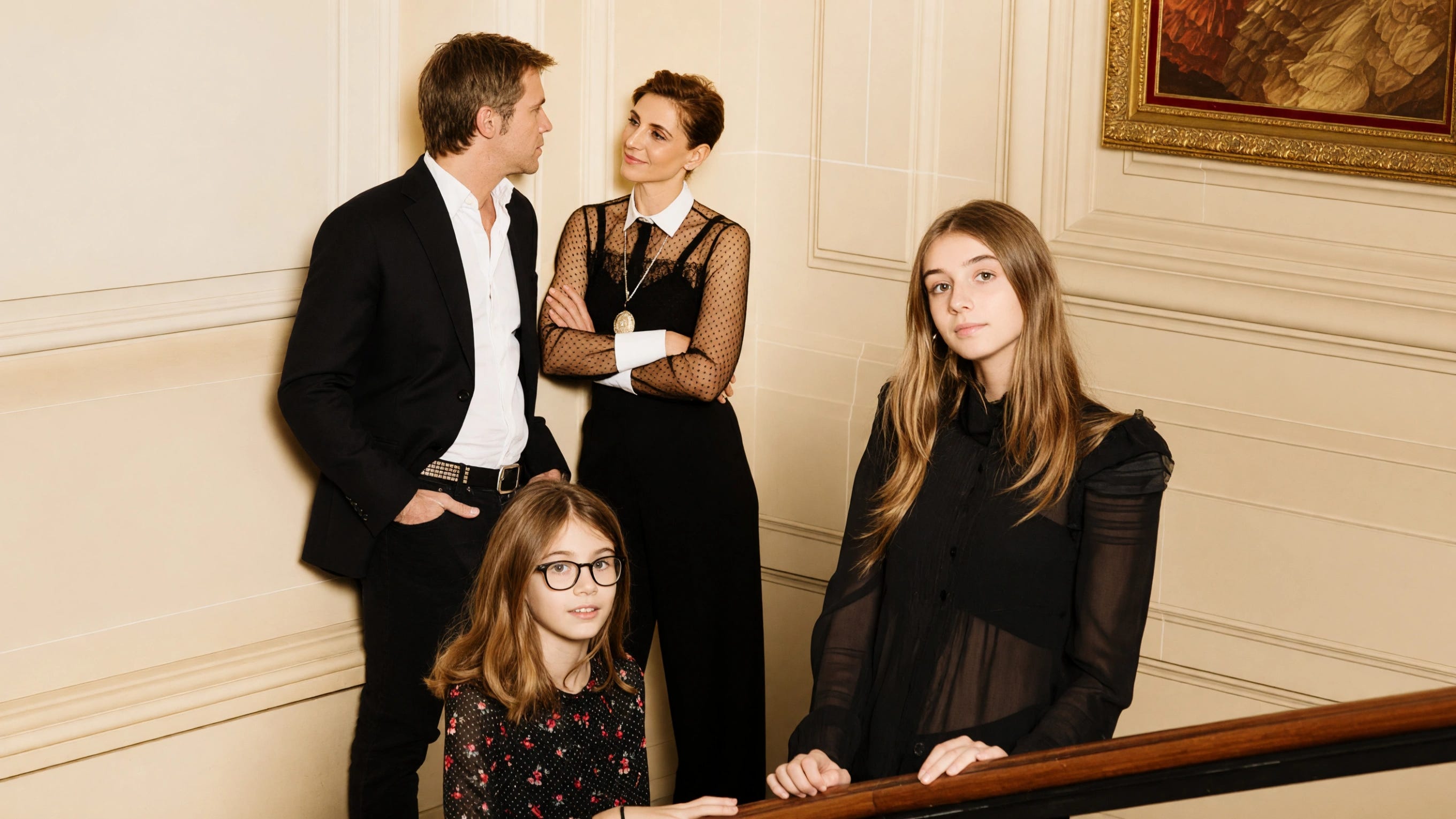
The larger share of the Savoy fortune stood in plain sight, in palaces, castles and hunting lodges the family raised over centuries.
Visit them, and you can still measure that money room by room.
Today, 22 Savoy residences around Turin, the family’s old capital, are protected as a UNESCO World Heritage Site.
The Savoys kept a palace for almost every occasion, and one elephant.
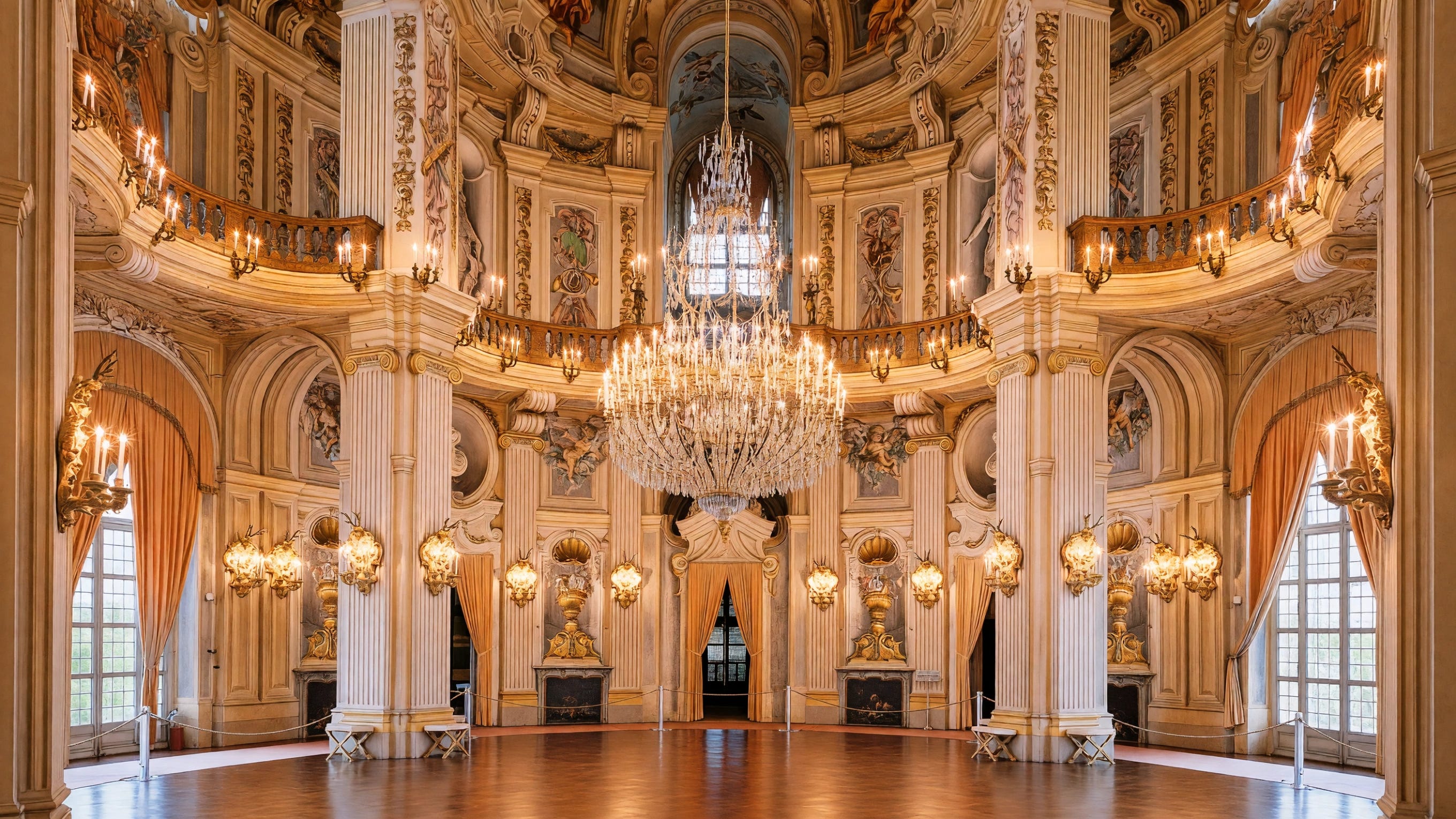
Outside the city, Venaria Reale began in 1658 as a hunting residence and grew into a vast palace with 80 hectares of gardens, nearly 200 acres. Its Great Gallery, designed by the architect Filippo Juvarra, was built for processions of courtiers and foreign dignitaries.
Six miles from Turin, the dynasty built Stupinigi, with 137 rooms, 17 galleries, gilded furniture and a towering oval hall crowned by a stag.
Its grounds later housed ostriches, kangaroos and an elephant named Fritz, a gift from the ruler of Egypt.
As the kingdom grew, so did the addresses. In Florence, the Savoys occupied the Pitti Palace, once home to the Medici, the banking dynasty that ruled the city. In Rome, they moved into the Quirinal Palace, previously home to the popes.
The guests matched the rooms. In October 1909, Tsar Nicholas II of Russia arrived at Racconigi Castle, where he and King Victor Emmanuel III reached a secret diplomatic understanding over the Balkans.
And Savoy children ended up on other countries’ thrones. Amedeo became King of Spain in 1870, and his sister Maria Pia married Portugal’s king. Decades later, Princess Giovanna married Bulgaria’s King Boris III.
But back in Rome, one decision would help bring the dynasty down.
In October 1922, King Victor Emmanuel III refused to sign an order allowing the army to stop Mussolini’s Fascists from marching on Rome. Fearing civil war and doubting the army’s loyalty, he appointed Mussolini prime minister.
After two decades of Fascist rule and a disastrous world war, Italians held the monarchy partly responsible. In a referendum on June 2, 1946, more than 54% voted to abolish it.
The Savoys lost their crown. Since then, their descendants have found other ways to make a living from the family name.
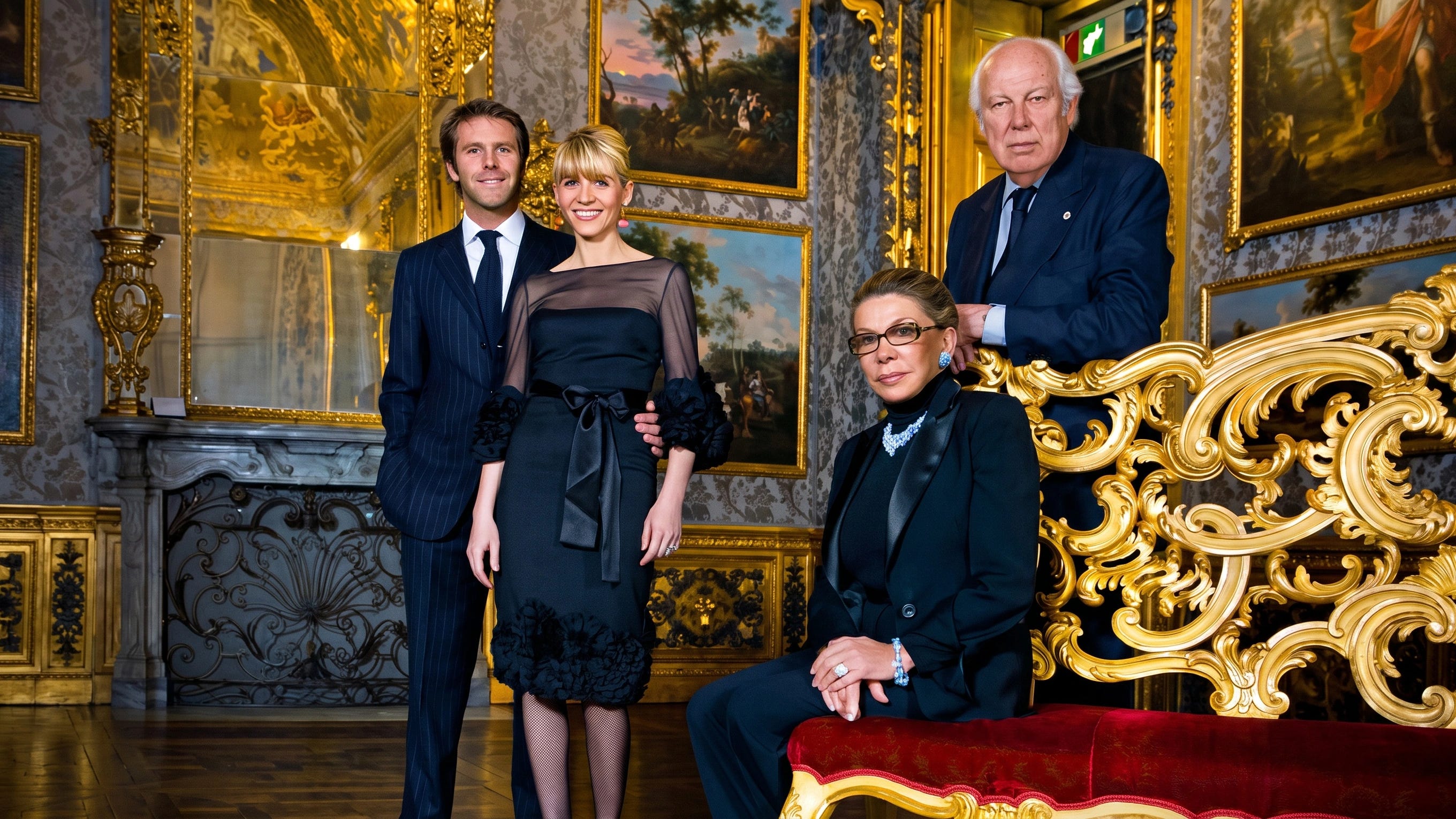
Prince Emanuele Filiberto, grandson of Italy’s last king, now controls a soccer club that carries the family name. In May 2026, his company bought Savoia 1908, a team near Naples newly promoted to the third tier of Italian professional soccer.
And he knows how to turn a title into publicity. In 2009, he won Italy’s Dancing with the Stars.
In 2025, he opened Prince of Venice, a restaurant serving pasta and pinsa, a Roman flatbread. Prince Albert II of Monaco came to the opening.
Albert was best man at the prince’s 2003 wedding to the French actress Clotilde Courau, who wore Valentino and a Savoy tiara before roughly 1,200 guests.
But another Savoy prince insists the family should answer to him.

Prince Aimone, Duke of Aosta, leads a rival branch of the Savoys. In September 2026, he publicly challenged Emanuele Filiberto’s handling of the family’s historic orders, deepening a feud over who has the right to lead the dynasty.
Aimone’s influence comes from his job at Pirelli, where he’s a senior executive handling relations with governments and regulators.
Then there is Emanuele Filiberto’s daughter, Princess Vittoria, who seems determined to escape the whole argument.
At 22, she lives in London, studied acting at the Royal Academy of Dramatic Art and co-curated an exhibition in Milan in April 2026.
She told Vanity Fair that she prefers acting, art and boxing to tiaras. She also said she doesn’t personally know the British royals.
Yet the name Vittoria seems happy to leave behind took the Savoys centuries to earn.
A Habsburg Bride

The Savoy story began eight centuries before Italy existed, high in the western Alps, where present-day France, Switzerland and Italy meet.
Borders there moved with every war, and a family could rise by making itself useful to someone stronger.
The family’s founder, Humbert I, called the Whitehanded, found his stronger ally in Holy Roman Emperor Conrad II, who ruled much of Germany and northern Italy. He backed the emperor in a fight over Burgundy and was paid in land guarding the Alpine passes. Those mountain roads linked Conrad’s German and Italian lands, and the Savoys now held the keys.
An heiress married into the Savoys, and her daughter wed a future emperor.
In the 11th century, his son Oddone married Adelaide of Turin, heiress to rich frontier lands east of the Alps.
Her inheritance brought Turin into the family, and with it the Savoys controlled the road between Germany and Italy from both sides of the mountains.
Their daughter, Bertha, later wed Conrad’s grandson, the future Emperor Henry IV.
Humbert served one emperor, and his granddaughter married another.
Five centuries later, the Savoys, now dukes, lost their home when France occupied the duchy. Duke Emmanuel Philibert beat the French while fighting for King Philip II of Spain, and the peace of 1559 handed Savoy back to him.
His descendants would one day wear the crown of a united Italy.
He soon moved the capital to Turin, Adelaide’s old city. From then on, the Savoys governed from the Italian side of the Alps.
In the 1700s, Emmanuel Philibert’s heirs won a crown and ruled as kings of Sardinia from Turin. When the senior line ran short of sons, the throne passed to a cousin branch, the Savoy-Carignano.
Rumor said Victor Emmanuel II was swapped as a baby for another infant.
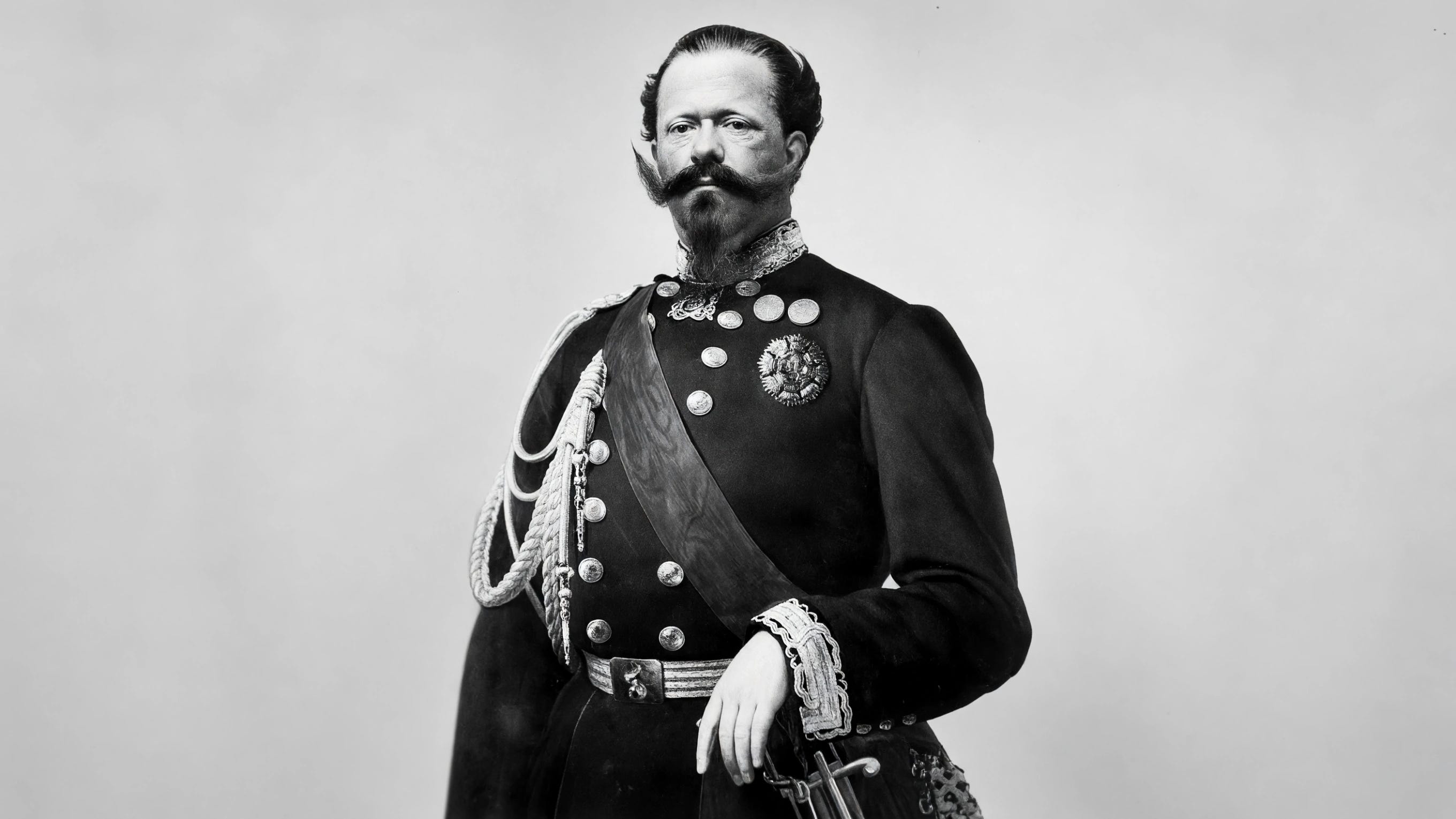
Victor Emmanuel II, a Savoy of that Carignano branch and the future king of Italy, was born in Turin on March 14, 1820, son of Charles Albert and Maria Theresa of Habsburg-Tuscany.
A childhood fire later fed whispers of the swap, since the boy looked so little like his parents. Italy’s Treccani encyclopedia files the story under royal rumor.
As a boy in Turin, Victor Emmanuel chafed at the rules of his family’s household and hunted for any door out of it.
Yet the crown was heading for his father, Charles Albert, and it would make every one of those doors harder to find.
When Charles Albert became king in 1831, Victor Emmanuel became the direct heir, and palace life grew stricter still. Military school gave him friends and a way out.
In 1842, he married Maria Adelaide of Austria, a Habsburg bride, just like his mother. She was only 19, and also his first cousin: her mother was Charles Albert’s sister.
Her relatives married cousins so often that one more raised no eyebrows in Vienna.
For a prince who spent his boyhood hunting for a way out of his family’s rules, the wedding bound him tighter to them.
Within a few years, the Savoys would meet her family across a battlefield, and a Savoy king would walk away from it without his crown.
“The Bill Came Due”
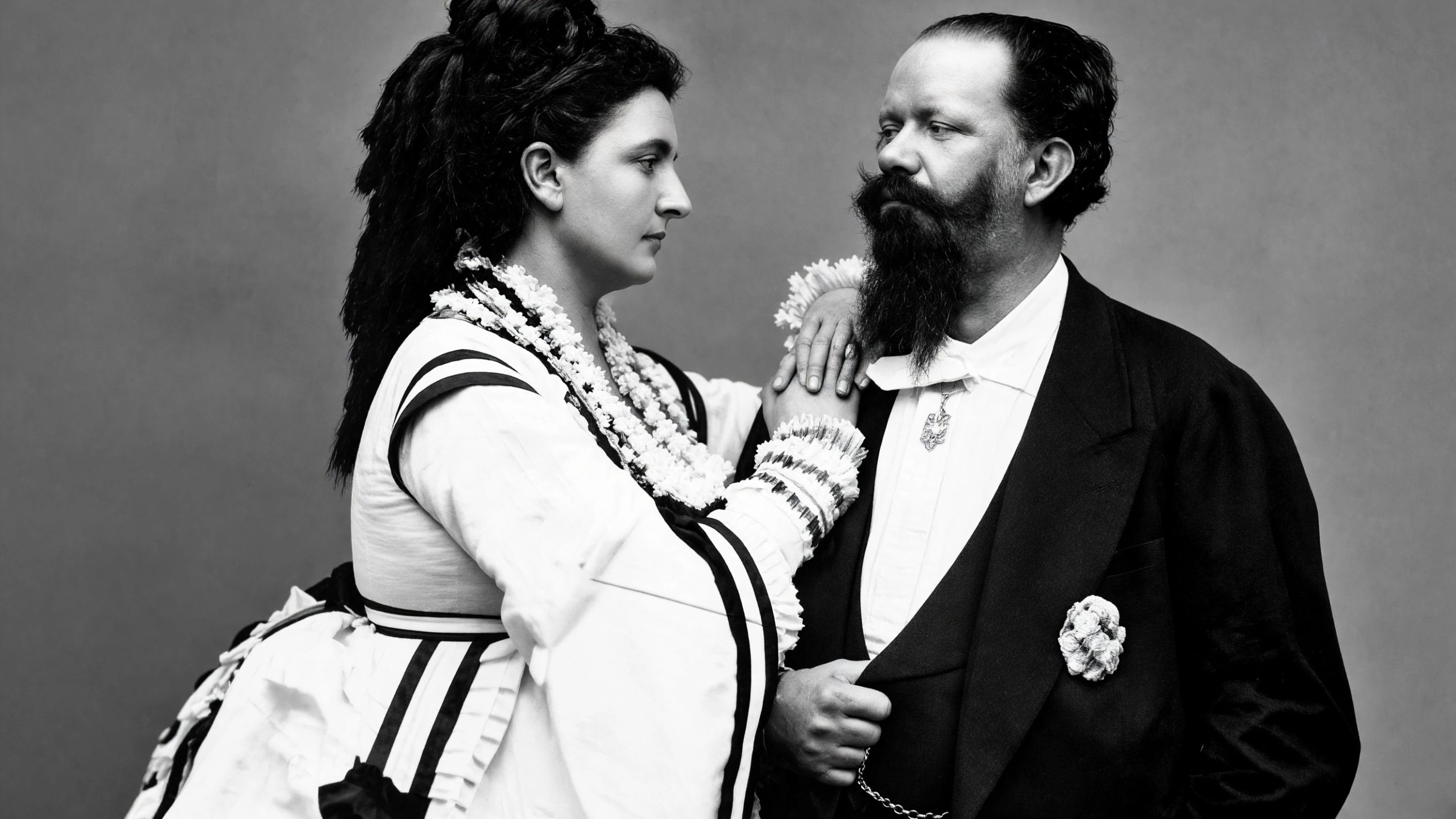
In 1849, a war against the Austrian Habsburgs, the family of Victor Emmanuel’s own wife, cost his father the crown.
A year earlier, King Charles Albert gave Piedmont, the Savoys’ kingdom around Turin, its first constitution, the Albertine Statute.
With it, a Savoy king agreed for the first time to share power with an elected parliament and govern by written law.
In March 1848, the people of Milan rose against their Austrian rulers and called on Charles Albert to bring his army to their aid.
That same year, he marched his army against Austria.
But the campaign collapsed, and Charles Albert abdicated.
The decision handed the crown to his son, and with it the bill for a war the Savoy Kingdom had just lost.
At 29, Victor Emmanuel inherited a beaten army, a hard peace and a constitution with an uncertain future.
Victor Emmanuel II kept his father’s constitution while the rest of Italy cracked down.
The new king negotiated with the Austrians while his ministers hunted for a settlement Piedmont could survive.
And the Statute held. Elsewhere in Italy, conservative crackdowns smothered liberal hopes, yet Piedmont stayed a constitutional monarchy, and reformers tired of failed uprisings finally had a dynasty to build around.
Yet behind palace doors, the king’s private life followed rules of his own. His mistress, Rosa Vercellana, the Bella Rosina, or “pretty Rosina,” held Victor Emmanuel’s attachment through every rival who came after her.
And her hold soon collided with politics.
In November 1852, the king named Count Camillo Benso di Cavour, a nobleman with real diplomatic agility, to lead Piedmont’s government.
For years, the two men quarreled over religion, foreign policy and Rosina’s influence on the king. Through every fight, Victor Emmanuel’s mistress held her ground.
All the while, the title of queen belonged to Maria Adelaide, his Habsburg wife.
Over those years, she bore Victor Emmanuel eight children, the last a son born only days before her health gave out.
She died in 1855, four years before her husband went to war with her family again.
Still, the king needed his quarrelsome minister Cavour to make Piedmont bigger.
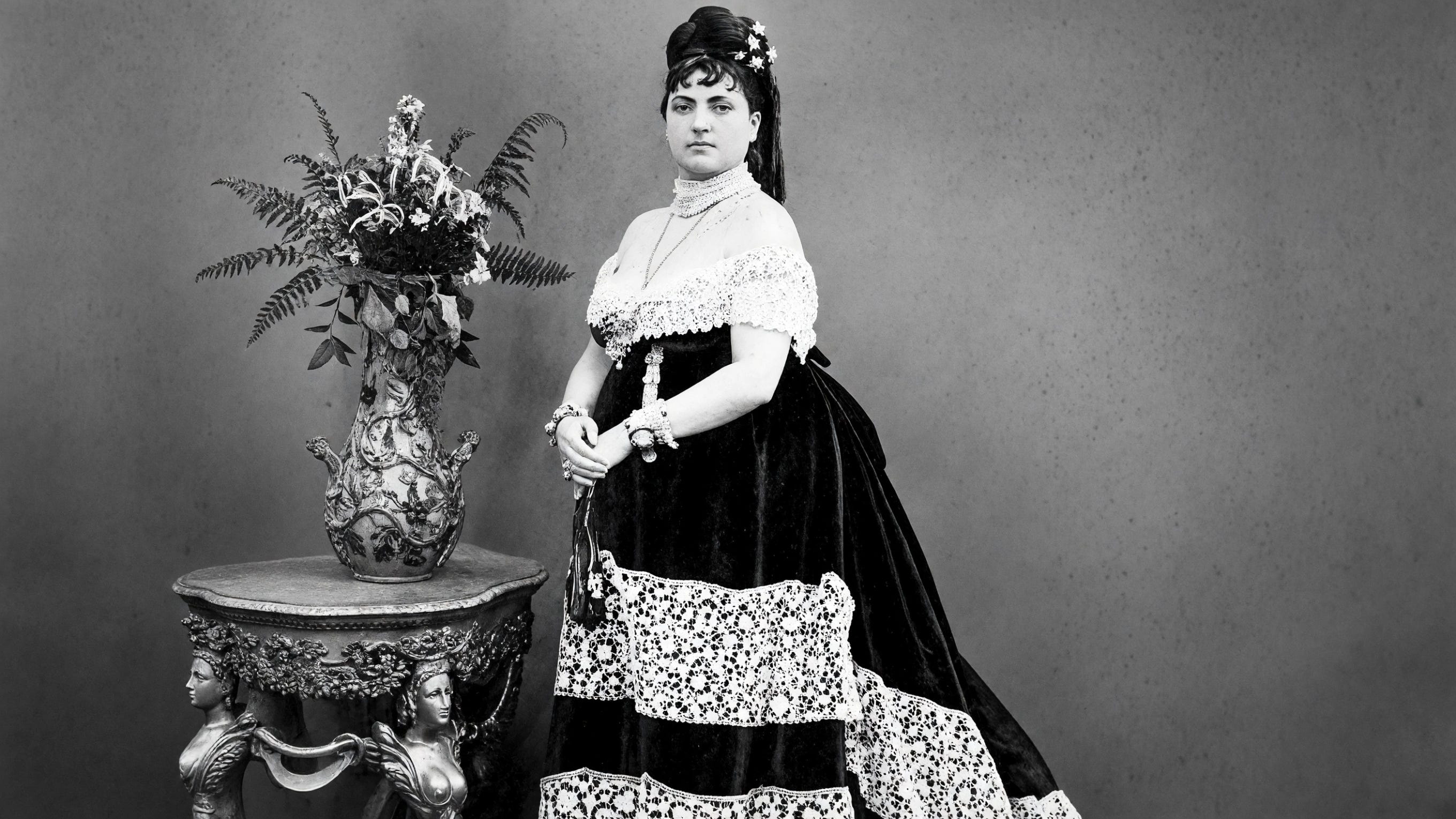
The Savoys traded their homeland and a 15-year-old daughter to win Italy.
In 1858, Cavour struck a secret bargain with France’s emperor, Napoleon III.
French troops would help Piedmont build a far larger kingdom, and France would take Nice and Savoy, the Alpine homeland that gave the dynasty its name.
In 1859, the king’s 15-year-old daughter, Maria Clotilde, married the emperor’s cousin. Her wedding bound the Savoys to France just as French soldiers became decisive.
War with Austria came that same year, and French and Piedmontese troops drove the Austrians from Milan.
In 1860, the bill came due, and Nice and Savoy passed to France.
That same year, Sicily and the south fell to Giuseppe Garibaldi, a revolutionary commander with an army of his own. Piedmontese troops marched south to block his path to Rome, and he accepted the Savoy king as his own.
On March 17, 1861, Savoy family member Victor Emmanuel II became king of Italy.
He decided to keep the “II” he already carried at home. Admirers saw continuity in that unbroken numeral, while critics saw Piedmont getting bigger.
Three months later, Cavour died, and Victor Emmanuel’s mistress outlasted her old adversary.
In 1869, the king married Rosina in a religious ceremony, a match royal Europe called morganatic. She became his wife, yet the title of queen stayed out of her reach, and their children couldn’t inherit his throne.
Rome came next, delivered by someone else’s war. In 1870, France went to war with Prussia and withdrew the protection that kept the pope ruling the city.
On September 20, 1870, Italian troops poured through a breach in the city walls, and the pope was left without a kingdom.
Rome belonged to the Savoys at last, and the son who inherited it would pay for the crown with his life.
Unconditional Surrender
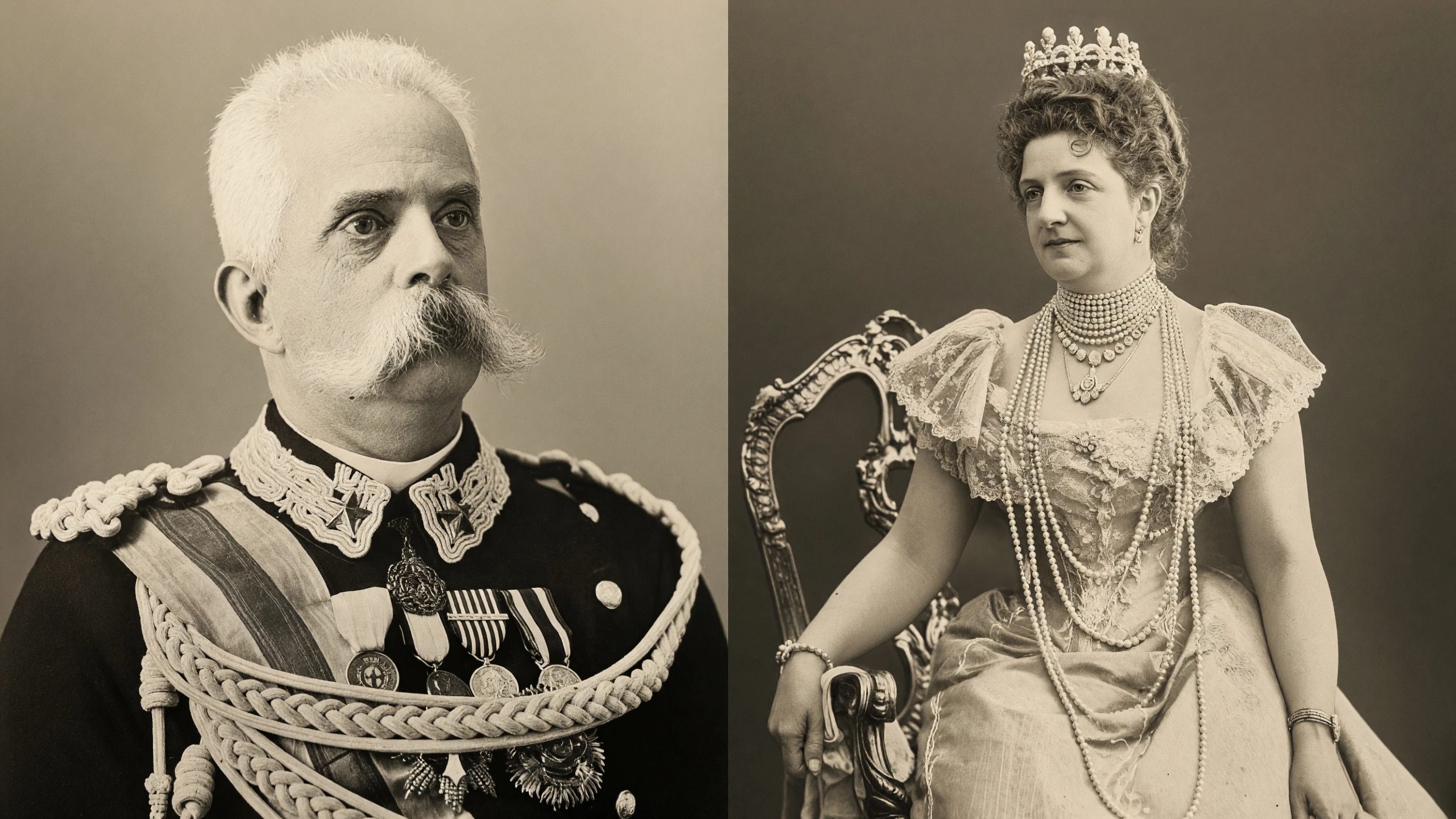
In January 1878, Victor Emmanuel’s heir succeeded him as King Umberto I, the first Savoy to inherit Rome along with the crown.
Queen Margherita took the throne beside him. She was a Savoy by birth, so the marriage kept the crown inside the wider family.
The new Savoy queen faced one obstacle written into the kingdom’s laws.
The constitution gave Margherita no say in government. Yet through public duties and the running of the royal household, she became the monarchy’s face in the capital.
Across Italy in the 1890s, the price of wheat kept climbing, and bread swallowed a growing share of what factory families in the north earned.
In 1898, twenty years into Umberto’s reign, Milan rose up over bread prices and civil liberties, and the army put the unrest down violently.
The king’s answer was a decoration for its commander, General Bava Beccaris.
Two years later, in July 1900, Milan’s anger reached Umberto at Monza, a town just outside the city, where the anarchist Gaetano Bresci shot him dead.
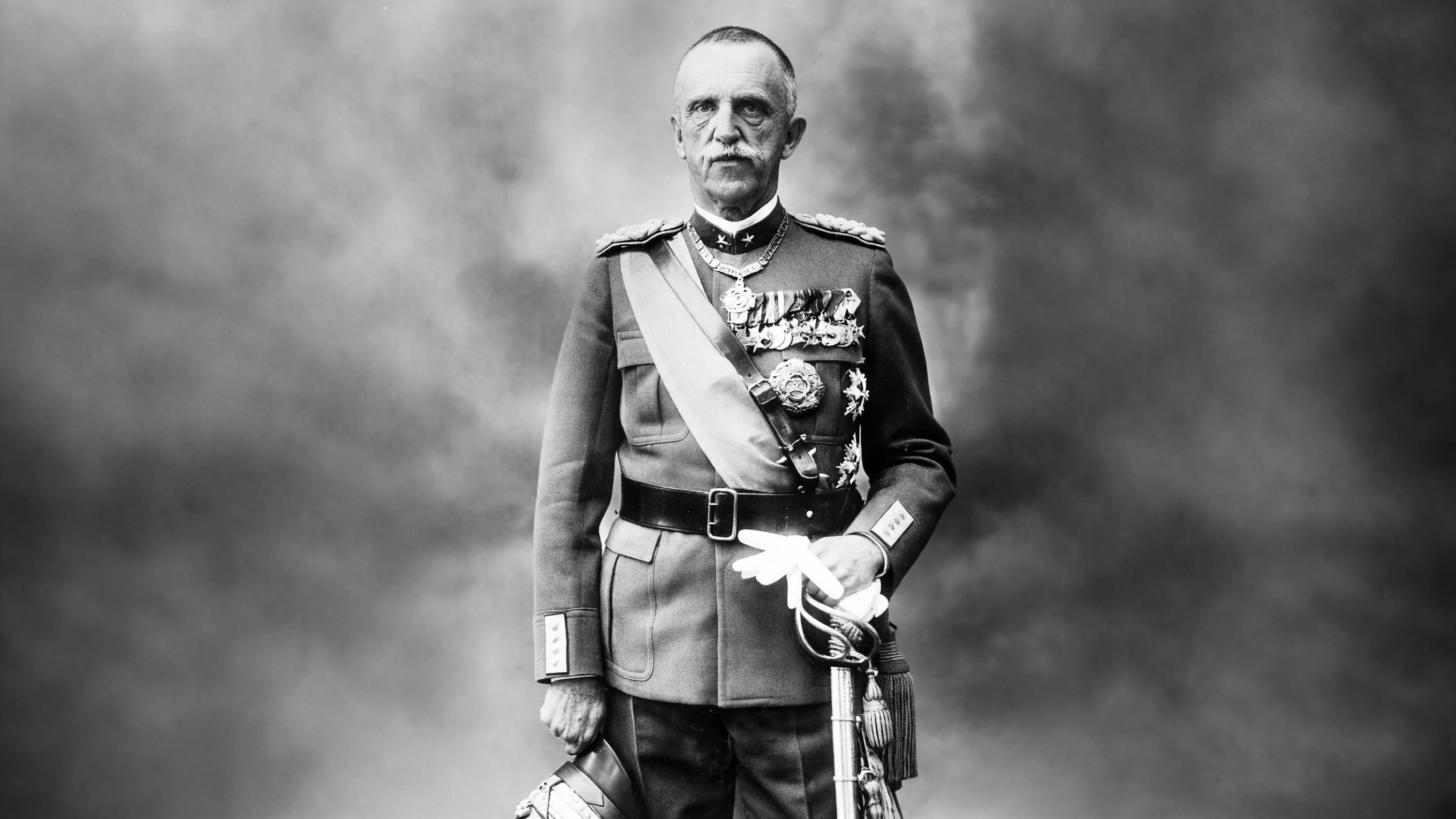
His son, Victor Emmanuel III, inherited a throne many Italians now tied to soldiers in the streets.
He kept it for 46 years, through two world wars and the rise and collapse of Fascism.
In October 1922, he left the martial-law order unsigned and handed Mussolini the government. The new prime minister dismantled parliamentary freedom, and the king stayed on his throne while opponents were suppressed.
Italy entered the Second World War in 1940, and defeat followed defeat. When the Allies invaded Sicily, the king dismissed and arrested Mussolini on July 25, 1943, using a power he had held all along.
Inside the palace, the search for a way out of the war was already underway. Marie José, the Belgian-born wife of Crown Prince Umberto, built quiet contacts with opponents of Fascism and sought a negotiated exit through a Portuguese intermediary.
The Allies answered with two words: “unconditional surrender.”
In September 1943, after Italy’s armistice with the Allies was announced, the king and his government fled Rome for the Allied-controlled south.
It looked like abandonment.
The king’s daughter paid a crueler price. German authorities arrested Princess Mafalda and imprisoned her at Buchenwald, the Nazi concentration camp.
She died there in August 1944, after an air raid left her gravely wounded.
Victor Emmanuel passed his powers to his son, then abdicated on May 9, 1946, to improve the monarchy’s chances. Umberto II reigned too briefly to separate the throne from his father’s record.
Less than a month later, Italians chose a republic at the ballot box.
And within weeks, Umberto II learned the vote had cost the Savoys Italy as well as their throne.
Crown Property
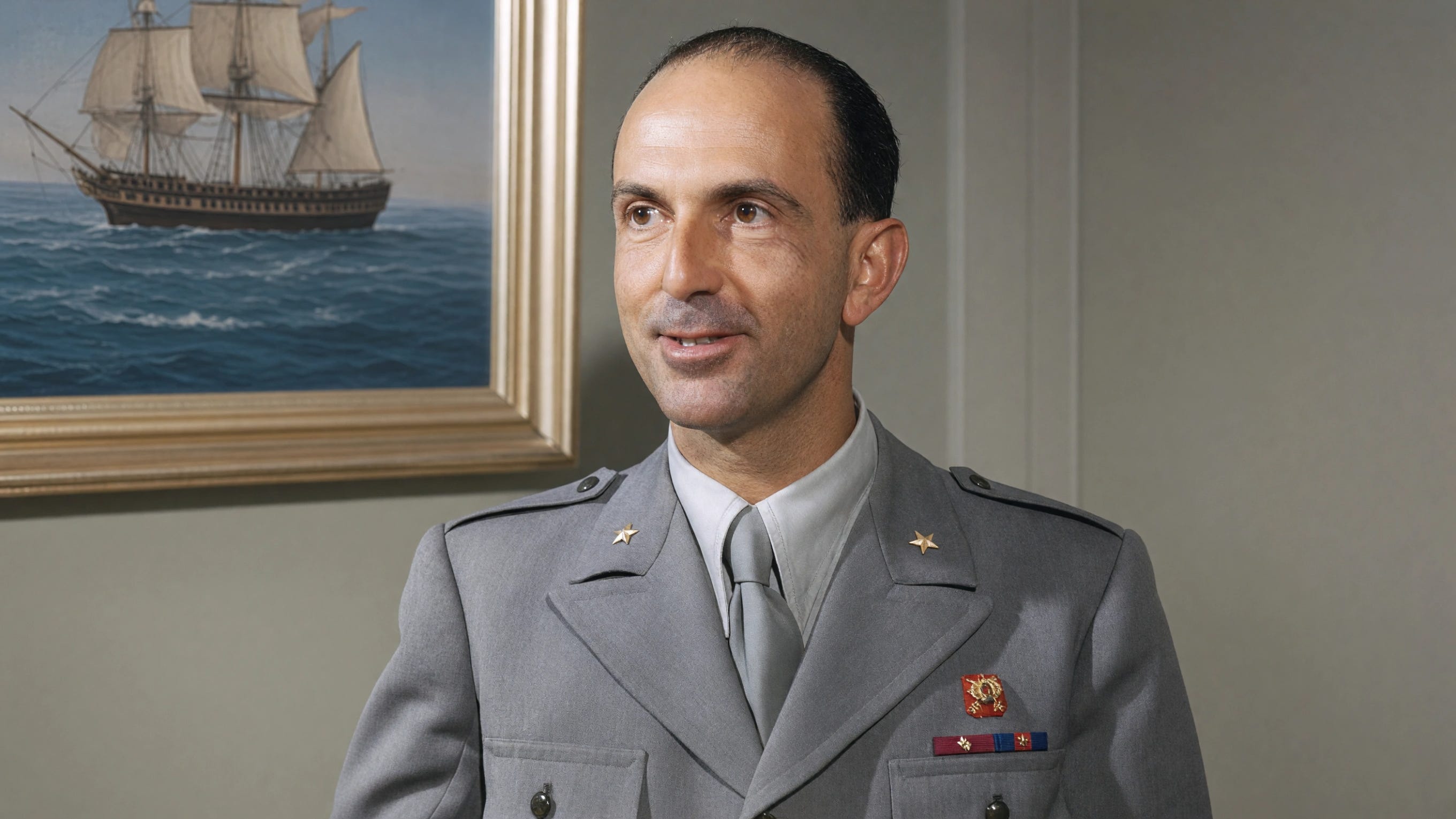
In June 1946, after barely a month on the throne, Umberto II left Italy for exile in Portugal, and the crown his family carried down from the Alps stayed behind.
That same June, the Savoy diamonds and pearls went into a vault at the Bank of Italy.
The Italian Republic barred the Savoy kings’ line from Italy and seized its property.
The new constitution barred former kings, their wives and their male descendants from Italy, and it handed the family’s property there to the state. With one document, the Savoys lost their throne and their homes.
Umberto’s son and heir, Vittorio Emanuele, was nine years old that June, and he followed his father to Portugal. He spent his boyhood outside the country his family once ruled, heir to a throne that no longer existed.
In 1978, the exiled prince’s name became tied to a shooting that fatally wounded Dirk Hamer, a German teenager of 19.
Thirteen years passed before a French court acquitted Vittorio Emanuele of the killing, in 1991.
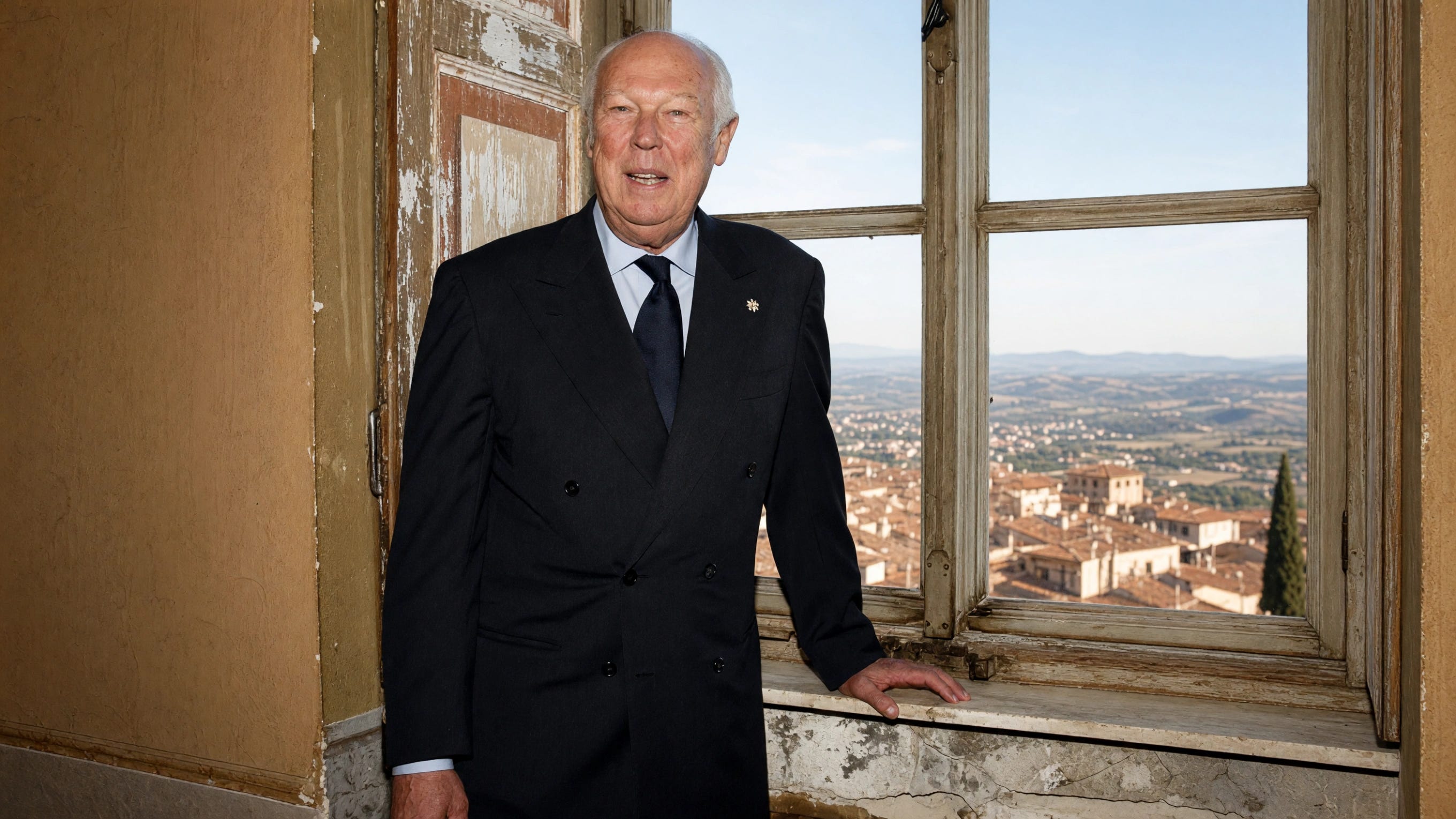
Eleven years after the verdict, Italy opened its border to the family.
In 2002, a constitutional amendment lifted the entry ban, so the heirs could return as private citizens.
However, the amendment left the property clause in place, and the Savoys could walk back into Italy while their possessions stayed with the state.
In May 2025, a Rome court ruled the Savoy jewels belonged to Italy.
Vittorio Emanuele died in 2024, and the next May, a Rome court ruled that the jewels were Crown property, belonging to the throne itself and therefore to the state.
Thus, the diamonds and pearls are still in the Bank of Italy vault where they went in June 1946.
The smallest piece of the Savoy fortune belongs, for now, to the country one family built.
The 26 antique watches were stolen early Monday, October 19, from the Reggia di Venaria Reale, near Turin, Italy.
https://substack.com/@gabby091707/note/c-367804375?r=7uoovk&utm_medium=ios&utm_source=notes-share-action
When I learn about European royalty I see why the communists became popular.