
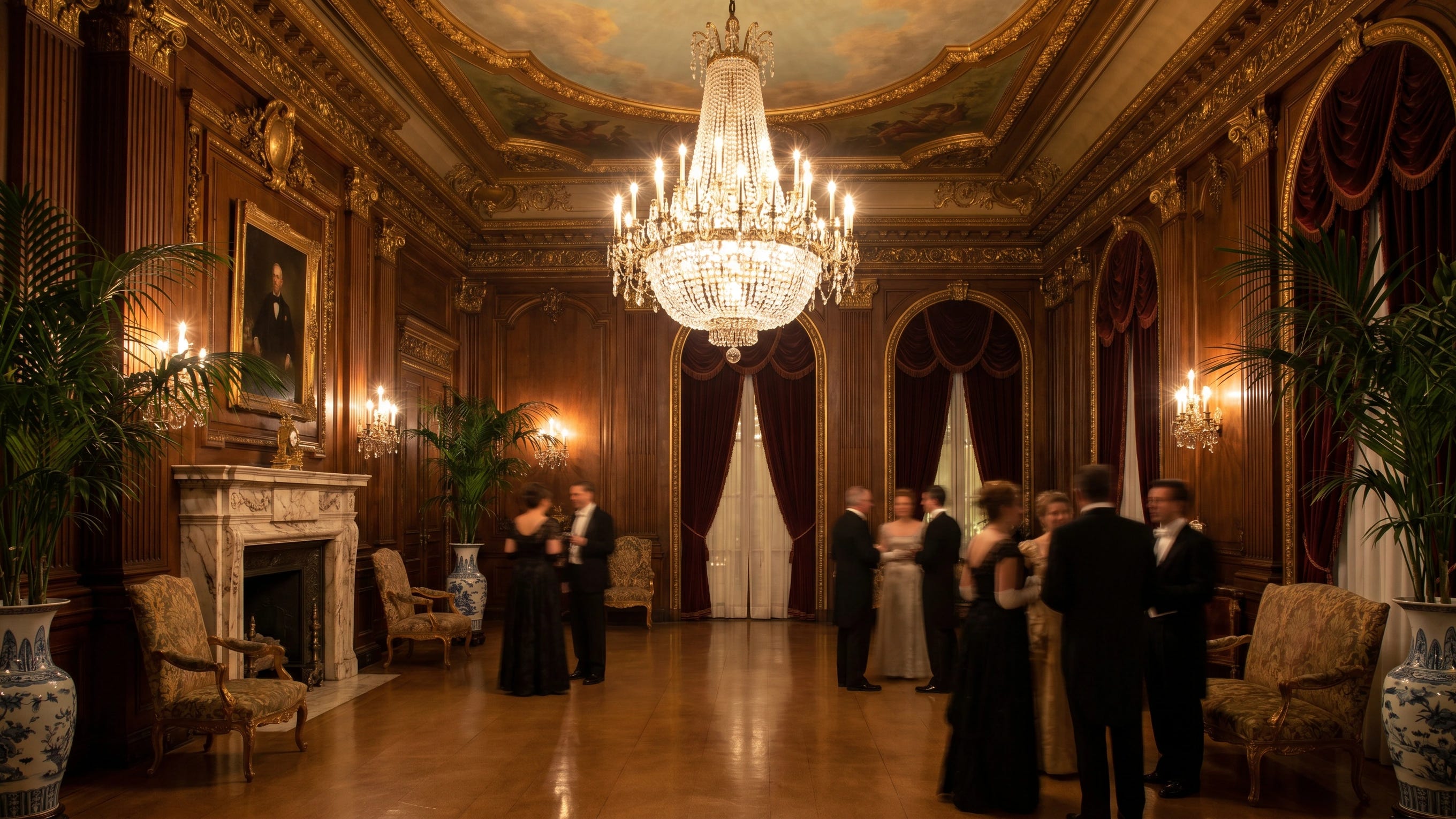
The night was February 1883. Alva Vanderbilt threw a costume ball at her Fifth Avenue mansion for 1,200 guests.
The tab came to $250,000… roughly $8 million in today’s dollars. On one party.
Quite naturally, the newspapers called it the social event of the decade. New York society debated the gowns and the guest list for months.
Thus, the Vanderbilt name was, at that moment, synonymous with American wealth the way no other name had ever been.
A little over a century later, journalist and CNN anchor Anderson Cooper was asked about the Vanderbilt inheritance. He said there was no Vanderbilt trust, and he was told from childhood not to expect one. The fortune had dissolved through four generations of personal ownership, family division, and inheritance disputes that no structure existed to prevent.
But the $250,000 party was not the problem; the Astors threw parties too, as did the Posts, and even the Rockefellers.
The difference was never the spending. The difference was what name the asset was in when the party was over.
The Astor Lease
John Jacob Astor I understood something about New York real estate in the early 19th century that most of his contemporaries missed: selling land was a one-time event, but owning land was a perpetual income machine.
His strategy was to buy and lease, never sell. Astor would acquire a Manhattan parcel, lease it to a developer for a term of years, and write into the lease a reversion clause. After the lease expired, the land came back to the Astor family. Whatever had been built on it came back too.
Therefore, the developers had no incentive to maintain buildings they would eventually lose. The result was overcrowded housing stock that created real suffering in lower Manhattan. Historians have documented the Astor family’s role in creating some of the worst slum conditions in 19th-century New York.
The moral accounting was grim. But the structural point stands: the land was never in anyone else’s name.
By the time Vincent Astor inherited the family fortune in 1912, the Astor real estate empire had survived multiple generations, marriages, and transfers because it was held in family entities and trusts, not in individual hands.
Vincent was uncomfortable with the slumlord reputation; consequently, he sold much of the housing stock. He died in 1959 and left the bulk of his estate and the Vincent Astor Foundation to his third wife, Brooke.
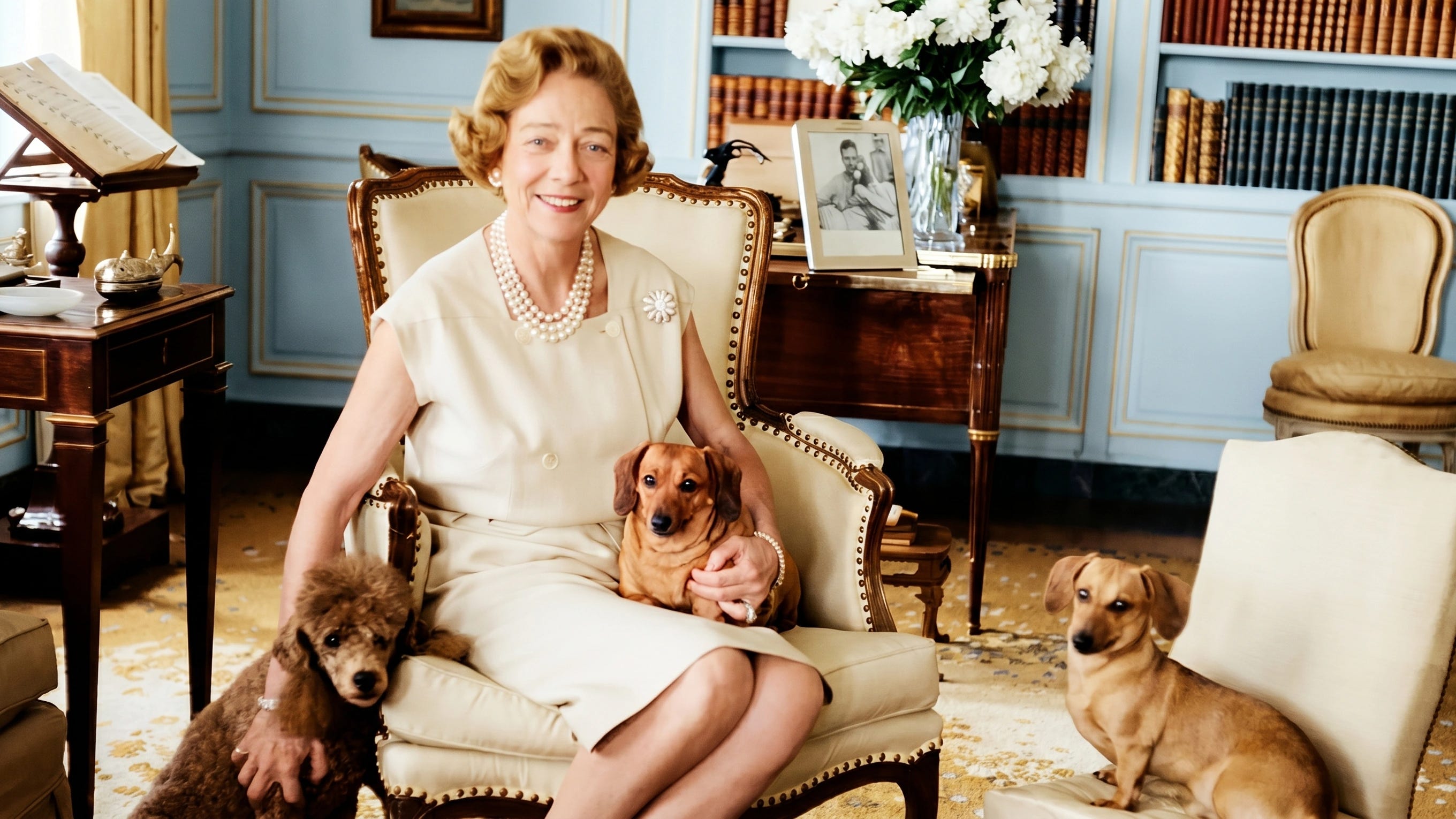
Now, Brooke Astor became one of New York’s great philanthropists.
Over decades of stewardship, she directed more than $195 million to hospitals, libraries, and cultural institutions across the city. She rebuilt the Astor name into something the family could stand behind.
Then her son, Tony Marshall, was convicted in 2009 of stealing from her while she suffered from Alzheimer’s disease. Yes, the betrayal came from inside the family. The structure still held., the foundation assets were protected, and the institutions that had received those grants were untouched. But the failure was human, not architectural, and the architecture was designed for exactly that contingency.
The Woman Who Divorced Four Times and Lost Nothing
Marjorie Merriweather Post inherited the Postum Cereal Company in 1914 at age 27 when her father, C.W. Post, died. The estate was worth approximately $20 million, and she was the sole heir.
She was also about to get married, then divorced… then married again. Then divorced again.
Four marriages total, four divorces total, across five decades of her adult life.
Now, husbands included a Wall Street broker, a financier, a diplomat, and a corporate executive.
One of them, E.F. Hutton, took the company public in 1922 and helped build it into General Foods Corporation, one of the largest food companies in America. Even in that transaction, Post retained her position, her shares, and her control.
None of her divorces cost her the company. None of them cost her the properties.
But this was not luck. Post’s attorneys structured each marriage so that the core assets of her estate, including the company ownership and the major properties, remained in her name and in entities she controlled. The prenuptial frameworks of her era were not as formalized as modern agreements, but the legal architecture accomplished the same result: the wealth was hers, not theirs, and no divorce court was going to redraw that map.
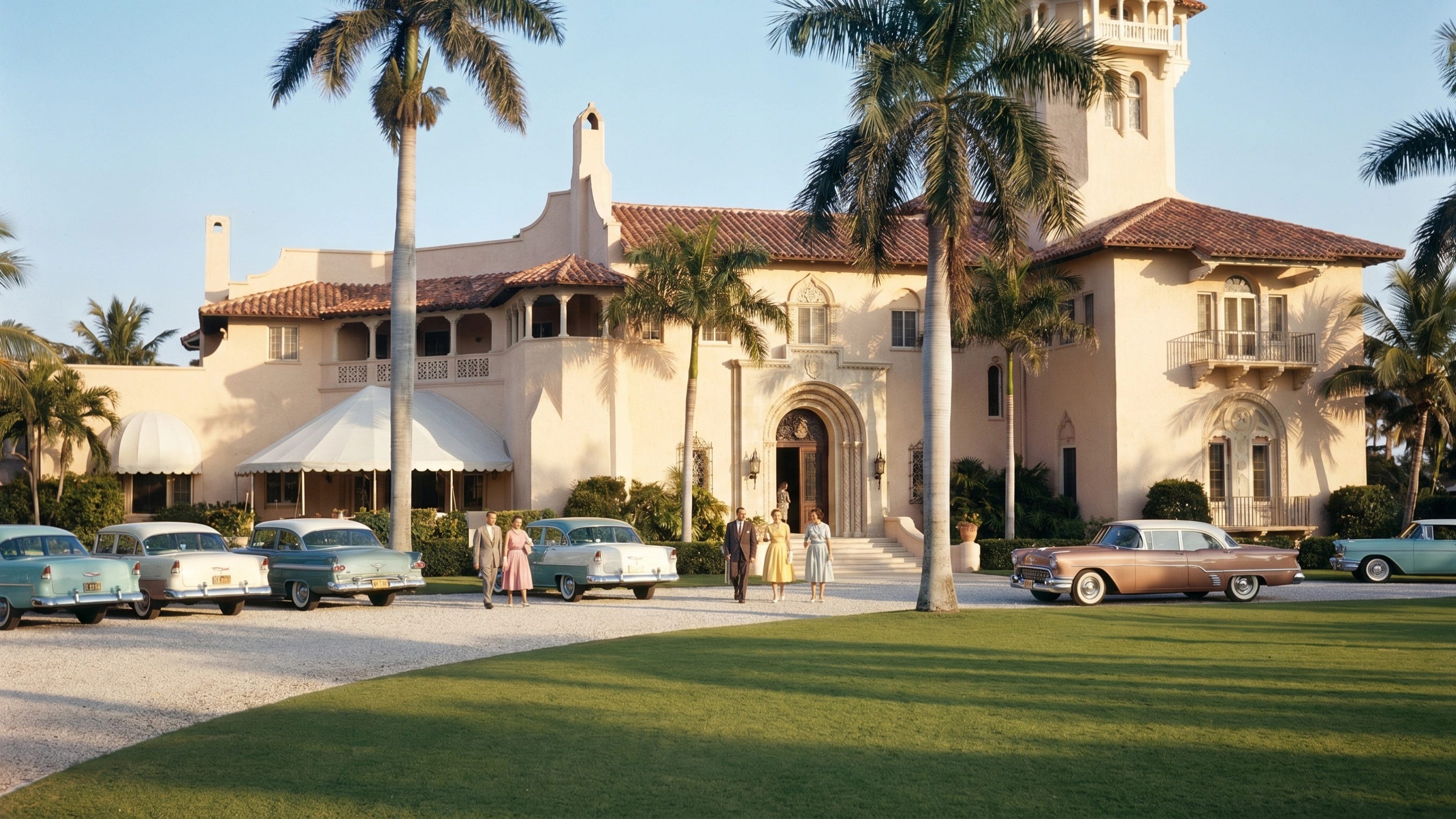
In lieu of this, she built Mar-a-Lago in Palm Beach, a 115-room estate that became one of the most recognized private properties in America. She built Hillwood on 25 acres in Washington, D.C., and filled it with one of the most significant collections of Russian imperial art outside Russia itself.
At her death in 1973, her net worth was approximately $250 million, the equivalent of roughly $1 billion in 2008 dollars.
She left trust funds specifically structured to maintain Hillwood and Mar-a-Lago as ongoing institutions. Hillwood became a public museum. Mar-a-Lago was donated to the U.S. government, later sold, and eventually purchased by Donald Trump.
Four divorces. No fragmentation.
The Rockefeller Separation
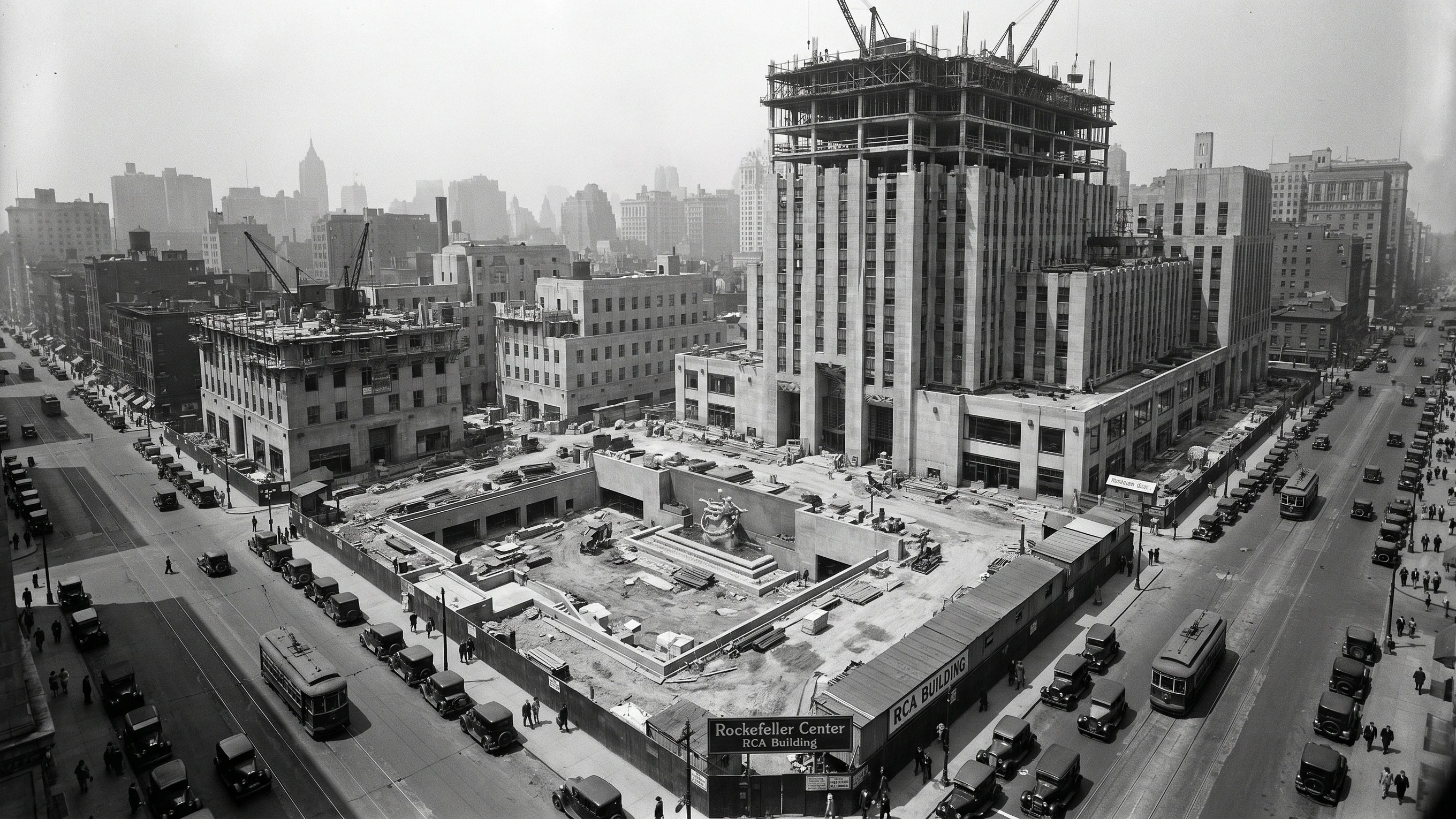
John D. Rockefeller built the Standard Oil fortune and retired from active management in 1896. His son, John D. Rockefeller Jr., spent the next four decades doing something that required more discipline than building the fortune had: designing the architecture that would outlast it.
Junior did not simply leave money to his children. He created irrevocable family trusts and placed them under the stewardship of Chase Bank as professional trustee. Not a family member. A bank.
This was a deliberate choice. Family members die, remarry, make poor decisions, develop addictions, or get sued. A professional institutional trustee does none of those things. It executes the trust document and distributes income to beneficiaries according to a set of rules established by the grantor.
The heirs receive distributions… but they do not own the corpus. That distinction is the entire architecture.
When you own something, a divorce court can award half of it to your spouse. A creditor can attach it. An addiction can liquidate it. When a trust holds something and you receive income from it, none of those mechanisms reach the underlying asset.
Junior’s wife, Abby Aldrich Rockefeller, co-founded the Museum of Modern Art in 1929. The Rockefeller philanthropic and institutional footprint spread across Rockefeller Center, MoMA, the University of Chicago, and dozens of other institutions. The fortune survived the antitrust breakup of Standard Oil, the Great Depression, and the dilution across multiple generations of descendants.
It survived because the wealth was held by a structure, not by a person.
The Vanderbilt Lesson
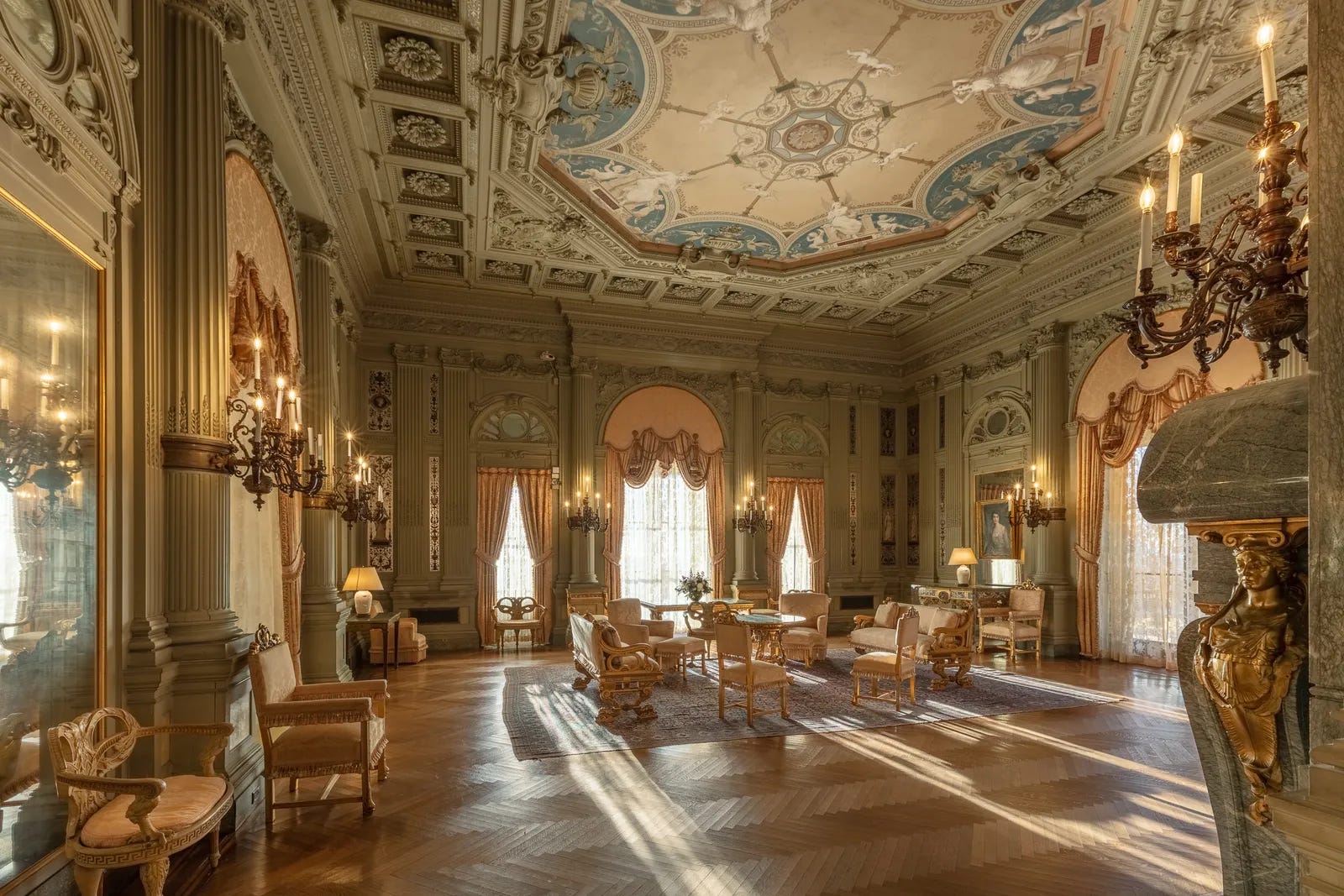
Cornelius Vanderbilt built his fortune in steamships and railroads and died in 1877 as the wealthiest man in America. He left most of the fortune to his son William Henry Vanderbilt, who doubled it in eight years and then distributed it broadly among his children.
This is where the structural difference begins.
The Vanderbilt wealth was held personally. Each heir owned their portion outright. They could spend it, divide it, give it away, lose it in litigation, or watch it fragment in probate. There was no irrevocable trust holding the corpus beyond any individual’s reach. There was no institutional trustee and no reversion mechanism. There was just money… and people who owned it.
By the time Gloria Vanderbilt was born in 1924, the fortune had already scattered across dozens of heirs and been diminished through personal spending and division in ways no single generation had fully understood while it was happening.
Gloria herself was the subject of one of the most publicized custody battles in American history, fought over a fortune that had already been considerably reduced from its Gilded Age peak.
Her son, Anderson Cooper, said publicly that he was told there was no family money waiting for him. He built his own career. He treated that as a given.
The Vanderbilts were not reckless people, and they were not less intelligent or less capable than the Astors. The families occupied the same era, the same city, and the same social world.
But the Vanderbilts held wealth personally. The Astors held it structurally.
The Pattern Has One Rule
“Old money” that lasts is never held by a person. It is held by a structure that a person temporarily stewards.
Irrevocable trusts, family holding entities, institutional trustees, lease-reversion mechanisms, prenuptial asset segregation.
These tools are not new, nor exotic. They are what the families in this article used, and they are why those families still exist as economic entities while others evaporated.
The rule is the same in every century and every country. The asset outlasts the person only when the person never fully owns it.
In 1883, the most famous name in American wealth threw an $8 million party. The name on the deed of the house where that party happened was a person’s name. That is why it is gone.
Excellent article and a pleasure to read.
Family businesses need to invest in their narrative estate