

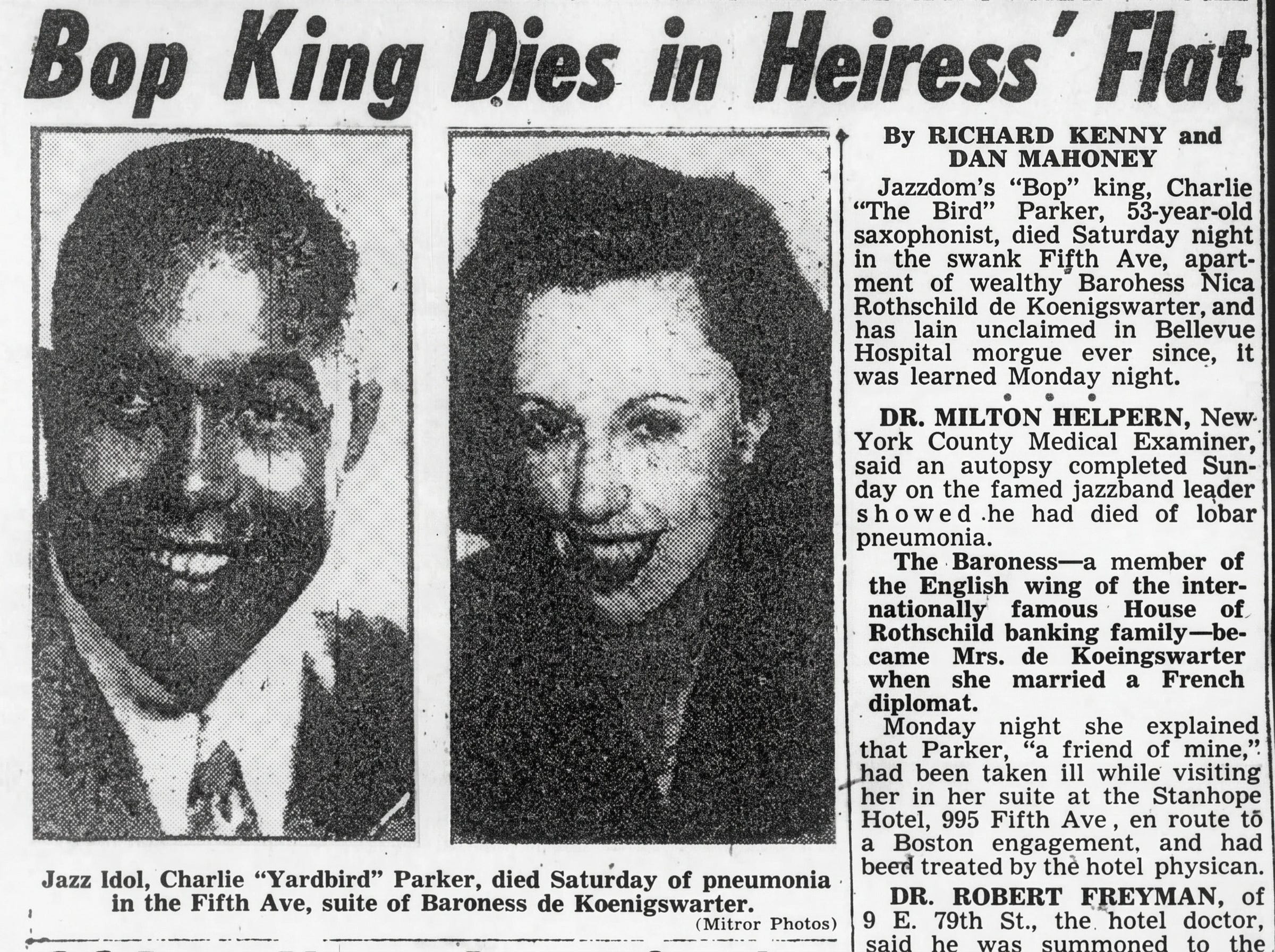
On the evening of March 12, 1955, jazz legend Charlie Parker was watching a juggler on television in a Fifth Avenue hotel suite when he collapsed and died.
He was 34, and the tabloids soon had their headline: “Bop King Dies in Heiress’ Flat.”
The heiress was Nica de Koenigswarter, born into what was called the richest family in the world and raised with kangaroos on her uncle’s lawn.
Her hotel, which put up with years of all-night jam sessions, asked her to leave, and gossip about what happened in that suite followed her for the rest of her life.
Nothing in her early life as a Rothschild hinted at the scandals that lay ahead.
She married a French baron, had five children, and drove ambulances for the Free French during the war.
Then, passing through New York on her way to Mexico, she heard a record by a little-known pianist named Thelonious Monk. She wept, asked a friend to play it 20 times in a row, and let her flight leave without her.
Her marriage never recovered. The baron divorced her in 1956 and won custody of their three youngest children, and polite society closed ranks against her.
Over the next three decades, she’d risk prison for Monk, share a house across the Hudson with 306 cats, and plan her own farewell around a single song.
‘Round Midnight
Four years before Charlie Parker died in her suite, Baroness Nica de Koenigswarter was a diplomat’s wife with five children and a plane to catch.
In 1951, New York was supposed to be a quick stop between London and Mexico City, where her husband, Jules, was posted for France.
Before heading to the airport, she paid a call on Teddy Wilson, the jazz pianist who once gave her brother lessons. Wilson sat her down in front of a record player and told her she had to hear a pianist she barely knew.
The needle dropped, and out came Thelonious Monk’s “‘Round Midnight,” slow and haunted, a melody that wandered through strange turns and dark corners and never quite came home.
Wilson kept setting the needle back to the start, and somewhere in that long afternoon, the life she was flying back to began to slip away.
She lingered in New York for a couple more weeks, then went back to her family. Yet before long, as her biographer David Kastin put it, “she was back in New York permanently.”
Nica de Koenigswarter turned a Fifth Avenue hotel into an after-hours jazz club.
Her new home was a suite at the Stanhope, a hushed, elegant hotel facing Central Park. After the clubs closed, saxophonists, drummers, and pianists crowded into her rooms, and jam sessions ran until dawn in a suite built for afternoon tea.
Every night, as midnight approached, she climbed into her Bentley and drove downtown to 52nd Street, the narrow block of basement clubs where modern jazz was being invented one set at a time. Hers was easily the most conspicuous car ever parked outside those cramped, smoky doorways.
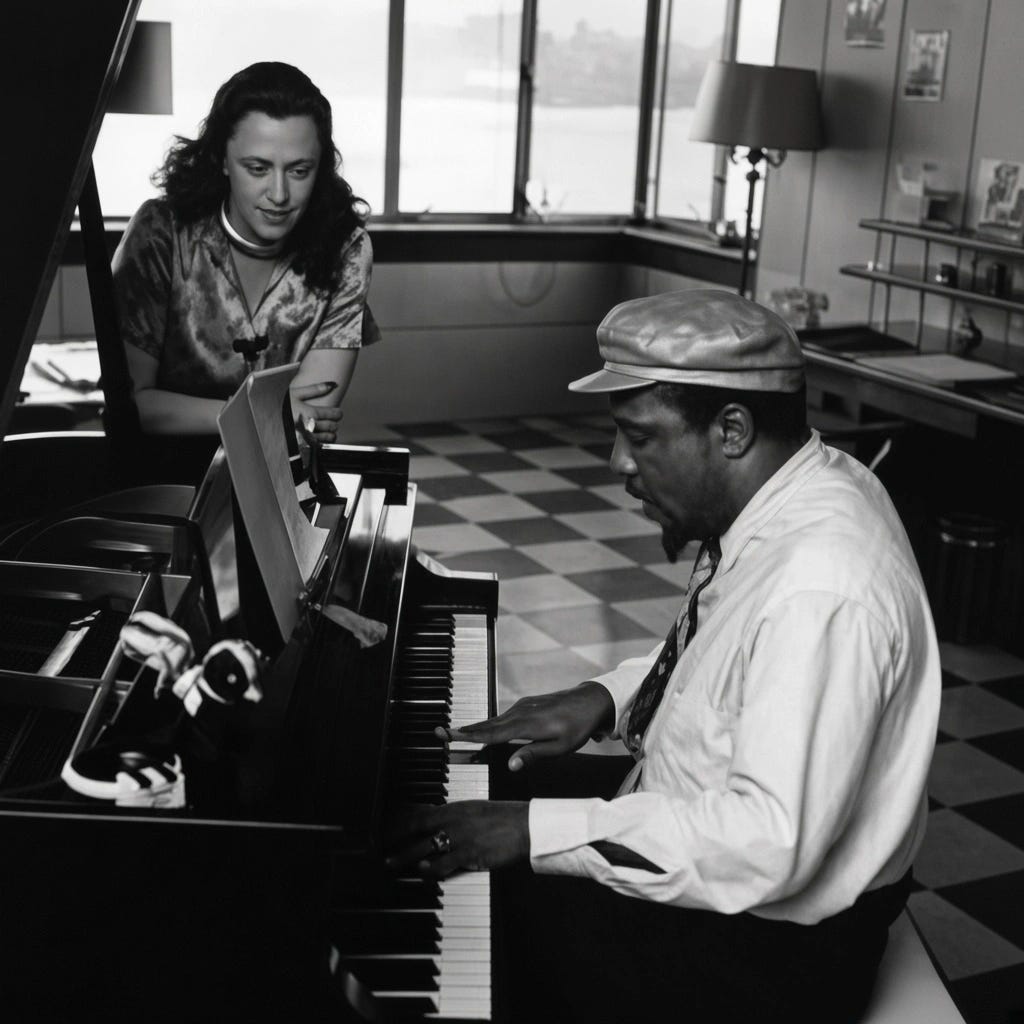
For musicians living from one gig to the next, she became the person to call when everything fell apart.
Soon, Nica’s Rothschild money was paying rent for jazz legends.
She covered players who fell behind with their landlords and bought groceries when a family’s cupboards were empty. Horns that went to the pawnshop during lean weeks came back out of hock with her money, so a musician could work again the next night.
She bought cars for men who needed to reach distant gigs and pianos for composers with nothing to write on at home. When illness struck, she sat beside hospital beds in wards where few visitors from Fifth Avenue ever appeared.
The jazz world answered with love and nicknames, calling her the Jazz Baroness and, more memorably, the Bebop Baroness.
Above all, she wanted to meet the man behind Teddy Wilson’s record, and when she did, he wrote her a ballad, ‘Pannonica,’ believing her name came from a butterfly.
Her father actually took the name from a moth, and he didn’t live long enough to see what she made of it.
The Moth
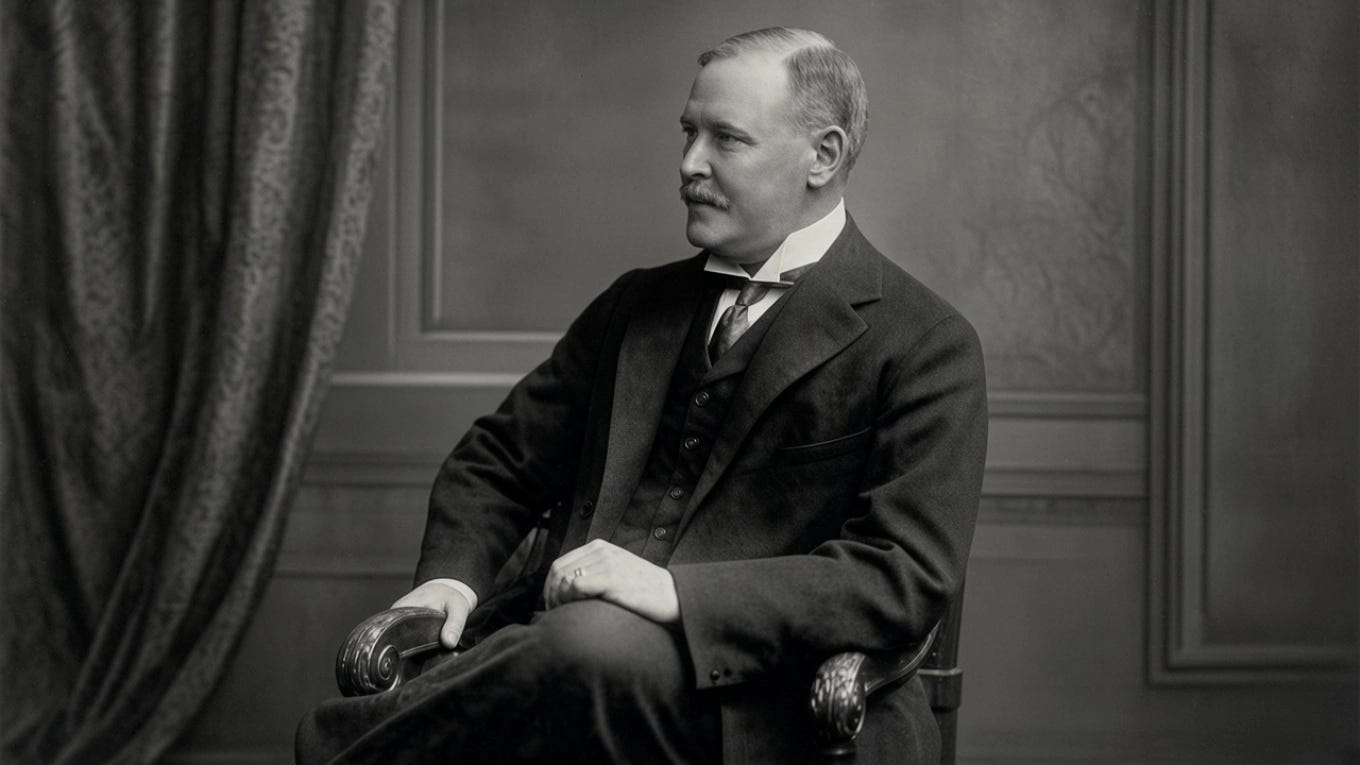
Nica’s story begins nearly four decades before 52nd Street, with a London banker who would rather have been out in a meadow with a butterfly net.
Charles Rothschild spent his working hours at the family bank, but his heart belonged to insects. He studied fleas and butterflies, and at a time when few men of his standing gave nature a thought, he fought to protect England’s wild places.
Among his discoveries was a small moth, Eublemma pannonica. When his youngest daughter arrived on December 10, 1913, he named her Kathleen Annie Pannonica Rothschild, and the strange, musical middle name was the one that stuck.
Her grandfather, Nathan, was the first Lord Rothschild. The line, of course, ran back to Mayer Amschel Rothschild, who started out in the Jewish ghetto of Frankfurt and built the legendary banking dynasty that spread across Europe.
The English branch learned long ago to keep its power quiet, marrying within the family circle, staying out of the newspapers, and planning a generation ahead. Discretion, however, stopped at her uncle’s front gate, where the marsupials roamed free.
But the kangaroos were only the beginning.
At Tring Park, the family estate in Hertfordshire, her uncle Walter kept a full menagerie, and a little girl could look out across the lawn and watch zebras, emus, and giant tortoises going about their business. Most well-born English children got a pony.
There were other houses, too, including Waddesdon Manor, a French-style château rising out of the Buckinghamshire countryside, and London mansions close to the bank, all staffed with tutors, footmen, and governesses.
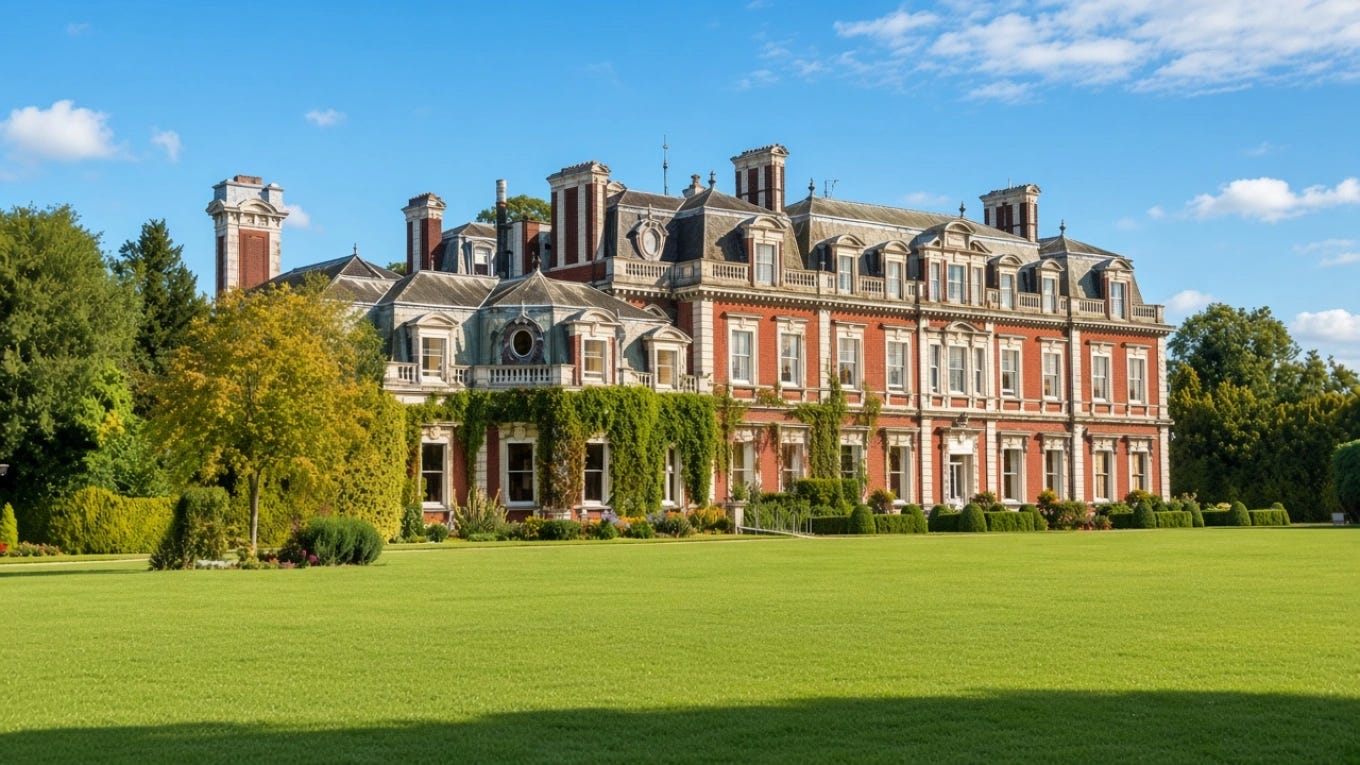
“She’s a Rothschild,” Kastin said. “She grew up in this fairy tale existence.”
Her mother, Rozsika, was a Hungarian baroness whose looks earned her the nickname the Rose of Hungary, and a tennis champion said to be the first woman to serve overhead. Between them, the Hungarian beauty and the moth collector raised a nursery full of unusual children.
Nica was the youngest of four. Miriam would become a celebrated zoologist and a dame, Elizabeth went by Liberty, and Victor, the only son, would one day become the third Lord Rothschild. Of her three siblings, he would shape her life the most, and introduce her to jazz.
Victor was a gifted amateur pianist who would later take lessons from Art Tatum. In a house of governesses and formal dinners, the sound of her brother picking his way through jazz at the piano felt like a small rebellion, and his little sister listened closely.
Nica Rothschild was nine when her father took his own life.
Charles suffered from depression, an illness the medicine of his day understood poorly and treated worse. He died in 1923, at 46, just as his little girl was old enough to understand who he was. How the news reached a nine-year-old belongs to the family alone.
Rozsika was left to raise four children inside a family that prized composure above almost everything, and composure is what the household practiced. The grief went behind closed doors, and life at Tring returned to its gilded routine.
Yet Nica seemed to notice how quietly a person could suffer inside a polished life. She held on to her brother’s music and to the memory of a father who loved wild, overlooked things.
Over the next decade, the Rothschilds turned their grieving girl into a perfect debutante, trailed everywhere by a valet with a checkbook, and the only place he couldn’t follow her was the sky.
The Map

By her late teens, Nica Rothschild had everything money could buy and almost no freedom to enjoy it.
Her son Patrick later described that upbringing bluntly. “Nica was raised in the lap of luxury,” he said. “She wasn’t allowed to do anything for herself. She couldn’t even go shopping alone.”
So she escaped where she could, into sketchbooks and museums. At 11, she won a silver medal from the Royal Drawing Society, and in the early 1930s, she studied art history in Venice, Vienna, and Munich.
Then came the curtsy at court that announced a young woman was ready for a suitable husband, followed by a season of balls designed to find her one.
Yet the bands at those balls were playing jazz, the music Victor first played for her at the piano, and Nica was listening.
She also discovered the sky. She learned to fly at Le Touquet, the fashionable resort on the French coast where wealthy Britons went to play, and up there, the valet and his checkbook stayed on the ground. Her family treated flying as one more expensive hobby a good marriage would cure.
Nica Rothschild met her baron on a runway, then made him chase her across the Atlantic.
On that same airfield, at 21, she met Baron Jules de Koenigswarter, a French Jewish banker and mining engineer who also flew.
He was 31, a widower with a young son, and he carried a seriousness the young men of the London season lacked. After three months, he proposed.
Nica wanted time to think, so she left for New York. Jules refused to wait and followed her, and in October 1935, they married at New York City Hall, a strikingly modest wedding for two banking families, in the city that would one day become her real home.
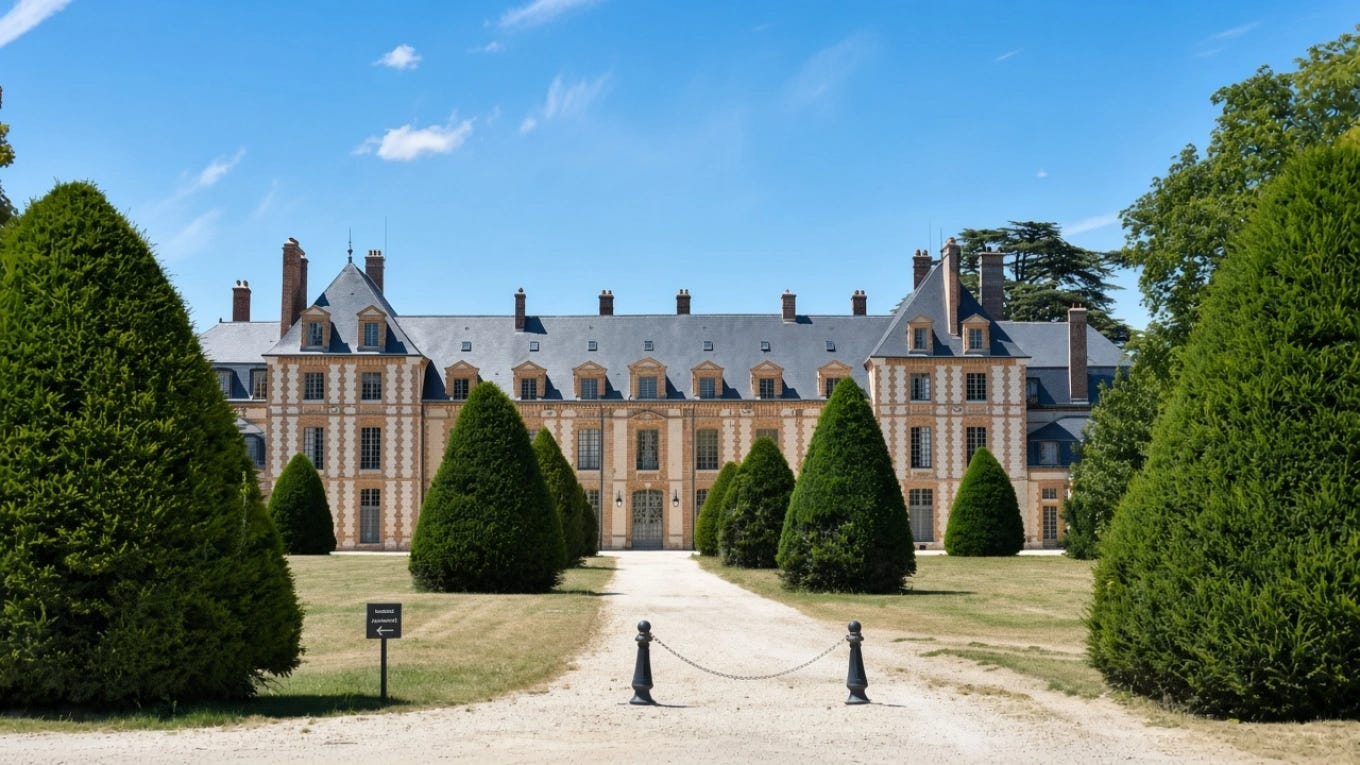
They settled at the Château d’Abondant, a 17th-century house in northwest France, with formal rooms, sweeping grounds, and every appearance of a storybook life. A son, Patrick, arrived, then a daughter, Janka, and Nica became stepmother to Jules’s boy from his first marriage.
Then war came to France.
Nica de Koenigswarter fled the Nazis, then joined the army fighting them.
Before Jules left to serve as a reserve lieutenant in the spring of 1940, he handed his wife a map. If the Germans passed a certain point on it, she was to take the children and run.
They passed it. In late May, as the French army collapsed, Nica caught one of the last trains out of Paris with the children, a nanny, and a maid, and reached London three days later. Jules’s mother refused to leave France and later died at Auschwitz.
But Nica had no intention of waiting out the war in safety. She sent Patrick and Janka to the Guggenheims on Long Island and went to find Jules in Brazzaville, the African river town where the Free French were building an army of exiles.
It wouldn’t be the last time her convictions cost the people she loved.
For a Rothschild baroness, enlisting as an ordinary private was an extraordinary decision. But Nica did exactly that.
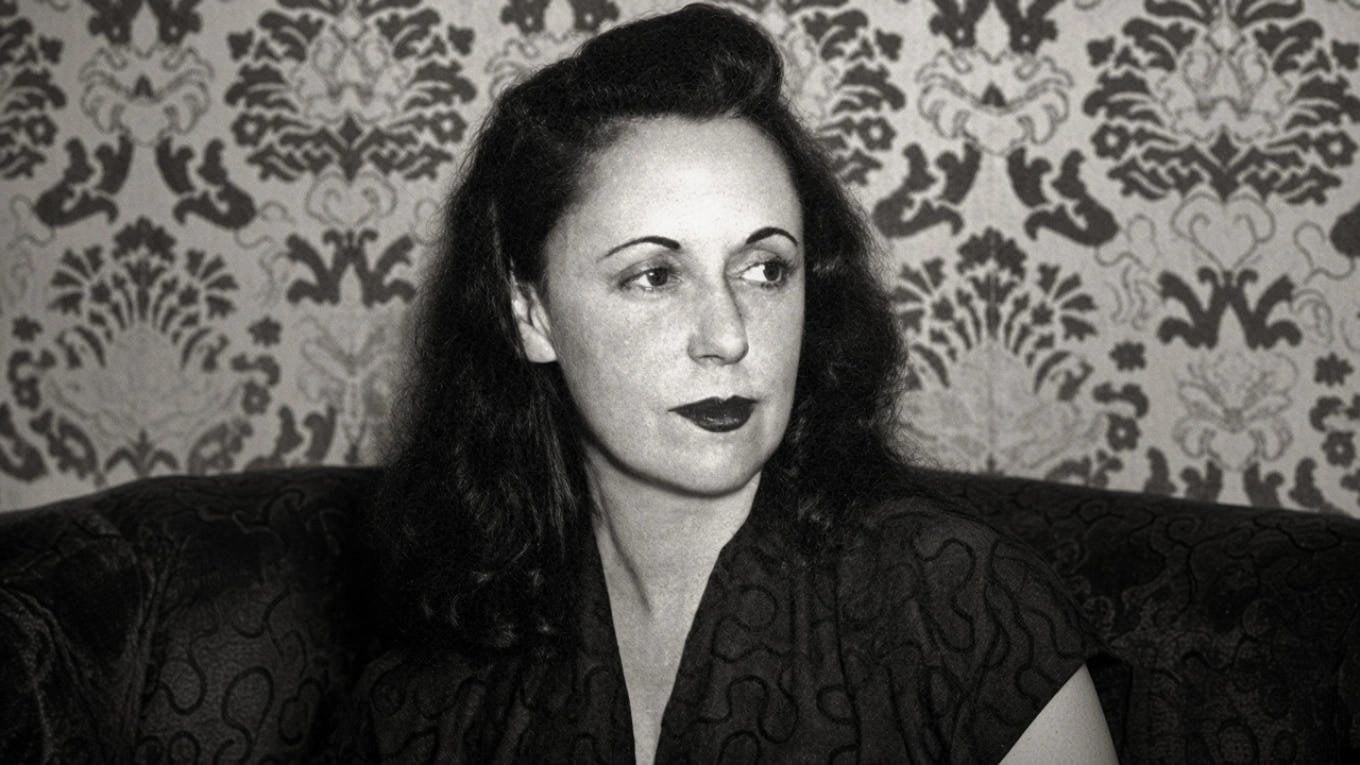
She decoded messages for de Gaulle’s intelligence service, broadcast on Radio Brazzaville, and drove ambulances full of wounded soldiers across Egypt and North Africa through bout after bout of malaria.
She finished the war a decorated lieutenant, and years later, Monk put her on the cover of his album Underground as a resistance fighter.
Peace brought embassies, receptions, and three more children, as Jules joined the diplomatic service and the family moved from Norway to Mexico City.
Yet after years in uniform, Nica was now judged by whether she reached the dinner table on time. Patrick remembered his father as controlling and obsessed with punctuality, while his mother was notorious for being late, sometimes by days.
Jules also had little interest in art or music, and the rounds of official dinners left little room for the passions of her girlhood. So in Mexico City, she began slipping away to a friend’s apartment to listen to jazz records she couldn’t play at home, and there, she said, she “really got the message.”
Within a few years, the music from that borrowed apartment would cost her a marriage and bring a dying jazz legend to her door.
Bop King Dies in Heiress’ Flat
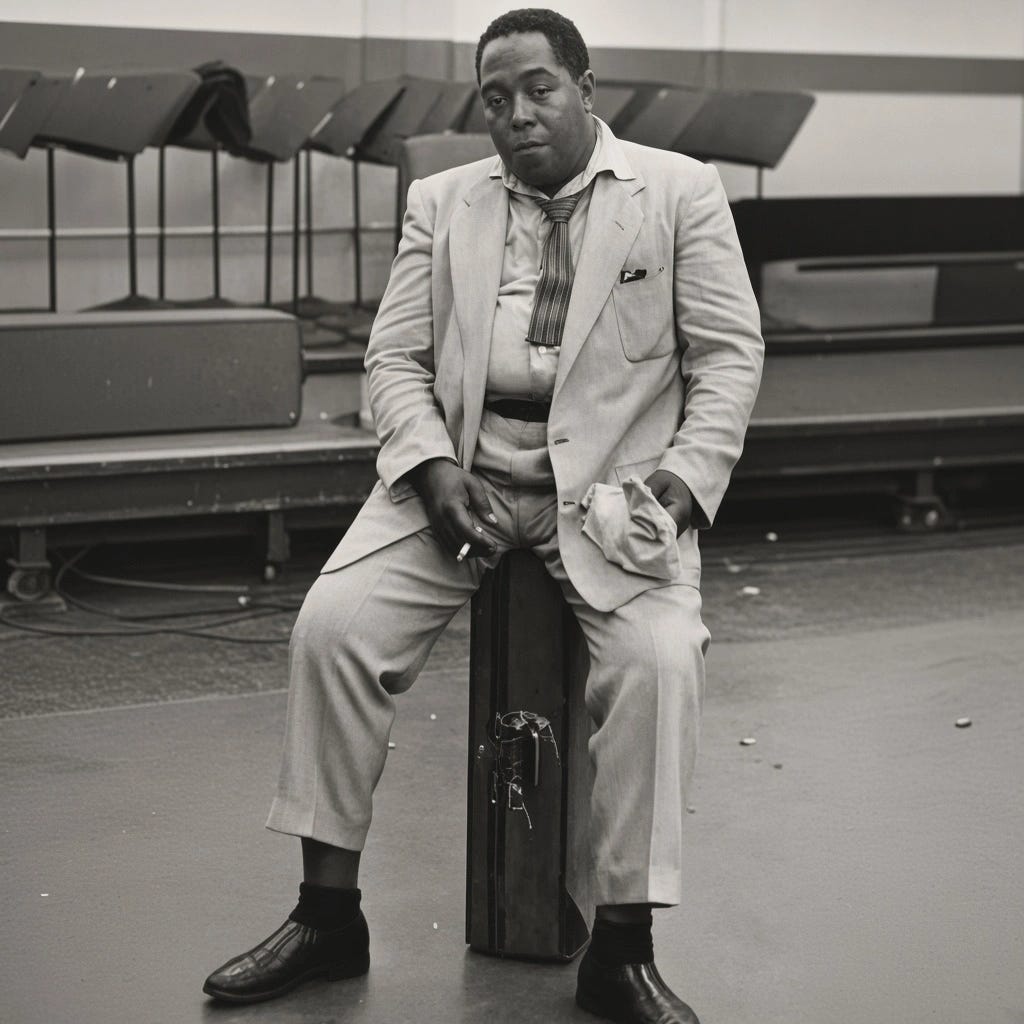
Four years after that afternoon at Teddy Wilson’s record player, on March 9, 1955, Charlie Parker knocked on the door of Nica’s suite at the Stanhope.
He was on his way to an engagement in Boston, and he never made it.
Musicians called him Bird, and the speed and invention of his saxophone helped create bebop itself. Yet years of drugs and alcohol wore his body down, and Nica could see at once that he was gravely ill.
She begged him to go to a hospital. Parker refused again and again, with the stubbornness of a man who spent his life distrusting institutions that rarely treated him kindly. So she called her own physician, who examined him and came back over the next few days to check on him.
For three days, the suite that usually rang with jam sessions went quiet. On the third evening, Parker sat down in front of the television, and he never got up again.
Doctors blamed pneumonia, though his long decline plainly contributed, and the one who examined his body reportedly guessed the 34-year-old was somewhere between 50 and 60. The newspapers had little interest in the hospital he turned down or the physician she summoned, and the truth never caught up with the gossip.
Charlie Parker’s death got a Rothschild thrown out of her Fifth Avenue hotel.
The Stanhope now wanted its famous tenant gone. For a woman raised to treat the family name as its most valuable possession, it was a brutal lesson in how quickly her world could turn.
She packed up the suite and moved across the park to the Bolivar on Central Park West, and the players and the late-night sessions followed her there.
Monk marked the move with a blues that stretched the building’s name the way he stretched a melody, “Ba-lue Bolivar Ba-lues-are.”
Jules, meanwhile, ran out of patience. To a diplomat and decorated war hero, a wife whose name sat under tabloid headlines about a dead saxophonist was a liability he would no longer carry.
When the divorce came through, Berit, Shaun, and Kari, the children born after the war, grew up under their father’s roof, the youngest only about six, while their mother lived among musicians in Manhattan.
The Rothschilds may have cut Nica de Koenigswarter off.
The money question remains tangled. Some accounts say the family stopped her allowance after the separation, while others describe a generous trust fund that kept paying for years.
What nobody disputes is how she spent it, and within three years, her loyalty to Monk would leave her on a dark Delaware roadside, begging police to stop.
Taking the Fall

Three years after Parker’s death, Monk sat at the center of Nica’s world.
Their friendship began in Paris in 1954, when the pianist Mary Lou Williams, who mentored a generation of modern players, introduced her to the composer of the record that changed her life.
At the time, Monk indeed needed a friend like her. In 1951, a narcotics arrest cost him the police card New York required to play its nightclubs, and for six years he scraped by on records and out-of-town gigs, often with the Bebop Baroness at the wheel of her Bentley.
To many listeners, his music sounded like a series of brilliant mistakes, all jagged chords and sudden silences. To a smaller circle, it was the most original voice of the age, and Nica belonged to that circle body and soul.
She bought him a piano and set up a reel-to-reel tape recorder to capture his rehearsals, preserving a composer at his most unguarded as he tried phrases, repeated them, and slowly shaped them into finished tunes.
The ballad he wrote for her, “Pannonica,” landed on Brilliant Corners, an album many listeners count among his masterpieces.
Jazz legends wrote about two dozen songs for Nica de Koenigswarter.
Horace Silver wrote “Nica’s Dream,” which became a jazz standard, and a long list of players wrote tunes for her or named them in her honor. She even wrote the liner notes for Monk’s album Criss-Cross.
Still, the center of Monk’s life was his wife, Nellie, who ran the household and guarded his fragile health. Nica took her place beside Nellie, and the two women formed an unlikely alliance to protect him. One description called the baroness “a kind of surrogate wife right alongside Monk’s equally devoted wife.”
Delaware police beat Thelonious Monk, then Nica took the fall.

On the night of October 15, 1958, Nica was driving Monk and other passengers toward Baltimore on U.S. Route 13, south of Wilmington, Delaware. Monk asked to stop for a glass of water, so she pulled in at a roadside motel.
A state trooper approached and started questioning Monk, who often slipped into long silences and wouldn’t answer. Nica explained that he was ill, and they drove off, but police soon pulled the car over, dragged Monk out of the car, and beat him with blackjacks while she begged them to stop.
After more than two hours, the officers asked to search her car. Nobody told her of her rights, and in a suitcase in the trunk, they found marijuana.
Nica told them it was hers. A daughter of one of Europe’s great banking families spent a few nights behind bars, while Monk paid a $10 fine for disorderly conduct, a small sum beside the beating he took.
The following April, a judge sentenced her to three years in prison and a $3,000 fine.
As a foreign national, she also faced deportation, which would have cut her off from New York and everyone she gave up her old life for.
She chose to fight, reportedly with her family’s money, and the battle dragged on for two years. Then, in January 1962, Judge Andrew Christie of the Delaware Superior Court ruled the search illegal and threw out the evidence, and the case against her collapsed.
By then, she already had a home where no hotel manager could ever ask her to leave.
The Cat House

She found it in 1958, the same year as the night on Route 13, after one hotel too many treated a Rothschild like a problem tenant.
On Monk’s advice, she bought a house on a cliff in Weehawken, New Jersey, built for the Hollywood director Josef von Sternberg.
From its windows, the whole Manhattan skyline rose across the Hudson like a stage set lit for a premiere. After years of crossing that skyline every night in search of music, she finally had a front-row seat.
Regulars called her home the Cat House, after the cats that multiplied until they seemed to occupy every room, staircase, and windowsill.
Monk’s son, Toot, once took a count and arrived at 306, and visitors arriving at all hours found jazz royalty mingling with an ever-growing population of felines.
Nica asked 300 jazz musicians for three wishes, and Miles Davis’s answer still stings.
She kept a Polaroid camera close and photographed the players who came through her door, asking each one to name three wishes they’d want granted instantly. Their answers ran from playful to heartbreaking.
Miles Davis gave the shortest answer of all: “To be white.”
Monk wished to be successful musically and to have a happy family, and he saved his third wish for the baroness behind the camera: “To have a crazy friend like you.”
The collection was eventually published, first in French and then in English, as Three Wishes: An Intimate Look at Jazz Greats.
From the early 1970s, the house took on its saddest role. Monk, ill and withdrawn, moved in and spent his final decade there, silent for long stretches and no longer playing. On the far bank, the city that once filled with his music carried on, while its composer sat by the window in a house full of cats.
Nellie and the children visited, and Nica cared for him alongside the family. When Monk died in 1982, at 64, Nica paid for his funeral, a last act of loyalty to the friend whose record first brought her to New York.
Nica’s last request came straight out of a Thelonious Monk song.
She stayed on in Weehawken with her cats, still facing the skyline. In November 1988, after heart bypass surgery, she died of heart failure in New York at 74.
She asked her children to scatter her ashes over the Hudson, in the evening, around midnight. “I think you all know why,” she added.
Her children carried out the request, and Nica returned to the river at the hour named in the song that changed her life.
Two decades later, her great-niece Hannah Rothschild became fascinated by the family rebel, made a BBC film about her, and wrote a book, The Baroness: The Search for Nica, the Rebellious Rothschild.
A family that once prized discretion above almost everything ended up telling her story to the world, and the girl named for a moth finally became the butterfly Monk always believed she was.
Yes, I heard about her and the story. Been a huge jazz fan my entire life. My home was a jazz home. I started listening to my mother’s music in the 50’s….. Charlie Parker was and still is my favorite, along with Sarah Vaughn… love reading and researching the lives of my favorite musicians. Nick’s Dream is still in my playlist. Nice share. Thank you.
aaahhh, Thelonious Monk, round midnight…