
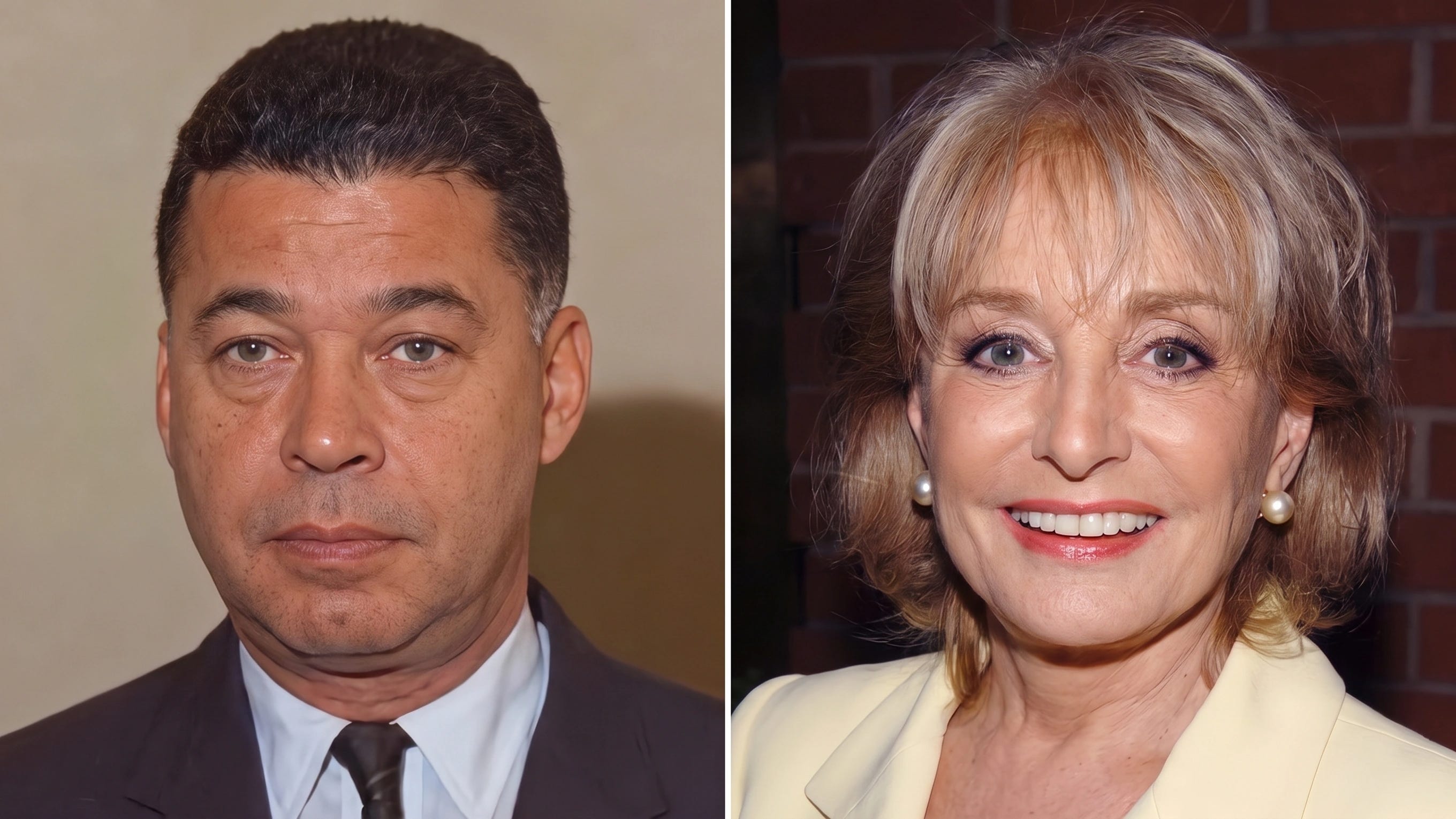
In December 1976, sixty million Americans watched Barbara Walters sit down with the incoming president and Barbra Streisand for the first of her prime-time specials on ABC.
She was 47, the highest-paid journalist in the country, and three months into a contract that had made the front page of every newspaper in America. No woman had ever anchored a network evening newscast before her.
The man she’d been seeing in secret for three years sat in the United States Senate, and his wife was still in the house.
By her own later account, she understood exactly what exposure would have cost, and that his career was on the line right alongside hers. Washington gossip hinted at the romance more than once, and the people closest to her told her plainly that she was taking a serious risk.
Through all of it, the public watched her climb into a network anchor chair on a salary that made headlines, with no idea what she was carrying alongside it.
And she didn’t confirm the affair for 35 years.
Yet, every night, she coaxed admissions out of the most guarded people in America, and the one story that could have ended her career was the romance she never let anyone coax out of her.
The Latin Quarter
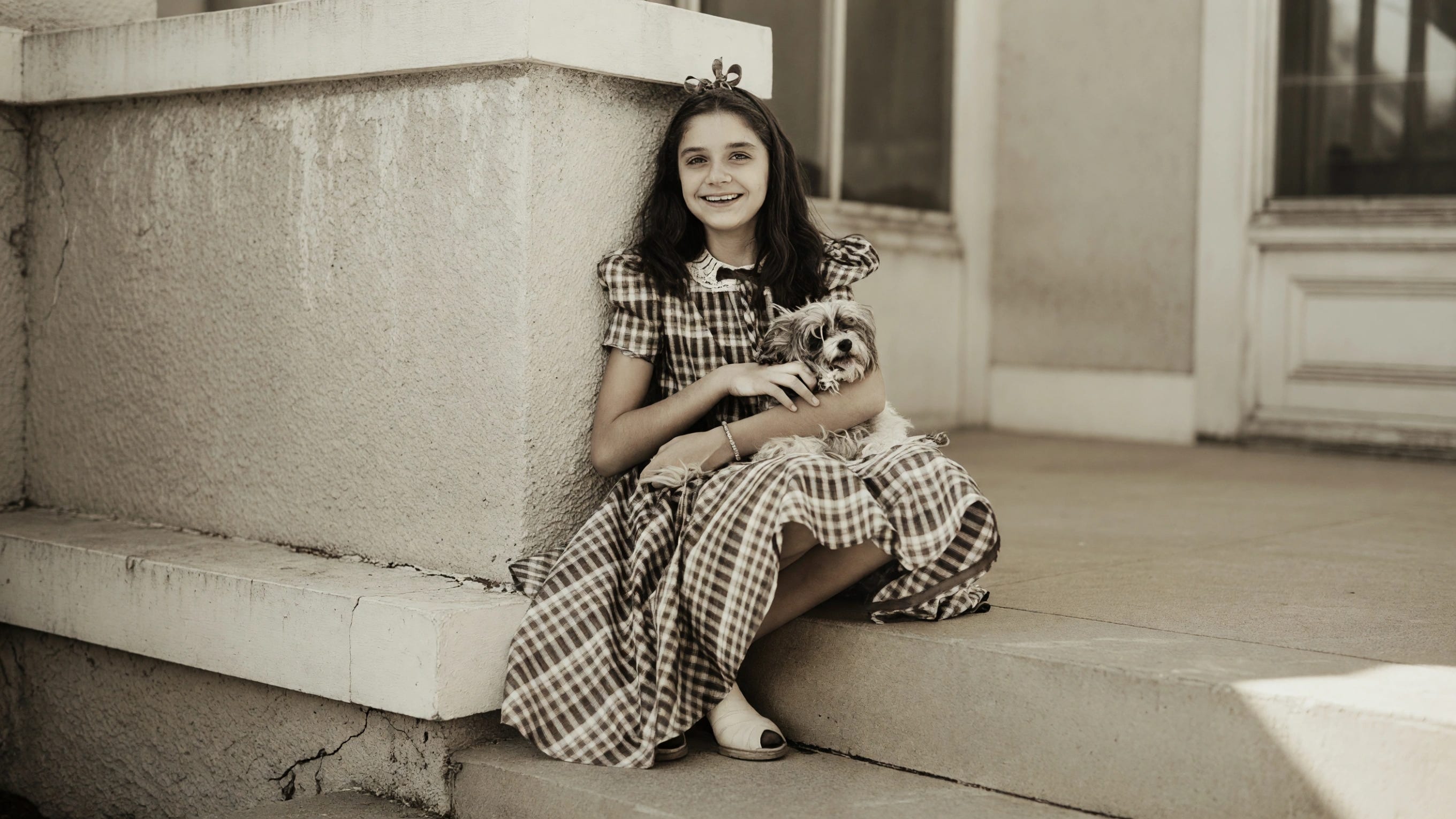
Barbara Walters was born in Boston in 1929, the younger daughter of Dena Seletsky and Lou Walters, both of them children of Russian Jewish immigrants.
Her father started life as Louis Abraham Warmwater, and decades prior to anyone in the family thinking about television, he made his second name selling glamour to paying crowds after dark.
He founded Latin Quarter nightclubs in Boston, New York and Miami, stages where headliners like Milton Berle performed under hot lights for audiences in evening dress. He also produced a Ziegfeld Follies revival on Broadway and ran the entertainment at the Tropicana in Las Vegas.
Long before she sat across from a single star, she was a showman’s daughter, raised backstage in a business whose whole product was a famous name in lights.
But the glitter at work covered something harder at home. Her older sister, Jacqueline, had intellectual disabilities, and the family’s finances rose and fell with her father’s luck.
Barbara’s memoir, Audition, would later describe those years with unusual candor, including her father’s attempt to take his own life.
He’d sold the Latin Quarter for $500,000, lost it all on a pair of new clubs that couldn’t fill their seats, and in June 1958, facing bankruptcy, he tried to end it. But the family covered the story by telling reporters he’d suffered a heart attack.
She graduated from Sarah Lawrence College with a degree in English, and in 1955 she married a businessman named Robert Katz at the Plaza Hotel.
By her own account, she’d found Katz boring before the vows and begged her father to call off the reception he’d already paid for at the Plaza. He refused, and the marriage lasted barely two years before it was annulled in 1958. Its end left her as the sole supporter of her family.
The showman’s daughter now had to carry the household herself, and the work she chose ran on the same currency as her father’s clubs: an audience that kept watching.
Her first real foothold came at NBC, and for the next decade, every man who sat in the anchor chair she wanted would have to leave it before she got her turn.
A Million Dollars a Year
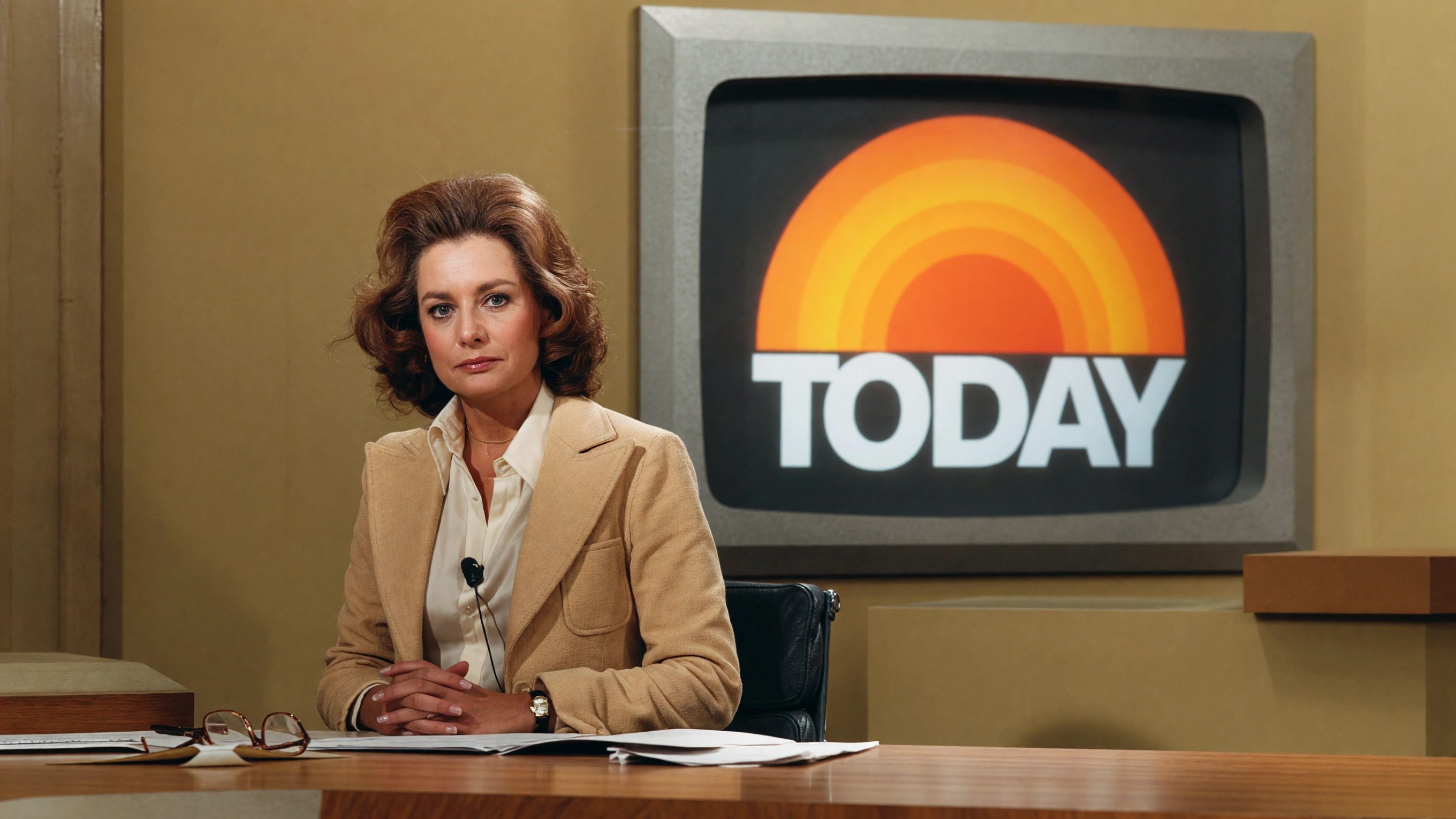
Her television career began in 1953 at NBC’s WNBT-TV, where she worked as a writer and producer on a children’s program called Ask the Camera. Its director was a young Roone Arledge, a name that would matter to her a great deal later on.
In 1961 she joined Today as a writer and researcher, and the job that finally put her on camera came with a title that said plenty about the era: she became the show’s “Today Girl,” and later its reporter-at-large.
In 1974, after the death of co-host Frank McGee, NBC named her the first female co-host in the history of Today.
Off the air, she’d married the theatrical producer Lee Guber, and after three miscarriages the couple adopted a daughter, naming her Jacqueline after Barbara’s sister.
In April 1976, ABC came for her with an offer of $1 million a year for five years to co-anchor its evening news beside Harry Reasoner. Half the money came from the news division and half from entertainment for four prime-time specials a year.
The salary drew gasps across the industry and made her the first female network news anchor in American history.
Reasoner made his feelings known that same April. “Nothing personal toward Barbara,” he said. “It’s simply that I prefer to continue doing the newscast solo.”
Their first broadcast went out that October, and Reasoner made no effort to hide his discontent, even on air. The ratings were disastrous, and the pairing lasted only until 1978.
Walters always insisted the friction came from the job rather than from her. “Harry didn’t want a partner,” she said. “Even though he was awful to me, I don’t think he disliked me.”
Her own franchise was already up and running. The first Barbara Walters Special put President-elect Jimmy Carter and Rosalynn Carter alongside Barbra Streisand and drew tens of millions of viewers. To the country, she was the woman with the million-dollar contract and the co-anchor who couldn’t stand to share his desk.
None of the people tallying that contract could prove what she’d been guarding since 1973, and the trail led to an office on Capitol Hill.
The Senator From Massachusetts
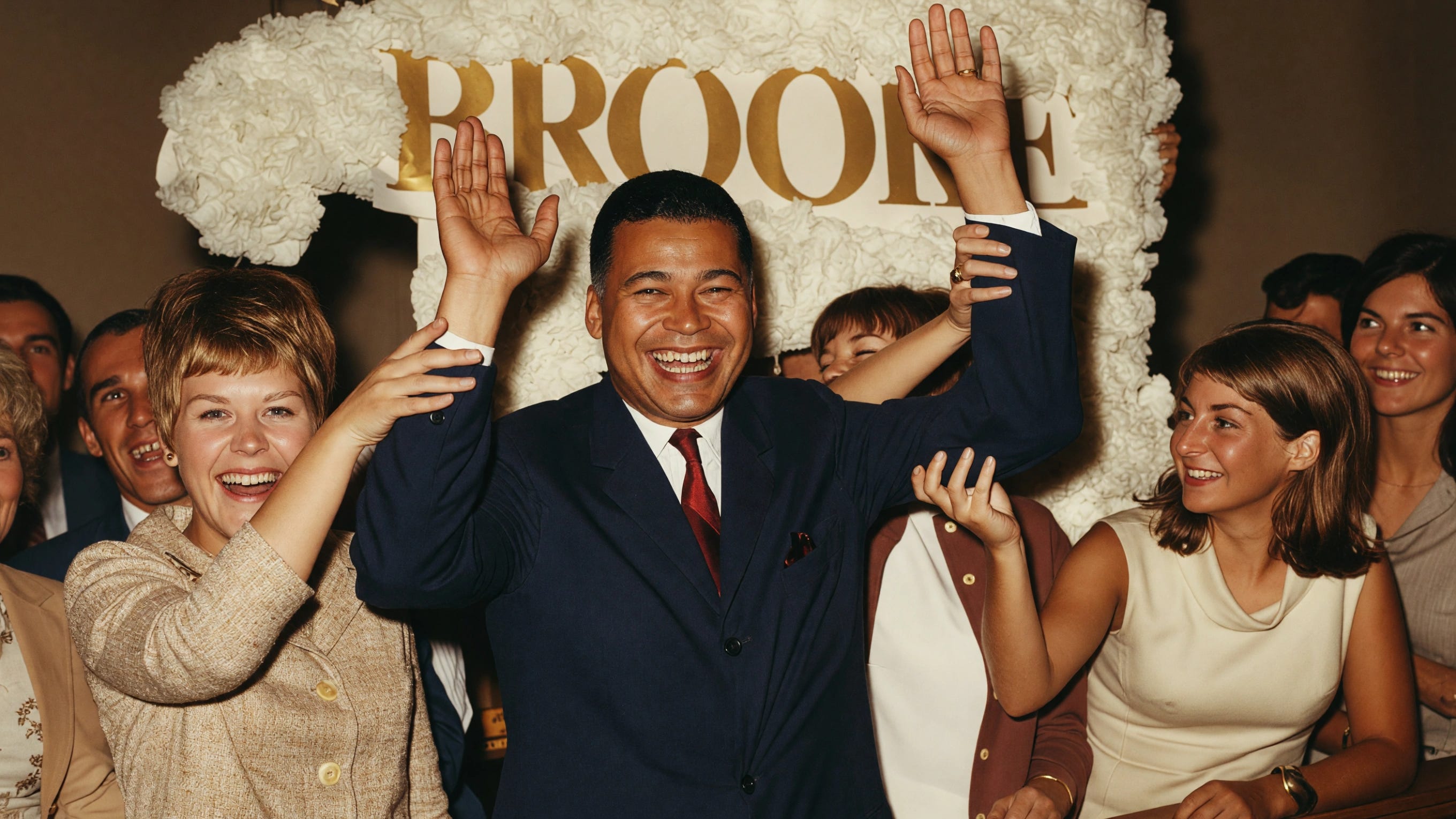
Edward Brooke took his Senate seat in 1967, a Republican from Massachusetts and the first Black American popularly elected to the chamber since Reconstruction.
His private life was already decades old by then. He’d married Remigia Ferrari-Scacco, an Italian-born woman, and they’d raised two daughters, Remi and Edwina, in a family home in Newton, Massachusetts.
Walters met him in 1973, while the capital was consumed by the scandal that would bring down Richard Nixon. “I met him during Watergate,” she later told Larry King.
Their first date, according to her biographer Susan Page, inside the Capitol building itself, just after he’d marked his 25th wedding anniversary.
Her own status that year is murkier. Page writes that Walters was still technically married to the producer Lee Guber, though the two were unofficially separated.
In her memoir she called Brooke “the most attractive, sexiest, funniest, charming, and impossible man,” a list in which the last word carried as much weight as the first four. He was ten years older than she was, and he was married to a woman who’d later contest every step of his exit from that marriage.
The logistics fell to the people they trusted. Page reports that the couple met at the homes of friends where the guest list was already safe. Whenever both were in New York or Washington, they did something cleverer and accepted invitations to the same crowded parties. A senator and a television star sharing a living room looked like ordinary social traffic, and the arrangement let them be seen together without ever being seen as together.
Her circle knew, and some of them said so. The columnist Cindy Adams recalled in a 2025 documentary that friends told Walters the romance was “not quite right.” Walters’ answer had nothing to do with ratings or contracts: “I know, but he’s so exciting and he’s so great.”
The friends could keep a secret across a dinner table, but within two years the secret had started appearing in print.
Maxine Cheshire’s Column
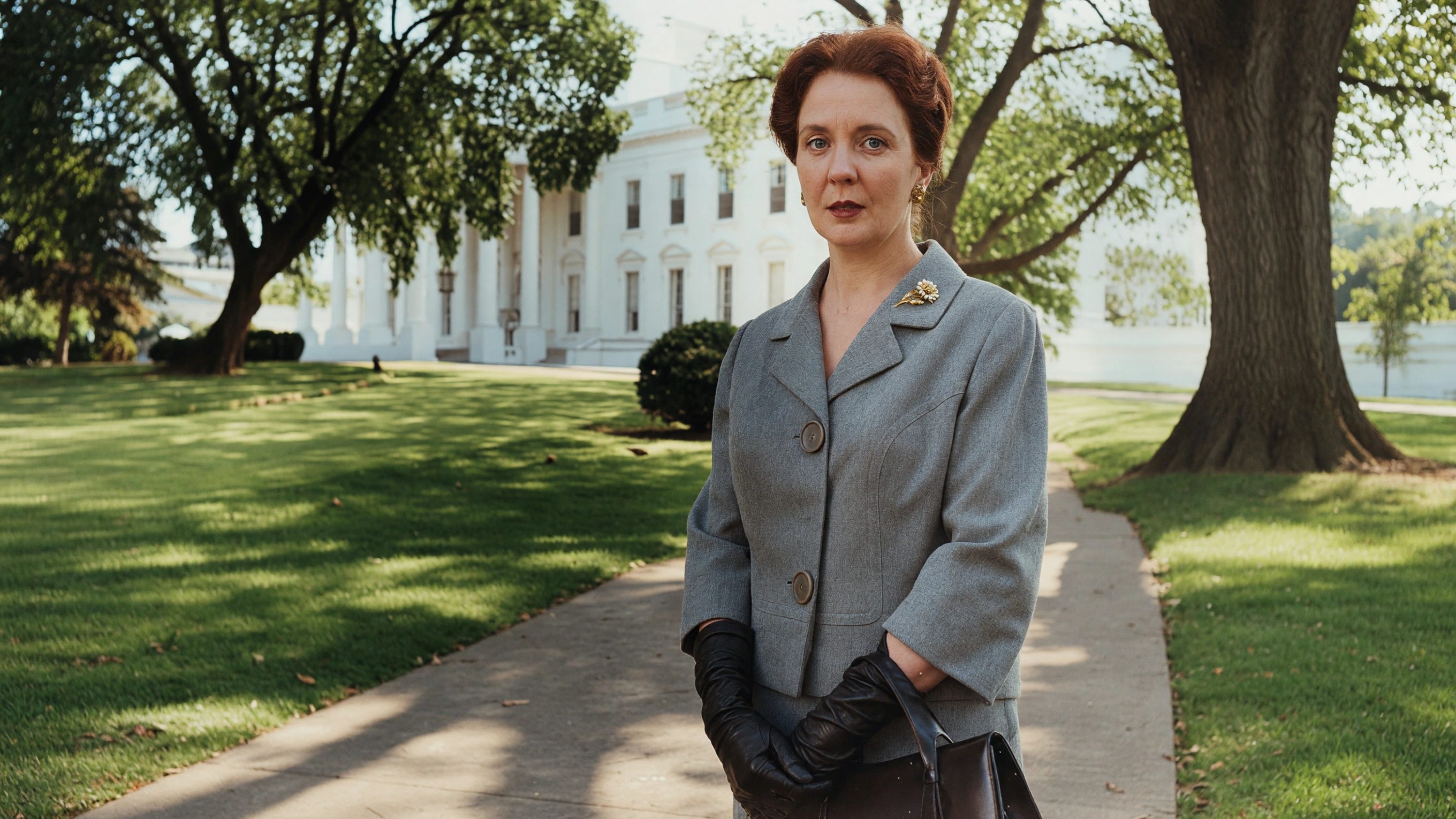
By September 1975, the affair was common knowledge in certain circles, and the Washington Post’s Maxine Cheshire had put it in her “VIP” column.
Walters was 46, Brooke was 56, and the first woman to co-host Today was now an item in somebody else’s gossip column.
That fall the White House photographer David Hume Kennerly sat across from her live on Today. By his own recollection, he answered one of her questions on air: “Well Barbara, I categorize those stories the same way as those about you and Senator Ed Brooke; they are merely rumors and gossip.” Kennerly said later that the interview shifted dramatically in his favor, and that NBC’s John Chancellor called the next day to congratulate him.
“I had a daughter to think about and a network that would be less than thrilled to see me involved in any kind of scandal,” she wrote in her memoir. “None of that seemed to matter to me.”
Race sharpened the danger. She later told the Boston Herald that the idea of an interracial relationship in the 1970s “would have been enough to destroy my career and that’s why it had to be kept secret.”
Brooke introduced her to his mother, they spent a Thanksgiving together, and afterward, Page writes, he asked his wife for a divorce. That was the point at which Walters got cold feet.
She wrote that she slowly began asking herself whether such a marriage would destroy his career or hers.
Walters also wrote that Brooke’s enraged wife tried to take the story to the National Enquirer, though no story ran. The end came through a phone call. She told Oprah Winfrey that a male friend warned her the affair would come out and wreck her career, then reminded her that Brooke faced re-election.
“This is going to ruin him,” he went on. “You’ve got to break this off.”
They stopped seeing each other, she wrote, “wisely but very sadly,” though accounts differ on the year. She’d walked away to protect two careers, and within months the senator’s own family would put his finances on the front page.
The $49,000 Deposition
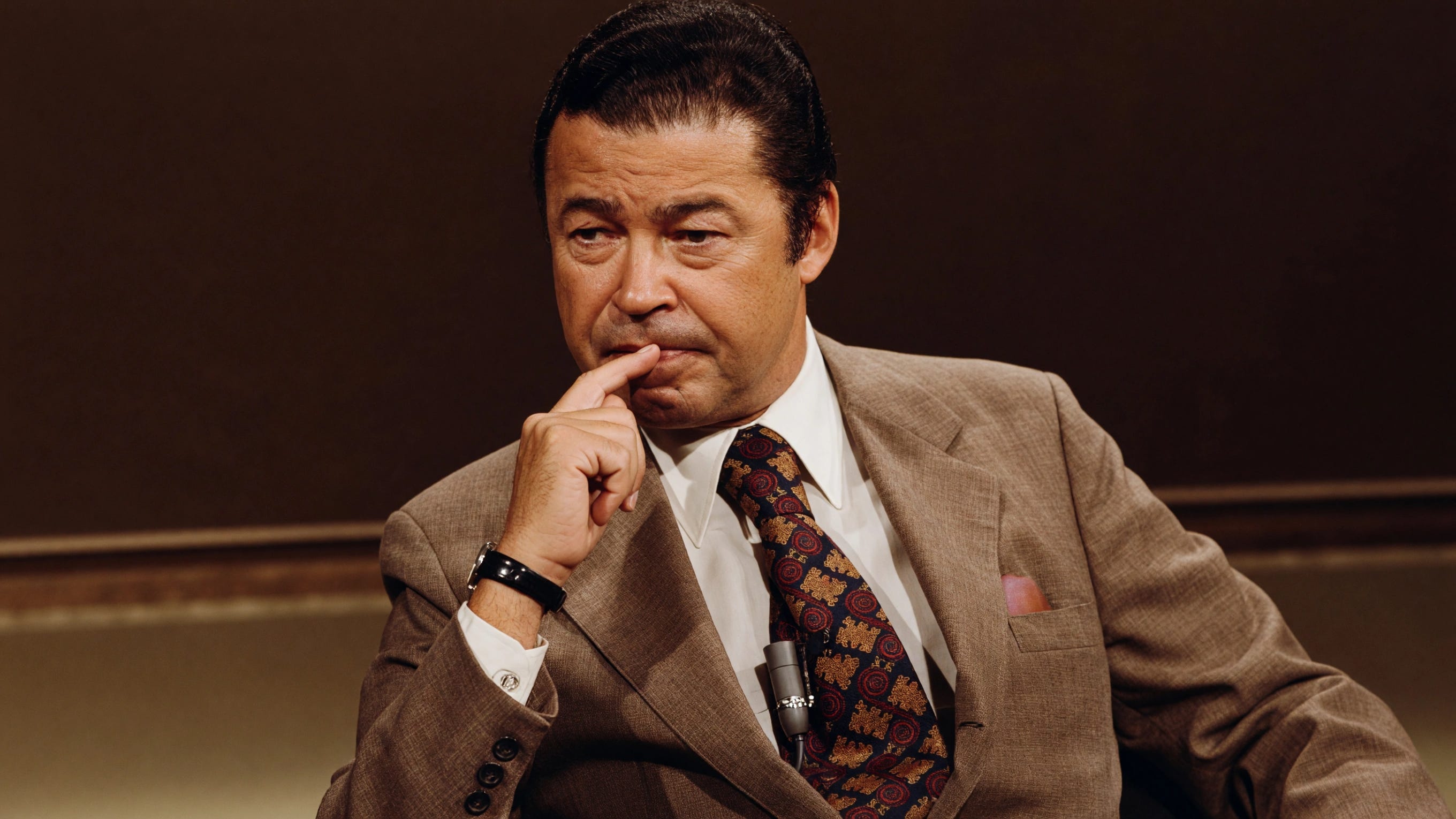
Brooke filed for divorce in 1976, and his wife Remigia fought it, countersuing for “cruel and abusive treatment.”
The proceedings went public in the worst possible way: in a sworn deposition, Brooke claimed he owed $49,000 to a longtime friend, a New England liquor distributor named A. Raymond Tye.
The real debt was $2,000. The rest came from a family fund built on his mother-in-law’s insurance settlement, and the lie had been designed to keep her money out of the divorce.
The leaks came from inside his own family. His elder daughter, Remi Petit, went to the press on her mother’s behalf, saying the judicial system had turned its back on them.
In May 1978, the Boston Globe ran the headline on its front page: “Brooke Admits Swearing Falsely on $49,000 Loan.”
At a press conference that day he said, “I lied because I did not want to expose the private issues of my family at that time.”
The Middlesex County District Attorney opened an inquiry that ended without charges. The Senate Ethics Committee spent months on the case and found “credible evidence” of improper conduct but took no disciplinary action, reporting only after the election was over.
In November, Paul Tsongas beat him 55 percent to 45. Coverage of the loss never mentioned Walters, and Brooke’s friends later told the Telegram & Gazette the affair had been common knowledge in political circles, but “the morés of the day dictated that no one would talk about it publicly.”
The senator lost his seat and kept his silence, which left the only full account of those years locked inside her for three more decades.
Audition
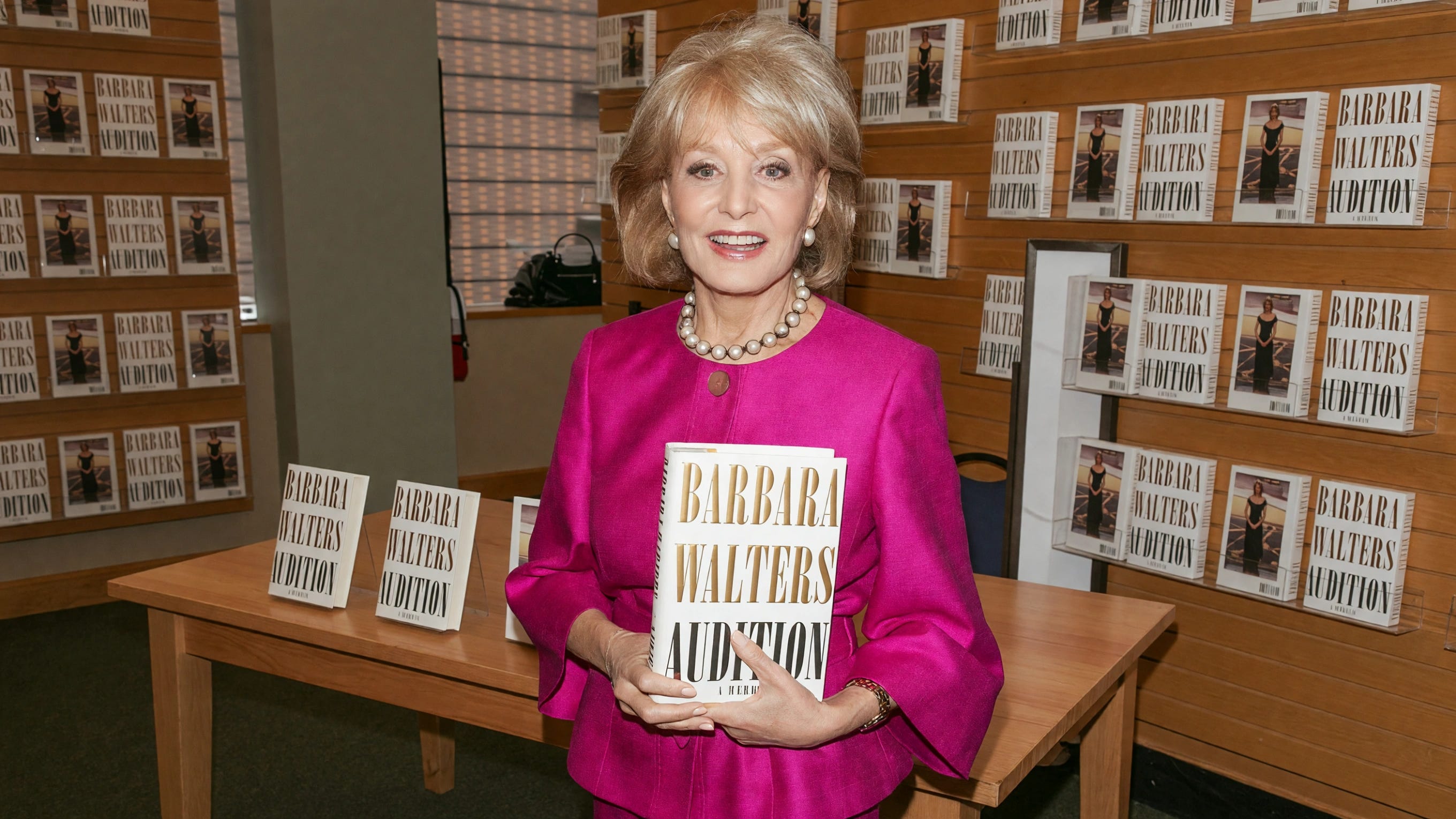
For three decades the story stayed with a few close friends, and in May 2008 Walters finally put it into print herself, in a Knopf memoir called Audition.
The Brooke pages open a chapter she titled “Special Men in My Life,” and she gave the first public telling to Oprah Winfrey on television that week.
After a career spent coaxing confessions out of other people on camera, Walters chose the venue, the date and the wording for her own.
Before the book came out, she wrote to Brooke, and he sent back what she called a very thoughtful note, though she told Larry King she’d keep both letters private. Brooke himself said almost nothing. He told the Associated Press he kept a “lifetime policy and practice” of not discussing his private life, and his own autobiography, Bridging the Divide, leaves her out entirely.
What’s documented is narrower than the gossip, because the affair comes to us almost entirely through Walters’ own words, on the page and on camera.
Later retellings added a blackmail plot and a Nixon cabinet member as the friend who warned her off.
However, those details trace back to tabloid sourcing, and her own account leaves the friend unnamed.
The record is plain on one point: the affair didn’t end her career exactly; it ended because her career came first and exposure could have finished it.
She’d spent 35 years proving she could keep a secret better than anyone she ever interviewed.
The Table She Built
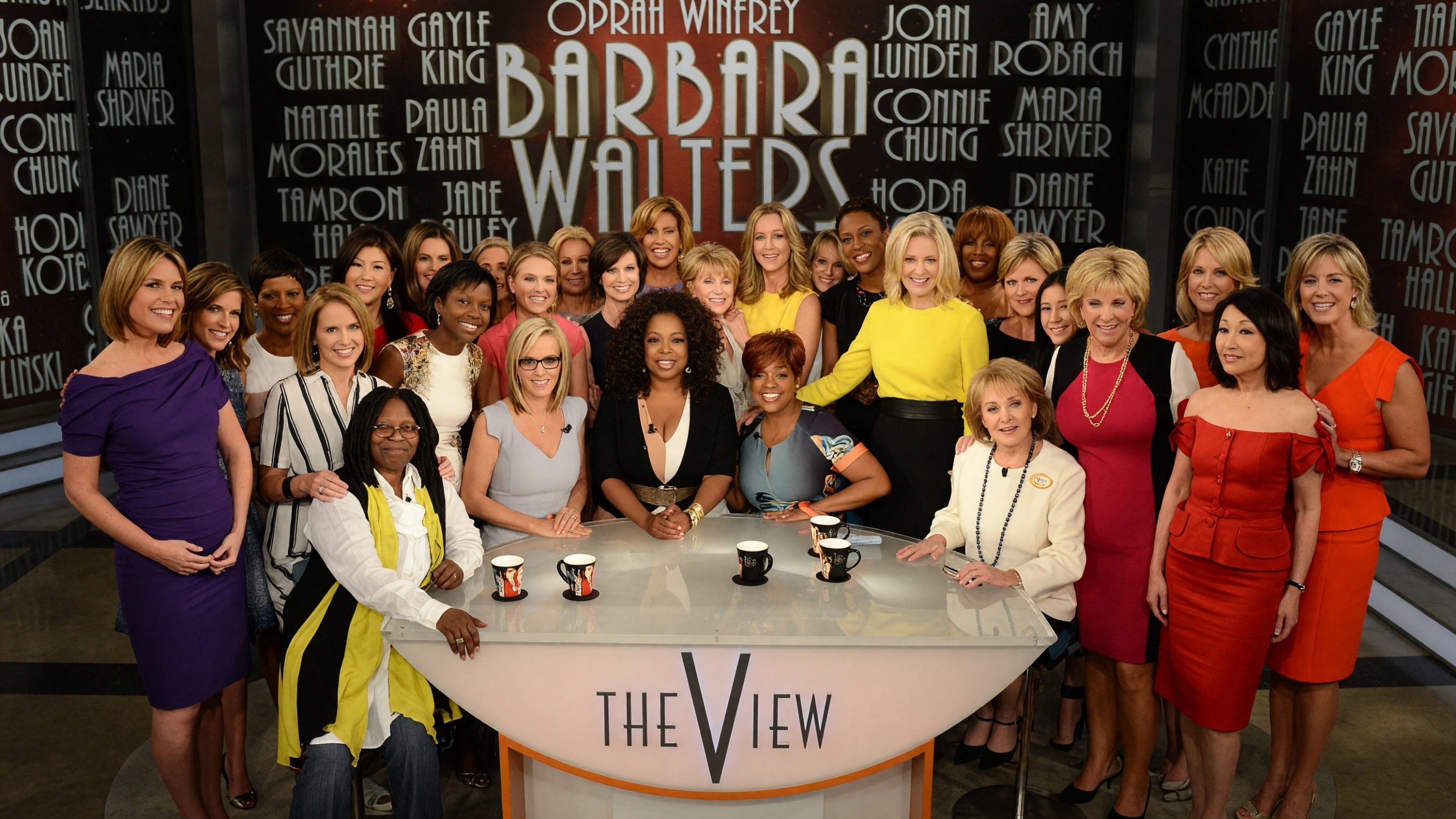
She announced her retirement in May 2013 on The View, the daytime show she’d created in 1997, and then gave herself a full year to leave the table she’d built.
The farewell aired in May 2014, with the show’s past and present co-hosts beside her, plus Hillary Clinton, Oprah Winfrey and Michael Douglas.
She stayed on as executive producer, and her last on-air interview, with Donald Trump, came in December 2015.
Edward Brooke had died in Florida that January, at 95, without ever saying a public word about her.
His autobiography ran 271 pages, and Barbara Walters appeared in none of them.
Whatever the affair had meant to him, he took it with him the same way she had carried it for 35 years: in silence.
Dementia marked Walters’ final years. She died at her Manhattan home in December 2022, at 93, with Disney’s Robert Iger announcing the news. One account gives her last words as “No regrets. I had a great life.”
She was buried at Lakeside Memorial Park in Doral, Florida, beside her parents and her sister Jacqueline, the showman’s family gathered in one place at last.
👩🏻🎨 ❣️I admired BW for years! In my view, she was the ultimate trail blazer!❣️