
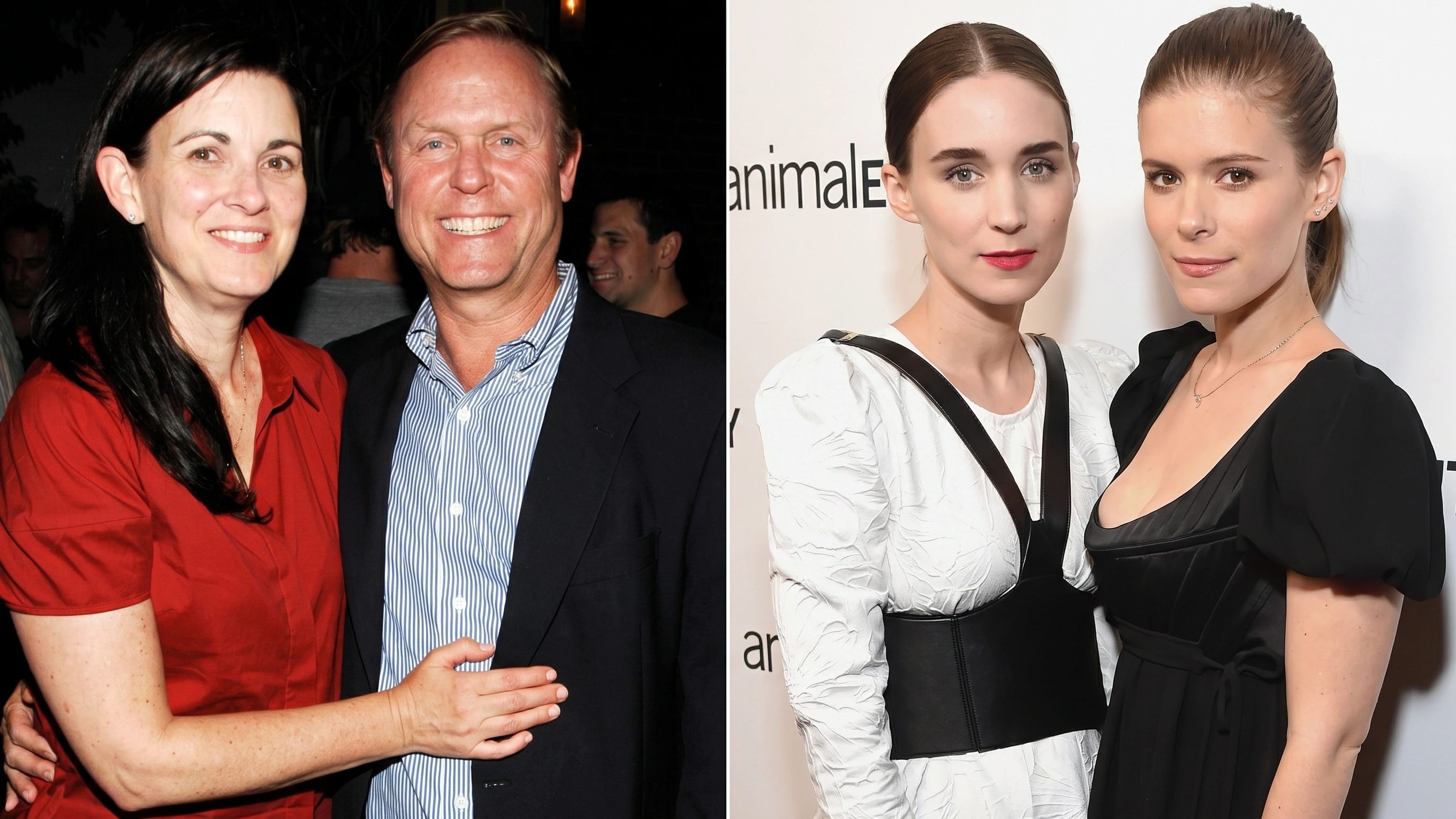
The NFL’s 107th season opened this week, and by the time this first weekend is over, all three of the league’s founding families will have taken their seats.
You see, before the television money, before Super Bowl Sunday acquired the standing of a national holiday, and before football had displaced baseball in the American heart, the game belonged to those some folks watching in their corporate boxes.
A bookmaker from the Lower East Side. The son of an Irish saloon family from Pittsburgh’s North Side who promoted prizefights. An oilman’s boy from Dallas who was told no by the establishment and decided to build his own.
The Maras, the Rooneys, and the Hunts did not inherit their standing in American life; they wagered for it, and the wager happened to be the most valuable entertainment property the country has ever produced.
What follows is the story of how three families turned a disreputable Sunday pastime into an aristocracy of their own making, and how each generation since has had to decide what, exactly, it was that they had been left.
The Founding Gambles
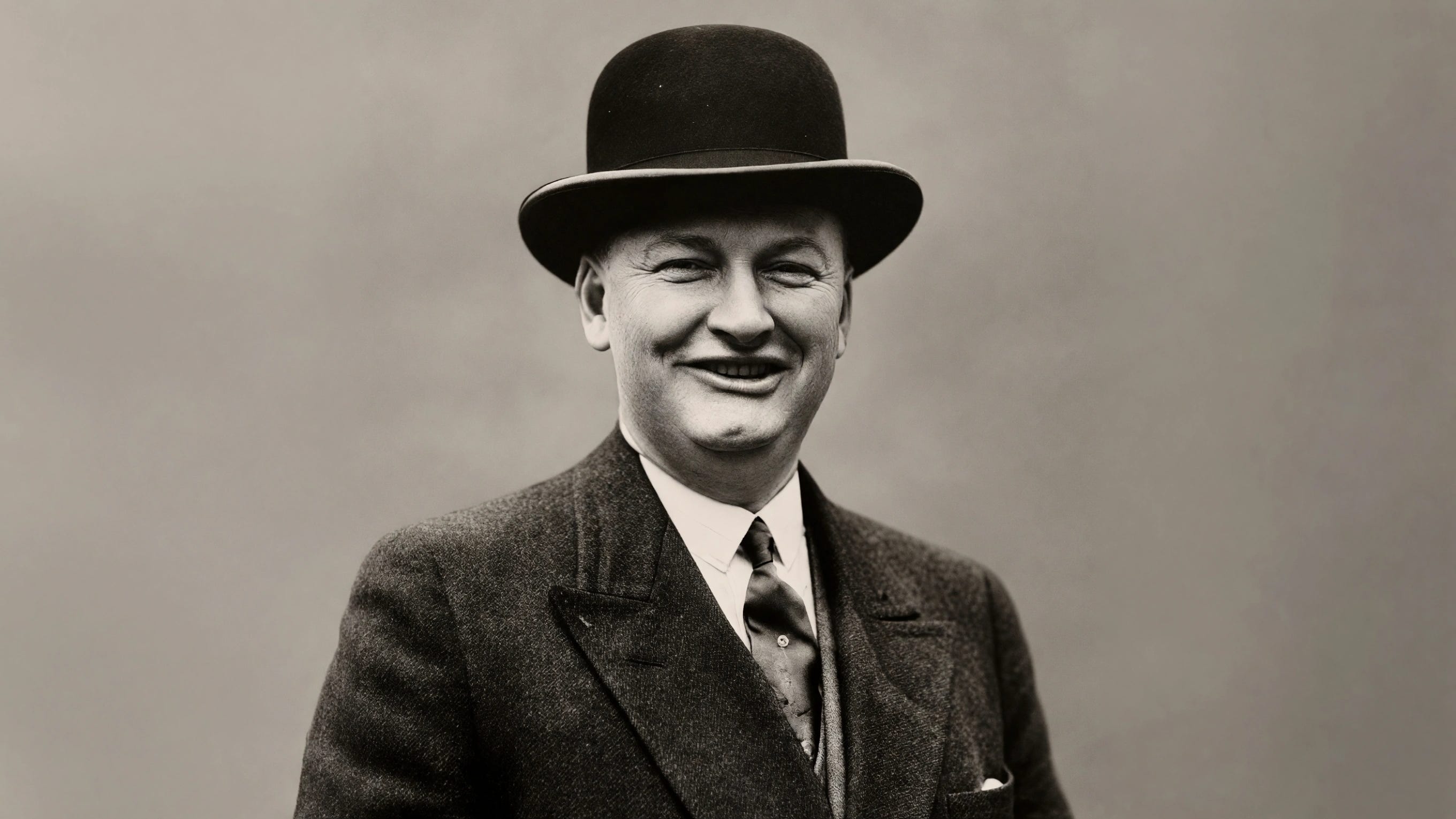
In the autumn of 1925, Tim Mara paid $500 for the right to put a professional football team in New York City.
He was a bookmaker, a legal profession at the time and a respectable one in the circles that mattered to him, and he had never seen a professional football game. He later said that an empty franchise in New York had to be worth $500, whatever the sport, and that was the whole of his analysis.
The National Football League in those years was a Midwestern affair, a loose confederation of factory towns and civic boosters, and it wanted New York badly.
Mara wanted a return on his money. Neither party understood what they had agreed to.
That first season nearly ended the experiment.
The Giants played to crowds at the Polo Grounds that could be counted in the hundreds, and Mara bled money week after week until Red Grange and the Chicago Bears came to town in December and 70,000 people showed up to watch.
Mara covered his losses in a single afternoon and grasped, as a bookmaker would, that the product was fine; what the sport lacked was a star and a stage.
Eight years later, in Pittsburgh, a different kind of man made the same bet.
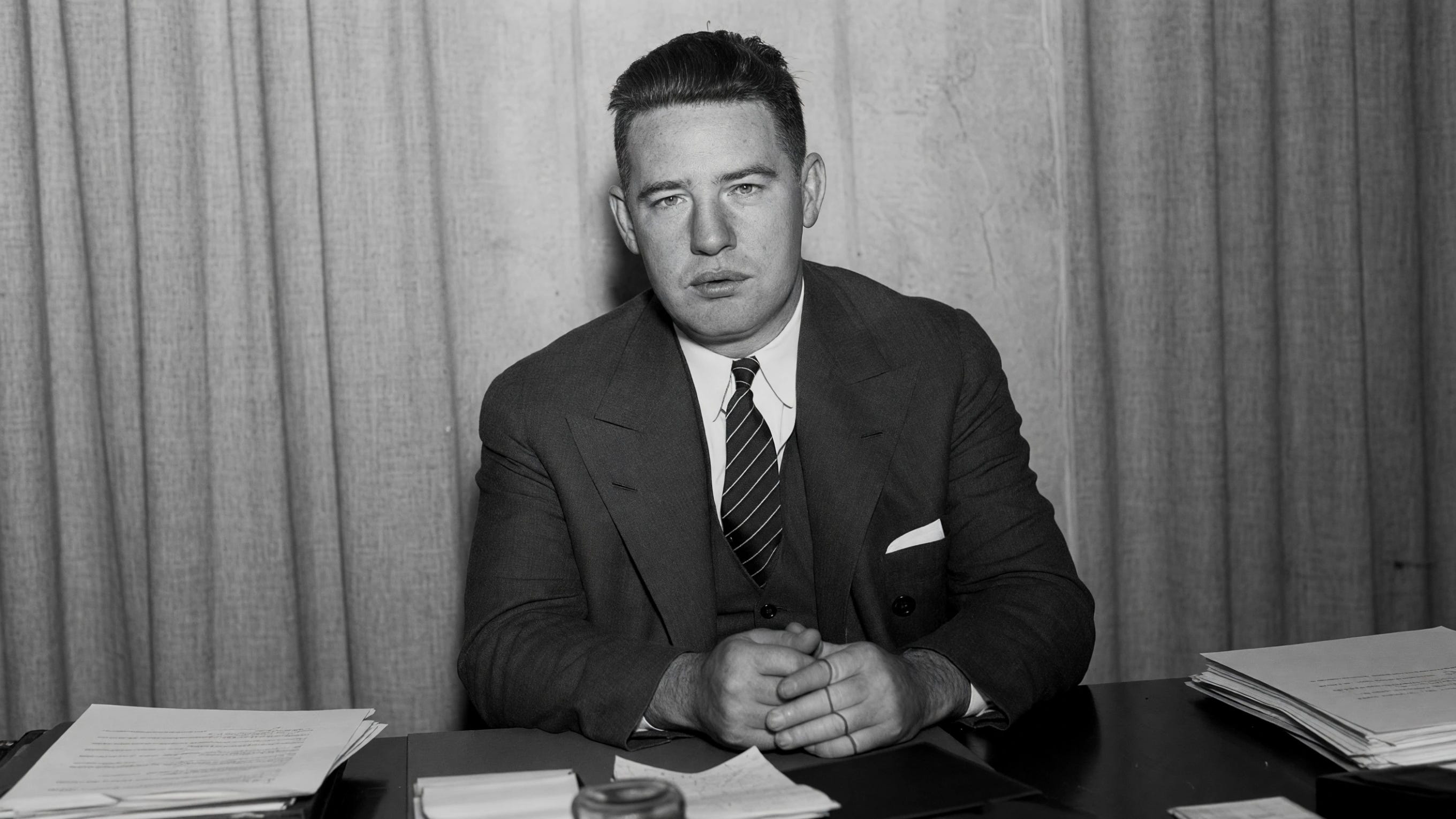
Art Rooney was the son of an Irish saloonkeeper on the North Side, a former semipro ballplayer and boxing promoter who knew every ward boss and parish priest in the city, and in 1933 he paid the league’s $2,500 fee to found the Pittsburgh Pirates, later renamed the Steelers.
The legend that he financed the team with a single spectacular day at the racetrack is a legend Rooney himself did little to discourage.
The Maras and the Rooneys operated in different cities and understood the same thing about the business they had entered. A team was a civic institution first and a ledger second, and the men who ran it had to be seen at the parish fish fry and the union hall as reliably as they were seen in the owner’s box. Both families ran their franchises on that principle for so long that it eventually acquired the dignity of tradition.
Then the oil money arrived.
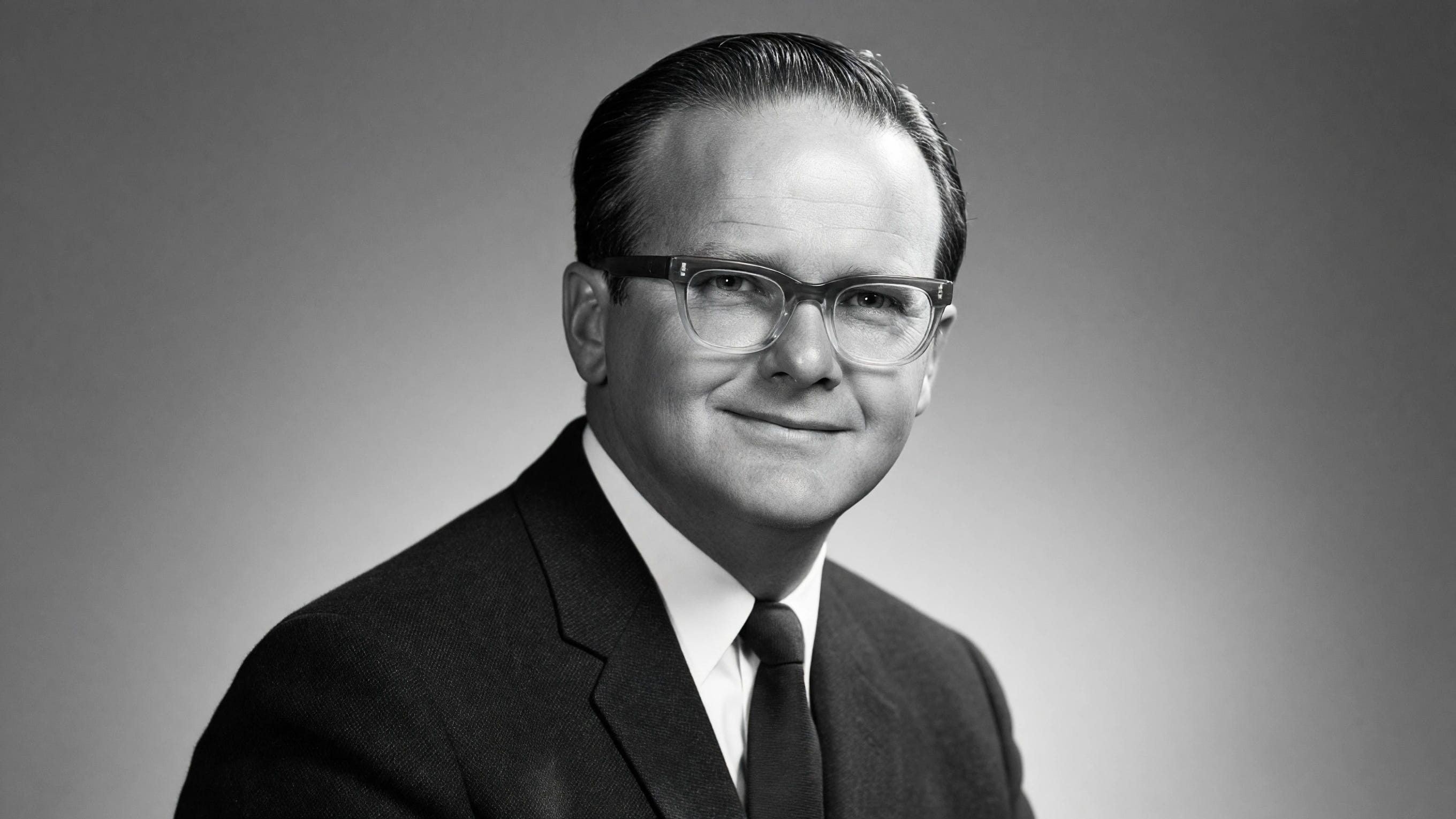
Lamar Hunt was the quiet son of H.L. Hunt, the Texas wildcatter who was, for a period, reputed to be the richest man in the United States.
Lamar had played football at Southern Methodist without distinction, and in the late 1950s he tried to buy his way into the NFL through the usual channels. He asked to purchase the Chicago Cardinals and move them to Dallas, and he asked for an expansion team. The league’s answer, delivered by men who had built their teams out of bookmaking receipts and boxing gates, was that there was no room for him.
So Hunt did what an heir with a grievance and a checkbook can do. He flew around the country to find the other men the league had turned away, and he discovered that there were enough of them to form a league of their own.
The old guard in New York and Pittsburgh regarded him as a rich amateur who would lose interest once the losses mounted.
They hadn’t yet learned that a Hunt could afford to lose money longer than they could afford to watch him do it.
The War for Football
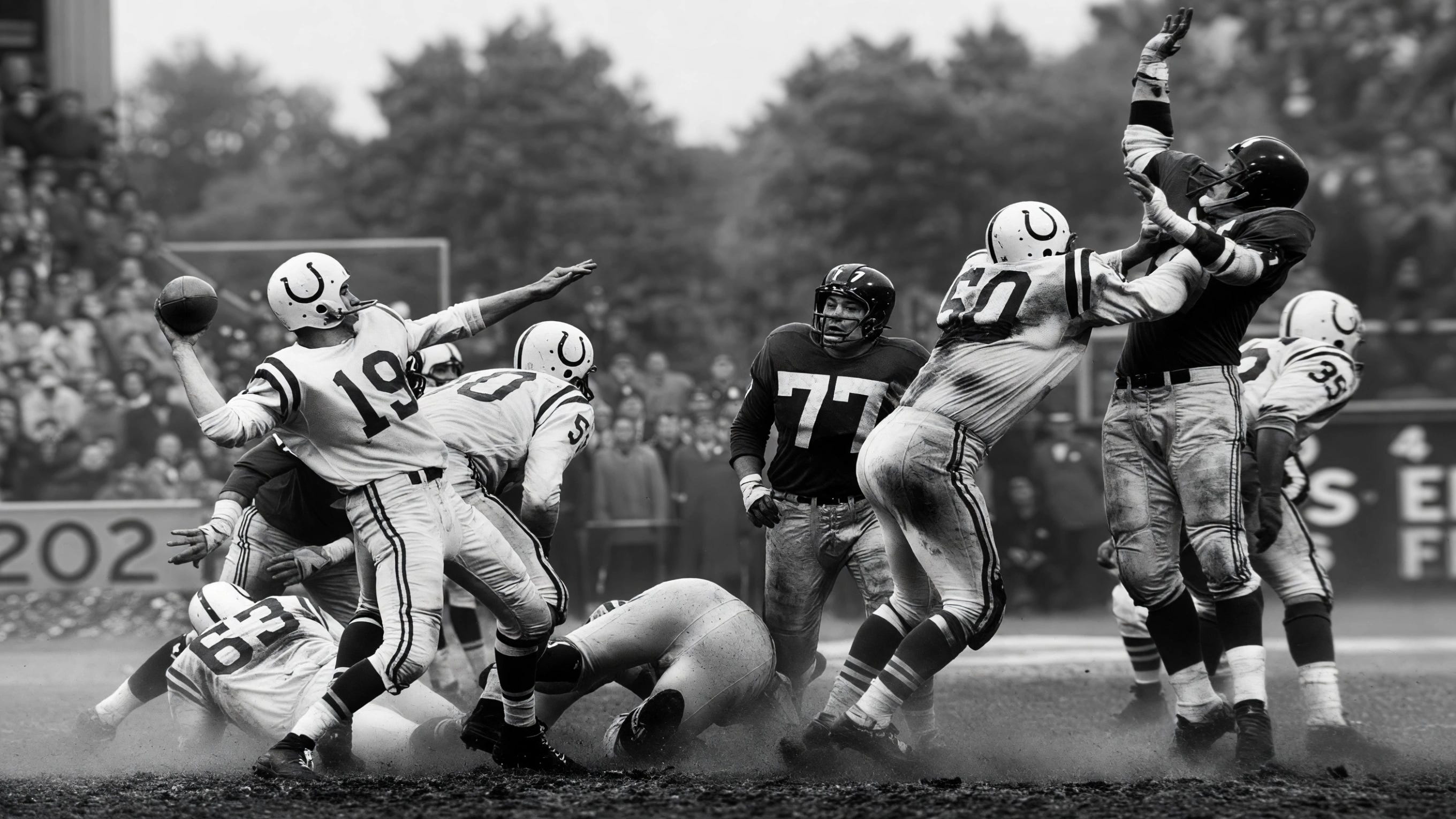
The NFL entered the 1960s at the peak of its confidence.
The 1958 championship between the Baltimore Colts and Mara’s Giants had gone into sudden-death overtime on national television, and the country, which had tuned in for a curiosity, stayed for a spectacle. Tim Mara’s sons, Jack and Wellington, now ran the Giants, and the team’s New York address made it the league’s window onto the advertising world.
Confidence made the league stingy. It refused to expand, refused to share, and left cities like Houston, Buffalo, and Denver to wonder why their money was not good enough.
In 1959, Hunt gathered those cities’ frustrated millionaires, men like Bud Adams and Ralph Wilson, into what the press soon called the Foolish Club, and by August they had eight owners and a name: the American Football League.
Hunt placed his own team, the Dallas Texans, in his hometown. The NFL responded by dropping an expansion franchise, the Cowboys, into the same city the following year, and for three seasons Dallas watched two professional teams fight over the same ten thousand ticket buyers.
Hunt’s Texans won the AFL championship in 1962 and left town anyway. He moved them to Kansas City, renamed them the Chiefs, and conceded Dallas to the enemy, a decision that looked like a retreat and turned out to be the founding act of professional football in the American heartland.
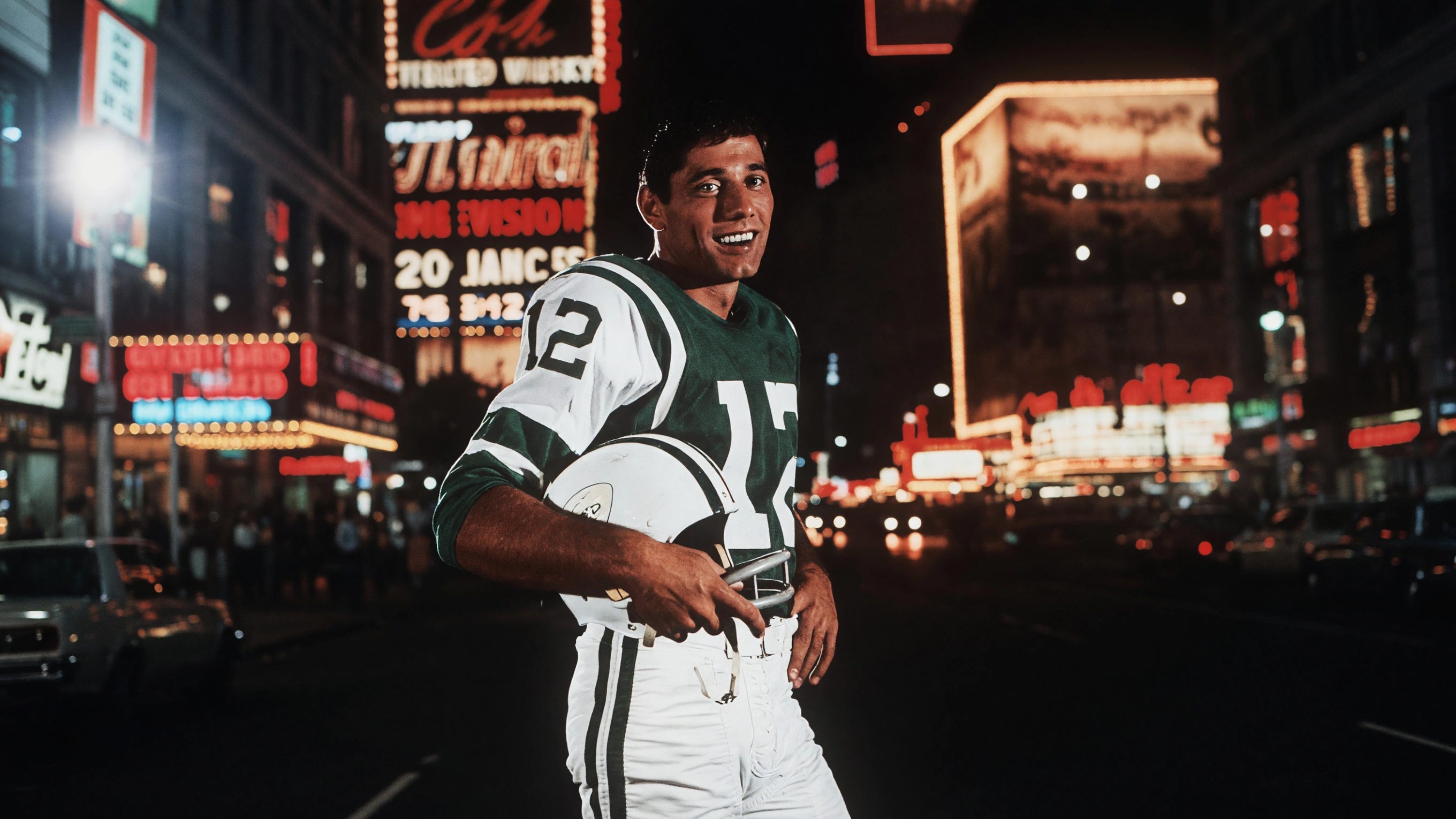
The real war was fought over players.
The AFL owners, with Hunt’s oil fortune behind them, began paying college stars sums that the old league considered obscene, and in 1965 the New York Jets signed Joe Namath for $427,000 and set him loose in the Maras’ own market. A quarterback with a fur coat and a bachelor pad on the Upper East Side was suddenly the most famous football player in the city that Tim Mara had bought for the price of a used car.
Hunt understood something the NFL’s founding families had been slow to grasp: television made every market a national market, and a league that shared its television money equally could survive in cities the NFL considered too small to bother with.
His AFL adopted revenue sharing from the start, and when NBC signed a five-year contract worth $36 million, the upstart league acquired the one thing money alone could not buy, which was time.
The NFL, for all its championships and its Giants and its Steelers, discovered that it was in a bidding war against people who did not have to win it, only to keep it going.
The peace was negotiated in secret, in hotel rooms and airport lounges, by men who could not be seen together.
In 1966 the leagues announced that they would merge, with full integration set for 1970, an annual championship game between the two champions, and a common draft that would end the salary war overnight. The AFL owners agreed to pay the NFL for the privilege of joining it, and the Maras and Rooneys agreed to share a table with the people they had spent seven years trying to bankrupt.
Hunt’s principles came with him. Shared television contracts and pooled revenue became the law of the merged league, and the bookmaker’s league and the oilman’s league became one enterprise governed by the idea that every franchise, from New York to Green Bay, would be paid the same.
Nobody at that table imagined that the greatest threat to a family’s hold on its team would come from inside the family itself.
Dynasties and Transformations
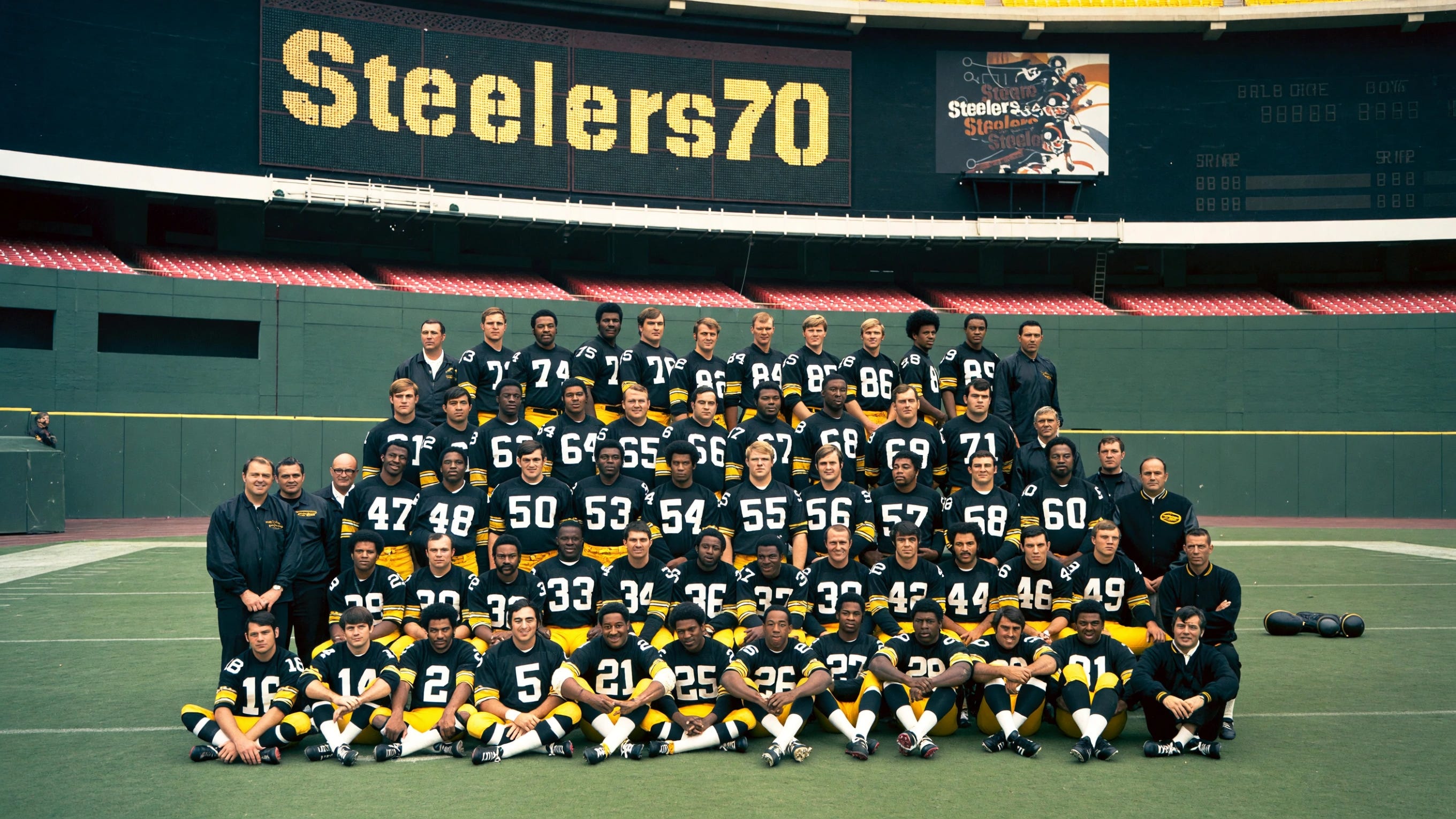
The 1970s belonged to Pittsburgh, and the irony was not lost on anyone who remembered the previous forty years.
Art Rooney’s Steelers had been the league’s most lovable failure, a franchise so accustomed to losing that its owner was famous for his grace in defeat. Then his son Dan took over the football operation, hired an unglamorous assistant coach named Chuck Noll in 1969, and refused to fire him.
Noll stayed for twenty-three seasons. The Steelers won four Super Bowls in six years, and Art Rooney, in his seventies, finally held the trophy that his patience had been quietly underwriting since the Depression.
The Rooneys hadn’t changed their method; the method had simply required half a century to work.
In Kansas City, Hunt was busy naming things.
Watching his children play with a “Super Ball”, he suggested that the championship game might be called the “Super Bowl”.
It was uttered as half a joke, and the joke outlived every serious alternative.
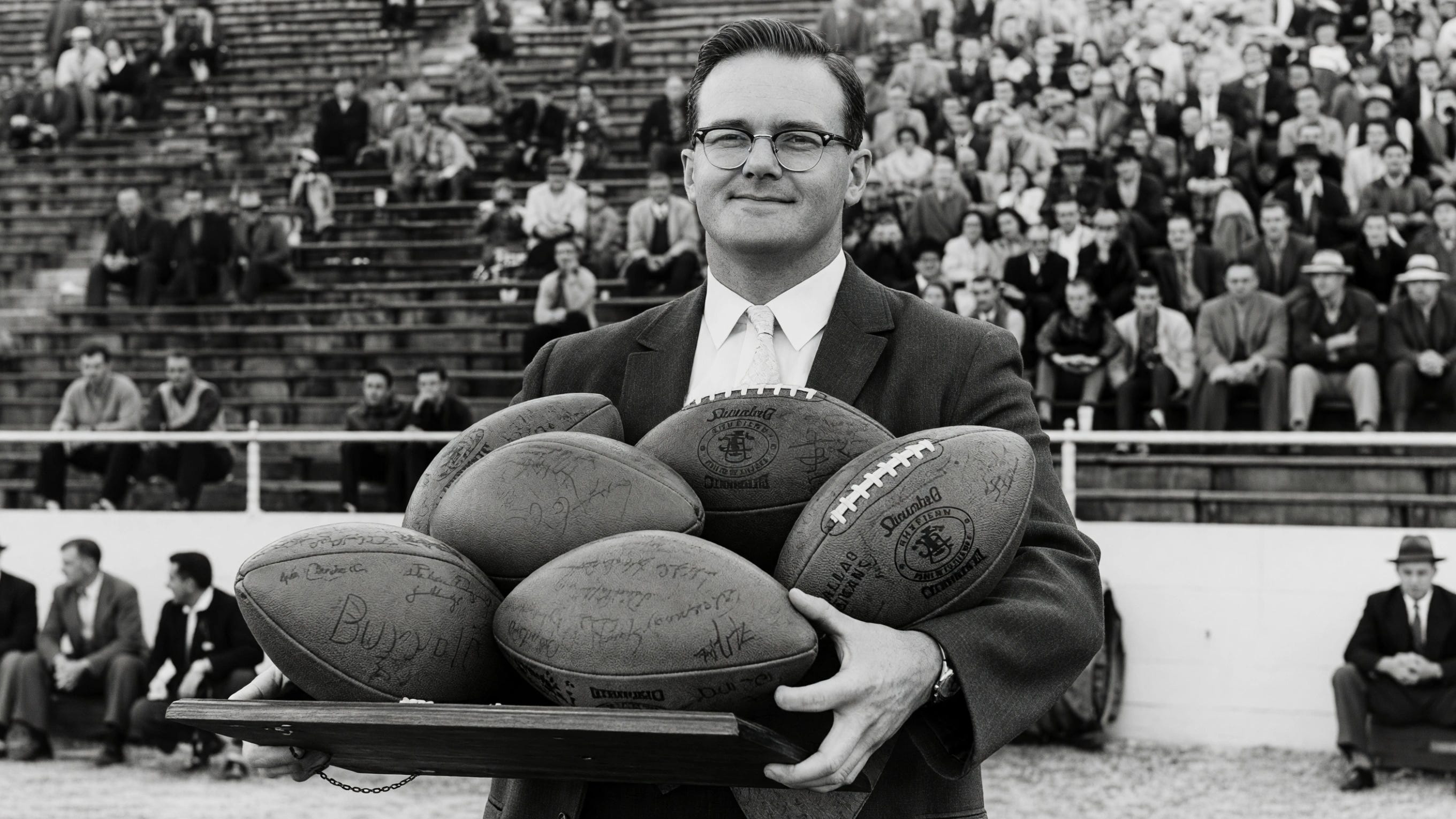
His Chiefs beat the Minnesota Vikings in Super Bowl IV, the last game ever played between the two leagues as separate entities, and the result settled the argument the merger had left open: the oilman’s league could play.
The Maras had a harder decade. Jack and Wellington ran the Giants as a partnership of brothers, and after Jack’s death the arrangement passed to his son Tim and to Wellington, who did not agree about very much.
The Jets now shared their market, the team lost more than it won, and the family that had once been the league’s crown jewel began to look like its most distinguished relic.
What held the Giants aloft through the losing was the thing Hunt had fought for and the Maras had once resisted.
Television money, divided equally, made a badly run team in New York exactly as solvent as a well-run one in Pittsburgh.
The socialism of the merged league was the salvation of its aristocrats.
Dan Rooney, meanwhile, became the man the other owners called when the room needed calming.
He worked the 1982 players’ strike toward a settlement when harder men wanted a war, and decades later the league would name its rule requiring minority candidates to be interviewed for head coaching jobs after him, which is a strange kind of monument for the son of a boxing promoter, and a telling one.
Hunt, for his part, had begun to think of himself as something larger than a football owner. He put money into tennis and into American soccer, eventually helping found Major League Soccer, and he treated sport as a portfolio rather than a passion. The Chiefs remained well run and mostly forgettable on the field, a franchise waiting for its second act.
By the 1980s the NFL’s television ratings dwarfed baseball’s, and the league’s founding families could congratulate themselves on having been right about everything.
The trouble was that being right had made their teams enormously valuable, and value attracts a different class of buyer.
The men now bidding for franchises had made their fortunes in oil, real estate, and retail, and they regarded a football team as an asset with a balance sheet, which was something the Maras and Rooneys had never quite permitted themselves to believe. Family ownership, once the only kind there was, began to look like an eccentricity.
And the families were about to hand these eccentricities to children who had never sat in an empty stadium.
The Next Generation
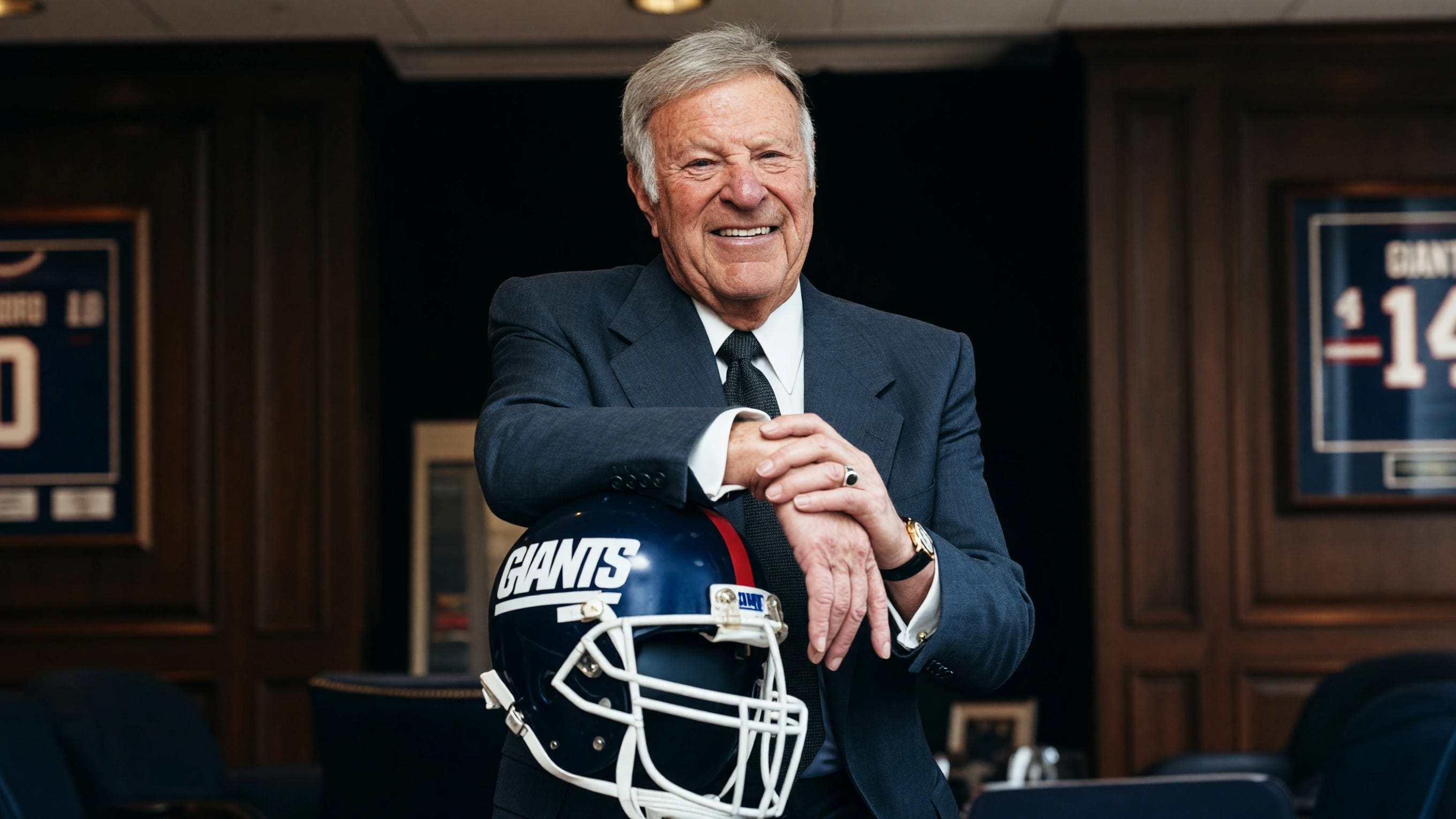
The NFL of the 1990s was a colossus that no longer needed to prove anything, and the children of its founders inherited the strange task of protecting something that no longer appeared to need protection.
In New York, Wellington Mara, then in his seventies, sold half the Giants in 1991 to Preston Robert Tisch, the co-founder of the Loews Corporation, and installed his eldest son, John, as the team’s general counsel.
Wellington kept running the franchise as he always had, from the sideline in a fedora, and he was still running it when he died in 2005. John took the presidency that autumn, and under him the Giants beat the New England Patriots in two Super Bowls that a great many people had expected them to lose.
In Pittsburgh, the succession nearly broke the family. Art Rooney had divided the team among five sons, and by 2008 the league’s rules on gambling interests and controlling ownership forced a reckoning.
Dan and his son, Art Rooney II, borrowed heavily to buy out brothers who had spent their lives as co-owners, and the Steelers stayed in Rooney hands at the cost of a family arrangement that had lasted since the founder’s death.
In Kansas City, Lamar Hunt died in 2006 and his son Clark took the chairmanship of a franchise that had spent the better part of four decades as a well-mannered disappointment. Clark hired Andy Reid in 2013, drafted Patrick Mahomes four years later, and watched the Chiefs win three Super Bowls in five seasons, a run of dominance the league had not seen in a generation. The oilman’s grandson had finished the sentence the oilman began.
Around them the business had become unrecognizable. Free agency, salary caps, satellite packages, prime-time franchises, and finally streaming deals turned the ownership of a football team into the management of a media company, and the founders’ grandchildren spent their careers in negotiations their grandfathers could not have understood.
Then two of those grandchildren went to Hollywood.

Kate Mara and her younger sister Patricia, who acts under the name Rooney Mara, are the great-granddaughters of both Tim Mara and Art Rooney, the product of a marriage that united the Giants and the Steelers more thoroughly than any merger could.
They grew up in Bedford, New York, with a Super Bowl ring on each side of the family, and they chose a profession in which neither name meant anything at all.
Kate Mara became famous as Zoe Barnes, the reporter in House of Cards whose sudden death in a subway station was, for a season, the most discussed moment on television.
Rooney Mara went further and stranger: she was Lisbeth Salander in David Fincher’s The Girl with the Dragon Tattoo, with her eyebrows bleached and her body pierced, and she earned an Academy Award nomination for it, then a second for Carol, opposite Cate Blanchett, in a performance of such stillness that several critics called it the best of its year.
There’s an old money quality to the sisters’ careers that has nothing to do with football. They took the surnames that meant power in one world and carried them into another where the names were merely unusual, and they succeeded without trading on either.
The families spent a century building something. The question waiting for them in the new century was whether it could still be called theirs.
Keepers of the Game
The Rooneys still live on the North Side. The Maras still sit on the boards of New York’s hospitals and Catholic charities, and the Hunts still put their money into Kansas City real estate and civic projects.
In a league where a single franchise now changes hands for more than the entire league would have fetched a generation ago, these are the last families for whom the team is an address rather than an asset.
Their fellow owners increasingly come from private equity, technology, and inherited retail fortunes, and they regard a stadium as a real estate play with a football team attached.
The Maras, Rooneys, and Hunts regard theirs as a civic trust that happens to be extraordinarily profitable, and the difference is visible in everything from how they treat a fired coach to how long they wait before firing one.
The pressures are no longer the ones their grandfathers faced. Amazon carries Thursday night games, the league schedules regular-season contests in London, Munich, and Mexico City, and the audience that once gathered in a living room now watches on a phone during a wedding.
The Giants share MetLife Stadium with the Jets, an arrangement Wellington Mara would have found unthinkable, and John Mara spends his days on questions of player activism and social media that have nothing to do with a football and everything to do with a brand.
In Pittsburgh, Art Rooney II keeps training camp at St. Vincent College in Latrobe, where his grandfather held it, and the Steelers remain the franchise other owners cite when they want to explain what stability looks like.
Franchise valuations have passed $6 billion at the top of the league, and the money is now large enough to alter the game itself.
The unresolved questions about player safety and the sport’s long-term future will be answered by owners, and the answers will depend a great deal on whether those owners think in quarters or in generations.
The founding families have already lived through one existential war, one merger, and the arrival of free agency, and they carry the only institutional memory the league possesses of what it feels like when survival is uncertain.
That memory is their real inheritance, more durable than the trophies and more useful than the money.
Went to American College in Dublin and our dean was Dean Rooney of the Steelers family. Amazing nice person.
I don’t care, I stop watching when they started preaching