
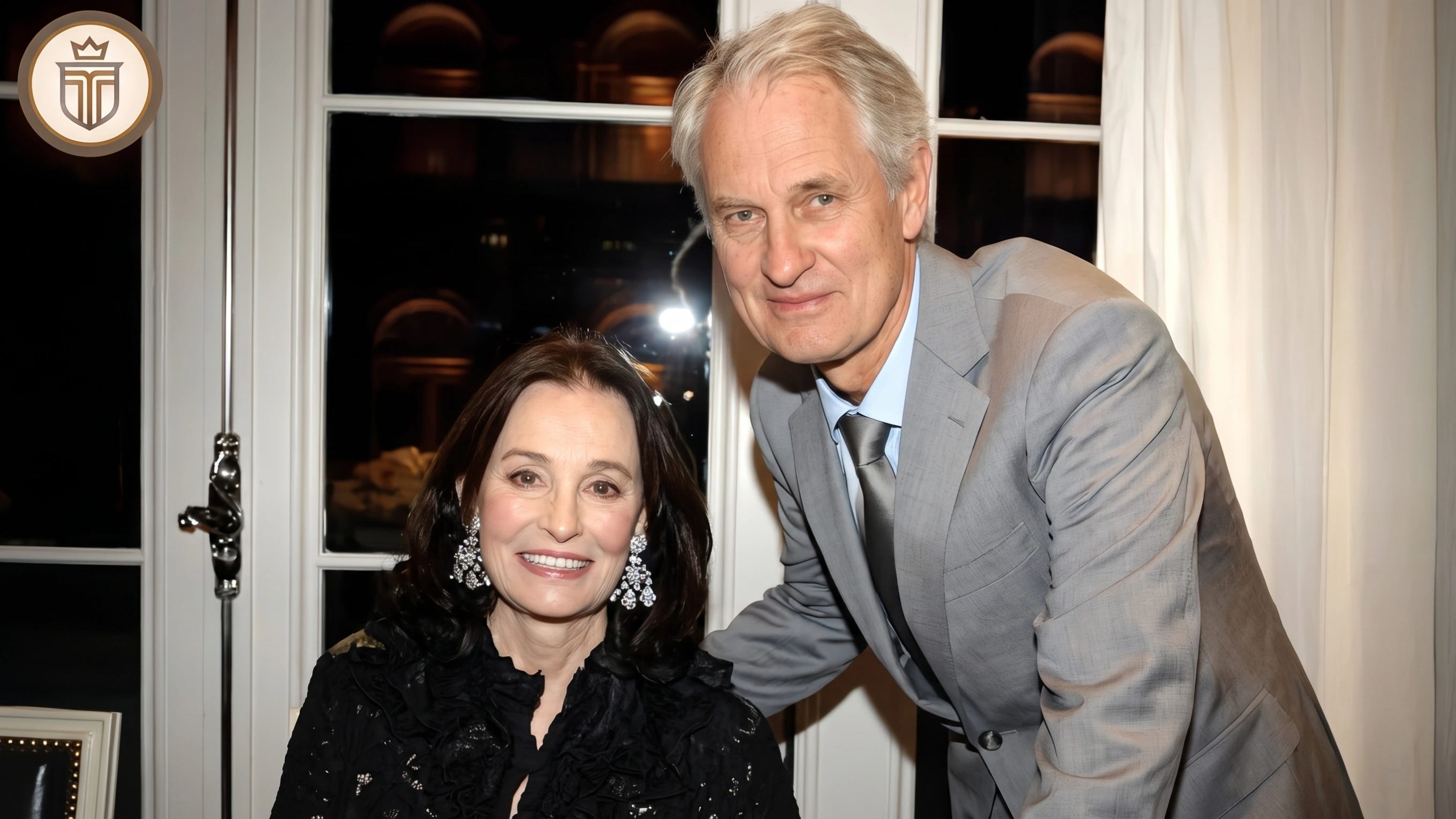
If you’re the type of person to click on a Substack that mentions “old money,” you’re likely to be able to name one or two recent Vanderbilt family members.
The easiest and most well-known one is Anderson Cooper, the silver-haired CNN anchor who spent years reporting live from hurricanes and war zones. Today, he still turns up nightly in millions of American living rooms.
Then there’s his mother, Gloria Vanderbilt, whose signature once rode the back pocket of half the jeans in America.
You may have even bought a ticket to Biltmore, the largest privately owned home in America, and learned that Vanderbilt descendants still own and operate the estate.
But we bet you don’t know about the other Vanderbilts who are very much alive today but live quiet middle-class lives, away from the prying eyes of, really, anybody.
The main branches of the family spent the better part of a century burning through one of the greatest fortunes in American history, leaving behind demolished mansions and ruined inheritances.
These forgotten heirs, on the other hand, avoided much of that fate by an accident of naming, proof that sometimes the only way to survive a famous family is to make sure nobody knows you belong to it.
V For Vanderbilt

Today, most of what the public remembers about the Vanderbilts fits on one short list, and its first entry carries a very different last name.
Anderson Cooper let the world believe his last name might as well have been Smith.
He’s Anderson Cooper, the longtime CNN anchor known for calm, measured reporting. Anderson carries the last name of his father, Wyatt Cooper, and for years it let him dodge the family association.
Only after becoming a father and losing his mother in 2019 did he embrace the history, co-writing a best-selling book about the dynasty with historian Katherine Howe.
Then comes the Biltmore Estate in Asheville, North Carolina, the 250-room “cottage” of George Washington Vanderbilt II and still the largest privately owned home in the United States. It has survived while almost every other Vanderbilt mansion has been demolished or turned into a museum.
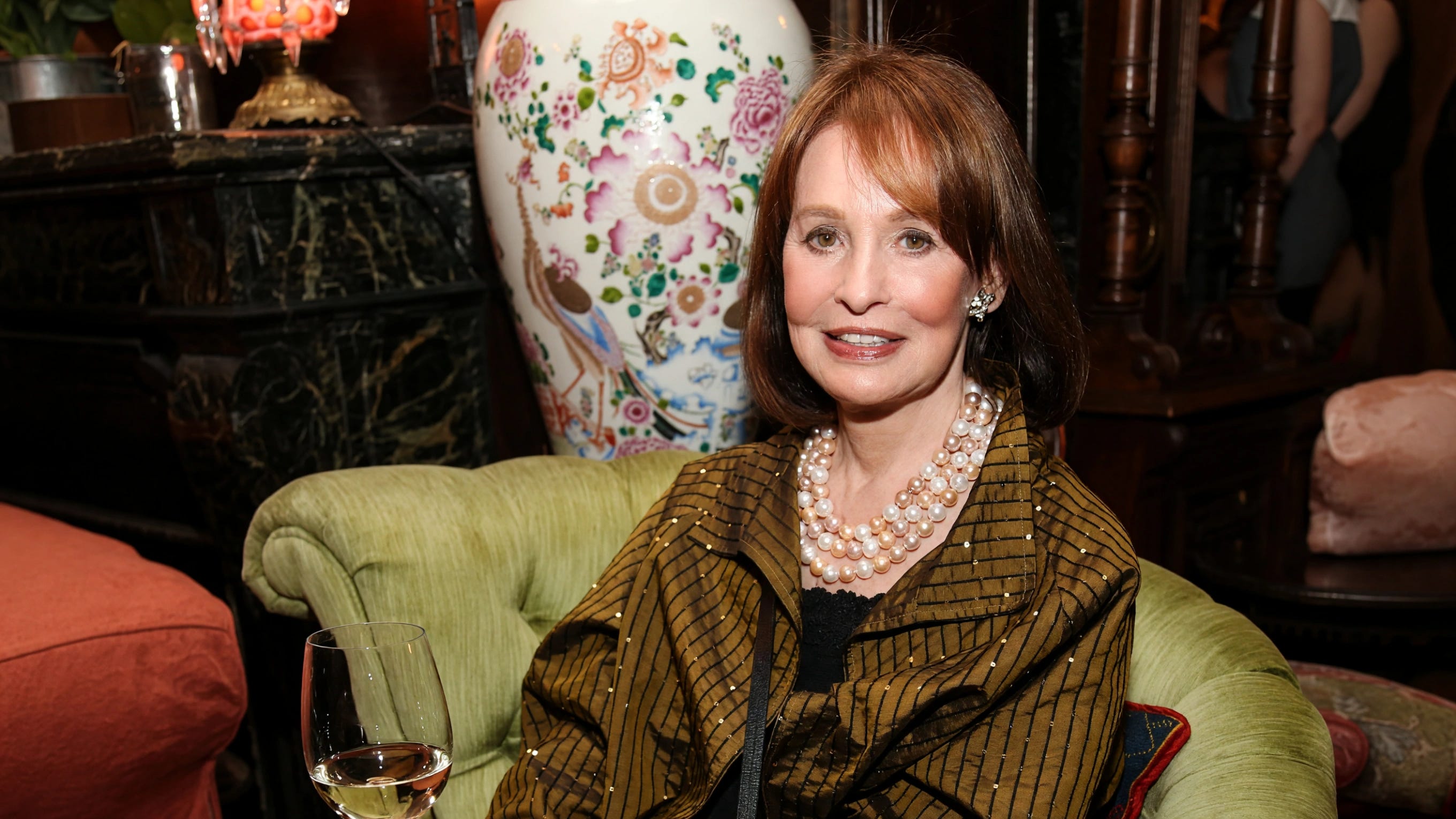
George’s descendants through his daughter Cornelia, the Cecil family, run it now. Its wine tastings, hotels and restaurants drew over a million visitors a year and about $207 million in revenue as of 2016.
And the more tragic-minded remember Carter Cooper, Anderson’s older brother. In 1988, the handsome, Princeton-educated 23-year-old took his own life from the family’s 14th-floor Manhattan penthouse while his mother, heiress Gloria Vanderbilt, watched helplessly.
Anderson was 21.
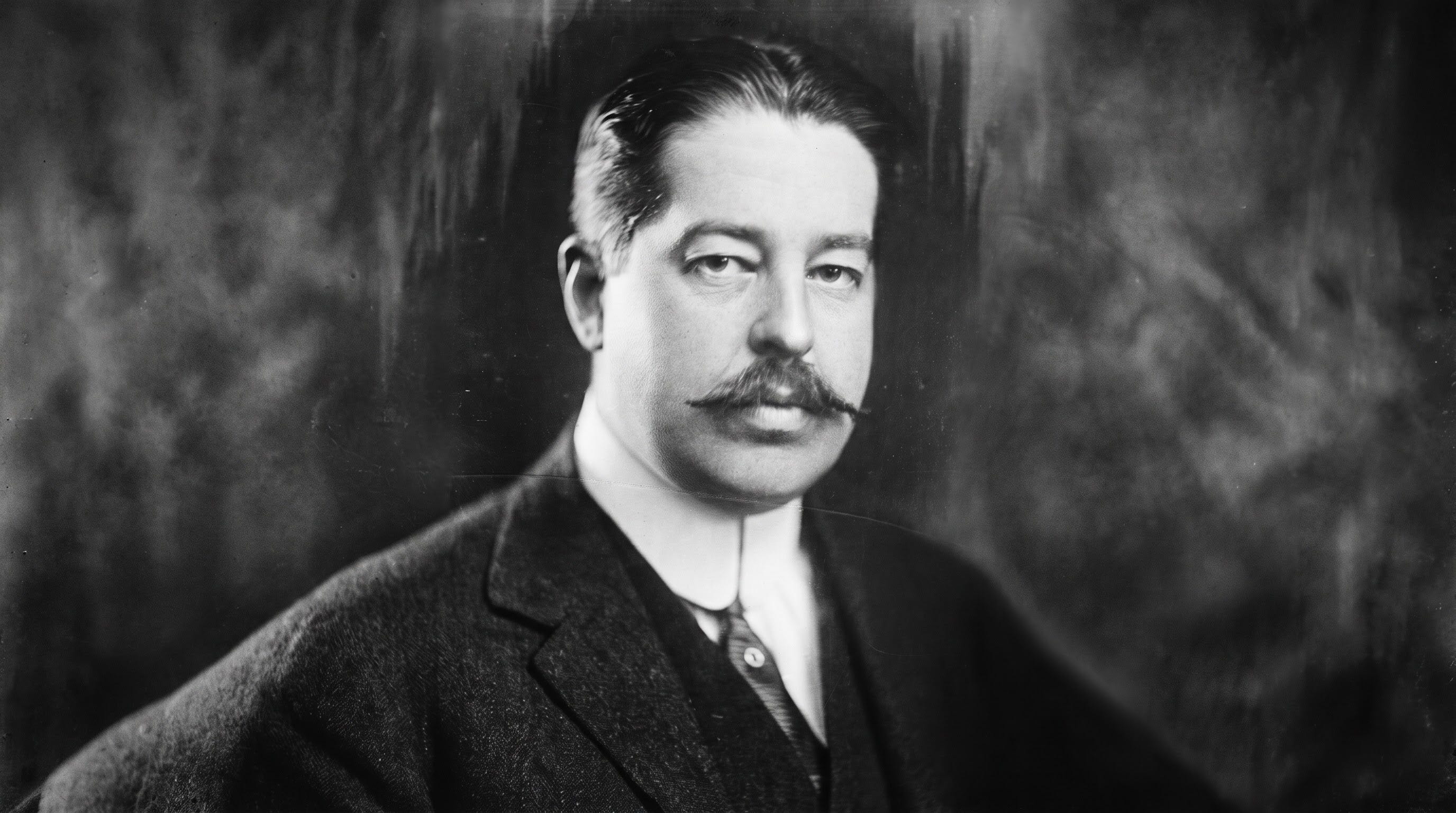
Some might even add Vanderbilt University in Nashville, which Cornelius “Commodore” Vanderbilt endowed in 1873 with an initial $500,000, later raised to $1 million, as a gesture toward post-Civil War reconciliation. He never visited the campus.
Ask someone to name Gloria Vanderbilt’s other two children, and you’ll probably draw a blank.
Stan and Chris Stokowski, born in the 1950s, are the sons of Gloria’s second husband, the conductor Leopold Stokowski, who was 42 years her senior when she married him at 21.
One of those sons later vanished from the family for 38 years.
Losing a son from a dynasty that famous sounds impossible, yet the first cracks opened before Gloria was even born.
At the root stood their mother’s father, Reginald Claypoole Vanderbilt, a horse breeder and gambler who reportedly lost $70,000 on his 21st birthday alone, over $2.6 million today.
His daughter arrived on February 20, 1924, and the bill for his stables and yachts would come due before Gloria’s second birthday.
“Poor Little Rich Girl”

The grandfather of today’s secret middle-class Vanderbilt brothers was none other than Reginald Claypoole Vanderbilt, great-grandson of the original Commodore Cornelius Vanderbilt.
Reginald inherited an enormous fortune but had little interest in the family railroad business. Instead, he devoted his life to racehorses, gambling, drinking and entertaining, spending freely at his Newport estate and New York’s most exclusive clubs.
When Gloria Vanderbilt was just 18 months old, her father died of cirrhosis at 45. His extravagant habits had consumed nearly all his personal fortune, leaving his young widow with little money of her own.
Fortunately for his two daughters, their grandfather had protected $5 million, worth roughly $100 million today, in a trust Reginald couldn’t squander.
While her mother socialized across Europe, Gloria stayed behind with her nanny, Emma Sullivan Kieslich, whom she called Dodo. For the child’s care, the judge administering the trust paid the widow $4,000 a month, close to $900,000 a year in today’s money.
Gertrude Vanderbilt Whitney turned a summer visit into a custody war.
Watching with growing concern was Gloria’s aunt, Gertrude Vanderbilt Whitney, a sculptor who founded the Whitney Museum and controlled $78 million.
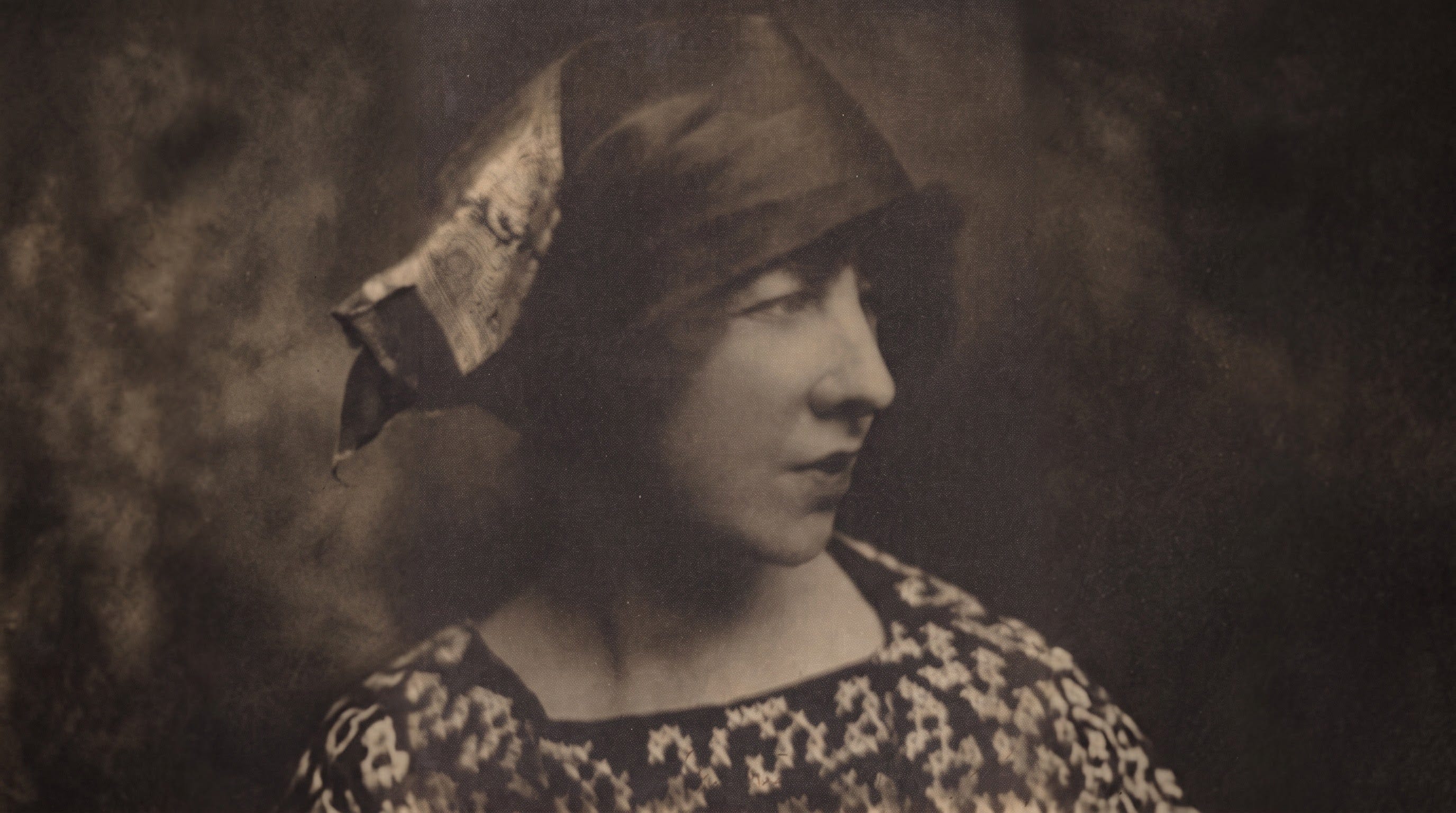
When Gloria came to New York in 1932 for a tonsillectomy, Gertrude invited her to recuperate at her Long Island estate.
The summer visit stretched into years.
Gertrude kept the child, and with her went the widow’s allowance. On October 1, 1934, the battle erupted in the New York Supreme Court in Manhattan.
For seven brutal weeks, the trial of the century transfixed Depression-era Americans struggling to feed their families with tales of European villas, titled lovers and a $4,000 allowance for one child.
Dodo testified that Gloria’s mother spent no time with her daughter. A French maid swore she saw Lady Milford Haven kissing the widow “just like a lover.”
The press christened 10-year-old Gloria the “poor little rich girl.” On the witness stand, the terrified child said she wanted to stay with Aunt Gertrude.
Only decades later did Gloria reveal that Gertrude’s lawyer coached her on what to say.
Aunt Gertrude got the girl she fought for.
Gloria lived in luxury, but under constant surveillance, forbidden from forming normal friendships and treated like a valuable work of art.
Gloria Vanderbilt married a man widely believed to work for the mob.
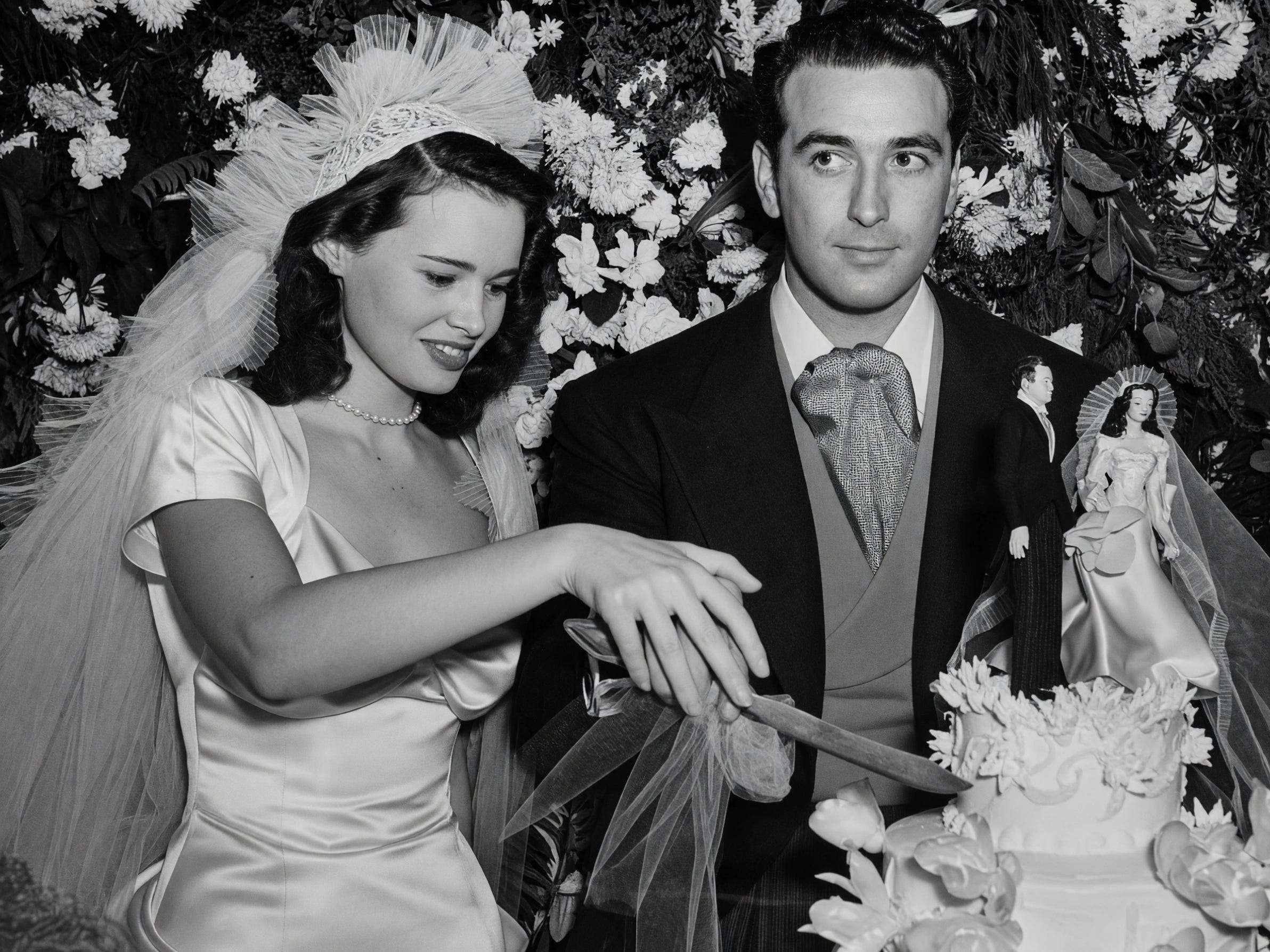
At 17, Gloria fled to Hollywood.
There, she joined her mother in Beverly Hills and spent her nights dancing at Ciro’s with movie stars, including Errol Flynn and George Montgomery, while the billionaire Howard Hughes briefly courted her.
One afternoon, beside the swimming pool at the Beverly Hills Hotel, she met Pasquale “Pat” DiCicco, a handsome, 32-year-old Hollywood agent who worked for Hughes and quickly caught her attention.
On December 28, 1941, she walked down the aisle at Santa Barbara Mission in a Howard Greer gown with a train of more than 30 feet, wearing the Vanderbilt family pearls.
Behind the scenes, the groom had acquired a reputation for his connections to the underworld, with later accounts linking him to mob boss Lucky Luciano.
“I was crazy about him and would have married him in a minute,” Gloria later admitted.
Yet DiCicco’s first marriage, to rising film star Thelma Todd in 1932, had been notoriously turbulent, marked by reports of drunken arguments and physical violence.
On December 16, 1935, Todd was found dead in her car from carbon monoxide poisoning. Only days earlier, she’d encountered her former husband at Hollywood’s Trocadero nightclub.
Authorities ruled her death accidental, but rumors of murder persisted.
And two years later, another Hollywood death raised questions about DiCicco’s circle.
In 1937, comedian Ted Healy of Three Stooges fame died from injuries allegedly sustained in a bar fight with actor Wallace Beery, DiCicco and DiCicco’s cousin, Albert “Cubby” Broccoli.
Gloria soon learned what DiCicco’s temper looked like at home.
Pat DiCicco physically abused his young wife, Gloria Vanderbilt.
The marriage quickly turned violent. “He would take my head and bang it against the wall,” Gloria later revealed. “I had black eyes.”
In her 1987 memoir, Gloria recounted a disturbing confrontation between DiCicco and Columbia Pictures boss Harry Cohn at 21, a fashionable Manhattan restaurant, in 1942.
According to later accounts of the incident, DiCicco shouted at Cohn about his deceased former wife, Thelma, before chasing the studio executive out into the street.
On January 26, 1945, Gloria announced their separation, and that April she won a divorce in Reno, Nevada, citing extreme cruelty.
She was finally free of the marriage and of the court guardianship, with her $4.3 million trust fund (about $75 million today) in her own hands.
Leopold
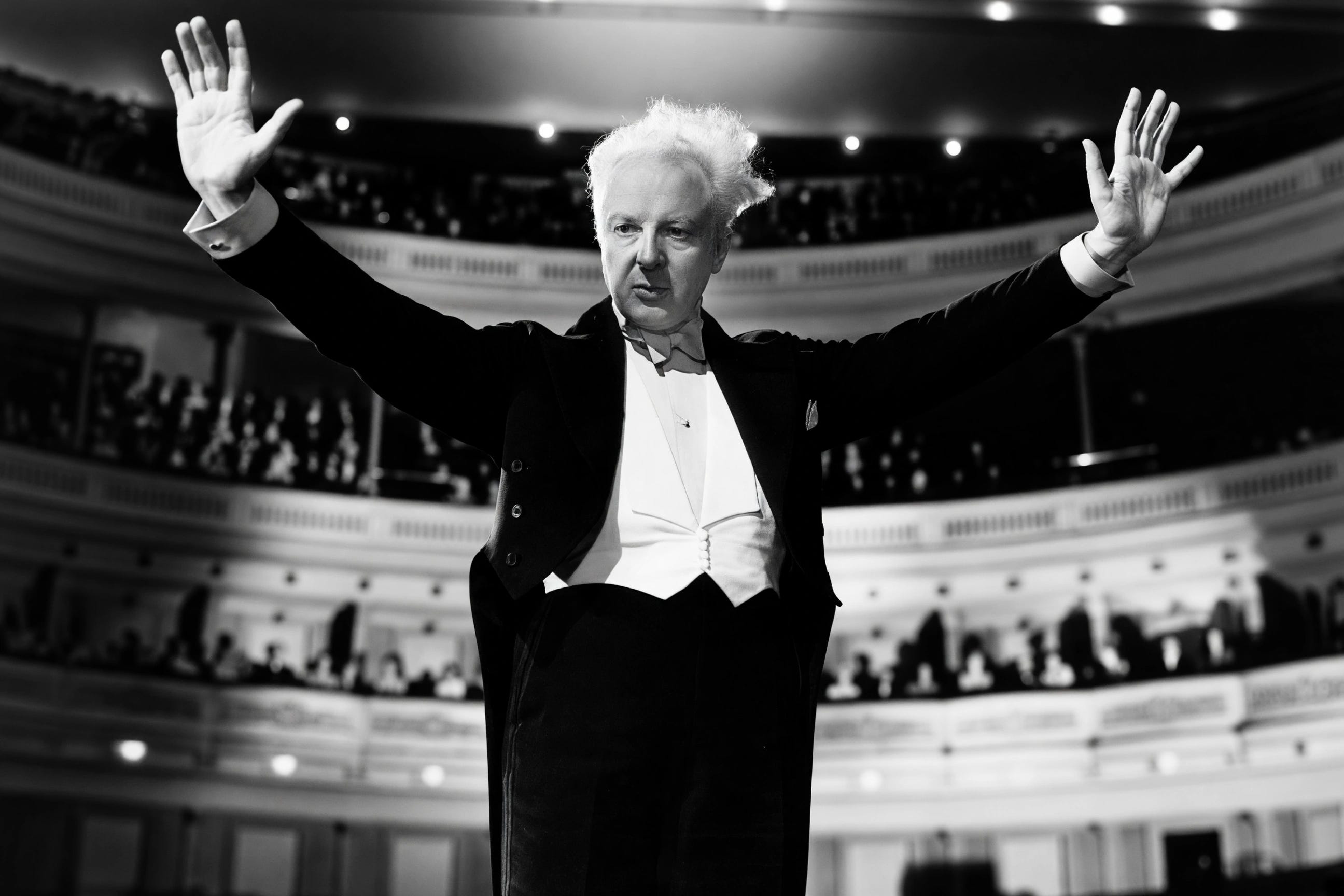
Gloria Vanderbilt married conductor Leopold Stokowski, 42 years her senior, one day later.
One day after the divorce was final, Gloria married Leopold Anthony Stokowski in Mexico.
Stokowski was the first conductor to reach true superstar status, a matinee idol whose nearly three decades leading the Philadelphia Orchestra, from 1912 to 1941, made it one of the world’s finest. He conducted without a baton, using only his hands, and women swooned over him at the Hollywood Bowl.
But most Americans knew him from Walt Disney’s 1940 animated film Fantasia, where he led his orchestra on screen and even chatted with Mickey Mouse.
“I knew him for a week and married three weeks later,” Gloria told her son Anderson decades afterward.
It was Stokowski’s third marriage. His first wife, concert pianist Olga Samaroff, gave him a daughter, Sonia, and his second, Johnson & Johnson heiress Evangeline Brewster Johnson, two more.
Consequently, Gloria became stepmother to three women close to her own age or older.
Yet the match made a cultural sense her first marriage never did. Stokowski encouraged the painting and design work DiCicco ignored, and Gloria, then studying at the Art Students League, a Manhattan art school, saw in him the artistic world she wanted to inhabit.
For Stokowski, the Vanderbilt name still carried cachet, and marrying it suited his elevated social position.
The marriage would last 10 years and give Gloria two sons, and both boys would carry their father’s last name, with consequences that would follow them for decades.
Tucked Away in a Drawer
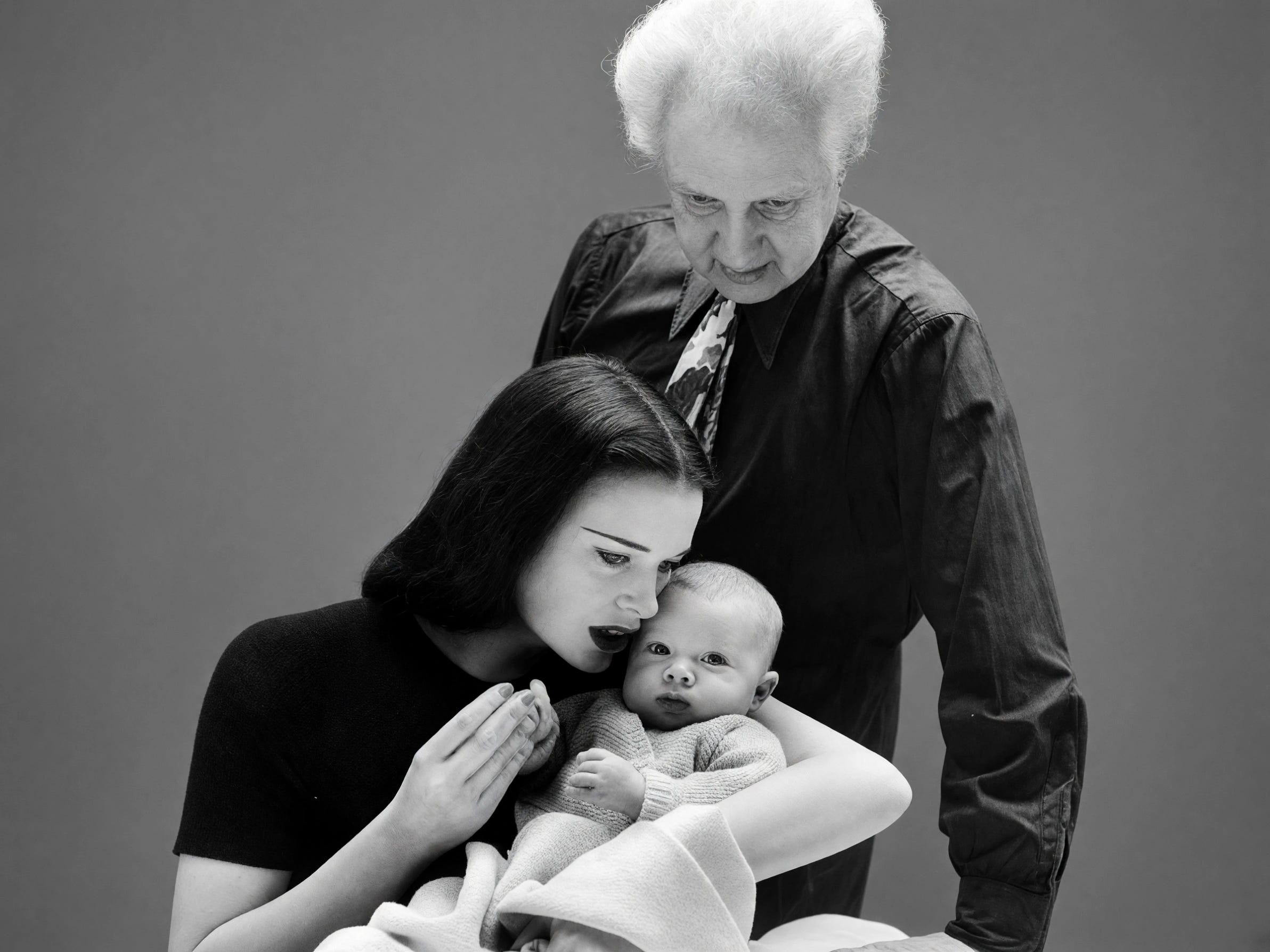
On August 22, 1950, five years into the marriage, Gloria gave birth to Leopold Stanislaus Stokowski, known as Stan.
His brother, Christopher Stokowski, followed on January 31, 1952, into a household unlike any other on Manhattan’s Upper East Side.
Their father was 68 when Stan was born and 69 when Christopher arrived. Leopold still conducted major orchestras and still commanded standing ovations, but he was older than most grandfathers at the playground.
Their mother was 26 and 27, young enough to be mistaken for an older sister and beautiful enough to stop photographers on the street.
On birth certificates, school enrollments and doctor’s forms, the boys were Stokowskis. The Vanderbilt lineage stayed present but unspoken, like an heirloom tucked away in a drawer.
As previously mentioned, they also had three half-sisters from Leopold’s earlier marriages, including Sonia, born in 1921 and old enough to be their mother.
Gloria Vanderbilt began an affair with Frank Sinatra when she was 30.
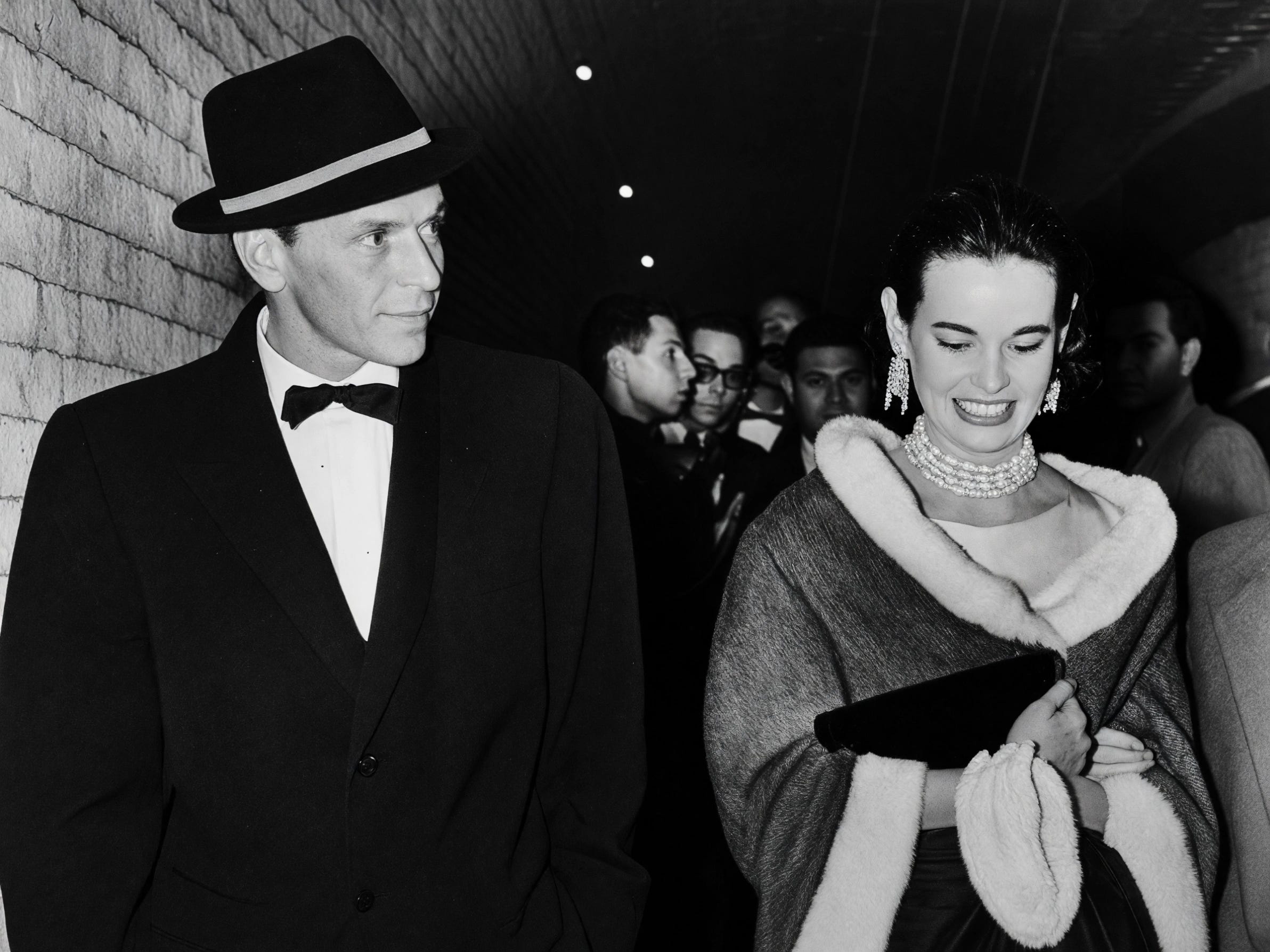
As the boys grew, the 42 years between their parents became harder to ignore. Leopold encouraged Gloria’s artistic pursuits but kept her socially isolated, because he wanted a wife who would orbit around him.
Gloria married to escape control, and she found herself trapped again.
In 1954, with Stan four and Christopher barely two, she began an affair with Frank Sinatra. She was desperate for excitement and for recognition as more than the maestro’s young wife.
The divorce came a year later, in 1955.
Gloria fought Leopold for custody of the boys and won, yet she refused to let them testify. Undoubtedly, she wanted to spare them the ordeal she endured at 10, when her aunt Gertrude Vanderbilt Whitney’s lawyer coached her on what to say about her own mother.
Stan was five and Christopher three when their parents split.
Gloria, who married Leopold one day after her divorce from Pat DiCicco, handled endings the same way: quickly, and with her next chapter already underway.
They grew up shuffling between their mother’s rising fame and their father’s fading glory, with years in London schools before returning to the United States.
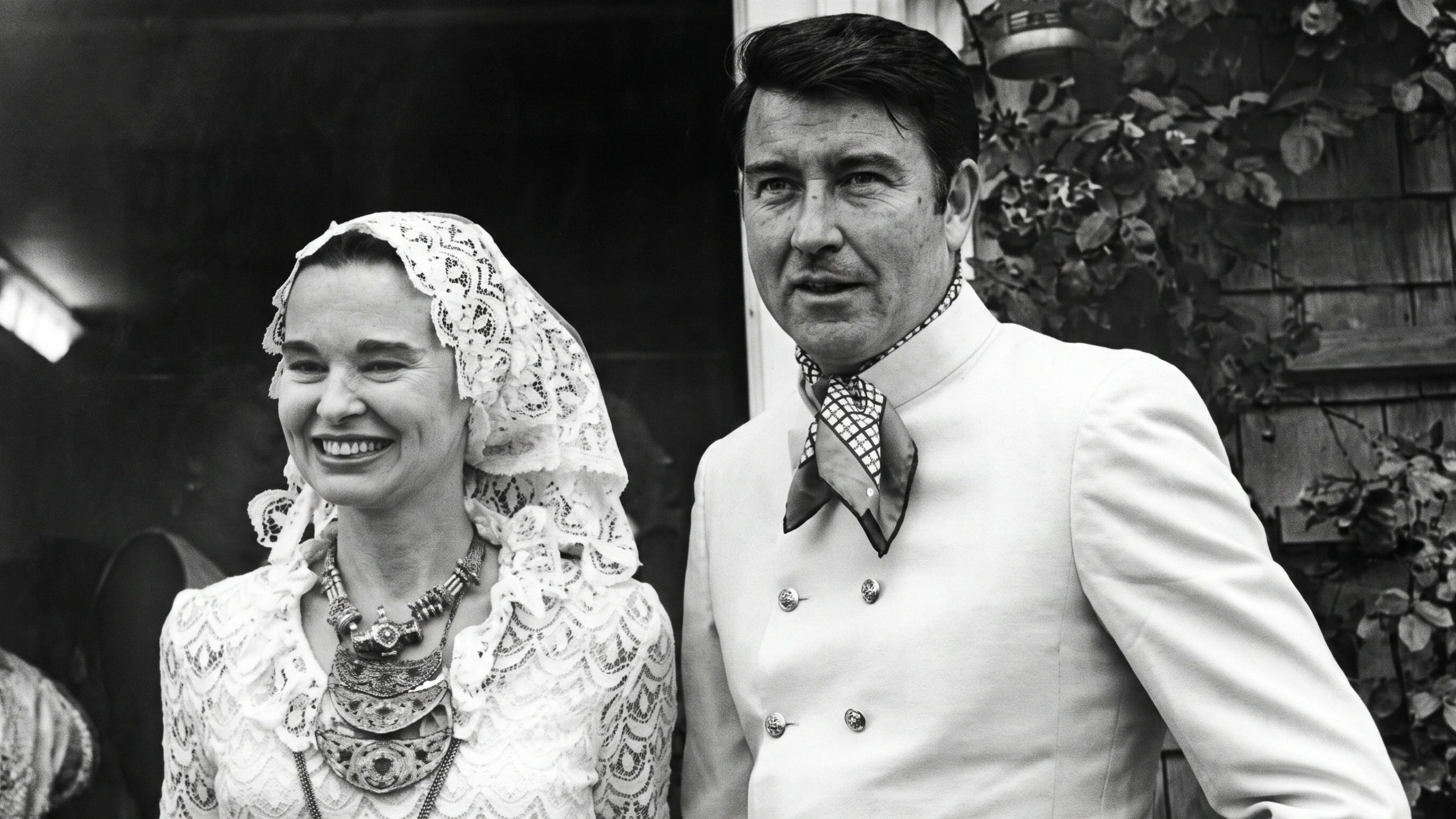
In 1963, Gloria Vanderbilt married writer Wyatt Cooper and had two more sons.
Stan was 13 and Christopher 11 when their mother married her fourth and final husband, Wyatt Cooper, a Mississippi-born writer.
Gloria met Wyatt at a New York dinner party in 1963 and was immediately struck by his piercing blue eyes. She later recalled an almost instant connection between them, and Wyatt’s close-knit Southern family offered the warmth and stability she’d spent much of her life searching for.
Carter Vanderbilt Cooper followed in 1965, and Anderson Hayes Cooper in 1967.
For context, when the Cooper boys arrived, their mother was Gloria Vanderbilt the designer, the artist, the brand.
When Stan and Christopher arrived, she was still the maestro’s young wife.
The Stokowski brothers knew struggle, and the younger ones knew stability.
Leopold lived until 1977 and reached 95, but his glory days conducting the Philadelphia Orchestra were long past. His sons visited an old man who spoke of Disney’s Fantasia while the world moved on to the Beatles.
Carter and Anderson grew up in a stable household with parents who functioned as a team. Wyatt gave them the steady father figure Gloria’s first sons lacked.
For Stan and Christopher, the missing Vanderbilt name would matter more than anyone anticipated, and one of the brothers would vanish for nearly four decades.
“A Reality to Me”

In the 1950s and early 1960s, being a Stokowski meant connections to high culture, a step removed from high society.
Being a Cooper in the 1970s, with their mother’s signature on the hottest jeans in America, meant fame.
Stan adapted by becoming invisible. As an adult, he chose the Hamptons over Manhattan and a landscaping business over the spotlight.
Christopher took a different path. He inherited his father’s musical gifts, studied at Bard College and went to work in classical music under an alias. In that world, being Leopold’s son was already heavy, and adding Vanderbilt would have made it unbearable.
Over the years, Gloria tried to stay close to Stan and Christopher. She carried the guilt of their disrupted childhood, from the custody battle to an elderly father who couldn’t play catch in Central Park.
With Anderson and Carter, she could be the mother she always wanted to be.
Still, the family Gloria held together so carefully rested on people she couldn’t control.
In 1978, Gloria Vanderbilt lost her husband and her second son in the same year.
Wyatt Cooper died during heart surgery, leaving Anderson, 10, and Carter, 12, without a father. The same year, Christopher, 26, cut off all contact with the family after Gloria’s therapist allegedly interfered in his engagement to April Sandmire.
Stan stayed close, watching his younger half-brothers grieve.
Christopher vanished completely.
In 1976, two years before those losses, Gloria went to work for a living on a scale no Vanderbilt had in generations.
She partnered with manufacturer Mohan Murjani on designer jeans with her signature embroidered on the back pocket.
The first commercial aired during a soap opera, and within hours 150,000 pairs sold out. By 1980, the first designer denim marketed straight to consumers through aggressive TV advertising was bringing in $200 million a year, and the line grew into blouses, dresses, fragrances and home goods.
“I’m not knocking inherited money,” she said in 1985.
“But the money I’ve made has a reality to me that inherited money doesn’t have.”

But the reality didn’t last.
In the early 1980s, rival designer labels stitched their own names onto back pockets, and Gloria’s income shrank with every new one.
Feeling the squeeze, she sued her former psychiatrist and her lawyer for fraud and won a $1.7 million judgment, money she never collected.
The same lawyer failed to pay her taxes for years, leaving Gloria with a multimillion-dollar IRS bill. To settle it, she sold her Southampton home and her Manhattan residence.
However, Gloria still had the one asset her ancestors never thought to monetize: the Vanderbilt name. Even after losing both houses, she kept supporting herself through painting and writing.
But her sons were the one thing she couldn’t replace.
Carter Vanderbilt Cooper was 23, a Princeton graduate and an editor at American Heritage, the history magazine. For months before his death, he was in treatment for depression.
On July 22, 1988, Carter took his own life. Gloria tried to make sense of it in her 1996 book, A Mother’s Story.
Christopher stayed away. “When Carter died, I thought he would come back, but he didn’t, and we respect his wishes,” Gloria told the Telegraph in 2004.
Anderson threw himself into journalism, became CNN’s star anchor and said little about his Vanderbilt heritage until later in life.
In 2016, Gloria and Anderson told their story in an HBO documentary, Nothing Left Unsaid, and the one son it barely mentioned was still out there.
One Last Surprise

The documentary stirred fresh interest in the missing son.
Christopher Stokowski finally reached out through his former fiancée, April Sandmire, and came back to the family after 38 years.
After decades of silence, Gloria had her son back, and only a short stretch of time left to spend with him.
Gloria saw Christopher three times before she died. His older brother, Stan, sat down with Anderson in the film to talk about their mother and their tangled family history, and for a brief moment all four sons were connected again, if not together.
Gloria Vanderbilt died of stomach cancer on June 17, 2019, at 95. Her will held one last surprise about how she valued each son’s place in her life.
Gloria Vanderbilt’s will gave one son her apartment, another the rest, and one nothing.
When the will was filed in Manhattan Surrogate’s Court that year, the numbers stunned even jaded estate lawyers. Gloria, widely reported to be worth $200 million, left about $1.5 million.
Stan received her co-op at 30 Beekman Place in Manhattan, valued at about $1.22 million, while Anderson received the rest of the estate.
Christopher received nothing.
The will never mentioned him and gave no reason, though sources suggested his absence reflected decades of estrangement and his stated wish to stay apart from the family’s public life.
Stan Stokowski still runs a landscaping business from Sag Harbor, New York, at 76.
Stan operates Newground Gardens LLC there as a certified advanced organic land care professional, and he remains married to Emily Goldstein.
His daughter, Aurora, co-founded Fair Folks and a Goat, a retail gallery and tea salon on Manhattan’s Upper East Side.
Christopher, now 74, reportedly lives off his late father’s estate, which still earns music royalties.
Anderson’s fortune likely runs far larger than his half-brothers’, built on a reported $18 million annual CNN salary and careful investments. In 2020, he welcomed a son through a surrogate and named him Wyatt Morgan Cooper, after the father Anderson lost at age 10.
A second son, Sebastian Luke Maisani-Cooper, followed in 2022. And Anderson has been explicit about inheritance: he doesn’t believe in passing wealth to children who haven’t earned it.
Four sons, two last names, one mother who spent her life escaping the trauma of being the poor little rich girl.
Every day, tourists still file through Biltmore to see how the Vanderbilts lived. Out in Sag Harbor, a Vanderbilt heir with a different last name goes on tending other people’s gardens, and not one of them knows to look for him.
While Anderson Cooper built his own fortune through journalism, he didn’t turn down his inheritance that he didn’t earn, did he?
I am guessing the hurt of being excluded probably outweighed the loss of any money he would have received.