
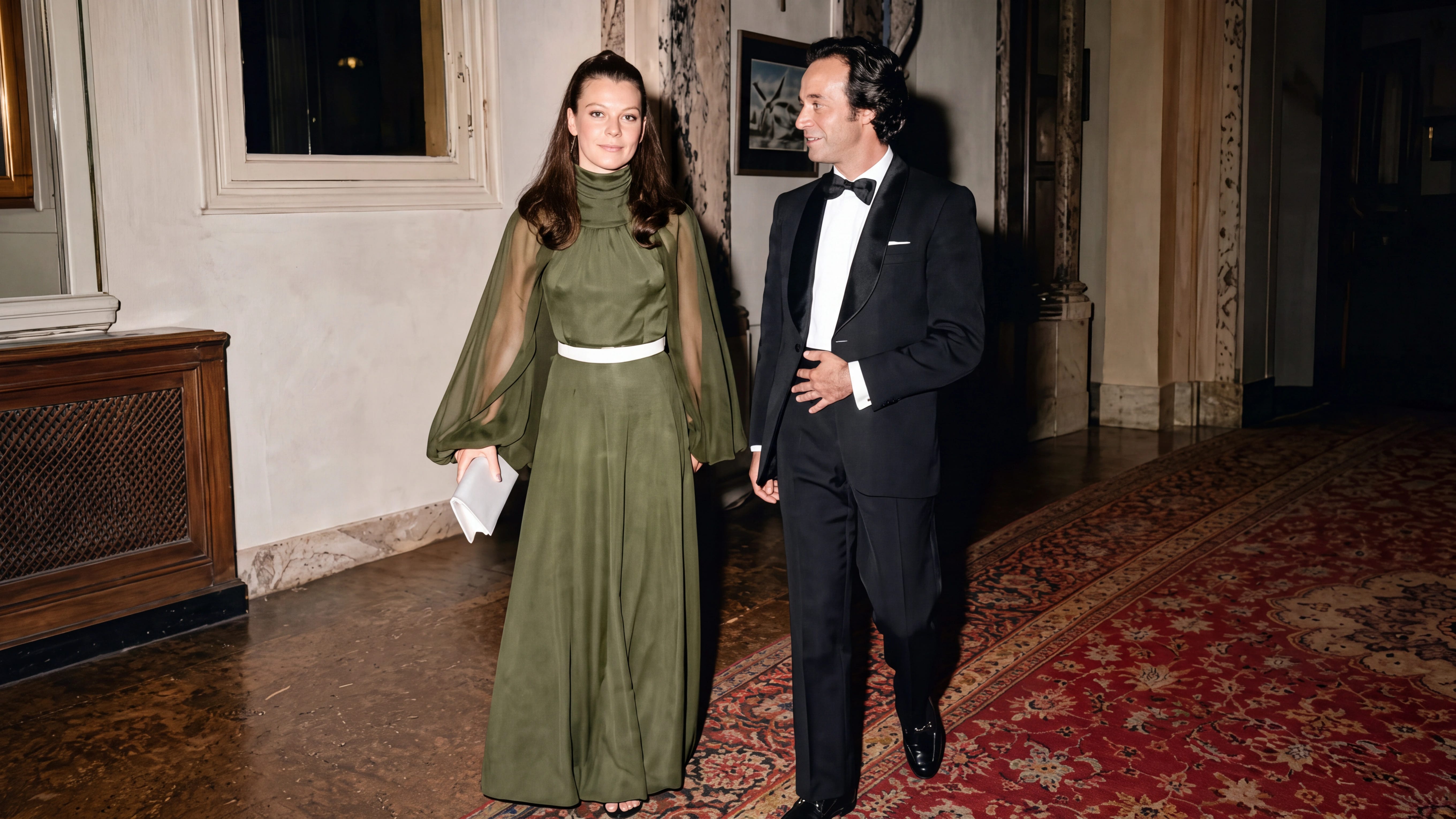
In June 1946, Italy’s royal family sailed away from a country that was still waving goodbye.
Crowds lined the route and cheered, and on board, a three-year-old girl asked her mother:
“If they love us so much, why are we leaving?”
Her question had a simple, brutal answer. After World War II, Italians voted on whether to keep a monarchy that had stood by Mussolini’s fascist regime, and on June 18 the country’s highest court confirmed that about 54% chose a republic instead.
The little girl was Maria Beatrice of Savoy, the youngest child of King Umberto II. Her father inherited the throne in May 1946, when his own father abdicated in a last-ditch attempt to save the monarchy, and he lost it barely a month later.
Then exile split her family in two.
Her mother, Marie-José, a daughter of Belgium’s King Albert I, settled in Switzerland, while Umberto raised the children at a villa in Portugal, keeping a marriage that held on paper and almost nowhere else.
Maria Beatrice never forgot the cockroaches crawling on her head during that first voyage. They became her earliest memory of life without a crown, and for decades she paired them with the question she asked her mother on deck.
Exile would turn out to be the gentlest of the tragedies waiting for her.
Cascais
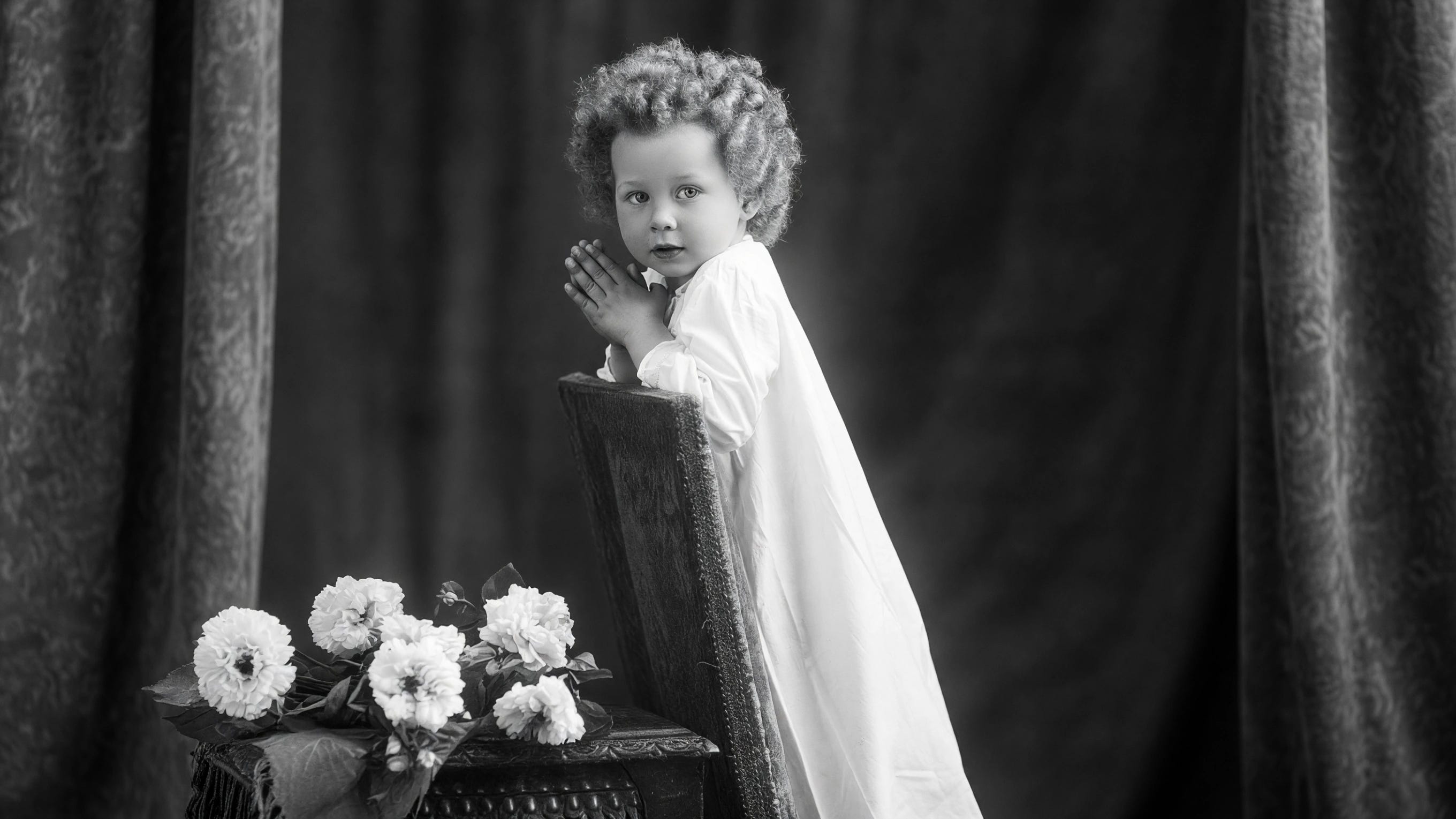
Villa Italia sat on the coast at Cascais, a few miles west of Lisbon, and for the rest of her childhood it was the only home Maria Beatrice knew.
She was born into a far grander world, and a far more dangerous one. Maria Beatrice arrived on February 2, 1943, in Naples, the youngest of four children, at a moment when Italy was losing the war it had entered as Nazi Germany’s ally.
Within months, Allied bombs were falling on the city, Mussolini was overthrown, and the royal family fled Rome as German troops seized the capital.
And her family sat at the very top of Italian society. The House of Savoy was one of Europe’s oldest royal dynasties; its kings had ruled a united Italy since 1861, presiding over a world of palaces, courtiers, and aristocratic families whose fortunes rose and fell with the crown.
The youngest daughter of Italy’s last king grew up in a palace without a kingdom.
At Villa Italia, her father Umberto II ran the household on routine and formality. A governess and an attendant looked after the children, and by one account they saw Umberto himself only during a weekly audience.
The rest of his days belonged to a court in exile. Italy’s new constitution, written after the 1946 referendum ended the monarchy, barred former kings and their male heirs from ever setting foot in the country again, so Umberto kept up the letters, schedules, and visitors of a royal court for a kingdom that no longer existed.
Yet there were moments when the formal king softened. Whenever ships carrying Italian emigrants sailed past on their way to South America, Umberto brought the children down to the shore to greet them.
Maria Beatrice remembered that he looked deeply moved afterward, though she never once heard him say a word about the politicians now running Italy.
She grew up with a father she saw by appointment and a mother she saw by geography.
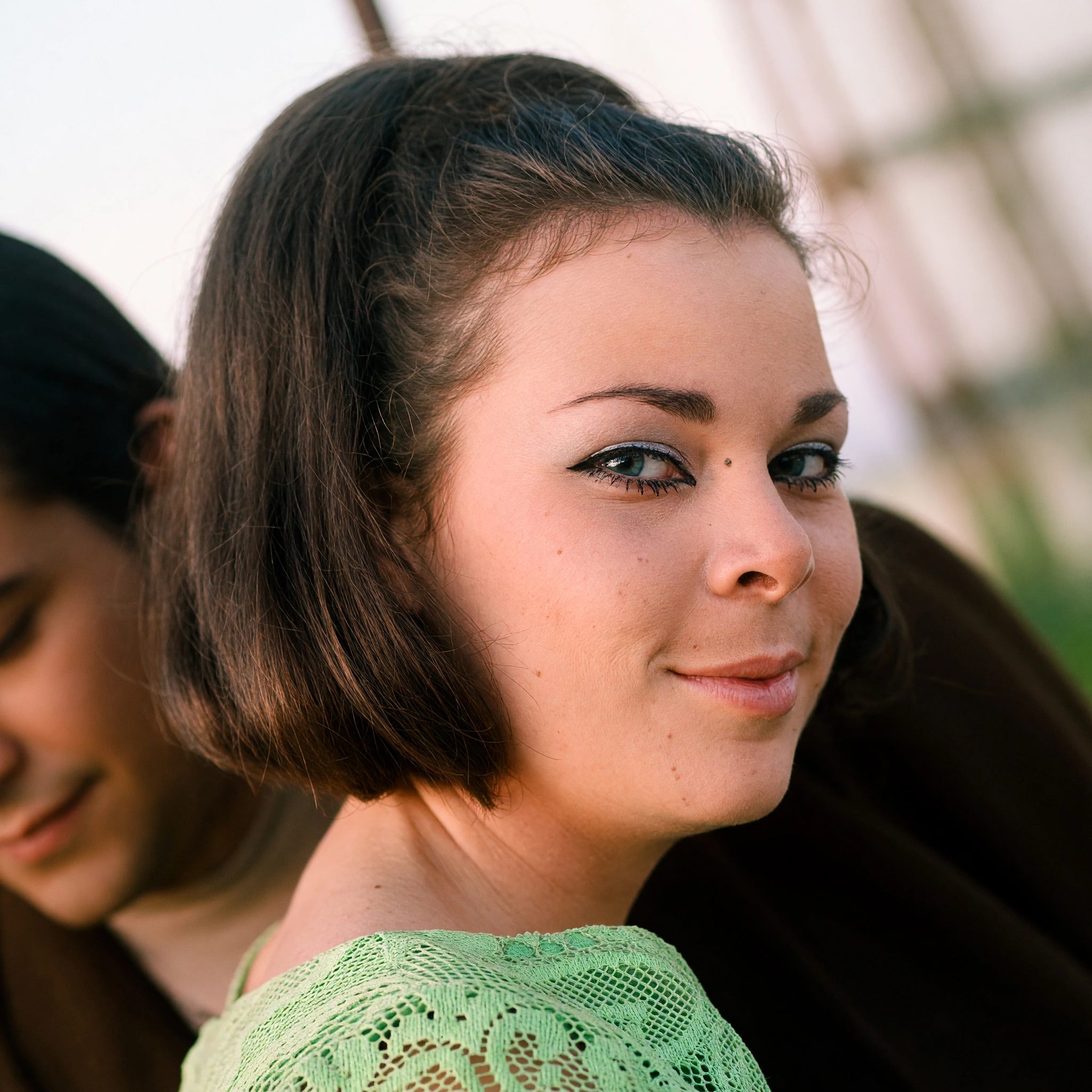
Her older siblings, Maria Pia, Vittorio Emanuele, and Maria Gabriella, all shared the same uprooted childhood, though only her brother carried the weight of the dynasty’s male succession.
The constitutional ban applied to the men of the family, so in theory the king’s daughters could go home whenever they liked. Yet Maria Beatrice grew up every bit as displaced as the brother who was barred.
Her mother had built a separate life in Switzerland, and the marriage survived on paper alone. The youngest daughter came to know Marie-José mostly through arrivals and departures, short visits that never added up to the ordinary hours of a shared home.
Italy finally lifted the ban on the male Savoys with a constitutional amendment that took effect on November 10, 2002, more than half a century after the family boarded that ship. By then, Umberto had been dead for nearly 20 years, and the republic used the word “princess” only as a courtesy.
Maria Beatrice spent her youth trying to escape her own title.
“In my life I have always been completely alone,” she later told Italy’s Corriere della Sera. “And the affection I did not find in my family I had to look for elsewhere.”
What she wanted was simple. “I want to be a normal girl,” she said. “I cannot stand being called princess anymore.”
At about 20, she moved to London, determined to become a journalist. Less than four years later, a young woman checked into a Madrid hospital under a false name with a bullet wound near her heart.
The patient was believed to be Maria Beatrice of Savoy.
A Princess on the Loose
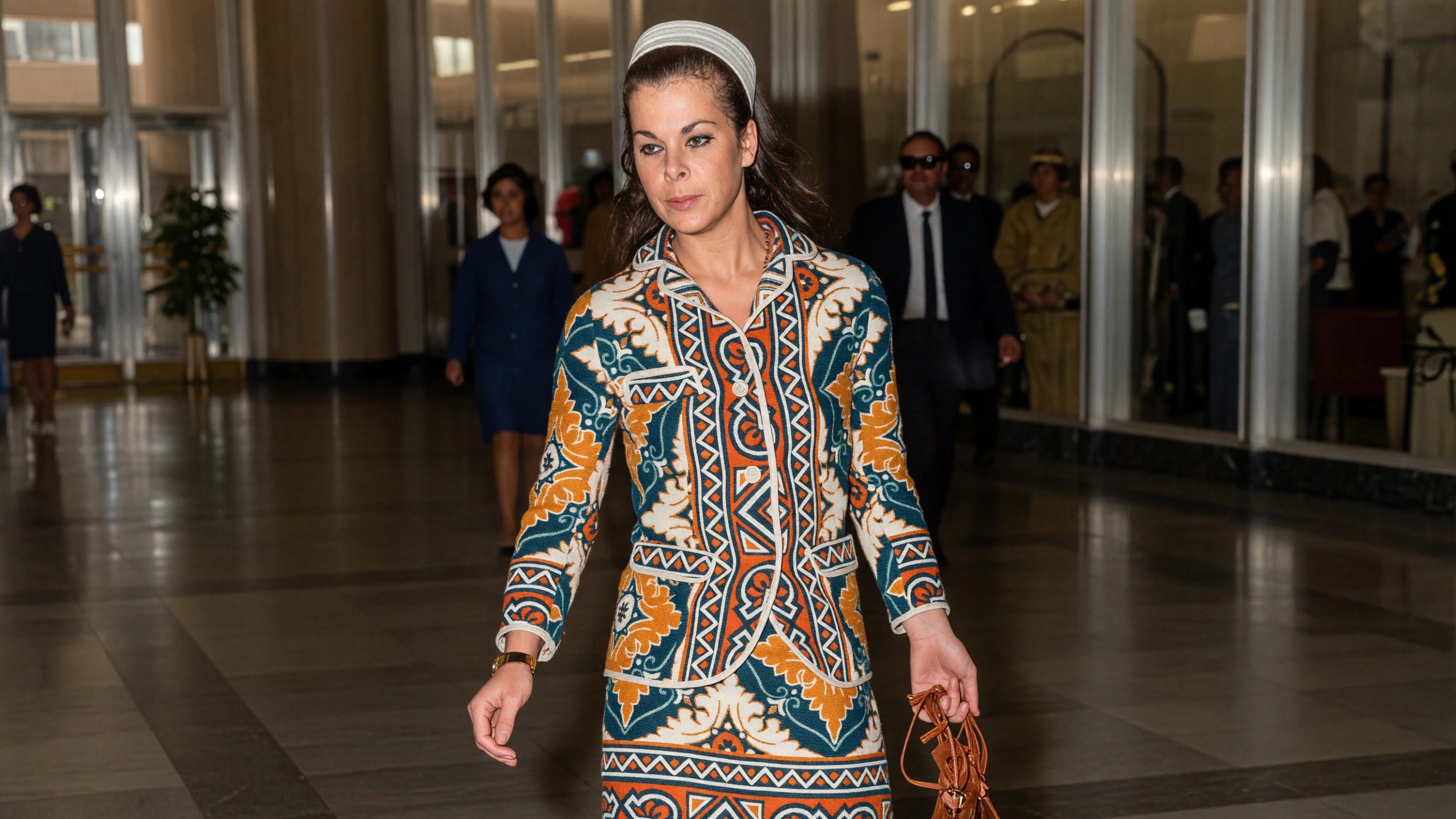
In London, Maria Beatrice’s rebellion looked at first like any young woman’s bid for independence.
She wanted work, she wanted company, and she wanted to stop being introduced as the daughter of a deposed king.
She’d picked the right city for it. London in the mid-1960s was becoming the capital of youth culture, a city of miniskirts on the King’s Road, Beatles records in every coffee bar, and young people from good families shrugging off their parents’ rules.
For a princess who couldn’t stand her own title, it offered something Villa Italia never could: the chance to be nobody in particular.
But the freedom came at a price. Later accounts say her father cut her allowance because he disapproved of the company she kept.
By age 21, she was drinking heavily, broke by royal standards, and answering to no one.
She even rejected her family nickname, “Titti.” Its three Ts, she said, looked like three crosses, and she wanted no part of them. To a young woman who already felt alone in her own family, even a childhood pet name looked like a row of graves.
Maria Beatrice’s search for affection then led her to a Spanish bullfighter.
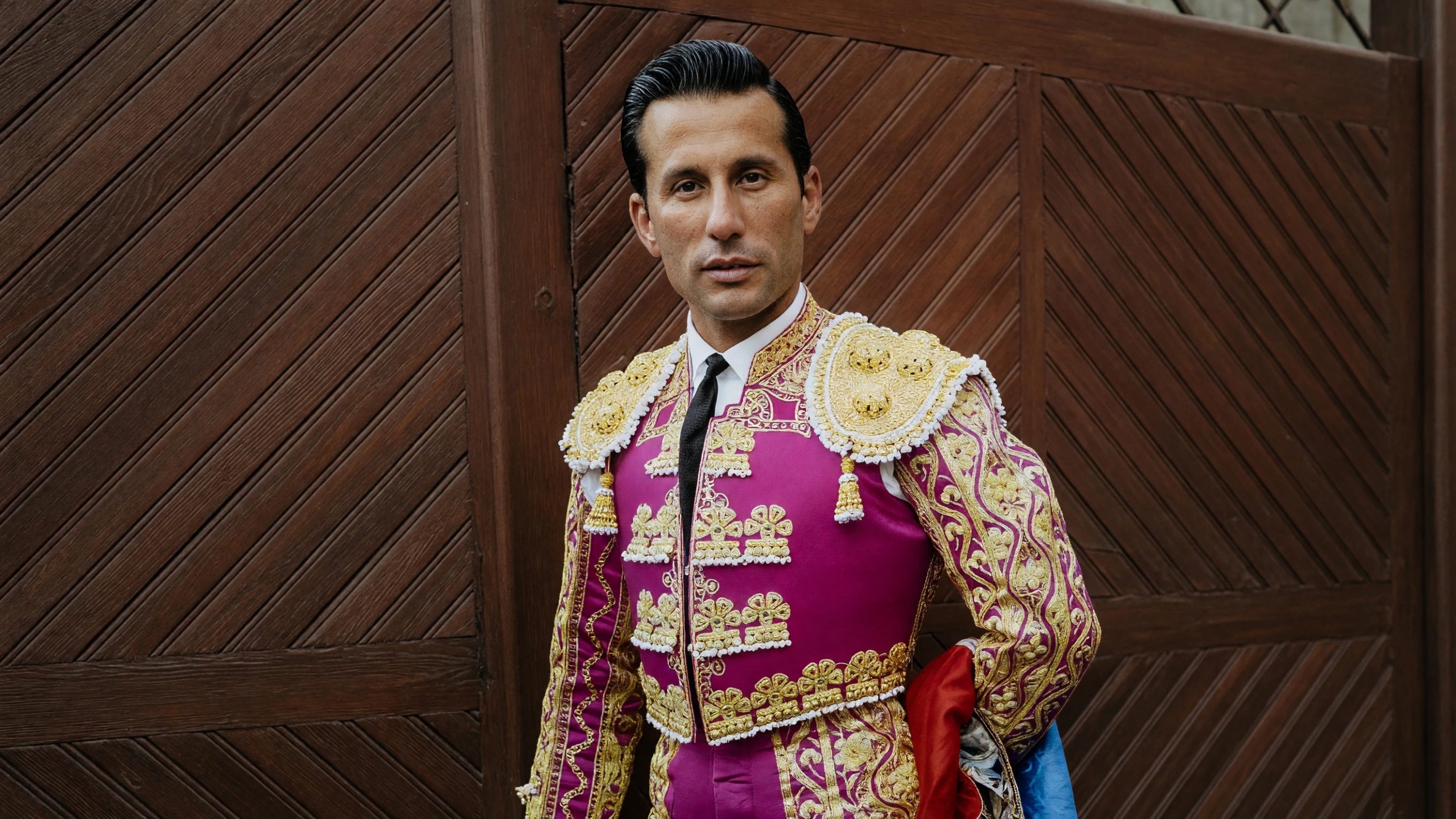
In 1966, in Madrid, she became involved with Victoriano Valencia, a matador from a well-known bullfighting family who’d also studied law, a rare combination that earned him the nickname “the lawyer bullfighter.”
He spent nearly two decades in the ring before retiring in 1971, and later managed the careers of some of Spain’s best-known matadors.'
Later accounts say he ended the relationship after about six months. In mid-March 1967, a young woman checked into a private clinic in Madrid with a bullet wound near her heart, giving her name as Maria de Sarre.
The alias was barely a disguise. Sarre was the title her father used when he traveled incognito in exile.
Italy’s newspapers quickly suspected the patient was Maria Beatrice of Savoy.
On March 23, Le Monde reported that Spanish police blamed the wound on an accidental pistol discharge, based on what the patient herself told them.
Other reports floated a hunting mishap, and the Italian paper Paese Sera went further, running a photo of Maria Beatrice beside Valencia and hinting at a doomed romance.
The family’s first instinct, on hearing the news, was denial: a family secretary insisted the princess was abroad and in excellent health.
She survived. Later biographies say the bullet missed her heart but damaged a lung, and most connect the shooting to Valencia, describing it as an attempt on her own life by a young woman who never accepted the end of the affair. The reports from 1967, though, stop well short of establishing what happened that night.
