
On November 17, 1972, Tiffany and Company ran an advertisement in the New York Times offering its most famous diamond, unset, for five million dollars, good for twenty four hours only.
The deadline passed without a buyer, which was arguably the point.
That is the house in one gesture, selling the idea of the object more profitably than the object itself. Its box color is trademarked and Pantone coded and named 1837 Blue, after the year a twenty five year old Connecticut man opened a stationery counter on Broadway with a thousand dollars out of his father’s cotton mill.
But the neatness of the Tiffany story ends almost as soon as the family begins.
Its women supplied heirs, talent, money, and more than a little rebellion. In exchange, they were denied education, obscured by male names, or pushed so far from the family story that one ultimately chose burial beside Sigmund Freud.
As we’ll see, the famous blue box concealed a much stranger family than the brand ever advertised.
The Store That Refused To Haggle
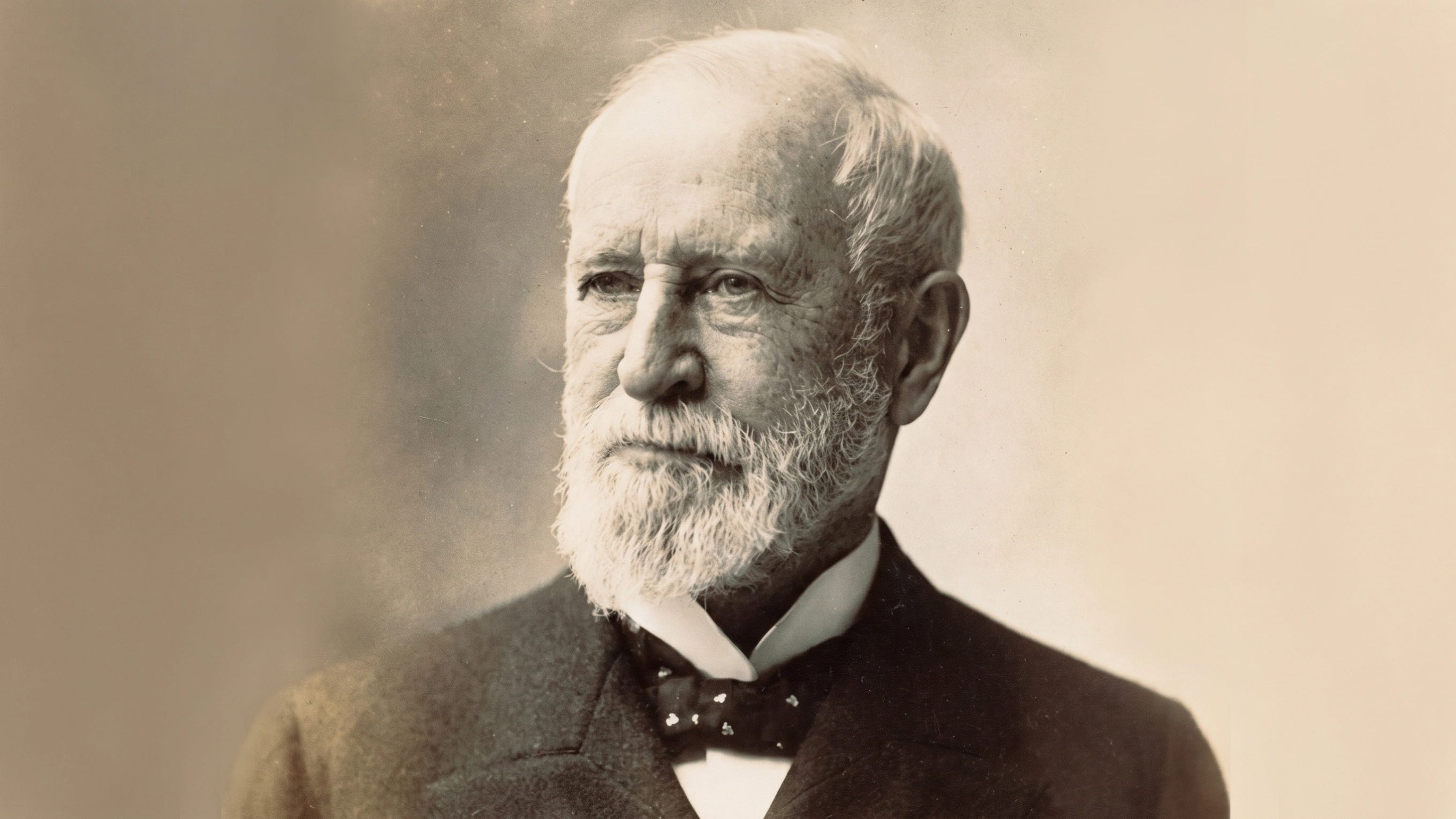
Charles Lewis Tiffany was born in 1812 in Killingly, Connecticut, son of a cotton mill owner named Comfort Tiffany.
On September 18, 1837, with a thousand dollars out of the mill profits, he and a school friend named John B. Young opened a store at 259 Broadway.
They called it Tiffany and Young, and they sold no jewelry whatsoever.
Instead, they peddled only stationery, umbrellas and imported Chinese goods. First day receipts came to four dollars and ninety eight cents.
The rules made the place strange. Every item carried a marked fixed price, which erased the constant haggling of 1830s retail, and the store took cash only and extended credit to nobody, a London practice almost unheard of on this side of the Atlantic.
What a customer bought with that marked price was the assurance that no sharper buyer had been quoted less the same morning.
The ability to trust the store was itself the “luxury good”.
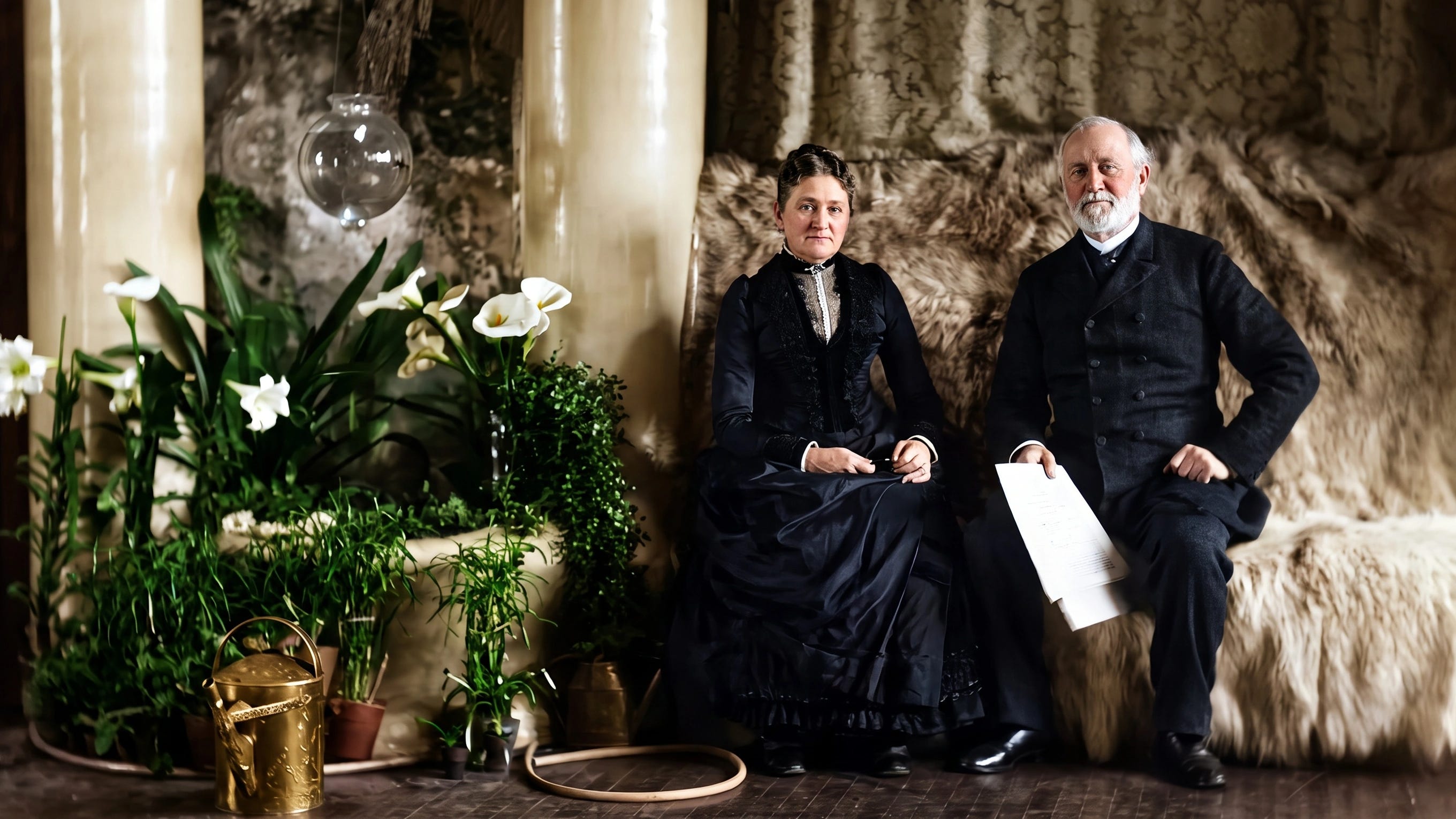
In 1841 a partner named Ellis bought in, the sign became Tiffany, Young and Ellis, and that November Charles married Harriet Olivia Avery Young, the sister of his own business partner.
Harriet is missing from nearly every popular account of the company that carries her married name, though she is the origin point of every Tiffany who would ever touch the business. Six children arrived over two decades and two of them died in infancy, a private ledger of loss running under the public ledger of profit.
The eldest surviving daughter, Annie Olivia, carries one of the strangest footnotes in the family.
She married Hiram Bingham III, the archaeologist who located Machu Picchu, and through her granddaughter the line runs to Hiram Bingham IV, the vice consul in Vichy France who handed visas and forged papers to some 2,500 Jewish refugees, Marc Chagall’s family among them.
The second son, born in 1848, was Louis Comfort Tiffany, the most famous Tiffany of all and the least interested in minding a store.
King of Diamonds
In 1848 the revolutions sweeping Europe sent the continent’s aristocracy scrambling to convert jewels into cash.
Charles bought heavily into the collapsed diamond market and opened a Paris branch to source stones directly, purchases that earned him a nickname the American press never stopped using: “The King of Diamonds.”
Young retired in 1853, and Charles renamed the firm Tiffany and Company and turned it decisively toward jewelry.
But jewelry was never the whole trade.
The firm became the first American house to adopt the British sterling standard of 92.5% purity in 1851, setting the benchmark that still holds, and during the Civil War the same workshops that set diamonds for Manhattan turned out swords, flags, and surgical instruments for the Union Army.
By 1870 there was a five-story marble store on Union Square that the New York Times called a palace of jewels. In 1886 Charles introduced the six-prong setting that lifts a diamond clear of the band, still the silhouette of the modern engagement ring, and that same year came the small blue box.
The following year the French government auctioned part of the surviving crown jewels, and Tiffany bought a substantial share of the lots, which fixed the brand in the American imagination as the place where royal stones went once royalty could no longer keep them.
Then the stone arrived.
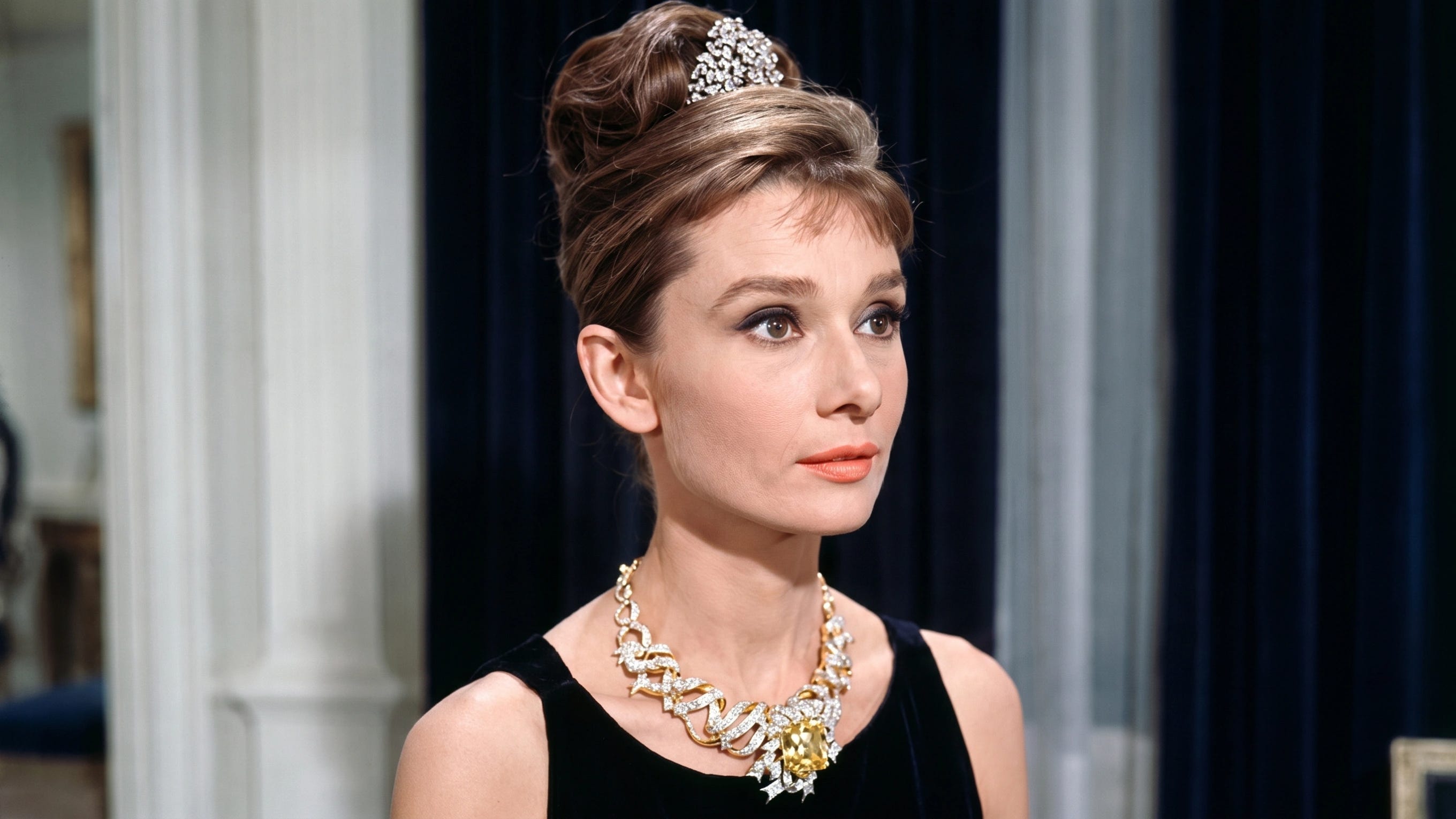
A 287-carat rough yellow diamond came out of the Kimberley mines, Charles bought it in 1878 for $18,000, and George Frederick Kunz cut it into a 128.54-carat cushion engineered to throw fire under gaslight.
In the 144 years since, four women have worn it in public and the company sold it to none of them.
Mary Whitehouse had it at the 1957 Tiffany Ball in Newport. Audrey Hepburn wore it for the 1961 publicity around Breakfast at Tiffany’s. Lady Gaga took it to the 2019 Academy Awards. And Beyonce carried it in the About Love campaign in 2021, the first Black woman permitted near the stone.
Charles Lewis Tiffany died in February 1902 at 90, leaving an estate valued near $35 million (equal to over $1 billion today). Harriet had died in 1897, having watched him bury two infant sons and turn a stationery counter into a palace, without a single public utterance of hers preserved anywhere in the company’s archives.
The store now passed to a son who wanted nothing to do with selling jewelry and everything to do with glass.
The Glass and The Grief
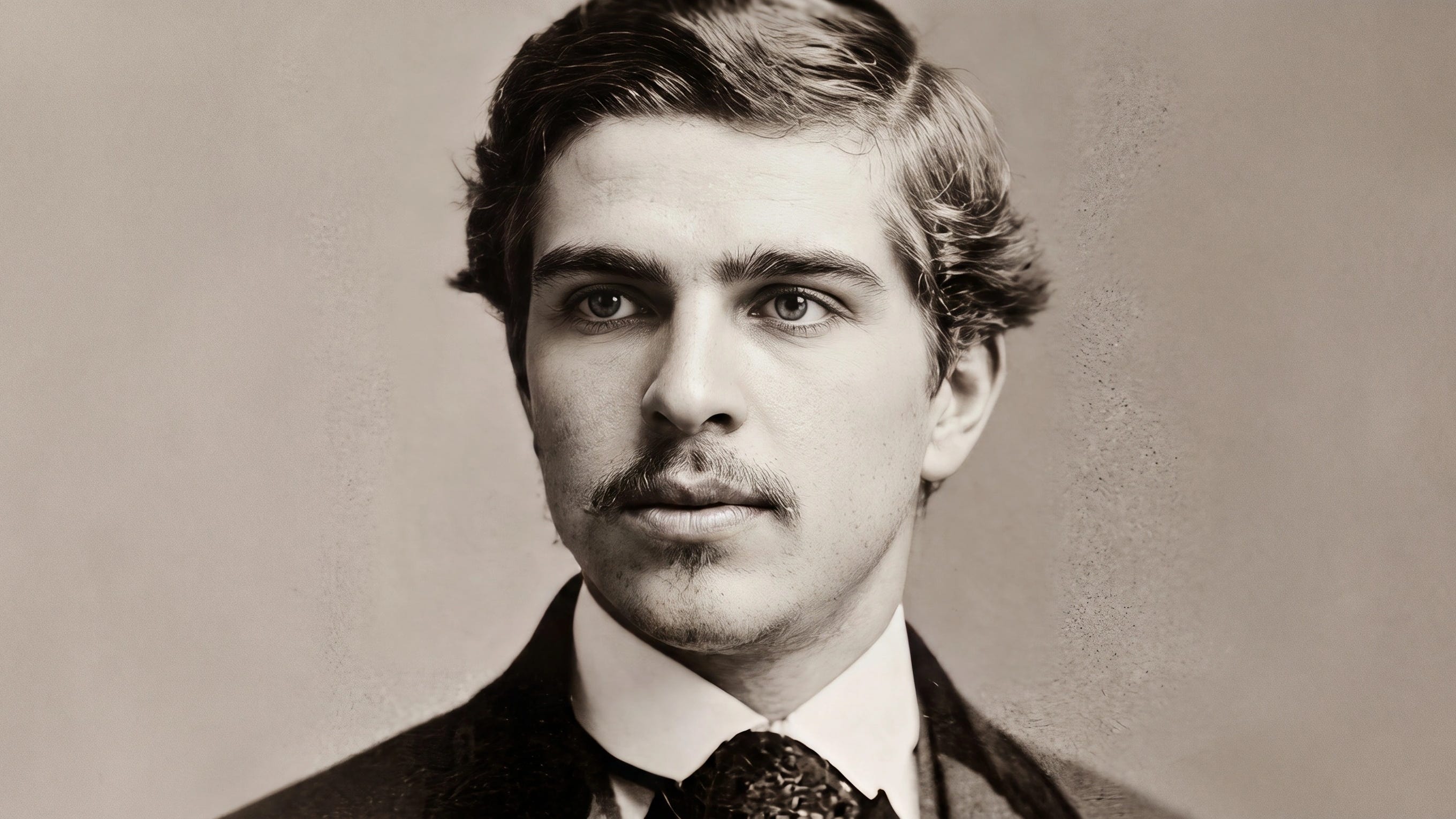
The store passed to a son who wanted nothing to do with selling jewelry and everything to do with glass.
Louis Comfort Tiffany had studied painting under George Inness, trained in Paris, and by roughly 1875 had taught himself the chemistry of color and iridescence inside Brooklyn glass houses.
But he didn’t want the retail counter. He wanted to make surfaces that held light the way a painting holds pigment.
His father tolerated this, mostly because the glass was extraordinary. Louis redecorated five state rooms of the White House for President Chester A. Arthur, won the grand prize and a chevalier’s rank in the Legion of Honor at the 1900 Paris exposition, and built Tiffany Studios into the most celebrated decorative arts workshop in America, all while the family jewelry business continued to sell diamonds downstairs.
Yet the art came at a cost the catalogs never printed.
His first wife, Mary Woodbridge Goddard, developed tuberculosis after bearing four children.
He took her repeatedly to St. Augustine hoping the warm air would slow the disease. It didn’t. Waiting out her illness, he picked up a camera and began photographing the light off the Florida coast, and what he learned about light in humid air went straight into the glass surfaces that made him famous. May died in January 1884 at 37, leaving him with three children under 11.
His second wife, Louise Wakeman Knox, bore four children in five years, beginning with twin daughters in 1887: Louise Comfort, called Comfort all her life, and Julia de Forest. The household called them the vanilla and strawberry twins. A third daughter died as a toddler.
The last child, born in 1891, was Dorothy Trimble Tiffany, a name that would matter more to psychoanalysis than to jewelry.
Louise died of cancer in May 1904, a year before Laurelton Hall, the 84-room mansion Louis was building on Long Island, was finished. He never married again.
By then Louis had fathered eight children across two marriages and buried two of them in infancy. The company that bore his family’s name was producing some of the most beautiful objects in America. The family producing the heirs was being decimated at roughly the same pace.
And the most celebrated work coming out of the studio wasn’t his.
The Woman They Called Tiffany's
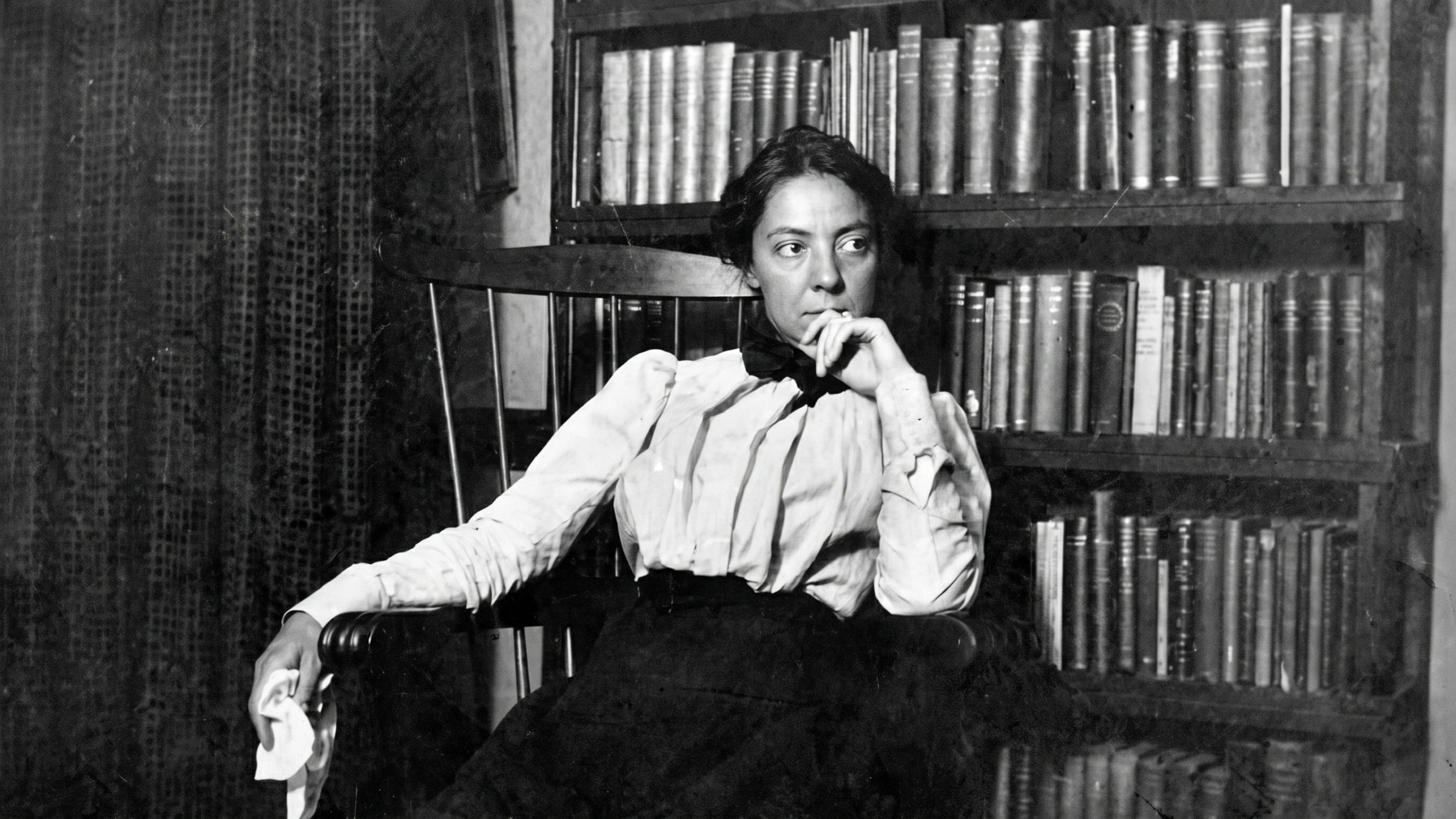
Clara Driscoll led the department of women cutters and designers known inside the firm as the Tiffany Girls.
Within this milieu, she designed some of the most iconic objects the company ever produced, including the Dragonfly lamp and the Peony.
By 1904 she was reportedly one of the highest-paid women in the world, and her name appeared on none of it.
Her authorship went unacknowledged for nearly a century. It surfaced only when historians found her letters, which described the creative process in detail that left no question about whose hand shaped the glass.
The lamps the world still calls Tiffany’s were designed by a woman the world was never told about.
And the irony deepened at home.
Louis Comfort Tiffany, the artist who’d defied every convention in color, form, and material, who’d turned his back on his father’s jewelry counter to pursue glass against the wishes of an entire industry, applied none of that rebellious spirit to his own daughters.
Julia and Comfort both attended the Brearley School. Both wanted to continue at Bryn Mawr. Their father refused categorically, holding that women of their generation shouldn’t pursue college and should be prepared instead for marriage and motherhood.
The twins engineered a workaround by auditing classes at Barnard without enrolling. Even that ended when Louis pulled them out of their coursework to accompany him up the Nile.
Julia declined to accept the terms. She married the architect Gurdon Saltonstall Parker in 1910, had two daughters, and then in 1919 she walked into a laboratory at Columbia University’s College of Physicians and Surgeons.
She spent the next five decades publishing research in bacteriology and microbiology, more than 60 papers under her own name, in fields almost entirely closed to women of her class. The Harvard Club’s own essay about her states plainly that she never received the recognition she deserved.
Clara Driscoll designed the lamps and received no credit.
Julia Tiffany conducted the science and received no recognition.
The pattern held across two generations and two entirely different kinds of brilliance: the work got done, the women disappeared from the record, and the name Tiffany floated above it all, attached to men who hadn’t done the work alone.
Dorothy, the youngest, left America entirely.
The Tiffany Buried Among Freuds
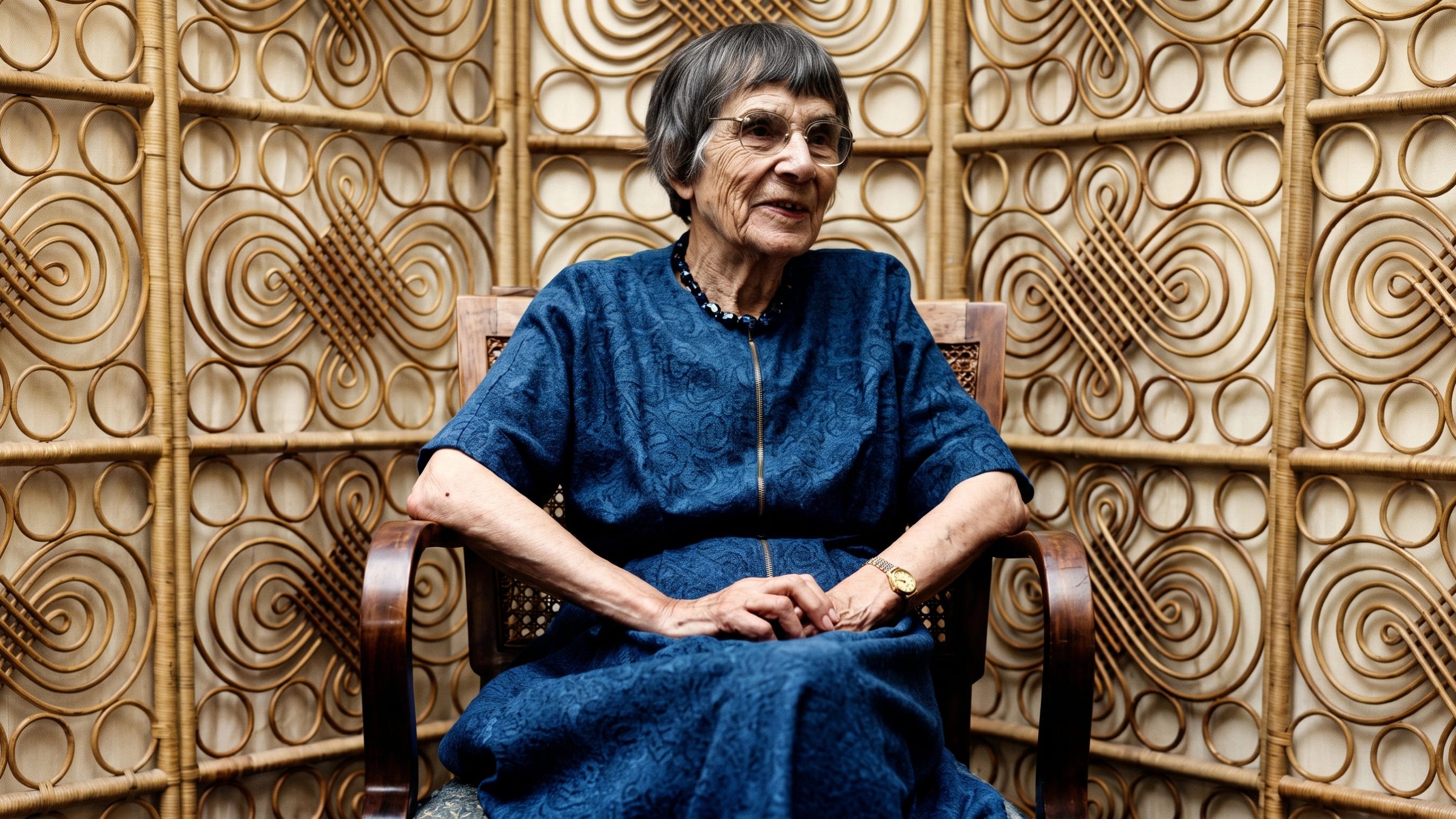
Dorothy Trimble Tiffany, the youngest of Louis’s children and the one least suited to the life her surname prescribed, married a surgical intern named Robert Burlingham in 1914.
The marriage unraveled almost immediately. Burlingham’s mental health deteriorated year by year, and by 1921 Dorothy had separated from him, taken three children, and was bearing a fourth.
She was 30, a daughter of one of the richest families in America, and raising four children alone.
Then her son Bob developed a psychosomatic skin disorder severe enough to send her looking for answers outside conventional medicine, and the search carried her all the way to Vienna and into the consulting room of Sigmund Freud.
She entered analysis with Freud himself.
Through him met his youngest daughter Anna, and what started as a clinical arrangement turned into something nobody in either household had anticipated. The Burlinghams moved into the Freuds’ apartment building in 1929. Anna became, for all practical purposes, a second mother to Dorothy’s children.
The two women bought a cottage together at Hochroterd, and from that point forward they lived, worked, and built institutions as a partnership that would last 44 years.
Elisabeth Young-Bruehl’s biography documents the relationship as an intimate lifelong bond while concluding that the question of its sexual nature is, in her own word, unanswerable. What is beyond dispute is that they chose to be buried together.
Back in New York, everything Dorothy had left behind was collapsing.
The Last Tiffany
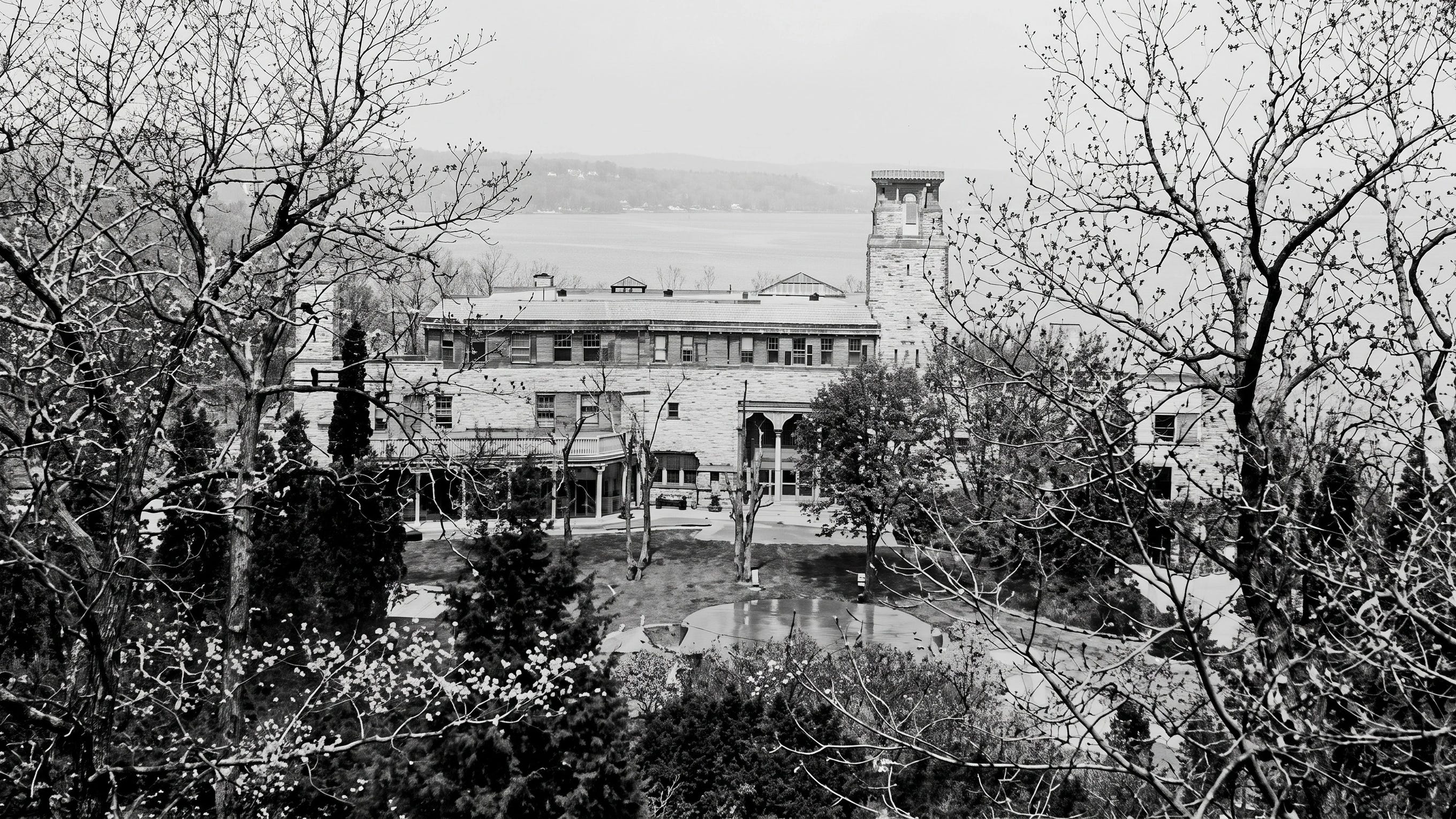
Louis Comfort Tiffany died of pneumonia in January 1933 at 84. Tiffany Studios had filed for bankruptcy the year before. Laurelton Hall, the 84-room monument he’d spent $2 million building, was sold by his foundation in 1949 for $10,000, roughly the price of the greenhouse.
The buyers shut off the heating. Vandals came through. The art that remained inside was left to the weather and whoever wandered in.
In January 1957 the house burned to the ground.
Comfort, one half of the vanilla and strawberry twins, was roughly 70 when someone contacted her about salvaging what remained.
The woman whose education her father had personally blocked was now the person deciding what survived of his masterwork.
She helped rescue fragments of the column arcade, a leaded glass panel of Oyster Bay framed by wisteria, and enough pieces to found the Charles Hosmer Morse Museum of American Art in Winter Park, Florida, today the largest collection of Louis’s surviving work anywhere.
Dorothy never came home for any of it.
In London, during the Blitz, she and Anna had opened the Hampstead War Nurseries, sheltering children bombed out of their homes and studying what happened to young minds separated from their parents under extreme stress.
Their research produced two co-authored books that helped establish the foundation of modern attachment theory. In 1951 they founded the clinic later renamed the Anna Freud Centre, still operating today.
She'd fled her own family… and spent four decades studying how other families break and how children survive the breaking.
In 1938, Robert Burlingham, the husband she’d left 17 years earlier, jumped from a 14th-floor window.
In July 1974, her daughter Mabbie took her own life inside the Hampstead house where Dorothy and Anna had spent decades treating other people’s children.
Four decades of research into how trauma passes between generations, and it arrived inside her own home through the same door she carried her notebooks through every morning.
Dorothy Tiffany Burlingham died in London in November 1979 at 88. Her ashes were placed in the Freud Corner at Golders Green, beside Anna and Sigmund Freud, not with her father and grandfather in Brooklyn.
Her grandson titled his biography of her The Last Tiffany.
But the name on the blue box had already belonged to strangers for years.
What The Blue Box Became
The company that Charles Lewis Tiffany built and Louis Comfort Tiffany declined to run had stopped being a family concern well before the last Tiffany died.
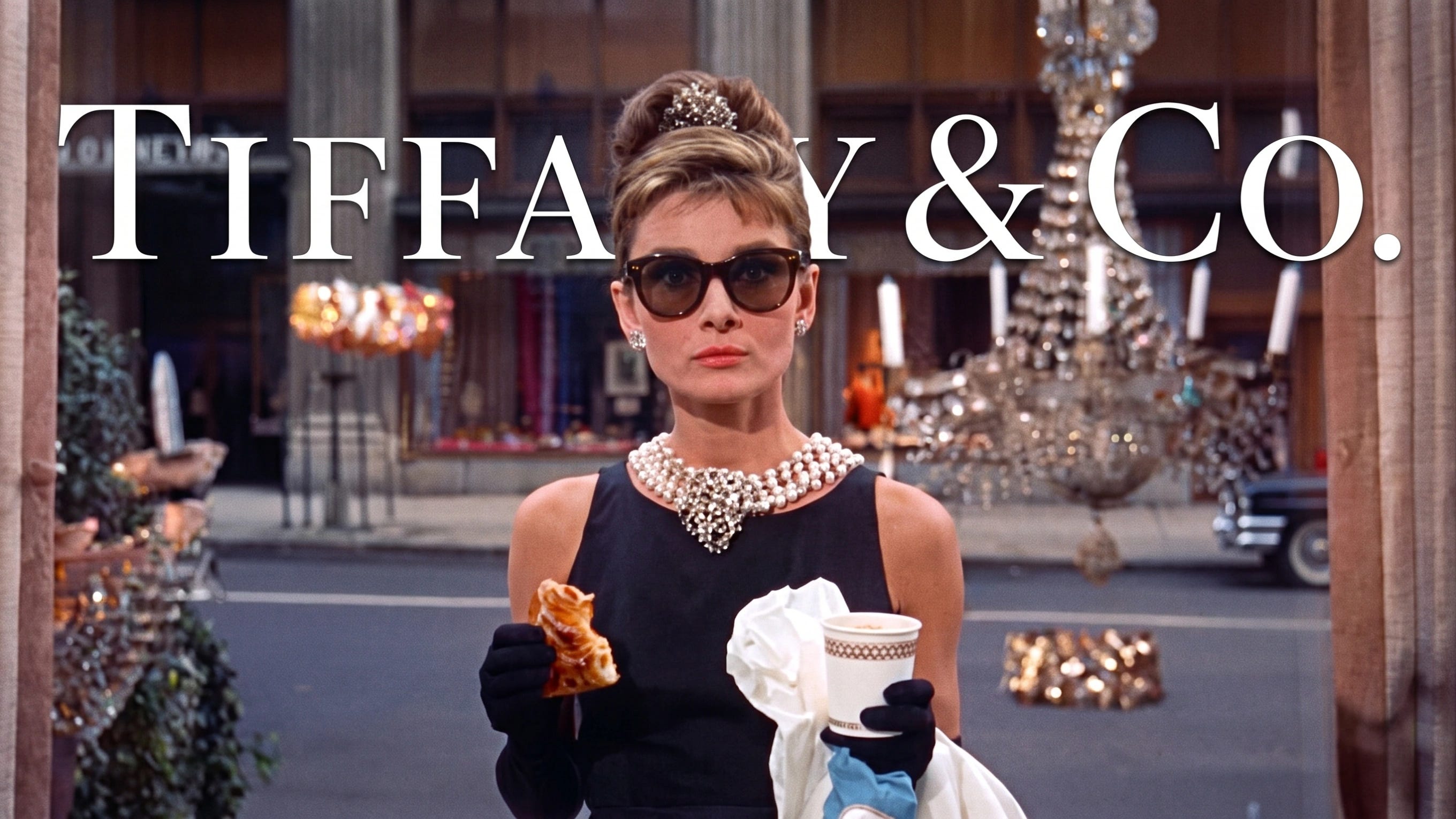
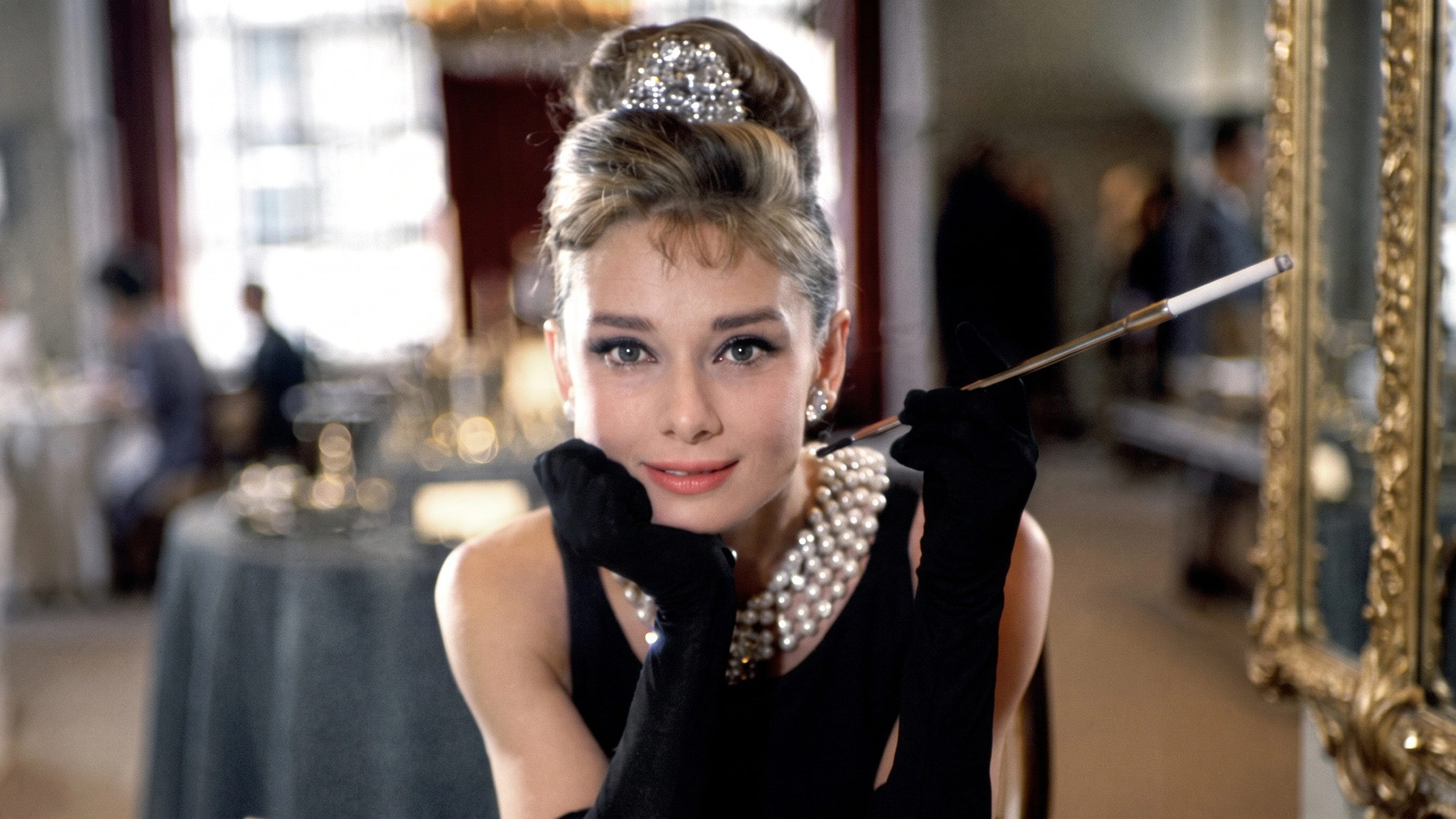
In 1961, Audrey Hepburn stood outside the Fifth Avenue store eating a pastry in the opening shot of Breakfast at Tiffany’s, and the blue box completed a transformation that had nothing to do with anyone named Tiffany.
The store became a feeling: aspirational, romantic, accessible in fantasy if not in price. Holly Golightly told the audience that nothing very bad could happen to you at Tiffany’s, and the line embedded the brand in American emotional life more permanently than any diamond setting or sterling standard ever had.
No Tiffany family member had approved the screenplay or appeared in the credits.
The family’s name was now public property, attached to a mood rather than a lineage, and the mood was worth more.
Avon Products bought the company in 1978, and after another sale six years later, Tiffany returned to the public markets in 1987.
By then, whatever remained of the family business existed almost entirely in the name.
Its final transfer came in 2021, when LVMH acquired Tiffany after a brief and unusually public fight over the price. The blue box passed to Bernard Arnault’s luxury empire, alongside Louis Vuitton, Dior, Moët & Chandon, Hennessy and dozens of other houses.
The Tiffanys themselves had spent generations receding from the thing that carried their name, while the brand grew larger, cleaner and more romantic in their absence.
Along the way, much of the messier family history disappeared with them. Harriet became little more than the mother of Charles’s children. Clara Driscoll’s designs spent decades attributed to Louis. Julia and Comfort survived mostly as footnotes to the more famous men around them.
What remained was the version of Tiffany that required none of them: the Fifth Avenue windows, the diamonds, the blue box, and a last name detached almost completely from the people who once carried it.
A fascinating read. No, I knew very little of this history. All those beautiful pieces of glass and no glory—how sad
What an excellent write-up, the backstory behind the iconic brands is fascinating both in incredible achievement but also great tragedy. I knew very little of this before reading this story. Thank you so much.