
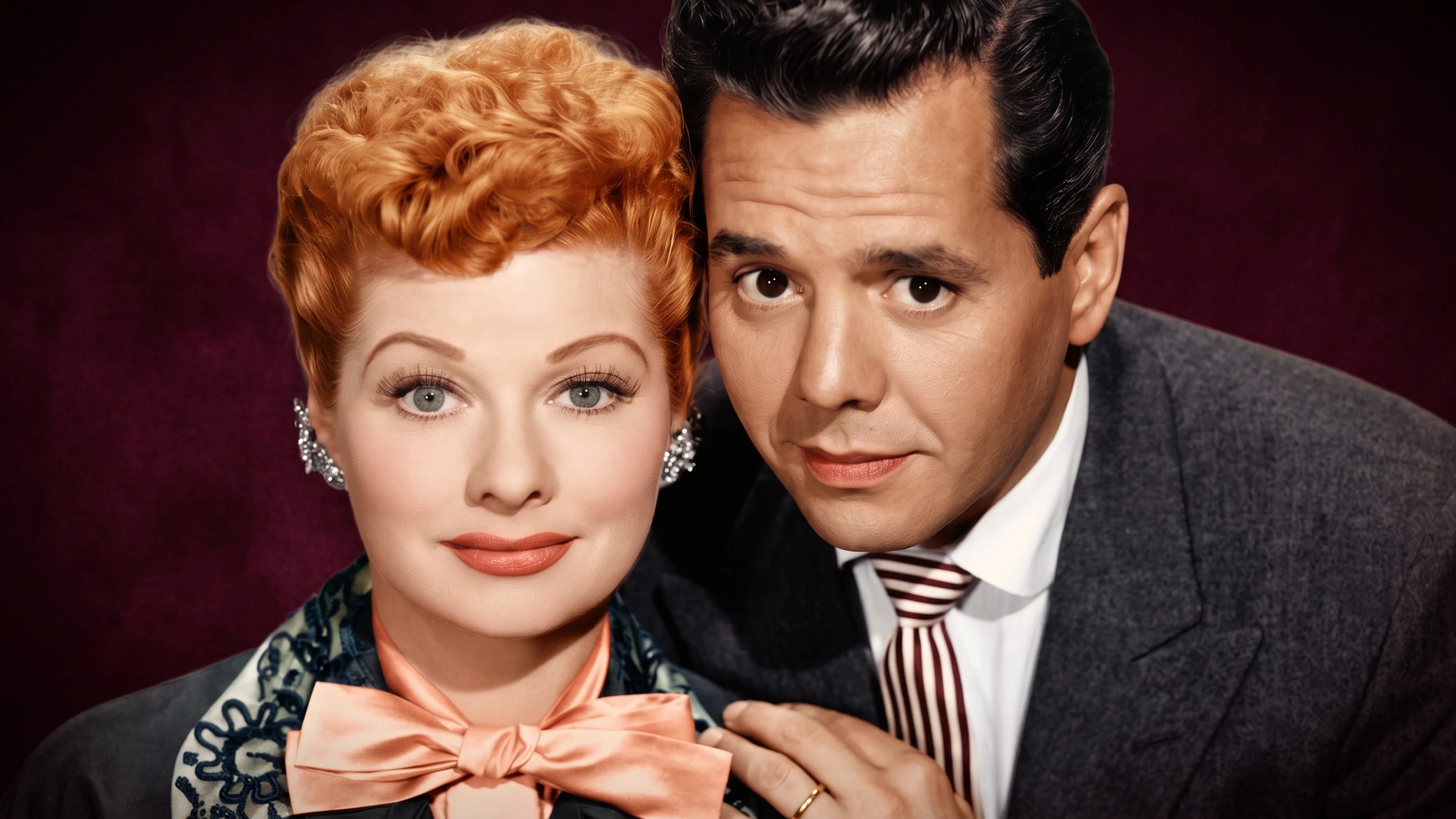
The romance began with a ring bought at a Woolworth’s counter because the groom forgot to bring one, and it ended two decades later with the equivalent of $160 million today.
There were two children old enough to remember the final conversation “word for word,” and a woman who summarized the last five years of her own marriage, in her own divorce papers, with two words:
“Booze and broads.”
In between was I Love Lucy, the most-watched comedy in America.
Every Monday night for six seasons, forty million Americans tuned in to watch the Ricardos bicker and make up before the credits rolled. The network wouldn’t even let them share a bed on camera.
What was happening off camera, between the two people actually living inside that marriage, was something the show’s sponsors would have paid any amount of money to keep the public from finding out.
The Bandleader and the Contract Player
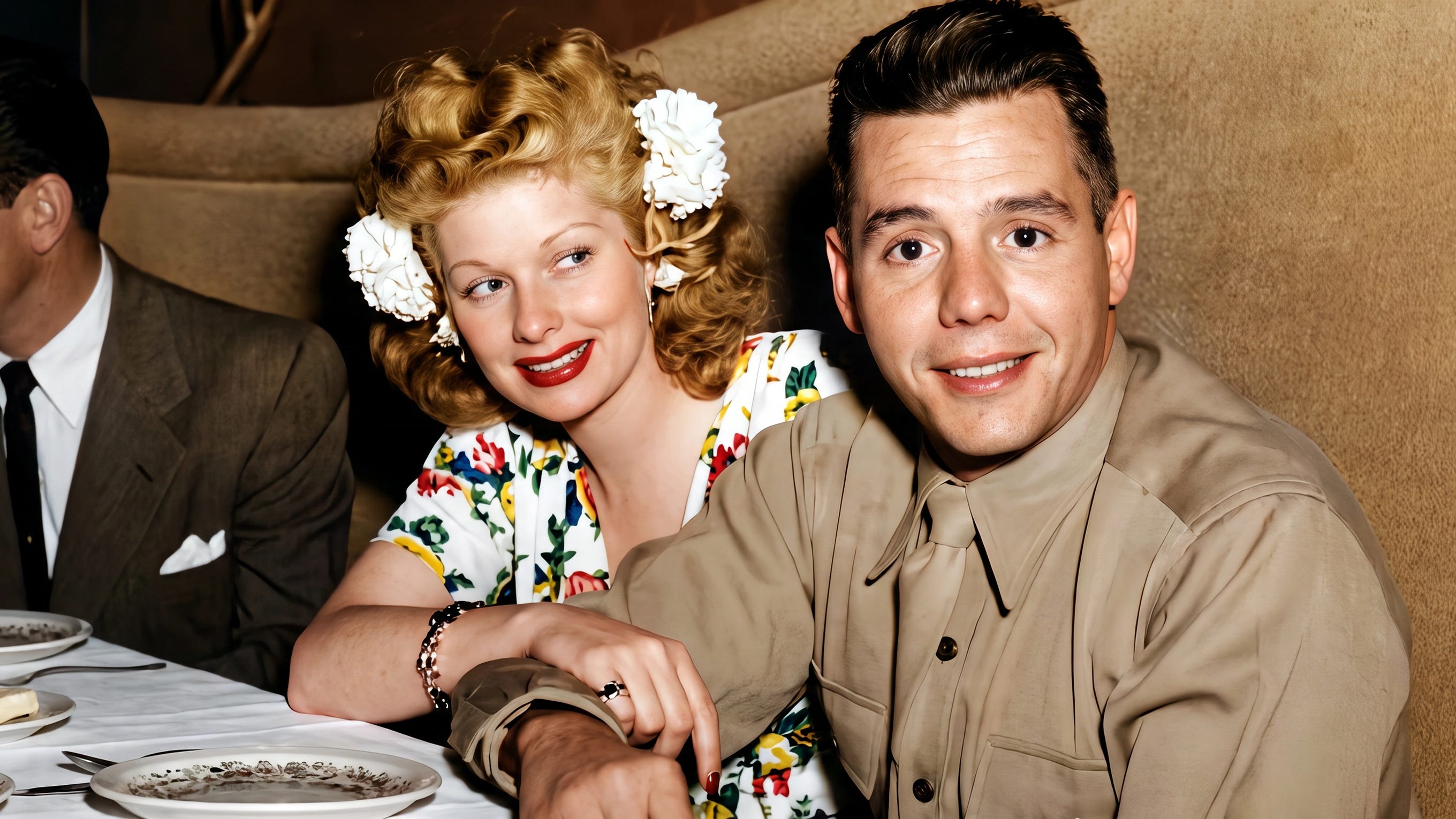
Before she was “Lucy,” Lucille Désirée Ball was born on August 6, 1911, in Jamestown, New York, to Henry Durrell Ball, a Bell Telephone lineman, and Désirée “DeDe” Ball.
Her father died of typhoid fever when she was only three, and her mother later remarried and left young Lucy and her brother to be raised largely by grandparents in nearby Celoron. It was her eccentric, theater-loving grandfather who took the family to vaudeville shows and encouraged Lucy to act out plays in the family’s front parlor, an early, unglamorous rehearsal for the physical comedy that would define her career decades later.
At fifteen, she talked her mother into letting her move to New York to study drama, only to be told by her instructors after a single term that she lacked “the special qualities” to become an actress.
She spent the next several years getting fired from four different Broadway chorus lines under the stage name Diane Belmont. It was a string of failures that would have ended most people’s ambitions, but it instead hardened Ball’s stubborn refusal to be counted out, the same grit that later let her fight studio executives for creative and financial control of her own show.
That grit eventually carried her from Broadway’s rejects to a steady, if unspectacular, career as a Hollywood contract player, the perch she still held when a chance film assignment put her in the same room as a young Cuban bandleader in 1940.
Desi Arnaz was twenty-three, engaged to another woman, and already trailing a reputation when he met Lucille Ball on the set of the RKO musical Too Many Girls that year.
Ball was twenty-eight, a seasoned studio contract player whose career had never quite caught fire despite years of grinding work in Hollywood, including a stretch as a Goldwyn Girl and small parts in films like Top Hat and Roman Scandals.
Arnaz, born Desiderio Alberto Arnaz y de Acha III, had fled Cuba with his family in 1933 after the revolution that toppled his father’s political career and stripped them of their wealth.
As a teenager in Miami, he cleaned canary cages for a quarter apiece and laid tile to survive, the kind of relentless hustle that later made him one of the shrewdest businessmen in Hollywood, building Desilu into a production empire that would eventually buy RKO itself.
That same instability cut both ways: having watched his family’s fortune vanish overnight to a mob, Arnaz carried a lifelong restlessness and anxiety about security that friends later linked to the drinking and womanizing that would strain his marriage.
He’d rebuilt himself in Miami and then New York as a rumba bandleader with what Ball herself described as “a trail of broken hearts from Times Square to Sunset Boulevard to East Hampton.”
Indeed, his signature showmanship had itself been born of crisis: when a Miami Beach nightclub crowd sat unmoved by his band, Arnaz improvised a simple “One, two, three, kick” rhythm from Cuban house parties on the spot, igniting the conga-line craze that made him a star. It was proof of the quick, crisis-born inventiveness that would later save countless episodes of I Love Lucy on tight deadlines.
Their chemistry on set was immediate and, by every account from the people working around them, alarming to watch.
Co-star Eddie Bracken told People that “you could tell the sparks were flying with Lucy,” and the entire crew made bets on how long the relationship would last once filming wrapped. Ball gave it six weeks. Her friend, the actress Maureen O’Hara, urged her to marry him anyway.
The proposal came less out of romance than damage control.
After filming wrapped, Arnaz went back on tour and reconnected with a former lover, the pin-up star Betty Grable. When Ball found out, she reportedly stormed into the apartment Arnaz shared with his mother and called him a “Cuban son of a [expletive]” to his face.
His response was to propose on the spot, on the theory, as one biography put it, that marriage would “resolve their difficulties.” It resolved nothing. It simply moved the difficulties into a legal contract.
They eloped on November 30, 1940, driving to Greenwich, Connecticut, with Arnaz’s business manager at the wheel. Arnaz had forgotten to buy a ring, so the manager was dispatched to a nearby Woolworth’s and came back with a cheap brass band. Ball kept that ring in her jewelry case for the rest of her life, sitting among the diamonds and emeralds she later accumulated, almost as a private joke about how the whole thing had actually begun.
Biographer Warren G. Harris later wrote that infidelity was practically inherited behavior in the Arnaz family. Desi’s father and grandfather had both kept mistresses openly, and Arnaz himself had “a taste for” escorts from the earliest days of his adulthood.
Ball wouldn’t have to wait long to find that out for herself.
The First Divorce That Didn’t Take
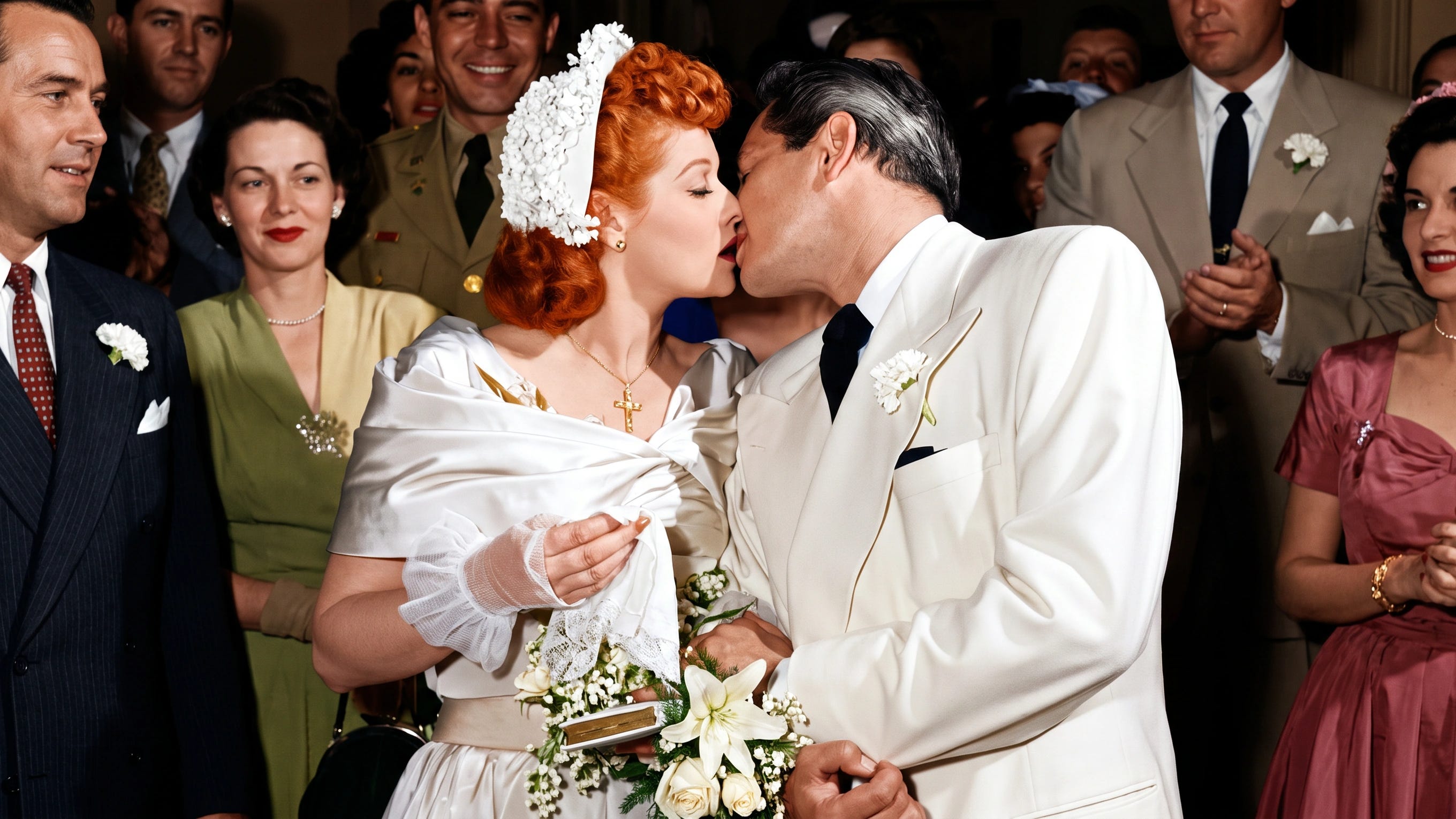
The marriage nearly ended before it ever became famous.
By 1944, less than four years in, Ball and Arnaz were living separately while he served as a staff sergeant in the Army Medical Corps at a base near Van Nuys. Ball had heard enough from mutual friends and studio insiders to file for divorce that October, telling Judge Stanley Mosk that her husband had turned her into “a nervous wreck,” a euphemism that covered years of jealousy, drinking, and suspected affairs. Privately she was far less diplomatic, telling one friend that, during his posting:
Arnaz “was screwing everybody at Birmingham Hospital”
Then, in a pattern that would repeat itself for the next sixteen years, she dropped the case entirely.
A reporter covering the courthouse that day wrote that “she walked out of court into Arnaz’s arms,” and it looked, from the outside, like a genuine reconciliation.
But nothing about Arnaz’s behavior changed afterward.
On one occasion documented by multiple biographers, he came home so drunk that he climbed into bed with a houseguest, a friend of Ball’s mother who was in her seventies, mistaking the room in the dark.
By 1955, the tabloid Confidential ran a story headlined “Does Desi Really Love Lucy?” that described, in the coded language of the era, Arnaz’s use of escort services at the Beverly Hills Hotel, referencing a “door-to-door dame service” and a specific tryst with a woman it called “cuddle-for-cash babe” Mindy.
Ball’s own publicist, Charles Pomerantz, brought her an advance copy during a rehearsal day. She disappeared into her dressing room while the entire set stood frozen.
When she finally came out, she tossed the magazine back toward Arnaz and said, “Oh, hell, I could tell them worse than that.”
Less a denial than a confirmation that the tabloids hadn’t even found the worst of it.
The Show That Was Supposed to Save Them
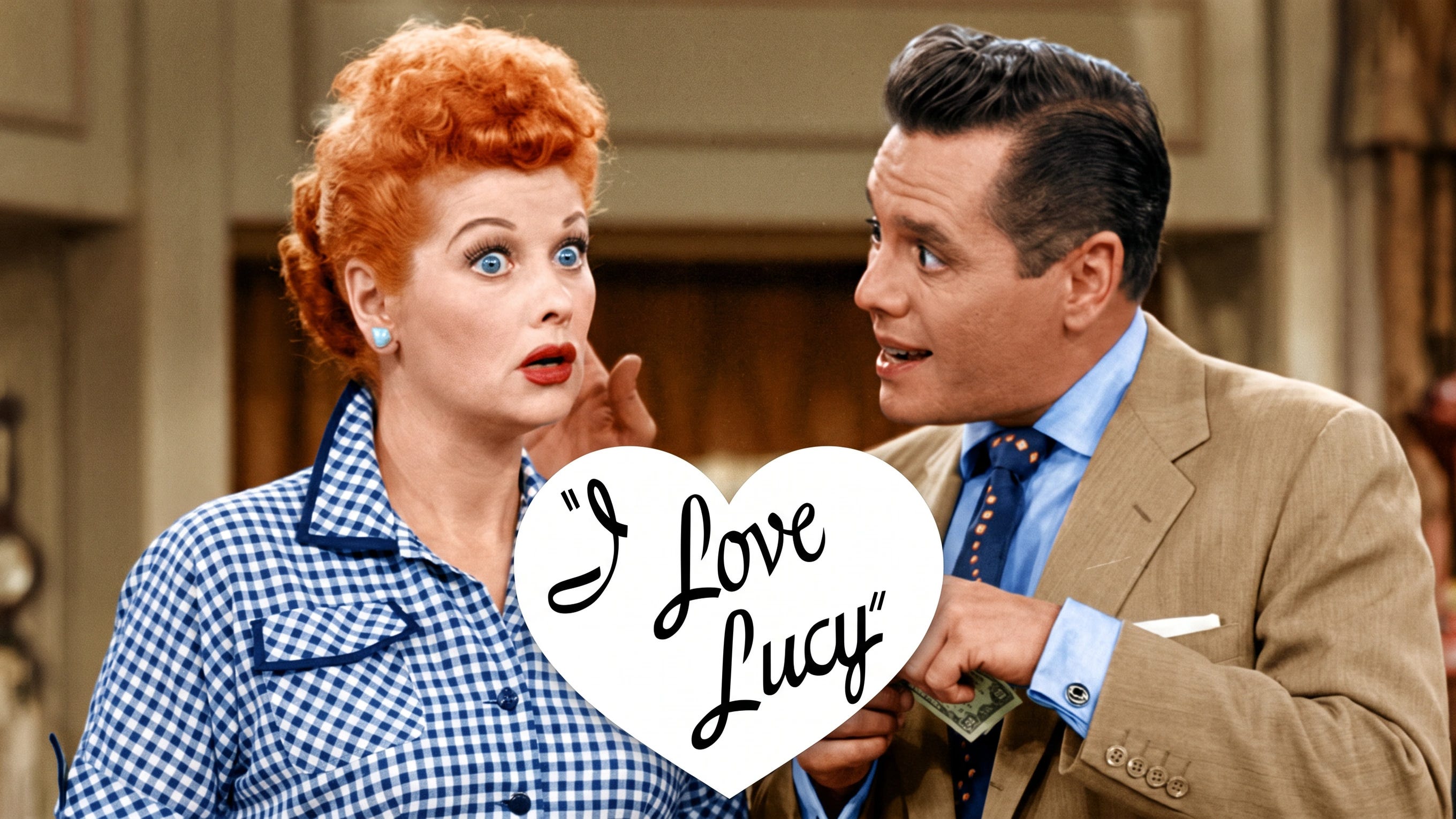
I Love Lucy wasn’t born out of creative ambition so much as marital desperation.
By their eleventh year together, Ball had decided the only realistic way to keep the marriage alive was to keep Arnaz physically close, which meant getting him off the road and onto a soundstage where she could watch him. The couple had already spent nearly $30,000 on telegrams and long-distance calls trying to stay connected across competing schedules, and it wasn’t working.
CBS wanted to adapt Ball’s radio hit My Favorite Husband for television but refused to cast Arnaz as the husband, worried that American audiences wouldn’t accept his accent in a leading role.
Longtime writer Bob Weiskopf summarized the network’s skepticism:
“What the hell do we want with a Latin bandleader who can’t speak English?”
Ball pushed anyway, for a reason that had nothing to do with comic chemistry. As Weiskopf put it years later, she knew that if Arnaz went back out on the road without her, he’d be “catting around all the time.” The show was as much a leash as it was a career move.
It premiered on October 15, 1951, and ran for 180 episodes, becoming the number one show in America for four consecutive years. Ball and Arnaz co-founded Desilu Productions to produce it, building what became one of the first fully independent television production companies in Hollywood.
Ball gave birth to their daughter Lucie that July, and two years later became one of the first pregnant women ever depicted on primetime American television, in an era when the network wouldn’t allow the word “pregnant” to be spoken aloud.
Her son, Desi Jr., was born on January 19, 1953, the exact same day her character gave birth on the show, a coincidence that generated more national press than any presidential inauguration that year.
Even the naming of their firstborn wasn’t fully in Ball’s hands. She’d planned to call a daughter Susan and had signed affectionate letters to Arnaz throughout her pregnancies as “Susan and Desi Jr.” When their daughter was born by cesarean, Ball asked to see her baby, and the nurse said, “You mean Lucie?”
Arnaz had already filled out the birth certificate himself, naming the child without consulting his wife at all.
Ball was startled but let it stand. It was a small preview of a much larger pattern: Arnaz making decisions inside the marriage first and informing his wife second.
The biggest comedy in America was now being produced by two people whose real marriage, behind the soundstage door, was producing material no network would have ever agreed to air.
Booze and Broads
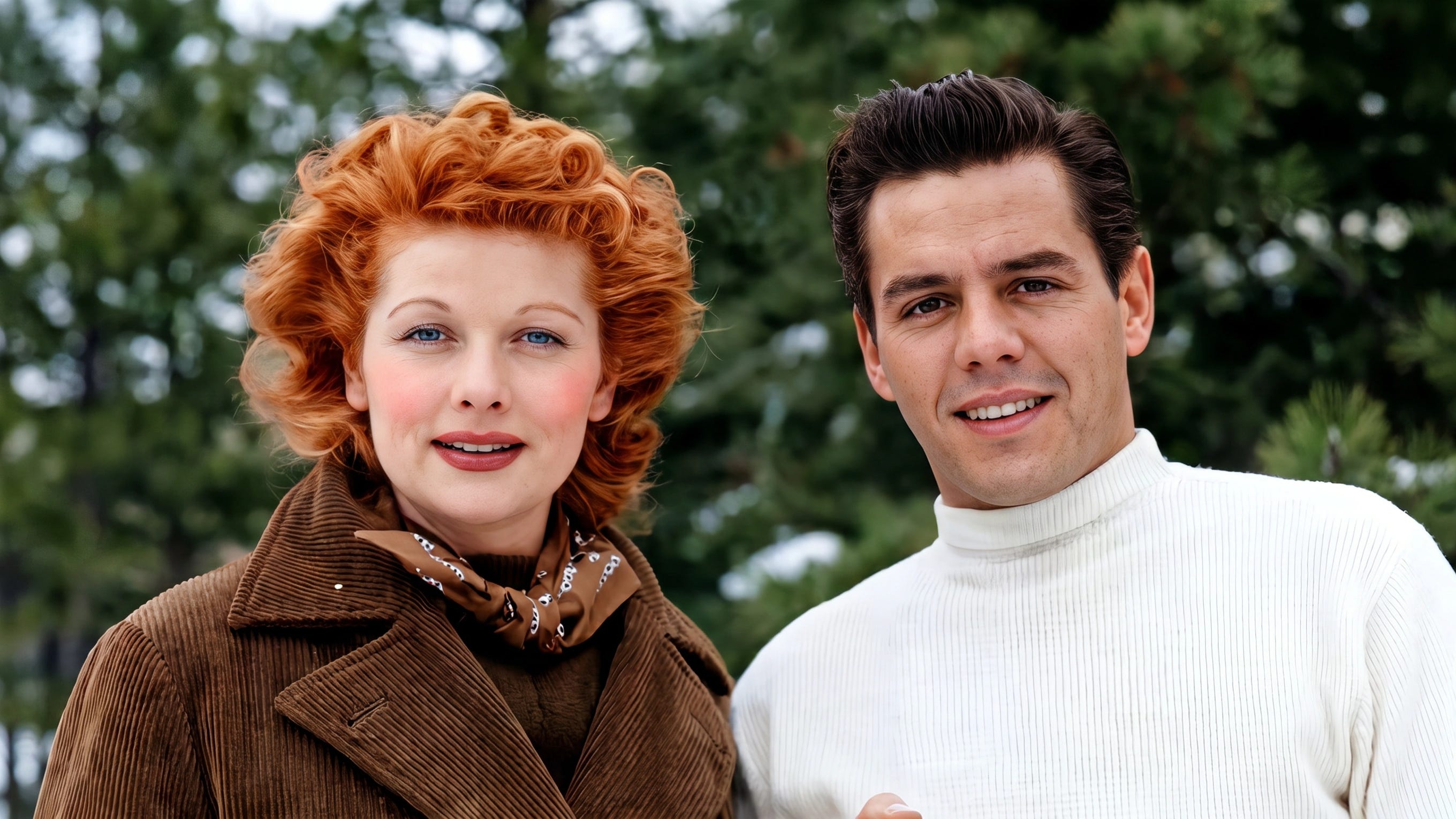
Author Bart Andrews, who interviewed Ball directly for several books about the couple, told People that by 1956 the marriage had become a shell kept alive only for the children’s sake.
“She told me that for the last five years of their marriage, it was ‘just booze and broads.’ That was in her divorce papers, as a matter of fact,” Andrews said.
Ball herself described the slow deterioration to The Christian Science Monitor in 1984, saying she and Arnaz had been “so much in love” at the start and that she’d watched it all “disintegrate,” adding, “drinking is so destructive, but it was his life.”
When the weekends came, according to People’s retrospective reporting, Arnaz would head out on his boat “with his latest hot tamale,” a habit that was an open secret among the show’s crew.
The fourteen-hour production days that built Desilu into an empire were followed, almost without exception, by nights that undid whatever stability the work had briefly provided.
Their daughter Lucie confirmed the atmosphere decades later in Closer Weekly.
“They were fighting all the time when we were growing up. There was a lot of anger and screaming.”
Indeed, Lucie described a home life that bore no resemblance to the sitcom bedroom next door. She drew one line clearly: there was no physical abuse directed at the children. But she was direct about the substance underneath: there was “alcoholism” in the house, and “we did go through some pretty hard stuff and that’s why my parents didn’t stay together.”
During one blowup recounted in several biographies, Ball reportedly aimed a gun at Arnaz’s head and… pulled the trigger.
The gun turned out to be a gag lighter that produced a small flame instead of a bullet, but the two children living inside that household weren’t laughing, and neither was anyone else who saw it happen.
What the Children Saw
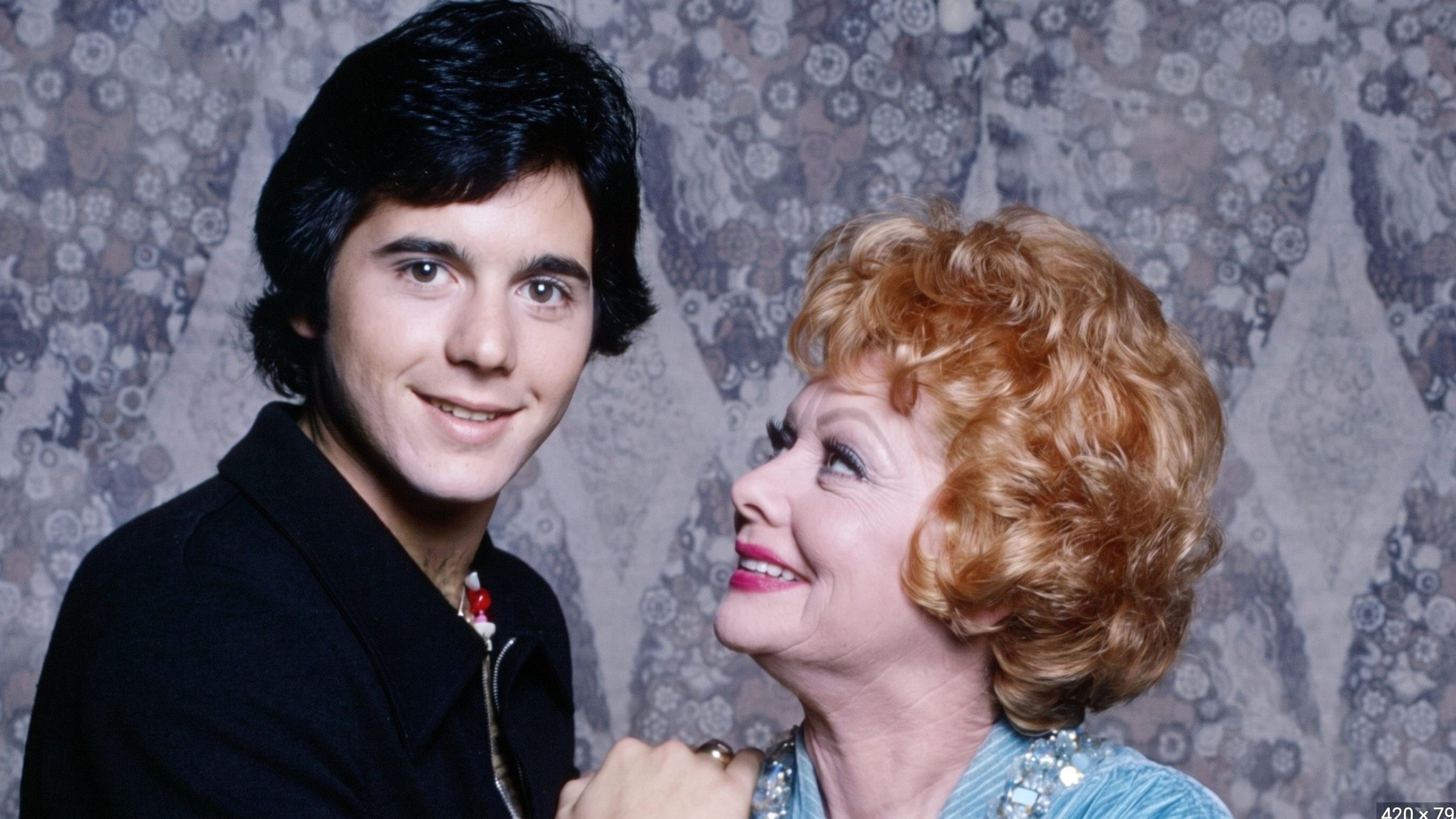
Desi Jr., reflecting decades later on the day his parents finally sat him and his sister down to explain the marriage was over, remembered it with a precision that suggests how deeply the moment cut.
“It wasn’t beneficial for anyone. We’ll remember when [they] sat us down and said, ‘Look, you know, things aren’t working.’ I can recall it word for word,” he told Todd Purdum for his biography of the family.
Lucie has spent much of her adult life reframing her father’s infidelities, drawing a line between what he did and what the word “affair” usually implies.
“They weren’t affairs, they were transactional,” she said in one widely circulated interview, describing his conduct as closer to paid arrangements than romantic betrayal. Whether that distinction changes the moral weight, or simply reclassifies the behavior into a category the children could carry more easily, is a question she’s never fully answered.
What both children have said publicly, across decades of separate interviews, is that the fighting was real, the alcohol was real, and the divorce was the healthiest outcome available. Lucie’s formulation in Closer Weekly has been quoted in nearly every retrospective since:
“They had a great divorce. They had a very successful divorce. It was fantastic… if their parents can’t get along and that happens, then kids should be so lucky to have a divorce like my mom and dad because they were kind. They never said bad words about each other and they stayed friends until the day they died.”
Behind the scenes, Ball’s publicists were fighting to keep the collapse out of the press, partly because many of the show’s sponsors were, in the words of one retrospective, “ultraconservative” companies deeply uncomfortable with scandal attached to their star vehicle. The announcement was timed to the production calendar: the split wasn’t made public until the final episode of the season had been filmed and locked. When word got out, fans were blindsided that “America’s ‘ideal couple’ was calling it quits.” Ball’s court testimony offered the line that has defined the marriage ever since:
“It got so bad that I thought it would be better for us not to be together.”
The divorce was finalized in 1960, after twenty years and two children who’d spent their entire childhoods inside of it.
What happened to the empire they’d built together turned out to be a better story than the marriage had ever been.
The First Woman to Run a Studio
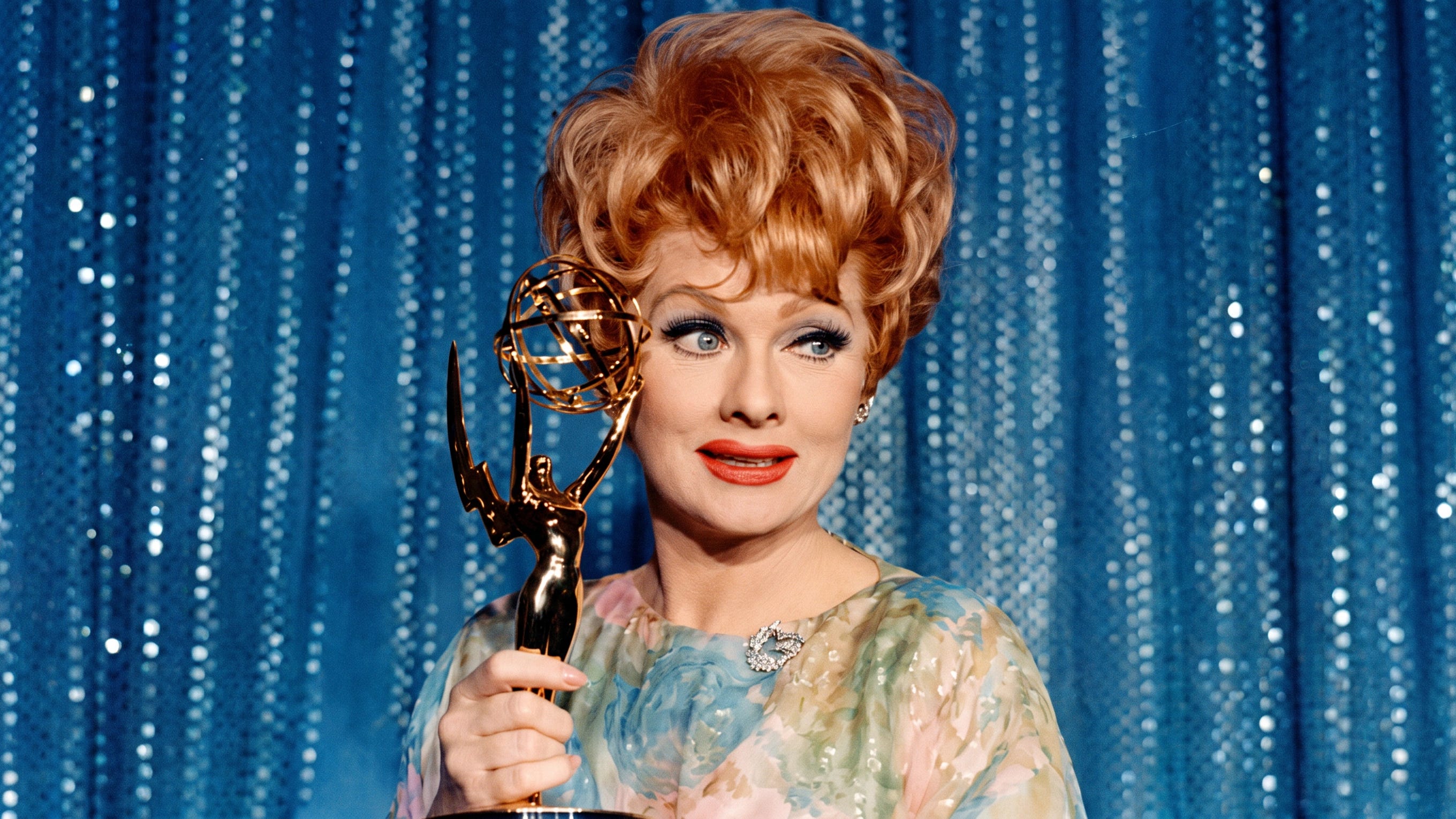
The marriage ended, but the business didn’t.
In 1962, with Arnaz worn down and wanting a quieter life away from the industry, he sold his Desilu shares back to Ball for a reported $2.5 to $3 million (equal to $25-$30 million today). That single transaction made Lucille Ball the first woman to serve as chief executive of a major Hollywood production studio, a milestone that gets far less attention than her comedic legacy but arguably reshaped the industry just as profoundly.
Under Lucy’s leadership, Desilu backed some of the most consequential programming of the decade, including Mission: Impossible and, most famously, the original Star Trek.
In fact, Ball personally green-lit Star Trek against the advice of executives who thought the concept was too strange and too expensive, a decision now widely regarded as one of the most prescient calls in television history, made by a woman the industry had spent decades dismissing as “just” a comedienne.
In 1967, she sold Desilu to Gulf+Western, the parent company of Paramount, for $17 million, roughly $150 to $160 million adjusted for inflation.
The bandleader she’d married with a brass ring from Woolworth’s had become almost incidental to the empire that marriage had accidentally built.
My Name Is Desi
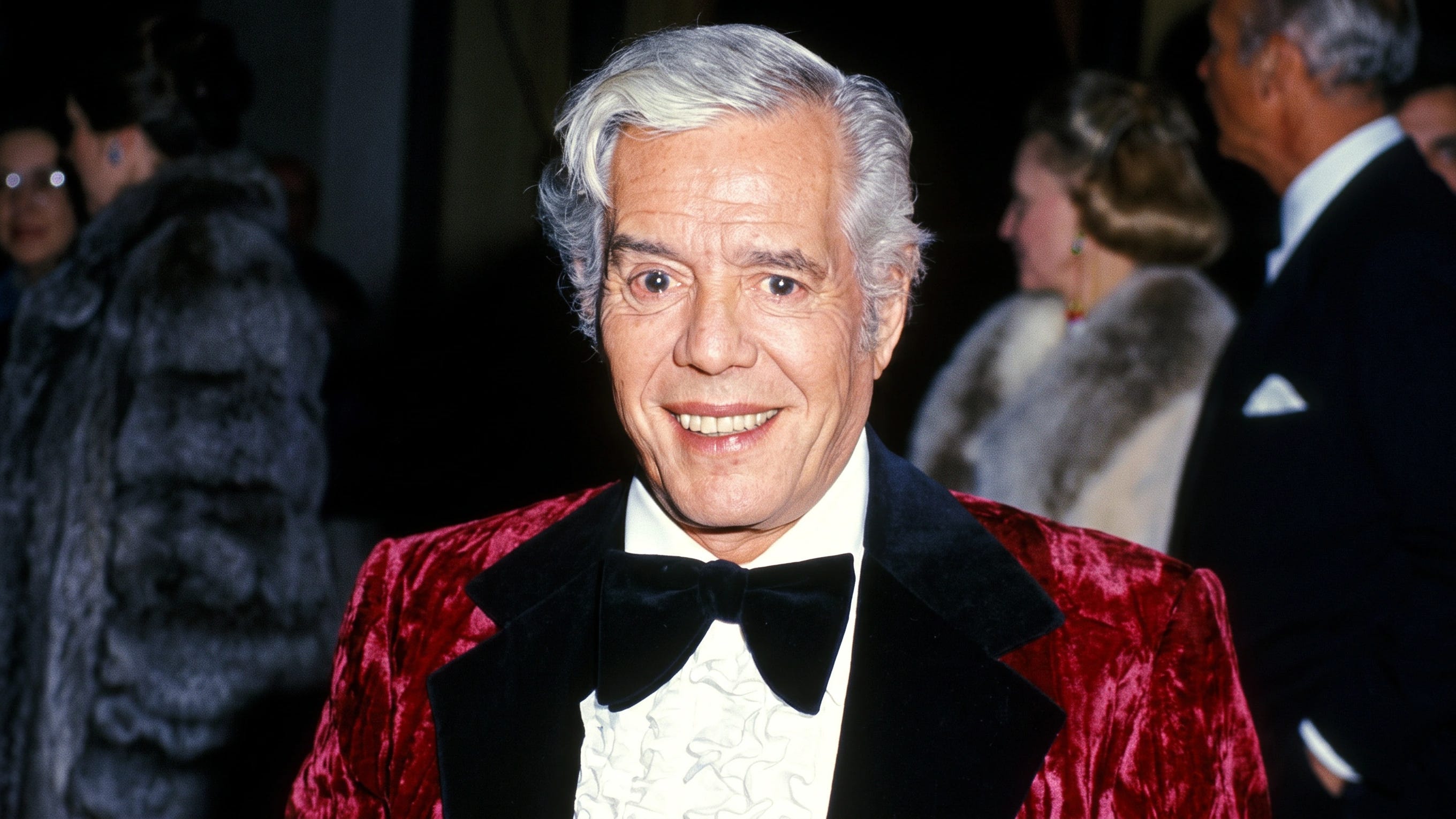
Both remarried within a few years of the divorce.
Ball married the comedian Gary Morton in 1961. Arnaz married Edith Mack Hirsch in 1963 and settled into something quieter. Neither remarriage fully erased the original bond. Director William Asher, who’d worked on I Love Lucy throughout its run, told People, “Maybe I’m the romantic, but there was a great, great love there, there really was. Desi was very unhappy about the breakup, and I think she was too. I don’t think either one of them ever got over it.”
Arnaz’s drinking, the single most corrosive force inside the first marriage, followed him regardless of who he was with. It wasn’t until after his second wife Edith died of cancer in March 1985 that he finally confronted the addiction directly, and even then only after his own son pushed him.
Lucie recounted the moment to People: Arnaz had resisted Alcoholics Anonymous for years, until Desi Jr. told him, “Come on, Dad, you can do this.” Lucie said she was sitting beside her father the day he stood up at a meeting and said,
“My name is Desi and I am an alcoholic.”
She’s called it the proudest moment of her entire life.
He didn’t have long to live inside that clarity. Arnaz died of lung cancer on December 2, 1986, at sixty-nine, less than two years after Edith’s death and roughly a year and a half into his sobriety.
Ball, who had stayed genuinely close to him despite everything, reportedly wept openly at his memorial mass, attending alongside Gary Morton in a scene attendees described as more raw than anyone expected from a woman famous for her comic composure.
She outlived him by a little more than two years. Ball died on April 26, 1989, at seventy-seven, from a ruptured aorta following heart surgery. Her estate was estimated at roughly $60 million (comfortably over $130 million today). His, at the time of his own death, had been around $20 million (the equivalent of over $40 million).
She’d kept the Woolworth’s ring the entire time, tucked in her jewelry case among diamonds and emeralds, from the day he’d slipped it on her finger in the back of a car in Connecticut until the day she died.
A great example of “can’t live with him, can’t live without him.”
One of the best shows ever. I still watch reruns sometimes. Lucy and Desi were a force to be reckoned with in Hollywood. Definitely ahead of their time. Desilu produced a whole roster of shows. Their personal lives weren’t perfect, but as business partners they were trail blazing. The personal stuff has been well known for decades, since the 50s, and well chronicled.