
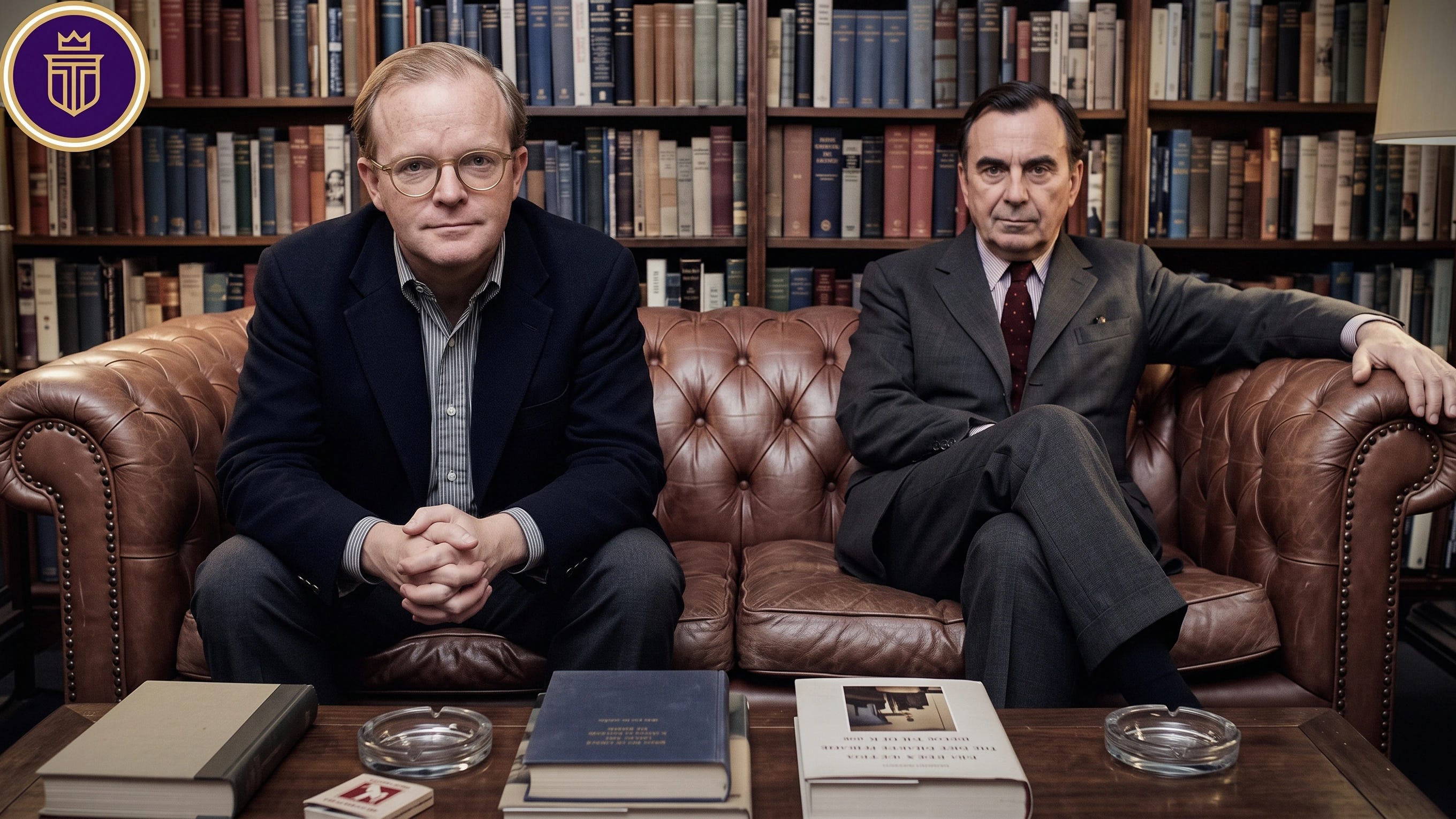
On a sweltering evening in late summer 1984, the novelist and television provocateur Gore Vidal sat at his villa in Ravello, perched on the cliffs high above Italy’s Amalfi Coast.
A call from his editor brought news from Los Angeles:
Truman Capote, Vidal’s nemesis of nearly four decades, was dead at 59. America’s wittiest man needed only three words to reply: “Good career move.”
The line was so cruel and so funny that it’s followed both men ever since.
Back in 1966, Capote had personally decided which senators, movie stars, and European princesses could walk into the party of the century, and his true crime masterpiece, In Cold Blood, was making him a fortune.
Nine years later, Capote was drinking heavily and still nursing a grudge from 1948, when the papers first pitted the two men against each other as rival prodigies. He told Playgirl magazine that the Kennedys threw a drunken Vidal out of the White House for insulting Jackie’s mother, and Vidal answered with a million-dollar libel suit.
But Capote’s whole defense rested on one witness: Jackie Kennedy’s sister, Lee Radziwill, who’d been one of his closest friends for years.
He swore she told him the story herself, and as a guest at the White House that night, she was the one person who could make it stick.
Then Capote unwittingly made her loyalty more important than ever.
Within months, he published a chapter of Answered Prayers, the society novel he’d been promising his publisher for years. It shamelessly spilled the secrets of Manhattan’s richest women while portraying Lee in a flattering light.
Nearly all of them cut him off, leaving Lee as the only one still on his side, or so Capote believed. The lawsuit dragged on for years, and his life fell apart around it.
Yet only a decade earlier, when Capote ruled New York society, anyone would have bet on him to crush Vidal.
The Little Notebook
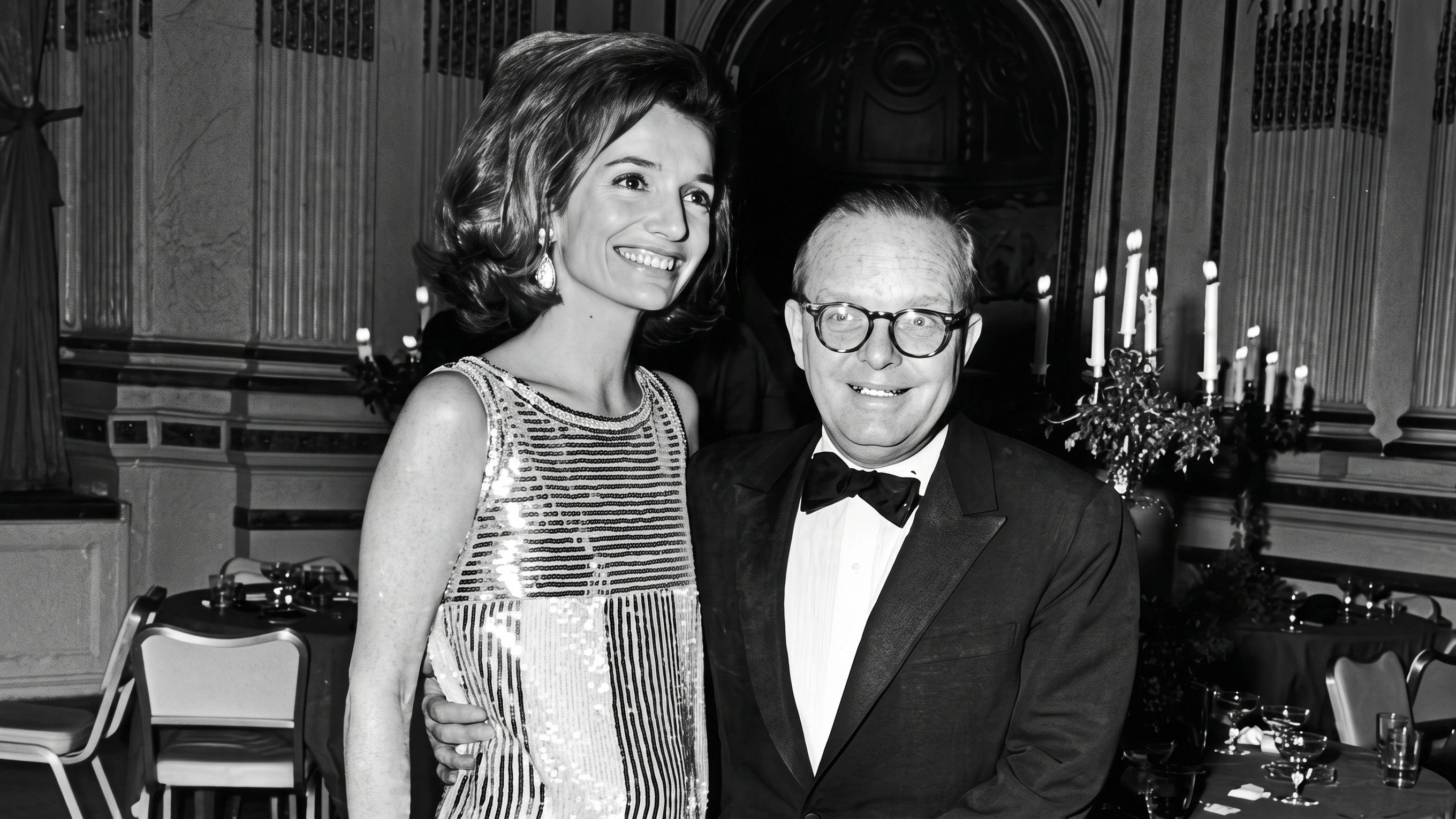
On the night of November 28, 1966, the most powerful people in America climbed the steps of New York’s Plaza Hotel wearing masks, all summoned by a small man from Alabama with a high, reedy voice.
It was the peak of Truman Capote’s power, and his fall from that staircase to a death in Los Angeles would run straight through his oldest rival, Gore Vidal.
For now, though, all Manhattan cared about was the guest list for his Black and White Ball. Capote kept it in a little notebook for months, adding names, crossing them out, and letting everyone know he alone decided who made the cut. Even the novelist Carson McCullers, one of his earliest supporters, didn’t get in.
In Cold Blood, his account of the murder of the Clutter family in Holcomb, Kansas, came out the same year and became an international sensation. Capote called it a “nonfiction novel,” and today’s true crime podcasts and streaming series trace straight back to it.
The crime writer Jack Olsen estimated the book made about $6 million in 1960s money, the equivalent of tens of millions today. Norman Mailer, never generous to rivals, called Capote “the most perfect writer of my generation” after Breakfast at Tiffany’s came out in 1958.
Yet his real power came from charm.
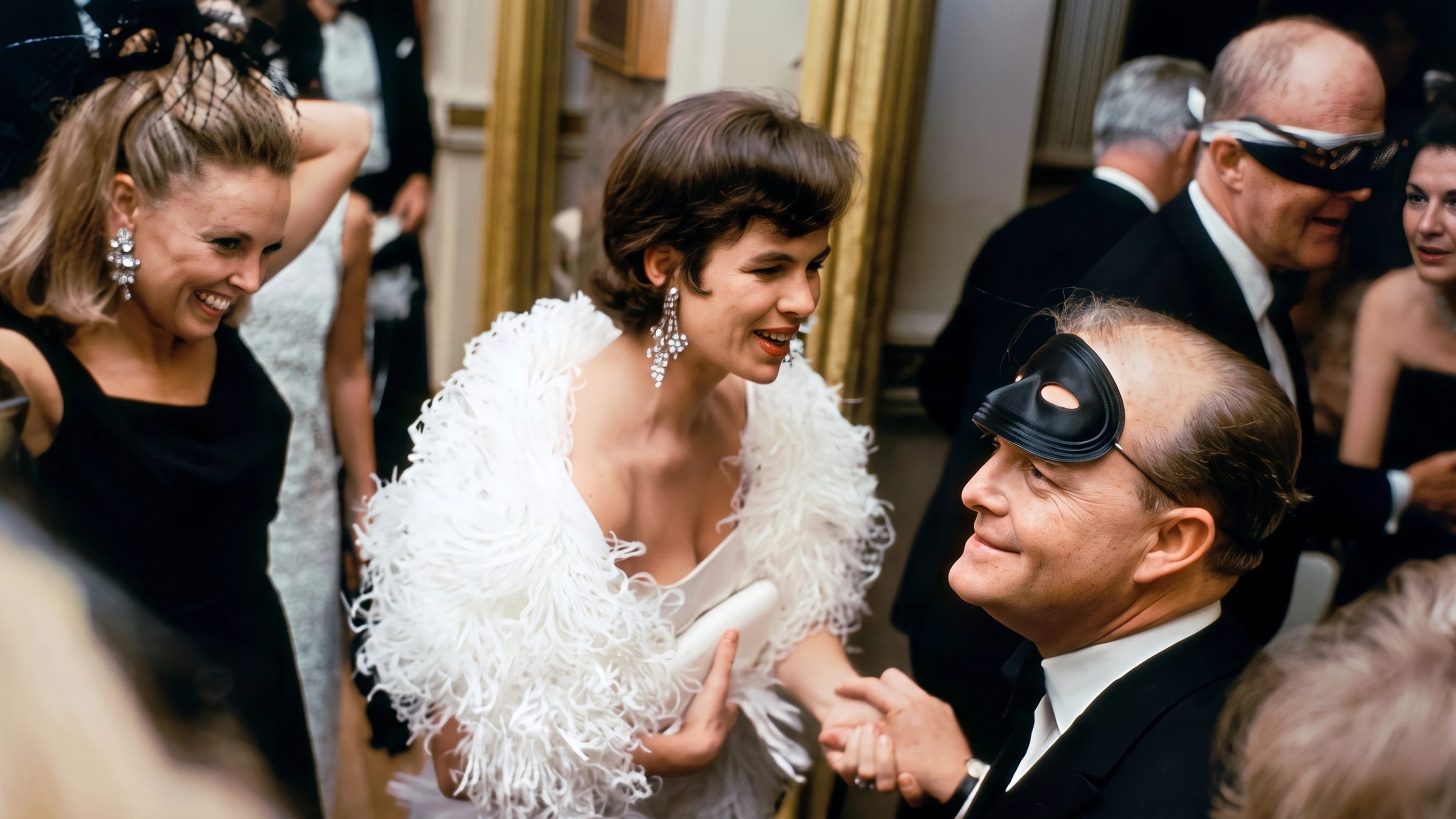
Capote was the most entertaining man at any table in New York, and the richest women in America adored him.
He listened, remembered, and made them feel interesting.
He called them his Swans: Babe Paley, wife of CBS chairman William Paley; Slim Keith; Gloria Guinness; C. Z. Guest; and Lee Radziwill, Jackie Kennedy’s younger sister.
He lunched with them at La Côte Basque on East 55th Street, sailed on their yachts, and collected their secrets the way they collected jewelry.
Gore Vidal, by contrast, was born into America’s ruling class.
Capote had no family money and no name worth inheriting, so his place in high society rested on his talent and on the goodwill of women who could drop him at any moment. Vidal’s place came to him at birth.
His grandfather was a United States senator, his father ran civil aviation for Franklin Roosevelt, and his stepfather was a Standard Oil heir.
He earned his own fortune through novels, plays, essays, and Hollywood scripts, including work on Ben-Hur.
Capote collected women who married power, while Vidal collected people who held it.
However, at least on paper, the two men looked like equals in 1966.
And Vidal’s own family carried secrets juicier than anything Capote overheard at La Côte Basque, starting with a father who was reportedly Amelia Earhart’s lover.
The Senator’s Eyes
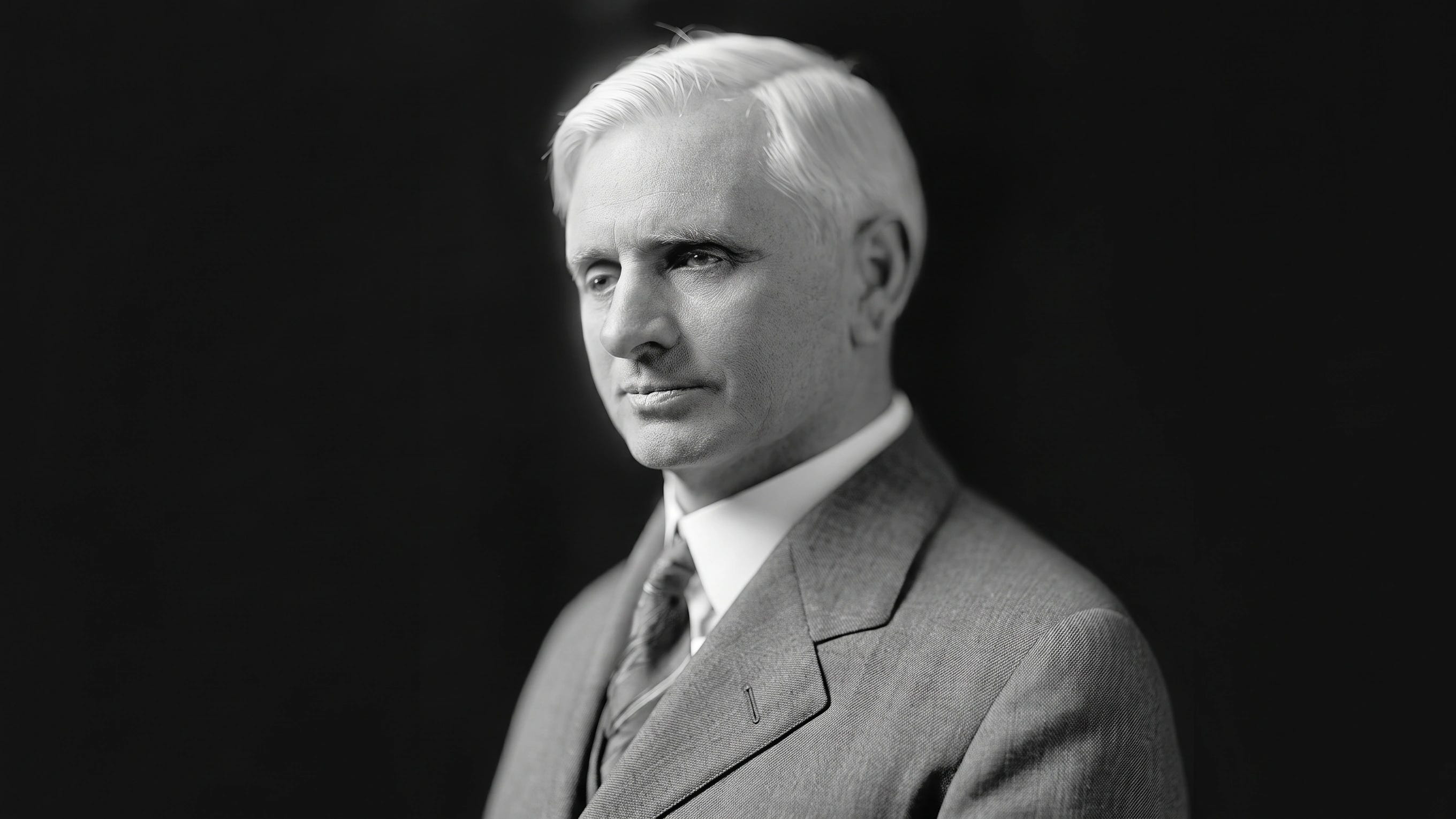
Gore Vidal enjoyed letting people guess where his last name came from.
The trail leads to Feldkirch, a medieval town in the Austrian Alps near the Swiss border, where his great-grandfather was born into a Romansh family, part of a tiny Latin-speaking people whose language descends from Roman soldiers.
“We were apothecaries for more than five hundred years,” he told an Italian interviewer.
For a writer who spent his life comparing America to ancient Rome, the leftover Latins of the Alps made a perfect bloodline.
His father, Eugene, supplied the glamour. “Big Gene” starred at football for West Point and competed in the decathlon at the 1920 Olympics, at a time when, as his son later wrote, college athletes were “like rock stars.”
Vidal’s father was Amelia Earhart’s business partner, and reportedly her lover.
Eugene threw himself into aviation, helped found early airlines that fed into what became TWA, and worked closely with Amelia Earhart for most of a decade. A newsreel from the period even shows his ten-year-old son flying a plane under his supervision, to prove flying was safe enough for a child.
Vidal’s mother, Nina, was beautiful, restless, and a heavy drinker, reportedly carrying on a long affair with Clark Gable. She divorced Eugene and married Hugh D. Auchincloss, and her son stayed cold toward her for most of his life.
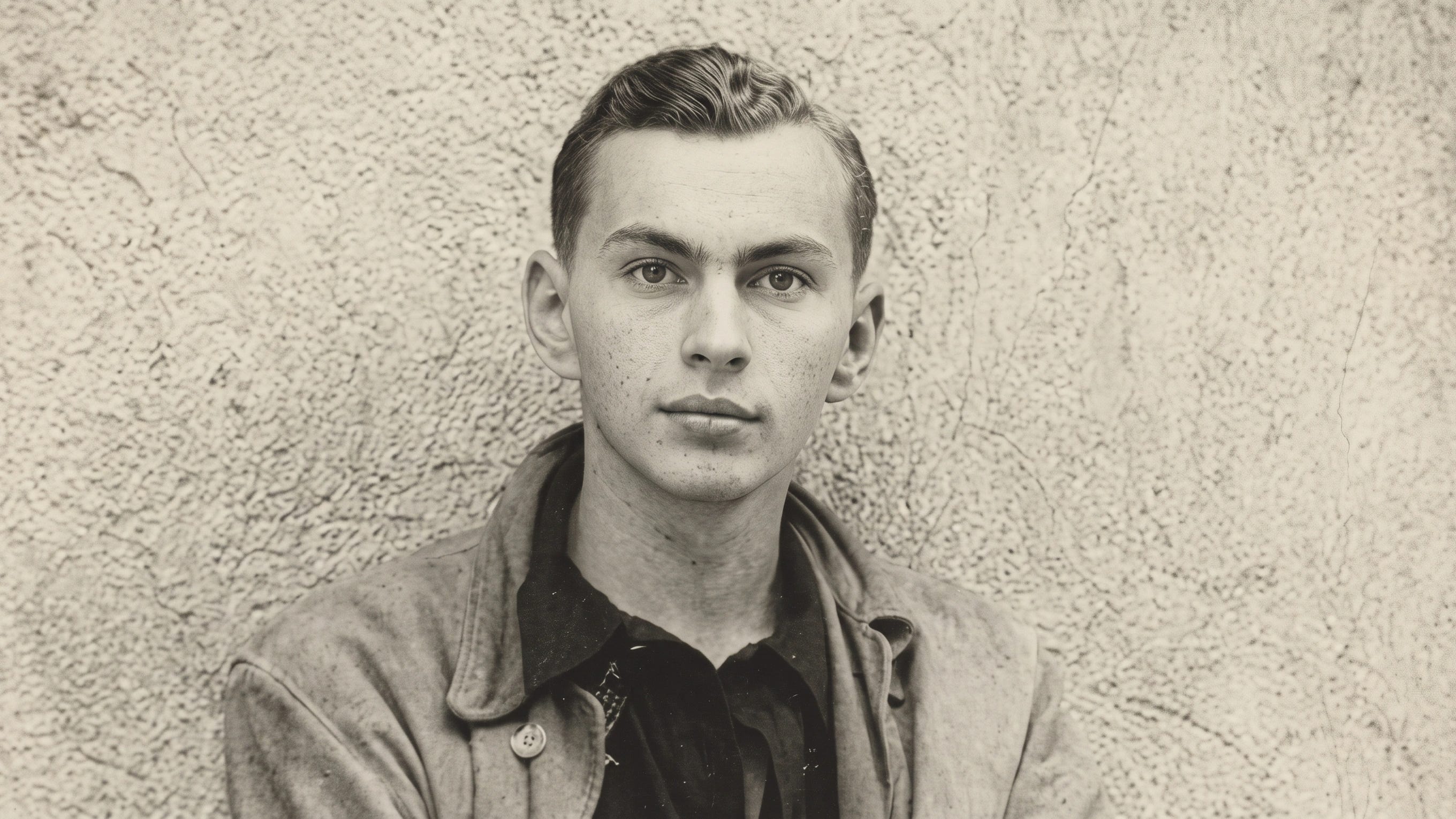
Gore Vidal slept in Jackie Kennedy’s bedroom years before she did.
Nina’s marriage brought her son to Merrywood, the Auchincloss estate in Virginia. A few years later, the same Hugh Auchincloss married Janet Bouvier, and her daughters, Jackie and Lee, moved into the same house.
Vidal loved pointing out that he and the future First Lady slept in the same bedrooms, years apart.
Yet the real influence on his boyhood came earlier, from Nina’s father, Thomas Pryor Gore, blinded by two childhood accidents and elected one of Oklahoma’s first senators when the state joined the Union.
As a baby, Vidal moved with his parents into the senator’s house in Washington, where he was famously put to bed in a bureau drawer. As he grew, he led his grandfather around the Capitol and read him law, history, and the Congressional Record for hours.
He was born Eugene Louis Vidal at West Point, yet at 14, he took his grandfather’s name. He’d rather be the senator’s heir than “Little Gene” to his father’s “Big Gene.”
But Capote’s boyhood looked nothing like this.
His mother married a Cuban businessman, José García Capote, who adopted the boy and gave him his famous last name. At 17, Truman was a copy boy at The New Yorker until he was fired for apparently offending the poet Robert Frost.
Neither young man went to college, and Vidal enlisted in the Army at 17. He served as first mate on a supply ship in the frozen Aleutian Islands off Alaska, and he turned the experience into his first novel, Williwaw, published right after the war.
In 1948, the two young prodigies published novels touching on homosexuality the same winter, and The New York Times announced which one was ahead.
Buddy-Boy
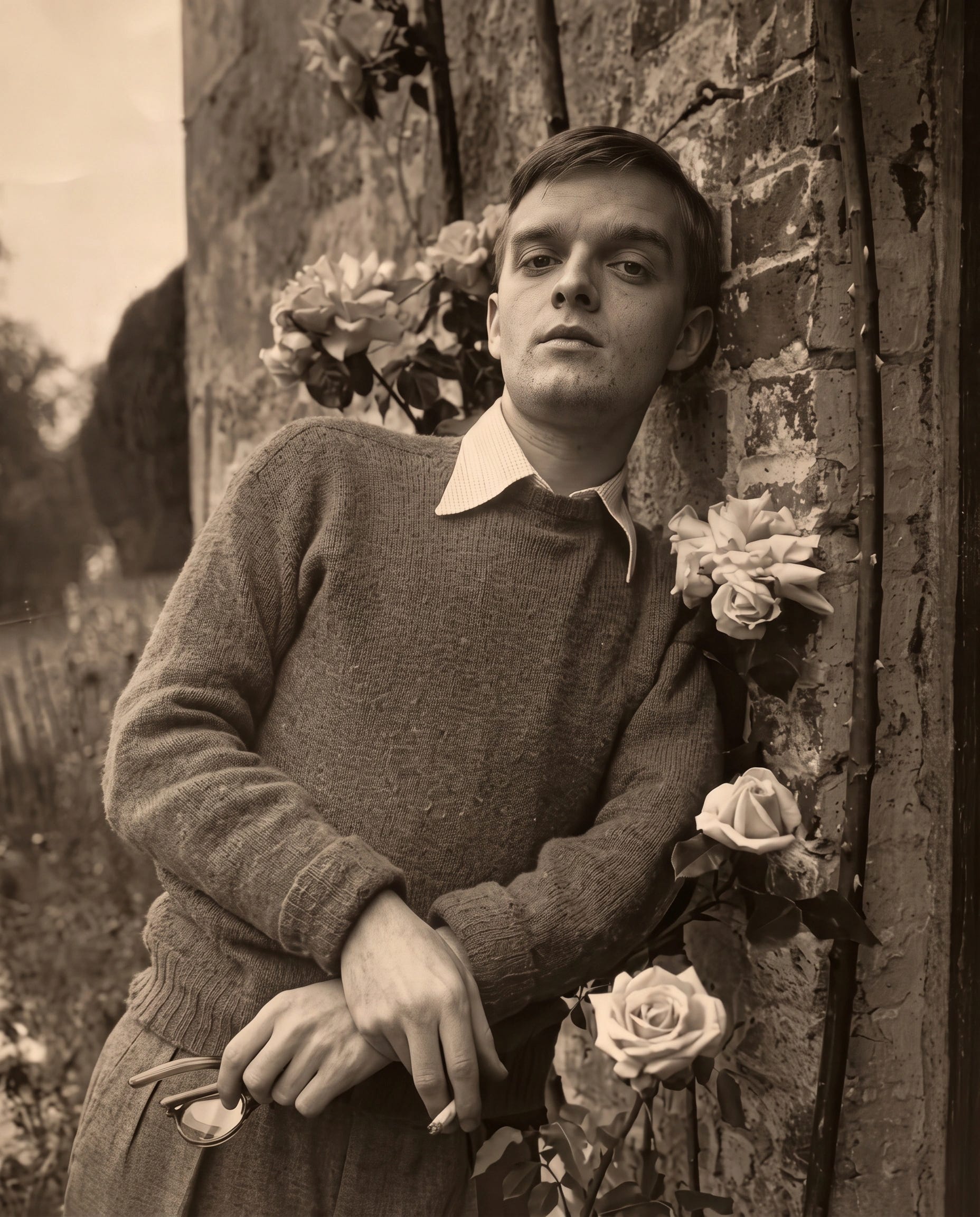
In March 1948, The New York Times reported that Capote’s Other Voices, Other Rooms was chosen as the first pick of a new panel of reviewers, which “puts Mr. Capote out ahead of Gore Vidal.”
Vidal’s novel, The City and the Pillar, followed an athletic young man in love with his childhood friend, and it treated homosexuality as an ordinary part of American life. It sold well, but conservative critics were outraged, and Vidal said the Times critic Orville Prescott refused to review his next several books.
In Europe, Gore Vidal started keeping score of Truman Capote’s lies.
Both men spent the summer of 1948 in Europe, where Vidal found himself tracking the tall tales Capote spread through Paris and Rome. In one, the French novelist André Gide pressed a jeweled ring onto Capote’s finger, and in another, Albert Camus chased him with wine and song.
Later came a story about Vidal himself, in which Capote claimed Vidal pursued him without success. “As I was the only one who found them offensive,” Vidal said of the lies, “why should I have cared?”
To Vidal, Capote was a compulsive liar, and to Capote, Vidal was an incurable snob.
In 1950, Vidal met Howard Austen, who moved in with him and stayed for more than fifty years. In 1960, with Eleanor Roosevelt and Paul Newman campaigning for him, he lost a race for Congress but ran ahead of John F. Kennedy in his district. Kennedy’s victory opened the White House to Vidal, who was practically family through the Auchinclosses.
Then Bobby Kennedy pulled Gore Vidal’s hand off the First Lady’s shoulder.
In November 1961, Vidal attended a White House dinner dance where Lee Radziwill and her husband, Stanislas, were among the guests. At one point, he crouched beside Jackie’s chair to talk with her and rested a hand on her shoulder for balance.
As he stood up, someone lifted his hand away.
Vidal looked up at the Attorney General, Robert F. Kennedy, and by his own account, he snapped, “What the f*ck do you think you’re doing?”
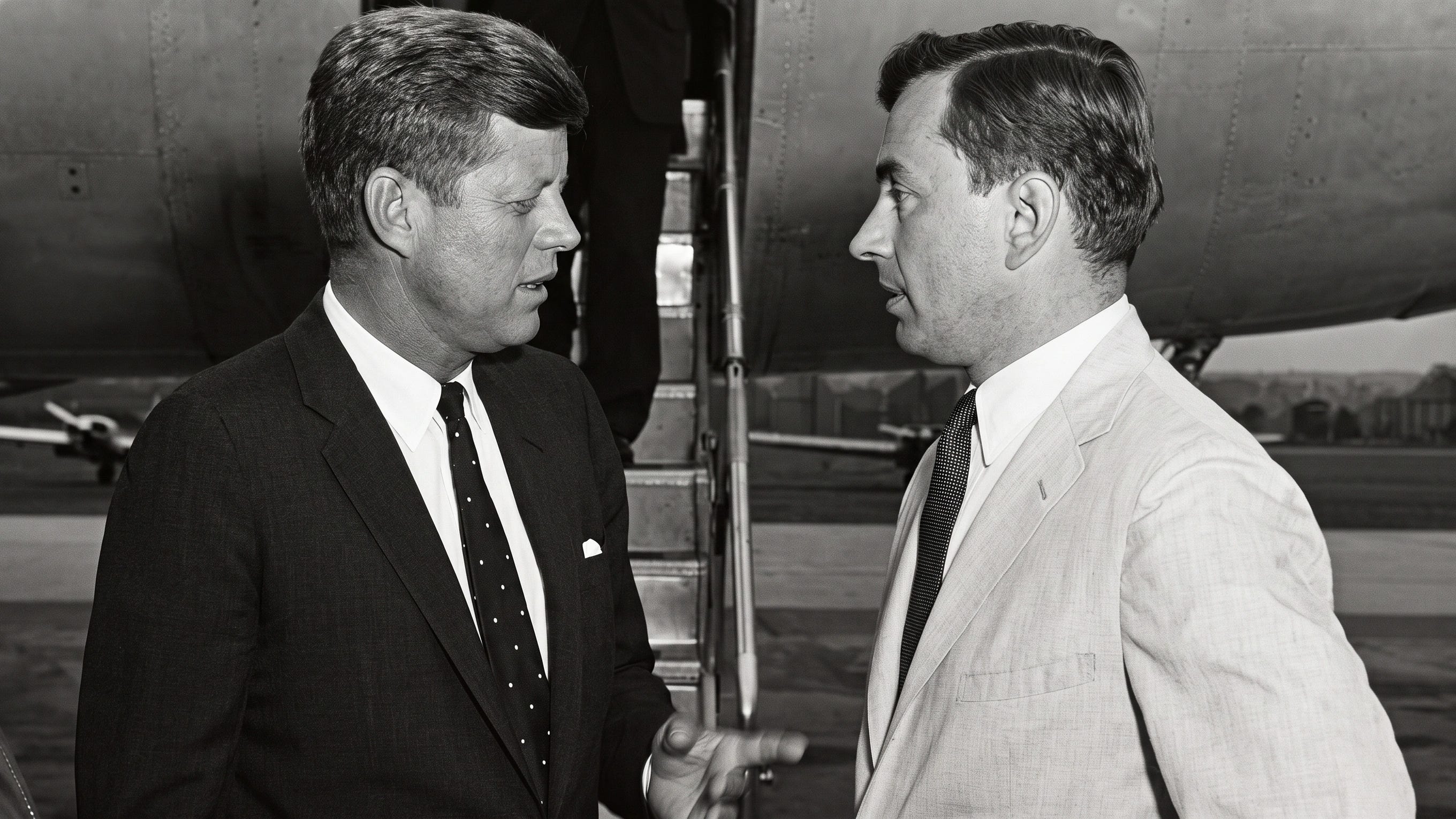
“What’s wrong, buddy-boy?” Kennedy replied. Vidal brought up the FBI’s treatment of writers, Kennedy sneered that Vidal was merely a writer, and Vidal left angry, though he always insisted he walked out on his own.
Whatever was said, the night ended Vidal’s welcome in Camelot. Bobby became a lifelong enemy, and the story of their clash began making the rounds among the guests.
According to Capote, one of the people who heard it was Lee Radziwill.
Playgirl
If losing the Kennedys hurt Vidal, he never showed it.
In the 1960s, he became the most visible essayist in America, Julian became a bestseller, and Myra Breckinridge, his outrageous Hollywood satire, shocked reviewers and sold enormously.
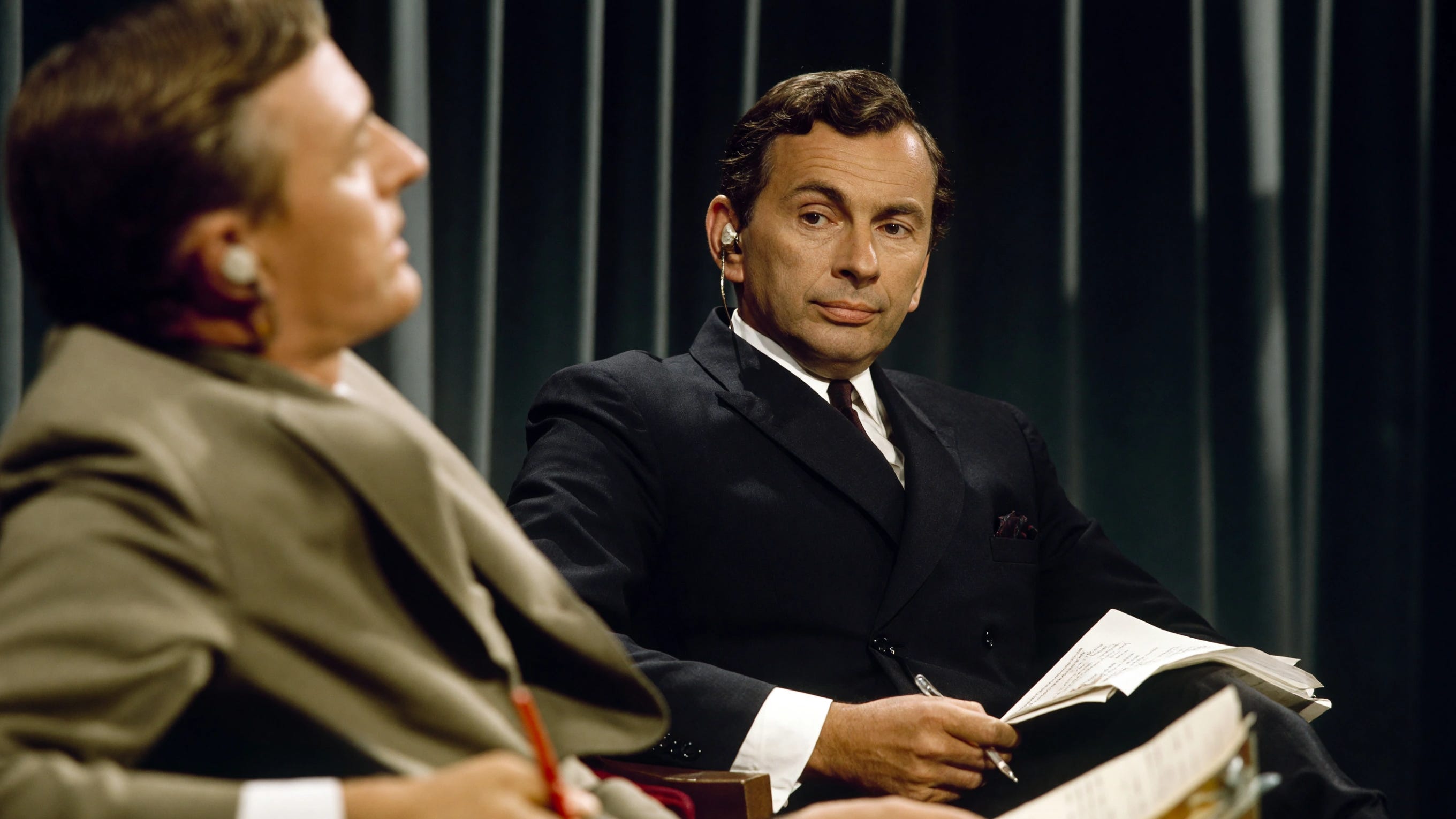
On live TV, Gore Vidal goaded William F. Buckley into threatening to punch him.
In 1968, ABC News hired Vidal and William F. Buckley Jr., the founder of National Review, to debate the political conventions. The two men despised each other, and their clashes became appointment television.
On the night police beat protesters outside the Democratic convention in Chicago, Vidal called Buckley a “crypto-Nazi.” Buckley called Vidal a “queer” and threatened to punch him on the air, while Vidal sat perfectly calm and, to many viewers, won simply by making Buckley lose his cool.
By the mid-1970s, Vidal owned a cliffside villa in Ravello, and Burr, his novel painting the Founding Fathers as vain, ambitious, and frequently hypocritical, became one of his biggest successes.
Capote’s decade ran the other way. He spent years with the two killers at the heart of In Cold Blood and couldn’t finish the book until they were hanged in 1965.
He grew especially close to Perry Smith, in whom he seemed to see the man he might have become. Yet the book needed an ending, and as the appeals dragged on, Capote lived in fear that a stay of execution would deny him one.
He spent the killers’ final hours with them at the Kansas State Penitentiary, watched the hangings in tears, and was inconsolable on the flight back to Manhattan.
“No one will ever know what In Cold Blood took out of me,” he later said.
“It scraped me right down to the marrow of my bones.”
Friends felt that something in Truman died with Perry, and many believed he never recovered.
He began drinking in the mornings, took tranquilizers and later c*caine, and slurred his way through talk show appearances. Answered Prayers, the great novel about the rich he’d promised as his answer to Proust, existed mostly as a deadline he kept pushing back.
Then Truman Capote told Playgirl the Kennedys threw a drunk Gore Vidal out.
In 1975, drinking heavily and bitter, Capote gave an interview to Playgirl magazine and told the White House story in its most humiliating form. In his version, Vidal got drunk, insulted Jackie’s mother, and put his arm around the First Lady, until Bobby Kennedy and the historian Arthur Schlesinger Jr. picked him up and threw him out bodily.
The story made Vidal look like a drunk and a social climber the Kennedys found disposable, which was intolerable to someone who’d built his image as the cool patrician observer.
He sued Capote for libel, asking for $1 million, and Capote’s defense was simple: he said he heard the story from Lee Radziwill, who was at the party, and Lee, he insisted, would back him up.
Later that same year, Capote published a few pages of fiction that cost him nearly every Swan except Lee.
La Côte Basque
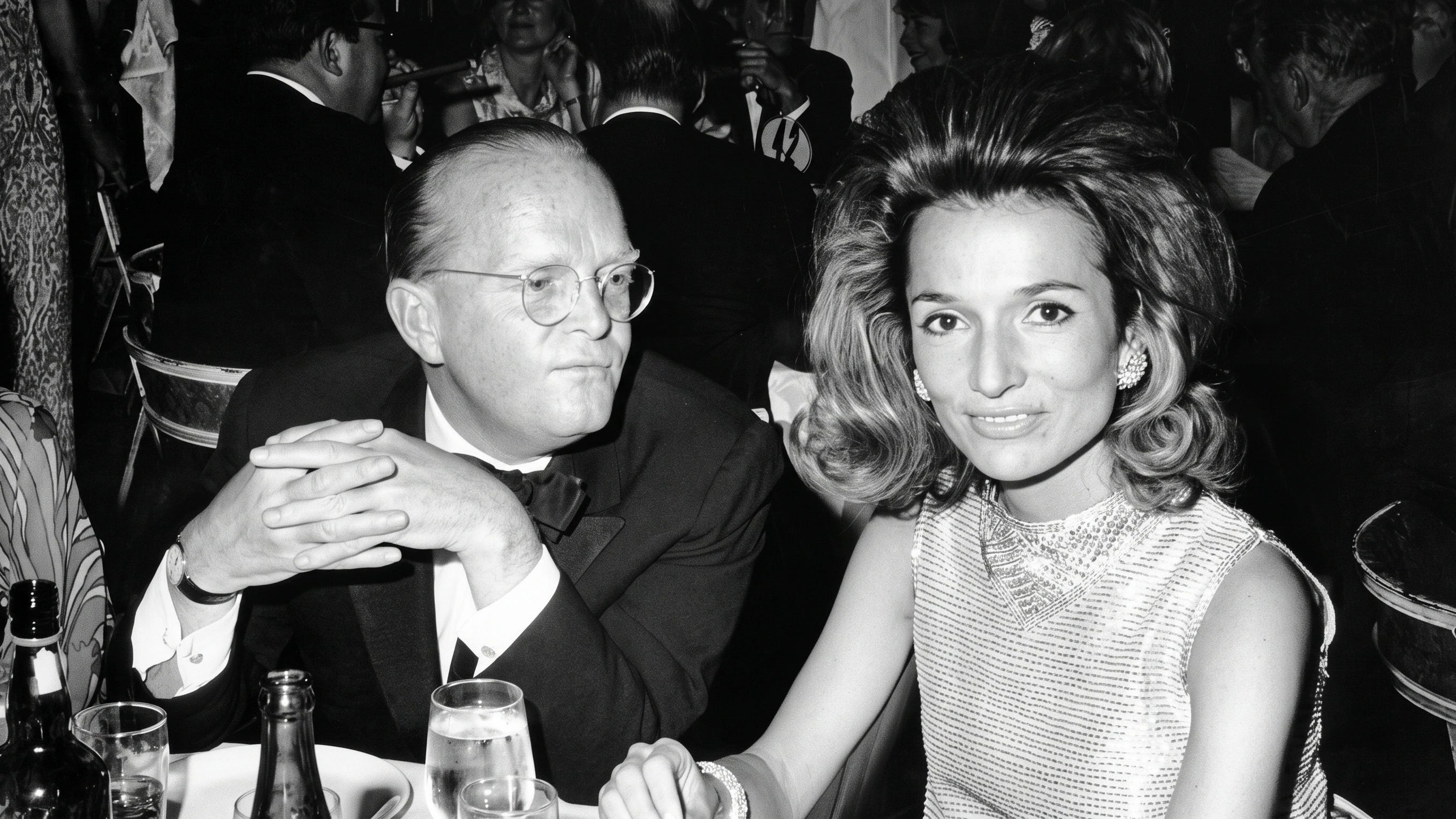
In November 1975, Esquire published “La Côte Basque, 1965,” the first chapter of Answered Prayers to appear in print.
Set over a long lunch at the restaurant where the Swans held court, it served up his closest friends’ secrets, some under invented names and some under their own.
Readers instantly recognized a media executive’s humiliating affair as a version of William Paley, husband of Babe Paley, Capote’s most beloved friend. Another character was widely understood to be Ann Woodward, the socialite who shot her husband years earlier and was cleared by a grand jury, and shortly before the issue appeared, she took her own life.
Manhattan’s richest women slammed the door on Truman Capote.
The magazine sold out, and society didn’t laugh. Babe Paley, who was dying of cancer, never spoke to him again, Slim Keith cut him off, and doors that stood open for twenty years closed almost overnight.
Capote seemed stunned, since he assumed the Swans understood that writers use what they hear. Yet they let him inside because he was charming, and once he proved dangerous, they sent him back out.
Lee Radziwill was the one Swan who didn’t cut him off right away, and in the libel case, she was now his only lifeline.
The two had traveled together, gossiped together, and confided in each other for years, and Capote was certain she’d come through.
If Lee confirmed she told him the story, he could argue he’d simply repeated what an eyewitness said. Without her, he had nothing but a damaging story in print that nobody would confirm.
But Lee Radziwill refused to save Truman Capote, and her reason was a single ugly slur.
Capote’s lawyers asked Lee to sign a statement confirming she told him the White House story, and Capote later said she promised to do it. When the deposition came, she refused to back him up and effectively denied remembering the story the way he told it.
The gossip columnist Liz Smith, who knew them both, later asked Lee privately why she wouldn’t help her old friend.
“Oh, Liz, what do we care,” Lee told her. “They’re just a couple of f*gs! They’re disgusting.”
The line became public, and it was the deepest humiliation of the whole affair. Capote spent decades believing he was an equal among these women, and in one sentence, Lee showed him he’d always been the entertainment.
It also wrecked his case, because with Bobby Kennedy dead and Lee refusing to back him, Capote couldn’t prove the story came from anyone reliable.
While the suit crawled through the courts, the two men traded insults in the press.
“I’m always sad about Gore,” Capote said. “Very sad that he has to breathe every day.”
Vidal aimed at Capote’s credibility instead, saying he’d made lying an art form, then correcting himself to call it a minor art form. “Capote I truly loathed,” he said later. “The way you might loathe an animal. A filthy animal that has found its way into the house.”
By the early 1980s, the suit was settled in Vidal’s favor, and he won a grudging apology from an exhausted, ailing Capote. What Vidal wanted from the start was Capote’s admission that the story couldn’t stand, and the million dollars hardly mattered.
Capote had only a few years left to live, and Vidal was saving his sharpest line for the day they ran out.
A Good Career Move
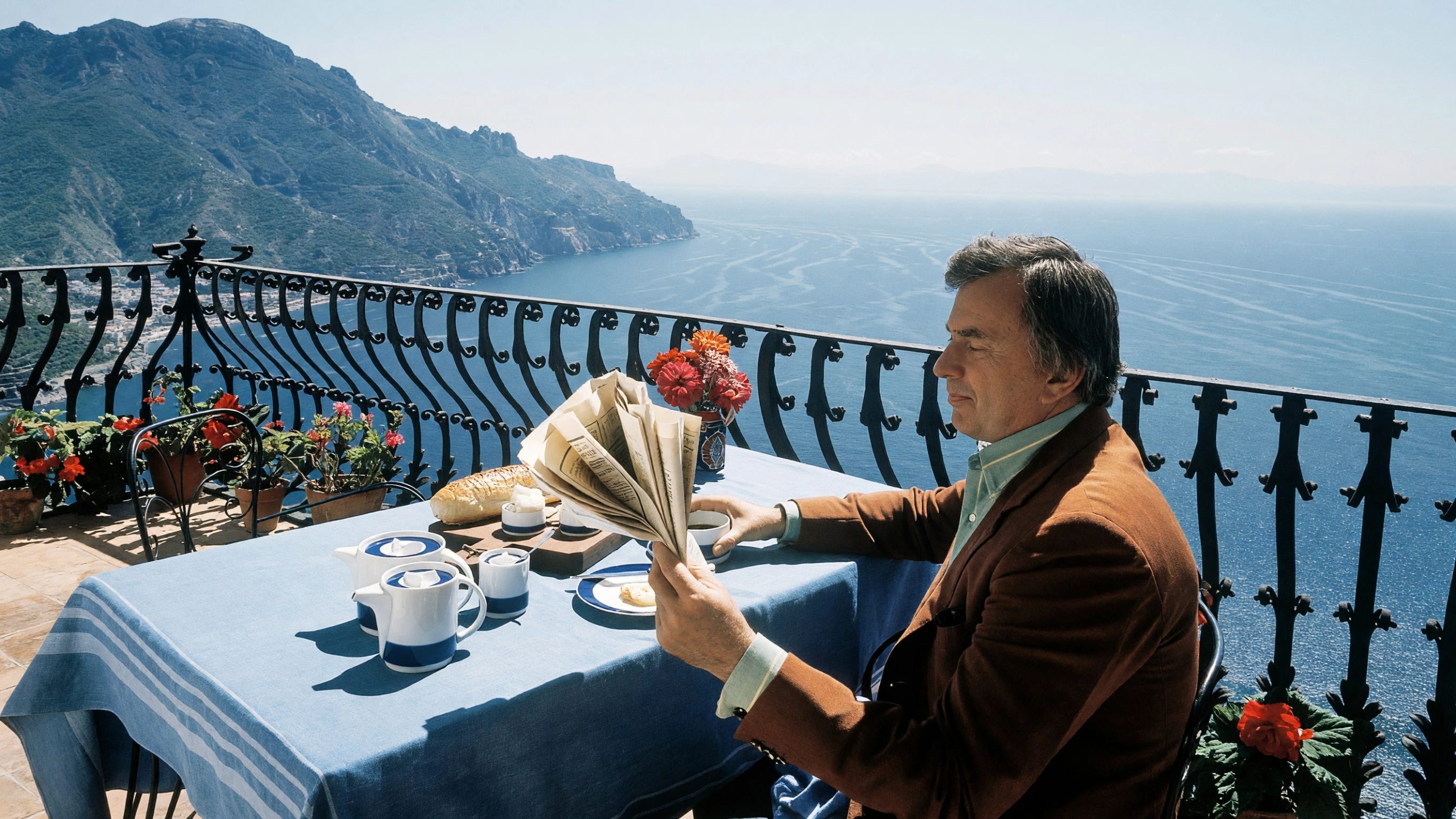
Capote spent his final years falling apart in public.
Music for Chameleons became a bestseller, yet Answered Prayers stayed unfinished while he suffered seizures and hallucinations and drifted in and out of clinics.
Lee later said the last time she remembered seeing him was at her country house in England, where Capote and his companion, a married Long Island banker named John O’Shea, fought so violently that they broke most of the furniture in the guest cottage.
Truman Capote died at 59 in the Bel Air home of Johnny Carson’s ex-wife.
In the summer of 1984, Capote flew to Los Angeles to stay with Joanne Carson, one of the few society women still on his side. He died in her house on August 25, and the coroner listed liver disease complicated by phlebitis and multiple drug intoxication.
The manuscript of Answered Prayers was never found in finished form, and whether he wrote much beyond the chapters Esquire printed remains one of American literature’s great mysteries.
Gore Vidal kept quiet with reporters, but his editor spread the “good career move” line for him.
“I said nothing to the press,” Vidal later recalled of that call from his editor, Jason Epstein. “But Jason chattered. I was much quoted.” The joke itself was borrowed from a Hollywood quip about Elvis Presley, yet from then on, it belonged to Vidal.
It was cruel, but as several critics later noted, it was also accurate.
Death ended the spectacle of Capote’s decline and sent readers back to Breakfast at Tiffany’s, “A Christmas Memory,” and In Cold Blood. Philip Seymour Hoffman later won an Oscar for playing him in Capote, and in 2024, Feud: Capote vs. the Swans retold the whole saga, Vidal’s lawsuit included.
Lincoln, published the year Capote died, is often considered Vidal’s finest novel, and in his memoir Palimpsest, he gave his own account of the White House night and dismissed Capote’s version for good.
His partner, Howard Austen, died in 2003, and Vidal, who always kept his emotions under armor, was devastated.
When Vidal died of pneumonia in 2012, at 86, he was buried beside Austen at Rock Creek Cemetery in Washington, between the historian Henry Adams and Jimmie Trimble, the boy he loved at his Washington prep school, who died on Iwo Jima.
He left an estate of around $37 million to Harvard, a university he never attended.
Vidal lived 28 years past that phone call in Ravello, long enough to watch his cruelest joke come true.
No villians here, just complex, scarred humans too often leading with their egos.
This all occurred at a time when writers were “stars”. The talent of both men was off the charts and so was their bitchiness. Are there any writers today who are their equals and that popular and well know to the general public?