
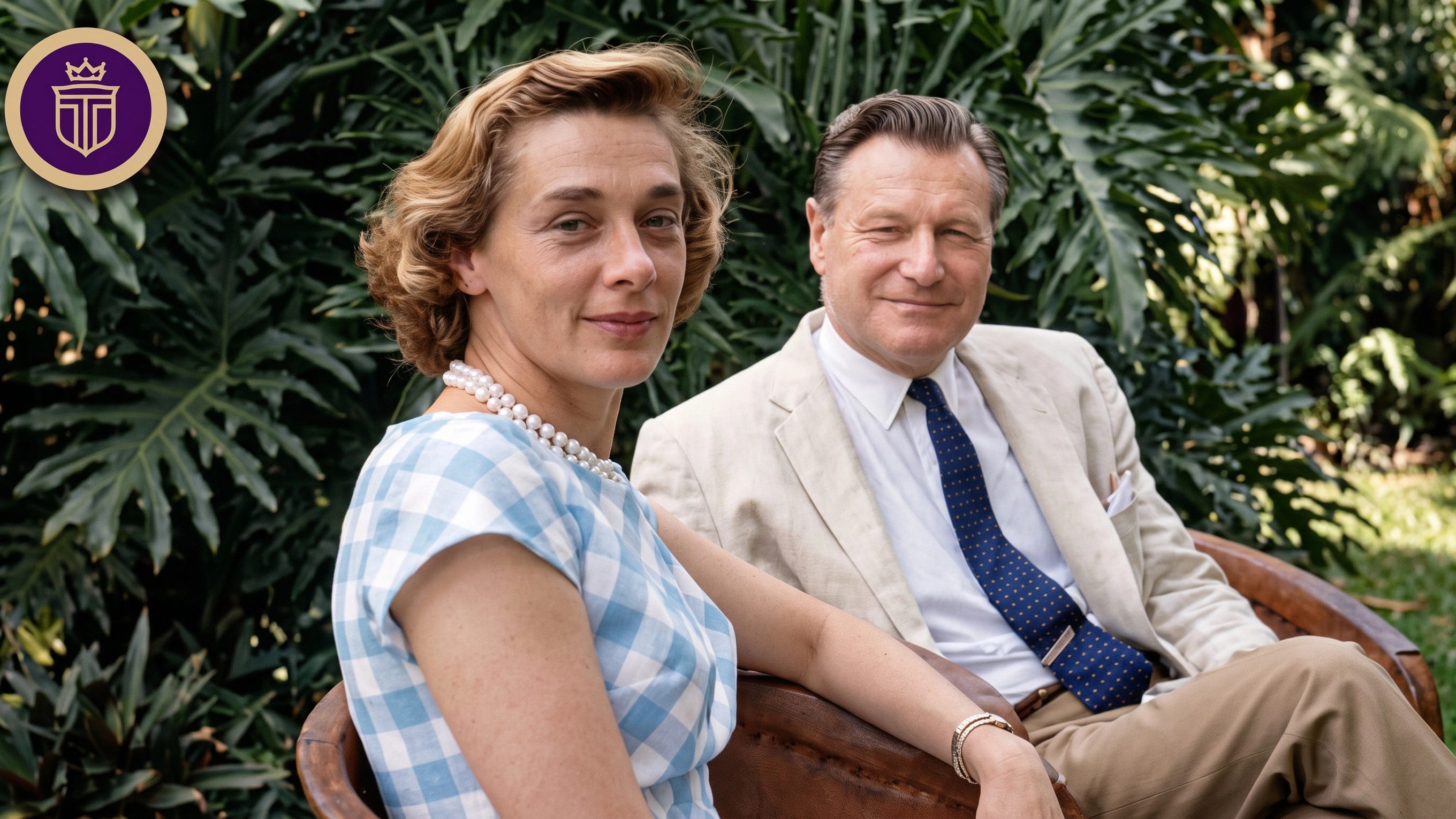
In the spring of 1963, a woman signed away custody of her four children in an Idaho courthouse. The youngest was three.
Five weeks later, she married the governor of New York at his brother’s estate in Pocantico Hills, and the American press treated the two events as a single transaction:
She traded her children for a Rockefeller.
That version of the story appeared in newspapers, in campaign coverage, in congressional testimony, and in every obituary published when she died in 2015 at 88. It has never been revised, corrected, or complicated by any account from the woman herself, because she never gave one.
Her name was Margaretta Large Fitler. The country knew her as Happy, a nickname pinned on her by a French nursemaid before she could walk.
She would spend the next 52 years married to Nelson Rockefeller, survive two mastectomies on national television, serve as a delegate to the United Nations, and raise 14 grandchildren across two fractured families.
None of it mattered to a country had already decided what kind of woman gives up her children, and the woman herself never once tried to change their mind.
The Girl Raised By Staff
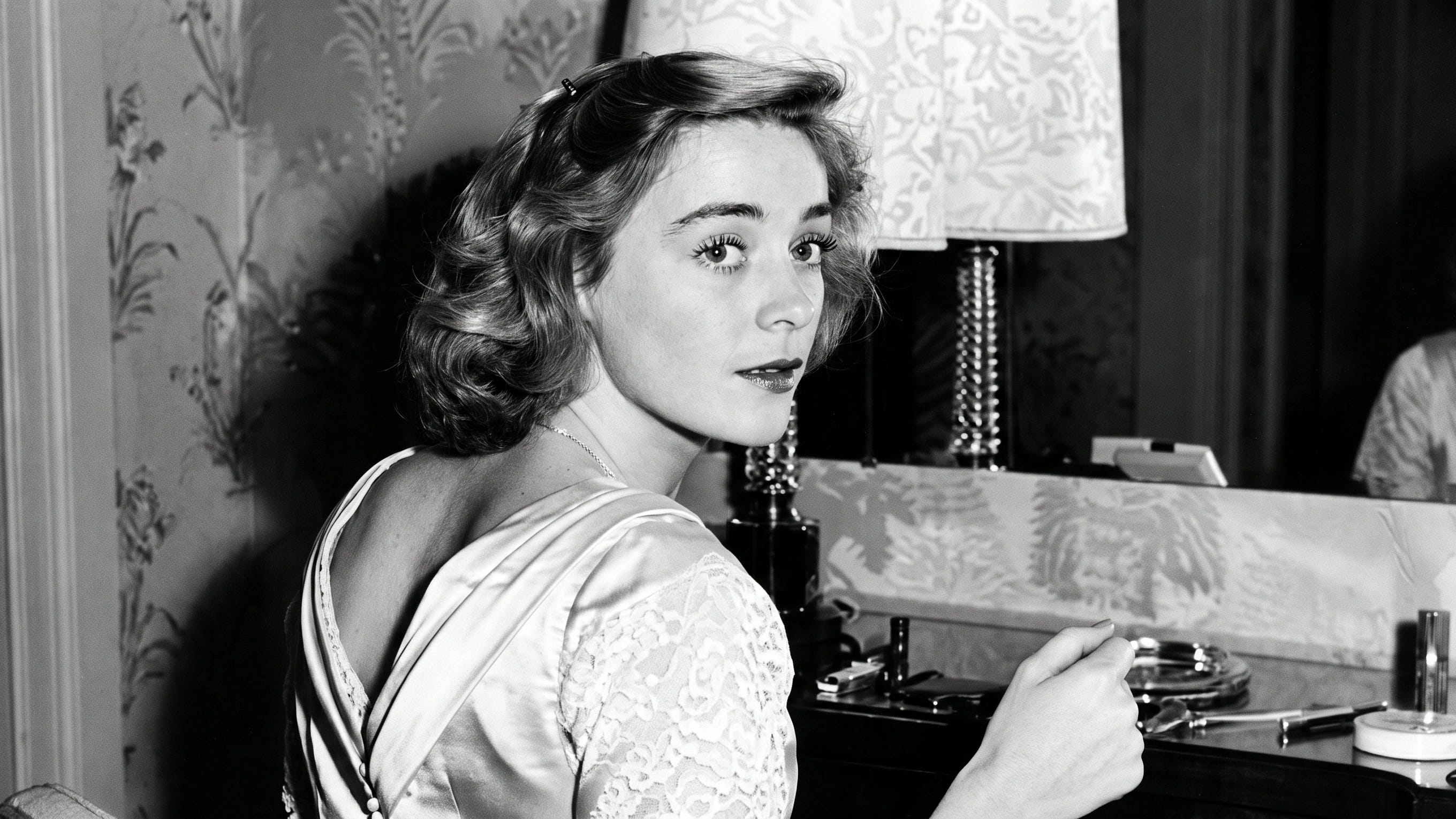
The nickname came first, before anything else about her life was settled.
A French nursemaid was minding her when the radio announced that Charles Lindbergh had landed in Paris. The nursemaid bounced the baby, the baby grinned back, and she cried out, “You are the most happy baby I have ever seen.”
Lindbergh landed in May of 1927, when the baby was 11 months old, and the story survives only through Happy’s own telling, but the name stuck for 88 years.
The family behind the nickname had money and very little warmth attached to it. Her father, William Wonderly Fitler Jr., was a yachtsman who’d inherited roughly $8 million from the family rope business, respectable inside old Philadelphia society and a rung below the banking names.
The parents divorced when their daughter was ten, and she and her younger brother were left in the care of servants.
A magazine profile published decades later called her father an alcoholic and her mother rarely available to her own children. She also descended from the general who turned back Robert E. Lee at Gettysburg, a pedigree seen, at the time, as impressive enough that nobody in Philadelphia questioned the family’s standing even as its internal life disintegrated.
At the Shipley School she graduated in 1944, remembered as a popular but indifferent student, better suited to friendships than to academic distinction. Her yearbook noted a radiant smile and consistent good humor.
And a girl raised by staff learns early to be ‘pleasant company’.
The war removed whatever debut season a woman of her background might have expected. After Shipley she worked as a driver for the women’s volunteer service in Philadelphia, a detail that matters because the commentary written about her in 1963 treated her as a passive figure, a woman that things happened to, when she’d already held a job with consequences at 18.
By 1946 the war had ended and so had any excuse to delay the debut. She came out that year with a famous nickname, a fractured family, and no plan beyond marrying well, which in that world counted as a plan.
She was about to marry into a family already defined by the disease that would one day define a public chapter of her own life.
Five Weeks In The Spring
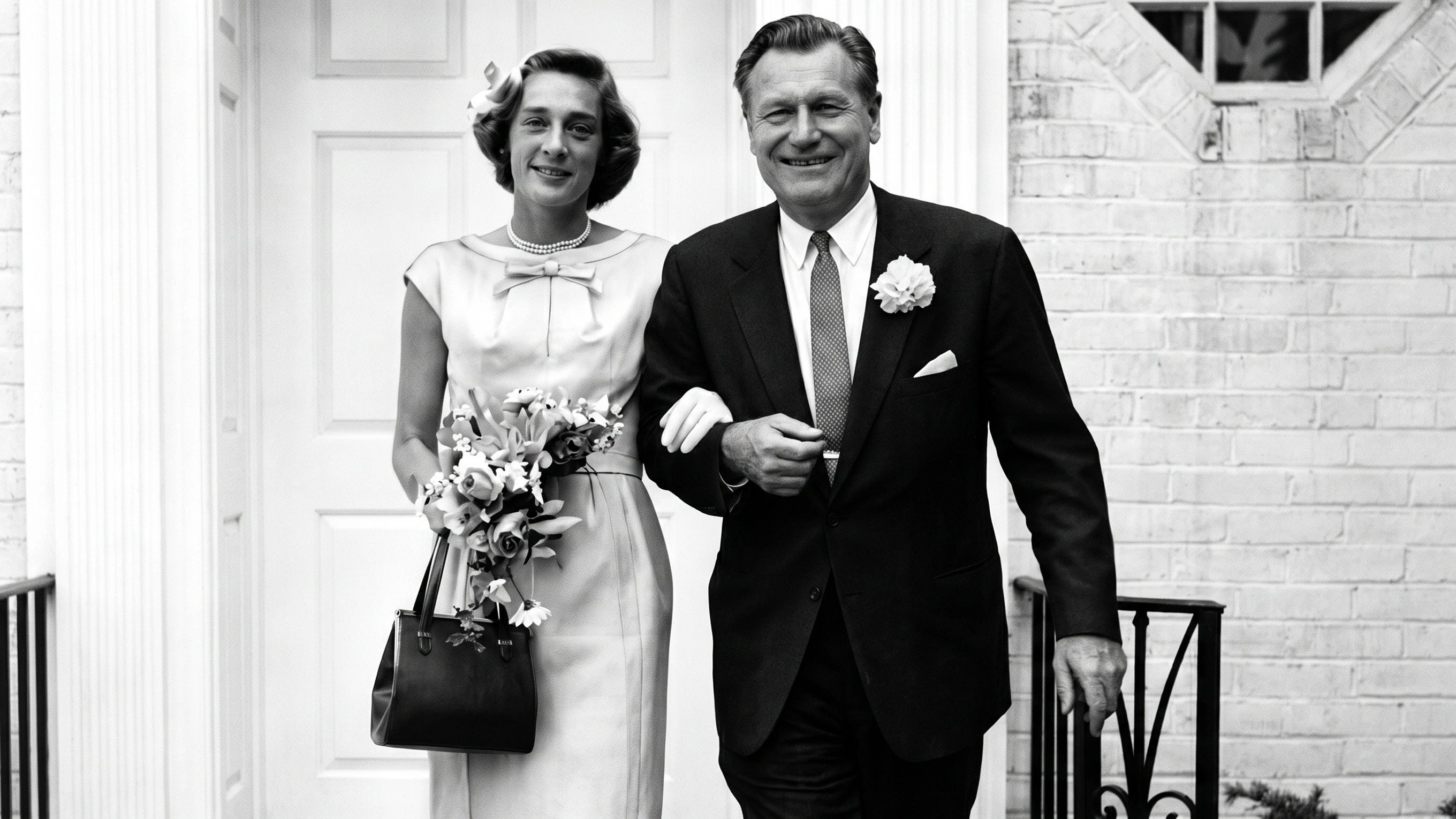
In December of 1948 she married Dr. James Slater Robin Murphy, a virologist at the Rockefeller Institute, in a wedding covered with the press detail usually reserved for royalty.
The gown, according to the Philadelphia Inquirer, had been carried from Belgium generations earlier by her great-great-grandmother and worn by every bride in the family since.
Murphy’s father had spent nearly four decades leading cancer research at that same institute. Happy had married into a family whose work centered on the disease she’d face on national television 26 years later, though nobody in 1948 could have known that.
Four children followed across roughly a decade, the youngest of them Melinda Fitler Murphy, born in 1960.
Her family had also long maintained a friendship with the family of Mary Todhunter Clark, who was at that point still married to the rising New York politician who would take Happy’s phone calls before he took her hand.
In 1958 she volunteered on Nelson Rockefeller’s first campaign for governor. One society wife among many lending her weekends to a Republican trying to unseat an entrenched Democratic incumbent.
Rockefeller won, and instead of fading back into the volunteer pool, she was hired onto his staff.
Shortly thereafter, she would serve Nelson’s private secretary.
The title carried real work behind it, nothing like the ceremonial post a donor’s wife might collect, and it put her beside the state’s chief executive daily for three years.
She resigned in 1961. There is no firm evidence that their relationship went beyond the professional, only contemporary gossip.
Still, a married mother of four had worked for years in close proximity to a married governor, in a state capital where reporters knew the rhythms of the executive office unusually well.
Thus, at the time, a resignation timed like hers read as a confession.
Rockefeller divorced Mary Todhunter Clark on March 16, 1962, ending a marriage of 31 years. Just over a year later Happy’s own marriage ended in Idaho, a jurisdiction contemporary reporting flagged for the fast proceedings well-connected easterners used to sidestep New York’s delays.
The New York Times described the grounds as grievous mental anguish. Custody of all four Murphy children went to their father, a single sentence in a filing that would be quoted in obituary after obituary long after every other detail of the divorce was forgotten.
Five weeks later, she was remarried to Nelson Rockefeller.
