
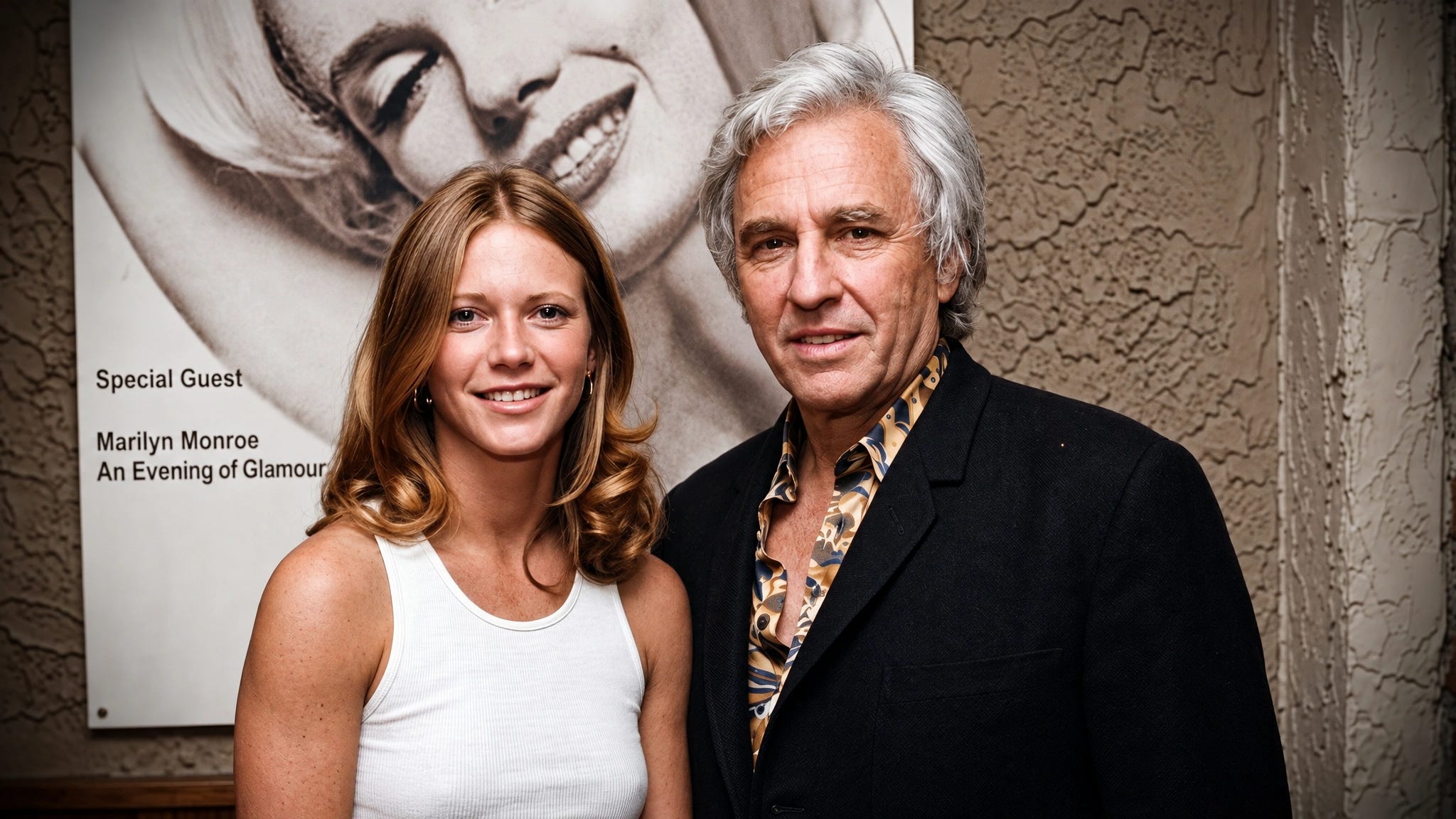
In 1957, $10 million bought you quite a lot in Manhattan, and for Huntington Hartford II, it bought exactly 12 months of fun, his annual trust fund allowance flowing as regularly as champagne at his Newport mansion.
But even a fortune that could fill 16,000 A&P supermarkets proved insufficient for a man whose spending habits made Gatsby look frugal.
And while ordinary Americans counted pennies at his family’s checkout counters, Hartford counted castles, collecting properties the way children collect baseball cards.
All of this would have been sustainable, perhaps, if young Huntington had inherited his family’s business acumen along with their billions. He hadn’t.
And therein lies today’s tale, of how one man managed to dissolve a fortune as vast as the ocean surrounding his beloved Paradise Island.
The Heir And His Empire
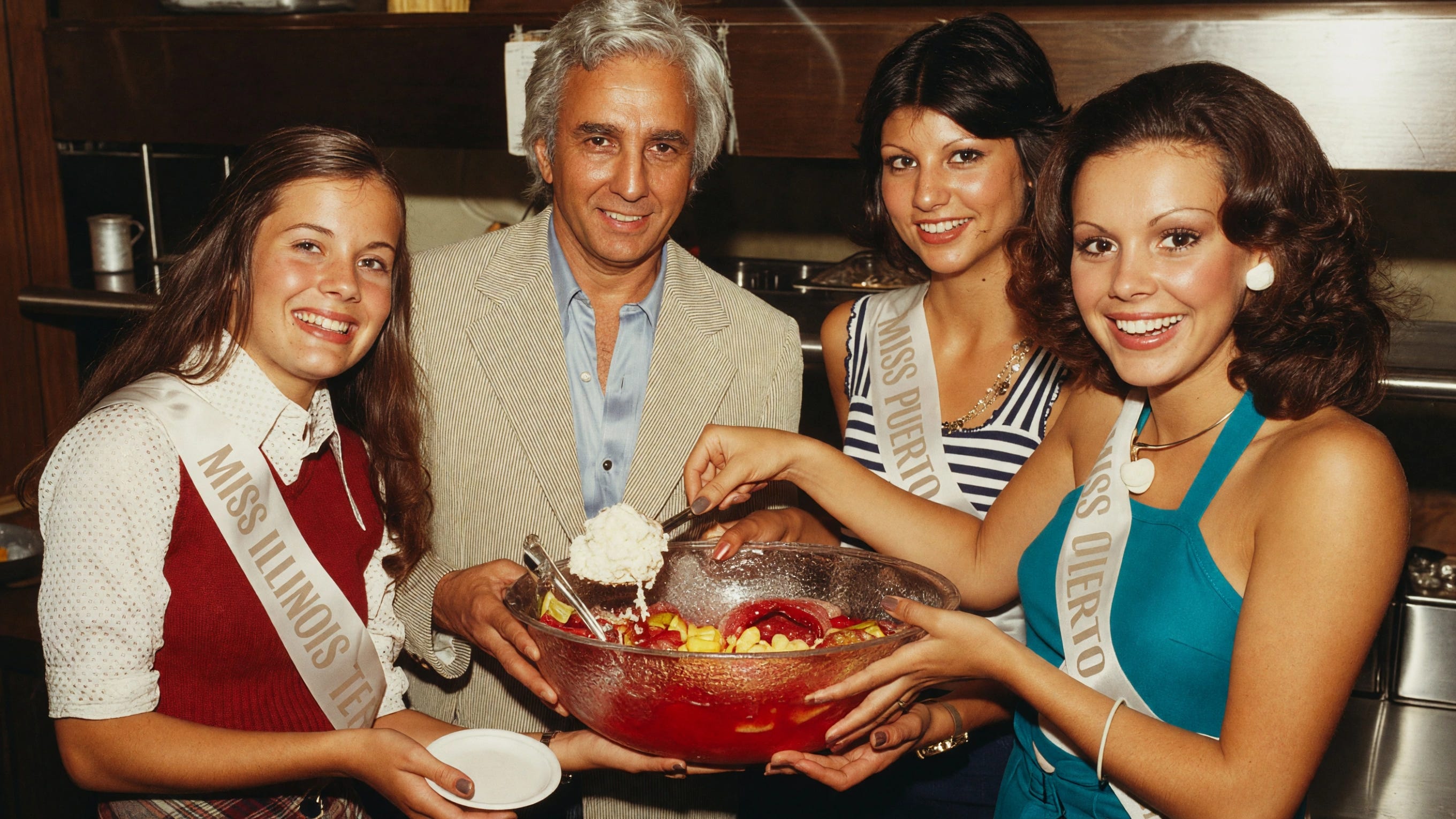
In the glittering world of 1950s Manhattan, $100 million (equal to around $1 billion today) buys rather a lot of groceries.
And for Huntington Hartford II, heir to the A&P supermarket empire, it bought nearly everything except, as it turned out, common sense.
While ordinary Americans counted pennies at his family’s 16,000 supermarket checkouts, young Hartford was counting houses, yachts, and failed business ventures with the casual ease of a man who’d never been told no by anyone other than his uncles’ attorneys.
His uncles John and George Hartford had designed the trust fund arrangements deliberately: roughly $10 million a year in today’s money, enough wealth to live extraordinarily well, and enough distance from A&P’s operations to ensure he couldn’t damage what they’d spent decades building.
The structure was supposed to protect the fortune. Instead it created a man with unlimited resources, no accountability, and a lifelong conviction that his next idea would be the one that proved he was more than an heir with a checkbook.
Hartford filled the vacuum with possessions.
Sage, his Newport estate, operated on a scale that treated entertaining as an industry. His Beekman Place apartment covered 11,000 square feet of Manhattan’s most coveted real estate. His yacht was a converted four-masted schooner. His art collection, heavy on classical figurative work, doubled as a public argument against abstract expressionism, which he considered a fraud perpetrated on the American public.
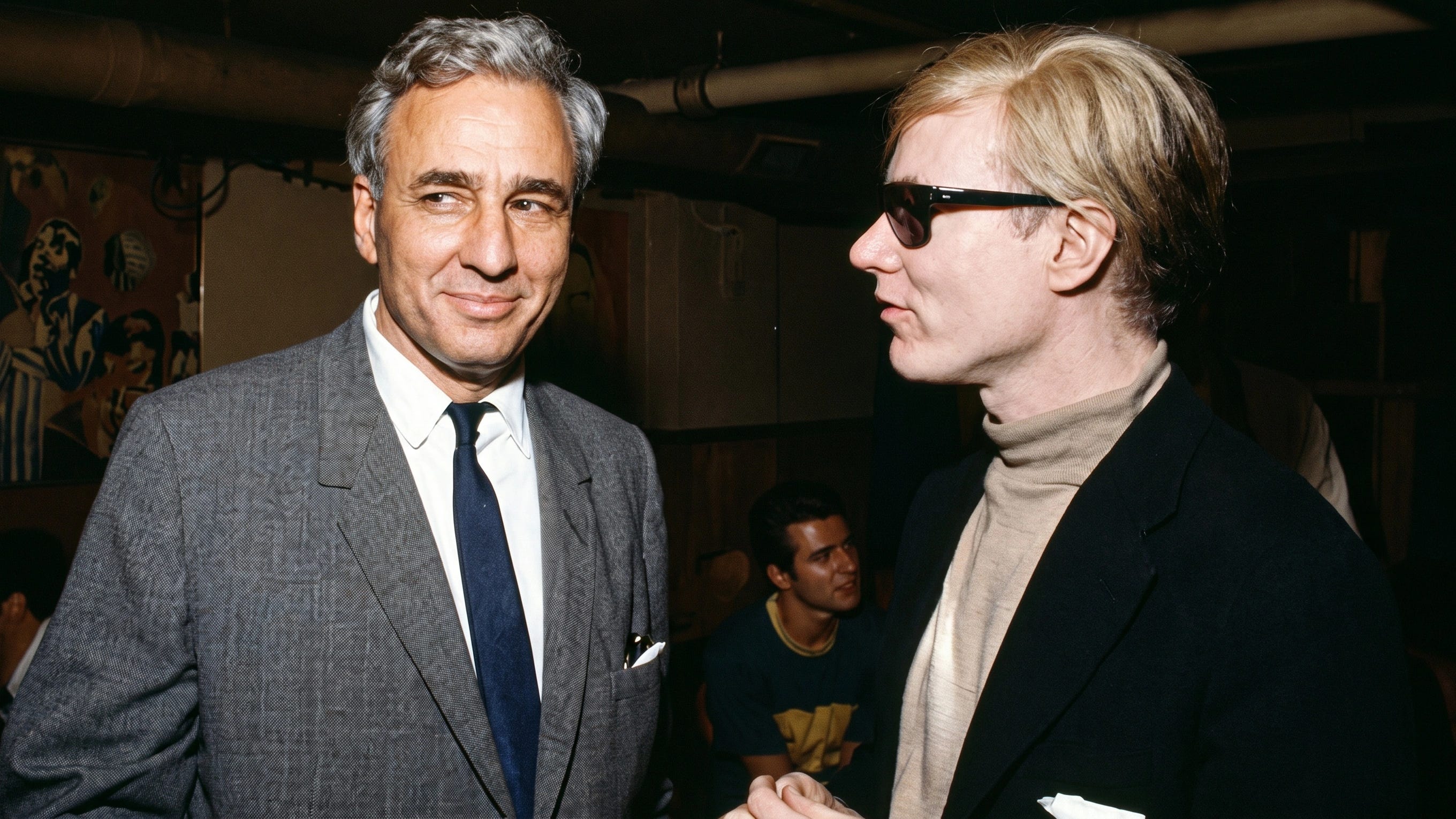
In 1962 he purchased Hog Island in the Bahamas for $10 million, roughly $90 million adjusted for inflation, and renamed it Paradise Island.
The plans were staggering: luxury hotels, a casino to rival Monte Carlo, shopping to match Fifth Avenue. The development would consume more of his fortune than anything else he ever attempted.
Simultaneously, he poured $17 million into a Gallery of Modern Art on Columbus Circle, a gleaming white marble tower that the New York press immediately nicknamed the “Lollipop Building.”
The gallery was intended as a monument to the representational art he loved. It became instead a monument to the gap between Hartford’s ambitions and his ability to execute them, a pattern that would repeat across every venture he touched for the next three decades.
Paradise Island was under construction, the gallery was hemorrhaging money, and the financial advisers sending urgent warnings were learning what everyone around Hartford eventually learned: tomorrow was always a better day to read bad news.
The fortune he was draining had taken nearly a century to accumulate, and the man spending it had never been asked to understand how.
The story of how a single tea shop in lower Manhattan became the largest grocery chain in America explains both the scale of what Hartford inherited and the discipline he chose not to.
The A&P Dynasty
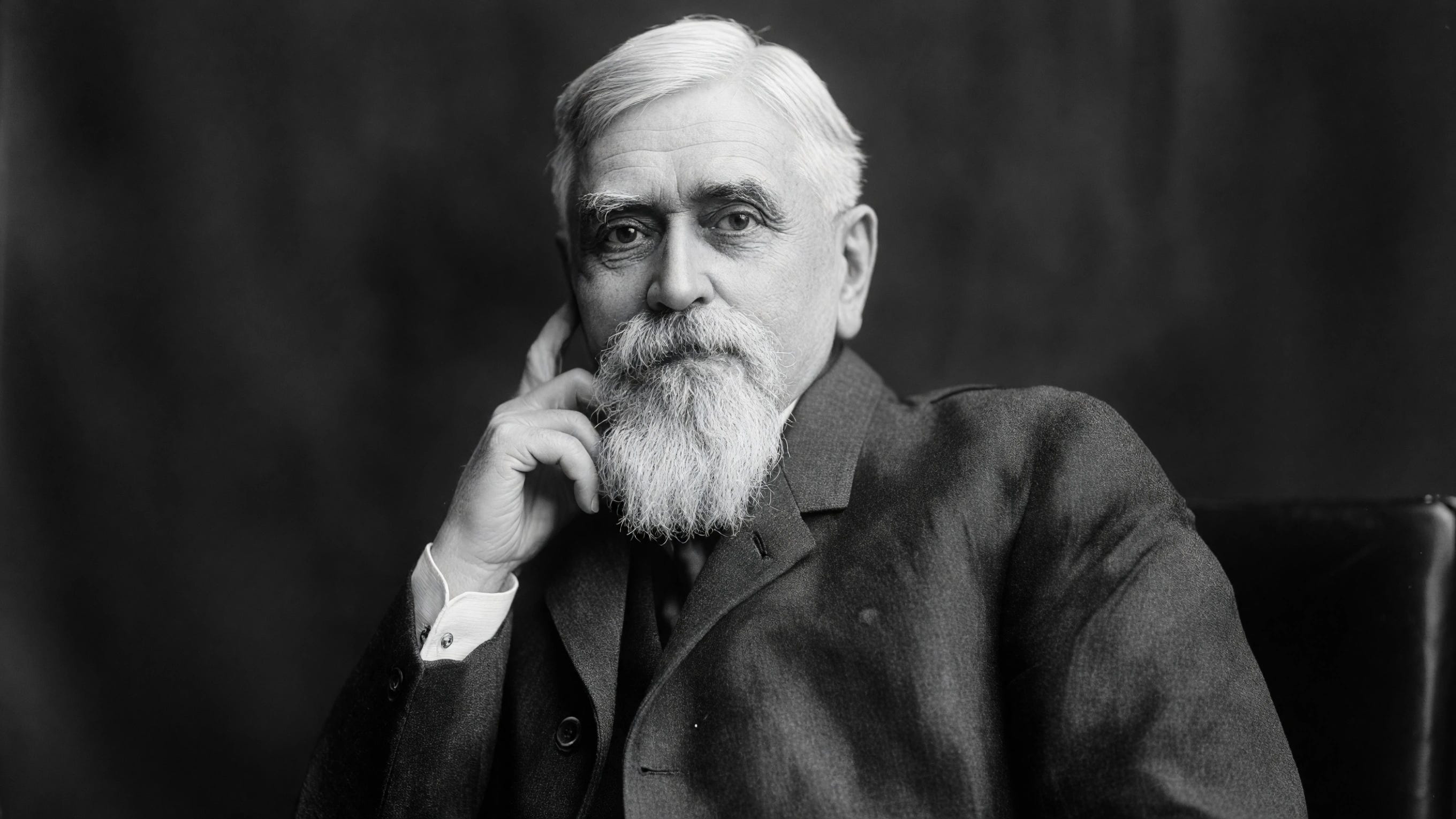
A modest storefront on Vesey Street in New York, 1859, marked the beginning of what would grow into America’s first retail empire, thanks to George Huntington Hartford and George Gilman.
The Great Atlantic and Pacific Tea Company started as a straightforward venture, importing tea directly from China to eliminate middlemen and provide consumers with better prices. Yet the elder Hartford had something even more precious than tea: an almost supernatural ability to grasp the desires and needs of ordinary Americans.
This simple beginning transformed into an unprecedented retail revolution under the leadership of his sons, John and George Jr. Hartford. The brothers revolutionized their father’s vision. By 1912, they’d created the economy store concept, slashing prices by eliminating credit and delivery services. In 1915, they launched the cash-and-carry model, and by 1925 they’d pioneered the modern supermarket format.
A&P stores multiplied across America, from 200 stores in 1900 to an astonishing 16,000 by 1930, generating annual sales equivalent to billions in today’s currency.
Behind the stores sat a much larger machine. The family operated manufacturing facilities, produced private-label goods, and controlled their supply chain with a degree of vertical integration that would later become standard across modern retail.
The Hartford name became synonymous with American business success, their wealth rivaling that of the Rockefellers and Vanderbilts.
Into this world of unprecedented prosperity stepped young Huntington Hartford II, born to a complex heritage that would shape everything that followed.
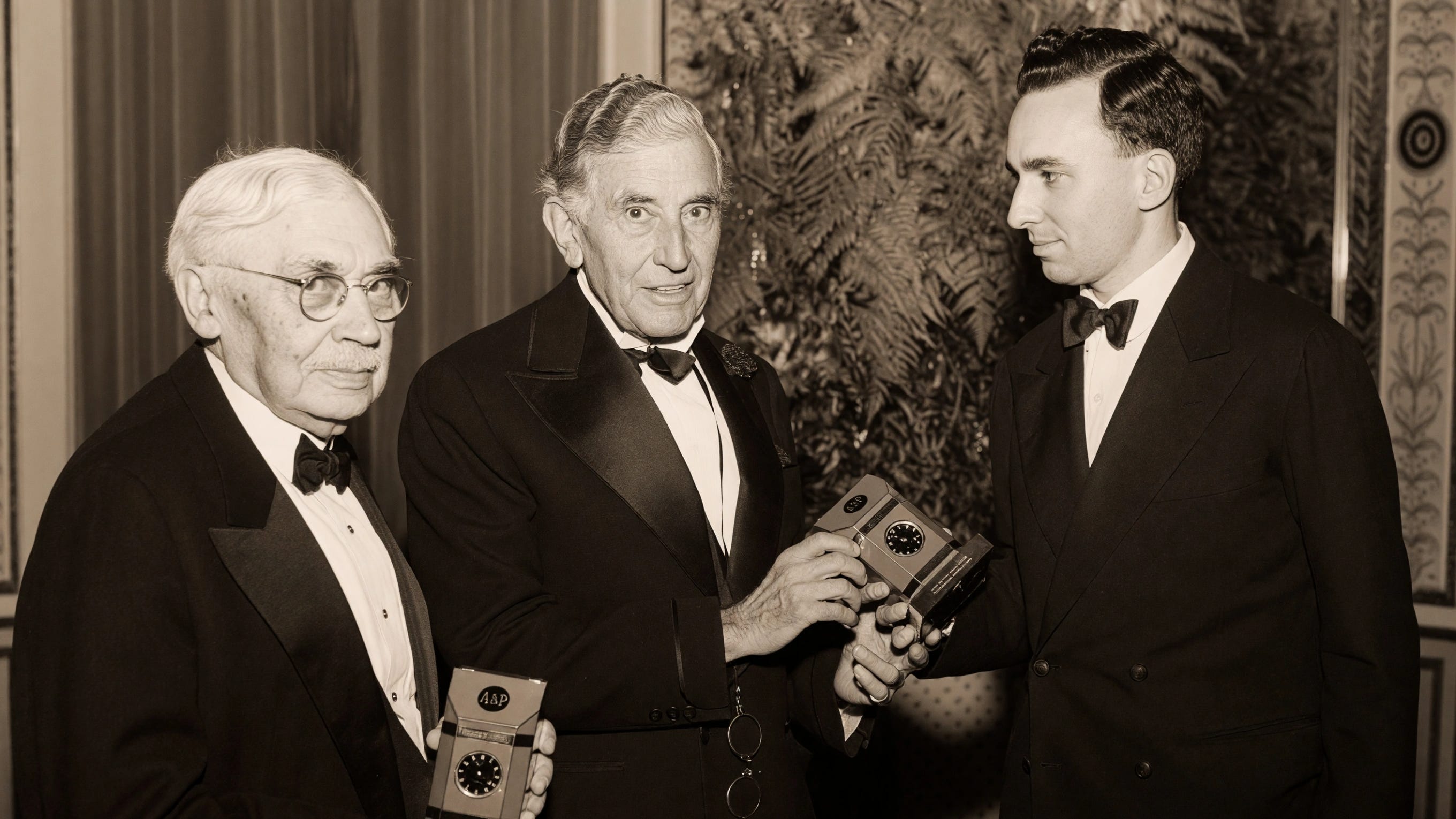
His mother, Henrietta Gerard DuPont, descended from Southern aristocracy, her family’s roots stretching back to colonial Charleston. Her extensive European travels and deep appreciation for Old World culture profoundly influenced her son’s upbringing.
She insisted on the finest education, the right social connections, and an appreciation for art and culture that would later fuel Hartford’s ambitious cultural projects.
His father, George Huntington Hartford Jr., while part of the A&P empire, carved his own path through innovation, securing numerous patents that added significantly to the family fortune.
But it was Henrietta who orchestrated young Huntington’s social education with military precision, pushing him into America’s most elite circles, where old money reigned supreme and new money, even A&P money, was viewed with barely disguised contempt.
At St. Paul’s School, among the sons of America’s oldest families, Hartford faced daily reminders of his outsider status.
Despite his family’s vast wealth, he remained “the grocery boy” to his peers.
It was a designation that cut deep and fostered insecurities that would later manifest in his desperate pursuit of social acceptance and cultural legitimacy.
When the time came for Hartford to take his place in the family business, his uncles designed what appeared to be a perfect entry plan: he would start in the advertising department, learning the business from the ground up.
The arrangement proved disastrous. Within months, his unconventional ideas and resistance to authority led to his dismissal, marking the beginning of a pattern that would define his career, ambitious dreams followed by spectacular failures.
Those formative years in the halls of elite society crafted a man who would ultimately risk, and lose, one of America’s greatest fortunes.
The Art Crusader And The Playboy
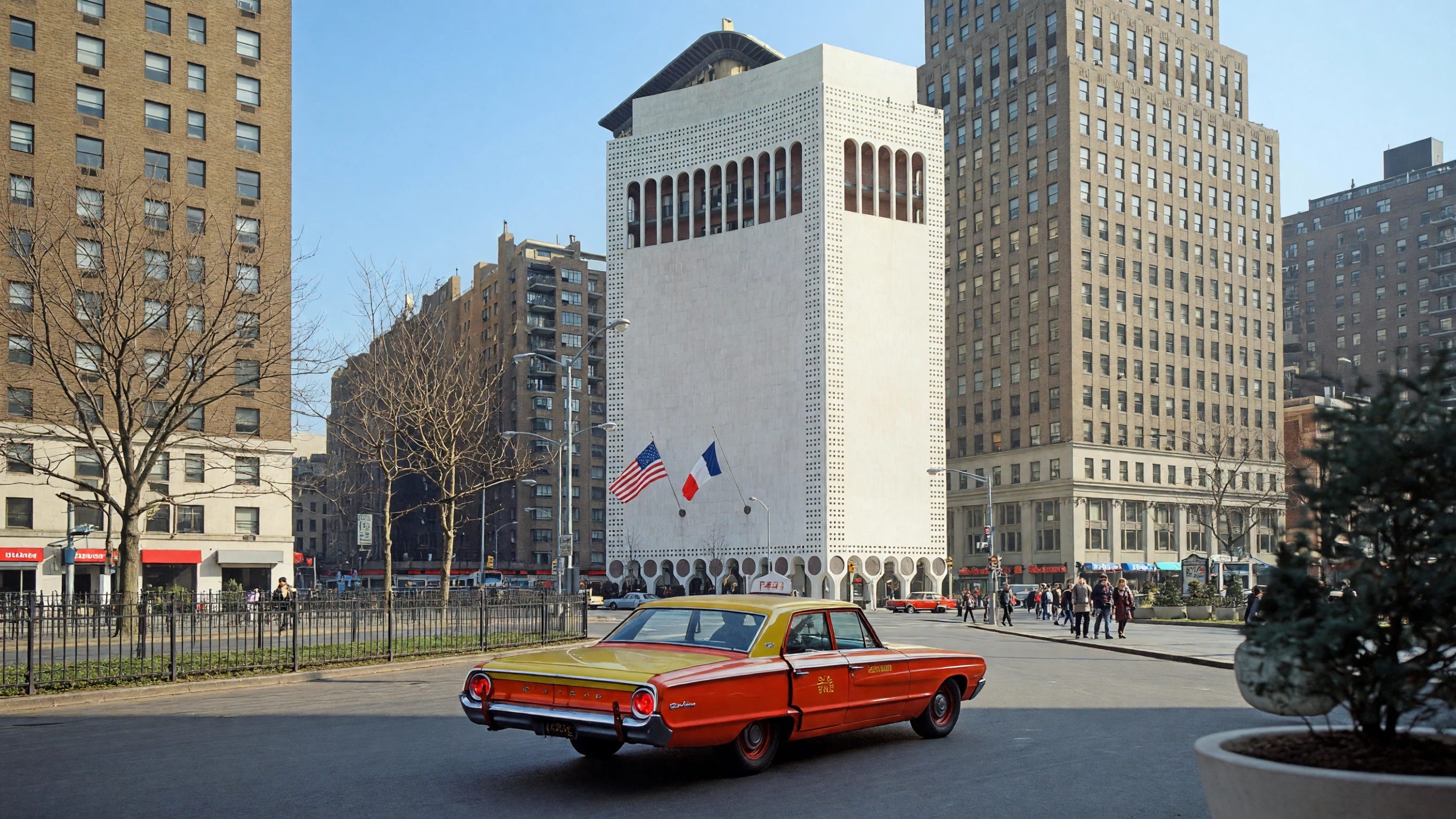
In 1964, while New York’s art establishment celebrated the raw splashes of abstract expressionism, Huntington Hartford stood in his newly completed Gallery of Modern Art, surrounded by classical masterpieces that had cost him the equivalent of $33 million in today’s currency.
The gleaming white building, dubbed the “Lollipop Building” by its critics, rose like a marble rebuke to modernism on Columbus Circle.
Hartford carried his artistic crusade west. In the hills above Los Angeles, he established a colony where painters could pursue what he called “real art,” safely removed from the modern movements he thought had ruined it.
But he was less austere at home. Hartford’s Hollywood mansion drew the sort of guest list money could assemble in postwar Los Angeles: Elizabeth Taylor by the pool, Frank Sinatra at the piano, champagne pouring from fountains and an orchestra still playing as morning approached.
Hartford moved through it all with a succession of actresses and society women at his side.
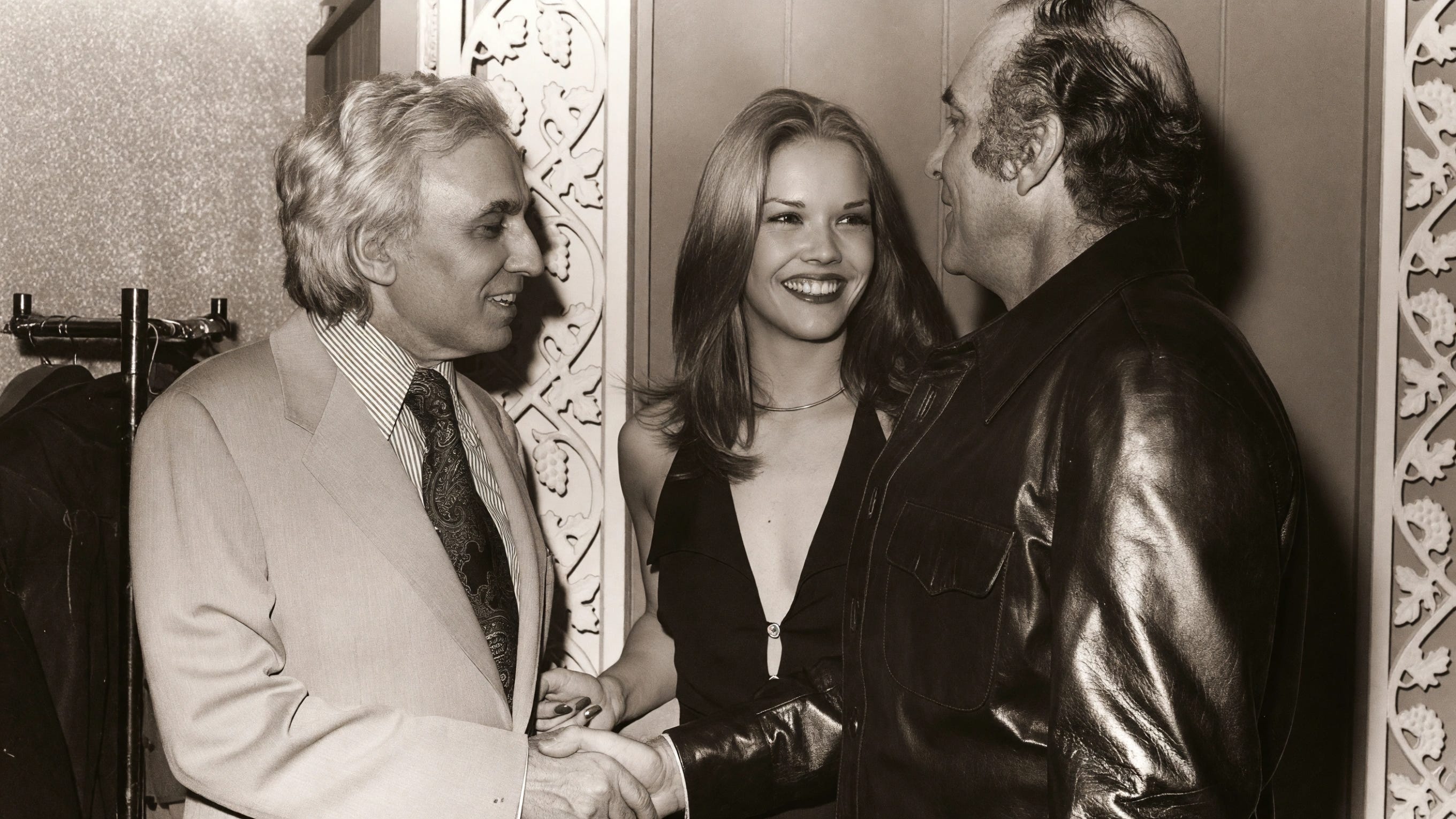
Yet even as he played host to Hollywood, Hartford’s business ambitions led him into increasingly precarious ventures.
The founding of TESCO Corporation in 1955 marked his boldest gamble yet, an experimental oil shale extraction project in Colorado that consumed millions. The technology promised to revolutionize American energy production. Instead, it merely proved that even A&P money could burn as quickly as the shale they processed.
And his personal life mirrored the volatility of his investments.
Four marriages, each more lavish than the last, punctuated by highly publicized affairs with actresses and socialites, earned him the tabloid nickname “Hunt the Playboy.”
His mother Henrietta watched each romantic misadventure with mounting horror from her Park Avenue apartment.
She dispatched a steady stream of letters and emissaries, attempting to guide her son toward more suitable matches. When he announced his engagement to a 23-year-old actress, Hartford being 47 at the time, Henrietta’s intervention proved so fierce that the young woman fled to Europe.
But by then, Hartford found an even larger canvas for his tastes.
On a visit to the Bahamas in 1959, he was taken to the almost undeveloped “Hog Island” off Nassau and became so taken with it that he bought the place, renamed it Paradise Island, and set out to turn it into his own version of the perfect resort: beautiful, exclusive and populated by exactly the sort of people he wanted around him.
It would prove to be his most magnificent miscalculation of all.
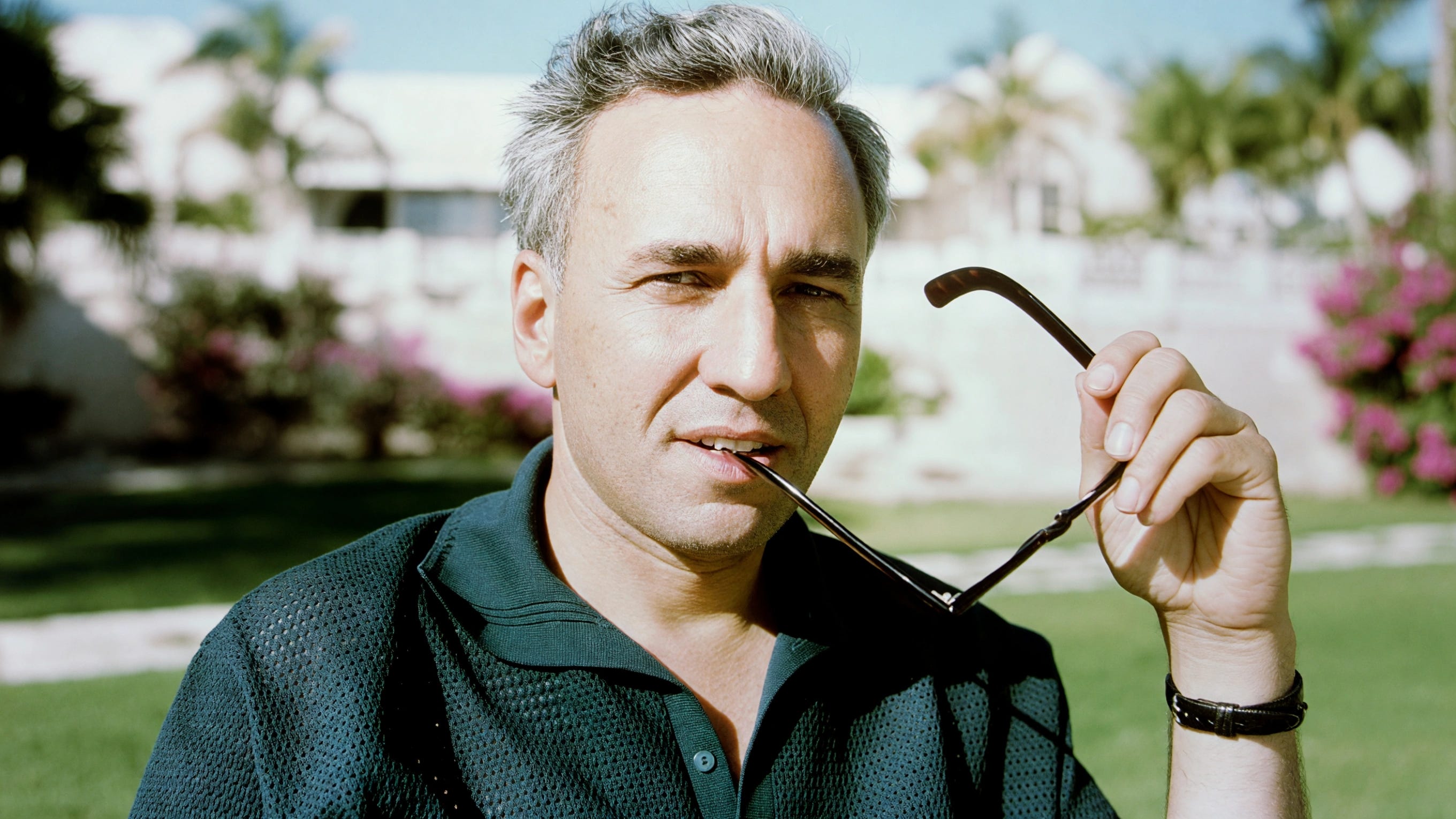
Hartford spent roughly $30 million transforming the island. At its center was the 52-room Ocean Club, looking out over terraced gardens modeled on Versailles.
He imported a medieval French cloister, built a golf course and opened Café Martinique, where even the bathroom fixtures were plated in gold. For the resort’s opening in 1962, some 2,000 guests arrived by private plane; the rooms were filled with white roses and fireworks specialists were brought in from Monaco.
But the spectacle concealed a rather serious flaw.
