
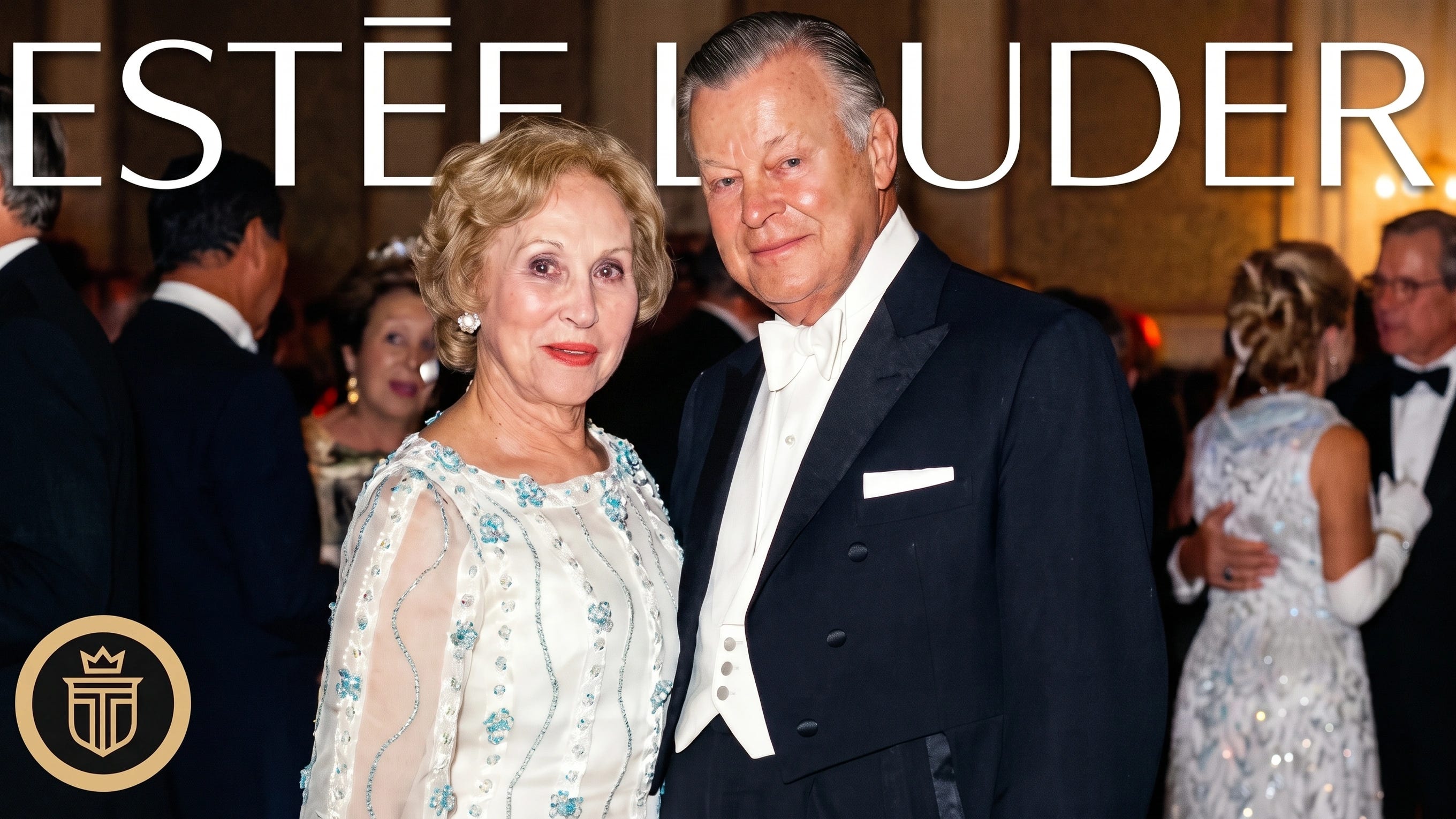
Before the Picassos, the Park Avenue penthouses, and the $110 million mansion that got demolished for its dirt, there was a woman rubbing cream into a stranger's face.
Her skin was luminous enough to sell the product without a word, yet she refused to stop talking.
She held court at any department store counter that would have her, touching everyone who stopped long enough to be touched, and she was absolutely relentless.
Estée Lauder built a $133 billion beauty empire on physical contact: free samples pressed into palms at charity luncheons, makeovers performed beside hair dryers while women had nowhere to escape, and postcards mailed to affluent neighborhoods with a single command:
"Visit me at Saks Fifth Avenue."
She cooked her first batches over gas burners in a rented kitchen and called the products “jars of hope.”
Her sons turned the fortune into museum-grade art collections and compounds across the Hamptons.
Her grandchildren inherited the art, the real estate, and each other.
But then, in 2024, a cousin’s letter to the board, accusing the other cousin of destroying the company, leaked to The Wall Street Journal.
Within a month, both Lauders were gone, an outsider held the keys, and the company their grandmother built shed over $100 billion in market value with no floor in sight.
Super Rich All-Purpose Cream

The grandmother that built the Estée Lauder family empire started with nothing but shame and a gas stove.
Josephine Esther Mentzer grew up in Corona, Queens, the daughter of Hungarian Jewish immigrants who ran a hardware store.
The accents, the immigrant neighborhood, the outsider status:
She was ashamed of all of it, and the first thing she softened was her own name.
At home her parents called her “Esty”, and by the time she enrolled in school the nickname had become Estée, a name that sounded far less like Corona, Queens.
Her uncle, Dr. John Schotz, changed everything. His small laboratory became one of the first places Esther saw beauty treated as a craft rather than a mystery. She watched him mix creams, learned the formulas, and paid attention to the details most people would have ignored.
The work appealed to something already intense in her personality: the belief that appearance could be improved through discipline, technique, and persistence. She later called it an obsession with making women beautiful.
She was soon testing that obsession on everyone around her. She christened one of her uncle's blends Super Rich All-Purpose Cream and sold it to her friends, then to beauty shops, beach clubs, and resorts.
At the House of Ash Blondes, the owner was so struck by Estée's perfect skin that she asked what she used, and the answer earned Estée a place selling in the owner's new salon.

Romance found her on a summer holiday at Mohegan Lake in upstate New York, where she met Joseph Lauter, a quiet young man six years her senior who had studied accounting at a trade school on the Lower East Side. After a three-year courtship they married in 1930 and moved to Manhattan. They later changed the spelling of their newly shared last name to Lauder, correcting a mistake made when Joseph's Austrian father immigrated.
Their son Leonard arrived in 1933, but Estée still had a second dream. She believed actresses were the epitome of beauty, and she began appearing on stage at the Cherry Lane Theater in Greenwich Village while little Leonard sat at the back watching her rehearse.
As she later put it, she wanted to see her name in lights.
Joseph, meanwhile, was struggling through a series of failed business ventures, and the distance between his luck and her ambition kept growing.
In 1939, she divorced him and moved to Florida with six-year-old Leonard, later explaining that she had married too young and feared she had missed out on life. There, she reportedly fell into an affair with a married man from the fragrance business.
Back in New York, the husband she’d left behind was still holding on to the name she would one day put on every jar.
Jars of Hope
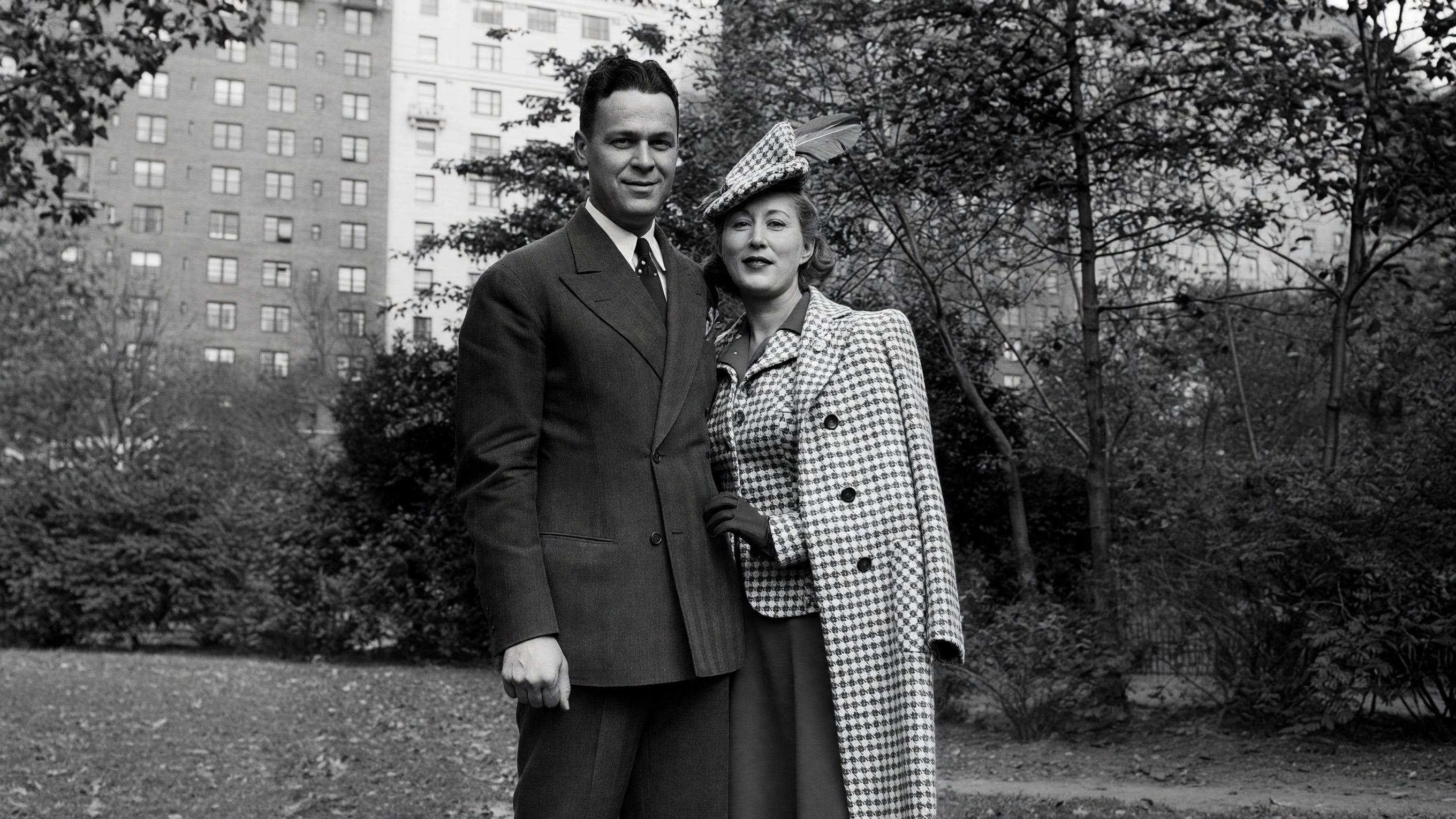
The separation lasted three years.
In 1942, Estée married Joseph again, and she later said she had married so young that she assumed she was missing out on life, until she realized she had “the sweetest husband in the world.”
Four years later, they formalized the business side of the partnership. Their first factory was a former restaurant kitchen at 1 West 64th Street in Manhattan, where they cooked creams on gas burners, filled jars, and affixed labels by hand, and their first office cost $25 a month.
Now, Estée chose pale turquoise jars to match the bathrooms of affluent 1940s homes, because she understood that packaging mattered as much as formula. Her saleswomen were trained to give makeovers rather than push products, and to treat each customer as someone worth their full attention.
She called her creams “jars of hope.”
Advertising was beyond her budget, so she put $50,000 (equal to over $700,000 today) into samples and trusted women to come back for more.
When department store buyers wouldn’t see her, she worked charity luncheons, handing custom lipsticks to every socialite in the room.
When women sat under salon hair dryers with nowhere to go, Estée appeared beside them with creams and oils.
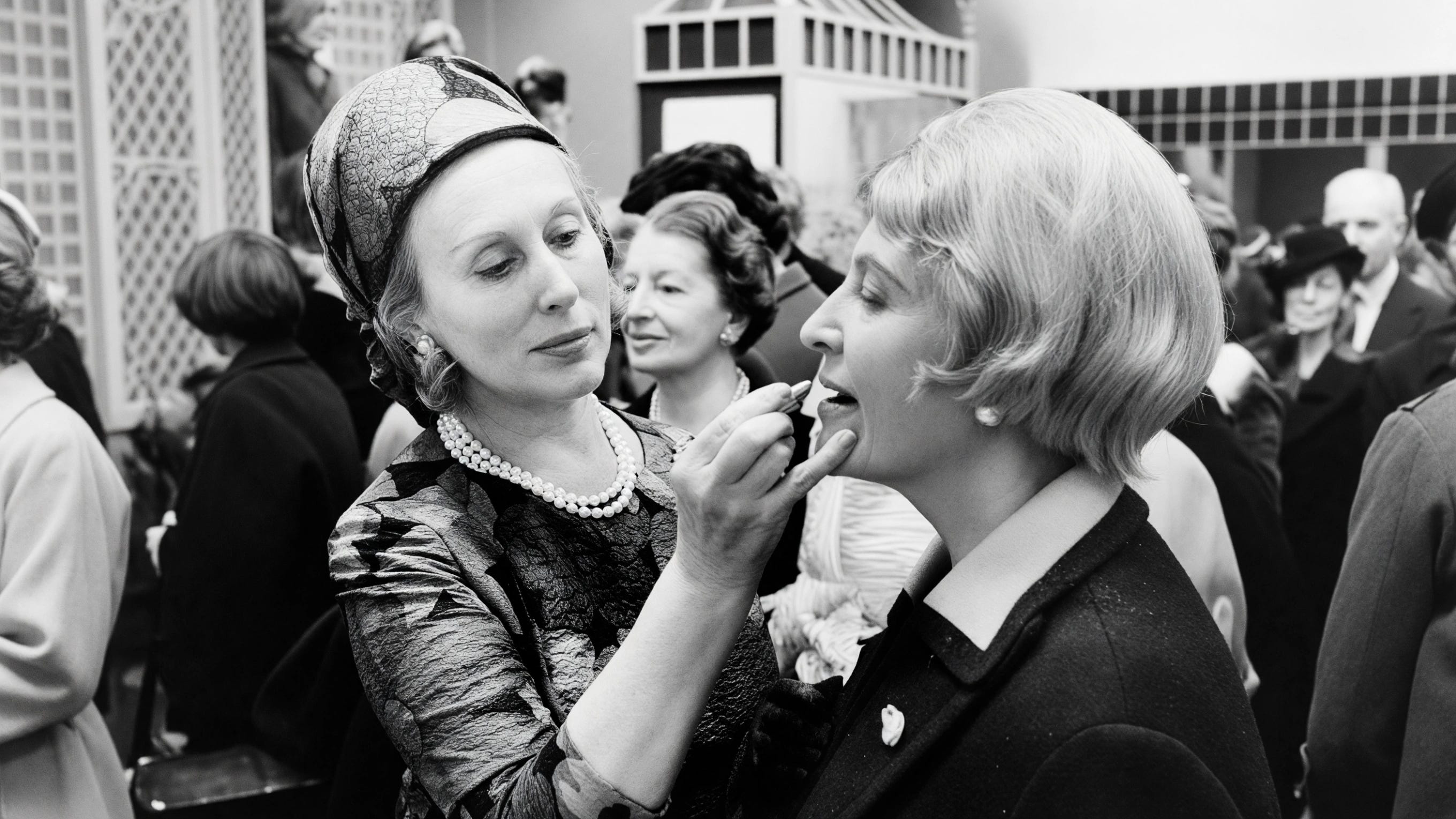
By 1947, Saks cosmetics buyer Robert Fisk placed an $800 order, and it sold out in two days. Estée followed up with postcards promising a free cream-based powder with every purchase, and nearly 80 years later, gift-with-purchase is still the main way prestige beauty sells.
Leonard later explained the philosophy: “A free sample was the foundation on which Estée Lauder was built, because if you give a customer a sample and they like it and come back again and again, that is what builds the business.”
He’d learned it on the job, delivering product to Saks Fifth Avenue on his bicycle by age 14. In 1953, Youth Dew, a bath oil that doubled as perfume, changed the company’s scale overnight. Perfume had been a luxury for special occasions, but a bath oil could be poured into the tub every night, dabbed behind the ears, and wrapped as a gift.
By 1958, around 80% of annual revenue depended on Youth Dew alone. Leonard, who had joined the company formally after Navy service, saw that as the company’s greatest weakness.
His mother had built one monument. He intended to build 26.
The Crown Prince
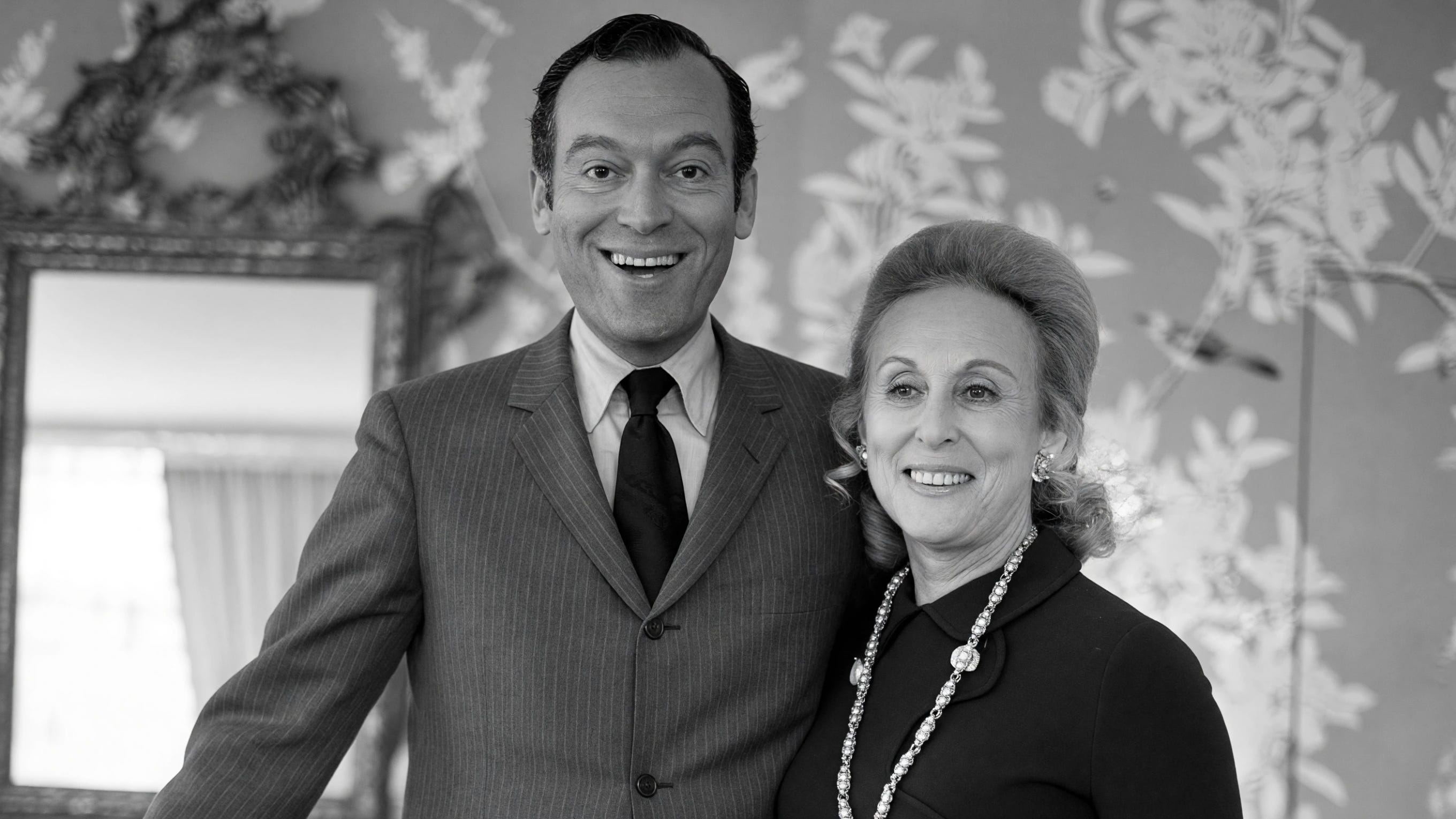
If Estée was the performer, her eldest son was the stage manager.
Leonard was methodical where his mother was intuitive, and at the office he called her “Mrs. Lauder,” a small, deliberate formality in a company where family and business had always shared the same dinner table.
He took over as chief executive in 1982 and spent the next 17 years turning his mother’s handful of brands into a court of them. MAC, Bobbi Brown, Aveda, and Jo Malone London all came into the house, and he liked to let the newcomers sharpen each other through rivalry, while La Mer sat at the very top as the jar for women who never asked the price.
When he took the company public in the mid-1990s, he made sure the public could buy in without ever taking over. A dual-class share structure kept the family’s grip on every major decision, so Wall Street supplied the capital and the Lauders kept the steering wheel.
Leonard Lauder ran a billion-dollar empire on handwritten notes and smiley faces.
The culture he built was oddly tender for a company of that size. Senior staff received notes on Lauder Blue paper, often signed with a smiley face, and departing employees were sent off with the same two words: “See you soon.” Many of them came back.
Furthermore, he was just as particular with his own heir.
Leonard insisted his son William work somewhere else first and learn a foreign language, so William spent three years at Macy’s before joining the family company in 1986.
In 2008, when the board recruited Fabrizio Freda from Procter & Gamble, William moved up to executive chairman, a grand title that came with oversight but not the day-to-day running of the business.
Leonard had designed a machine meant to outlast any single Lauder. His children inherited the machine, and his grandchildren inherited each other.
Two Brothers, Two Walls
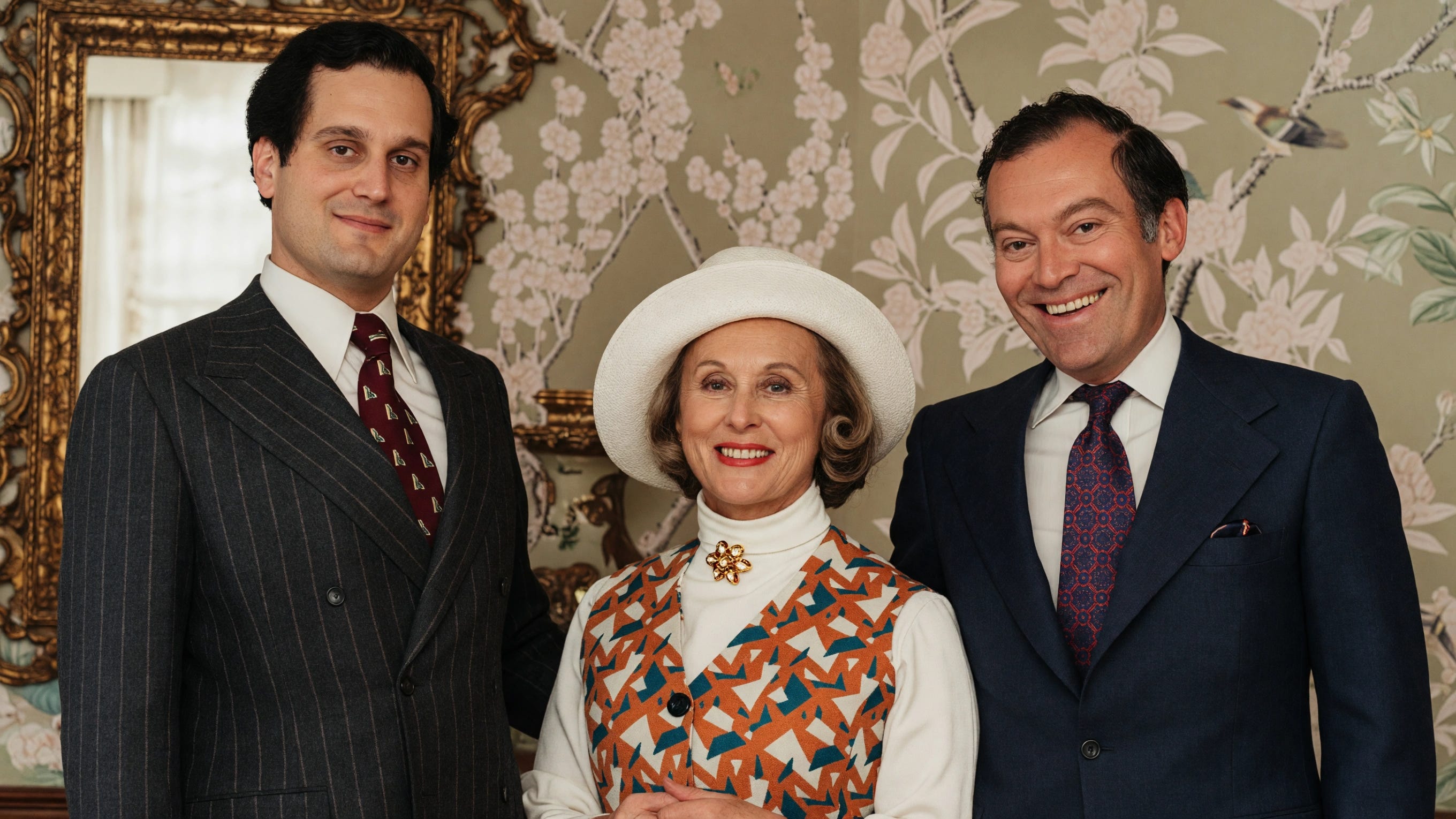
While Leonard built the company, both brothers were building something they hoped would outlive it.
Leonard’s passion was Cubism, and he spent nearly four decades assembling one of the finest private collections of it in the world. At the Victor and Sally Ganz sale at Christie’s in 1997, he paid nearly $25 million for Picasso’s Femme Assise, well above the estimate. A former head of Impressionist and Modern Art at Sotheby’s said Leonard was simply the man you called if you had a good Cubist painting to sell.
In 2013, he gave the entire collection to the Metropolitan Museum of Art.
His younger brother, Ronald, born in 1944, collected like a man furnishing a private kingdom, gathering some 500 works that ran from medieval sculpture to German Expressionism. He co-founded the Neue Galerie on Fifth Avenue to house them, and every room was designed to argue his taste as loudly as the paintings did.
And Ronald wanted a public life to match. President Reagan made him U.S. Ambassador to Austria in 1986, in the tense years after Kurt Waldheim’s election, and in 1989 he spent lavishly on a run for mayor of New York, only to lose the Republican primary. He went on to fund Jewish schools across Eastern Europe and to chair the Conference of Presidents.
The face-cream fortune had become Picassos, Park Avenue, and a family table set for 70.
The next generation consequently inherited the trappings along with the expectation of protecting them. William kept a full-floor apartment at 778 Park Avenue, one of Rosario Candela’s finest buildings, and bought a second unit there from Ronald Perelman. Ronald’s daughter Aerin took over Estée’s Greek Revival house in East Hampton, where she still sets the table with her grandmother’s plates and silverware. “Using her plates and silverware, I feel her presence,” she has said, and the house fills with 60 or 70 relatives at the holidays.
But all of it rested on a business that was about to lose over $100 billion in value.
The China Bet
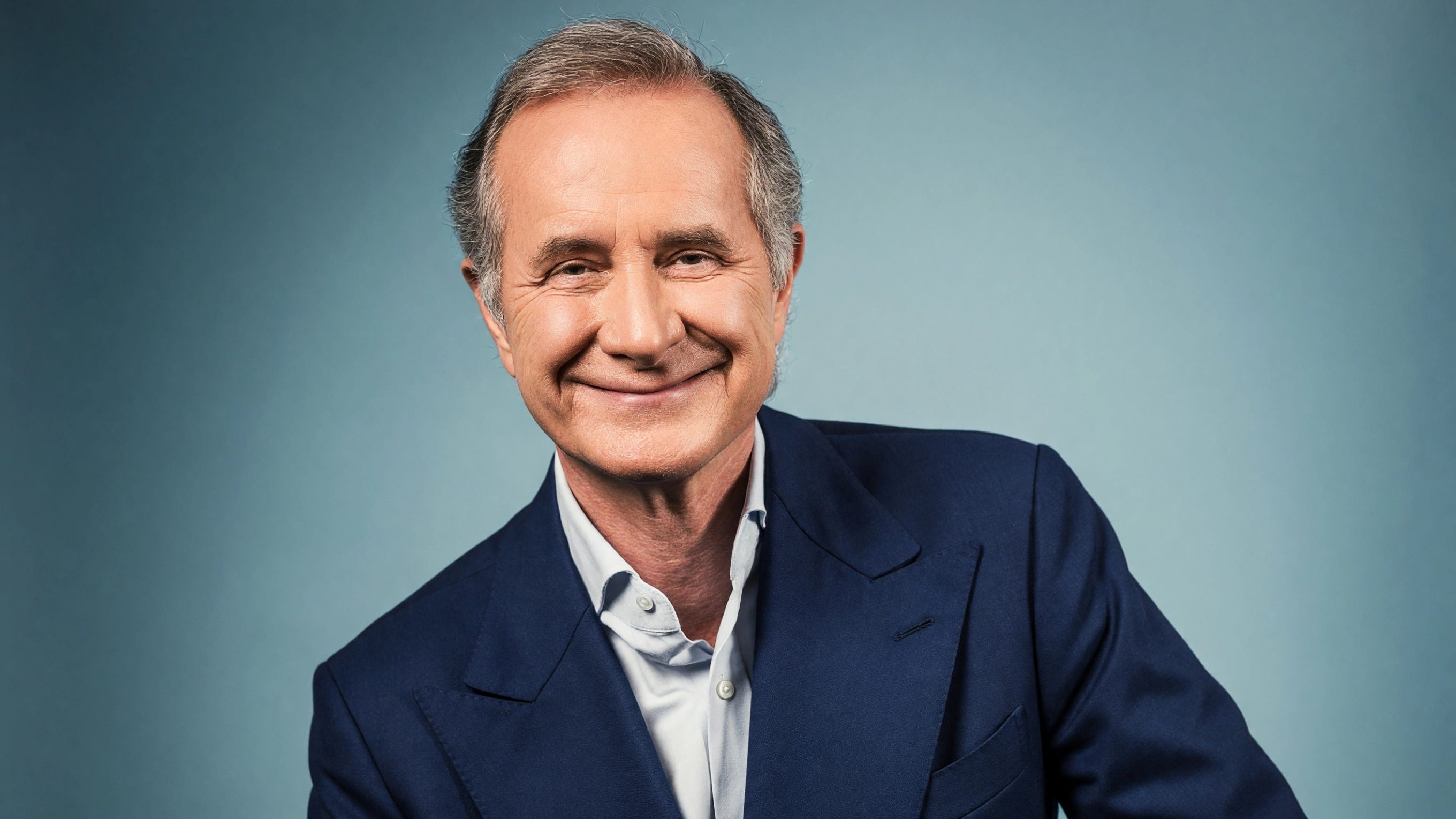
For more than a decade, the man running the empire bet its future on China.
Under Fabrizio Freda, Asia came to account for over 30% of sales, and the airport duty-free counters of Hainan and other travel hubs became the company’s great engine of growth. The company even spent over $1 billion on a manufacturing plant in Japan built to serve Chinese shoppers.
The plant was finished, but the shoppers never arrived. When China reopened in late 2022, the expected spending spree never came. Young Chinese consumers, squeezed by unemployment, turned careful with their money and began buying cheaper local brands instead.
Sales slid 12% from their peak and earnings fell by 60%, while Tom Ford Beauty, bought for nearly $3 billion in 2022, lost nearly half its value on the books within two years.
While the balance sheet bled, the executive chairman’s private life spilled into public view.
According to the lawsuit that later surfaced, William had begun an affair with a woman named Taylor Stein in Aspen in 2000, while he was still married. When she became pregnant, he allegedly pressed her to end the pregnancy. She refused, and their daughter was born in 2007.
William allegedly paid $1 million a year in support and for her silence, and the arrangement held until the girl, then 13, revealed on social media who her father was. William then moved to evict mother and daughter from a $7 million mansion in Bel Air, and Stein sued him for breach of contract.
So in the very season the company could least afford a distraction, the grandson of the woman who sold “jars of hope” was fighting his secret daughter’s mother in court. When Freda announced his retirement in 2024, the board began searching for a successor.
Jane Lauder, Ronald’s daughter, believed the job was hers.
The Letter

Jane had the name, the years inside the company, and a record as its chief data officer that few could fault. In her mind, the line of succession led straight to her desk.
The board looked elsewhere and chose Stéphane de La Faverie, a company executive who was not a Lauder. Jane’s answer was a confidential letter to the directors, and it went straight for her cousin. She accused William of destroying the company and demanded that he be removed as executive chairman.
A confidential letter to the Estée Lauder board landed in The Wall Street Journal.
The cousins were grandchildren of the same woman, which made the attack all the more startling.
But Jane wasn’t taking aim at a hired manager; she was taking aim at the son of the man who had built the modern company… and at the branch of the family that had always sat closest to the throne.
And Leonard, by then in his nineties, was still alive to watch his heirs turn on one another.
Then the letter leaked to the Wall Street Journal, and a private family quarrel became front-page business news. “It looks like Jane has some balls,” a person with ties to the family told Puck News.
The fallout came fast. William stepped down as executive chairman days after the letter became public, and Jane left her executive role within weeks. For years the family had repeated its own creed, “We are not a family business, we are a family in business.” Almost overnight, the cousins had shown how fragile that distinction really was.
For the first time in its history, the company was run by an outsider with no Lauder at his side.
The Kitchen Table
De La Faverie took office on January 1, 2025, and inherited a company worth over $100 billion less than it had been at its height.
He began the deepest restructuring in its history, cutting thousands of jobs, chasing up to $1 billion in savings, and shrinking seven global regions into four. Online sales climbed to a record 31% of revenue, as the business drifted away from the department store counters where Estée once stood rubbing cream into strangers’ faces.
In June 2025, Leonard died at 92. Within months, trusts tied to his descendants sold over $1 billion in stock to cover estate obligations, and the family’s share of the vote slipped to about 82%.
It was still control, though far from the near-total command Leonard had spent a lifetime engineering.
The dynasty kept its seats at the table, but somebody else now held the knife.
William still sits on the board without executive power, and so does Jane. Their children, scattered between Palm Beach, Manhattan, and the Hamptons, seem drawn more to lifestyle ventures and design projects than to the grind of rescuing a troubled public company. They grew up in a world where the dividend arrived like a birthright.
The monuments, at least, are safe. Ronald’s Neue Galerie and Leonard’s Cubists at the Met will outlast every earnings call, every CEO, and every family feud.
In the 1990s, Estée said she feared the day when companies became “just companies, not a family’s heart and soul.” That day has come.
The girl from Corona turned shame into hunger and hunger into an empire, but her heirs were born inside the palace walls, and belonging has proved far harder to hold on to than hunger ever was.
Well written. You might add that Jane Lauder is married Kevin Warsh, the new head of the Fed.
I’m the early 80’s I got my first bottle of Beautiful perfume it’s still my signature. I put a spray in a handkerchief and left in my son’s bed when he was born so he knew I was near. I loved Estée Lauder beauty products even when I could not afford it. Happy memories stunning products.