
The man who controlled who could see Marilyn Monroe’s body hadn’t been her husband for eight years.
Despite only being married to her for nine months, Joe DiMaggio dictated the terms of her funeral, keeping it to only 25 people while denying entry to nearly everyone in Hollywood.
He sent roses to her crypt for years. The husband most often accused of trying to confine her was refusing to let go one last time.
Monroe was married off at sixteen to avoid a foster home. By thirty-six she’d reportedly been physically assaulted after the most famous scene of her career, wrecked by a second pregnancy loss, and locked inside a psychiatric ward she believed she’d entered voluntarily.
The ex-husband she’d divorced for cruelty rescued her from that ward. It was the sleeping pills she swallowed every night eventually killed her.
Marilyn Monroe could have had any man she wanted. She spent three tempestuous marriages chasing the one thing none of them gave her: a home.
The Foster Home
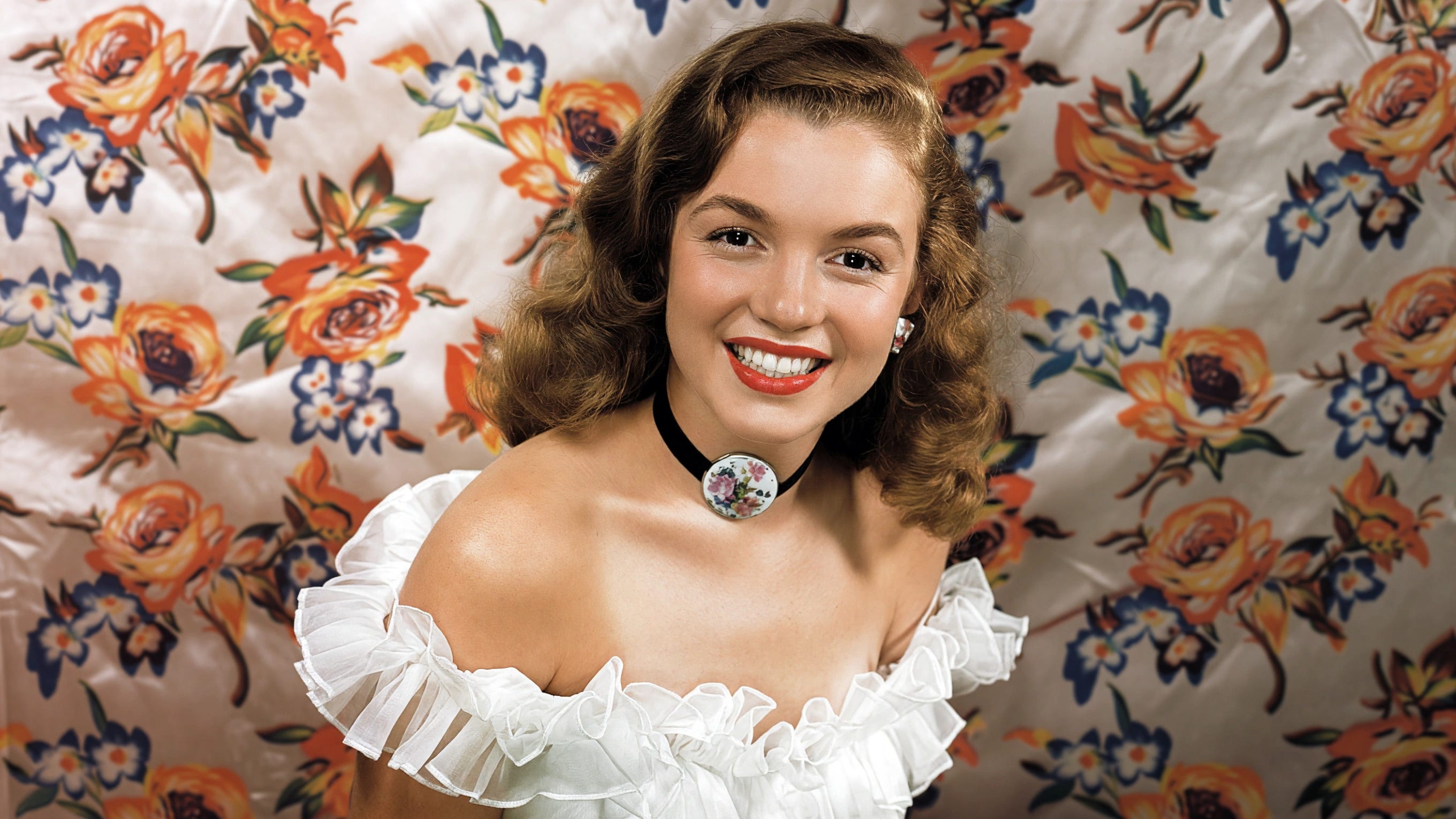
The girl who became Marilyn Monroe never had a permanent address until a man gave her one.
Norma Jeane Mortenson was born in Los Angeles on June 1, 1926. Her mother, Gladys, suffered severe psychiatric illness and was institutionalized, and her father was absent. Consequently, much of Norma Jeane’s childhood passed through foster arrangements and an orphanage.
Grace McKee, Gladys’s friend from the film business, became her legal guardian and supplied the first version of the dream.
Grace worshipped Jean Harlow and told the little girl she’d grow up to be a movie star. Then she married Erwin “Doc” Goddard in 1935, money grew tight, and that September nine-year-old Norma Jeane was delivered to the Los Angeles Orphans Home, where she stayed for nearly two years.
As an adult, Monroe spoke of men who’d preyed on her as a child in more than one of the homes that took her in. Biographers still argue over the particulars, yet the instability and lack of emotional safety are beyond dispute.
“Home” was something adults could give or withdraw at a moment’s notice.
When Doc Goddard’s employer sent him to West Virginia in 1942, Grace’s guardianship couldn’t follow the family across state lines. For fifteen-year-old Norma Jeane, that meant a return to the orphanage, a new set of foster parents, or the one exit that would end her childhood in the eyes of the law. Grace chose door number three: a husband.
And she already had someone in mind.
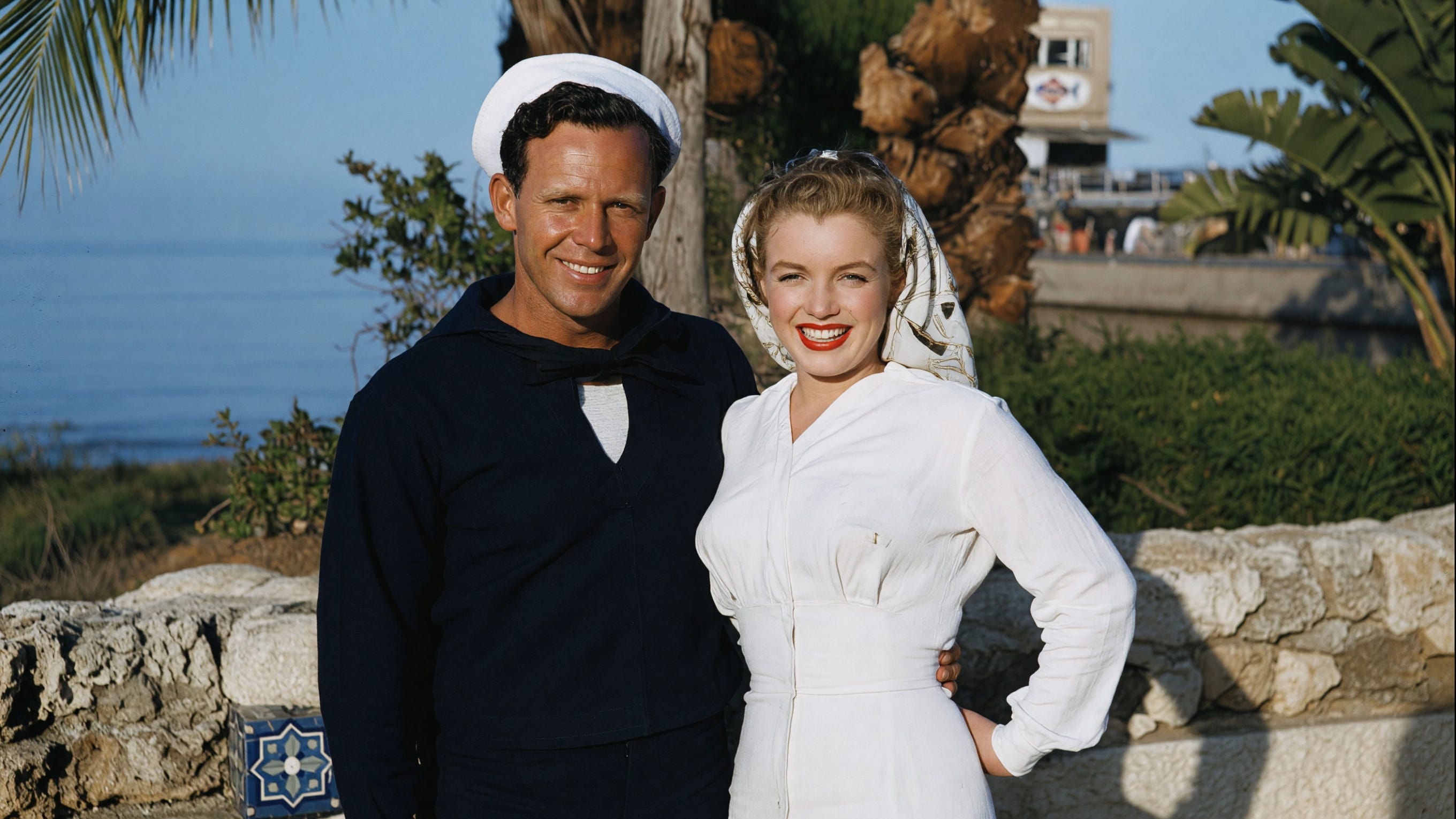
James Dougherty was the twenty-one-year-old son of a neighbor, a steady young man with a job, and Grace had encouraged the two of them to date since the previous fall.
Both Norma Jeane and Jim later described their union as a way to keep her from returning to an orphanage or foster home.
Dougherty always said they were in love, too, and the photographs bear him out. Look closely, though, and the bride is barely past her sixteenth birthday, standing in the first home anyone had promised to let her keep. The wedding took place on June 19, 1942.
It was eighteen days after Norma Jeane turned sixteen.
Jim was twenty-one with a job in the aircraft industry, and his bride traded high school for housekeeping. When he joined the Merchant Marine the following year, he was stationed on Catalina Island, and by his account the months they spent there were affectionate, even sweet.
What strained the marriage was a quarrel over who Norma Jeane was supposed to be. To Jim, she was a wife, and he expected to come home to one when the war sent him overseas. While he was gone, Norma Jeane took a job at a defense plant in Van Nuys, where an Army photographer shooting morale pictures saw an image worth selling. She saw something more: money of her own, a measure of independence, and proof that the attention she’d learned to attract could become a profession.
She signed with the Blue Book Modeling Agency and began angling for a studio contract. Studios, Dougherty later said, preferred their starlets single, because a pregnancy made a contract player commercially inconvenient. She offered him a compromise: a divorce on paper and the same life at home. He wanted a real marriage and children, and he turned her down.
By the end of 1946 the marriage was over, Twentieth Century-Fox had signed her, and Norma Jeane had become Marilyn Monroe.
The first husband rescued her from the orphanage and taught her the price of the rescue: a home could last only as long as she stayed small enough to fit someone else’s plans.
The second husband would make her pay for growing large.
The White Dress
Monroe’s rise industrialized the childhood problem.
The studio system offered a new kind of housing, built from contracts, publicity departments, makeup chairs, and producers who told her where to appear and what kind of woman she’d be.
Gentlemen Prefer Blondes and How to Marry a Millionaire carried her fame higher, and the Marilyn the studio manufactured was breathy, available, and apparently uncomplicated.
Behind the image, Monroe was a voracious reader with almost nowhere to put the habit.
In 1951, just as her career caught fire, she enrolled in two literature courses through UCLA's adult-extension program, and she'd go on to fill her shelves with more than 400 books, their margins full of her pencil notes.
When literature did come up, she sometimes leaned into the ditzy expectations, and she worried that the image making her famous would keep anyone from taking her seriously.
Joe DiMaggio looked like a counterweight. As a New York Yankees legend, he’d built his own mythology long before he met her, and he had no use for her fame.
They married at San Francisco City Hall on January 14, 1954, and the press covered the wedding as a merger of cinema and baseball royalty.
The “power couple” symbolism concealed a basic incompatibility in the marriage.
DiMaggio had retired and reportedly pictured a quieter domestic life, while Monroe’s career demanded publicity, revealing costumes, and a body that had become public property.
The honeymoon exposed the contradiction almost at once.
During a trip to Japan, Monroe broke away to perform for American servicemen in Korea, and she later called it the moment she truly felt like a star. DiMaggio saw the same performance as the spectacle he could least tolerate.
Monroe told friends he objected to her costumes, her screen kisses, and the women she played. What he wanted, in the end, was for her to give up the work that had made her famous.
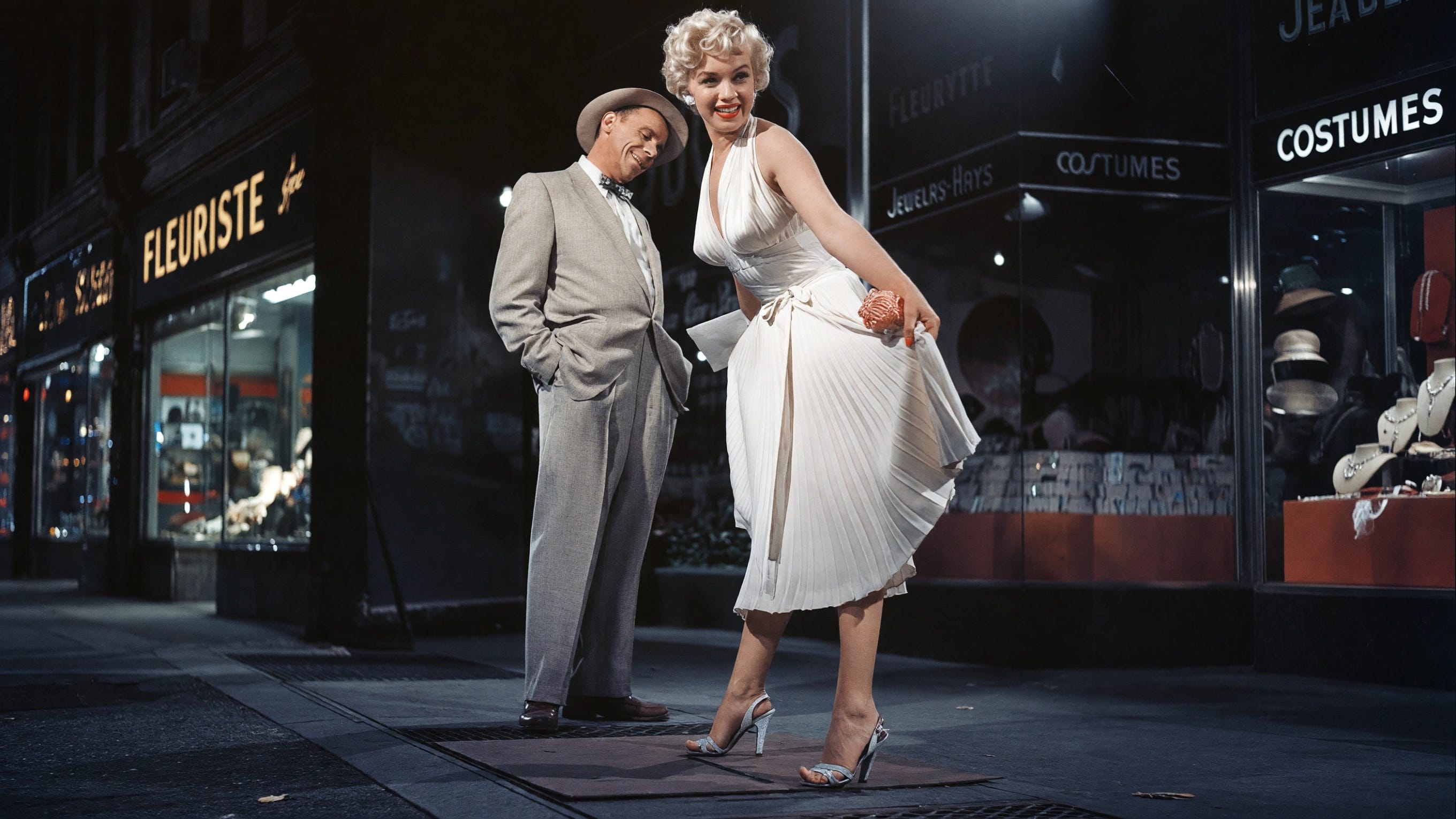
Then came the subway grate.
In September 1954, Monroe filmed the white-dress scene for The Seven Year Itch on a New York street, surrounded by photographers and onlookers. DiMaggio reportedly stood in the crowd as the skirt lifted again and again to cheers, and biographical accounts say he took the display as a humiliation.
Biographers and associates later alleged that he physically assaulted her after the shoot, leaving bruises that makeup personnel had to cover, although these claims are not confirmed.
The record is firmer on what followed. Monroe announced their separation soon after and cited mental cruelty.
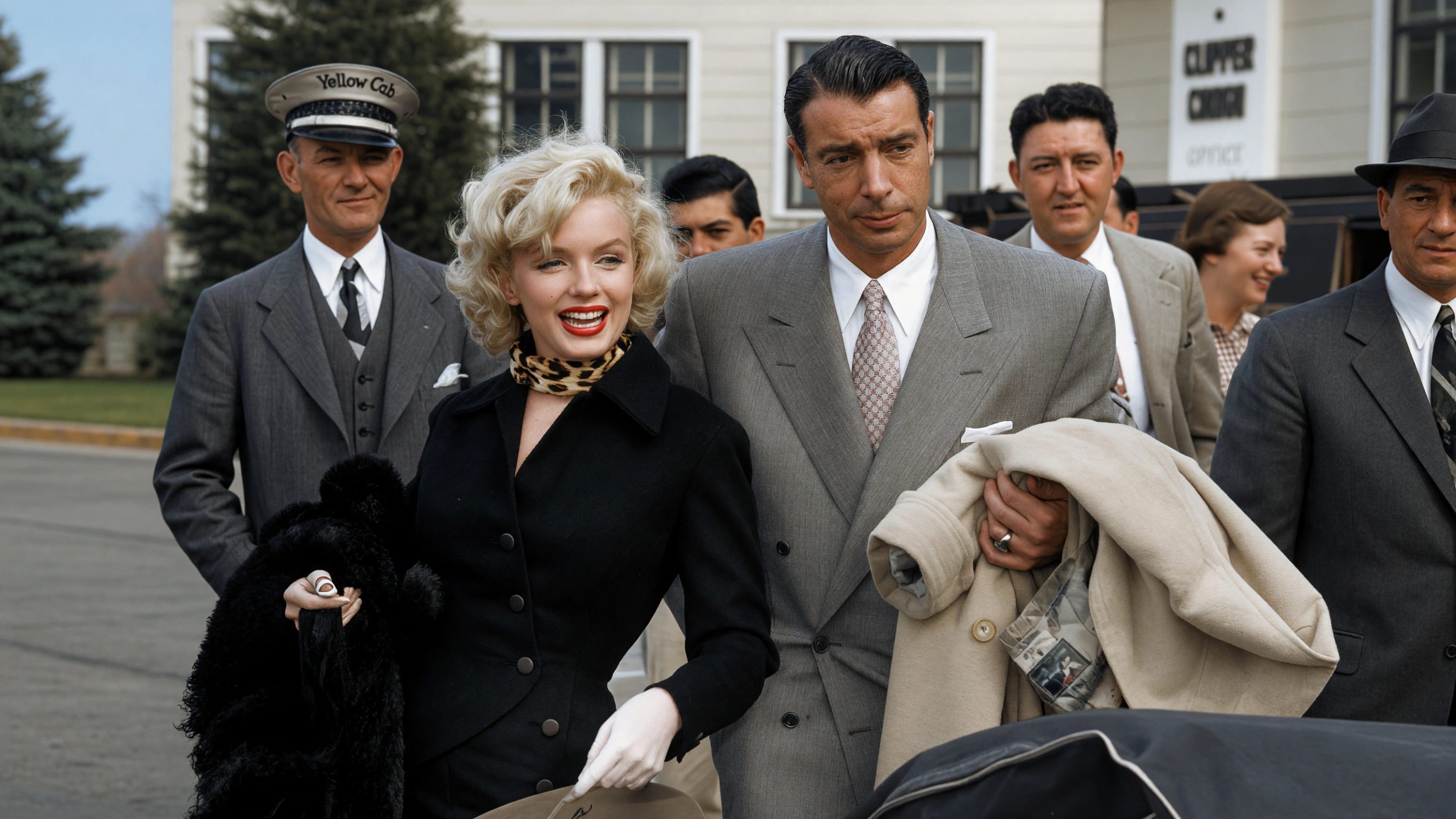
In the divorce proceedings, she described DiMaggio as cold, indifferent, and moody.
She experienced him as a man who could go days without speaking to her and who tried to limit whom she saw. But her testimony went further.
She’d offered to give up her work, and the offer left the marriage exactly as broken as before. By her own account, she’d considered sacrificing the career and discovered that sacrifice couldn’t purchase emotional safety.
The marriage had lasted about nine months. On the pavement, Monroe had performed the image that paid for her life, and in the hotel, according to the allegations, she was punished for performing it too well.
After seeing her cry, DiMaggio wrote that his heart had split further and that he wanted to restore her confidence.
He felt himself falling for her again and he wanted to reconcile. Love and control can live in the same man, and the love can make the control harder to see.
DiMaggio stayed in her orbit after the split, and claims that they planned to remarry before her death appear in biographies and in Berniece Baker Miracle’s memoir, though the evidence remains inconclusive.
The second marriage left behind a dangerous pattern, in which the man associated with jealousy and alleged violence also became the man she called in a crisis.
The third husband promised to see past all of it.
The Playwright
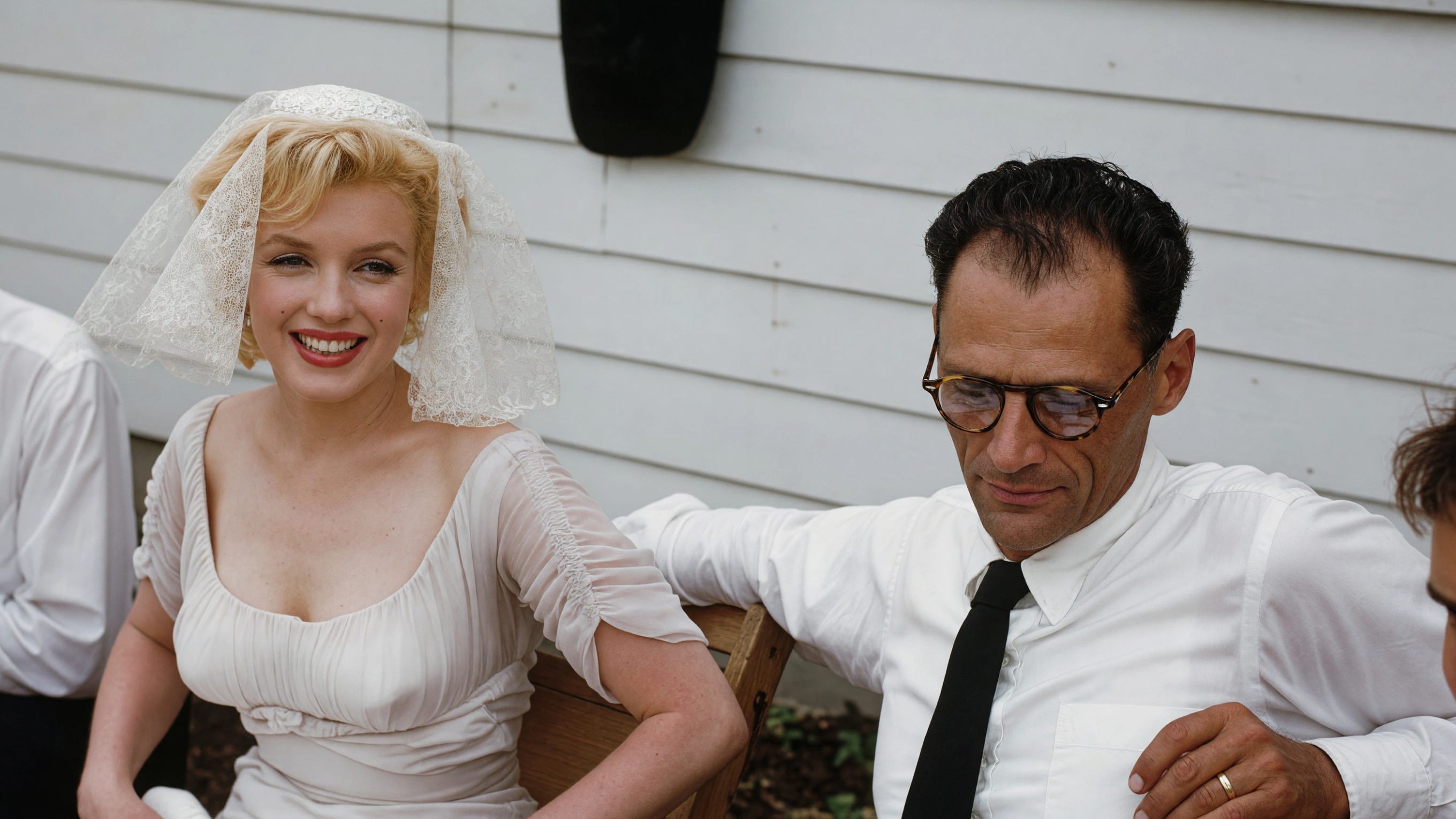
Monroe answered the DiMaggio marriage with a professional rebellion.
In late 1954, she left Hollywood for New York and teamed up with photographer Milton H. Greene. On January 7, 1955, they announced Marilyn Monroe Productions, with Monroe as president and majority owner.
Surviving corporate records show a genuine business operation, and the company gave her the leverage to negotiate a better deal with Twentieth Century-Fox.
In New York, she found people who took the reading seriously. She attended the Actors Studio, entered psychoanalysis, and cultivated writers and theater people who treated acting as a discipline.
Arthur Miller came back into her life in the middle of that reinvention.
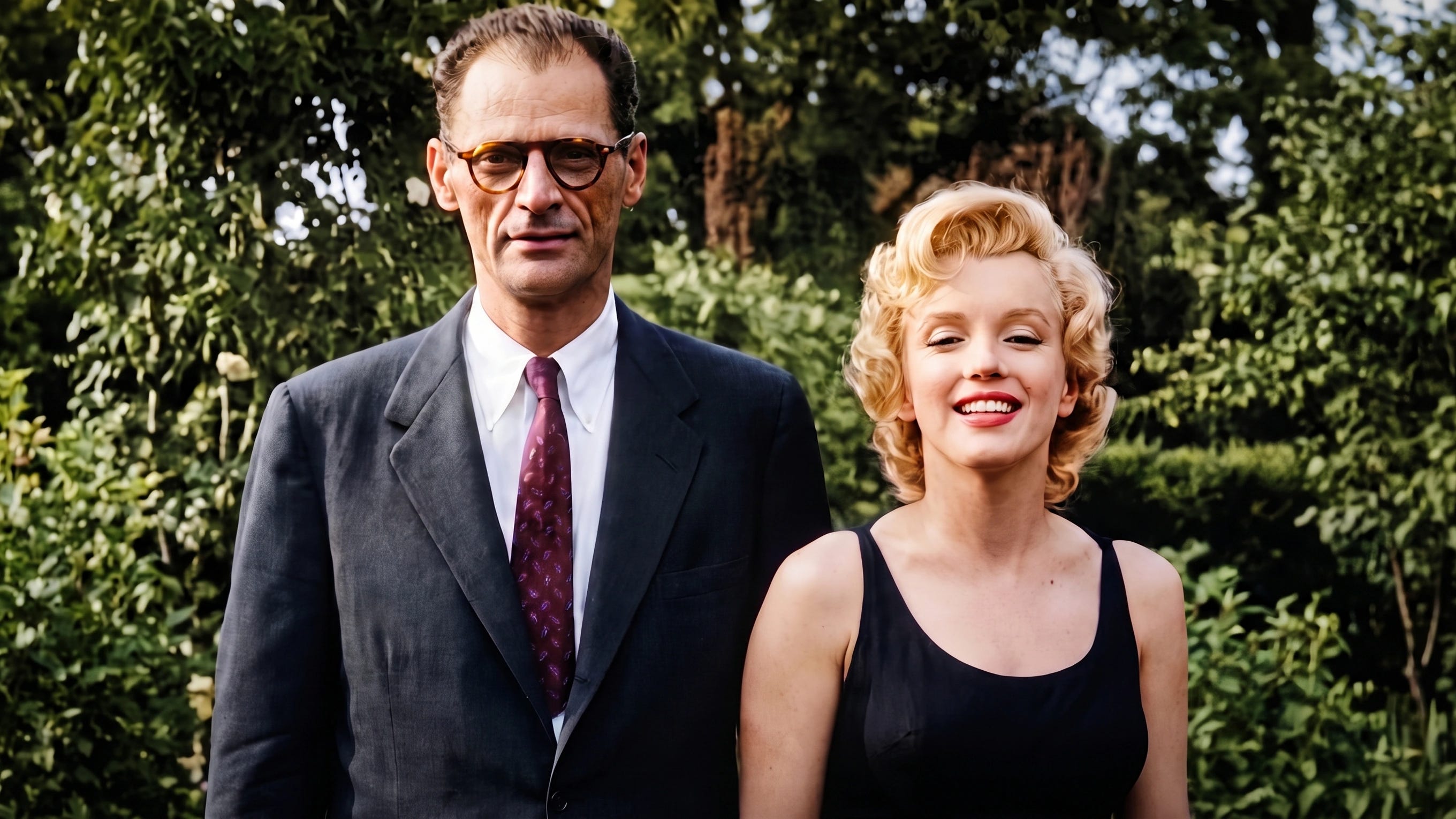
They’d first met in Hollywood in the early 1950s, and the relationship turned serious in 1955, while Miller was still married to Mary Slattery.
And Monroe’s own writings show an extraordinary trust in him. For a woman whose library had been dismissed as a publicity prop, one of America’s best-known playwrights offered a stronger kind of proof than any photograph: a serious literary mind who loved the woman beneath the pinup, and a man in whose company she could finally stop performing Marilyn.
They married in a civil ceremony on June 29, 1956, followed by a Jewish ceremony. Monroe had studied with Rabbi Robert Goldburg and converted to Judaism, a commitment she reportedly affirmed even after the divorce.
When Miller refused to name names before the House Un-American Activities Committee, she stood beside him at real risk to her own career.
Miller offered a third version of home.
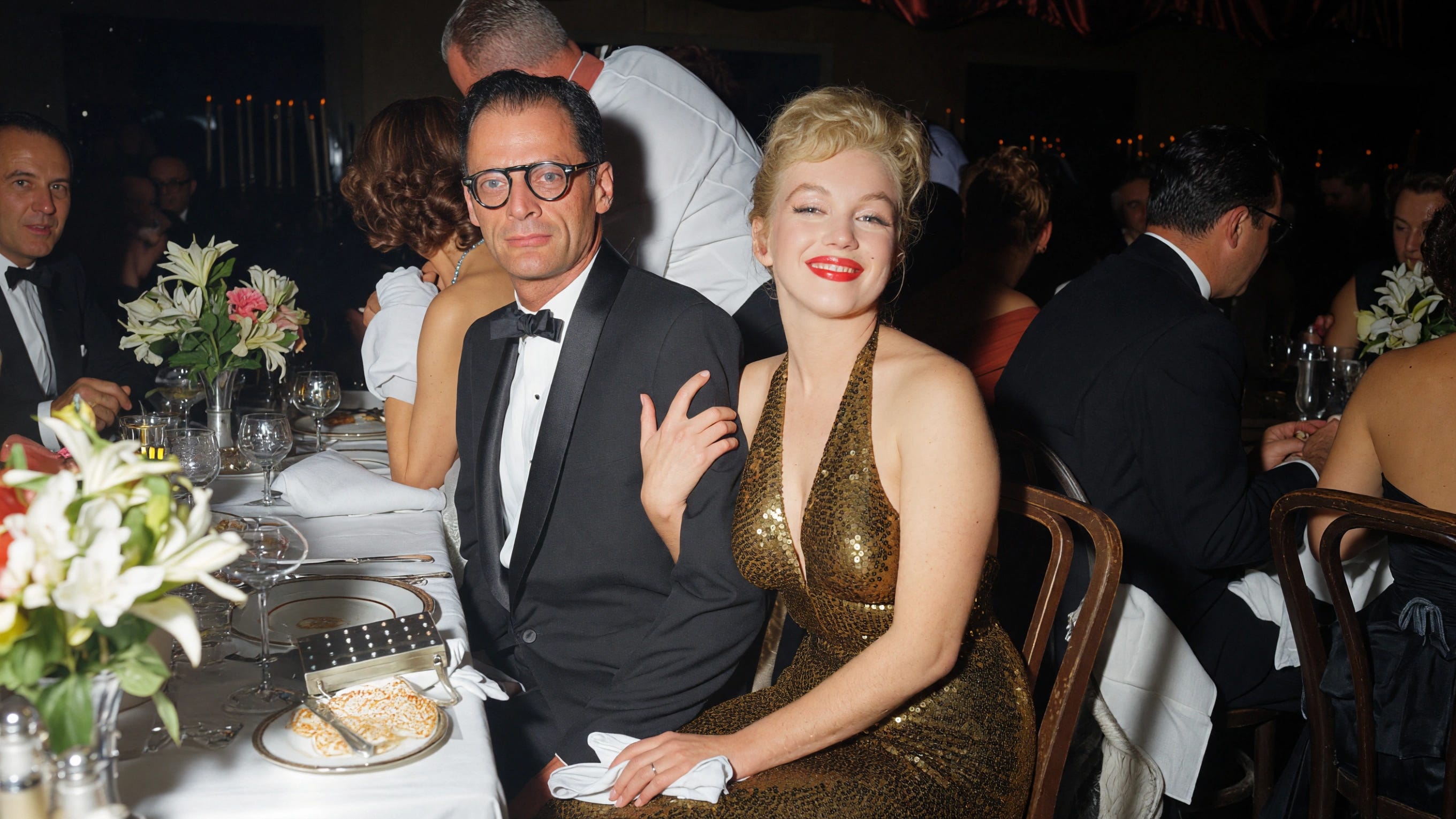
Dougherty had offered teenage domesticity and DiMaggio a restrictive privacy; Miller offered books, work, family, and intellectual legitimacy.
Recordings published in 2026 on reveal how lopsided that arrangement was. In tapes made years after the marriage, Miller said Monroe wanted a husband who could be “father, lover, friend and agent,” and that within months he realized he’d taken on responsibilities he couldn’t meet.
He described her as having “no inner resources.”
Yet, in the same tapes, he remembered her as smart, funny, generous, and delightful, and the affection and condescension sit side by side.
One of the most repeated stories from the marriage has Monroe discovering an entry in Miller’s private writing that expressed disappointment or regret about marrying her. The anecdote circulates across biographies, with the wording and context shifting from one telling to the next. Whatever the exact words, Monroe reportedly realized early that Miller’s private judgment of her differed from the admiring language of their courtship.
Dougherty had wanted a conventional wife, and DiMaggio had recoiled from the sexualized star. Miller was supposed to love the person beneath both roles. If she believed he too had found her wanting, the third marriage confirmed the fear the second had left open: that Norma Jeane, stripped of Marilyn’s costumes, might still be the one nobody chose.
Their correspondence shows sincere attachment all the same.
A letter from Miller in the same 2026 archive urged Monroe to stay healthy, declared his belief in the two of them, and admitted that he needed her confidence too.
She wanted a father, defender, lover, and intellectual equal. He wanted a woman whose emotional faith could fortify him while her fame enlarged his public stature.
Neither fantasy could survive an ordinary marriage, and what followed would prove it.
The Cradle
Motherhood sat at the center of the Miller marriage’s promise.
A child offered Monroe the chance to build the stability no adult had built for her, but her reproductive history is often misstated. The documented record includes: surgery after an ectopic pregnancy in 1957, a miscarriage in 1958, and endometriosis that caused chronic gynecological pain.
Tragically, it all was treated by a medical culture that reached for barbiturates, tranquilizers, and hypnotics with narrow safety margins.
Some sources describe a third pregnancy loss in 1956, a count that stands on shakier ground.
And Miller’s comments on the tapes make the losses harder to sit with. He recalled seeking medical help after the ectopic pregnancy, then said in hindsight that a child might have become an “additional problem,” and wondered how motherhood would have worked at all.
For Monroe, a child would have been proof that she could create what she’d never been given.
Looking back, her husband likely saw one more burden.
A 2026 archive description reports that Monroe wrote about the possibility that barbiturate use had contributed to a lost pregnancy. The note falls short of proving medical causation, yet it shows that medication, motherhood, and guilt had fused in her own mind.
Meanwhile, the company she’d built with Milton Greene came apart, with the partnership formally ending in February 1958. Some accounts attribute part of the rupture to Miller’s growing influence over her business decisions. She’d escaped Fox by building a corporation, then entered a marriage that steadily absorbed the confidence the corporation was meant to protect.
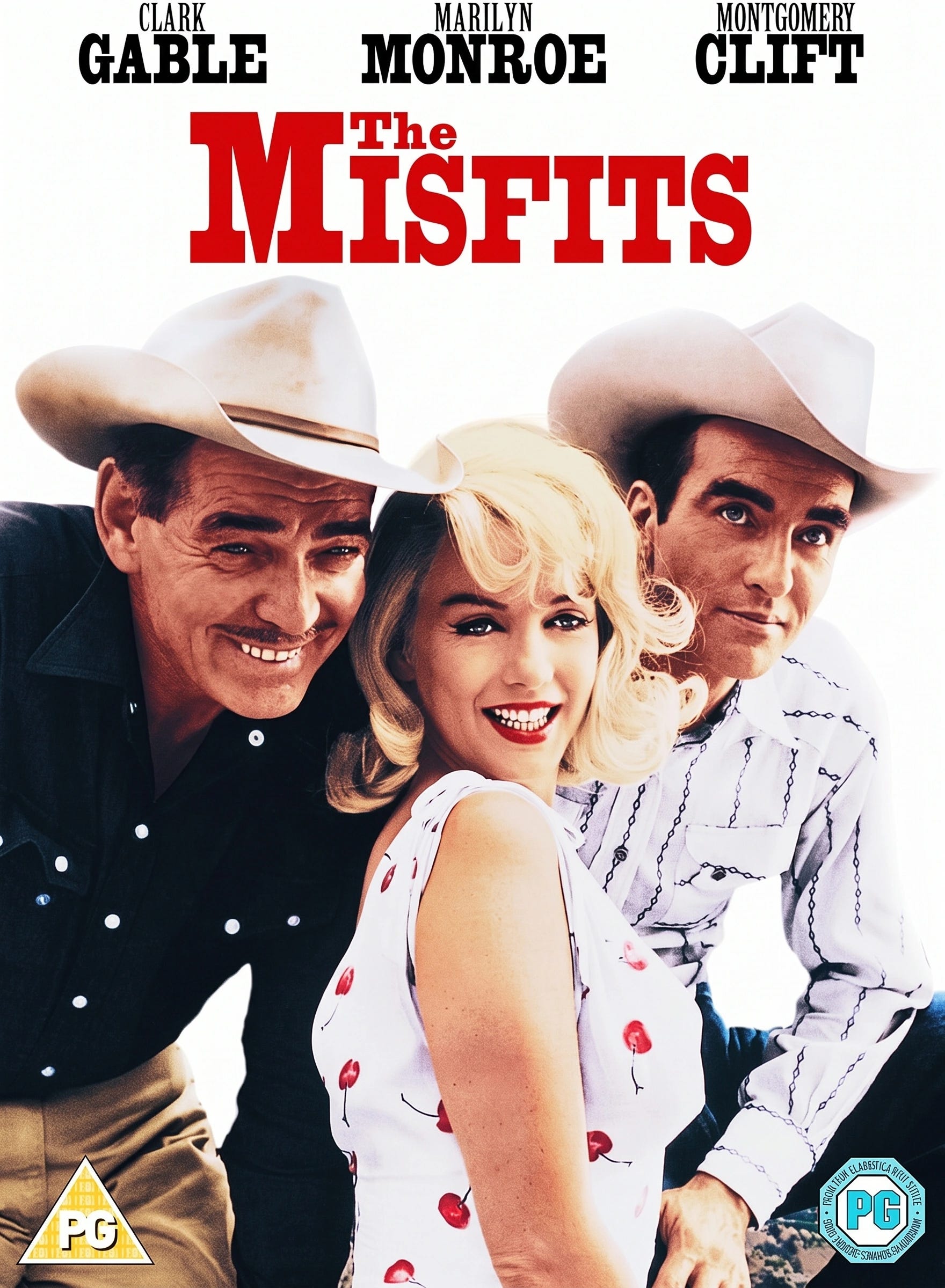
Miller wrote The Misfits for her. Directed by John Huston and costarring Clark Gable, it became her final completed film and Gable’s last.
Monroe played Roslyn, a fragile divorcée horrified by the roundup of wild horses, a role with real dramatic weight that also set a version of her distress inside a story her husband wrote while their marriage disintegrated around the filming.
Marilyn and Arthur separated in November 1960, and she obtained a Mexican divorce in January 1961 on grounds of incompatibility. Miller went on to marry photographer Inge Morath, who had worked on The Misfits.
He’d promised to see the woman apart from the screen image, and he ended up writing her last screen role in the same months he stopped functioning as her husband.
In The End
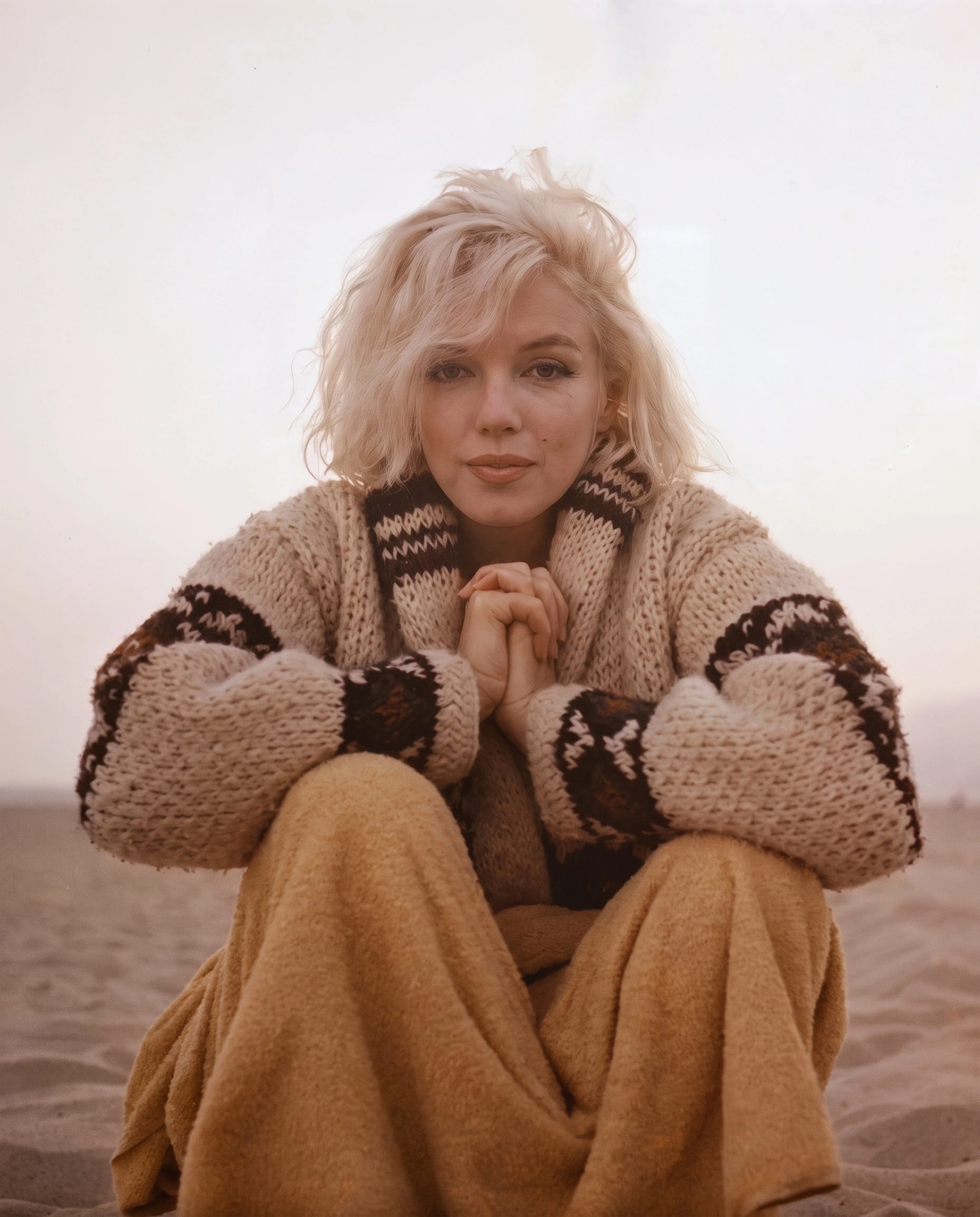
The third divorce left Monroe exposed, medically and emotionally, with the marriage sequence still unfinished.
In February 1961, she entered New York’s Payne Whitney Psychiatric Clinic after seeking treatment. In a desperate letter later obtained by UPI, she described being locked in among severely ill patients and said she feared that staying would cost her her mind.
It’s the rawest document in the Monroe archive:
The woman the world paid to watch, writing from behind a locked door and begging to be let out.
Lee Strasberg, her acting teacher, failed to get her released. Joe DiMaggio flew to New York and intervened after her pleas, and she was moved out of the locked institution into different care.
Monroe was caught in a loop, falling back on someone from an earlier failure each time a structure gave way: DiMaggio after the psych ward, doctors after DiMaggio, and pills after the doctors.
After the Payne Whitney clinic incident, Monroe never married again, and doctors stepped into the space a husband had occupied.
By her final years, insomnia, anxiety, physical pain, and psychiatric treatment had all converged on medication. Barbiturates and chloral hydrate could bring sleep, and in combination or excess they could kill. The line between prescription and dependence had grown dangerously thin.
The tapes supply the most consequential evidence tied to the marriages. Miller said that on one occasion, he brought doctors to treat Monroe after she’d swallowed enough drugs to end her life. He remembered believing that unless he “took care of her life,” she’d come to a catastrophic end.
“Death was always on her shoulder,” he said.
Monroe was found dead in her Brentwood home in the early hours of August 5, 1962, at thirty-six.
The official cause was acute barbiturate poisoning, with the manner recorded as probably self-afflicted, and the toxicology centered on Nembutal and chloral hydrate.
The drug levels were lethal, though her intention remains murkier than the official wording suggests. A 1982 review by the Los Angeles County District Attorney found no credible evidence of homicide. Forensic pathologist Cyril Wecht later argued he would have classified the manner as ‘accidental or undetermined’.
Whether Monroe meant to take a lethal dose, miscalculated a familiar combination, or lost track while redosing may never be settled. The route to that bedroom is clearer: years of insomnia, pain, and chemical treatment had worn the path smooth long before the final night.
DiMaggio, Berniece Baker Miracle, and Inez Melson organized the funeral. Berniece, Monroe's half-sister, later said Marilyn had phoned her as the Miller marriage came apart. When the end came, the sister who’d stayed outside most of the Hollywood machinery helped choose the casket and the clothing Monroe would be buried in.
DiMaggio’s place at the funeral closed the circle. Dougherty had known Norma Jeane before Marilyn existed, and Miller had tried to reconcile the woman with the symbol. DiMaggio stood between them: a national icon who loved her, reportedly tried to control her, returned in her crises, and in the end guarded her final ceremony.
At sixteen, marriage had been the door that kept Norma Jeane out of another home. At thirty-six, the last door closed over Marilyn Monroe while an ex-husband stood watch.
What a mess. Fame was not her friend.
Men were Marilyn’s frenemies. So were the 1940s, 50s, and 60s. As were they all for most women. Women really cannot afford to go back in time…it’s too dangerous to our health: physical, emotional, and spiritual.