
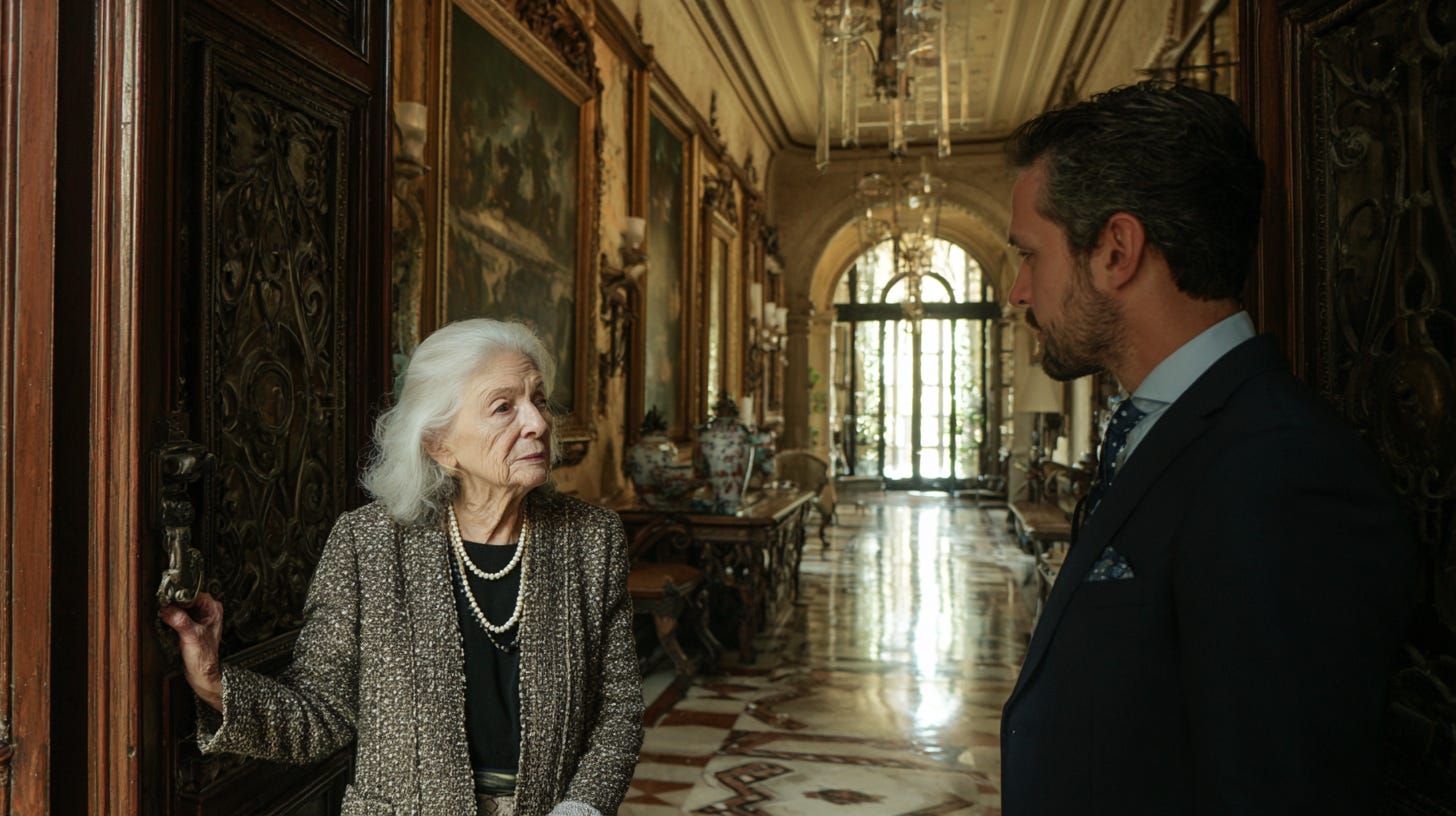
When Mark Zuckerberg spent over $110 million assembling an 11-property compound in Palo Alto’s Crescent Park (paying two to three times market value for neighbors’ homes) he wasn’t following new money’s playbook of flashy penthouses and ultra-modern glass boxes…
He was copying a pattern perfected by families like the Astors and Rockefellers over a century ago.
You see, the world’s most enduring fortunes don’t chase architectural trends. They hunt for historic estates, generational properties, and legacy real estate that never appears on Zillow.
So, today, we’re pulling back the curtain on this hidden market — the private offices that facilitate these deals, the neighborhoods where old money actually lives, and the mechanics of transactions that happen entirely off the public record.
The Invisible Marketplace
The most expensive townhouse ever sold in downtown Manhattan changed hands for $72.5 million in 2023.
…But you never saw the listing.
In Palm Beach, a non-waterfront mansion moved for $60 million.
In Aspen, the first property to crack $100 million — Patrick Dovigi’s estate purchased by Steve Wynn and Thomas Peterffy — transacted entirely off-market.
Welcome to where ultra-wealthy families actually buy homes.
Off-market transactions now command a premium over comparable public listings while closing significantly faster. The buyer pool for properties above $20 million is so small that most prospects are already known to elite brokers before a property even becomes available.
Thus, the wealthy figured out something the rest of us rarely consider: public listings create permanent records.
Purchase prices get indexed by data aggregators. Floor plans circulate online. Security vulnerabilities become searchable.
Once your address hits Zillow, it never truly disappears.
So they built their own marketplace.
The Private Office Ecosystem
The term “private office” has exploded across luxury real estate in the past five years.
Indeed, these concierge-level divisions within elite firms serve as the single point of contact for everything a billionaire family needs: trophy homes, fine art, vintage cars, yachts, and the legal structures to own them.
For example, the world famous Sotheby’s International Realty launched a dedicated Family Office service in 2024, led by Marcus O’Brien — the agent who brokered the most expensive house ever sold in the UK: the £225 million sale of 2-8a Rutland Gate in Knightsbridge.
The division provides access to Sotheby’s entire ecosystem: real estate, auction house, automotive collection through RM Sotheby’s, and financial services.
Their chairman describes it as providing access to “the world’s most coveted trophy real estate and luxury assets, not available through other sources or the open market.”
That final phrase is critical: not available through other sources.
Similarly, Knight Frank operates Private Office divisions across London, New York, Dubai, Hong Kong, Singapore, Sydney, and Melbourne. In fact, over one-third of Forbes-listed billionaires are direct Knight Frank clients, with many families maintaining relationships across two or more generations.
Christie’s International Real Estate generated $1.5 billion in private sales in 2025 — an 88% increase from $800 million in 2019. And their top three sales of 2025 were all made privately, away from public auction scrutiny.
How Deals Actually Get Done
These transactions flow through “whisper listings” — exclusive offerings circulated only among a select network of trusted luxury agents.
So, when an ultra-wealthy family decides to buy or sell, they don’t browse listings. They contact their private office representative — often a relationship spanning years or decades.
That representative activates their network, discreetly reaching out to other luxury agents, family offices, and known UHNW individuals who might be interested.
For example, the agent might send a private email to 15-20 qualified contacts describing a property available “exclusively off-market.”
Those contacts might forward it to 2-3 clients they know are actively seeking that specific property type. Within 48 hours, a property can move from “thinking about selling” to “under contract” without ever entering public databases.
For truly special properties, buyers don’t wait for listings at all. They identify specific estates they want and have their representatives approach owners directly.
This is how Zuckerberg reportedly assembled his Palo Alto compound… not by waiting for neighbors to list, but by proactively offering to purchase their homes at 2-3x market value.
One Australian buyer’s agency reports that 68% of their high-value acquisitions in 2024 were secured off-market. Among their ultra-premium clients, 23% secured properties that were neither on the market nor actively being considered for sale by their owners.
These are truly invisible transactions: properties that change hands without ever entering the public marketplace.
The Geography of Old Money
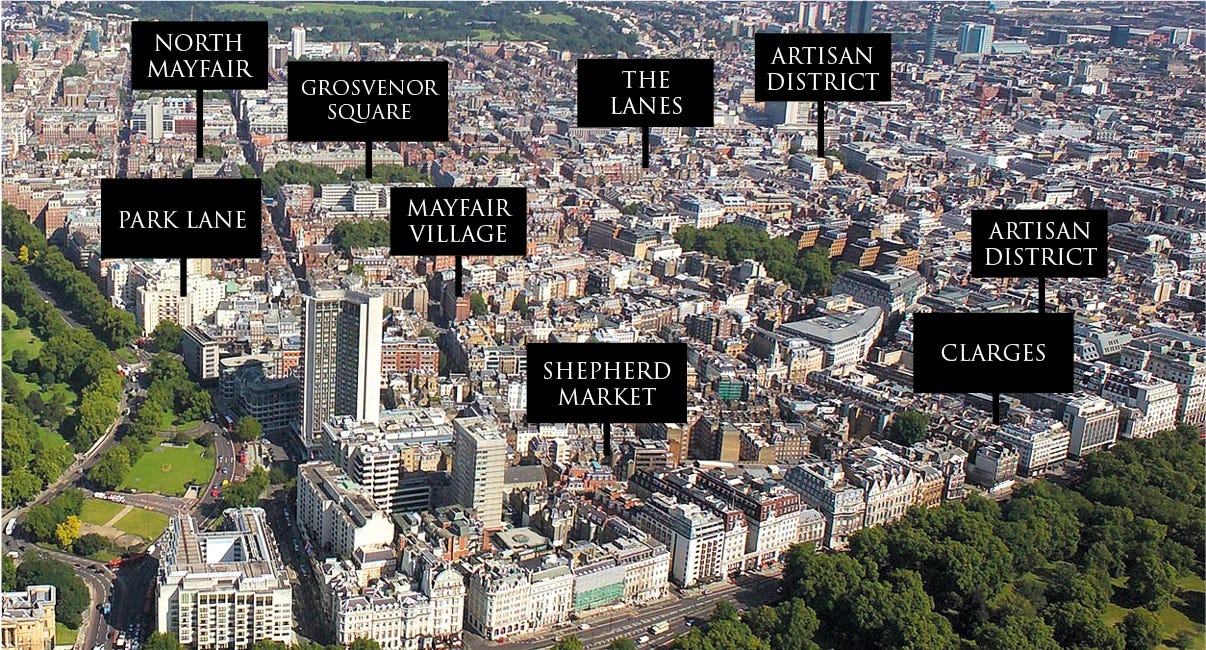
Understanding where old money shops requires understanding where they live. Every single one of these neighborhoods is historically prestigious, culturally significant, and socially selective in ways that new money enclaves can never replicate.
London
Mayfair stretches from Bond Street to Piccadilly. This West End quarter encompasses Savile Row, Claridge’s, and The Connaught.
Buying property here is described as “skipping the London social queue and gaining entry to one of the neighbourhood’s many private members’ clubs”: Annabel’s, Mark’s Club, Maison Estelle. Average property prices exceed £21.4 million.
Knightsbridge is home to Harrods, Harvey Nichols, and One Hyde Park — one of the most expensive residential buildings in the world, attracting Middle Eastern royalty and global tech moguls.
Belgravia offers diplomatic grandeur with numerous embassies. Properties here rarely change hands publicly.
Paris
The 16th arrondissement is France’s third-richest district for average household income.
With ornate 19th-century buildings, prestigious schools, and museums, the 16th has been French high society’s favorite residence for over a century.
The district is so exclusive it’s the only arrondissement in Paris with two postal codes. Social housing represents just 2.5% of buildings compared to the citywide mandatory minimum of 20%.
As one resident describes: “The most exclusive properties transfer between families like state secrets, while gated Auteuil ‘villas’ operate as sovereign states within the arrondissement.”
New York
The Upper East Side remains as one of America’s most iconic “old money” neighborhoods.
The area became an elite magnet in the late 1800s when Andrew Carnegie built a mansion on 91st Street. The Astors, Vanderbilts, and Rockefellers quickly followed.
The neighborhood is known for cooperative ownership rather than condominiums. Co-op boards carefully vet prospective buyers… providing built-in exclusivity that new construction towers can never replicate.
Properties closest to Central Park command the highest prices and are often “never for sale,” they’re passed down from one generation to another. When these homes do change hands, transactions typically happen off-market through brokers who’ve served families for decades.
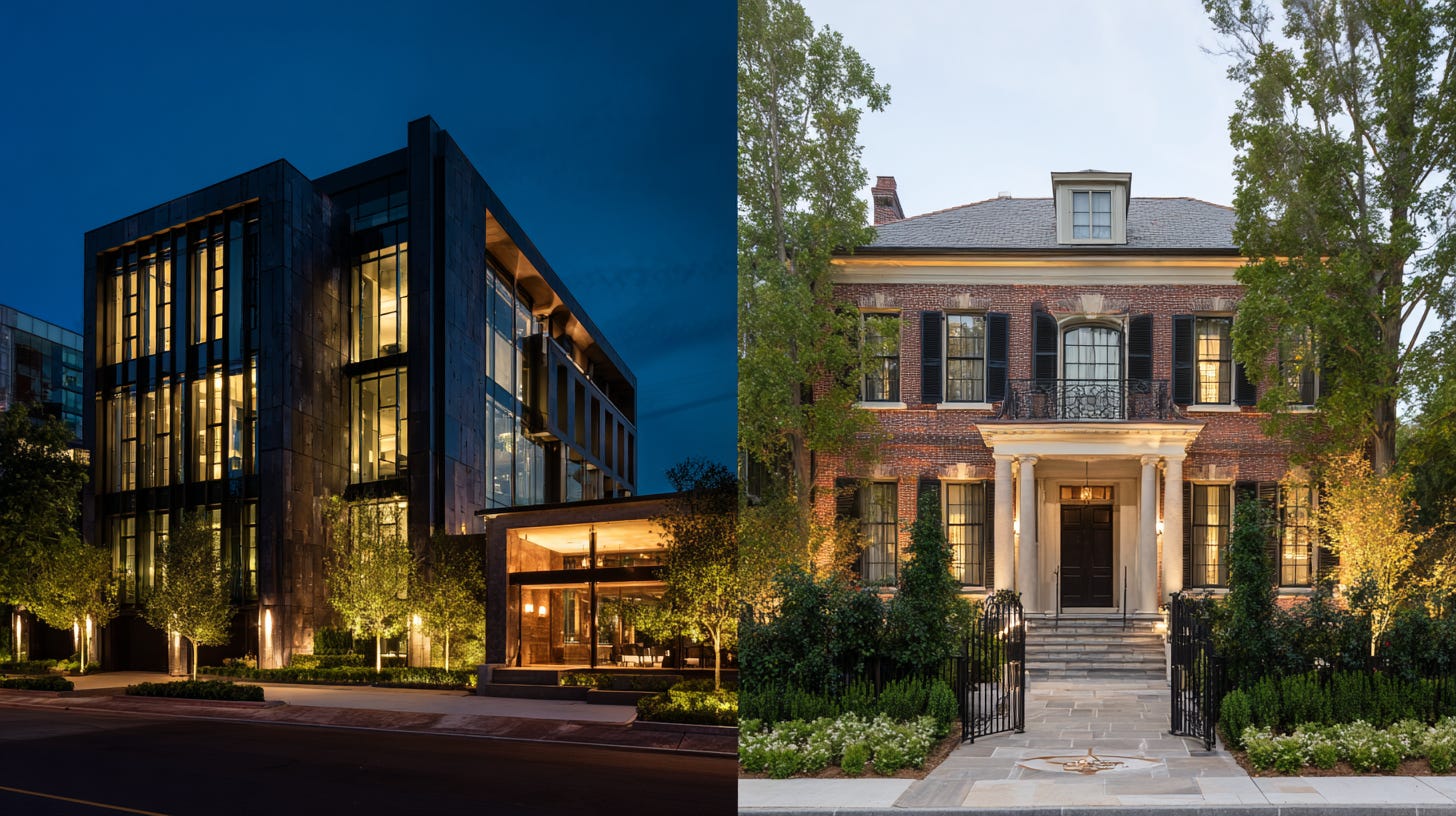
New money, meanwhile, clusters in places like Miami’s Sunny Isles Beach, Dubai Marina, and the new-construction towers sprouting across Austin and Nashville. Glass, steel, and amenity floors. Impressive from a distance, but built to standards that prioritize speed and margin over century-long durability.
The Astor Blueprint
John Jacob Astor understood something that newer fortunes consistently miss: land appreciates, businesses fail.
He arrived in America as a German immigrant and built a fur-trading empire. But Astor watched merchant dynasties crumble when trade routes shifted or competitors emerged. So he did something counterintuitive - he took his fur profits and bought Manhattan real estate when it was still farmland and marsh.
One particularly shrewd move came via Aaron Burr, who needed quick cash after his fatal duel with Alexander Hamilton. Astor lent him money in exchange for property that is now Greenwich Village.
By his death in 1848, John Jacob Astor had become the richest man in America… not through fur trading, but through holding land that others thought worthless.
His descendants took the lesson further.
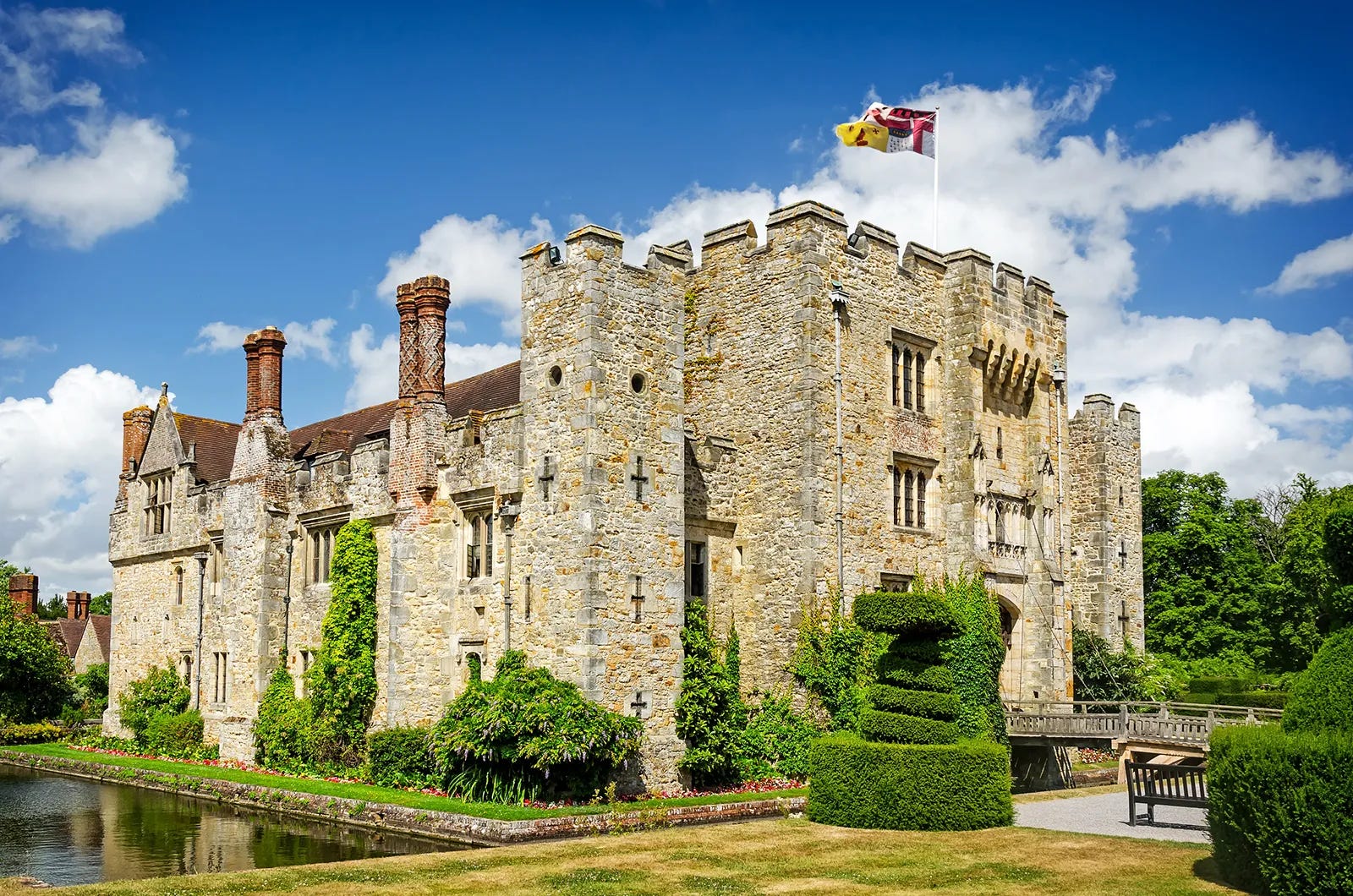
When William Waldorf Astor inherited the fortune in 1890, he purchased Hever Castle (a 13th-century English fortress that once housed Anne Boleyn) and executed one of history’s most ambitious historic preservation projects.
The restoration employed 748 skilled craftsmen: plasterers, carpenters, stonemasons, and metalworkers trained in techniques that had already begun disappearing. The garden construction alone required over 1,000 men working from 1904-1908. Workmen were forbidden from using modern planes, relying instead on adzes and chisels to maintain period authenticity.
In short, a newly built mansion says “I have money.”
A meticulously restored 600-year-old castle says “My descendants belong here.”
The castle remains a global tourist destination 120 years later — appreciating in value, generating income, and cementing a legacy that no new construction could have provided.
“They Don’t Build Them Like That Anymore”
Now, this phrase gets dismissed as nostalgia. It’s actually economics.
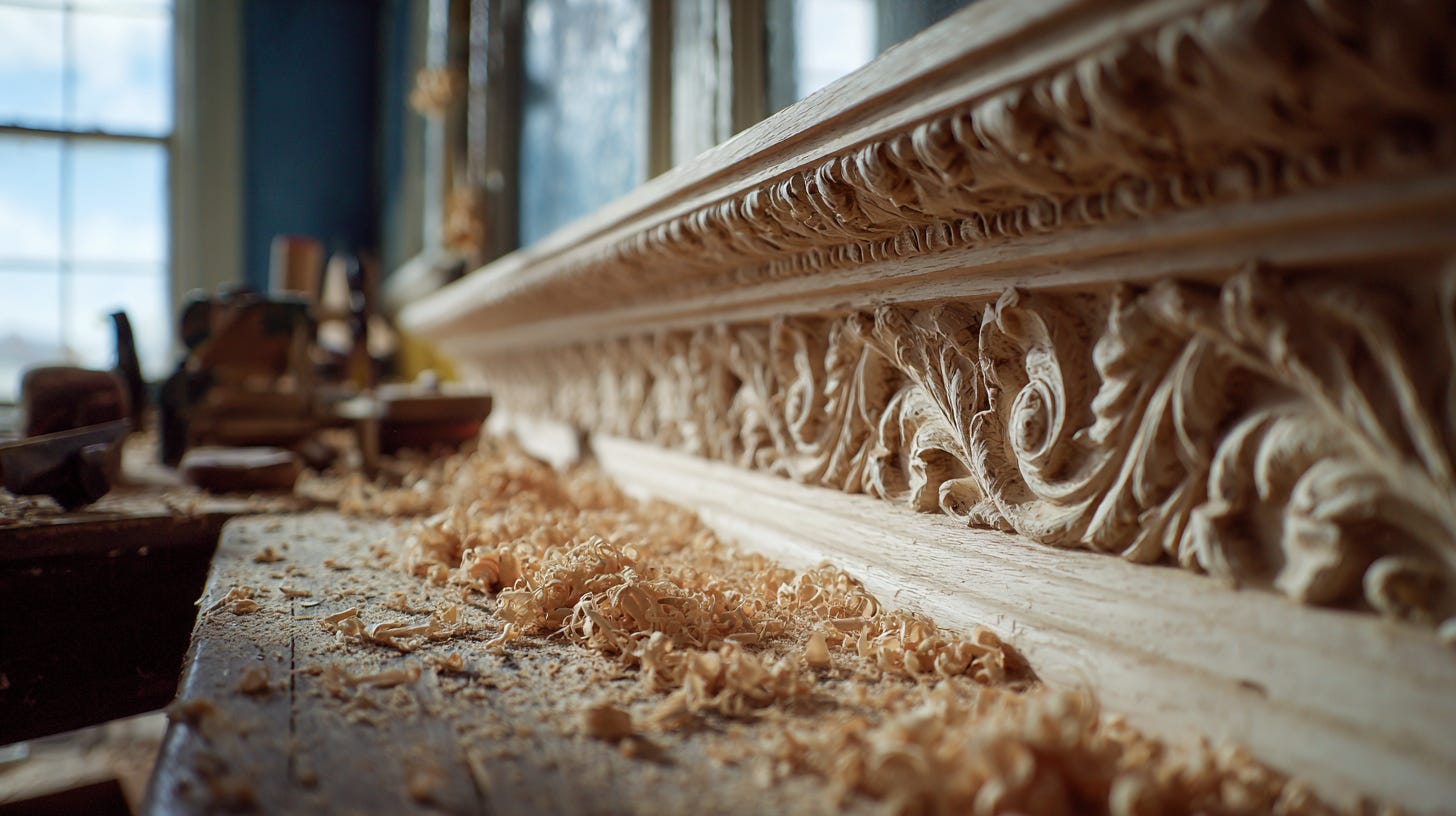
In the 1880s, a brownstone’s exterior walls were made of structural masonry — 18 inches of solid brick — because builders hadn’t yet figured out lighter, cheaper, faster alternatives. Interior walls used horsehair lime plaster applied by craftsmen who trained for years. Crown moldings were hand-carved by specialists who might spend a week on a single room.
Modern construction replaced all of this with drywall, which takes hours to install and costs a fraction of the price.
The result shows.
Residents of pre-war Manhattan apartments routinely report they’ve never heard their neighbors through walls built 140 years ago. Residents of luxury high-rises built last year complain about hearing conversations through supposedly premium construction.
Critics point to “survivor bias” — only well-built historic homes remain standing, while poorly constructed 19th-century buildings have long since collapsed.
That’s precisely the point.
When you purchase a 150-year-old estate, you’re buying a property that already proved its durability. It survived wars, depressions, and generations of ownership. That track record provides assurance no new construction can match.
Therefore, when a property established 175 years ago hits the market for only the second time in 50 years, it commands premium pricing because comparable properties simply don’t exist.
The Culture of Permanence
In conclusion, we really can organize the philosophy of “old money” home purchases in three distinct “rules of thumb”.
First: identity. An estate that’s been in your family for generations becomes part of who you are. Your family’s story made physical.
Second: income. Historic properties in prime locations generate steady rental revenue or visitor fees. That cash flow funds everything else and ensures the family never needs to sell the core asset.
Third: invisibility. Old homes in established neighborhoods don’t attract attention. No one writes articles about the family who’s lived in the same brownstone for four generations. They write about the founder who just bought the $100 million glass penthouse.
A gleaming tower announces arrival.
A Federal-style townhouse suggests you’ve always been there.
Prefer old but old or new requires regular maintenance. Everything falls apart.
Nothing built after 1930 or so is worth considering.