
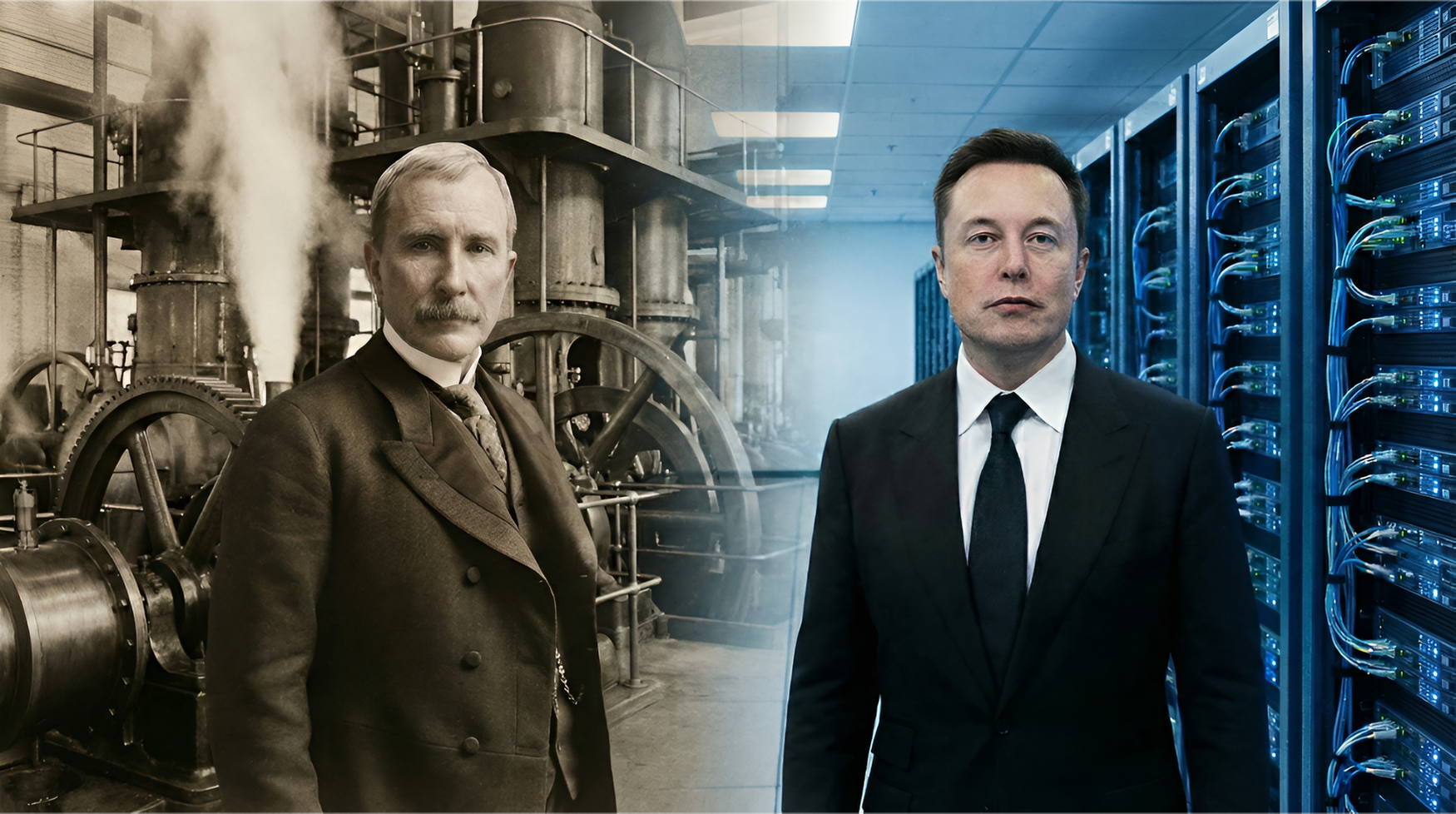
The Vanderbilts, the Rockefellers, the Astors… the robber barons.
I’ve spent years covering these families, and lately I keep asking myself why the stories land so hard right now.
It’s because people sense that we’ve been here before.
The wealth concentration, the tech monopolies, the conspicuous spending, the political tension… It all feels familiar because it is familiar. Indeed, we first saw this pattern about 130 years ago.
Now, this is Part 1 of a 3-part series.
In this post, I’ll lay out the evidence that we’re living through Gilded Age 2.0.
In Part 2, I’ll break down what actually killed the first one, because it didn’t end on its own (and I’m sure you’ll want an educated guess as to how this current one ends).
And in Part 3, I’ll look at which of those same forces might be forming again.
Our series begins a long time ago, in an agrarian country far, far away…
Fortunes in Years, Not Decades
In 1865, America was a farming nation burying 600,000 of its dead.
The South was in ruins. The North was exhausted. Most Americans lived on land they worked with their hands, and wealth meant owning a few hundred acres and some livestock. The richest men in the country were worth maybe a few million dollars, and most people would never see that kind of money in a hundred lifetimes.
There was no income tax. No antitrust law. No Securities and Exchange Commission. Simply put, the rules that would later govern American capitalism simply did not exist yet.
Then came the railroads.
Before them, moving anything across America meant wagons, rivers, and months of waiting. A letter from New York to California could take half a year. The country existed as a collection of regional economies that barely touched each other.
Another way of putting this: the railroad buildout was America’s first infrastructure tech boom.
Massive capital, speculative frenzy, fortunes made on routes that didn’t exist yet. Think of the AI data center construction happening right now, billions poured into facilities for technology most people don’t fully understand.
Again, just like today, a small group of men figured out how to position themselves at the chokepoints.
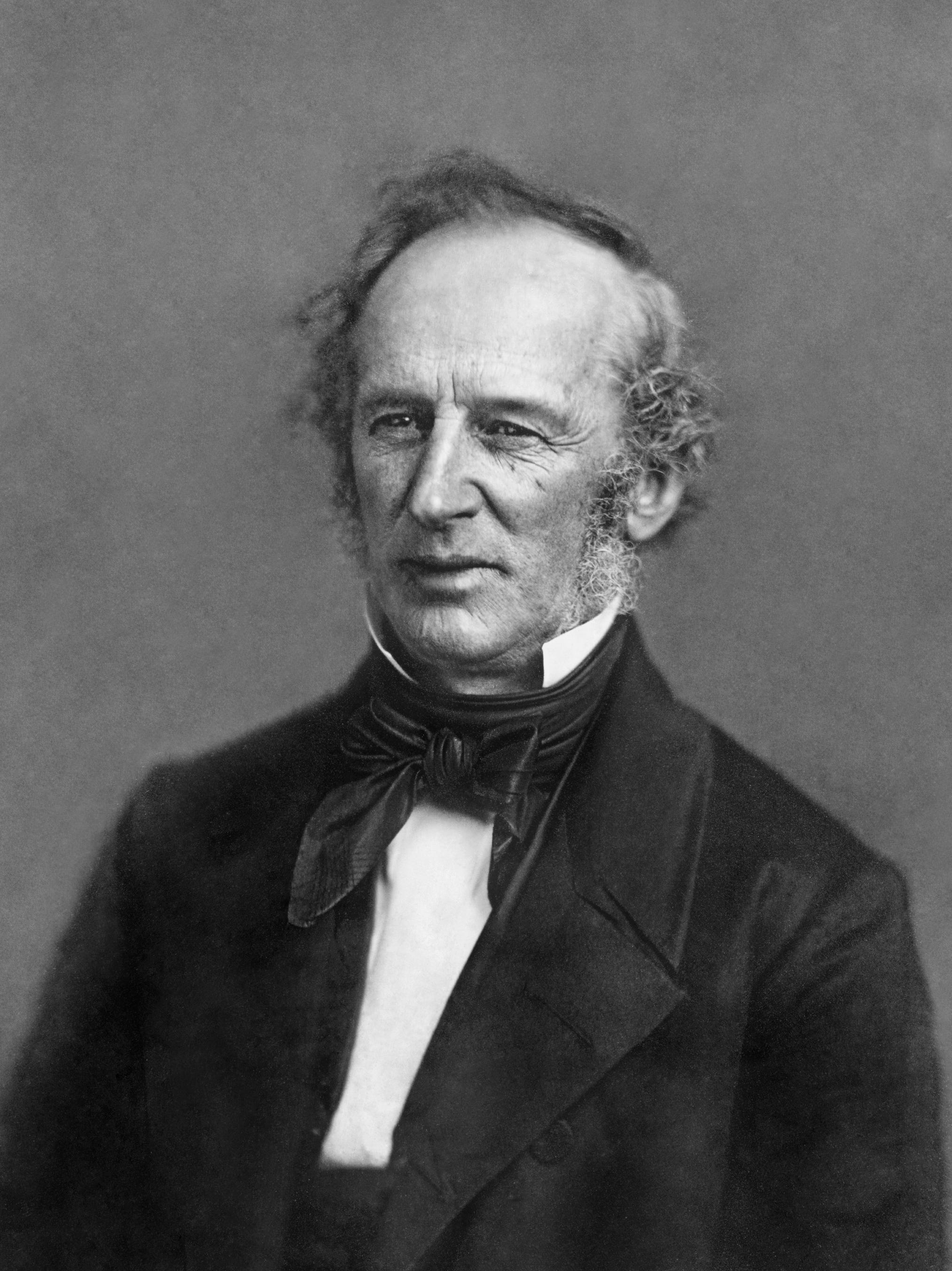
Cornelius Vanderbilt consolidated the railroads, buying up competing lines until he controlled the routes that mattered. Andrew Carnegie figured out steel, vertically integrating everything from the mines to the mills to the ships that moved the product.
And John D. Rockefeller realized something that would make him the richest man in modern history: whoever controlled oil refining controlled the entire industry.
Not the people pulling crude out of the ground; it was the refiners poised to dominate the bottlenecks of the tech.
Now, Rockefeller founded Standard Oil in 1870 at age 31, and it took him 12 years to control 90% of American refineries. Another 30 years after that to reach peak fortune: $900 million, nearly 3% of the entire U.S. GDP.
That timeline felt fast at the time. Unprecedented, even.
