
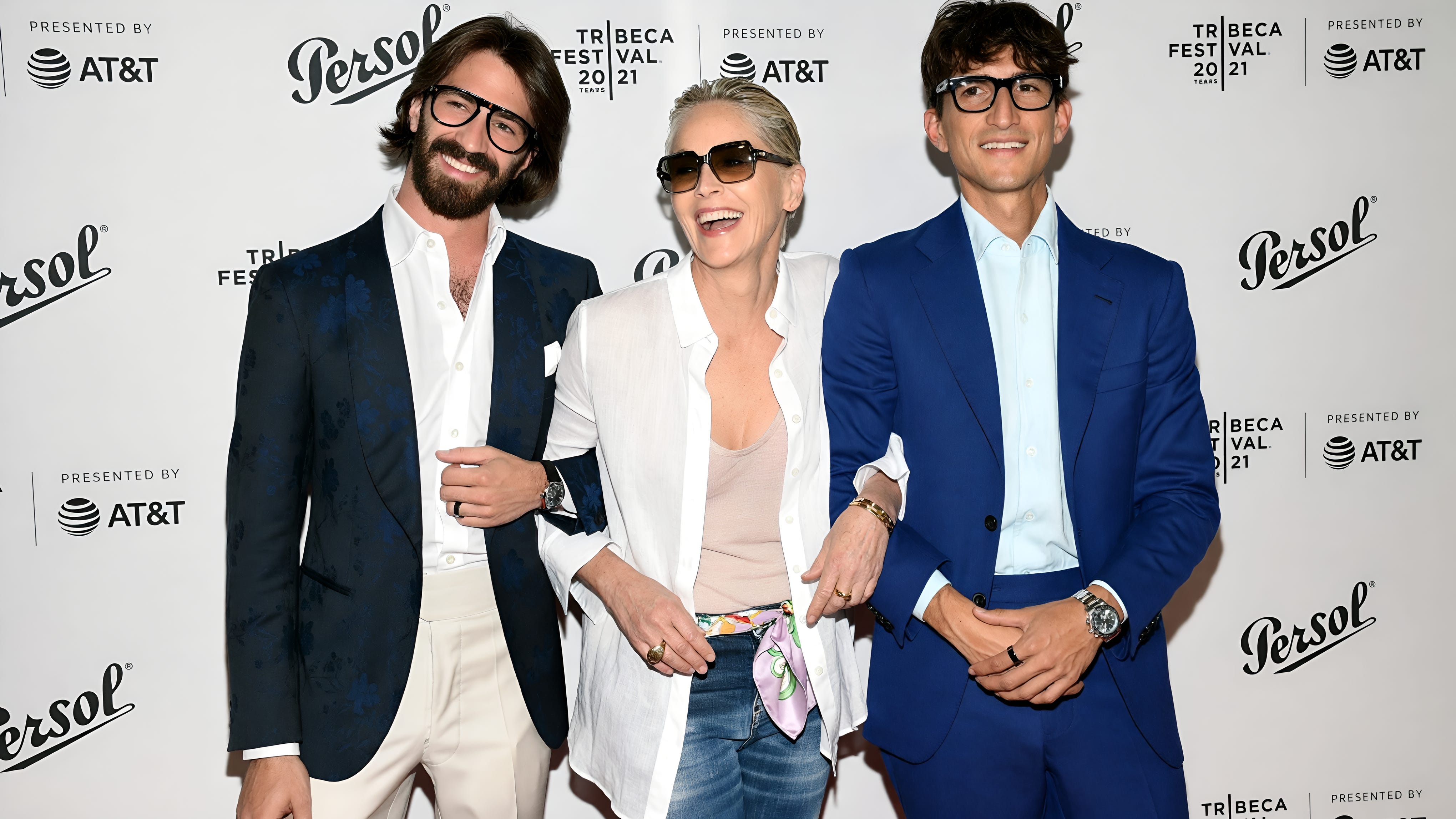
Every pair of Ray-Bans sold anywhere in the world starts a chain of money that ends, eventually, with two quiet brothers from Milan.
In 2023, the younger of them, Clemente Del Vecchio, became the youngest billionaire in the world at just 18 years old. At the time, he was living in Milan with no companies to his name, and the only paperwork that mattered was his father’s will.
His older brother Luca received the same gift, a slice Forbes values at about $5 billion apiece.
Those who know them describe two reserved young men, “normal,” as the Italian magazine Gente put it, “except for their bank statements.” Clemente still keeps a low profile in Milan, and Luca has made a discreet home in London.
But their quiet lives sit on top of a very loud inheritance, and it begins with a boy who had almost nothing.
Their father spent part of his childhood in a Milan orphanage, yet he died owning the largest stake in EssilorLuxottica, the group behind Ray-Ban, Oakley and Sunglass Hut.
It’s an empire that at its peak was worth around $170 billion.
He also left behind a family business that could only move in unison. Leonardo Del Vecchio split his holding company, Delfin, into eight equal shares and wrote rules so strict that every major decision needed virtually every heir to say yes, hoping it would force them to get along.
Four years later, the heirs can barely agree on anything.
The Boy in the Gray Uniform
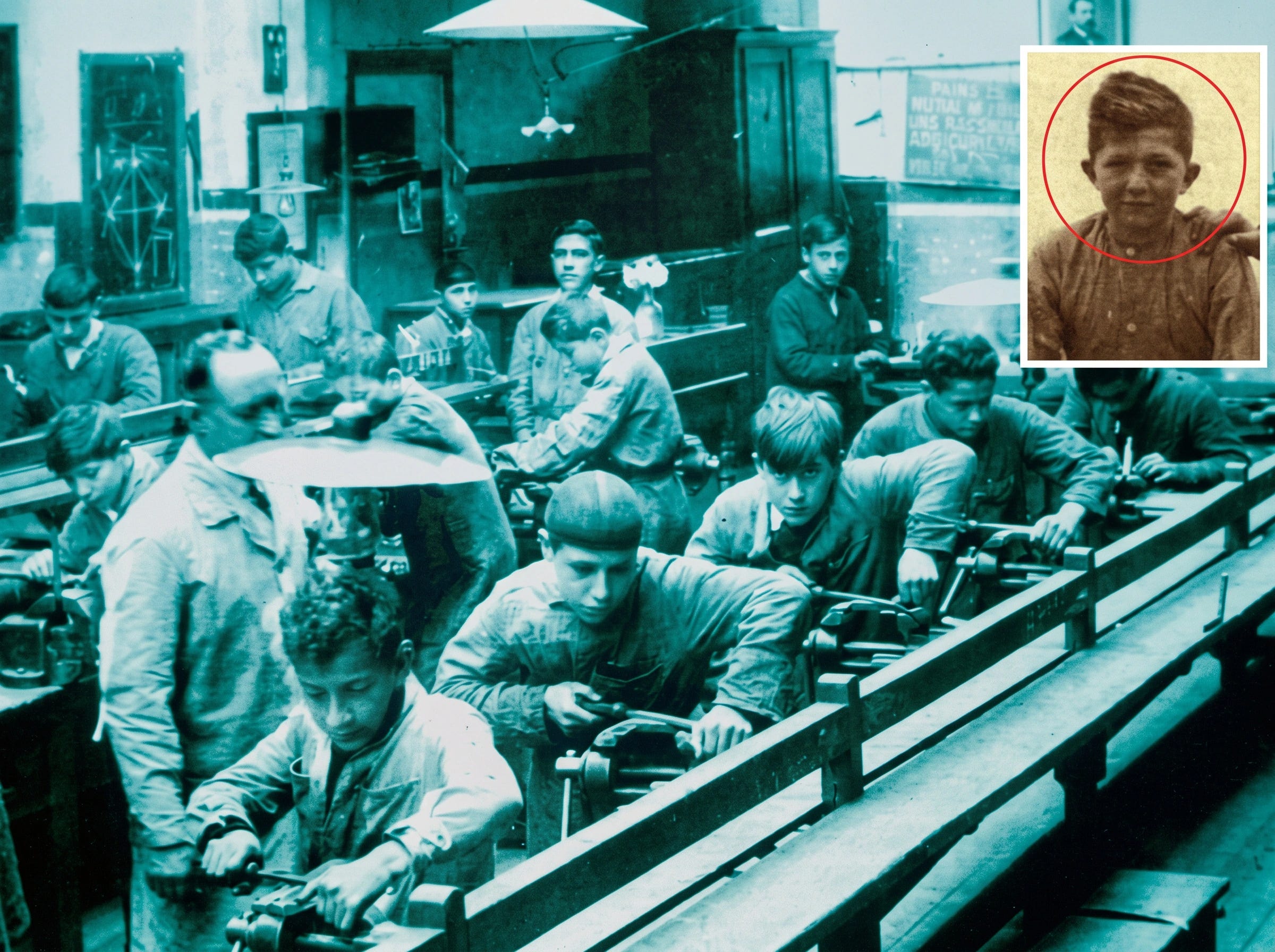
Milan had been taking in its orphans for four centuries by the time Leonardo Del Vecchio needed a bed there.
The Martinitt orphanage was founded in 1532 for orphans and abandoned children, and it became home to a boy whose family had already lost more than most.
He was born in Milan on May 22, 1935, the last of four children in a family that had come north from Puglia. His father died shortly before he arrived.
Old group photographs from the Martinitt show rows of boys in gray uniforms with shaved heads, each child dressed and shorn exactly like the boy beside him.
Del Vecchio found his way forward through a trade. He apprenticed with a tool and die maker in Milan, a shop that builds the hardened steel molds and cutting dies factories use to stamp out metal parts by the thousand.
A mistake of a fraction of a millimeter could ruin a whole production run, and the work taught him a kind of patience that would shape everything he built afterward. He turned that training toward eyewear, making the small metal parts that hold a pair of spectacles together.
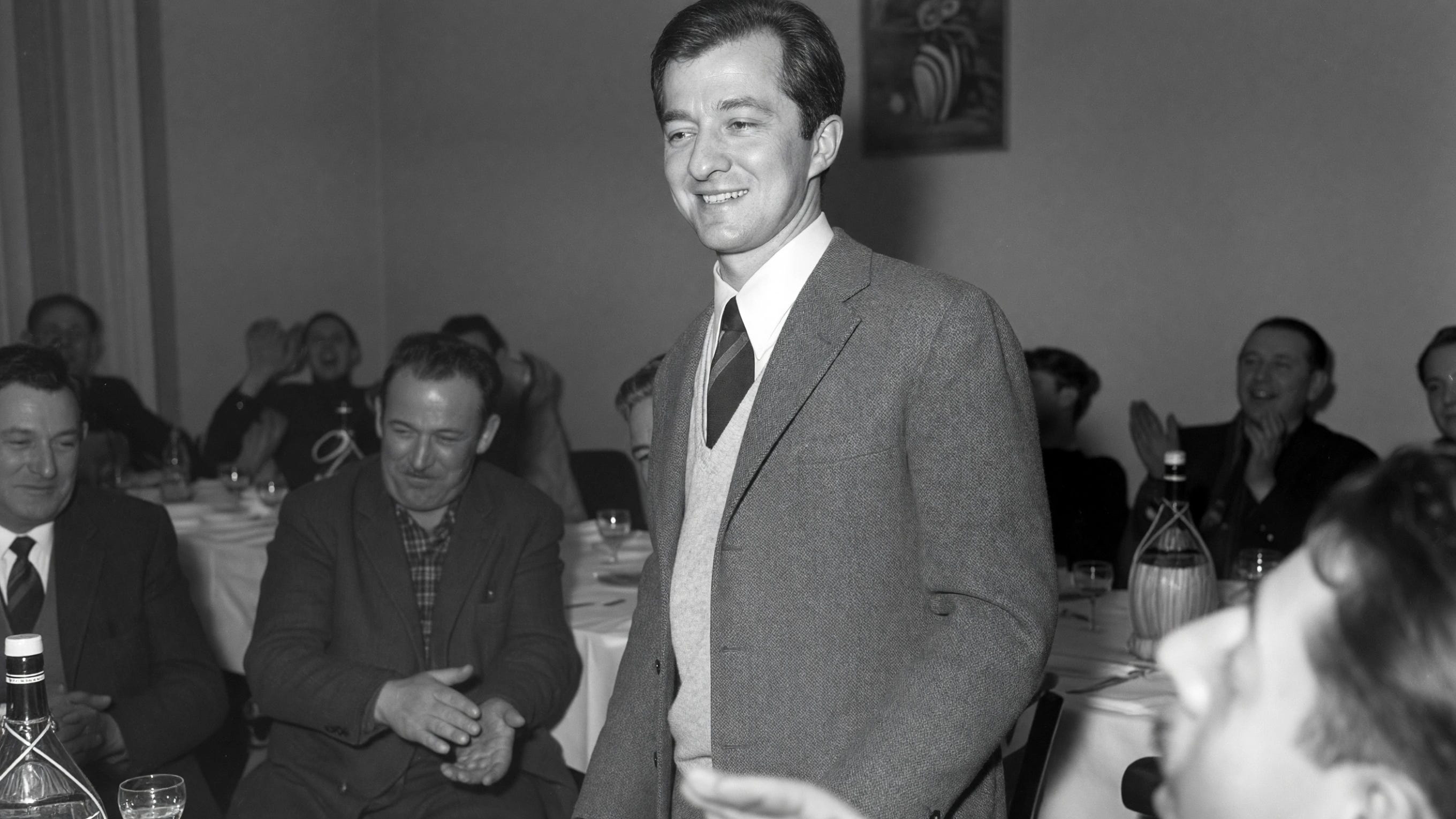
The business paid, but it kept him invisible. His hinges and components disappeared inside frames that carried other companies’ names, and the customers who bought them had no idea who’d made the pieces.
By 1961, Italy was in the middle of its postwar boom, and the eyewear industry had gathered in the province of Belluno, high in the Dolomites.
Del Vecchio left Milan for the small town of Agordo and set up Luxottica there, a parts maker in a valley full of frame companies that needed exactly what he knew how to build.
The orphan from the gray-uniform photographs now had a workshop of his own.
He’d spend his early years there making parts for other people’s glasses, and the rest of his life buying the names printed on them.
Buying the Names on the Frames

In the Belluno valleys of Italy, eyewear was a chain of separate businesses, each handling one piece of the job, and Luxottica started near the bottom of that chain.
Del Vecchio spent the next half-century climbing it, one rung at a time.
The first rung was the frame itself. Instead of selling bags of parts to other manufacturers, Luxottica began making complete glasses.
The second was a famous name: in 1988 he signed a licensing deal with Armani, which let him put the label on his eyewear without owning the fashion house.
Success brought him to Wall Street, where Luxottica began trading in 1990, and it brought his eldest son into the business. In 1995 Claudio led the purchase of LensCrafters, the American optical chain, and the Del Vecchios suddenly had their own storefronts.
The real prize came in 1999. Bausch and Lomb agreed to sell Ray-Ban for $640 million, and the brand that would one day hide a camera in its frames now belonged to the boy from the Martinitt.
Del Vecchio understood the difference between renting a name and owning one.
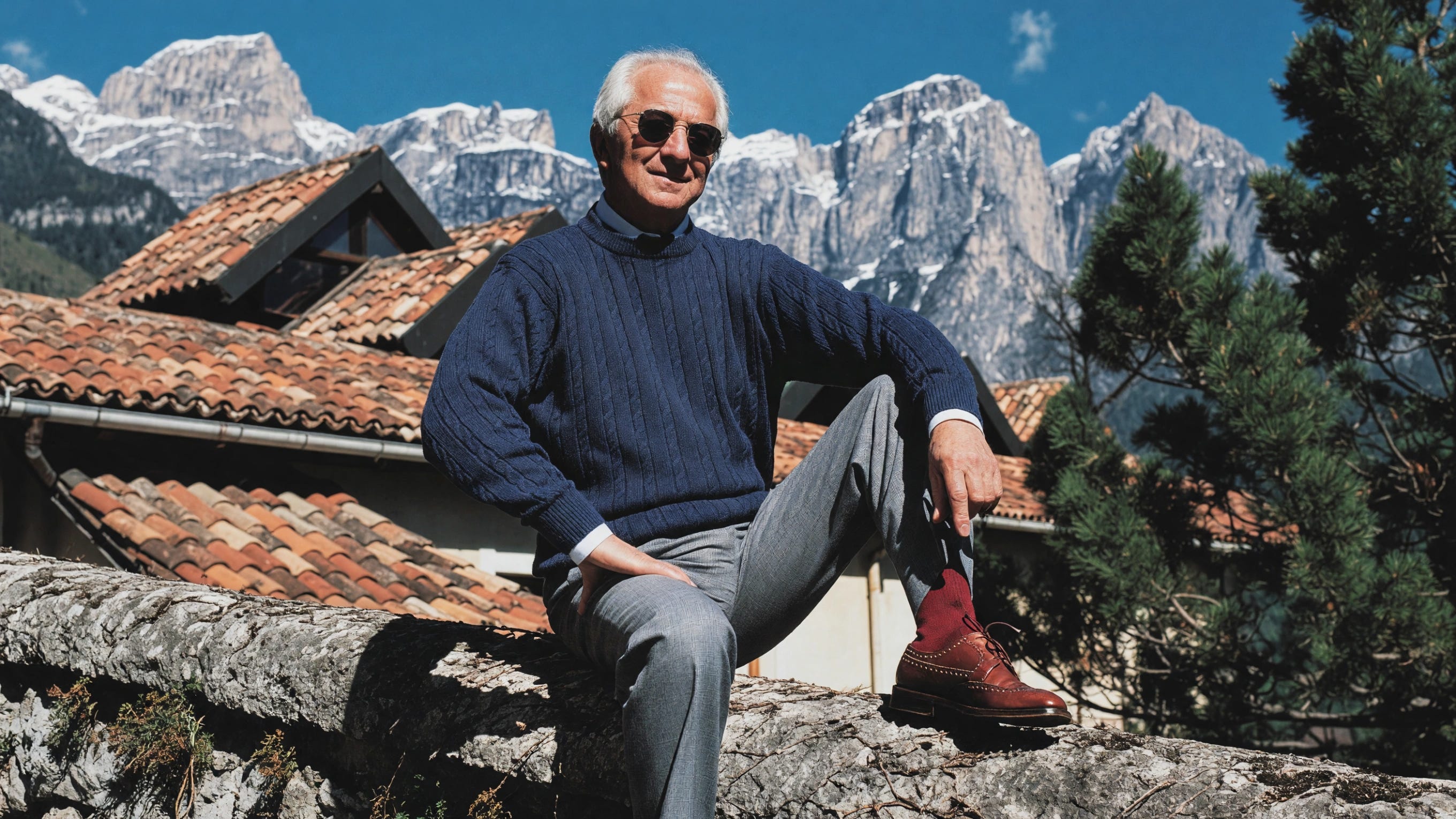
A license can expire or pass to a competitor, while a brand you’ve bought keeps earning for you every time someone picks up a pair.
He went on buying: Sunglass Hut in 2001, a chain built to sell exactly the kind of glasses he made, and Oakley in 2007.
Seen whole, the strategy had a simple shape. Make the frames, own the names on them, and own the shops where customers try them on. Wherever a pair of glasses changed hands between the factory and the counter, the money stayed in the same company.
The finishing touch came on October 1, 2018, when Luxottica merged with the French lens maker Essilor to form EssilorLuxottica, the largest eyewear company in the world. At 83, the old apprentice now controlled everything from the lens to the cash register, and the business finally fit on a single organizational chart.
But the family that would one day inherit it was spread across three mothers and nearly half a century of births.
Three Mothers, Six Children
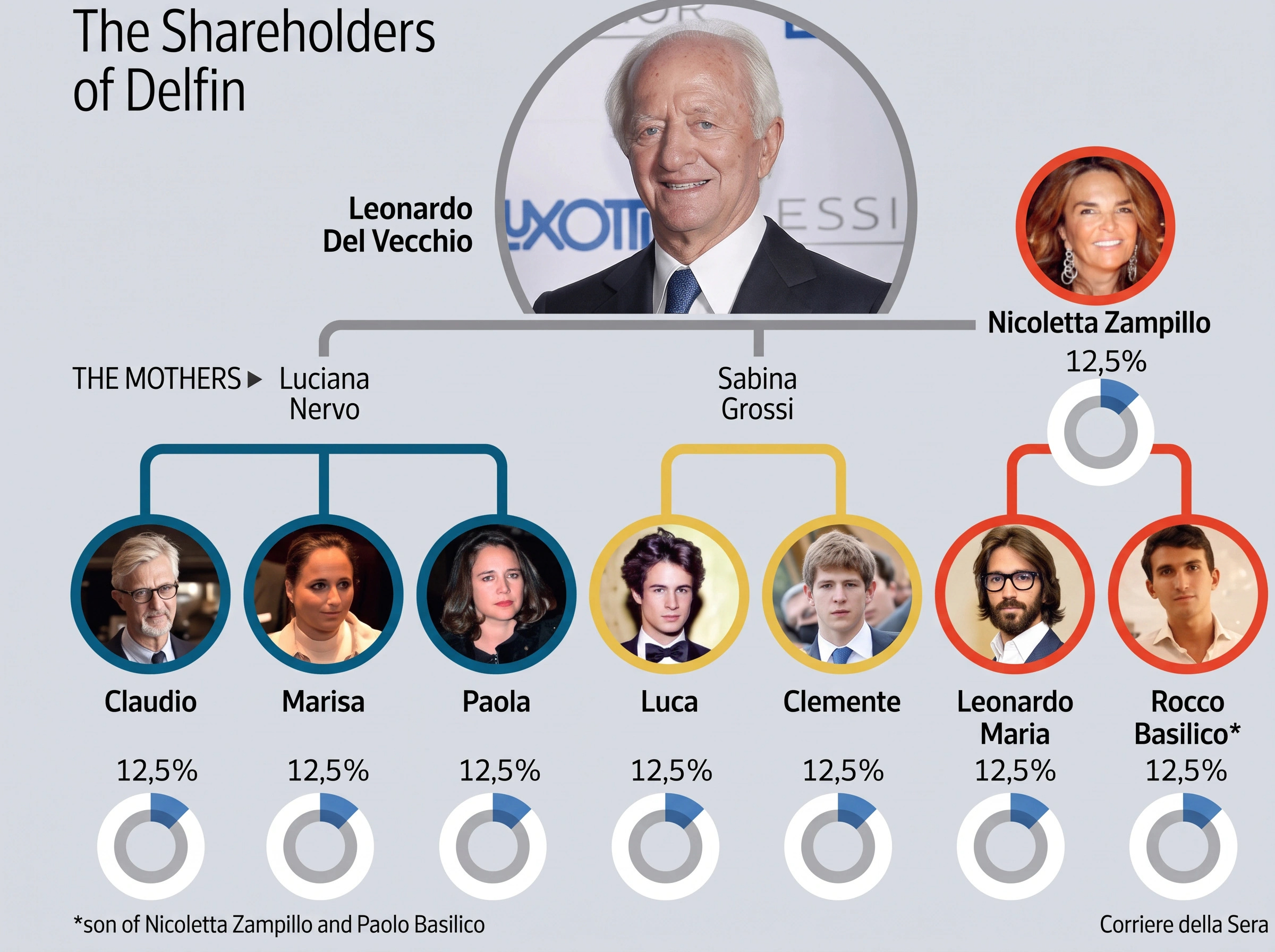
The founder’s private life was harder to diagram than any of his acquisitions.
He had six children with three women, only two of whom were ever his wife, and the two Gen-Z brothers at the center of this story were born to the one he never married.
The family is easiest to follow one mother at a time.
The first was his first wife, Luciana Nervo, mother of Claudio, Marisa and Paola. Claudio, the eldest, helped run Luxottica in the 1990s before buying the American clothier Brooks Brothers, a brand that ended up in bankruptcy court in July 2020.
The second chapter began with Nicoletta Zampillo, who met Del Vecchio through her father’s ties to Luxottica, so the company was in the room before the romance was.
Their son, Leonardo Maria, arrived in May 1995, and for several years he was the founder’s youngest child. His parents married in 1997 and separated in 2000, and a decade would pass before they married again.
Zampillo also brought a son from her first marriage, Rocco Basilico. That made Rocco the founder’s stepson and Leonardo Maria’s half-brother on their mother’s side.
The third mother came from inside the company.
Sabina Grossi had been Luxottica’s head of investor relations, the executive who explains the numbers to shareholders, and she’d also served on its board. Her first son with the founder, Luca, arrived the year after he and Zampillo separated, and Clemente followed three years later.
Luca and Clemente are full brothers and squarely Gen-Z, while their half-brother Leonardo Maria lands just on the millennial side of the line. Both boys were born into a family whose company already owned Ray-Ban.
The second wedding to Zampillo finally came in 2010, and that marriage lasted for the rest of his life, which left her as his widow.
Three households, two marriages, six children and a stepson, born decades apart and raised in different worlds.
One document would try to treat every one of them exactly the same.
Eight Equal Slices
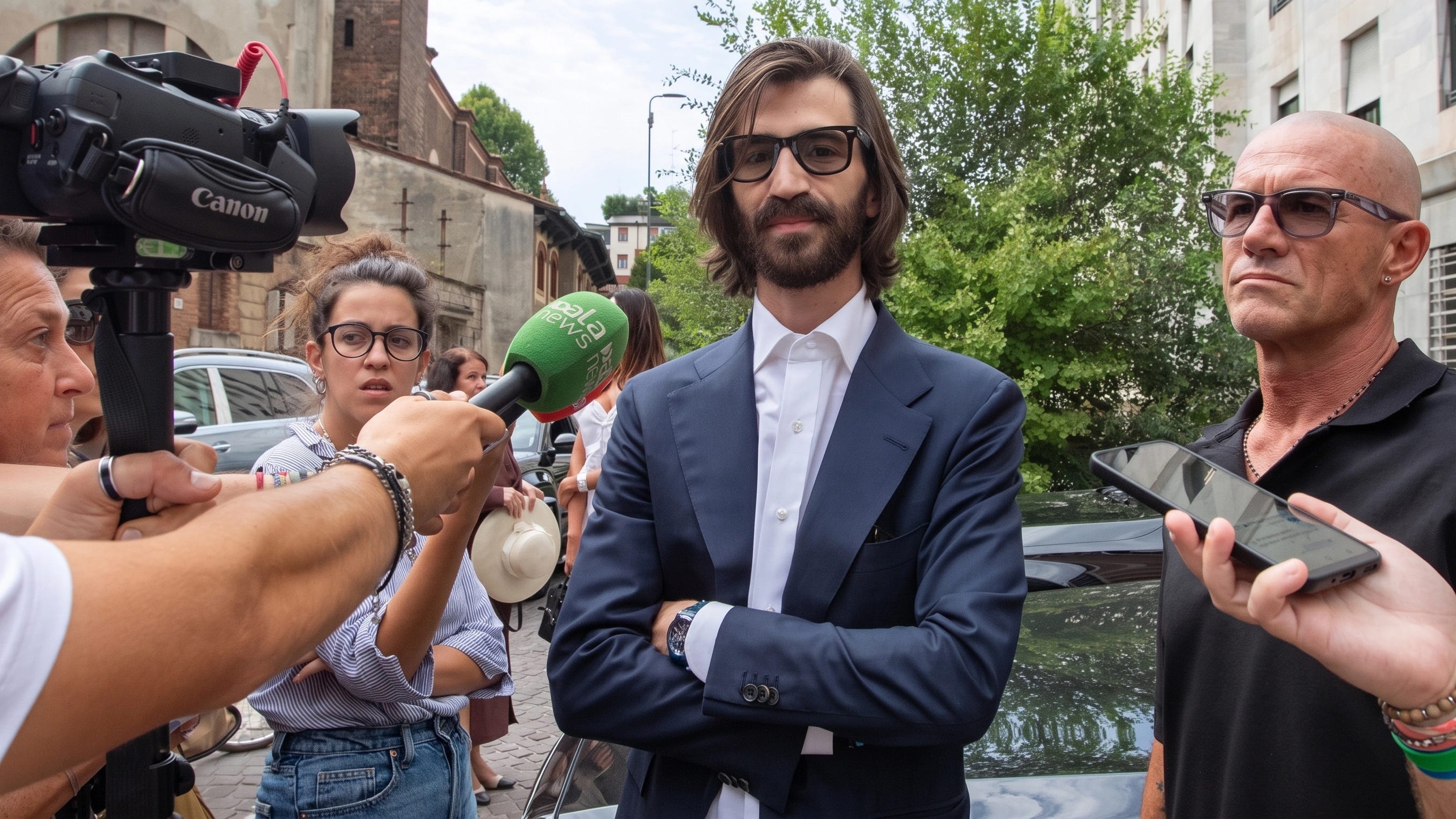
Leonardo Del Vecchio died in June 2022, at 87, leaving a fortune the Daily Mail puts at $25.5 billion.
Most of it sat inside Delfin, the Luxembourg holding company on top of the family’s stakes, and his will cut Delfin into eight equal pieces: six for his children, one for his widow and one for her son, Rocco.
The fine print was more tangled. By MF’s account, the will gave Rocco his slice while his mother kept its votes and income for life, and a few days after the founder died, she signed that lifetime claim away and made her son the full owner. The stepson with a different surname now held exactly as much of Delfin as Claudio, the founder’s eldest.
For all its careful arithmetic, the will left the company it divided without a family captain.
Major decisions at Delfin require near-unanimity, according to Business Times, and the Italian news agency Ansa reported that the will named no successor as Delfin’s president. Every big call would need nearly all eight heirs, from three branches of the family, to say yes.
And the man the founder trusted to run things came from outside the bloodline. Francesco Milleri, EssilorLuxottica’s chief executive and his long-time lieutenant, was his pick to lead both the listed company and Delfin.
Furthermore, the will left Milleri shares worth about $307 million, a personal stake in the empire he’d been chosen to steer.
The heirs accepted the estate “with benefit of inventory,” a legal formula that let them list its assets and debts before deciding whether to take it on. The youngest of the eight was Clemente, who became the world’s youngest billionaire when his stake came through.
Under a will that needed almost everyone to agree, two of the eight votes now belonged to a teenager and a brother only a few years older.
Within a few years, the quieter of the two would set off the biggest fight the family had ever seen.
Two Brothers, Very Little Noise
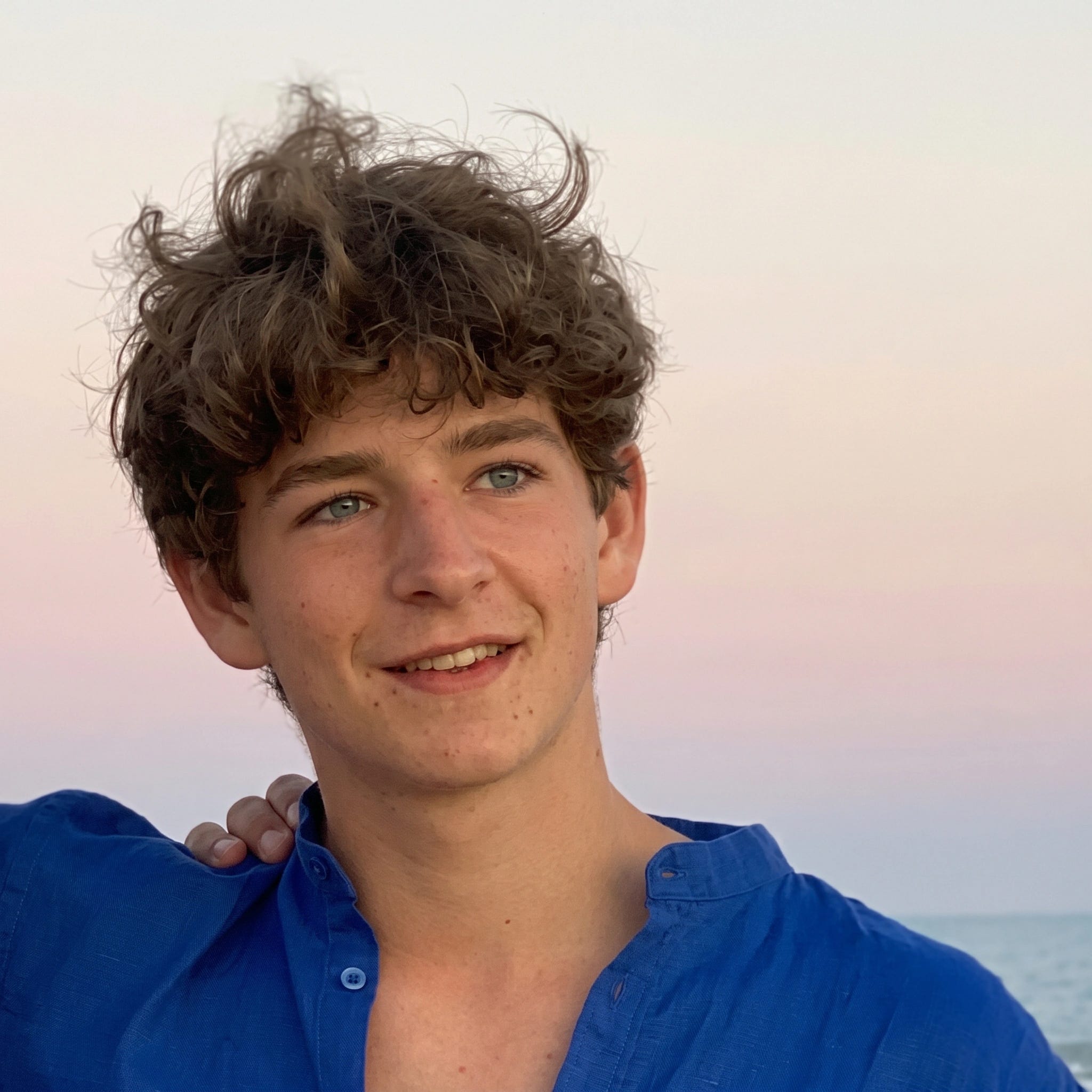
Plenty of young heirs live their lives in public.
Luca and Clemente Del Vecchio, with ten-figure fortunes apiece, have left an unusually faint trail, and most of it runs through the financial pages.
Forbes puts Luca’s real-time net worth at about $5 billion and Clemente’s at $5.1 billion, figures that move whenever the market does.
Luca, 25, has the longer public résumé, and it’s an academic one: his Forbes profile lists a bachelor’s degree in economics from Bocconi University and a master’s from London Business School.
Clemente, 22, lives in Milan, and beyond his city, his age and his ranking, comparatively little about him has made it into print.
As of 2023, neither brother held a role at Luxottica.
What the brothers lack in public profile, their inheritance makes up for in reach.
Through Delfin, their slices reach past eyeglasses into the heart of Italian finance, with major stakes in the insurer Generali and the banks Monte dei Paschi and UniCredit, the last of them a holding the founder was known to be attached to.
At the start of 2026, Delfin’s main assets were worth about €54 billion, and every swing in the price of frames and lenses moved the brothers’ fortunes with it.
Their half-brother Leonardo Maria plays the role of Del Vecchio heir in an entirely different key. Where Luca and Clemente avoid the cameras, he walks toward them.
He climbed from business analyst to chief strategy officer and president of Ray-Ban, hired A$AP Rocky as a creative director, and wore his own sunglasses up the steps of the Met Gala.
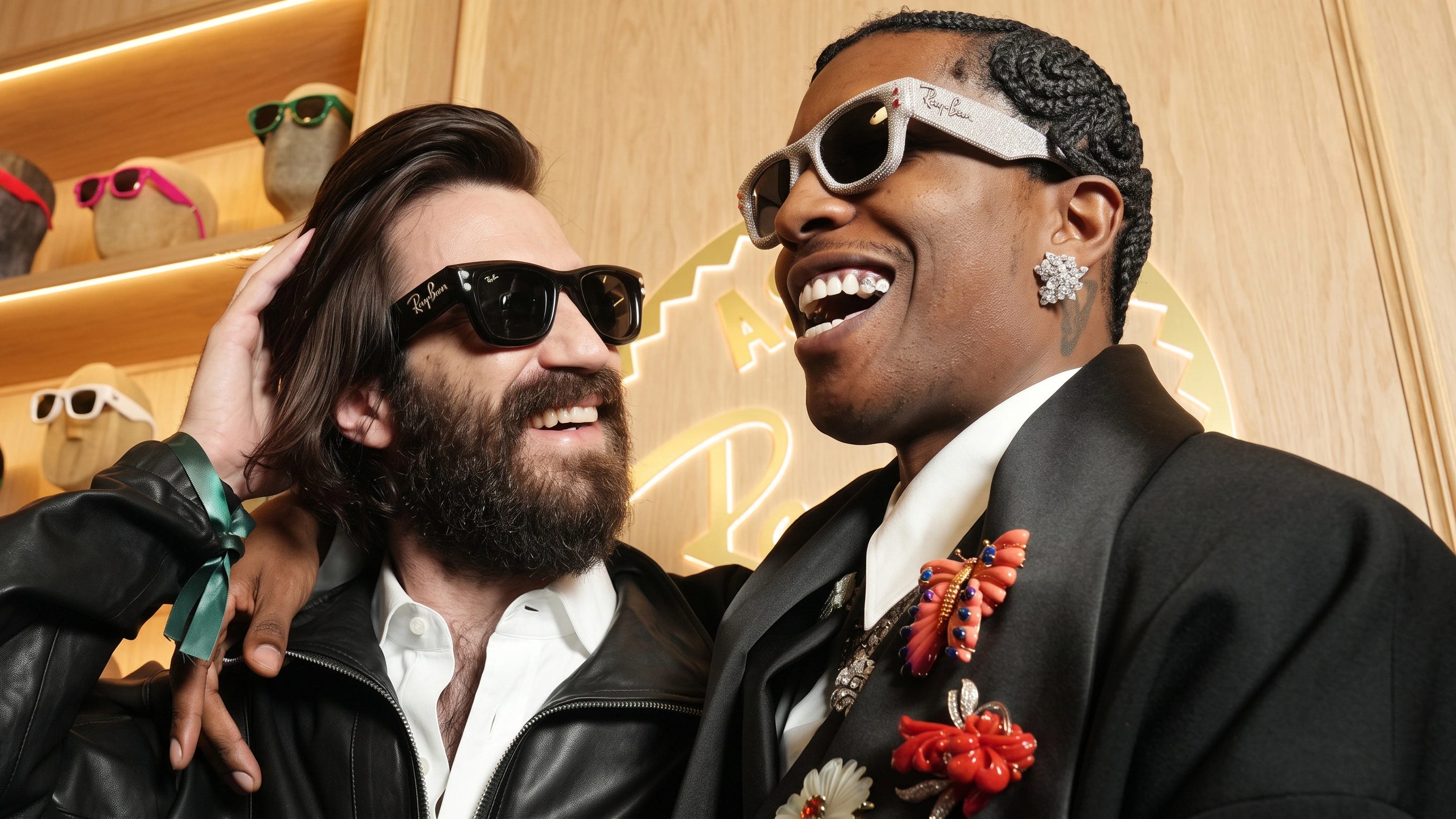
On the side, his family office collected the trappings of an Italian power player: a mineral water company, a celebrity beach club in Versilia bought from Flavio Briatore, and a stake in the newspaper Il Giornale.
What he wanted most, though, was a bigger piece of his father’s empire, and his opening came from the quietest corner of the family.
Eight Separate Houses
Late in 2025, Luca and his half-sister Paola asked to move their slices of Delfin into companies of their own.
Their father’s rules allowed only flesh-and-blood heirs to hold the shares and barred them from pledging those shares to a bank, so a company wrapper was the only way to turn a paper fortune into something a lender would accept. Three of the other heirs, Leonardo Maria among them, voted no.
The refusal set off a safety valve in Luxembourg law, which bars a company from locking a shareholder in for life.
The rest of the family got first claim on the two slices for a limited time, and if nobody bought them before the window closed, Luca and Paola were free to move them. In January, Leonardo Maria, one of the heirs who’d voted no, announced he’d buy.
The price was €5 billion a slice.
With three of the eight in hand, he’d become the loudest voice in a structure his father had built to have none.
In April, the family approved the deal by six votes to two. One of the no votes, his half-brother Rocco, went to court to stop it, though the two made a shaky peace by June.
Then came the hard part: paying for it.
The banks would only lend the billions if Delfin backed the loan, Delfin said no, and the deal expired at the end of June without a single euro changing hands.
“If I think we haven’t yet managed to close the succession, I’m honestly ashamed,” Leonardo Maria told Corriere della Sera.
On August 25, he resigned as president of Ray-Ban and left the company his father built. “The enthusiasm isn’t what it used to be,” he wrote. “The distance is felt.”
But the quietest heir came out on top. Once the deadline passed on August 17 with no buyer, a judge let Luca move his slice into his own company, exactly what the family had refused him nine months earlier.
His lawyers then turned the tables, demanding that Leonardo Maria pay the €250 million penalty built into the deal he couldn’t finish.
Soon nearly everyone wanted out of the old arrangement. Leonardo Maria, Clemente and Rocco all asked to move their slices too, and the board began considering a plan to split Delfin into eight “mini Delfins,” one for each heir.
The peace between Leonardo Maria and Rocco has since broken down, and the two half-brothers are set to face each other in a Luxembourg court this November.
“I believe we’re still far from a clear way out of the deadlock at Delfin,” said Margherita Strazzari, an analyst at Sempione SIM. “This has been going on for years.”
Their father built one company to hold everything together, and his two youngest Gen-Z sons may end up proving that a piece of Europe is easier to inherit than to share.
No i was not
An orphan becoming a billionaire. That's a story to be told again and again