
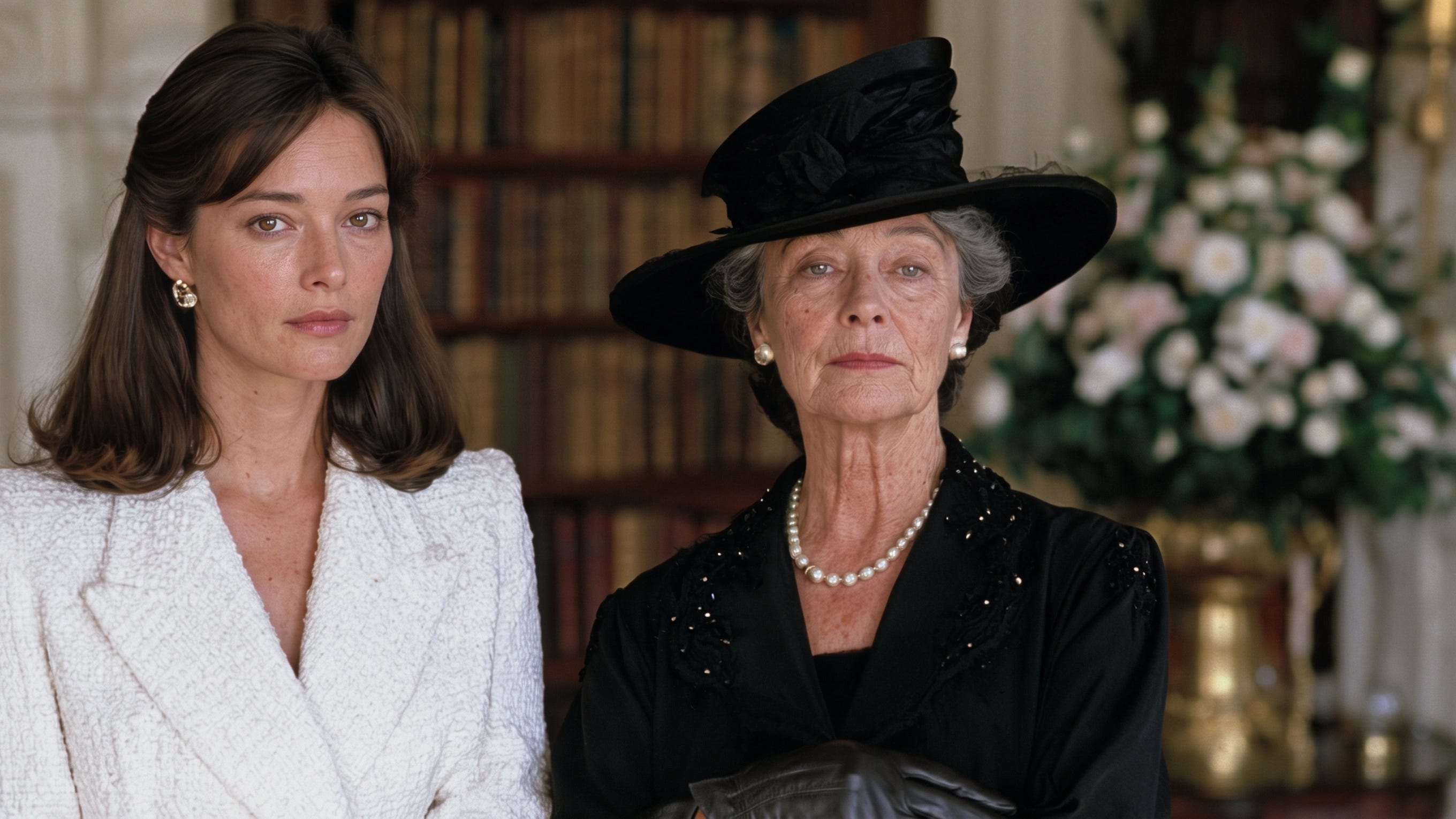
Put a blunt question to a wealthy family and you’ll almost always get a perfectly pleasant reply… which is why so few people notice that it never actually answered them.
Nobody bristles, and nobody changes the subject. What comes back is a softer version of what you asked.
A question about money gets a shrug, a question about who owns the company gets a mention of “the office,” and a question about college gets the name of the state it was in (never the city, like New Haven… that would reveal too much).
That conversational softening is doing a job.
A direct answer hands the asker something to compare, repeat or request, while a deflection keeps the boundary exactly where it was.
With so much at stake (generations, in fact), it makes sense that many wealthy families pass down the art of deflection along with the money.
Here are four questions they tend to sidestep, and what they say instead.
#1 “What is it worth?”

Ask an heir over drinks what something is worth, roughly, and watch the temperature of the conversation drop a degree or two.
A number is an invitation. Say it out loud and the listener can rank it, repeat it, resent it or ask for a piece of it.
Which is why the answers that come back are so beautifully empty:
“We’ve been fortunate.” “It’s never really been discussed.”
“The family’s done well.”
For some heirs, that last line is the literal truth. Jamie Johnson grew up inside one of the most recognizable fortunes in America, the one attached to the Johnson & Johnson company his great-grandfather founded in 1886, and his childhood came with a single household law: don’t talk about money.
His father’s version was more specific still. “He always told me from a very early age, don’t talk about money, deny being wealthy if people ask you,” Johnson recalled. When the boy asked about the family connection itself, the advice went further: “If anyone asks you about it, you tell them it’s not true, tell them you’re not related to the family that started Johnson & Johnson.”
So, naturally, the son made a documentary about it.
He spent three years on Born Rich, which opens on his black-tie 21st birthday, the night he came into his inheritance, and follows ten young heirs through the strange etiquette of having more than they could ever spend.
The family lawyer warned him he might be committing social suicide, and heirs to the Rockefeller and Campbell Soup fortunes turned him down flat. HBO aired it in 2003, and the taboo he’d been raised on became the subject of the film.
His explanation for that taboo is the cleanest anyone has offered: “When people talk about money, they are nervous that that calls into question their right to have the money and the wealth that they possess.”
A total, in other words, puts the family’s right to its fortune up for discussion, and few heirs want to defend that over cocktails.
When the number won’t come, the curious usually narrow the question, and the narrower version turns out to be even harder to answer.
#2 “Who owns it?”
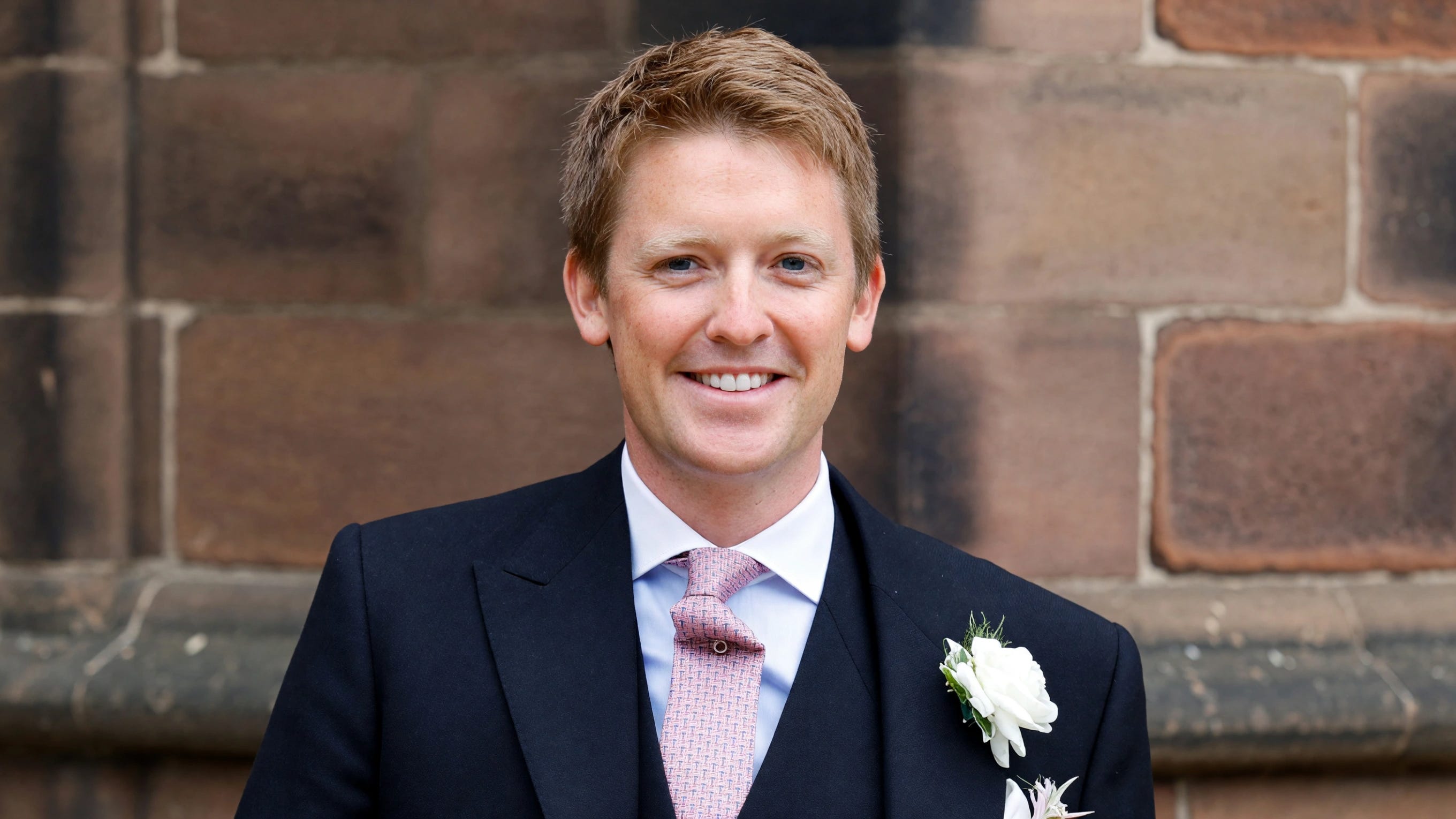
Stand anywhere in Mayfair or Belgravia, ask who owns the street you’re standing on, and somebody will hand you a name: the Duke of Westminster.
It’s understandable shorthand, and it flattens one of the most interesting arrangements in British money.
The family’s London land traces back to a single wedding, Mary Davies to Sir Thomas Grosvenor in 1677. When Hugh Grosvenor succeeded his father in 2016, at 25, he inherited the dukedom and the control associated with the historic estate, but the core business itself sits in family trusts established in the 1950s.
He controls Grosvenor Group and chairs the estate’s trustees; he also can’t simply decide to sell off a major asset for personal cash, because a significant disposal needs the trustees’ agreement.
That’s the whole problem with the question: “ours” can mean the family benefits from it and directs its long-term purpose, and still stop well short of meaning a 25-year-old may sell any building he likes.
Listen to people inside arrangements like this one and you’ll hear the trust deed in every sentence:
“The group manages that side of things.”
The most revealing version is also the most honest: “We’re responsible for it, but it isn’t mine to sell.”
Every one of those answers is accurate, and every one moves the spotlight off a person and onto an institution, which is precisely where an old fortune prefers it to rest. “The family owns it” is true at dinner and incomplete on paper, the conversational version of a legal diagram.
Ownership can at least hide behind a trust; the next question goes straight for a parent.
#3 “What do your parents do for a living?”
At a school gate it’s the most innocent question in the world, and in a certain kind of family it’s the most loaded.
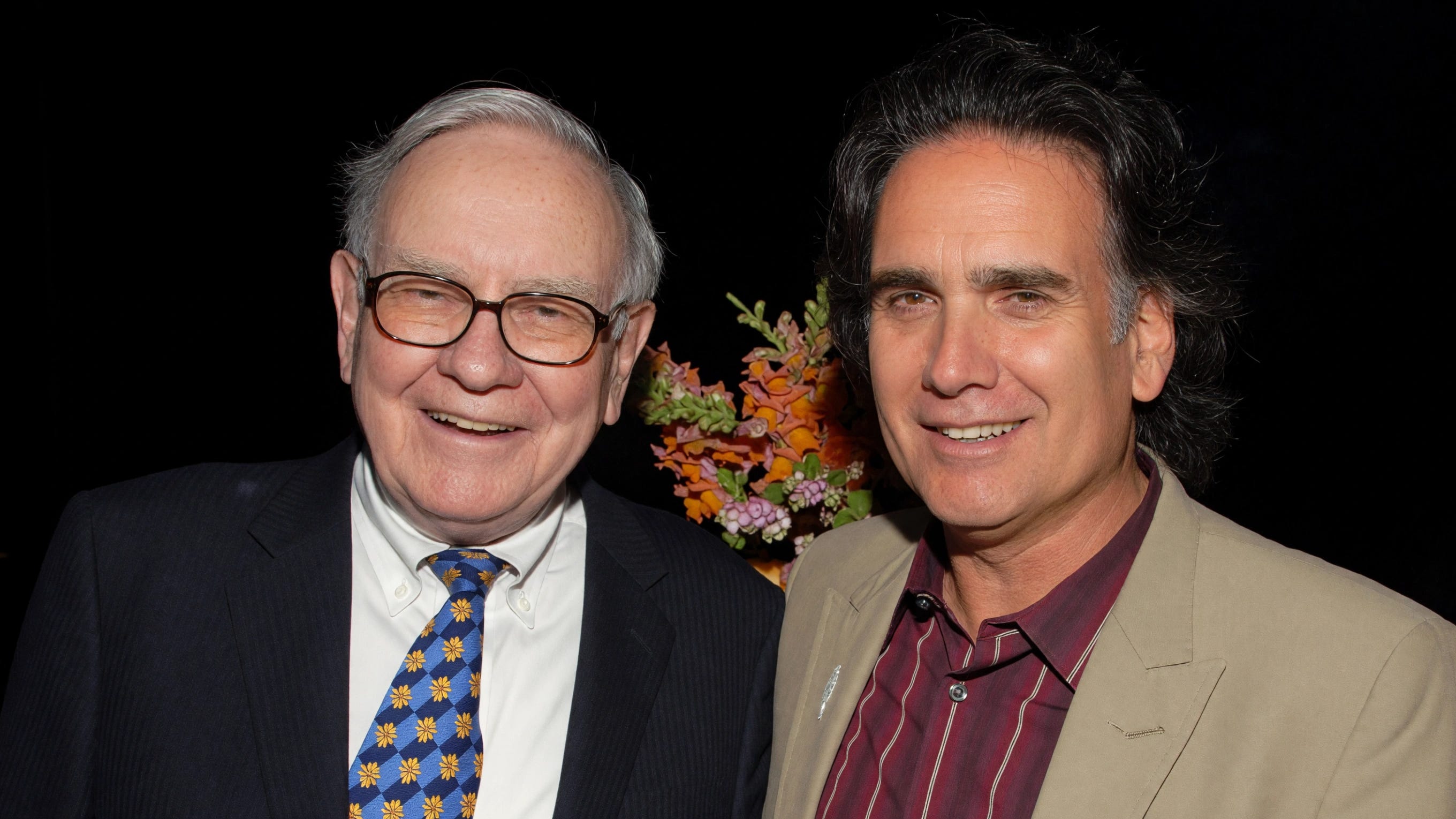
In Omaha, a grade-school girl named Susie Buffett was handed a form asking for her father’s occupation, and she wrote down two words: “security analyst.”
Her classmates drew the obvious conclusion. “All the kids thought that he checked alarmed systems,” her brother Peter Buffett said years later. “That’s how disconnected anyone was to who he was.”
Their father was Warren Buffett.
The family lived in the house he’d bought in 1958 for $31,500, Peter walked to public school, and he had the same English teacher his mother had once had.
“Growing up, we really didn’t know what my dad did,” he said. “It was quite mysterious.”
He was about 25 before he fully understood, and his summary of the household is worth framing: “We didn’t grow up around the exposition of wealth.”
And yet the elegance derives from the fact that every word on that form was true.
“Security analyst” described Buffett’s work accurately, and the label still tucked an extraordinary amount of ownership and influence behind the picture of a man fiddling with burglar alarms.
That’s the template for the polished answer to this question everywhere, with our favorite being the reliably vague “he looks after a few companies.”
Nobody can accuse you of lying, and the listener fills in the blank with something comfortably smaller than the truth.
A parent’s job can be shrunk to a vague noun… and an Ivy League degree can be shrunk to the name of a state.
#4 “Which school?”
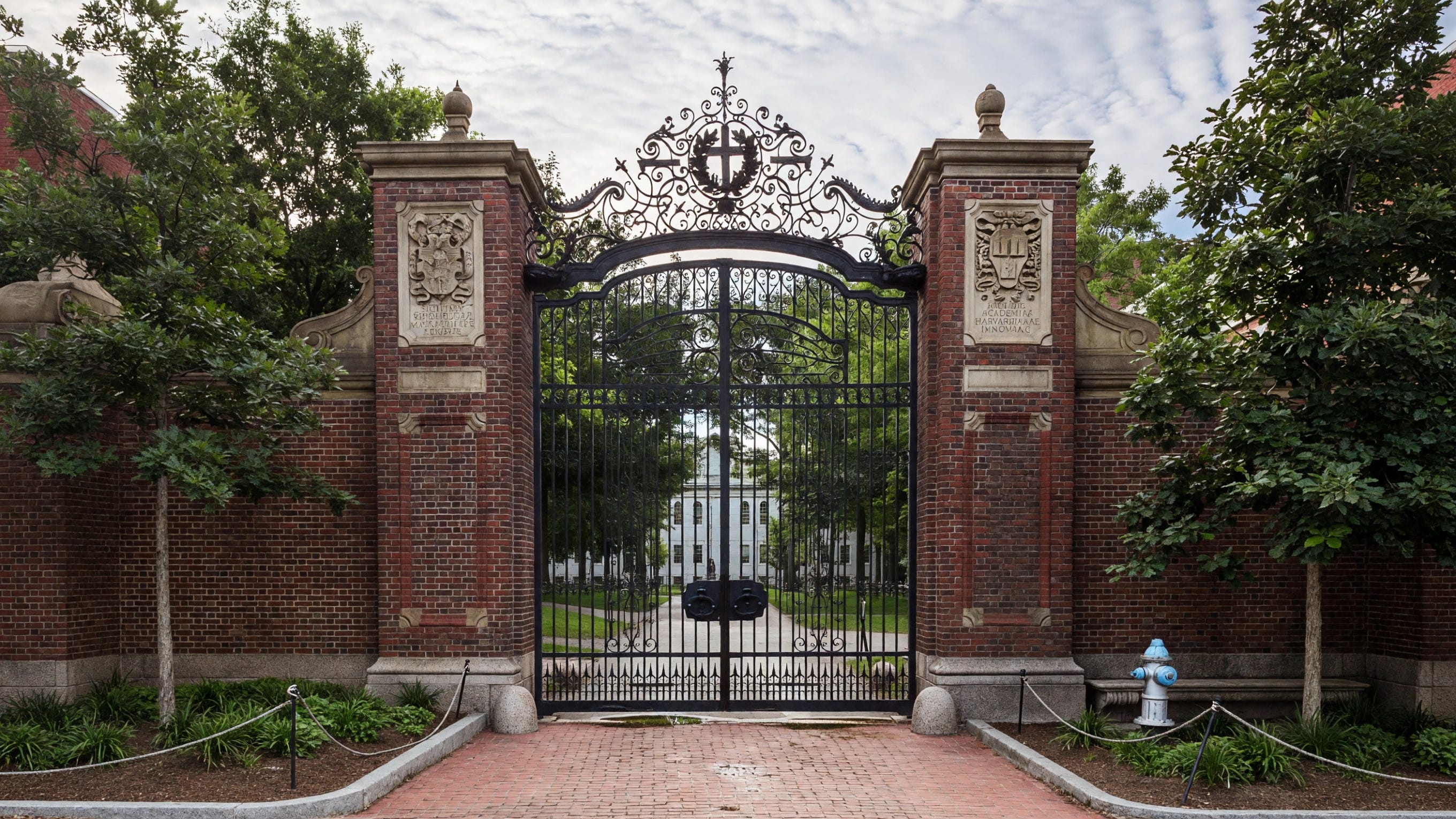
In our piece on phrases that expose someone as “new money,” we explained that “old money” Ivy League graduates tend to avoid saying their college’s name directly; they’re more likely to simply say they went to college in “Connecticut” rather than Yale.
Harvard students have a name for the thing he was avoiding: “dropping the H-bomb.”
Even Harvey Mansfield, who taught government at Harvard for sixty years, once admitted he dodged it:
“I say that I teach. Where? In a college. Yes, but where? Around Boston. Oh, I see. You must be a Harvard professor.”
The real reason is what the name does to the room.
A famous school answers far more than the question asked. Say “Princeton” or “Yale” and the listener quietly fills in the rest: the test scores, the parents who could afford the tutoring, the friends who now run things.
Some people hear accomplishment, plenty hear a boast, and a few hear a verdict on their own choices.
That’s where the envy comes in.
A conversation that was warm a minute ago turns into a comparison, and the other person starts either performing for you or keeping their distance, neither of which is what you came for.
But the Ivies aren’t the only names with that effect. In 1985 a former Yale admissions officer named Richard Moll coined the term “Public Ivies” for state universities such as Michigan, UNC, UC Berkeley, and UCLA.
In their home states, those names often land with the same weight, carrying alumni networks, rivalries and family histories of their own.
So the answer arrives vague by design. “A school in New Hampshire” withholds the credential without telling a lie, or “I was back East for college” gives the region and none of the network.
The education stays a point of pride; the softness simply keeps a single word from doing all the introducing.
What the Soft Answer Protects
Line the four questions up and they share a shape.
Each one asks for something that, once said plainly, belongs to the listener: a number to repeat, an owner to approach, a parent to look up, a network to read, a reputation to borrow.
The deflection keeps each of those things where it started, and it quietly tests the person asking, since anyone who already understands “a school in Connecticut” or “we look after it” never needed the direct answer in the first place.
But… a word of caution before you start reading a trust fund into every vague reply.
Politicians obfuscate, scammers deflect beautifully, and plenty of ordinary people simply like their privacy, so a soft answer proves nothing on its own.
What sets “old money” families apart is how practiced the softness is, handed down with the last name until it sounds like nothing more than good manners.
Out of 7 sibs, only an older brother and I completed high school, and I was the only one of my sibs to go on to college and then graduate school. I ended up marrying a Harvard man, but I never disclosed that. I remember once when our children were very young, I was out to dinner with a group of other young moms, and the subject turned to elite schools. One of the women at dinner said, “Come ON! Has anyone at this table ever even MET a person who went to a school like Harvard?” I didn’t say a word and butter wouldn’t have melted in my mouth. She nodded knowingly. “See what I mean? They’re in a different league.”
I am working hard to create generational wealth for my family. Both of my grandfathers were depression era coal miners. My father was the first in his family to go to college, enabling him to raise my siblings and me in middle class comfort.
If we can create generational wealth, I think that would be a good legacy for my descendants.
I know, however, that I never lose sight of what makes me truly wealthy—my faith and my family.